
-
-
Phone
+86-13623462298



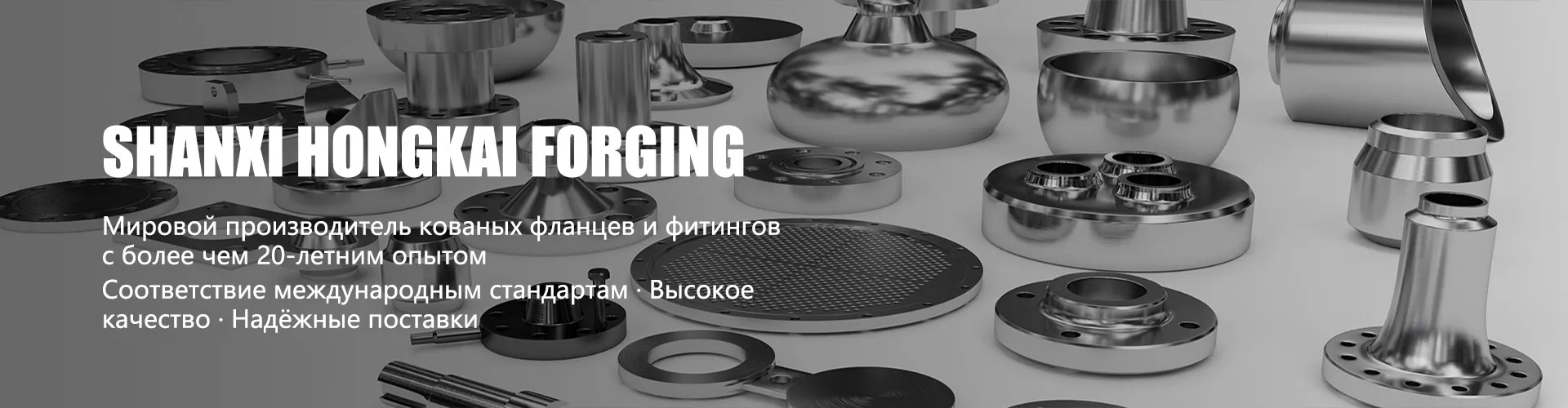
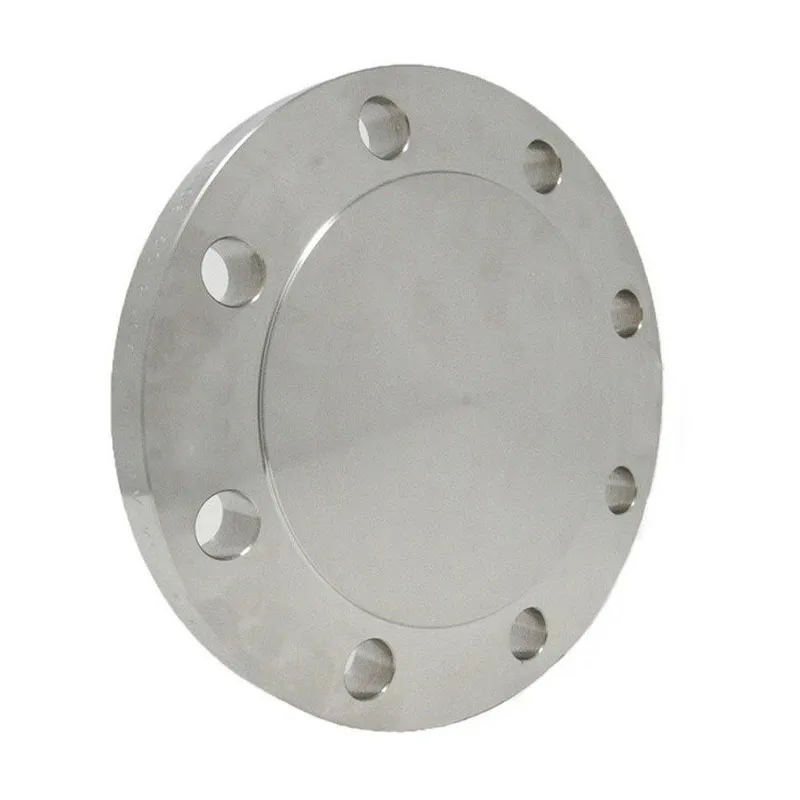
steel flange 100 16
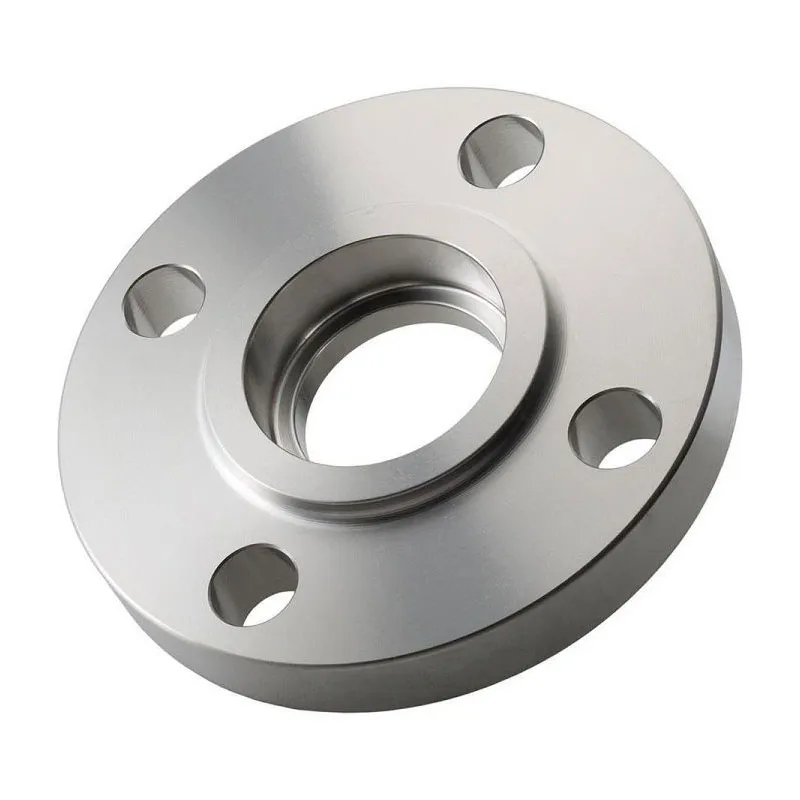
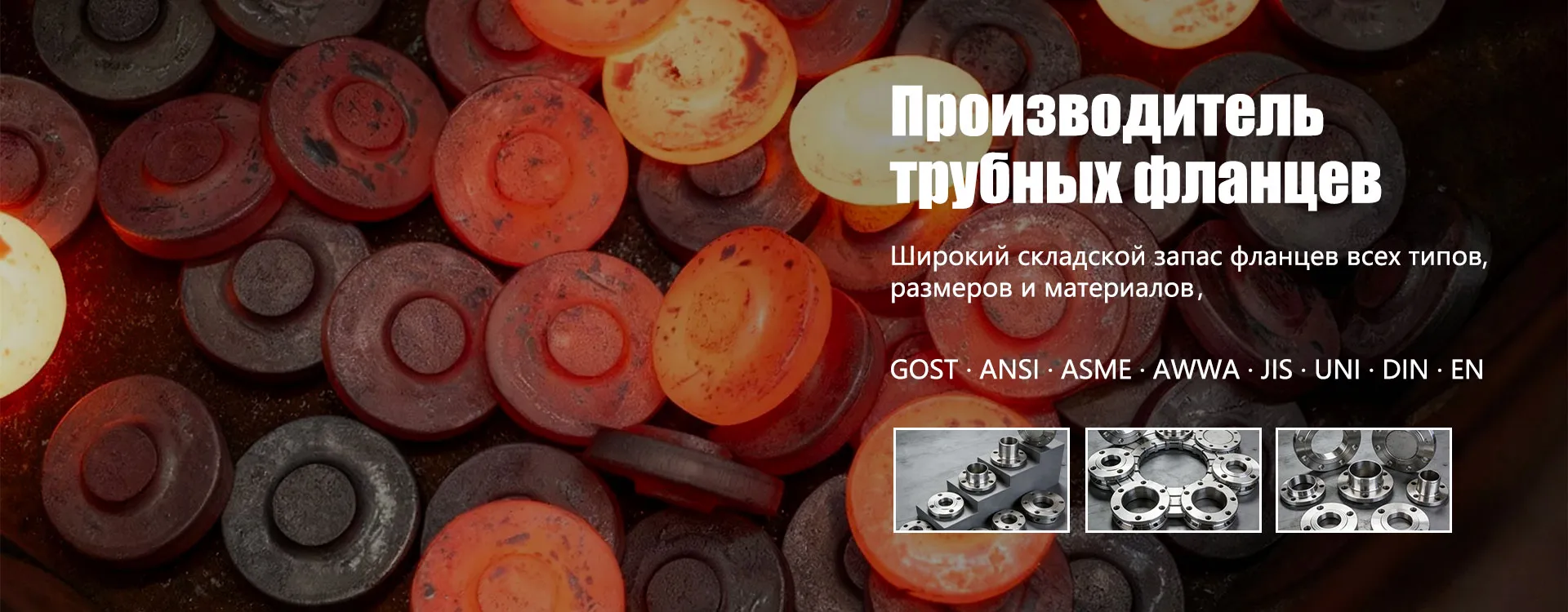
When you see “steel flange 100 16” in the application, everything seems clear: DN100, pressure 16 bar. But here lies the first pitfall, which many people forget about. The number 16 is the conditional pressure, PN16, but in which system? GOST 33259? ASME B16.5 Class 150? Or EN 1092-1 PN16? This choice affects the geometry, especially the thickness and design of the sealing surface. I have more than once encountered a situation where flanges were brought to a site according to one standard, but the fittings were according to another. The installers begin to tighten it, but there is no tightness. Then they look: the chamfer for the gasket is different, or the number of bolts is different. So what are these ?100 16? is the beginning of a conversation, not the end of it.
From drawing to forging: why material and technology decide everything
For pressure PN16 it is often believed that you can take anything, be it cast or welded. But if we are talking about dynamic loads, about temperature cycles, then forging is already needed. The cast structure may have hidden shells, while the weldedflangeThe heat-affected zone is a weak point. For critical components, we always insist on forged blanks. Their metal fibers are deformed and directed along the contour of the part, which gives much better fatigue strength.
For example, we worked with a contractor at a thermal station. Were neededsteel flangesto the feedwater pipeline, the parameters are exactly the same: DN100, operating pressure about 13-14 bar, but temperature under 200°C. The specification initially included steel 20 (St20). But I know from experience that at such temperatures the long-term strength of steel 20 decreases and creep may begin. We persuaded the customer to consider the option of steel 09G2S. Yes, it’s more expensive, but it meets Rostekhnadzor standards, and the service life will be significantly higher. We ordered production from a trusted forging manufacturer.
This is where I rememberShanxi Hongkai Forging Co.,Ltd. We interacted with them on a project where non-standard adapter flanges from DN100 to DN150 under PN16 were needed. It was the forging that was important, because according to the drawing there was a non-standard thickness and an asymmetrical configuration. On their websitehkflange.ruIt is indicated that they specialize in forged flanges and forgings according to drawings, and the range up to DN4000 allows such custom orders. What is important is that they work in accordance with GOST, ASME, EN. For our case, we made it according to GOST 33259, with a certificate and ultrasonic control of the workpiece. The quality of the forging was up to par: no delamination, clean surface for machining.
Gaskets and bolts: a systematic approach to the unit
On my ownsteel flange 100 16- this is only half the battle. The second half is a flange connection. And this is where mistakes happen most often. Take, for example, a flange according to EN 1092-1 Type 11 (welded neck), put a regular paronite gasket between them for the entire diameter, and tighten them with bolts of strength class 4.6. It looks like they've collected it. And when pressure testing begins to leak. Why? Because for PN16 in European practice, a gasket for seal type R (oval cross-section) is often used, which fits into a special groove on the sealing surface of the flange. And the bolts need a minimum of 8.8 to create the necessary initial tension for sealing.
One day we had to deal with an accident on a auxiliary line. The flanges were correct, but when replacing the gasket, the installers installed asbestos instead of paronite, and even cut it out by hand, with uneven edges. When starting a line with superheated steam, the gasket quickly collapsed. The conclusion is simple: a flanged pair is a system. And you need to select everything as a whole: flange, gasket, bolts, washers, tightening torque.
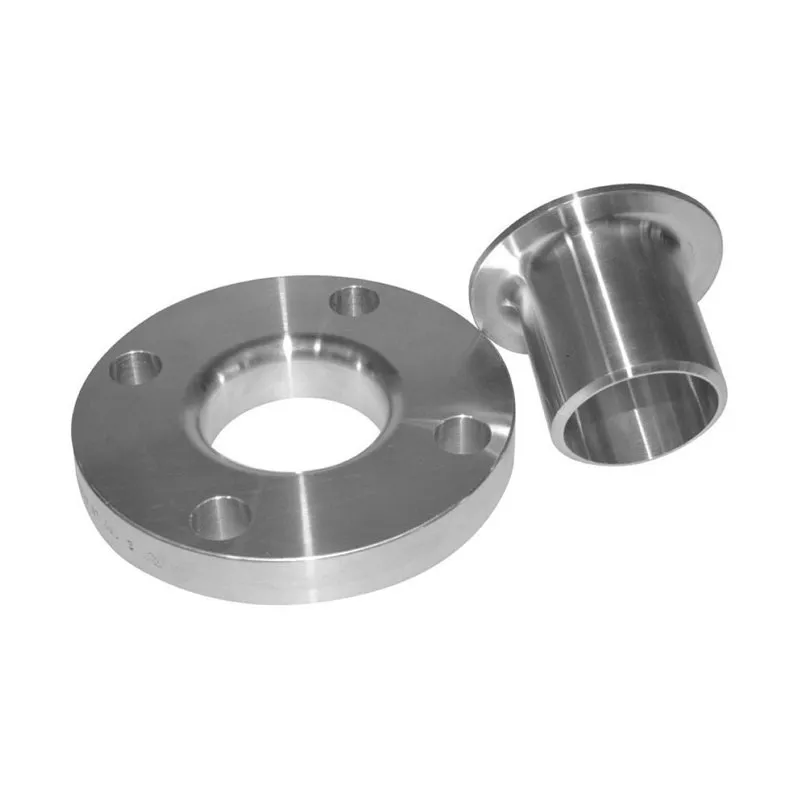
If we talk about standards, thenShanxi Hongkai Forging Co.,LtdThe range includes all the main types: butt welded, flat, loose. In our case, with DN100 PN16, most often there is a flat weld (PL) or butt weld (WN). WN is more reliable, especially for high pressures, since a smooth transition from the neck to the pipe reduces stress concentration. But also more expensive. In practice, for the conditional PN16, flat is often chosen due to savings. But I would still recommend end-to-end for any dynamic pipeline.
Control and acceptance: what to look for besides your passport
We received a batch of flanges. There are certificates in the package, everything seems to be fine. The first thing I do is a visual inspection. I'm looking for holes, burrs, and traces of corrosion. Pay special attention to the sealing surface. It should be clean, without marks. Then I take a caliper and a micrometer. I measure the main dimensions: outer diameter, thickness, bolt circle diameter, bolt hole diameter. Forflange 100 16according to GOST, for example, the thickness should be strictly according to the table. It happened that they were delivered with a minus deviation of half a millimeter - and this was already a defect.
The most important, but often ignored step is checking the geometry. I place two flanges of the same batch with the sealing surfaces facing each other. They should fit evenly, without distortion. The gap, if there is one, is minimal and the same around the entire perimeter. Once we caught a flange with a “propeller” in this way. — its sealing plane was not parallel to the mounting plane. If it had been installed, the connection would never have become airtight.
For critical facilities, it would be good to have non-destructive testing protocols from the manufacturer. On the same sitehkflange.ruin the company descriptionShanxi Hongkai Forging Co.,LtdIt is stated that they manufacture products in accordance with international standards. This implies not only geometry, but also quality control of the workpiece. This is especially true for forged flanges. It’s good when the manufacturer provides documents on ultrasonic testing or hardness control.
Non-standard situations and adaptation to the task
In life, everything rarely goes strictly according to the catalogue. Often a flange is neededsteel DN100, but with a non-standard arrangement of holes, or so that there is a transition to another pressure standard, or with an additional fitting. This is where manufacturers come to the rescue by taking on the work according to the drawings. The main thing is to correctly draw up the technical specifications: indicate not only all dimensions, but also the material, working media (water, steam, oil, aggressive substances), temperature, pressure.
We had experience when it was necessary to cut into an existing pipeline with old, Soviet-style flanges, which are no longer produced. The standard modern flange for 100 16 did not fit - the diameter of the bolt circle was different. I had to make an adapter flange. On the one hand, the geometry fits the old flange, on the other, it fits the new standard. We ordered it as a non-standard product. It was important to provide sufficient thickness to compensate for possible bending moments.
In such cases, you pay attention to the capabilities of the plant. If he's likeShanxi Hongkai Forging, positions itself as a manufacturer of forged flanges and forgings, including non-standard products according to customer drawings, this indicates the flexibility of production. This means that there is forging and pressing equipment that allows you to make not only standard forgings, but also unique shapes. It's more expensive and takes longer, but sometimes you just can't do without it.
Bottom line: Understanding context is key.
So, returning to oursteel flange 100 16. This is not just a product item. This is a solution for a specific engineering problem. Before ordering, you need to answer a bunch of questions: for which system? What standard? What environment? What are the neighboring elements? Will there be vibration? Do you need a forging or can you have a welded structure?
Experience teaches that there are no trifles here. The material, geometry, control, and related elements are all important. Saving on the quality of the flange or its correct choice can result in many times higher costs for repairs or downtime. Therefore, even for such a seemingly simple and common detail, the approach must be systematic and thoughtful.
And when you choose a supplier, be it a large plant or a specialized company like the one mentioned, you look not only at the price. You look at experience in similar projects, readiness to work according to your standards, availability of a full package of documents and, ultimately, reputation. Because in our work, reliability is not an empty word, but a concrete flange that holds pressure for years.
Correspondingproducts
Related Products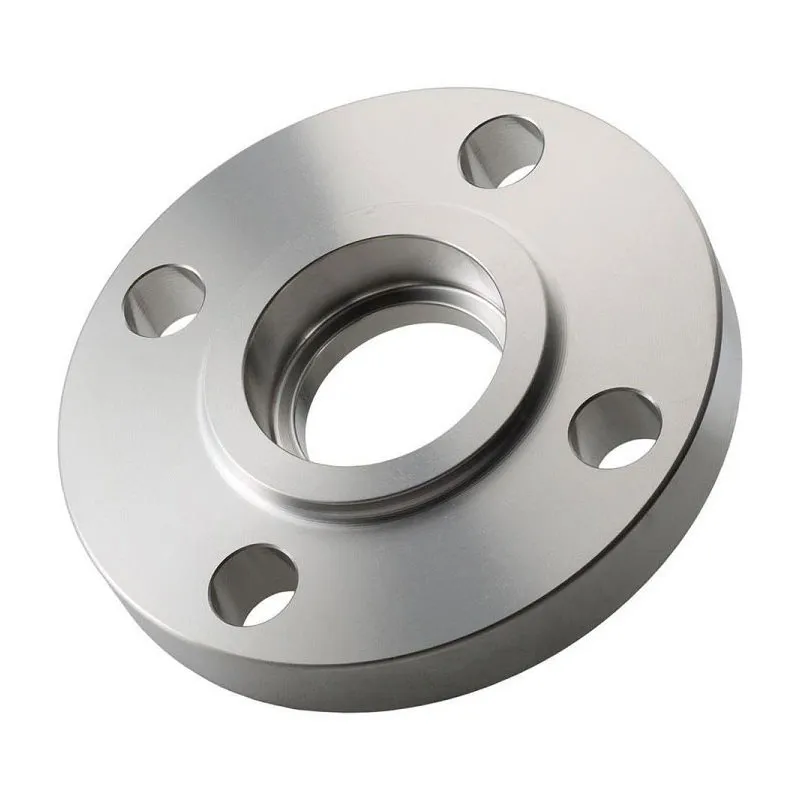
Best Sellingproducts
Best Selling Products-
 DIN 2565 Threaded flanges PN6
 -
 DIN 2566 Threaded flanges PN16
 -
 EN 1092-1 Threaded flanges Type 15, PN16
 -
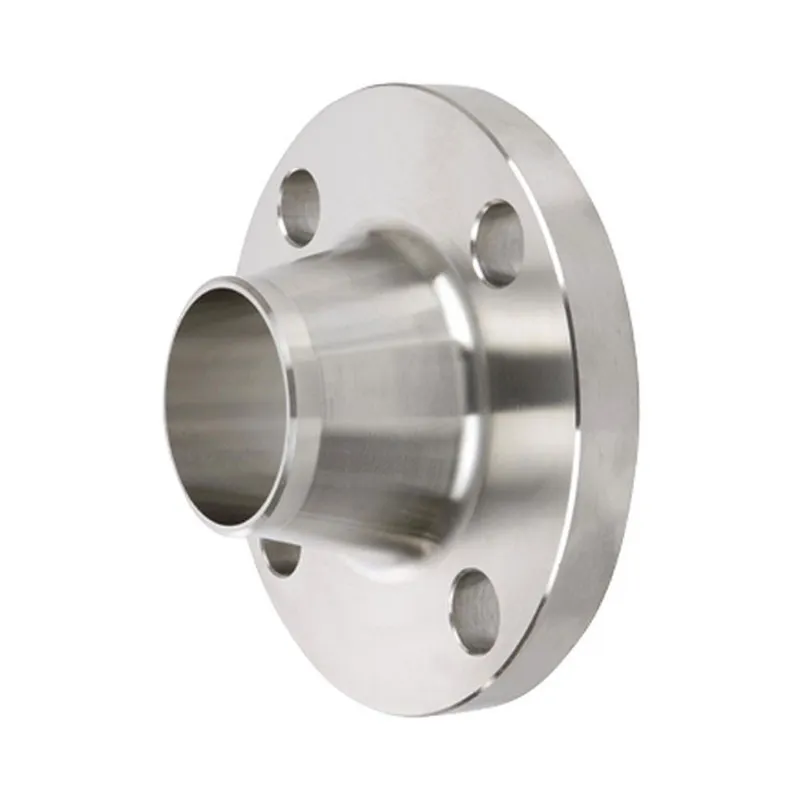 EN 1092-1 Butt weld flanges Type 11, PN25
 -
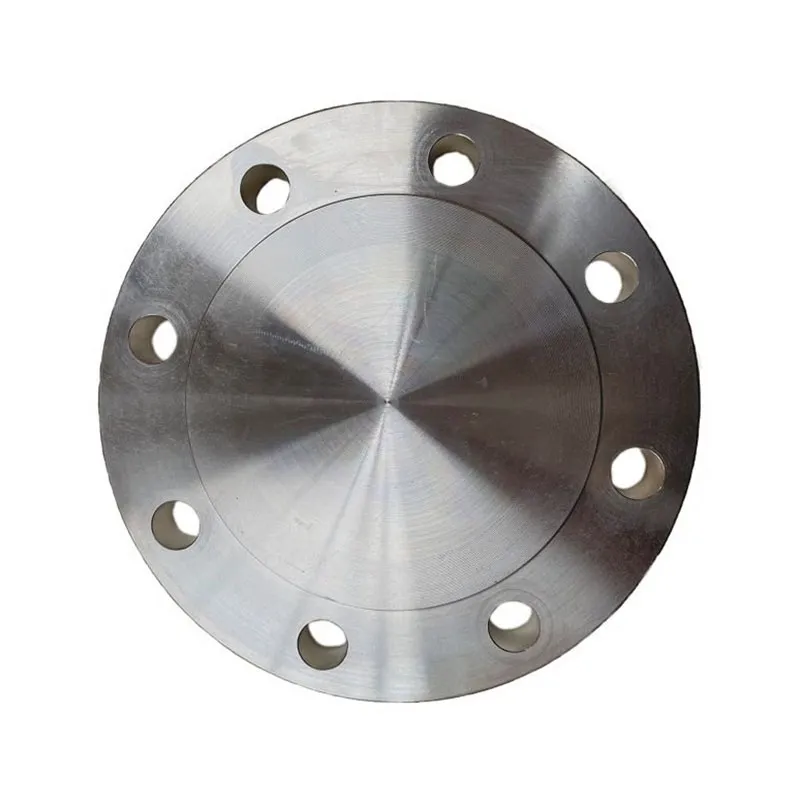 UNI 6092 Blind flanges PN10
 -
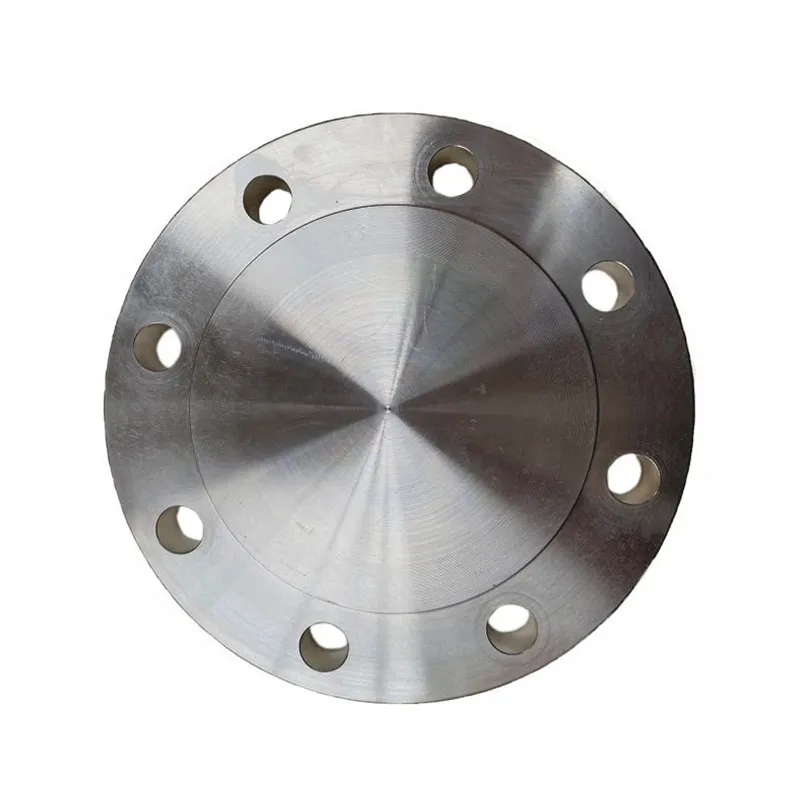 DIN 2527 Blind flanges PN10
 -
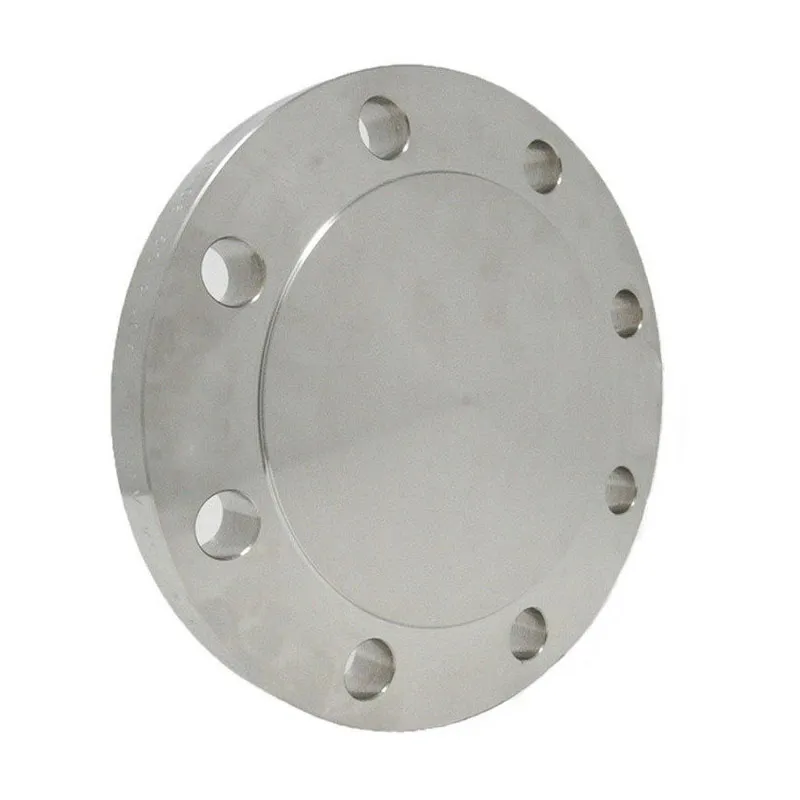 Blind flanges Class 150
 -
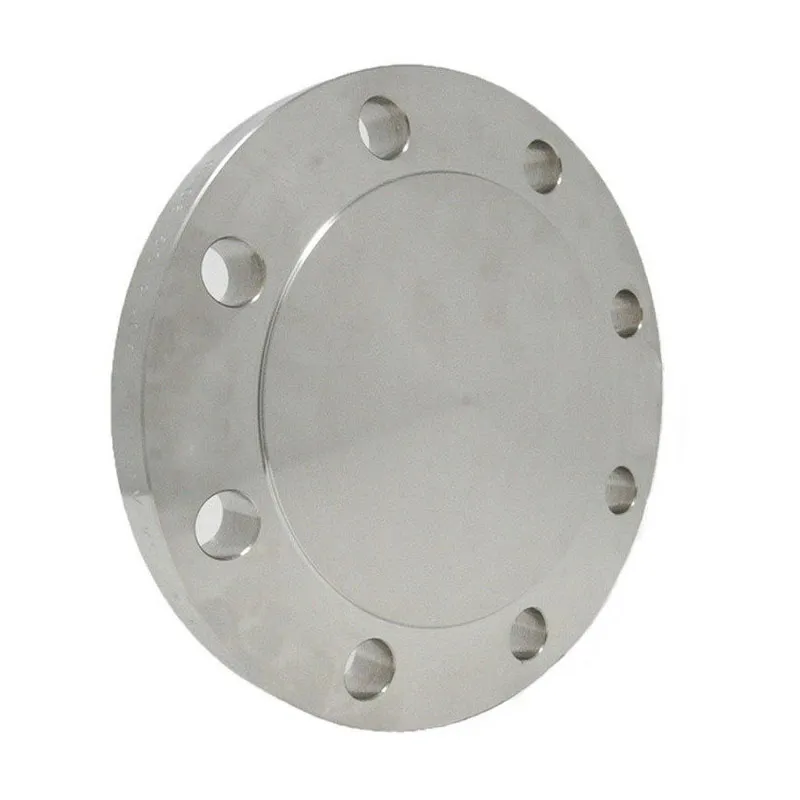 AWWA Blind Flanges Class D (Tables 1, 2, 3)
 -
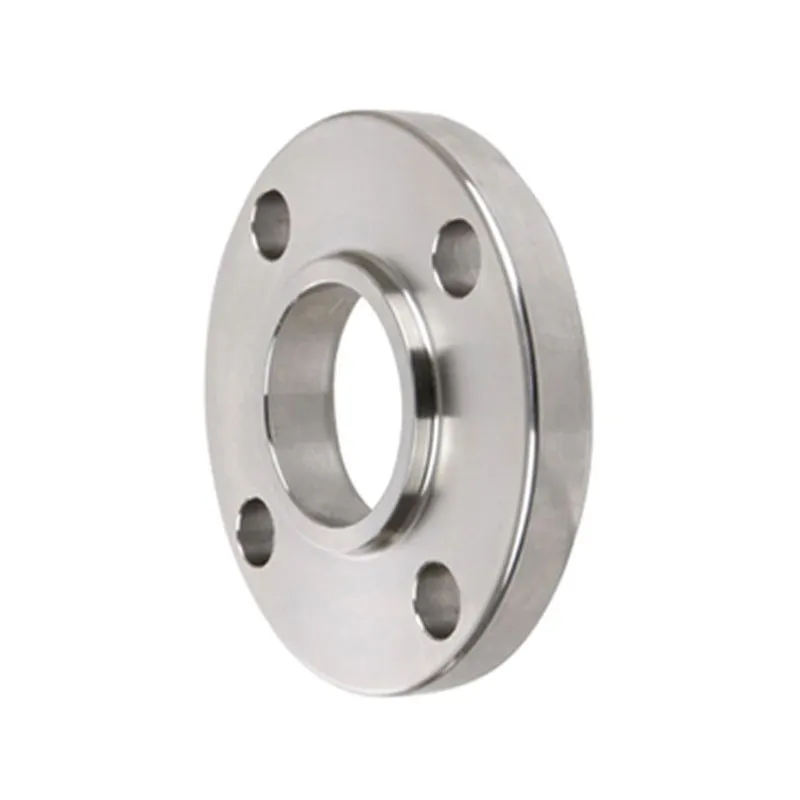 ANSI B16.5 Lap-on flanges Class 300
 -
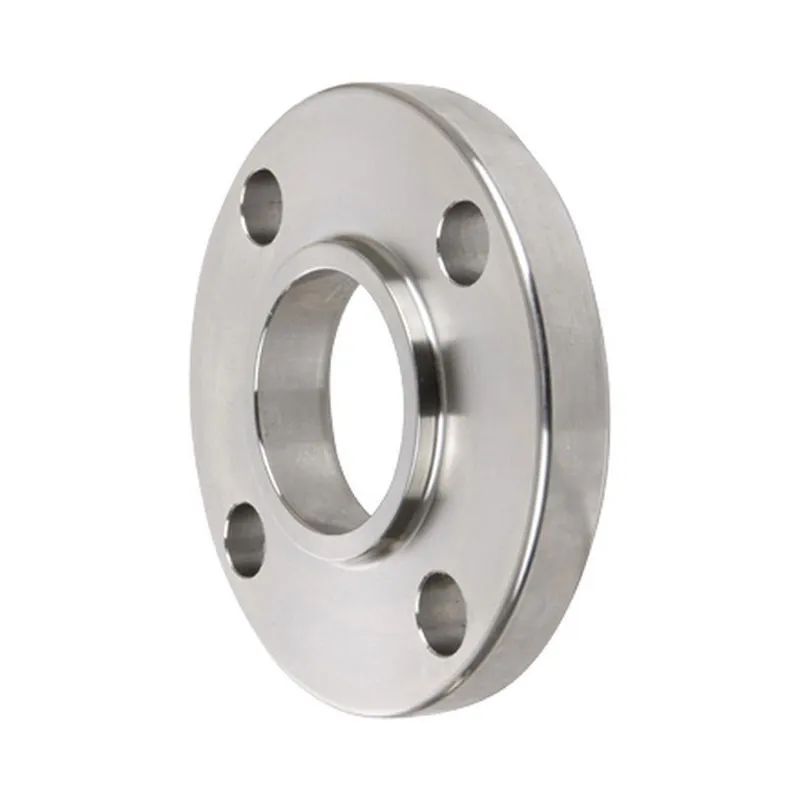 DIN 2501 Overlay flanges PN16
 -
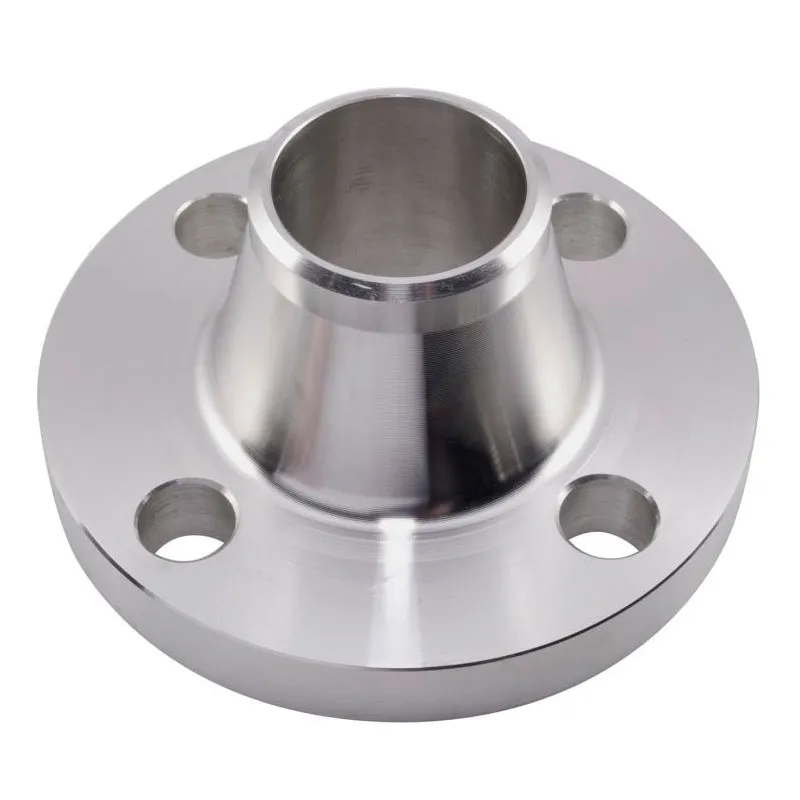 UNI 2281 Butt weld flanges PN10
 -
 EN 1092-1 Blind flanges Type 05, PN10