
-
-
Phone
+86-13623462298




flange type 2
When you hear “type 2 flange”, the first thing that comes to mind is probably something from GOST or maybe an ASME specification? In practice, confusion often arises. Many, especially those who are just starting to purchase, think that this is some kind of special, almost “improved” product. standard flange version. In fact, if you dig deep, it often turns out that it can mean different things depending on the context and standard. This is what we have to deal with all the time.
Let's understand the roots: where do the legs of type 2 grow from?
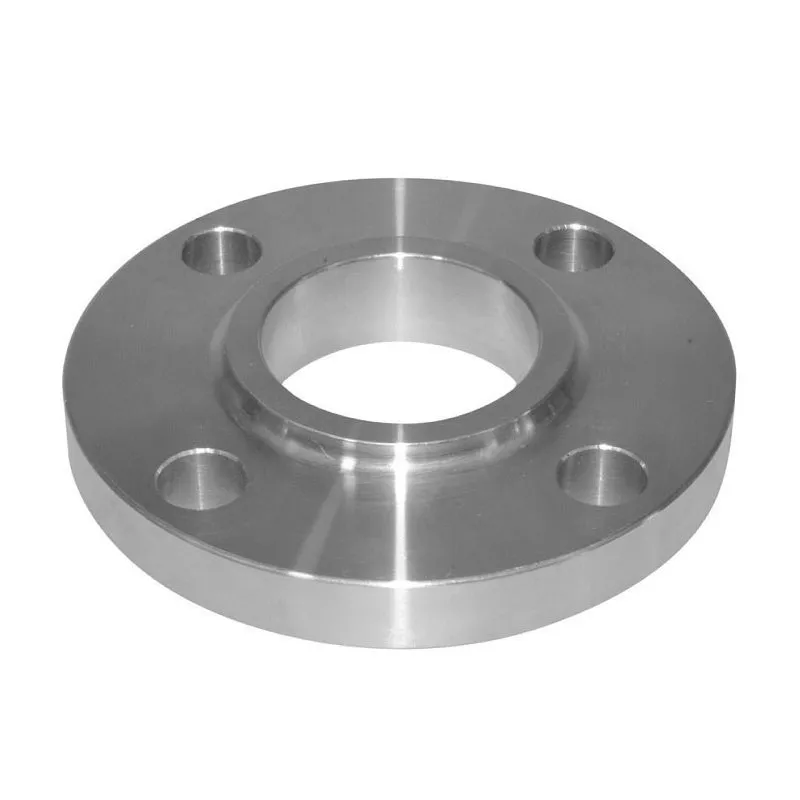
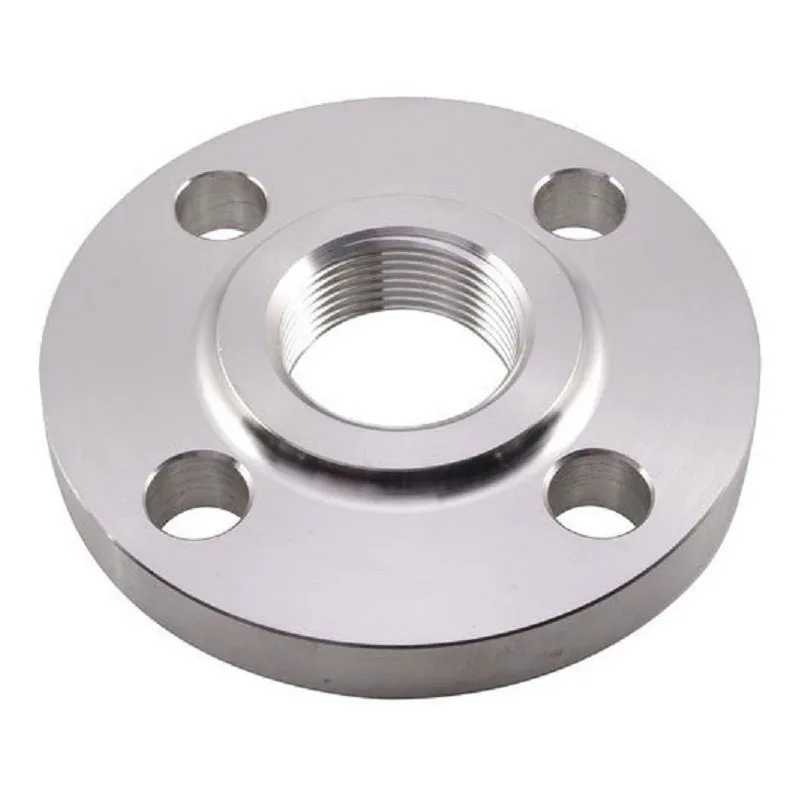
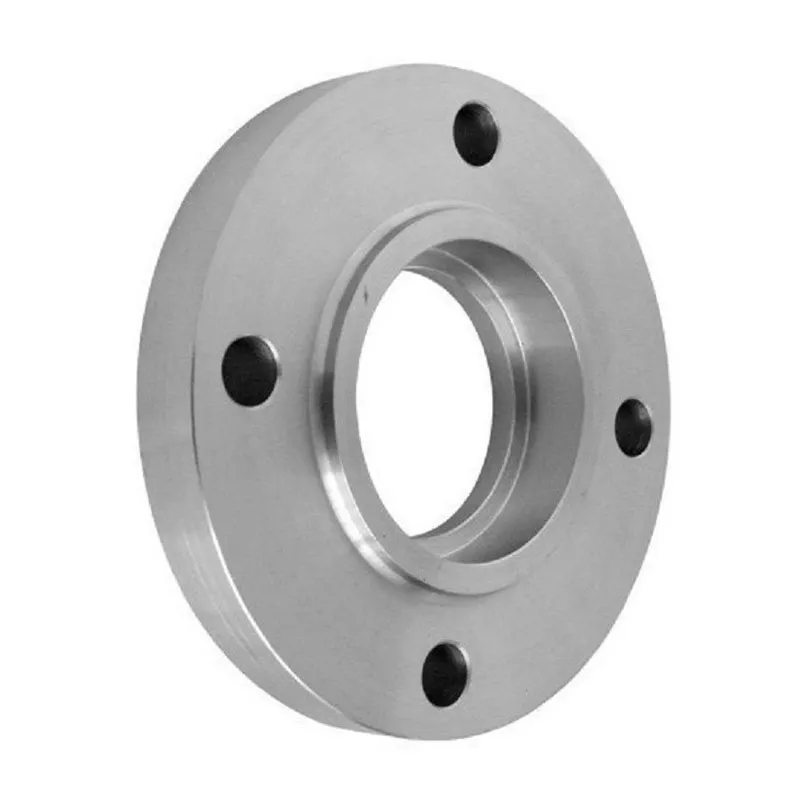
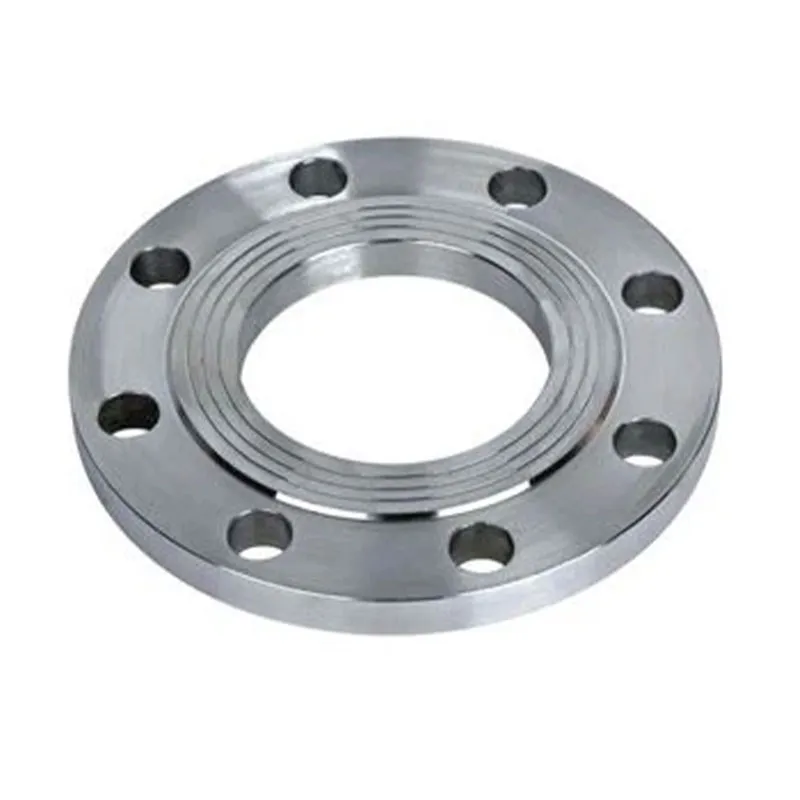
If we talk about my experience, then most often ?type 2? pops up in conversations about flanges according to GOST, especially old editions or in specifications for equipment in the post-Soviet space. This is not a separate flange in the full sense, but rather a design. For example, everyone knowsflange type 2GOST 12820-80 is a flat flange, but with a special feature: it has a projection or depression for the sealing gasket. This is a key difference from type 1, which is smooth.
Why is this important? Because when ordering or drawing up technical specifications, you can easily make a mistake. They send a drawing, it simply says “flat flange DU100 Ru16”. What kind of performance? If you don’t specify, they will deliver, conditionally, type 1, but the design needs a groove for the gasket - that same type 2. Then the installers complain that the joint is not sealed properly. Little things like this eat up a lot of time.
It is interesting that for some manufacturers, especially those who work according to foreign standards, this terminology may be vague. You look at the catalog, for example, on the websiteShanxi Hongkai Forging Co.,Ltd(https://www.hkflange.ru), and you see that they clearly separate the flanges according to ASME B16.5, EN 1092-1, GOST. And in the descriptions of GOST positions this division into types is found. This is exactly the case when a manufacturer working for the international market is forced to delve deeply into these nuances so that there are no discrepancies.
Application practice and frequent ?rake?
Installation with type 2 has its own specifics. This very protrusion or groove for the gasket - on the one hand, it improves alignment and sealing, especially at higher nominal pressures. But on the other hand, it requires accuracy. If a gasket of the wrong section is installed, or if it is skewed during screeding, this groove can be damaged and “rolled”. edges. It is difficult to repair later.
I had a case on one of the installations. Replaced the flange connection on the pump unit. The flanges were just type 2 according to the old drawing. They brought new ones, everything seemed to match. But during pressure testing it started leaking. They began to look into it - it turned out that the new flanges were made with a groove to a slightly different tolerance, not according to the standard of the year of manufacture. The gasket, an old one from a repair kit, did not fit tightly. I had to look for an exact gasket or order new flanges. The conclusion is simple: pointingflange type 2, it is necessary to adhere to the full designation of the standard with the year, otherwise ?type 2? one year of manufacture and ?type 2? others may differ.
Another point is the material. Execution of the type does not cancel the requirements for the material. You can order the correct type, but from St3 instead of 09G2S, and for cold climates this will be fatal. Manufacturers like the one mentionedShanxi Hongkai Forging Co.,Ltdthey usually help here because in their practice they work according to GOST, EN and ASME at the same time, and they have a good sense of the difference in approaches to marking and materials in each standard.
Comparison with other standards: where is the analogue?
When you work with imported equipment, you constantly catch yourself thinking: what is this analogue of our “type 2”? In ASME B16.5, for example, there is no such direct division into types. There are different facing types: raised face (RF), ring type joint (RTJ) and others. Our GOSTflange type 2with a projection is most often comparable to RF, but not always. With RF, the projection height is standardized differently.
European EN 1092-1 has its own system. There are types of sealing surfaces: for example, form B1 (with lip) or form C (with groove). Now this is closer. Essentially, our ?type 2? - this is a whole family of designs, which in EN is described in more detail by different forms. Therefore, when switching from GOST to EN for the specification, you need to not just look for “type 2”, but determine the specific shape of the surface.
By the way, this is one of the reasons why companies that supply different markets keep both products in their product range. The same website hkflange.ru shows that the products cover GOST, ASME, EN, and DIN. This is convenient for an engineer - if you know the parameters of one standard, through technical support you can select the correct analogue in another without losing any characteristics.
Ordering non-standard solutions: when is ?type 2? - this is just the beginning
It often happens that the standardflange type 2doesn't fit. Let's say you need a non-standard diameter, or a higher pressure, or an exotic material. This is where the real work begins. Just say “make type 2, but on DU1800?” - few. A complete package of data is needed: drawing, working conditions, environment, temperature.
Working with forging industries, you understand the value of forged flanges for critical applications. Casting or cutting from sheet metal is one thing, but forging is another. The metal fibers retain their direction; there are no internal stresses, as happens in castings. For the same type 2, which is often used in critical pipelines, this is critical. In the descriptionShanxi Hongkai Forging Co.,Ltdthe emphasis is on forged flanges and forgings, which is often a determining factor for industrial applications.
There was a project that required a large diameter flange for high temperatures. Standard type 2 according to GOST did not fit in size. We developed the drawing practically from scratch, but took as a basis the geometry of the sealing surface of type 2. The manufacturer, based on its forging capabilities up to DN4000, proposed the optimal reinforcement design and selection of steel grade. The result was successful, but the path from “we want type 2?” It took several weeks of approvals to get the finished product.
Final thoughts: don't overcomplicate, but don't oversimplify either.
So what is itflange type 2in the end? For me, this is not just a line in a catalog. This is a specific technical solution for the design of the sealing surface, born within the framework of a certain standard (primarily GOST). Its main value is clarity for those in the know. But this unambiguity is achieved only with complete and correct indication of all parameters.
When working with such products, whether purchasing or designing, you cannot stop at this phrase. It is necessary to disclose it: standard, diameter, pressure, material, execution according to the same standard. Only then can you avoid mistakes and get exactly what you need for reliable operation of the node.
The choice of supplier also plays a role here. When a company, like the Chinese forge mentioned above, is itself a manufacturer and operates to multiple standards, it reduces risk. They understand the difference between “type 2” from the inside. according to GOST and ?form B1? according to EN, and can give competent advice. Ultimately, it is details like these—an understanding of the nuances of designations—that distinguish a simple supply of metal products from a professional engineering approach to completing a facility. The main thing is not to be lazy to clarify and not hope that “type 2?” everyone will understand the same.
Correspondingproducts
Related Products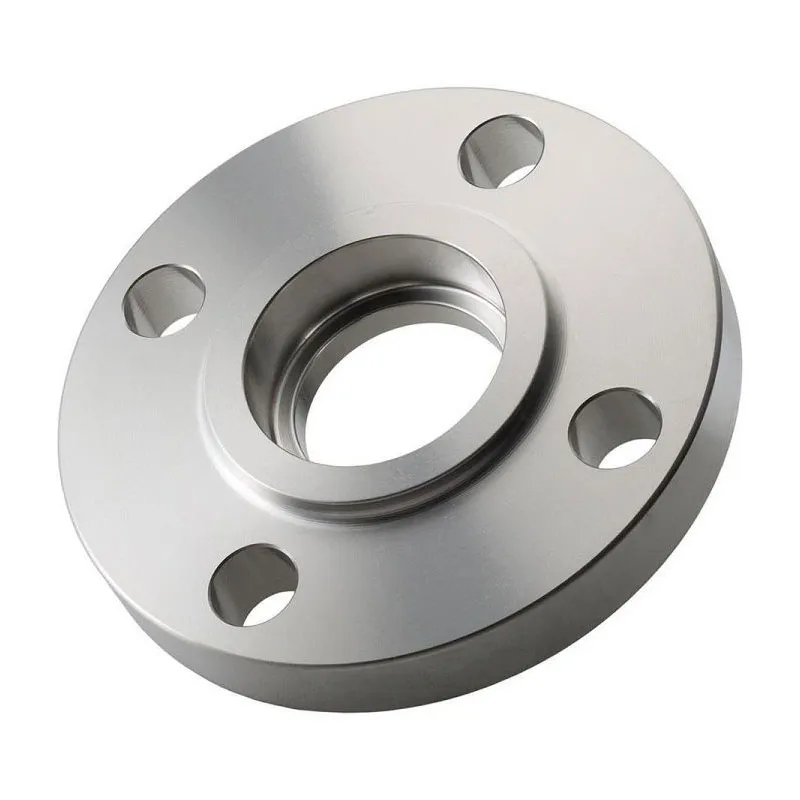

Best Sellingproducts
Best Selling Products-
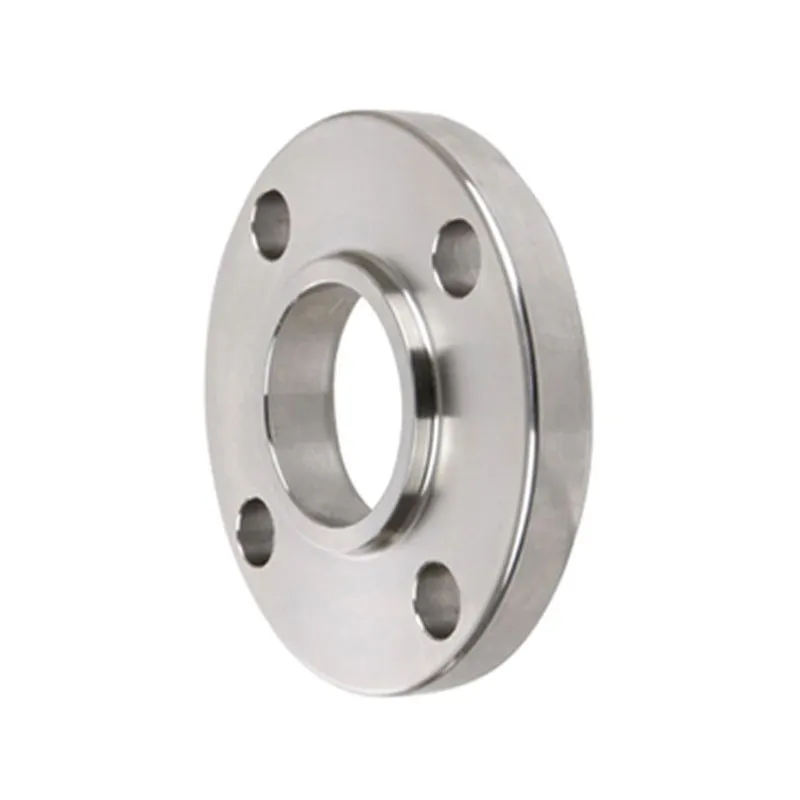 ANSI B16.5 Lap-on flanges Class 300
 -
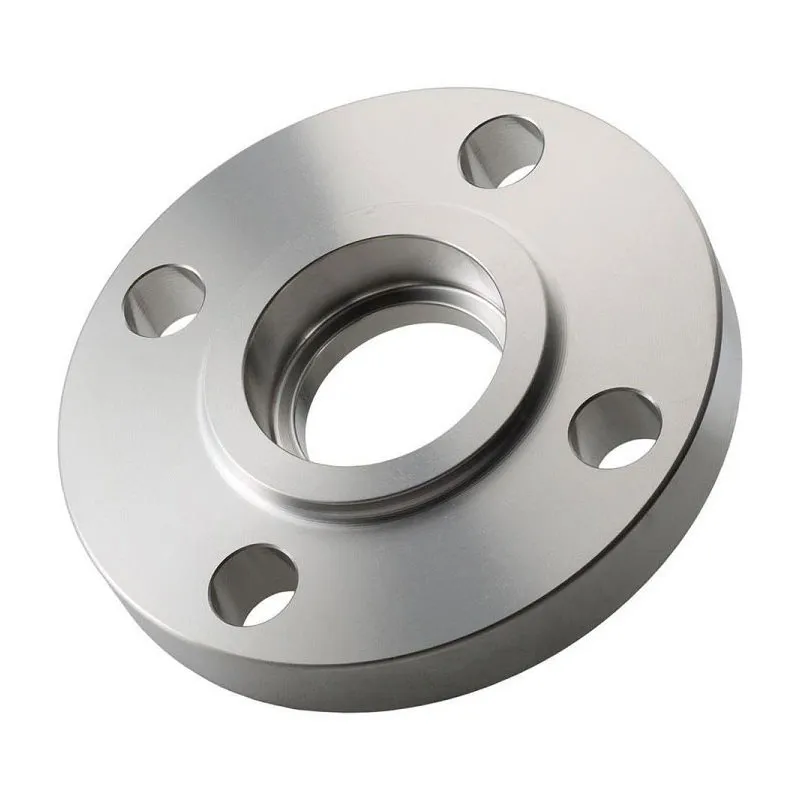 Flanges for socket welding
 -
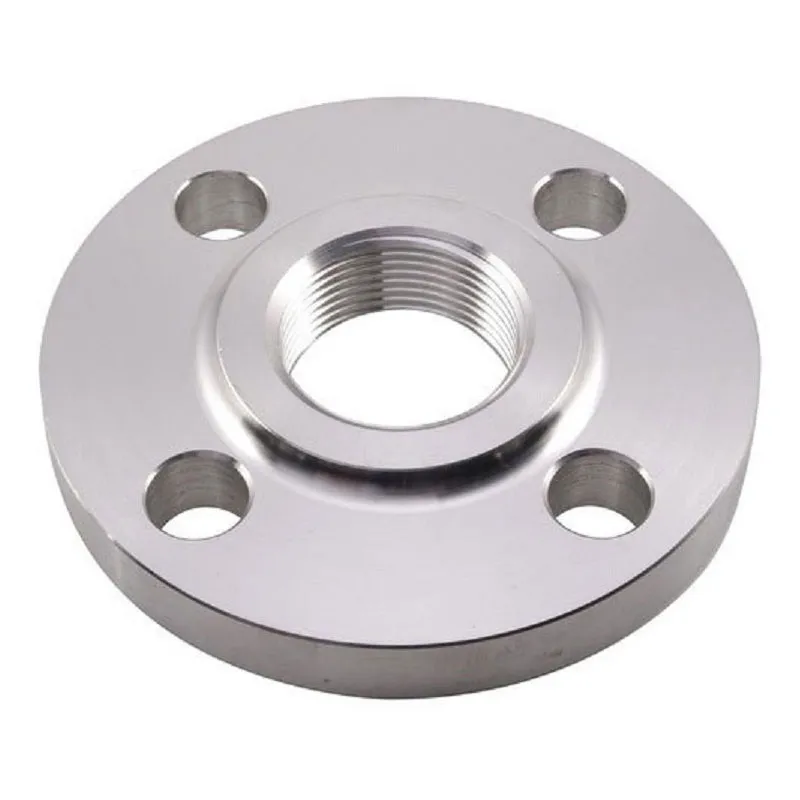 DIN 2565 Threaded flanges PN6
 -
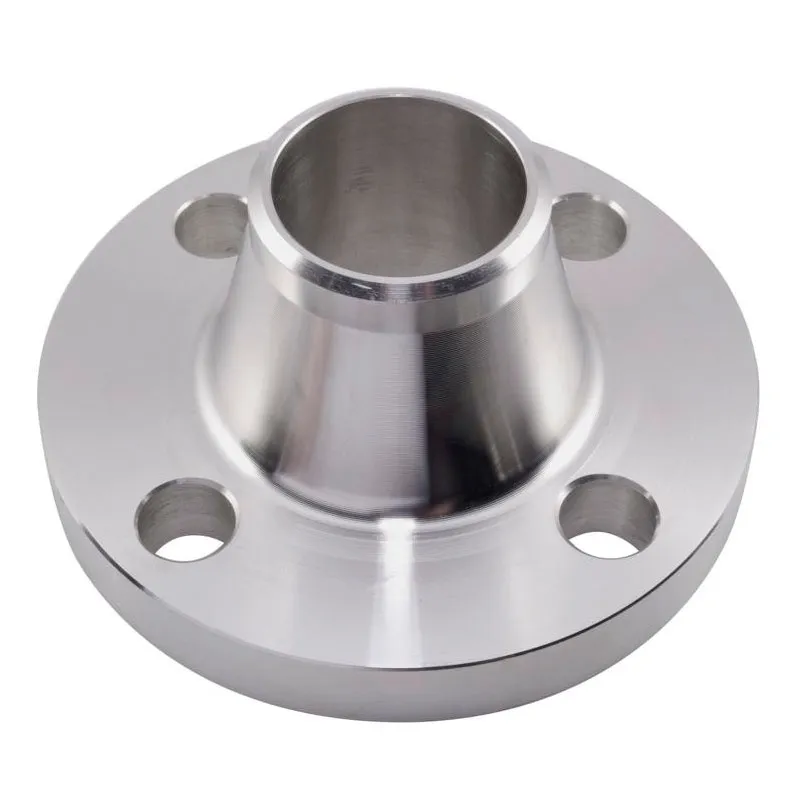 Butt weld flanges Class 900
 -
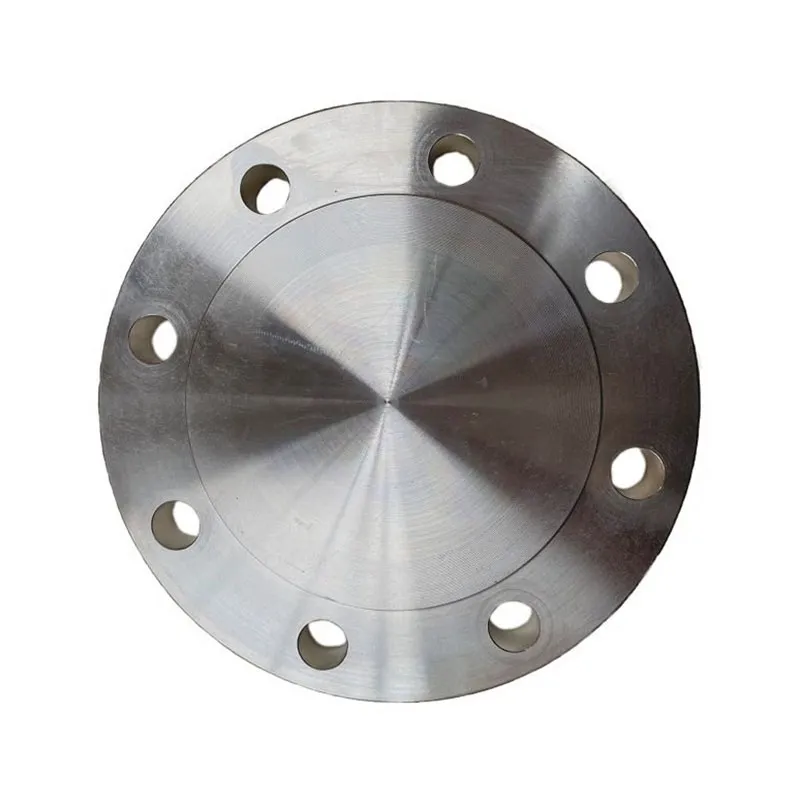 ASME B16.47 Ser.A Blind Flanges Class 400
 -
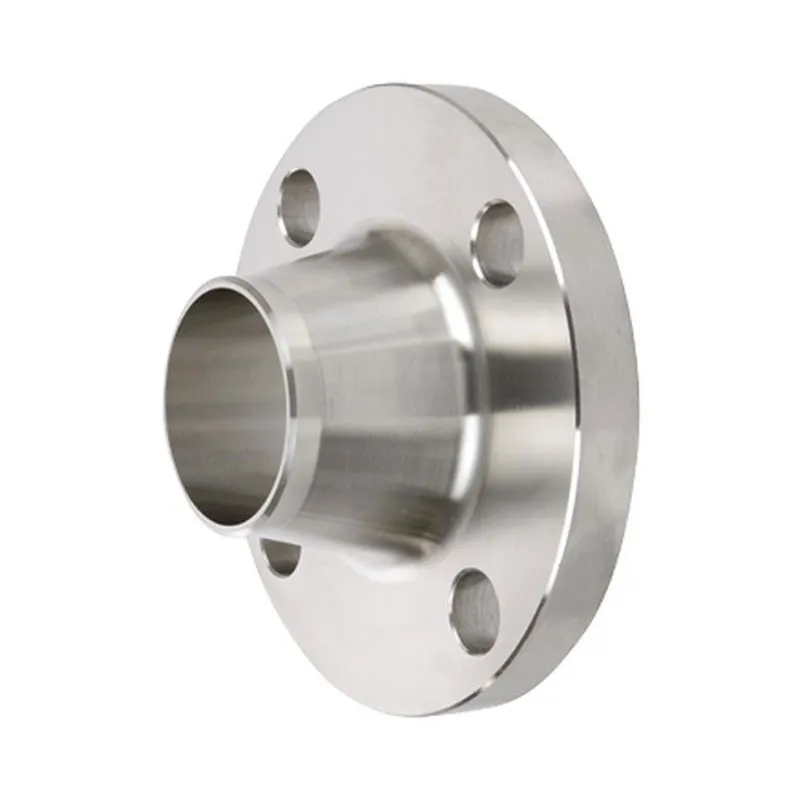 Ser.A Butt Weld Flanges Class 400
 -
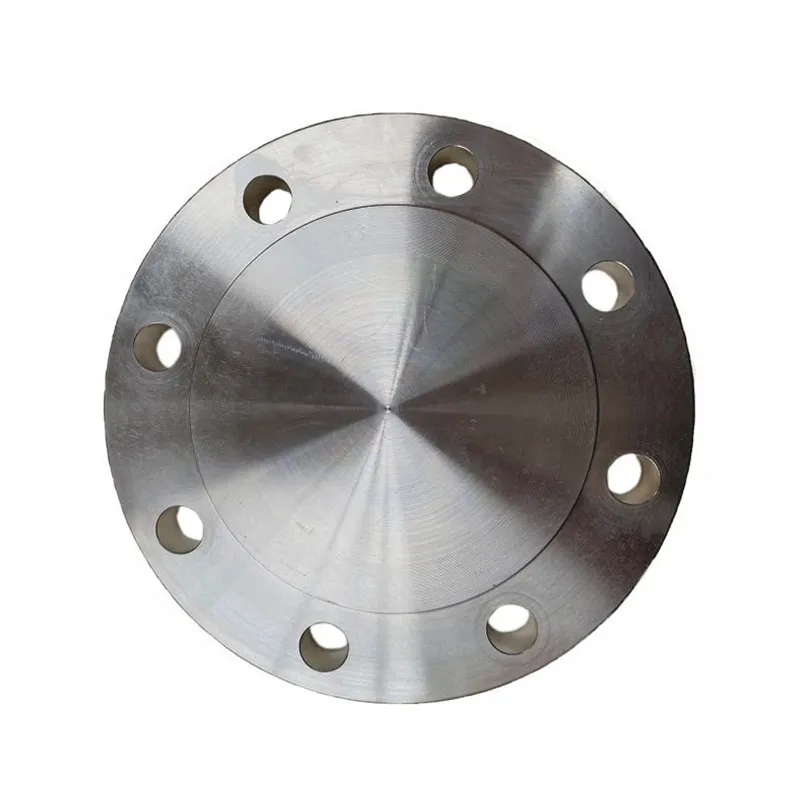 DIN 2527 Blind flanges PN10
 -
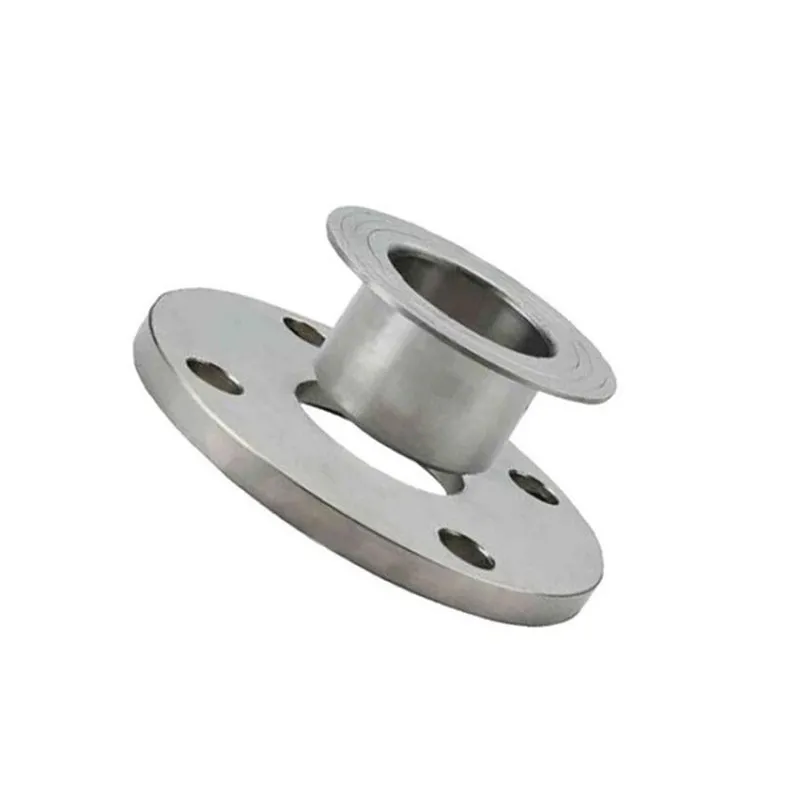 JIS 10K Loose Ring Flanges
 -
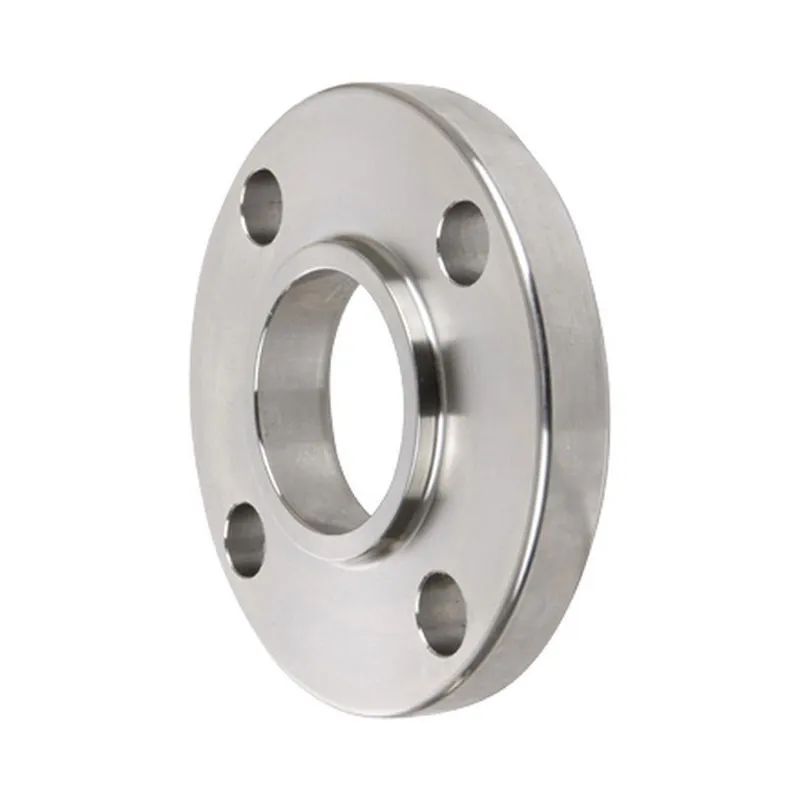 DIN 2501 Overlay flanges PN16
 -
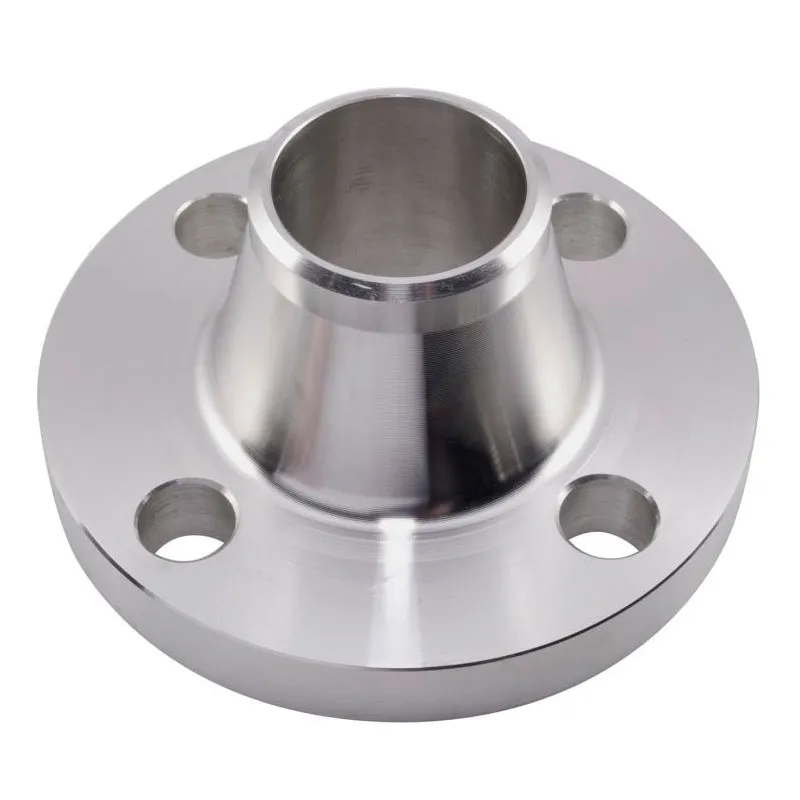 UNI 2281 Butt weld flanges PN10
 -
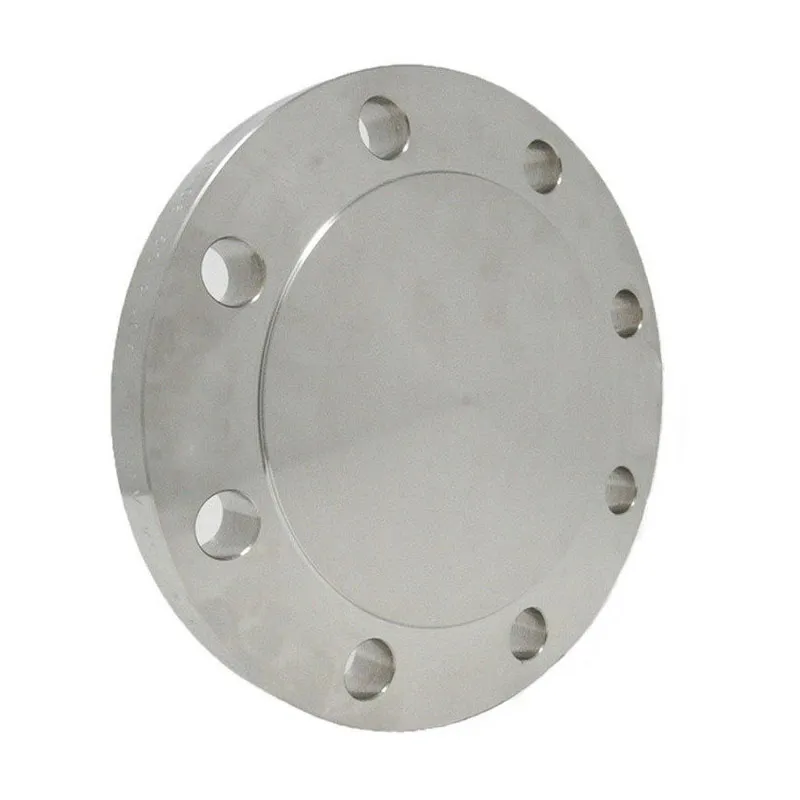 AWWA Blind Flanges Class D (Tables 1, 2, 3)
 -
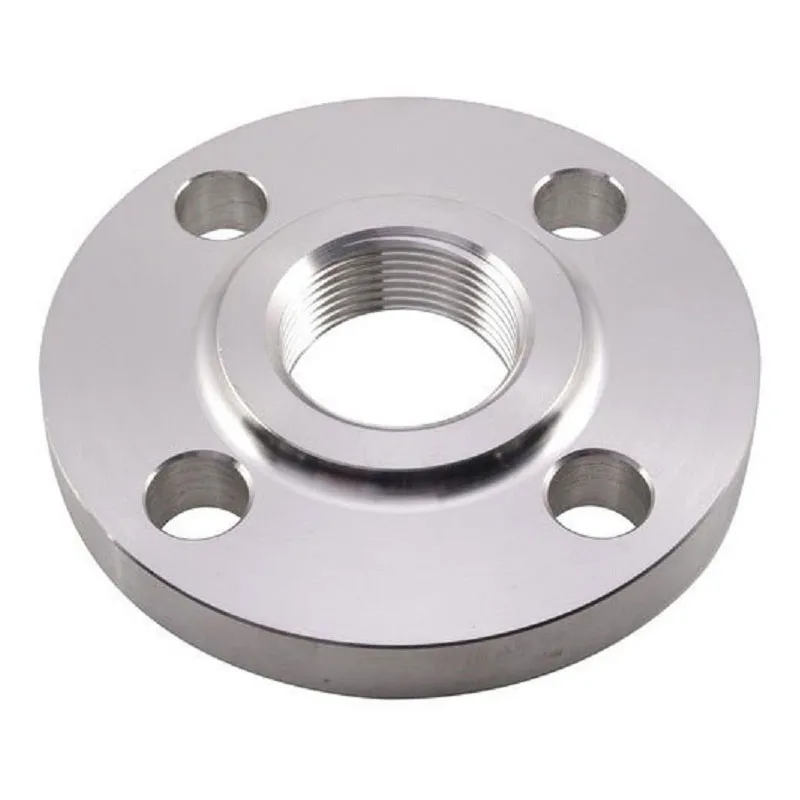 EN 1092-1 Threaded flanges Type 15, PN16