
-
-
Phone
+86-13623462298




flange 12 mm
When you hear the request “12 mm flange?”, the first thing that comes to mind is that a person is looking for something small for low pressure pipelines or auxiliary lines. But here’s the catch: in practice, especially with imported supplies, such a request often turns out to be a dead end. Because ?12 mm? - this is most likely the internal diameter of the pipe or nominal diameter, but not the key parameter for selecting the flange itself. The main thing isDN(conditional passage) andPN(nominal pressure), and then the design according to GOST, ASME or EN. If you do not immediately clarify this point, you may end up with a completely different part that is needed for docking. I got burned by this myself when I first started working with orders.
From request to real parameters: how not to miss
So let's say the customer asks for a "12mm flange". The first thing I do is ask clarifying questions. Most often this means a flange for nominal diameter DN10 or DN15. But then the most interesting part begins: what is the pressure in the system? Will it be steam, water, aggressive environment? Temperature? The choice of material depends on this - steel 20, 09G2S, 12Х18Н10Т or something else. For example, for steam lines even with a small diameter you already need to look at creep resistance.
Here I often remember one case with an order for a laboratory complex. A request came specifically for a “12 mm stainless steel flange”. When we started looking into it, it turned out that we needed a flange according to EN 1092-1, type 01, PN16, with an RF (Raised Face) sealing surface, and even with the requirement for surface cleanliness for food environments. If they had simply shipped a standard flat flange according to GOST 12820-80, it simply would not have been compatible with European equipment. I had to quickly look for a manufacturer who works with such standards and small batches. That's when I came across the siteShanxi Hongkai Forging Co.,Ltd (https://www.hkflange.ru). They position themselves as a manufacturer of forged flanges and forgings, operating to international standards including EN. What is important is that their nomenclature states a range from DN15, that is, you can start working with the smallest size.
Therefore, my main conclusion here is: the request itself is ?12 mm? - this is just a signal for the beginning of a deep technical discussion. Without finding out the full picture regarding the standard, pressure, material and type of seal, starting to select or manufacture is a direct path to non-compliance and, as a result, to downtime of the facility.
Material and technology: why forging matters for small diameters
It may seem that for a small DN15 flange it is not so important how it is made - stamping, casting or forging. But this is a misconception. In small-sized fittings operating under cyclic or shock loads (for example, in sampling lines or on instrument impulse tubing), the structure of the metal is critical. Cast flanges may have hidden voids, while stamped flanges may have internal stresses.
A forged flange, even a small one, due to the deformation of the metal under pressure, has a more uniform and dense fiber structure. This directly affects its fatigue resistance and cold resistance. I remember a project in the North, where small-diameter flanges made of low-alloy steel were required for piping sensors on external pipelines. The technical specifications strictly prescribed forged products. Then the information came in handy:Shanxi Hongkai Forging Co.,Ltdspecializes in forged flanges, not cast ones. Their profile is forging and pressing production, which is a key factor for critical applications.
It is important to understand that forging is not magic. It requires the correct heating mode and subsequent heat treatment (normalization, tempering). The finished 12 mm flange (relatively speaking) must not only fall within the dimensions according to the drawing, but also have an appropriate certificate with mechanical properties. Without this document, even the best-looking forging turns into a “pig in a poke,” especially during customs clearance.
Standards and non-standard situations
Working with small flanges is a constant balancing act between standard catalogs and individual requirements. Let's say you need a flange according to ASME B16.5 Class 150, RF, Stainless Steel 316L. For DN15 this is a standard story; many manufacturers have such positions. But what if a custom thickness or stud hole placement is required? Or do you need a combined product - a flange with an outlet or a transition?
In such cases, standard warehouses do not help; you need to contact the manufacturer for production. And here again the plant’s approach is important. On the websitehkflange.ruit is expressly stated that the company manufactures non-standard products according to customer drawings. This is an important declaration. In practice, this means that you can send them a sketch or 3D model of that very “12 mm flange?” with special requirements and they will appreciate the possibility of production. From personal experience: the ability of a plant to quickly respond to a non-standard request and provide a technical and commercial proposal is often more important than a big name.
However, there are also pitfalls. When ordering a custom small flange, the unit cost may be unreasonably high due to equipment setup. Sometimes it is cheaper and faster to find an alternative - for example, use a standard flange and adapter insert. This compromise between the ideal technical solution and economic feasibility has to be found constantly.
Logistics and control: small size does not mean easy task
It would seem that a box with DN15 flanges weighs little, and there should be no problems with delivery from abroad. But in reality there are some nuances here. Firstly, packaging. Small flanges must be packaged so that the threaded surfaces or O-rings (if it is a weld ring flange) are not damaged during transportation. I have seen cases where parts were simply dumped into a bag, and when opened, they had to be sorted and sent for processing.
Secondly, labeling. The small surface must be clearly marked with the material, standard, pressure and manufacturer's trademark. This is a requirement not only for acceptance, but also for installers on site. If the marking is erased or missing, quality control services have questions. A manufacturer who monitors this is more trustworthy. Judging by the description,Shanxi Hongkai Forging Co.,Ltdworks according to international standards, and this usually implies strict rules for labeling finished products.
And thirdly, documents. Each batch, even the smallest one, must come with a complete package: a certificate of conformity, a quality certificate with the results of mechanical tests and chemical analysis, and a packing list. The absence of any document may delay the issuance of an installation permit. Therefore, when ordering the same “12 mm flanges?” With a new supplier I always discuss the required documentation in advance.
Final thoughts: It's not about the millimeters, it's about the approach
So what's the bottom line? Request ?flange 12 mm? is just a starting point. The real work begins with decoding: what is behind it - a standard pipeline or a complex assembly of control and measuring equipment. Do you need a standard product from the catalog or development according to an individual drawing? Is the manufacturing method important - forging and subsequent heat treatment?
The choice of supplier in such cases often comes down to flexibility and expertise. Is he capable of not just selling a part from a warehouse, but delving into the problem, offering an option according to the EN or ASME standard, if there was initially a request according to GOST, and guaranteeing traceability of quality. Companies that likeShanxi Hongkai Forging Co.,Ltd, declare production to a wide range of standards and readiness for non-standard orders, in theory they should cover these needs. But the theory is always verified by a specific order, communication with technologists and the quality of the resulting sample.
Therefore, my advice to colleagues: do not ignore even the simplest requests at first glance. Behind the ?flange 12 mm? There may be an interesting technical problem hidden, the solution of which will require the involvement of a serious manufacturer, and not just a trading company. And it is in such situations that real, not paper experience is gained.
Correspondingproducts
Related Products

Best Sellingproducts
Best Selling Products-
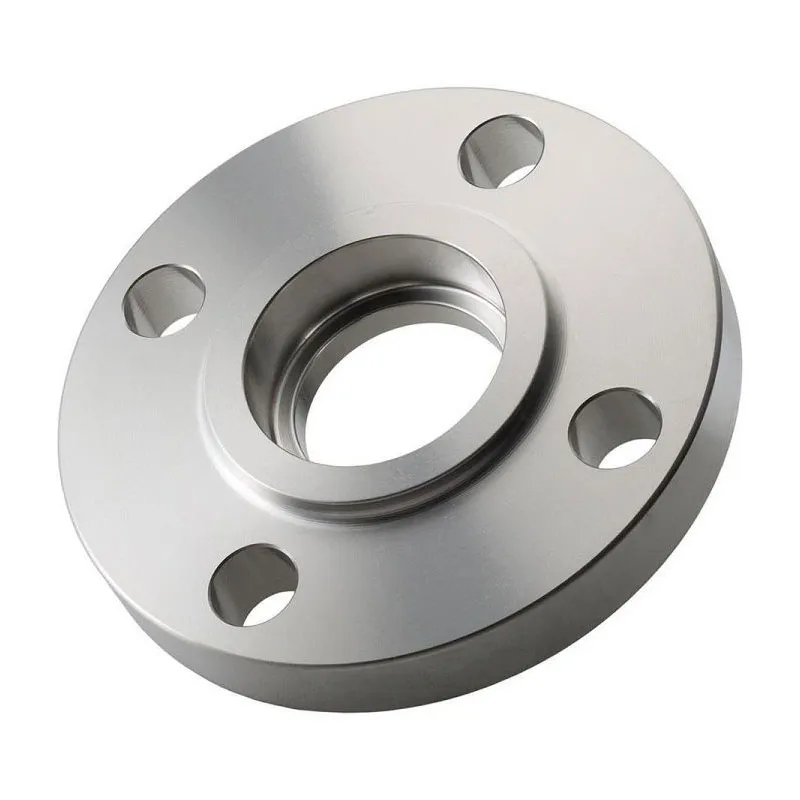 ANSI B16.5 Socket Weld Flanges Class 1500
 -
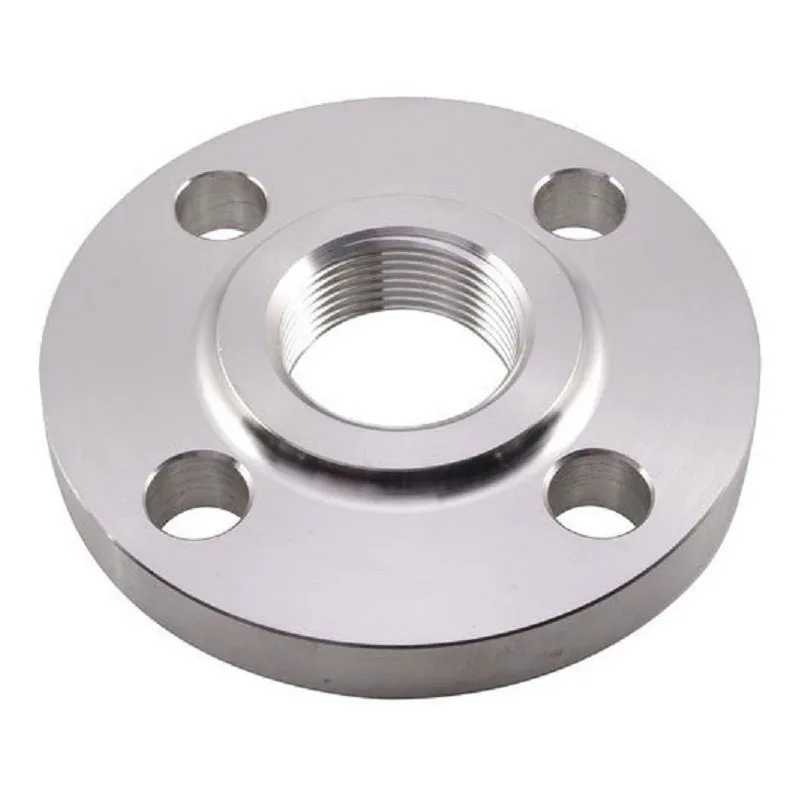 ANSI B16.5 Threaded Flanges Class 600
 -
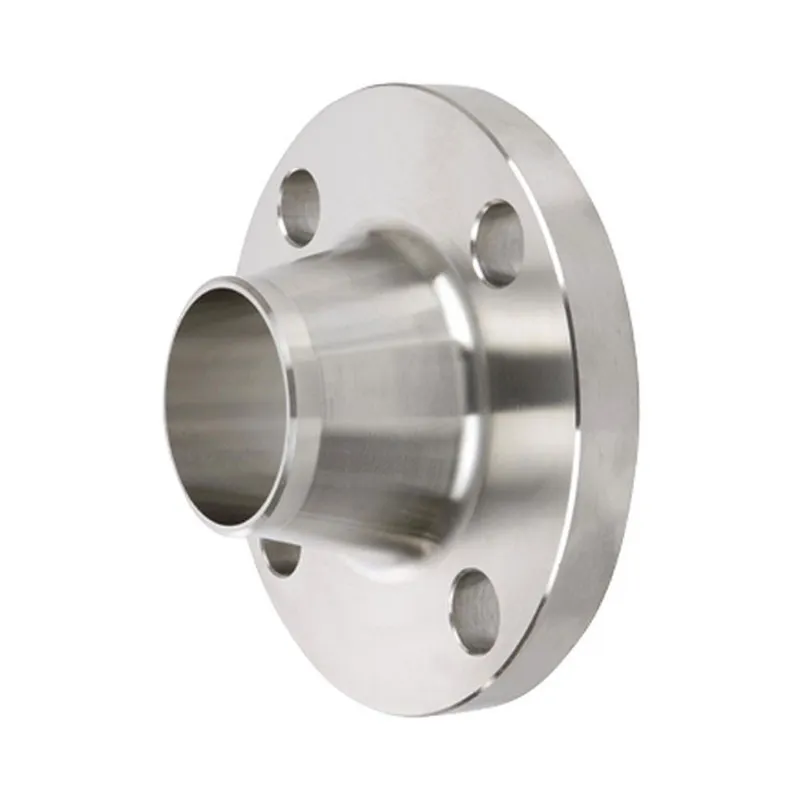 EN 1092-1 Butt weld flanges Type 11, PN25
 -
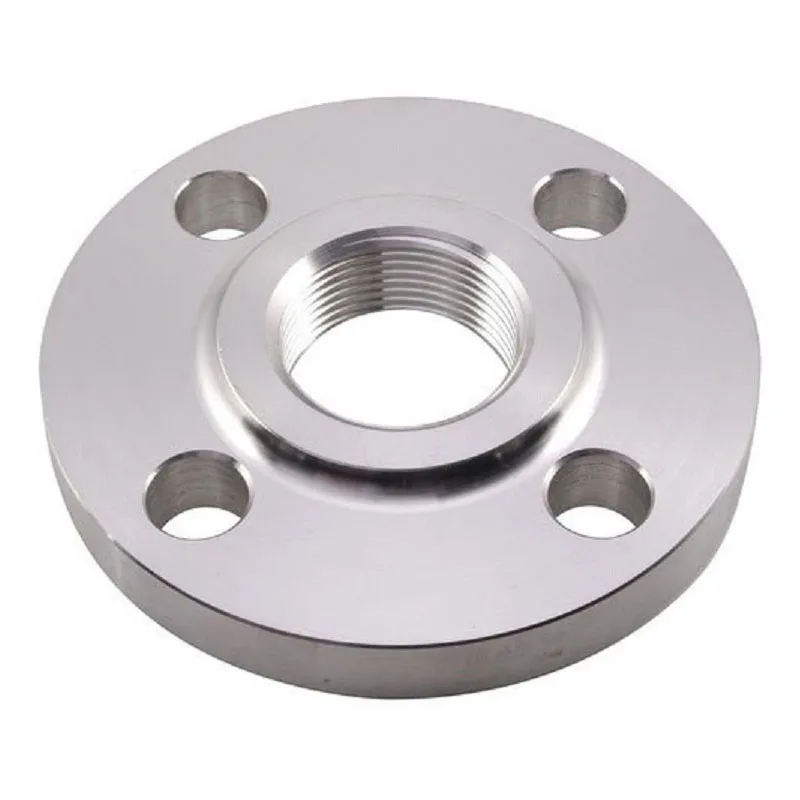 DIN 2566 Threaded flanges PN16
 -
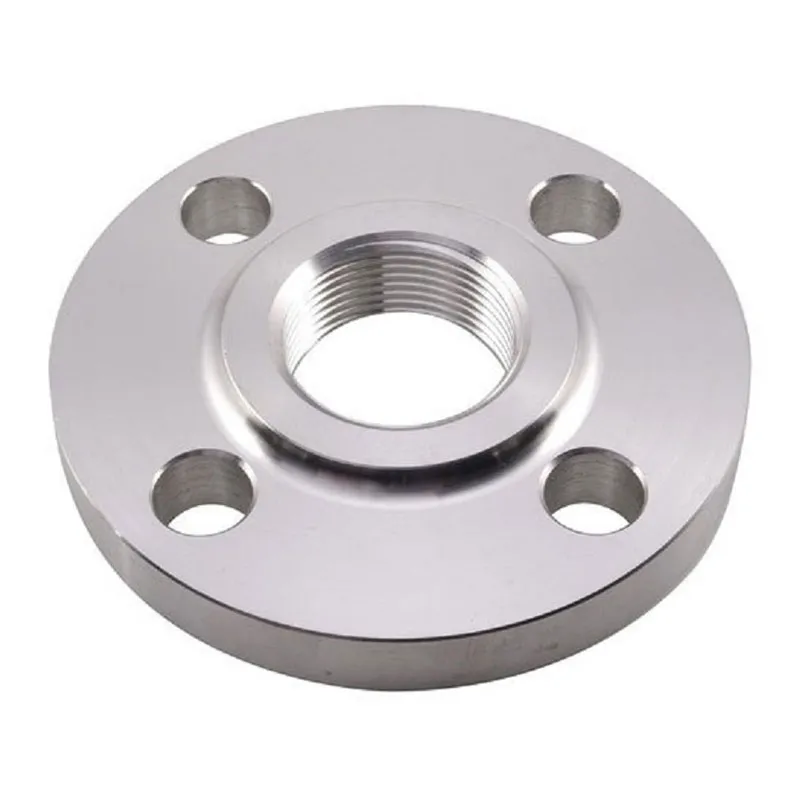 JIS 10K Overlay flanges
 -
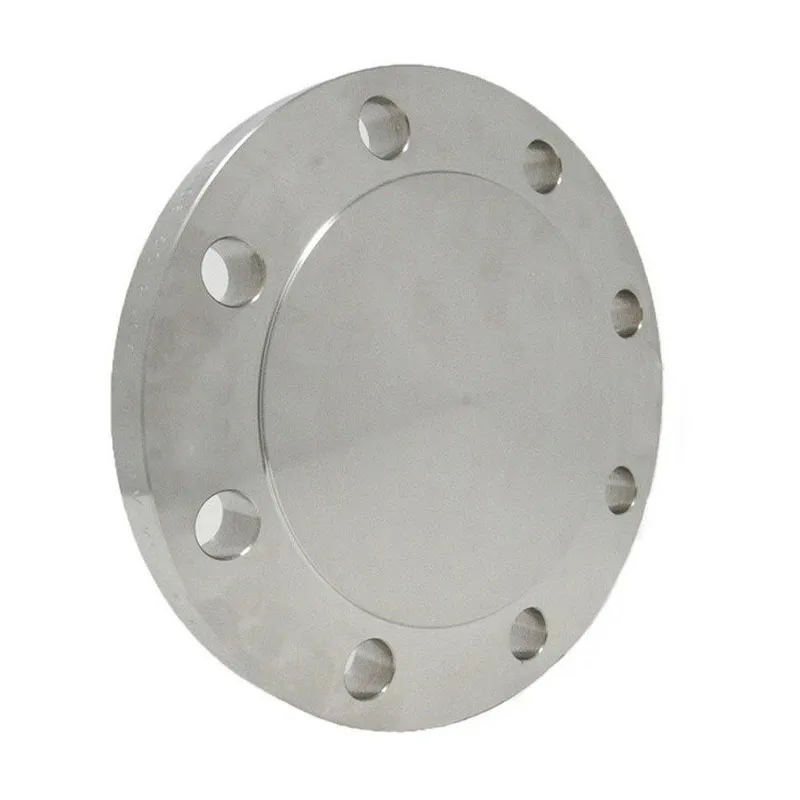 EN 1092-1 Blind flanges Type 05, PN10
 -
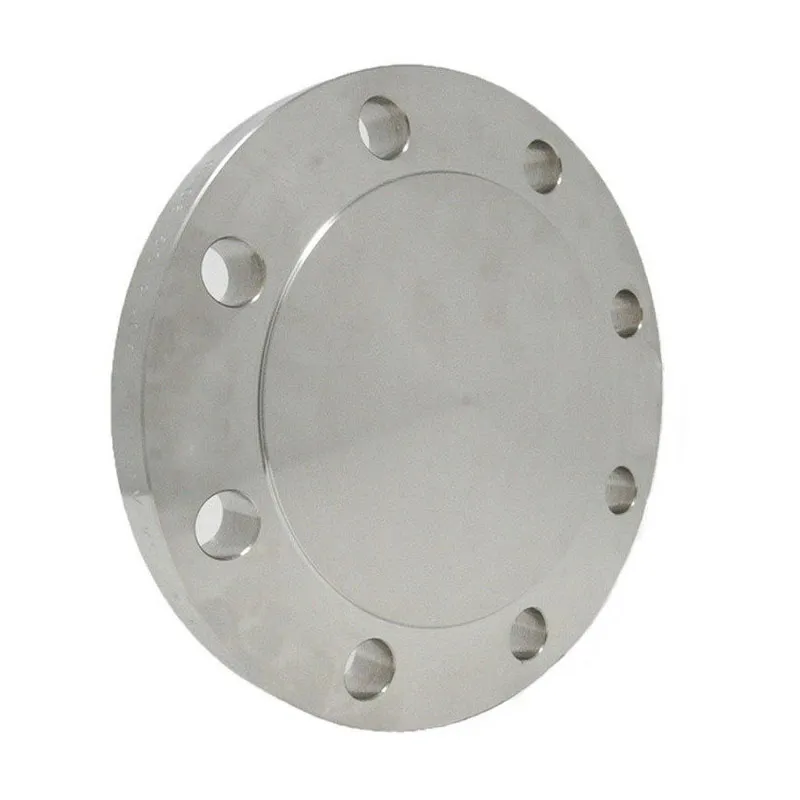 Blind flanges Class 150
 -
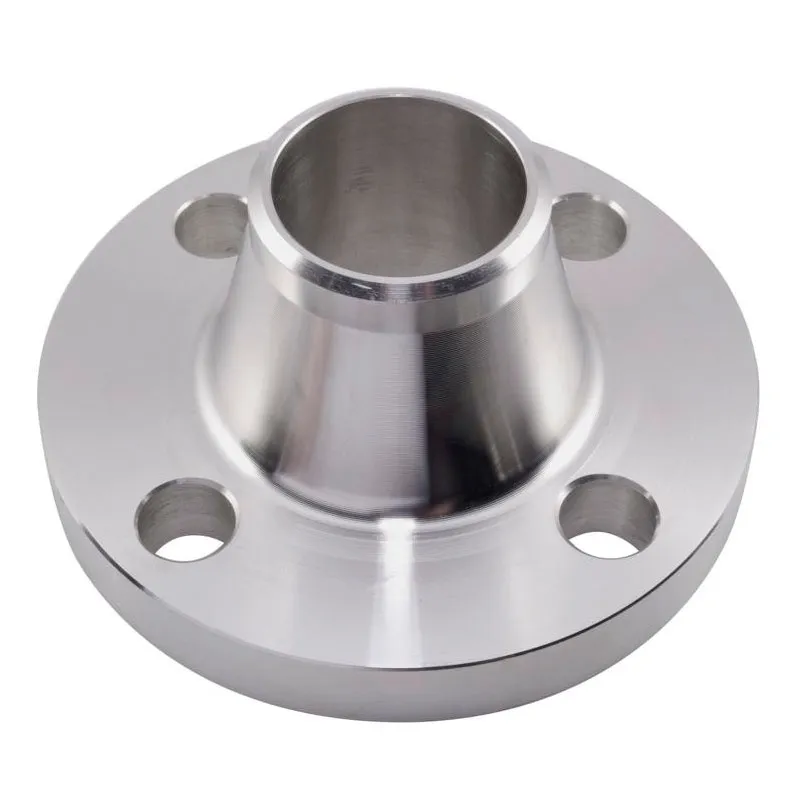 Butt weld flanges Class 900
 -
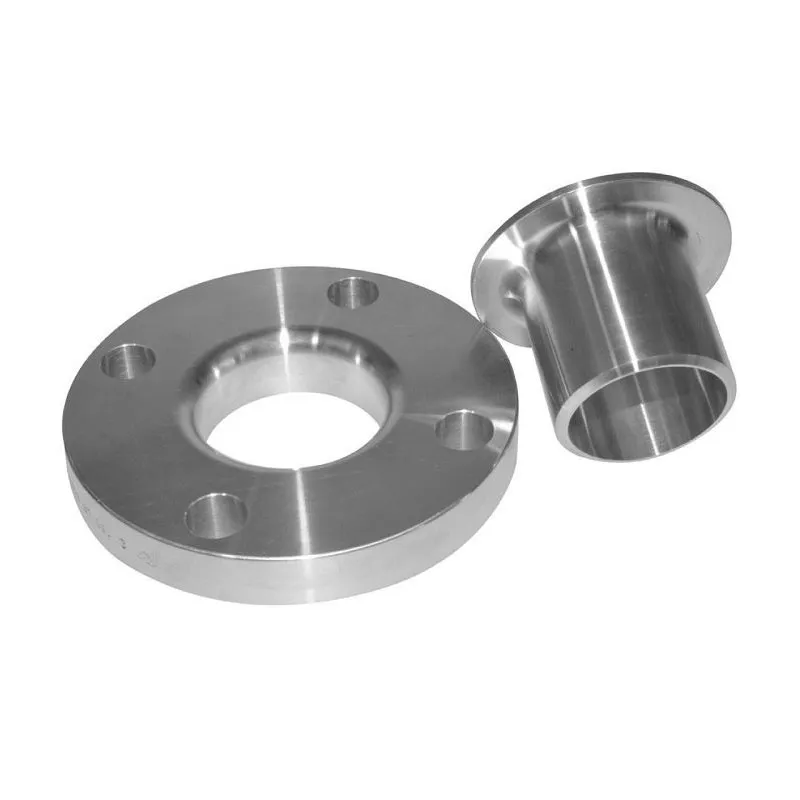 ANSI B16.5 Loose Ring Flanges Class 2500
 -
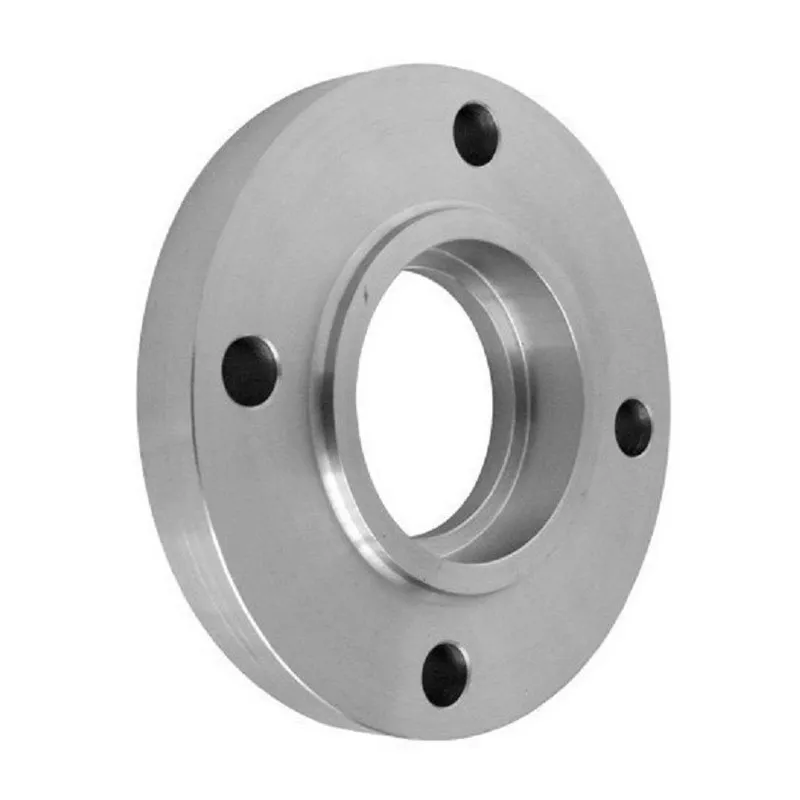 JIS 5K Socket Weld Flanges
 -
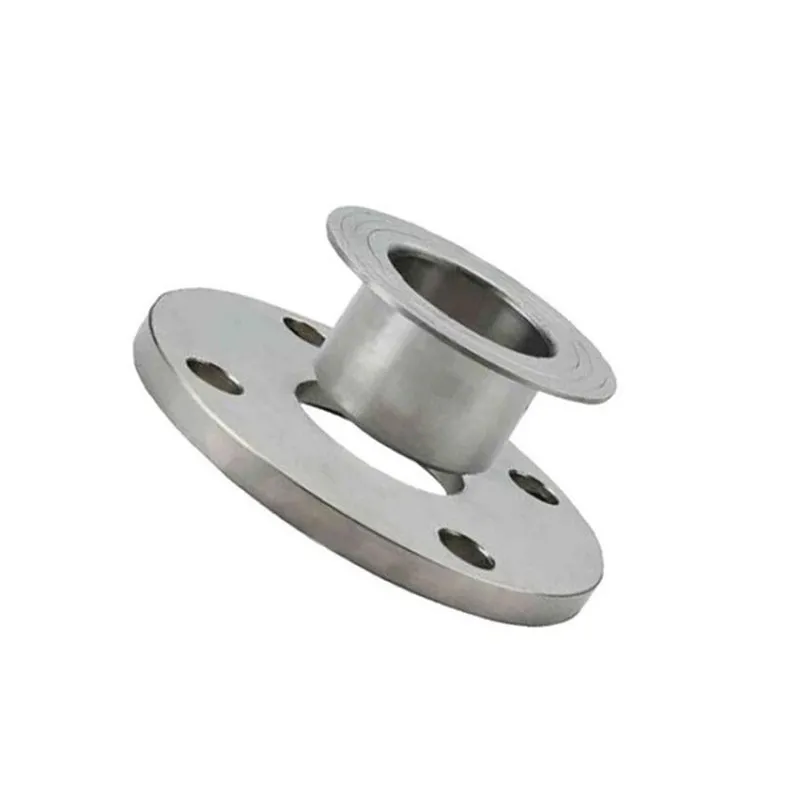 JIS 10K Loose Ring Flanges
 -
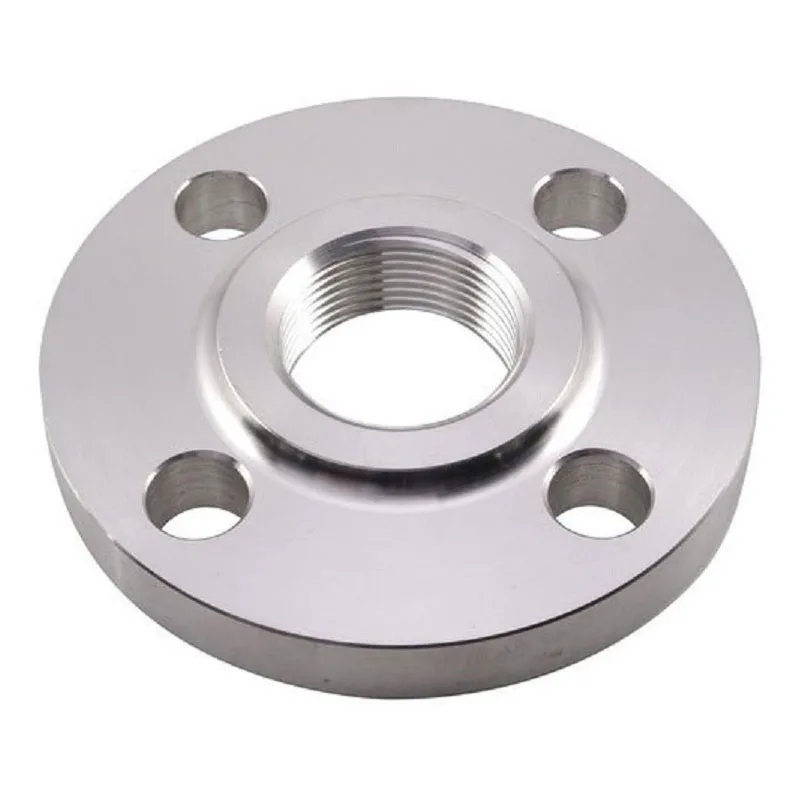 JIS 10K Threaded Flanges