
-
-
Phone
+86-13623462298



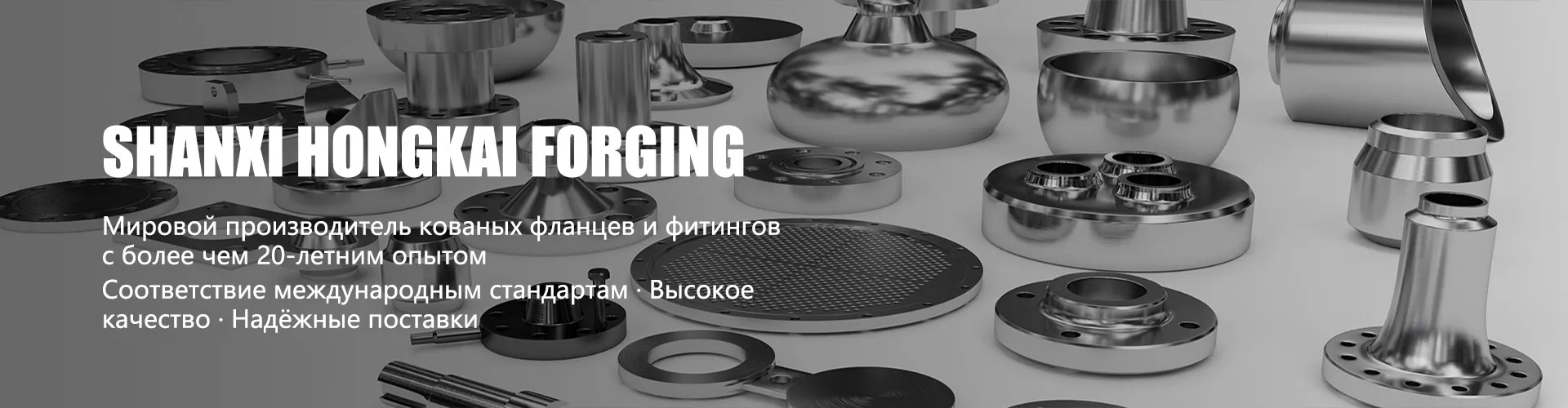
flange g2
When you hear “G2 flange”, the first thing that comes to mind is probably some kind of GOST specification or maybe a pressure designation. But here’s the catch: in its pure form there is no such designation in the standards. Often this is what people call flanges with a nominal pressure of 2.5 MPa according to GOST 12820-80 in conversations or in old specifications - the same ones that are onflange g2similar. But this is just slang, a habit, and not an official term. And because of this confusion, there were cases when the customer demanded “G2?”, but received not exactly what he expected - because one meant an old Soviet drawing, and the other meant a modern analogue according to EN. We must always clarify.
Where do legs grow from: understanding the roots of the designation
I dug into the archives and looked at old projects. This is ?G2? - often a trace from the 90s, when imported equipment poured into our enterprises, and the documentation was mixed. Letter ?G? could indicate the type of gasket (for example, groove), and the number 2 - the same pressure range. But in our domestic practice, this is firmly stuck to the flanges at 2.5 MPa (25 kgf/cm2) according to GOST 12820. An important point: if you see this in the technical specifications today, this is a red flag. You need to immediately stop and unravel what exactly is needed: a specific standard, material, type of seal.
Working with suppliers, for example, with the same Chinese manufacturers likeShanxi Hongkai Forging Co.,Ltd(their website ishkflange.ru— I know him well, they specialize in forged flanges according to different standards), it is important to give clear technical specifications. If you send them a request simply for “G2 flange”, there is a high chance of receiving clarifying questions. And that's right. Good producer andShanxi Hongkai Forging Co.,Ltdjust one of these - they make products in accordance with GOST, ASME, EN - they always strive to avoid discrepancies. Their strength lies precisely in their ability to work according to drawings and precise specifications, and not according to colloquial names.
I personally encountered a situation at one oil depot. The repair list stated “replace the G2 flange on the DN100 line”. They brought a standard 2.5 MPa flange. But it turned out that the line works with a more aggressive environment, and historically there was a product made of 09G2S steel with a different type of surface for the gasket. I had to urgently look for an alternative. Conclusion: designation ?G2? carries zero information security. It does not talk about the material (Steel 20? 09G2S? 12Х18Н10Т?), nor about the type of surface (smooth, tongue-and-groove, lens gasket?), or even about the exact standard.
Purchasing practice: how not to make mistakes when ordering
Based on bitter experience, I developed a rule for myself. Did you hear ?G2? — I ask at least five clarifying questions. First: for what environment and parameters (pressure, temperature)? Second: connecting dimensions - an exact drawing or an indication of the current standard (GOST 12820-80, GOST 12821-80, maybe ASME B16.5 Class 150)? Third: body material. Fourth: type of sealing surface. And fifth: is certification required (for example, for hazardous industries). Only by putting this puzzle together can you formulate a correct request to the supplier.
In this context, cooperation with a specialized manufacturing plant, and not just a trading company, is very helpful. Here you goShanxi Hongkai Forging Co.,Ltd. From their description, it is clear that they are a manufacturer of forged flanges and forgings that operate to international standards. This means that their technical department is used to dealing with precise wording. Will you send them a competent technical specification indicating, for example, “Flange GOST 12820-80, Du100, Ru25, version 1, material St20?” - and you will get exactly what you need. And if the TOR contains a vague “G2?”, they will most likely ask for details, which already prevents possible defects in the delivery.
Once I saved time, I didn’t bother to clarify, out of old habit - they say, everything is clear. I ordered a batch of “as usual, G2 for DN50” to the warehouse. The shipment arrived and everything seemed to be fine. But when they began installation on the compressor piping, it turned out that the holes for the studs did not coincide by half a millimeter with the old-style counter flanges. It turned out that the supplier, based on the general designation, shipped the flanges according to a more modern standard, where the tolerances are slightly different. I had to urgently drill it out. A trifle, but simple and unnecessary work. Now I always require that a specific standard be indicated in the order documentation.
Connection with other standards: not only GOST
An interesting point: queries similar to “G2 flange” also occur in the context of other standards. Sometimes this may mean an analogue of pressure class 150 in ASME (which approximately corresponds to the same 2.5 MPa) or PN25 according to EN. But this is a completely different story with geometry, dimensions and tolerances. They absolutely cannot be confused. A forged flange according to ASME B16.5 Class 150 and a forged flange according to GOST 12820-80 on Ru25 are two different products, although the nominal pressure is close.
This is where the value of manufacturers with extensive standardization is clearly visible. If we go back to the exampleShanxi Hongkai Forging Co.,Ltd, then their ability to manufacture products in accordance with GOST, ASME, EN, DIN and others is not just a line in an advertisement. This is a direct indication that they understand the differences between these systems and can produce the exact product for the required task. For projects where there is a mixture of equipment (for example, old Soviet and new European), such flexibility is indispensable.
There was a modernization project where it was necessary to cut into an existing pipeline with GOST flanges, and the new equipment had EN 1092-1 (PN25) flanges. Just take the ?conditional G2? If it didn’t work out, they wouldn’t dock. The solution was through an adapter flange. And it is precisely for such non-standard solutions that the ability to order according to drawings comes in handy. We submitted our sketch, and the manufacturer, which in this case was the mentioned company, performed forging and machining to our specific dimensions, connecting two different systems. This saved the situation.
Materials and execution: what is hidden behind a simple designation
But behind this conditional ?G2? There may also be a hidden issue of material. For water and steam at 2.5 MPa and 300°C, steel 20 was often used. For lower temperatures, but aggressive environments, alloy steels of type 09G2S or 12Х18Н10Т are already needed. And if the request simply says “G2 flange?”, then by default many suppliers, especially not very responsible ones, will ship the cheapest option - from St20. But it may not be suitable for chemical resistance or temperature conditions. This is a direct road to an accident or corrosion within six months.
Therefore, in a professional environment, they are trying to move away from this familiar abbreviation. In documentation, in applications, in specifications, you need to write a complete and clear designation. This disciplines both the customer and the supplier. Yes, this requires more time to prepare technical specifications. But it's worth it. When you work with serious partners, such as a manufacturerShanxi Hongkai Forging Co.,Ltd, you see that they themselves are interested in accuracy. Their website clearly states: manufacturing according to customer standards and drawings. This is the position of a responsible player in the market.
I remember how at one of the facilities a batch of flanges arrived, ordered from old memory as “G2?”. The material on the invoice was listed as “steel”. Upon visual inspection, everything was normal. But when hydrotesting began, one of the flanges began to leak along the seal plane. After dismantling, porosity was discovered in the body of the flange - a sign of poor-quality forging or casting (although forging was required). It’s good that it was revealed during testing, and not during work. Since then, for critical components I have required not only the indication of the steel grade, but also certificates with mechanical tests, especially when it comes to forged products.
Results: how to live with this legacy
So what to do with this ?G2 flange?? Forget like a bad dream? Not really. You need to understand that this is a historical, colloquial label. It can be used in oral communication with colleagues “on the shop floor”, when everyone is aware of what specific unit and standard we are talking about. But this label has no place in any official, written, technical documentation. Its place must be taken by a complete, unambiguous designation according to the current standard.
The choice of supplier here also plays a key role. Working with a company that positions itself asmanufacturer of forged flanges and forgingswith a wide range of sizes (from DN15 to DN4000, likeShanxi Hongkai Forging Co.,Ltd), allows you to be confident that the correct product will be manufactured to any correct specification. Whether flat, butt weld, loose or custom flange according to our drawing.
Ultimately, professionalism in our field is measured not by the ability to use slang, but by the accuracy and predictability of the result. Refusal from ?G2? in favor of clear formulations - this is a small but important step towards this very predictability and trouble-free operation of pipeline fittings. And this is the case when an extra ten minutes spent on drawing up the correct application saves you from days of downtime and thousands of rubles in losses in the future. Tested more than once.
Correspondingproducts
Related Products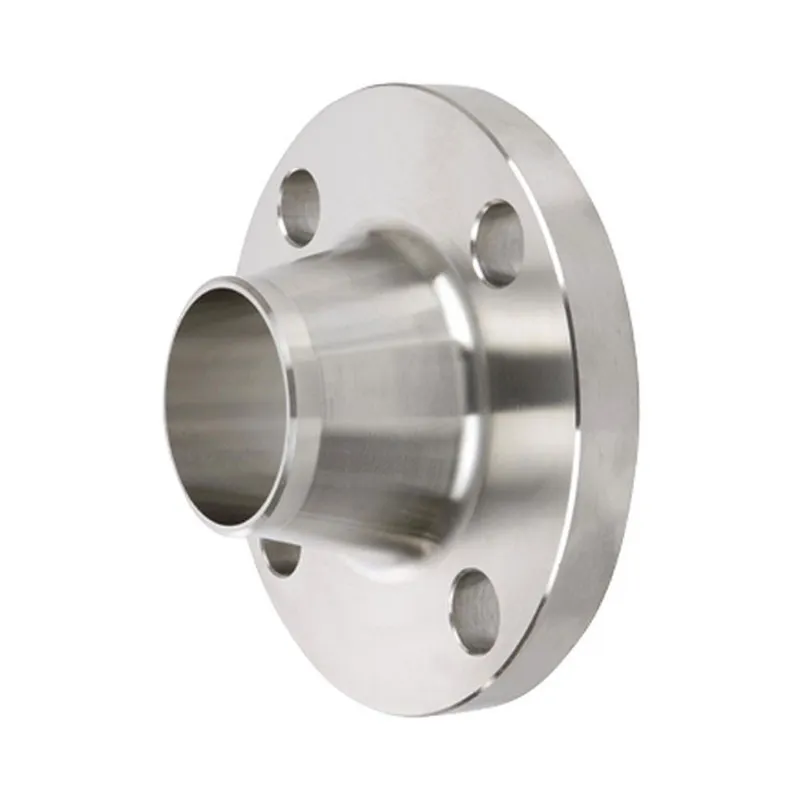
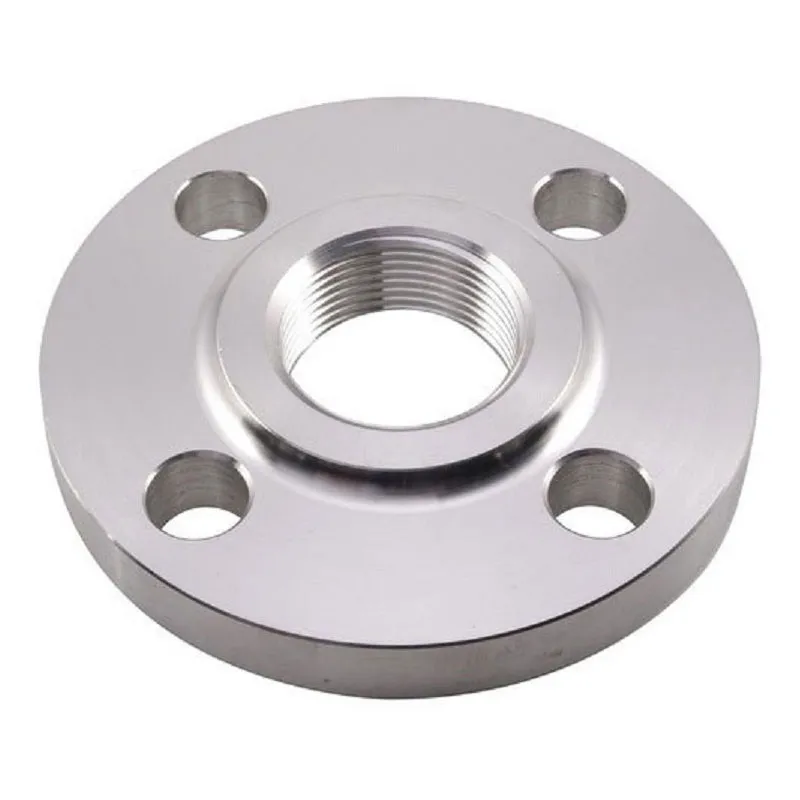
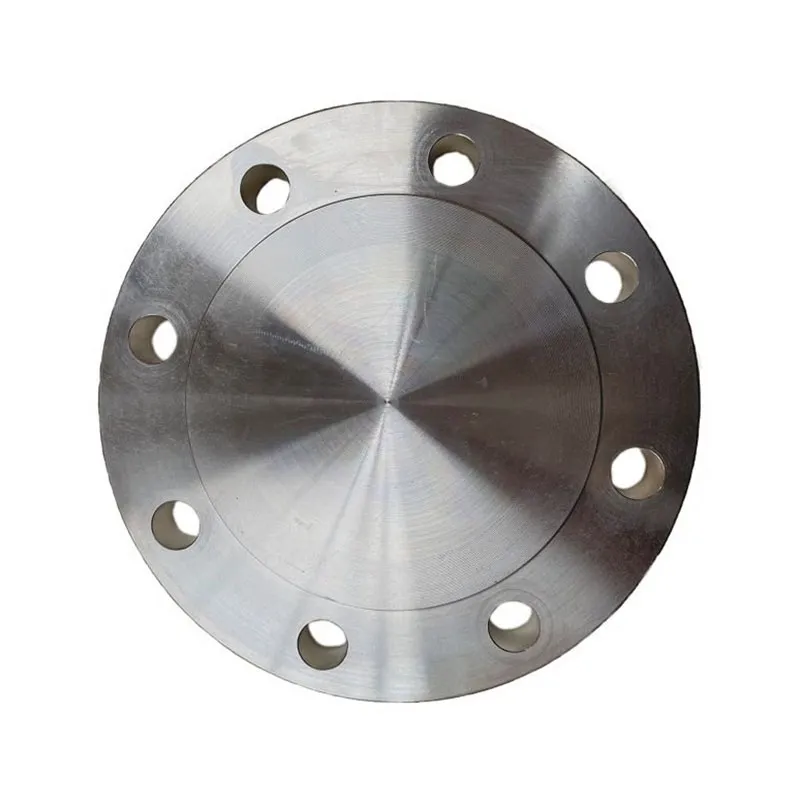
Best Sellingproducts
Best Selling Products-
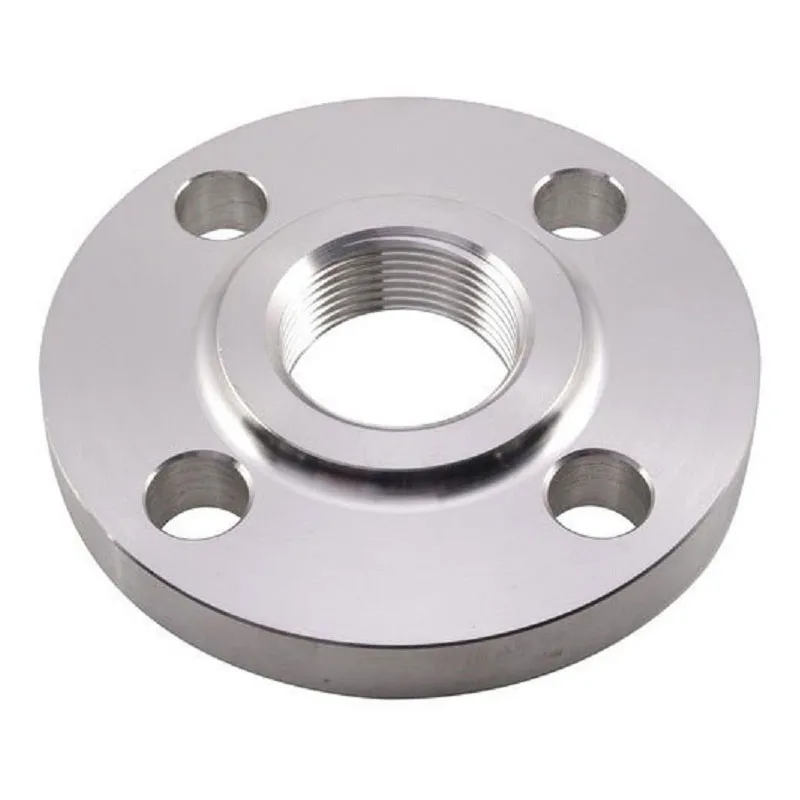 EN 1092-1 Threaded flanges Type 15, PN16
 -
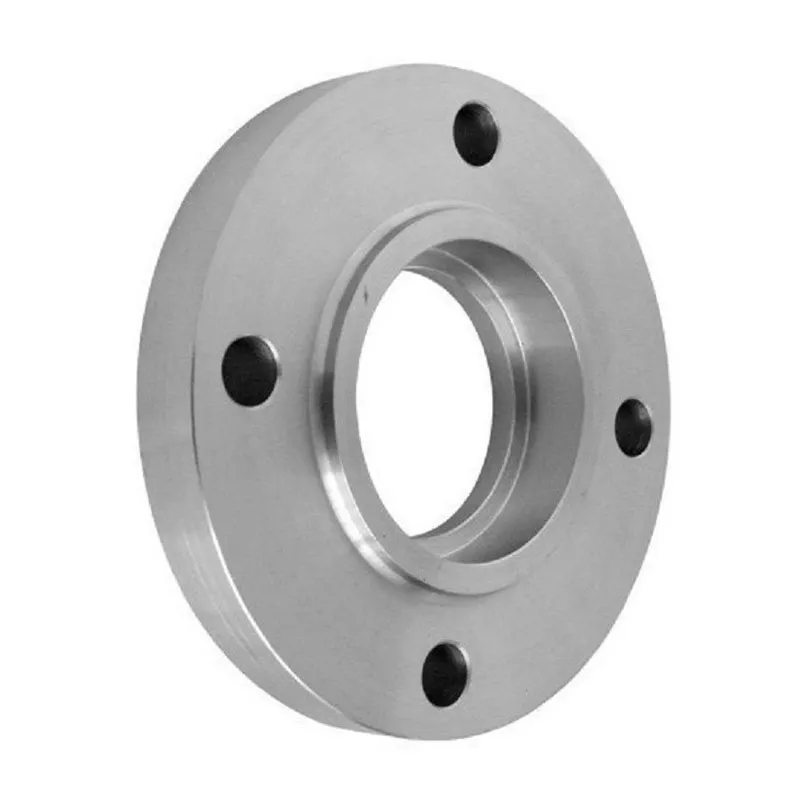 Socket Weld Flanges Class 300
 -
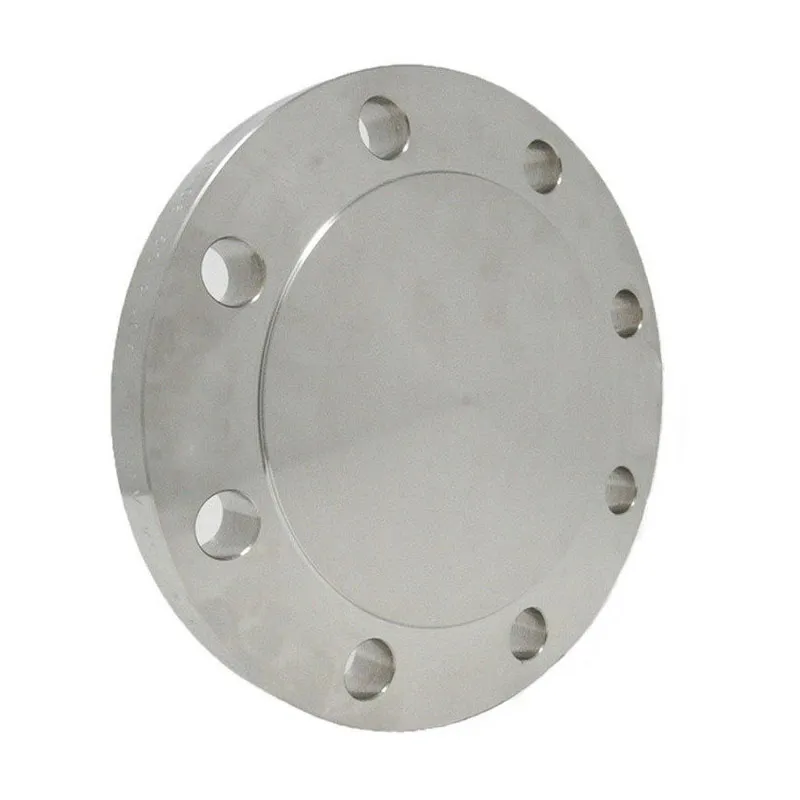 AWWA Blind Flanges Class D (Tables 1, 2, 3)
 -
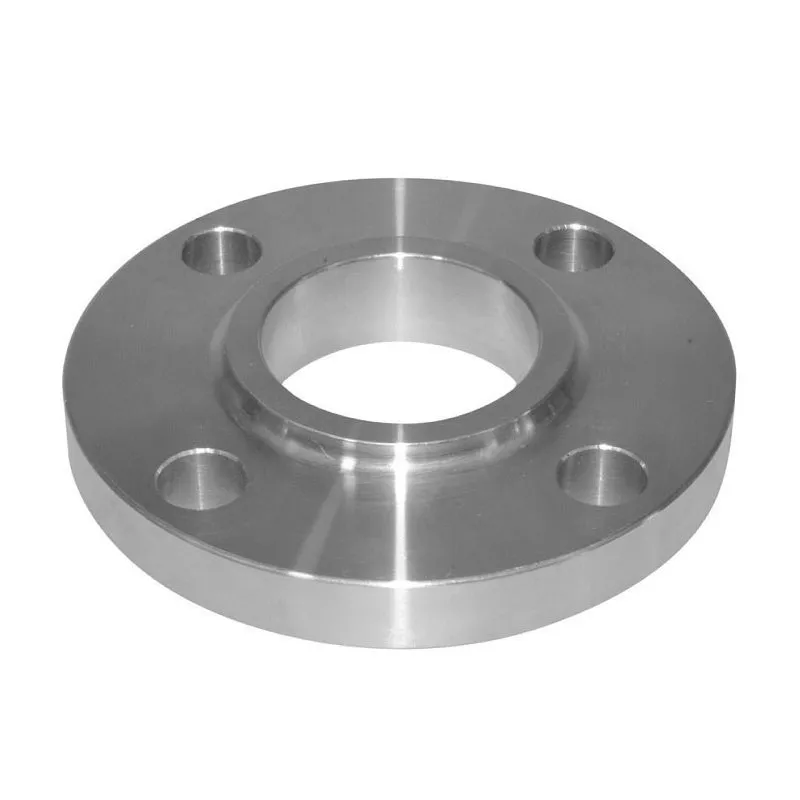 ANSI B16.5 Lap-on flanges Class 1500
 -
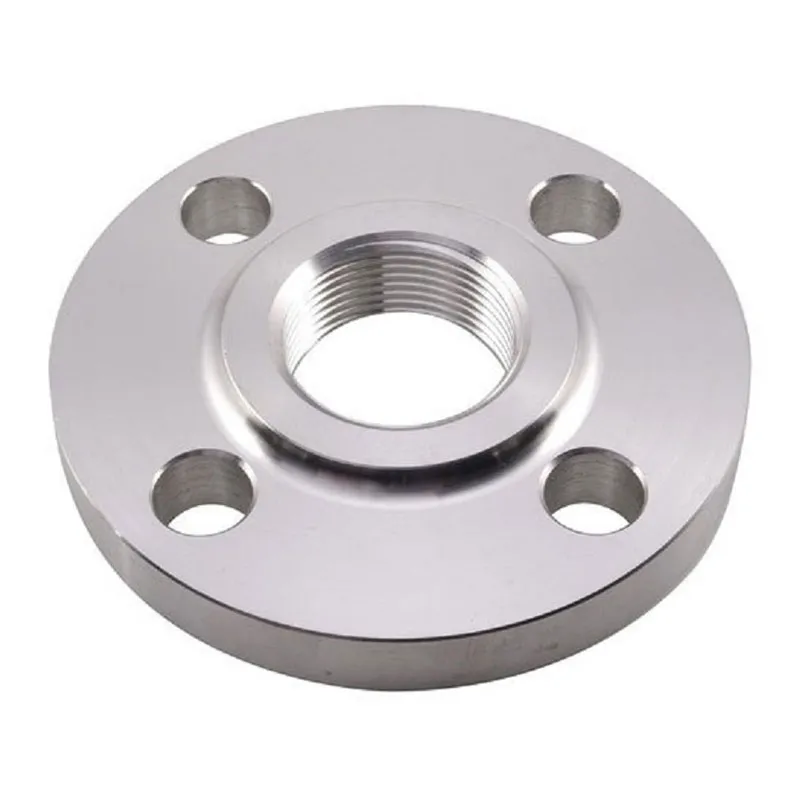 JIS 10K Overlay flanges
 -
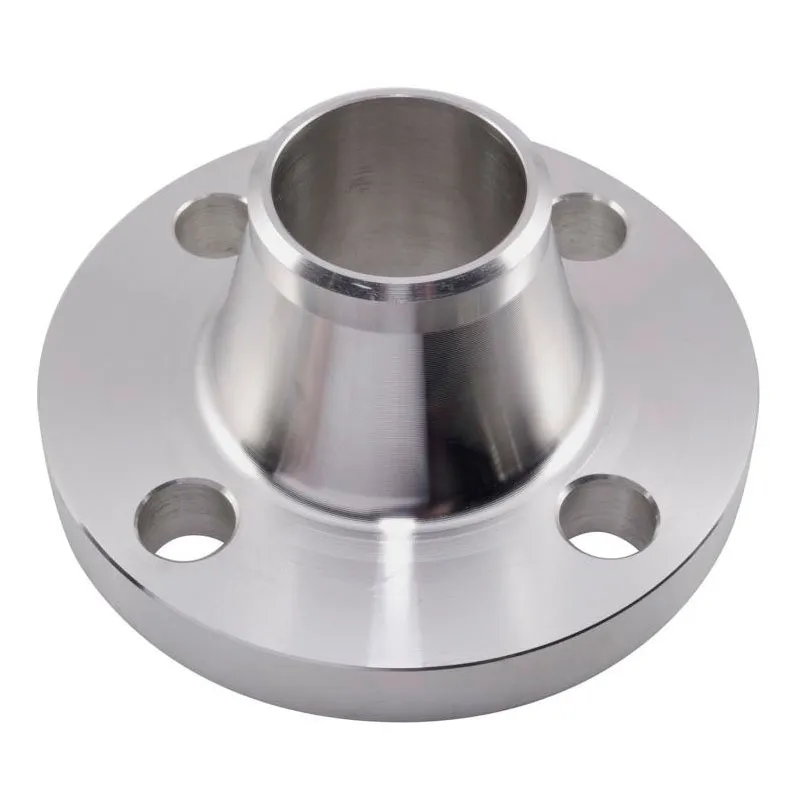 DIN Butt weld flanges PN10
 -
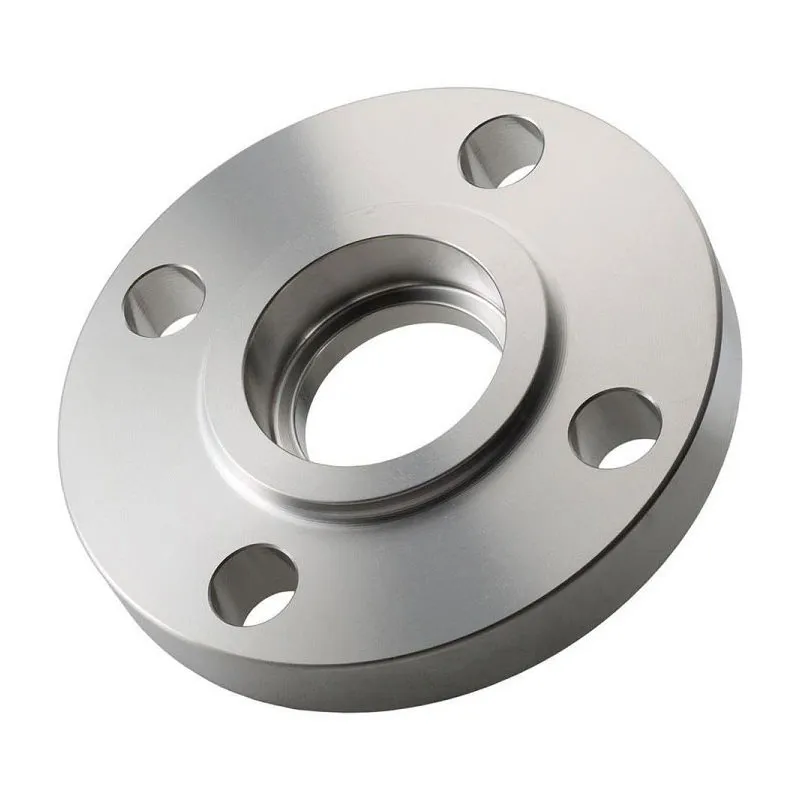 Flanges for socket welding
 -
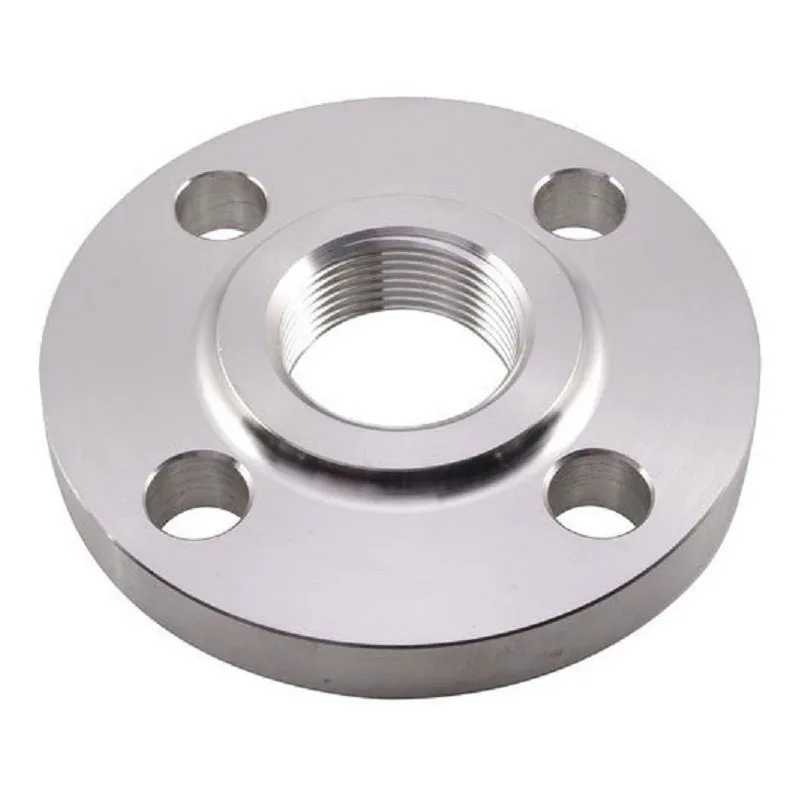 ANSI B16.5 Threaded Flanges Class 600
 -
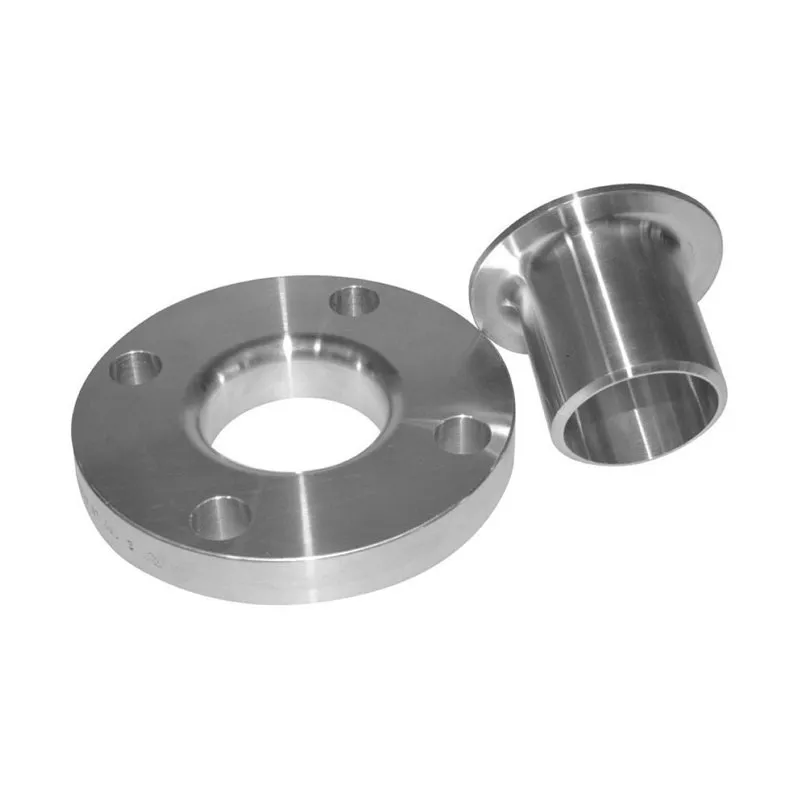 Free ring flanges Class 150
 -
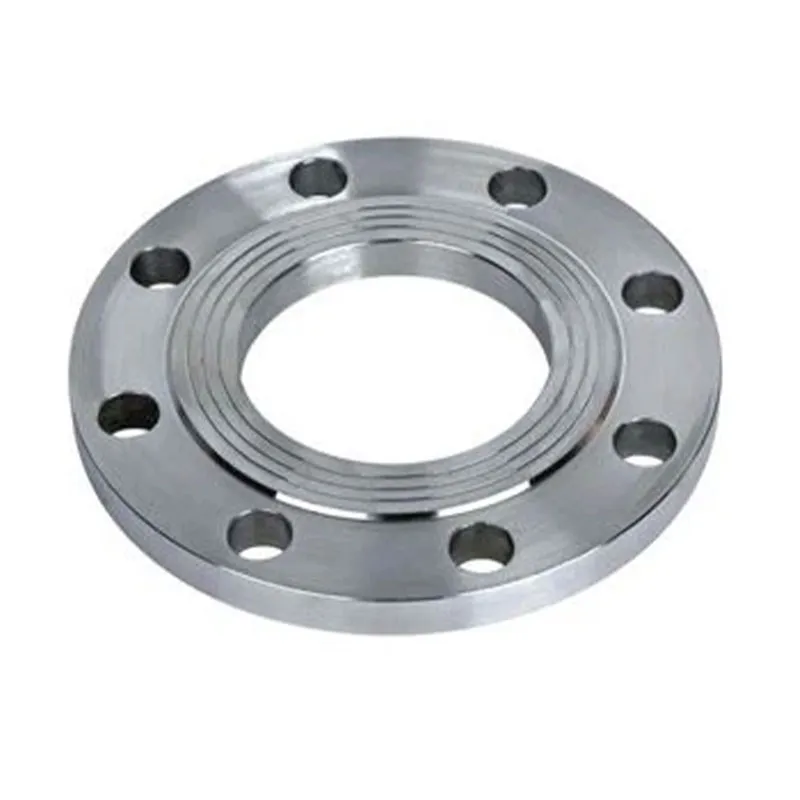 Butt weld flanges Class 150
 -
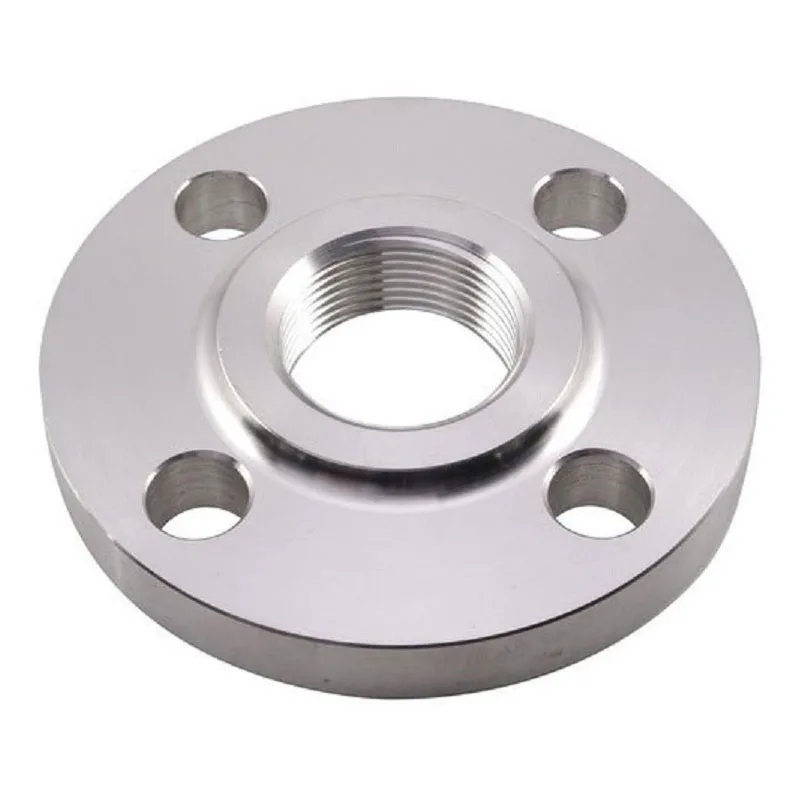 JIS 10K Threaded Flanges
 -
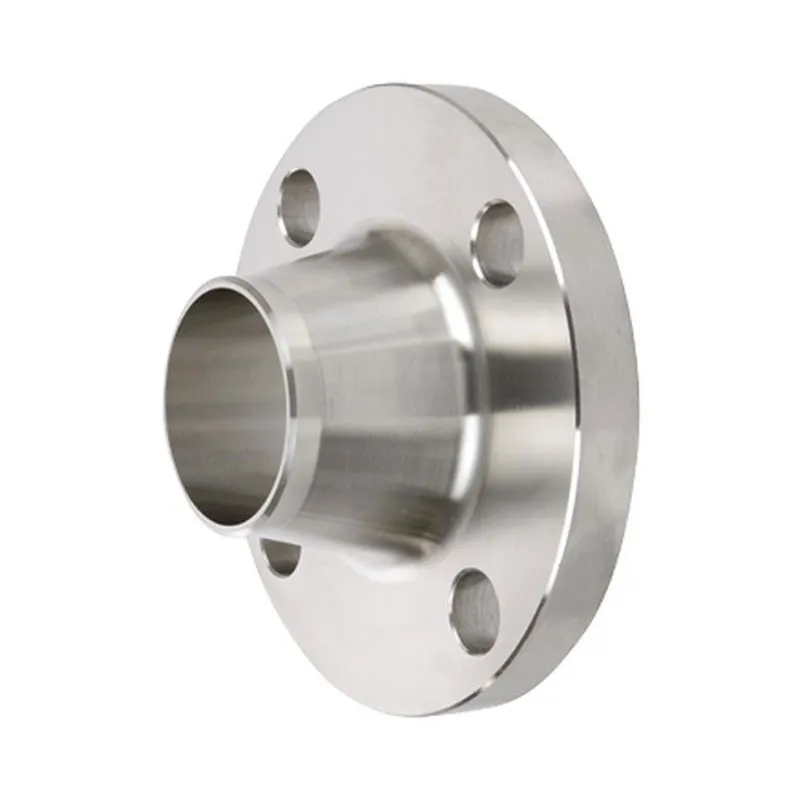 Ser.A Butt Weld Flanges Class 400