
-
-
Phone
+86-13623462298




flange color
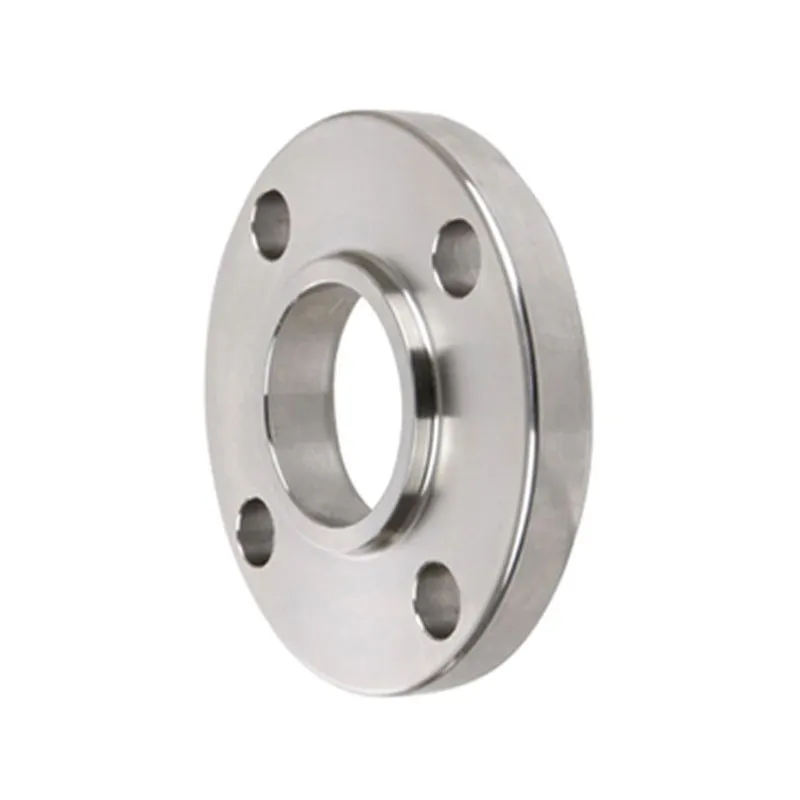
When you hear “flange color”, the first thing that comes to mind for an inexperienced customer is painting. Like, I want blue or red so that it looks nice on the pipe. In fact, when it comes to forged flanges, color is primarily a story about heat treatment, scale and, oddly enough, potential risks. Many years ago I thought differently, until I came across a batch where a bluish tint on the neck caused long discussions about overheating of the metal.
Color as a consequence: from the blank to the finished product
Let's take a standard process from a manufacturer like Shanxi Hongkai Forging LLC. The workpiece is heated for forging - color formation is already underway. Yellow, cherry, orange - an experienced master can use these shades to see the temperature. But this is an intermediate stage. We, as technologists or receivers, are more concerned about the color after all mechanical processing and, critically, after heat treatment.
Let's say the flange is according to ASME B16.5 after normalization. The ideal option is a uniform grayish-matte color over the entire surface. This indicates a proper heating and cooling cycle. But if you see rainbow stains - blue, purple, yellow spots - this is already a signal. This means that somewhere there was local overheating during ring welding or uneven cooling. This color is not a defect in the literal sense, but a reason to check the hardness in this zone. On the website hkflange.ru, of course, this is not written in the description of the processes, but any practitioner knows that the color palette on the finished product is his “medical record”.
I had an incident with a partyflange colorwhich seemed to be normal, but on several pieces underbutt weld flangeat the very base of the hub there was a strange straw tint. Visually - barely perceptible. We decided to do a random ultrasound check. It turned out that there were microcracks there. The color was the first bell that saved us from more serious problems at the site.
Scale and its shades: remove or leave?
Another layer of questions is related to scale. After forging and heat treatment it remains. Its color ranges from dark gray to almost black, sometimes with blue. Many customers require a perfectly clean, shiny surface after sandblasting. But there is a nuance here. Too aggressive cleaning can cause damage. scale particles into the metal, which is worse than its natural layer. Sometimes it is better to leave a uniform dark color of the scale, if the product standard allows it.
Shanxi Hongkai Forging Co., Ltd., as a manufacturer, usually supplies flanges either with scale (black) or after cleaning (silver). But here’s the thing: the color of the cleaned surface is also different. If sandblasting is done with corundum, the color will be matte silver, uniform. If shot was used, a slight bluish tint may appear - this is not scary, this is a consequence of hardening of the surface. It is important to understand this and not to confuse it with tarnish from temperature.
Once we received flanges in accordance with GOST 33259, everything seemed to be according to the drawing. But the color of the surface was uneven - spots. They began to figure it out. It turned out that the batch had been pickled to remove scale, but the solution was already “tired” and it reacted unevenly. I had to send it back for reprocessing. So color here is a direct indicator of the quality of chemical-thermal operations.
Painting: When Color Becomes Functional
Now about what everyone usually means by color - about paint. This is no longer about metallurgy, but about protection. But there are subtleties here too. For example, for flanges that will operate in a harsh environment, the paint color is often the color of the primer or finish coat specified by the customer. Blue, gray, red - each color can mean a different type of coating (epoxy, zinc silicate, etc.).
An important point that is often missed: painting needs to be done after full inspection, including ultrasonic testing and MTD. Otherwise, you can paint over the defect. I saw a situation where, under a beautiful blue layer onflange flatthere was an unacceptable risk of transportation hidden. It hid the color, but did not eliminate the problem. Therefore, in serious projects flanges are often supplied in “black”. execution (with conservation lubricant), and are painted on site, after installation.
Manufacturers who work to EN and DIN standards often have internal color coding guidelines for different grades of steel. This is not always a strict rule, but, for example, flanges made of AISI 316 stainless steel are often not painted at all - their natural “metallic” color is an indicator of the material. But carbon steel is painted to avoid corrosion during storage.
Non-standard products and color: history according to drawings
When you work with non-standard forgings according to customer drawings, the issue of color becomes especially acute. The drawing may contain requirements for the finishing surface, but rarely prescribes the reference shade. This is where the correspondence begins. You need to understand: do you mean the color after a specific type of processing (grinding, heat treatment) or is this a requirement for the coating?
Shanxi Hongkai Forging LLC usually requests clarification in such cases. Because, for example, the requirement is ?matt gray color? after thermal improvement and ?matt grey? after sandblasting - these are two different things in terms of surface structure. In one project for the chemical industry, the customer required a “uniform dark color over the entire surface?” I had to do a special cycle of controlled oxidation in order to obtain a durable oxide film of a certain thickness and shade. This was not a whim, but a necessity for further work in a high-temperature environment.
Or another example: large-sizedblind flangeDN3000. Due to its size, heat treatment took place in sections. And, naturally, the color at the junctions of the zones turned out slightly different. Visually it was noticeable. Acceptance was delayed until we provided protocols showing that hardness was within tolerance everywhere. The color raised questions, but the technical documentation cleared them up.
Practical conclusions: what to look for when receiving
So, to summarize my experience, I will say: the color of the flange is not a small thing. When accepting a shipment, even from a trusted supplier like the one mentioned, I always pay attention to three things related to color. First: uniformity. Spots, stains, sharp transitions are a reason for detailed study. Second: color matches the stated delivery condition (black/cleaned/painted). If you agreed to deliver with scale, but they delivered shiny ones, this may mean that the products were modified due to some problems.
And third, the most important thing: the color in the areas of welded seams (for welded rings) and at the ends. Here, any uncharacteristic shades are a direct indication to carry out additional non-destructive testing methods. Often this is where hidden defects lie.
In the endflange color- this is as important a parameter as geometry or steel grade. There is no need to fear it or ignore it as “cosmetics”. You need to be able to read it. This saves time, money and sometimes prevents accidents. And this is precisely the skill that comes not from textbooks, but from experience in accepting hundreds of tons of metal at various sites. When you look at a rack with flanges and you understand by the shade what kind of “life” they had. before getting to the warehouse - this is real practice.
Correspondingproducts
Related Products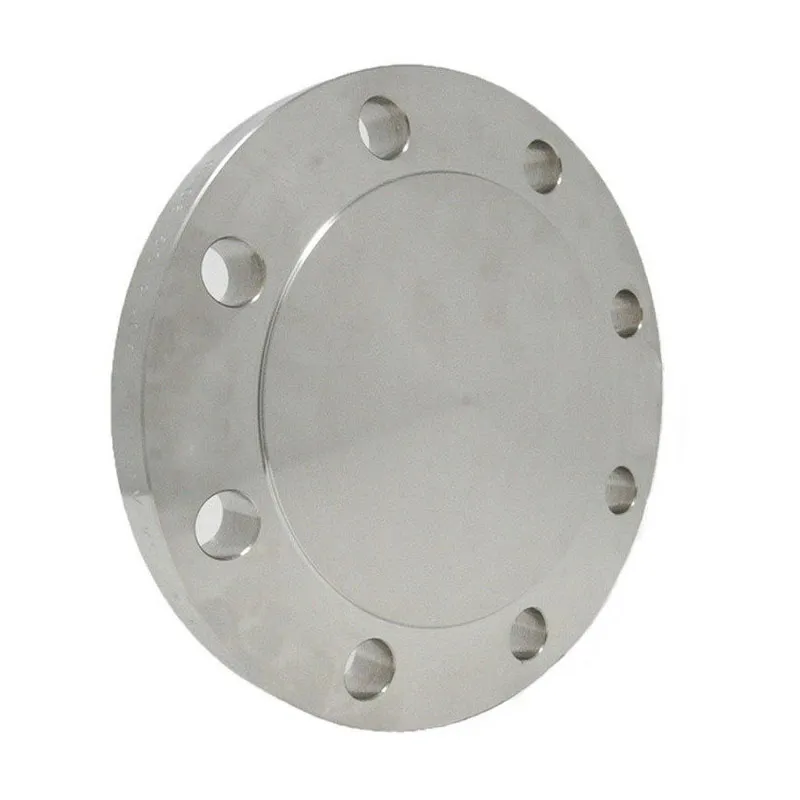
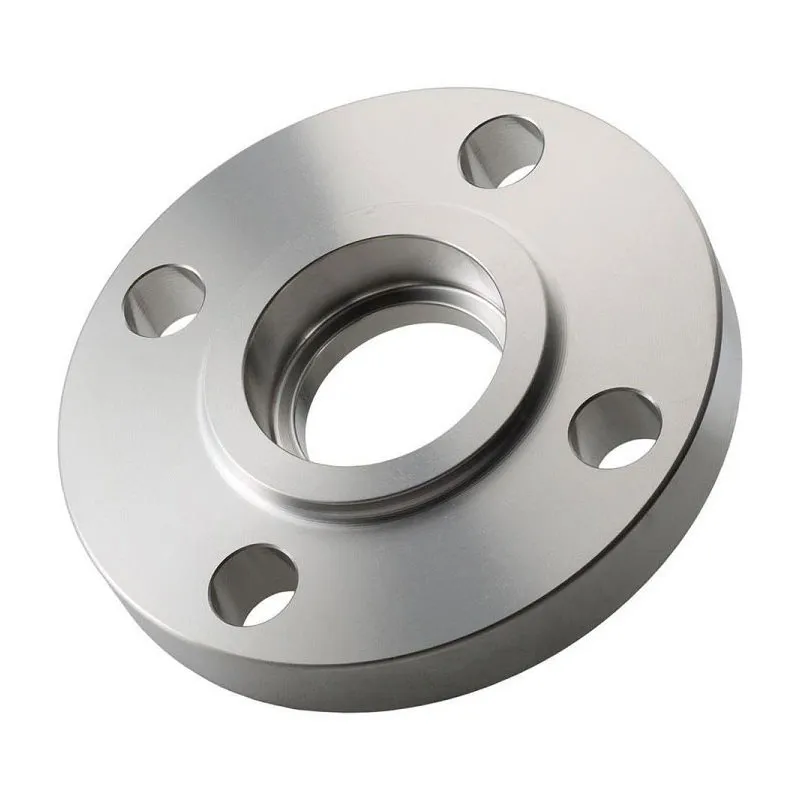
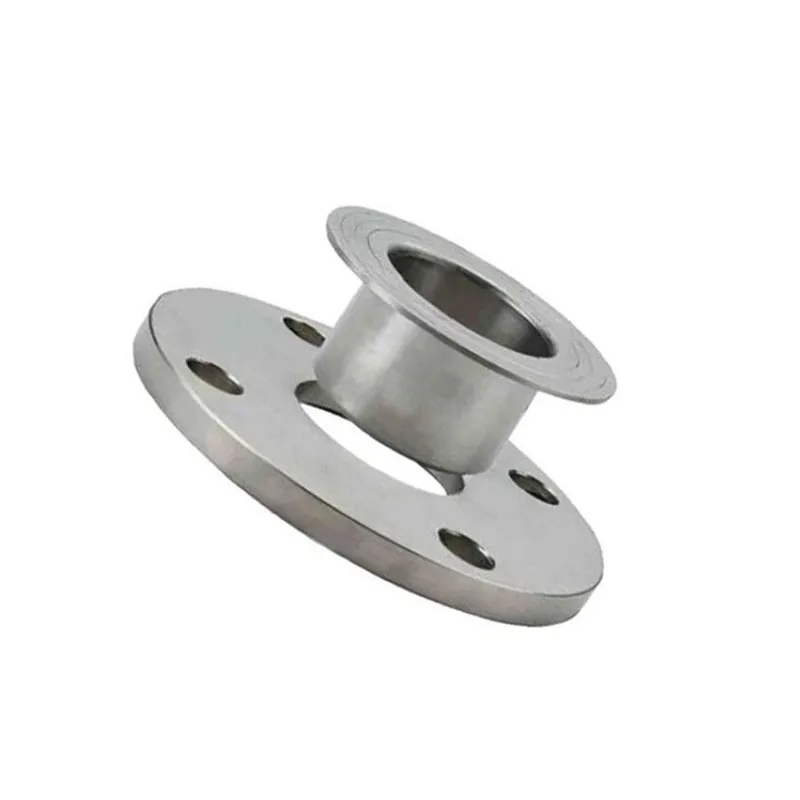
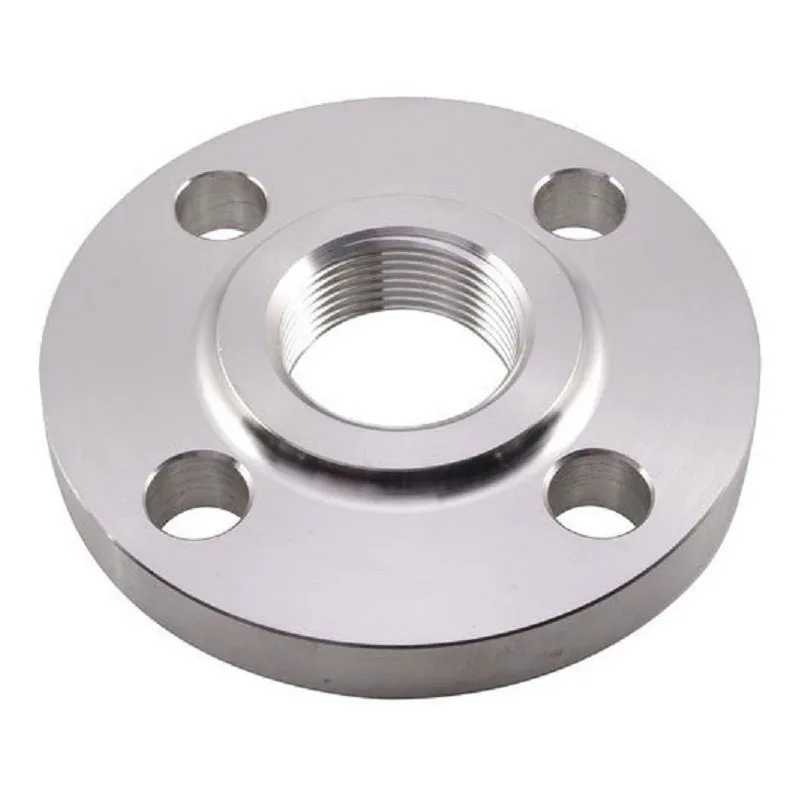
Best Sellingproducts
Best Selling Products-
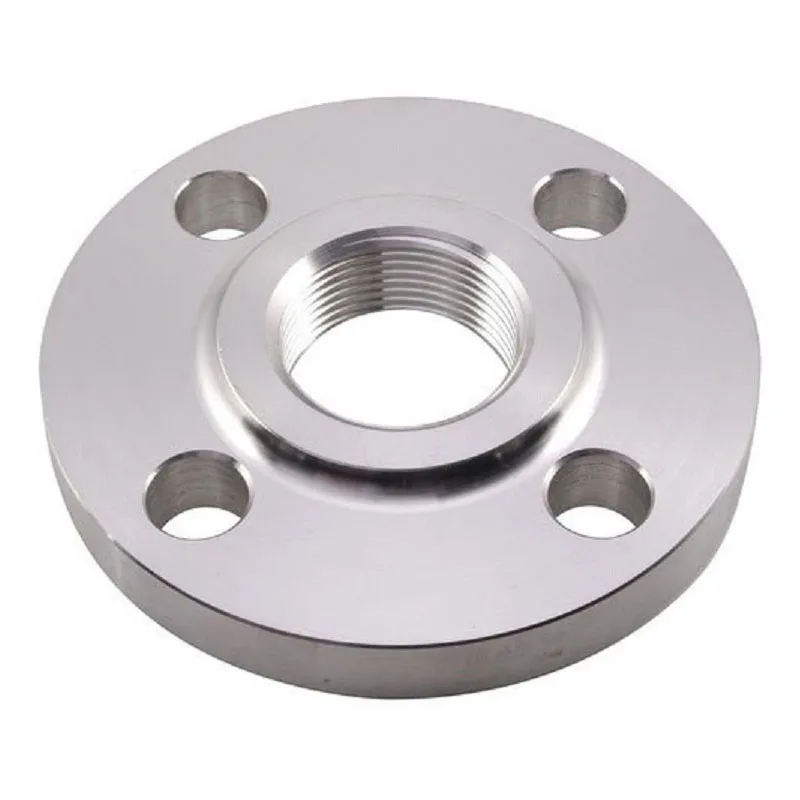 DIN 2566 Threaded flanges PN16
 -
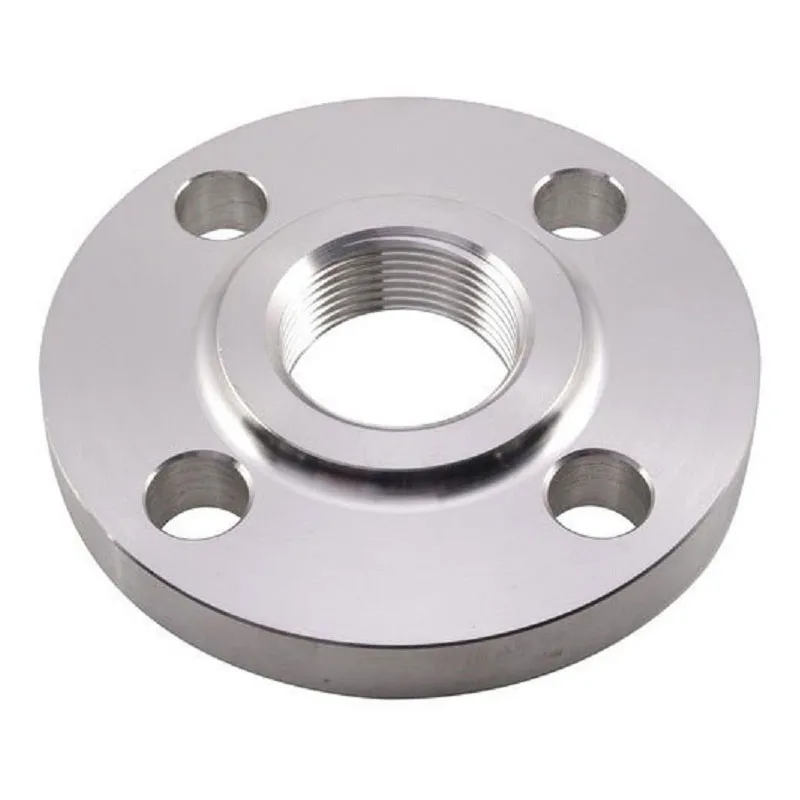 EN 1092-1 Threaded flanges Type 15, PN16
 -
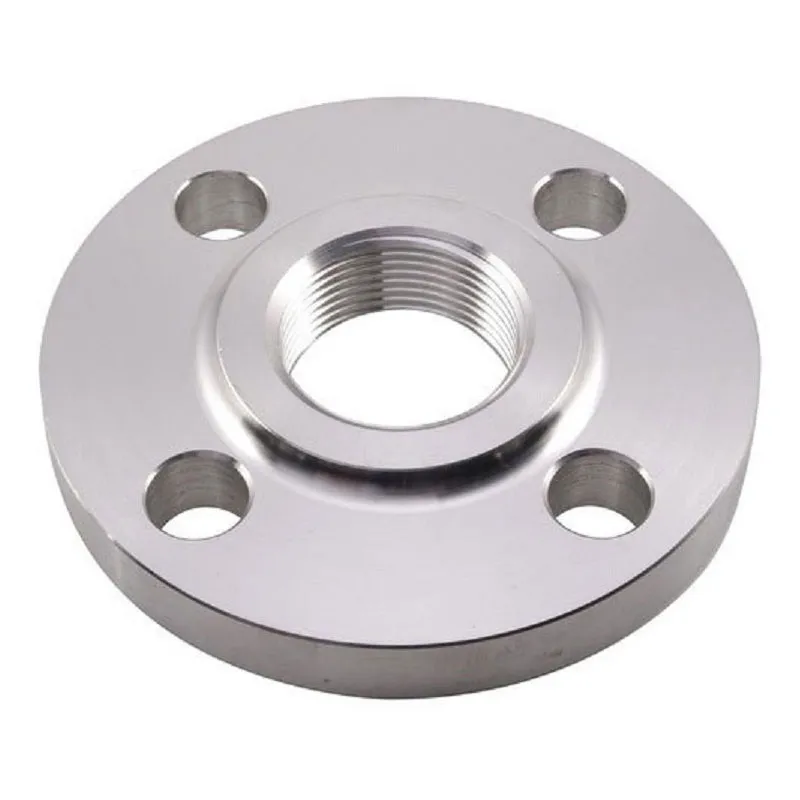 DIN 2565 Threaded flanges PN6
 -
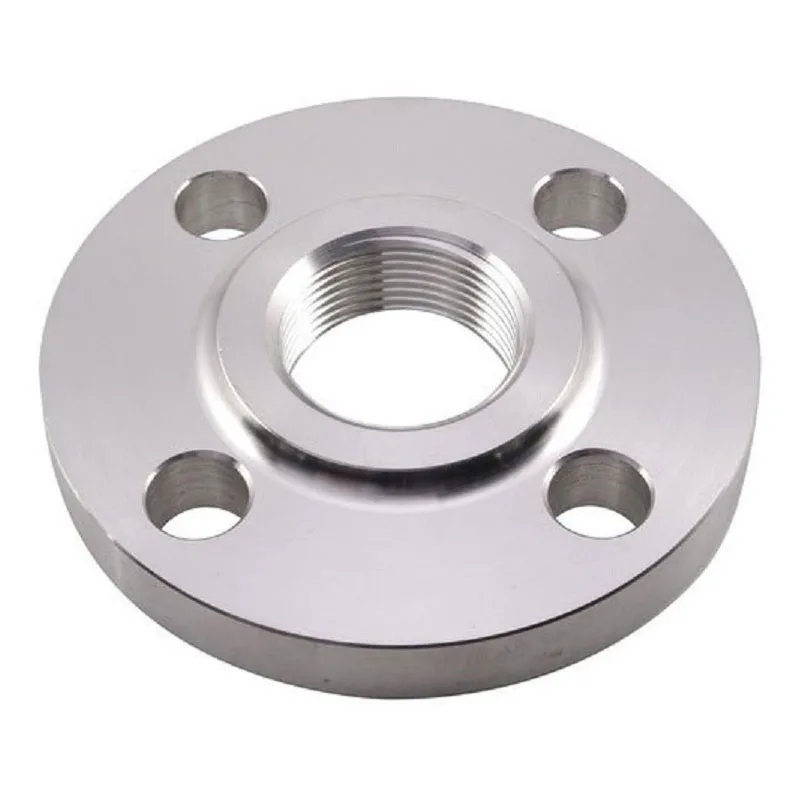 JIS 10K Threaded Flanges
 -
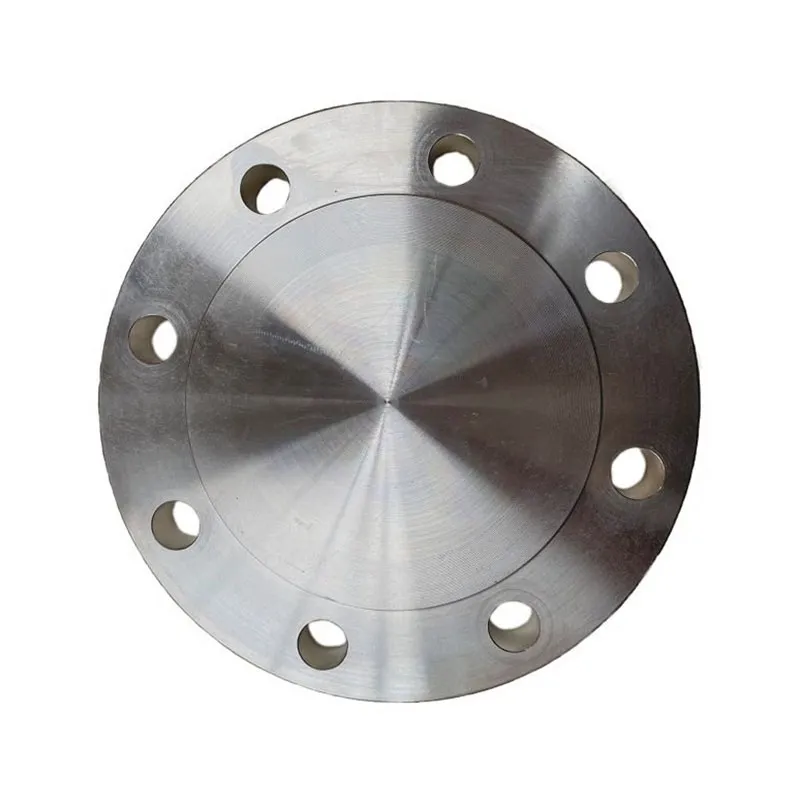 UNI 6092 Blind flanges PN10
 -
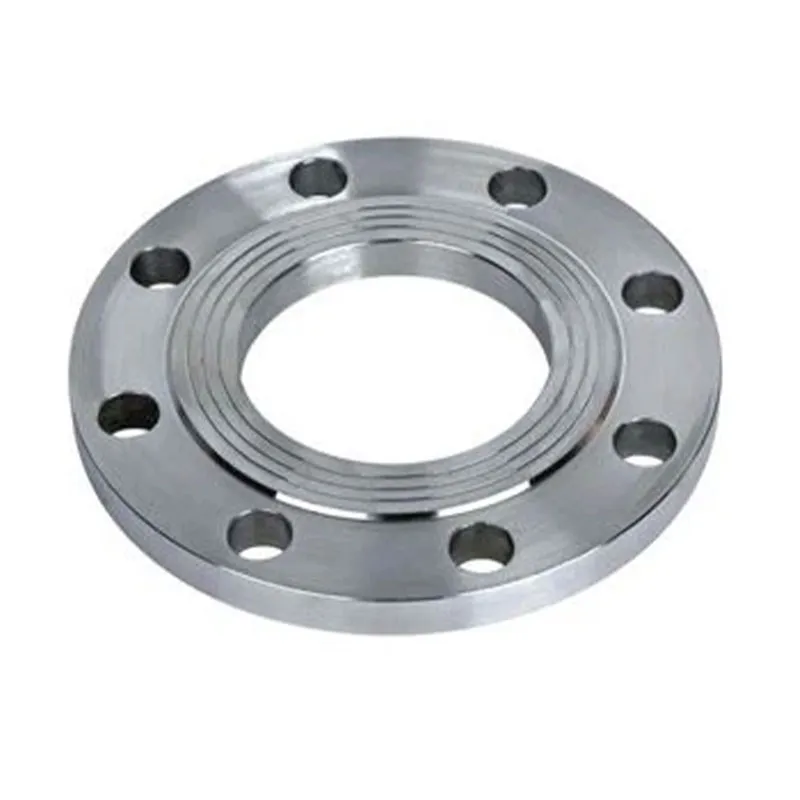 Butt weld flanges Class 150
 -
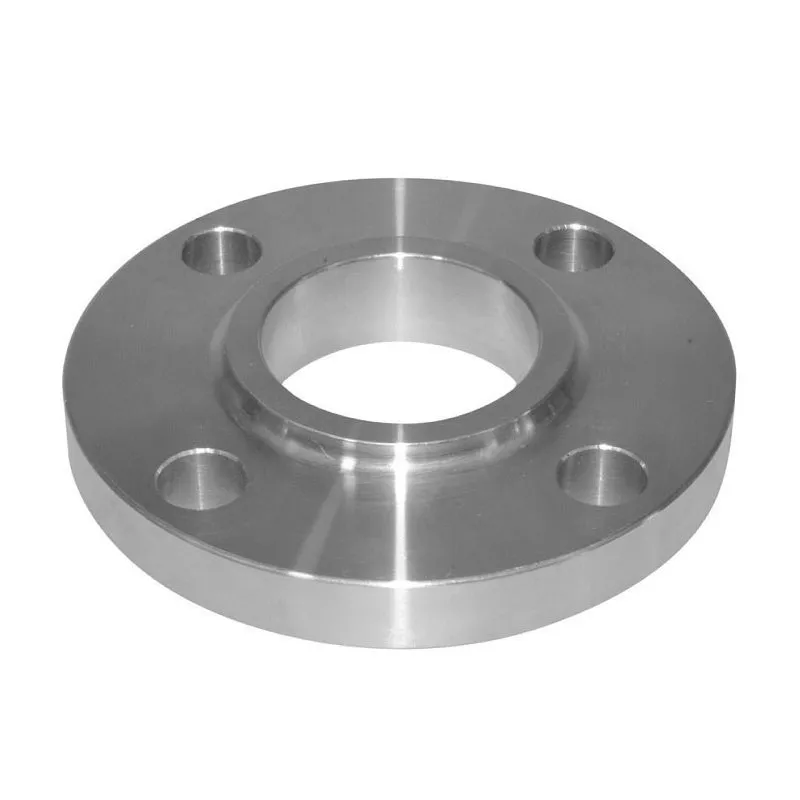 ANSI B16.5 Lap-on flanges Class 1500
 -
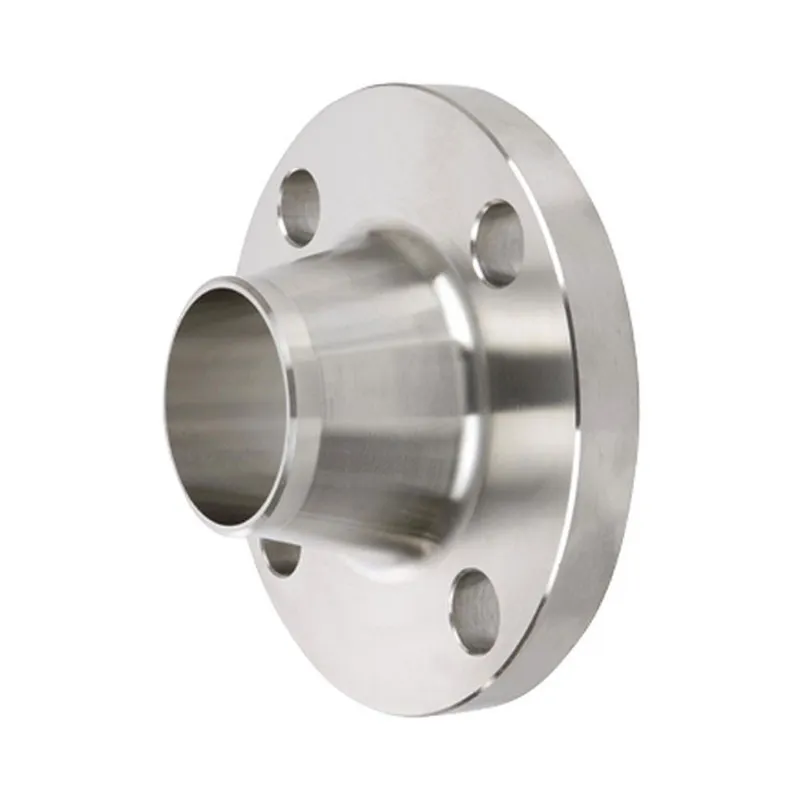 EN 1092-1 Butt weld flanges Type 11, PN25
 -
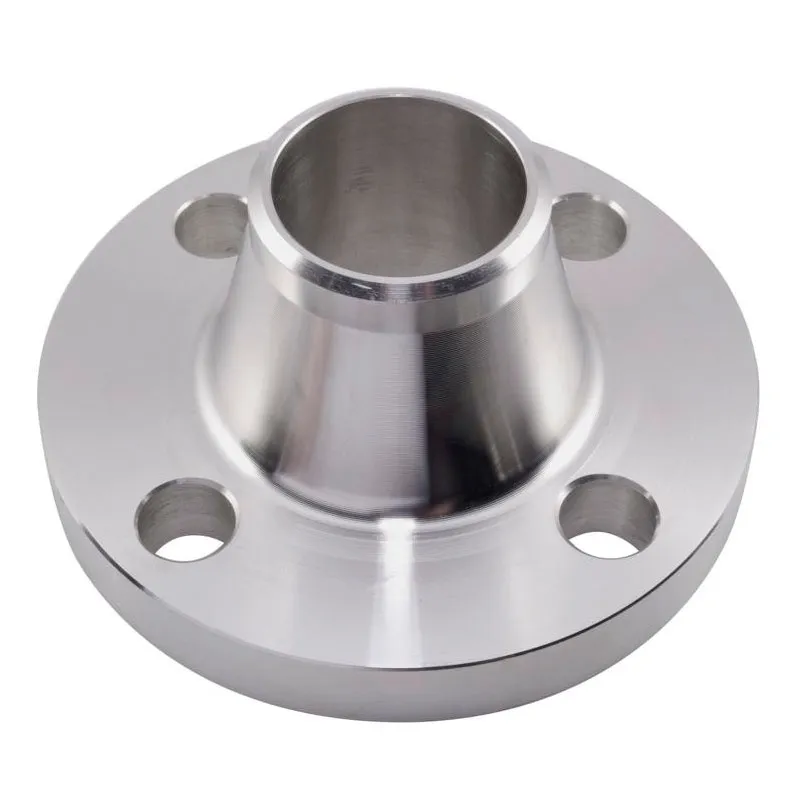 Butt weld flanges Class 900
 -
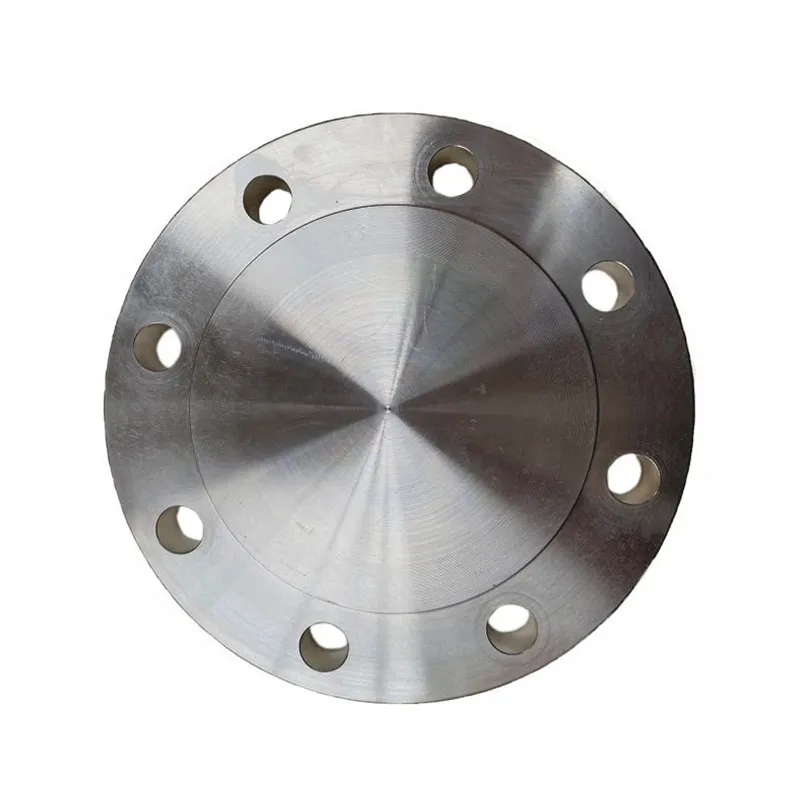 DIN 2527 Blind flanges PN10
 -
 JIS 10K Overlay flanges
 -
 ANSI B16.5 Socket Weld Flanges Class 150