
-
-
Phone
+86-13623462298



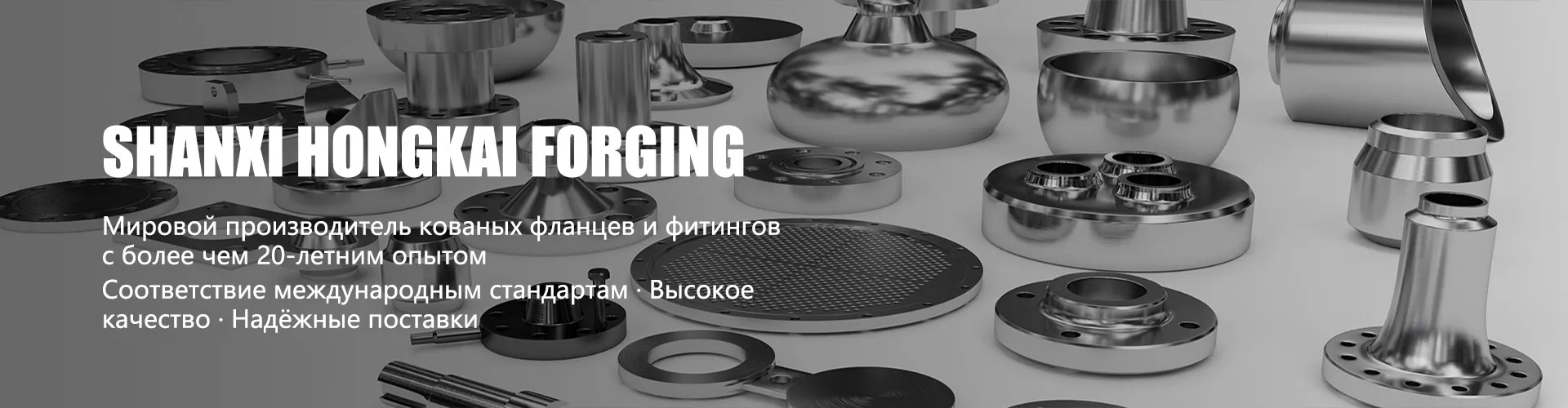
flange 06
When you hear “flange 06”, the first thing that comes to a beginner’s mind is some specific standard size or maybe material. In fact, in practice, especially when working with supplies from Asia, this often turns out to be an internal factory designation, referring to a specific manufacturing technology or even batch. Many people mistakenly believe that this is an analogue of some standard series like GOST or ASME, and then they encounter inconsistencies in the drawings. I went through this myself, trying to match the order for ?06? with our standard tables - I spent a lot of time until I got through to the production technologist.
Where legs grow from: practical experience with Chinese manufacturers
For example, let's takeShanxi Hongkai Forging Co.,Ltd. I worked with them on a project that required non-standardflangesunder high pressure. This same “06” appeared in the specification. On their website,https://www.hkflange.ru, it is clear that the company is a serious player, a manufacturer of forged flanges and forgings in one of the key industrial centers of China. But even in their extensive range, corresponding to GOST, ASME, EN and other standards, you will not find such a designation directly.
I had to delve deeper into the correspondence. It turned out that they had a ?06? inside the plant. may mean a specific modification of the heat treatment of a forging for flanges of a certain thickness, which is critical for subsequent operation in aggressive environments. This is not a standard, but rather their internal process that guarantees toughness. That is, when you orderflange 06From them, you essentially order not just a DN size, but a product with additional characteristics that are not obvious from the drawing.
This is an important point that is often missed when purchasing. You can get a flange that is ideally suited in geometry to GOST 33259, but if you don’t take into account this “six”? in processing, it may not withstand cyclic loads on the site. We had a case during pipeline installation where we saved money by using “just a flange?” in size, and not the one with the required marking - after six months, microcracks appeared along the radius of the transition from the hub. I had to change the section.
Application nuances and common mistakes
Based on experience, ?06? often associated specifically with forged products, and not with cast or stamped ones. CompanyShanxi Hongkai Forging Co.,LtdAs a manufacturer of forged flanges, this is indicative. Forging gives a better metal structure, but also requires more fine-tuning. Their internal code probably records these parameters: forging temperature, degree of compression, subsequent tempering mode.
A common mistake of designers is to indicate only standard parameters (pressure, temperature, medium) in the specifications, but lose sight of the loading history. And for the “six”, as I understand it, the key may be resistance to fatigue. That is, for a static, albeit highly stressed system, the standard option may be suitable. But for systems with vibration, for example, near pumping units, or with frequent heat changes - this is where you need the sameflangewith an additional manufacturer's warranty hidden in index 06.
Another point is welding. When welding such flanges, a special approach must be taken. Preheat and interpass temperatures may differ from recommendations for conventional steel of the same grade. If you don't take this into account, you can "let it go" that very specially created structure in the thermal influence zone, negating all the advantages. We had to coordinate the welding modes with their engineers - they gave specific numbers that are not in the general standards.
Comparison with other standards and analogues
You are trying to find analogues in European or American practice. For example, in the ASME B16.5 standard there are gradations by materials (Grade), but they do not fully reflect the subtleties of manufacturing technology. There, F316 is F316, and that’s it. And here, within the same grade of steel, say, 20GL or 09G2S, there may be different “designs”. by resistance to brittle fracture, which are coded by such indices as 06.
Working withShanxi Hongkai Forging Co.,Ltd, you see that their strength lies precisely in flexibility. They make according to standards from DN15 right up to DN4000, but they are also ready for non-standard ones. And this internal classification is a tool for ensuring repeatability of quality in non-standard or especially critical orders. When you order ten tons of 06 flanges from them, you can be sure that each batch will be identical to the previous one in critical mechanical properties, not just in size.
By the way, this is worth a lot. There are many suppliers on the market who will make you a flange according to your drawing, but each new batch is a lottery. And in industrial pipeline fittings, lotteries are unacceptable. Therefore, understanding what is behind such internal designations directly affects the reliability of the object as a whole.
Personal observations and conclusions from practice
Over time, you begin to not only see “flange 06” in the specification, but understand what class of problems we are talking about. These are almost always projects with increased safety requirements, where node failure is unacceptable. Petrochemicals, energy, main pipelines with pumping of unstable media.
I remember that we once took a batch of ordinary flanges for repair work at a site where there were originally products with such markings fromHongkai. Externally - one to one. But after hydrotesting, with a gradual increase in pressure, the new ones began to leak along the flange body much earlier than the calculated one. They began to figure it out. Metallographic analysis showed differences in grain size and the presence of non-metallic inclusions. Here it is, the difference between an ordinary product and something made using a special technical process, albeit hidden behind the short code ?06?.
Now I always check when ordering. If the terms of reference from a design institute include a reference to some special conditions or fatigue loads, I immediately ask the manufacturer: “Do you have some kind of reinforced design for this material and size, your own internal standard?” And it often turns out that there is. At the sameShanxi Hongkai Forging Co.,Ltdthere may be not only 06, but also other indices for different cases. This is living practice, not dry lines in a catalogue.
Bottom line: why this is important to know
So,flange 06- this is not a marking for searching in an online store. This is a signal for a specialist. A signal that this is not just hardware, but a product with in-depth engineering study, the result of a specific technological regulation in a specific production facility, such asHongkai.
Ignoring this means increasing risks on site. Taking it for granted and understanding it means working professionally. Ultimately, all these internal codes are the language of communication between plant technologists and engineers responsible for operations. And understanding this language, at least at a basic level, is absolutely necessary.
Therefore, the next time you see a similar designation in the specification, do not be lazy - pick up the phone, write to the supplier, request technical documentation for this particular design. Most likely, you will discover new details that will make your project more reliable. Tested more than once.
Correspondingproducts
Related Products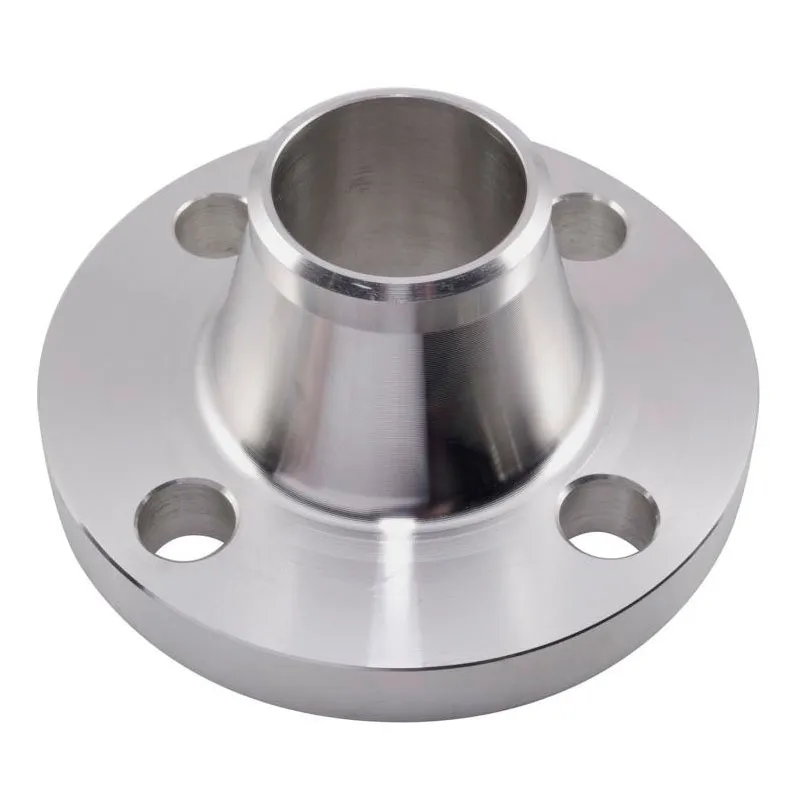
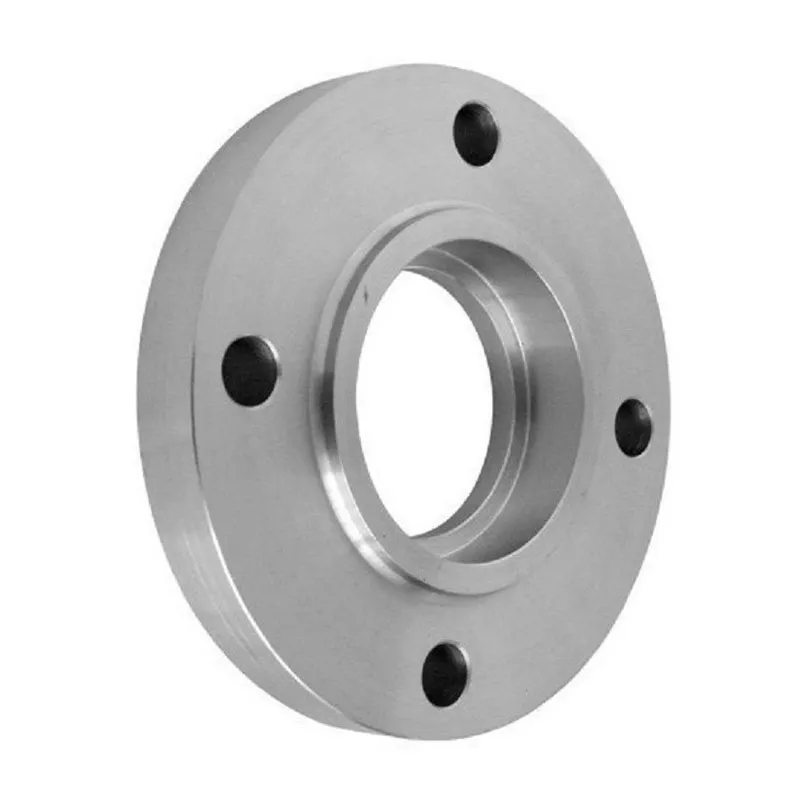
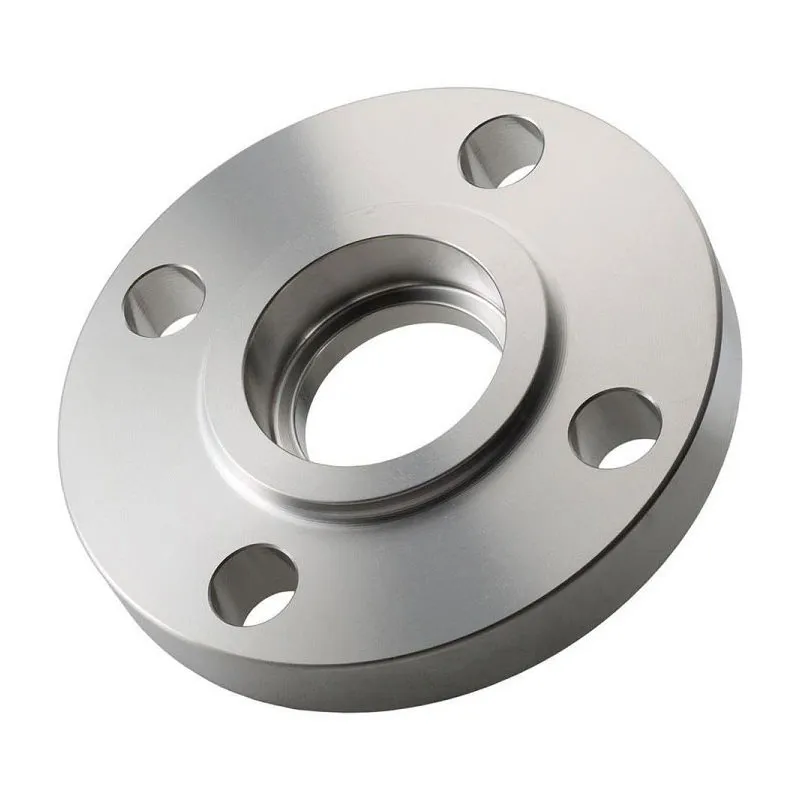
Best Sellingproducts
Best Selling Products-
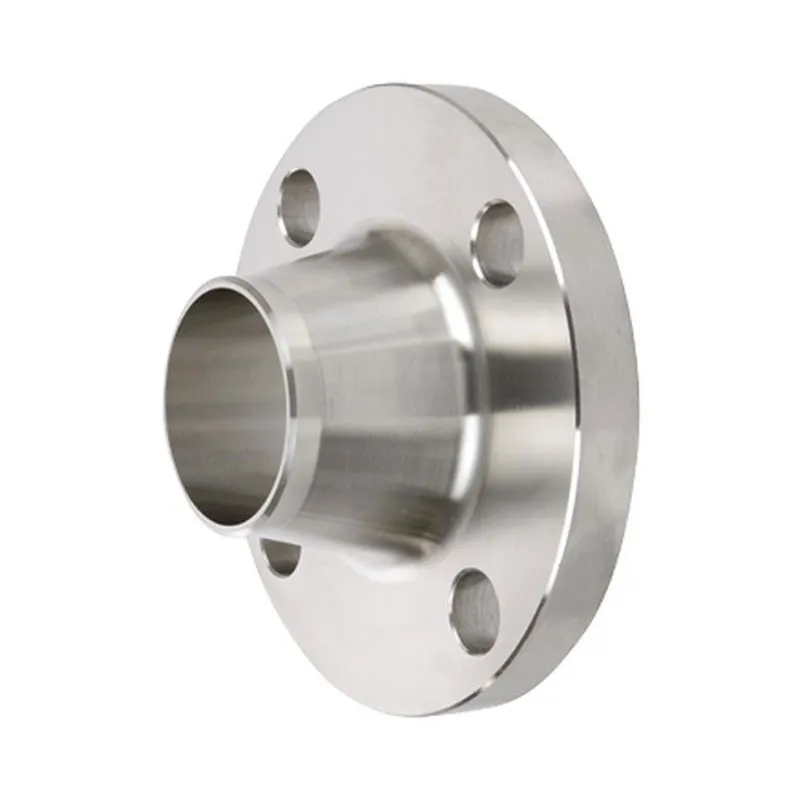 Ser.A Butt Weld Flanges Class 400
 -
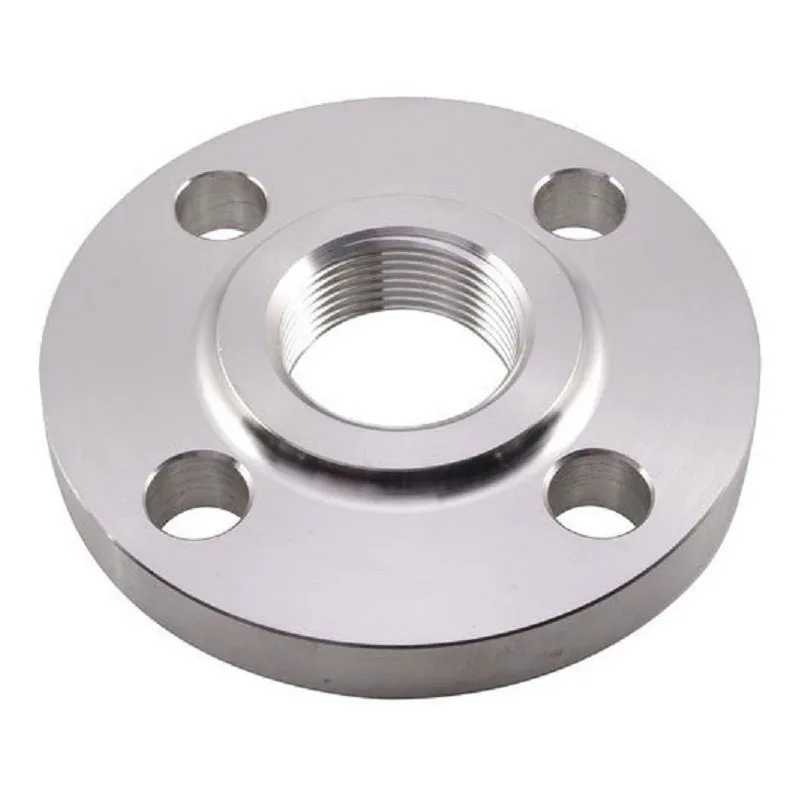 ANSI B16.5 Threaded Flanges Class 600
 -
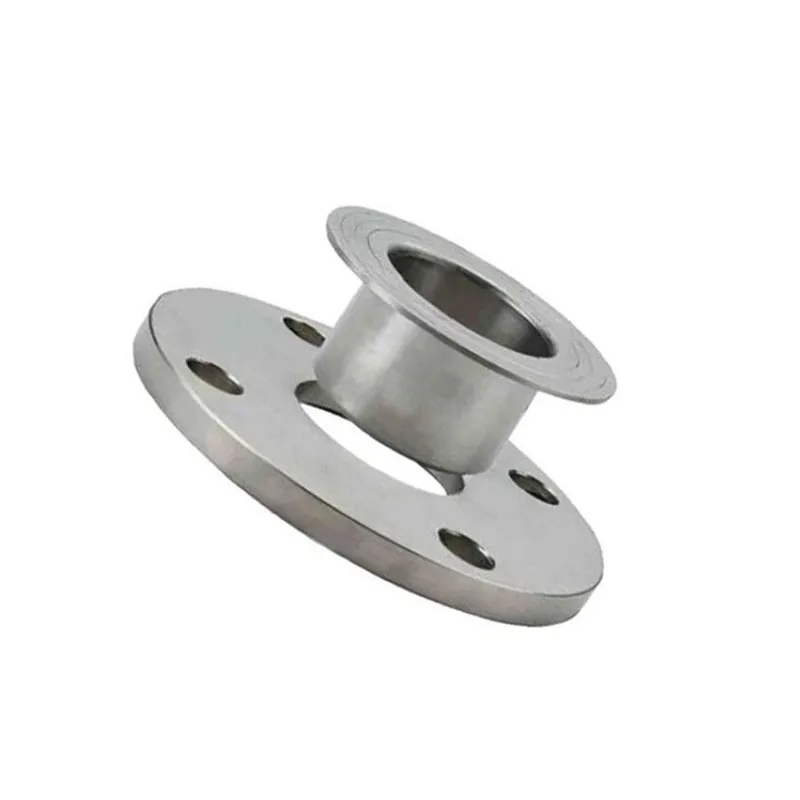 Free ring flanges Class 400
 -
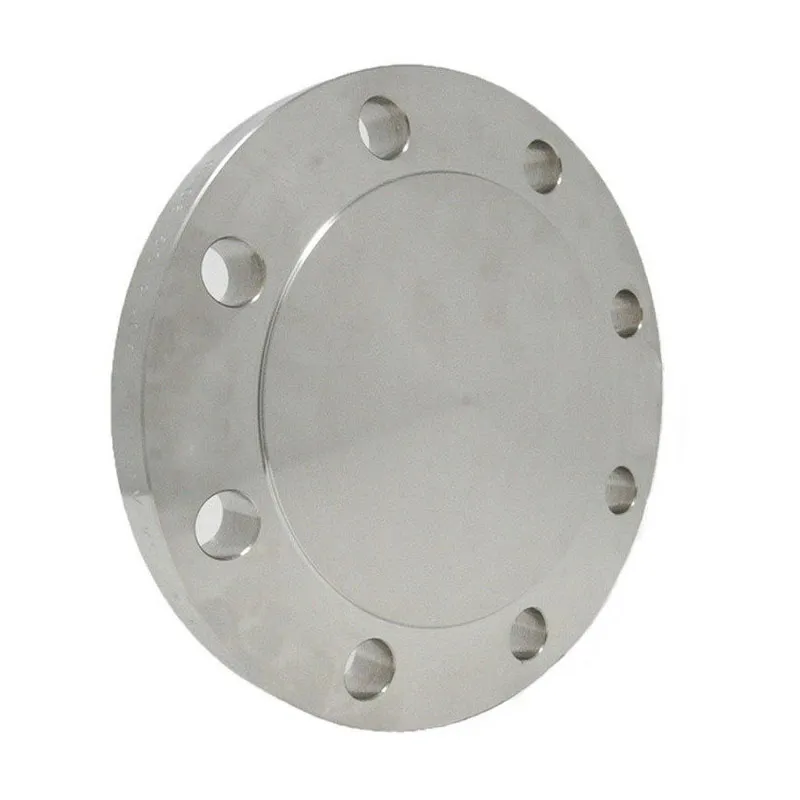 AWWA Blind Flanges Class D (Tables 1, 2, 3)
 -
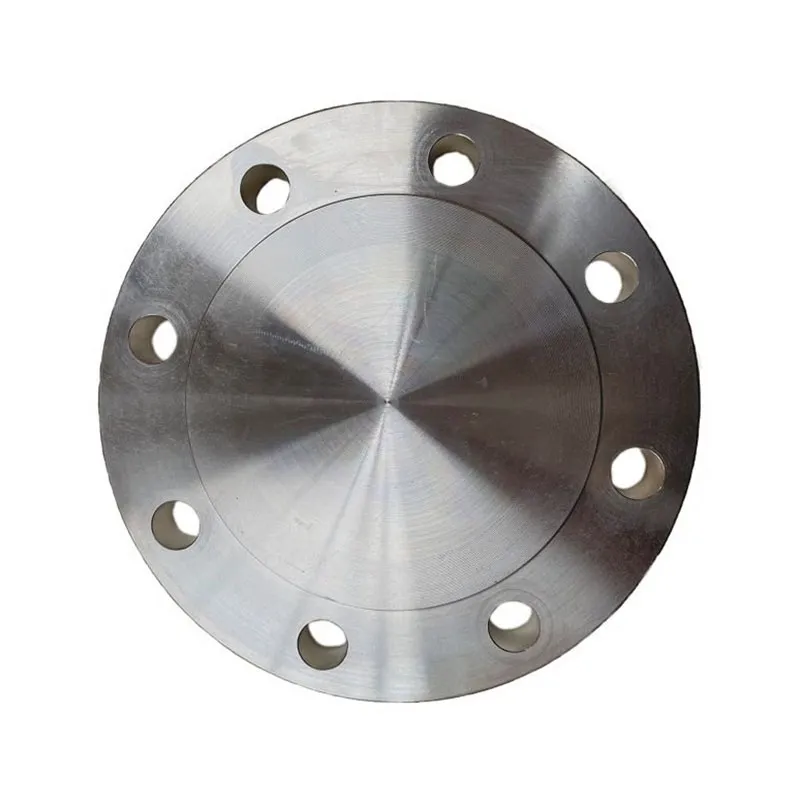 UNI 6092 Blind flanges PN10
 -
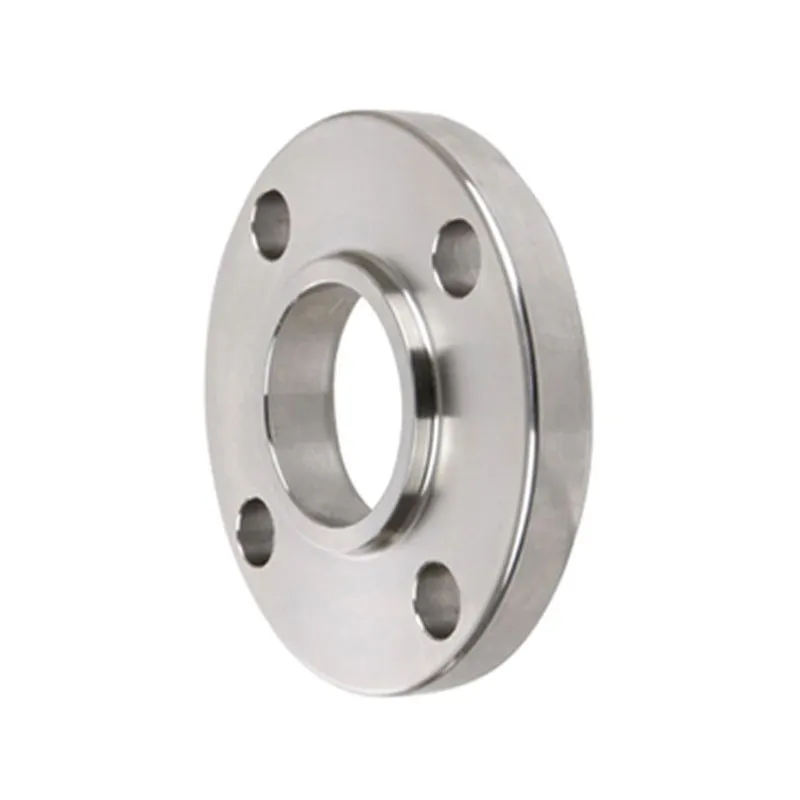 ANSI B16.5 Lap-on flanges Class 300
 -
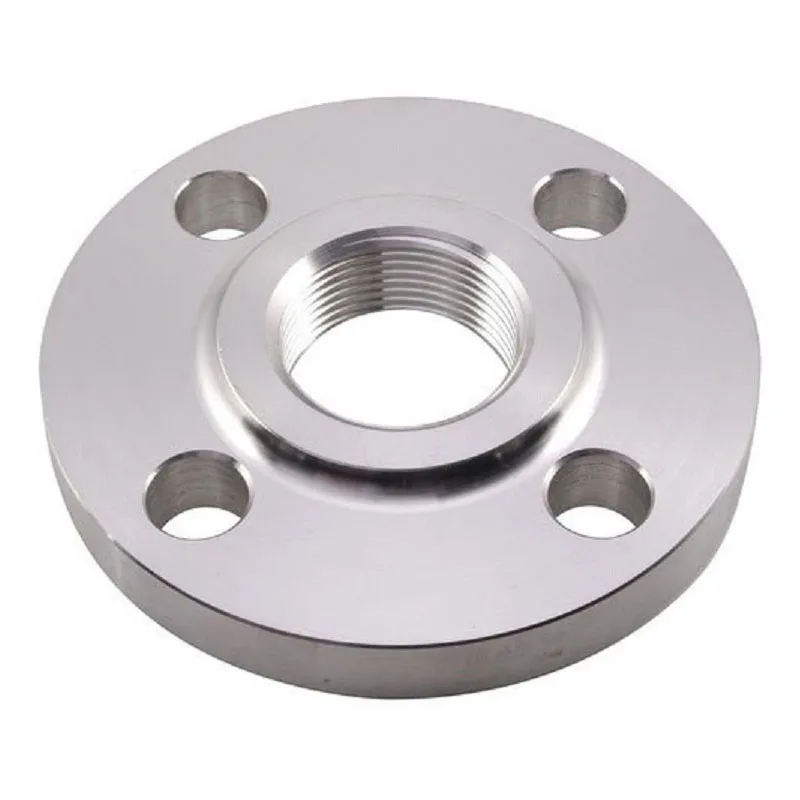 DIN 2566 Threaded flanges PN16
 -
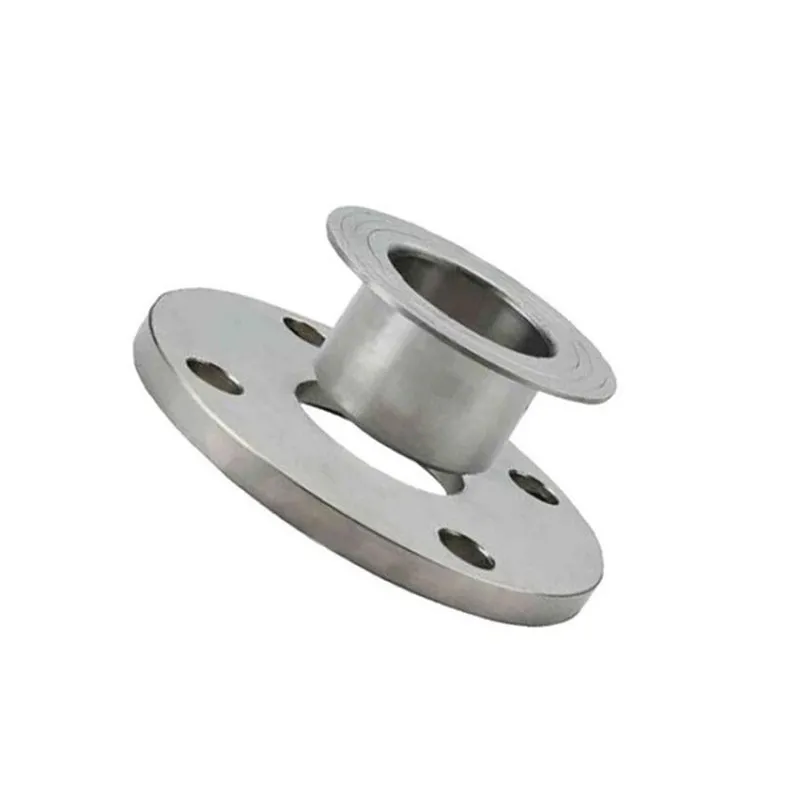 JIS 10K Loose Ring Flanges
 -
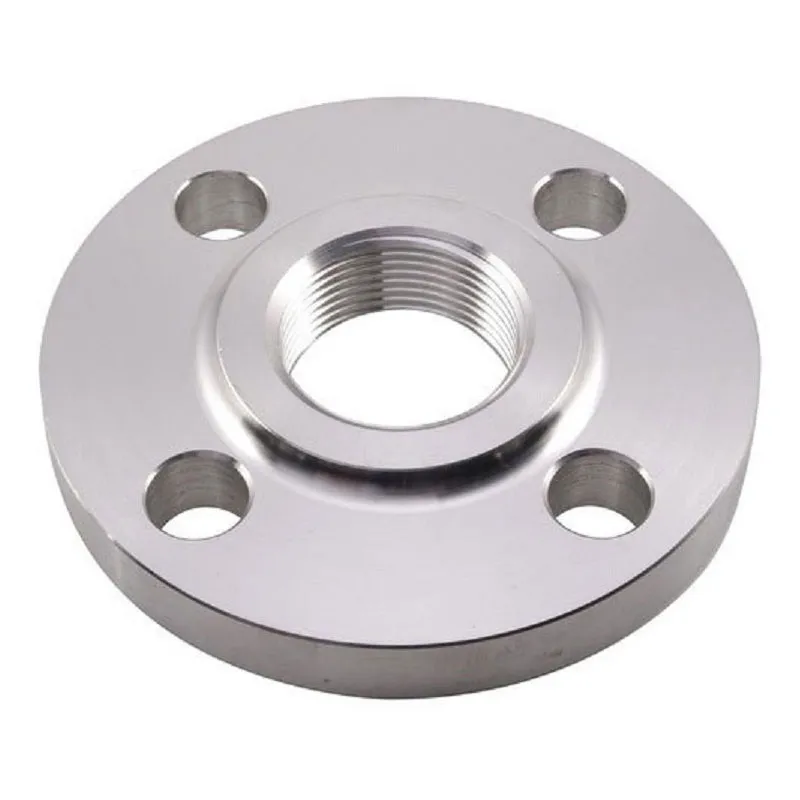 DIN 2565 Threaded flanges PN6
 -
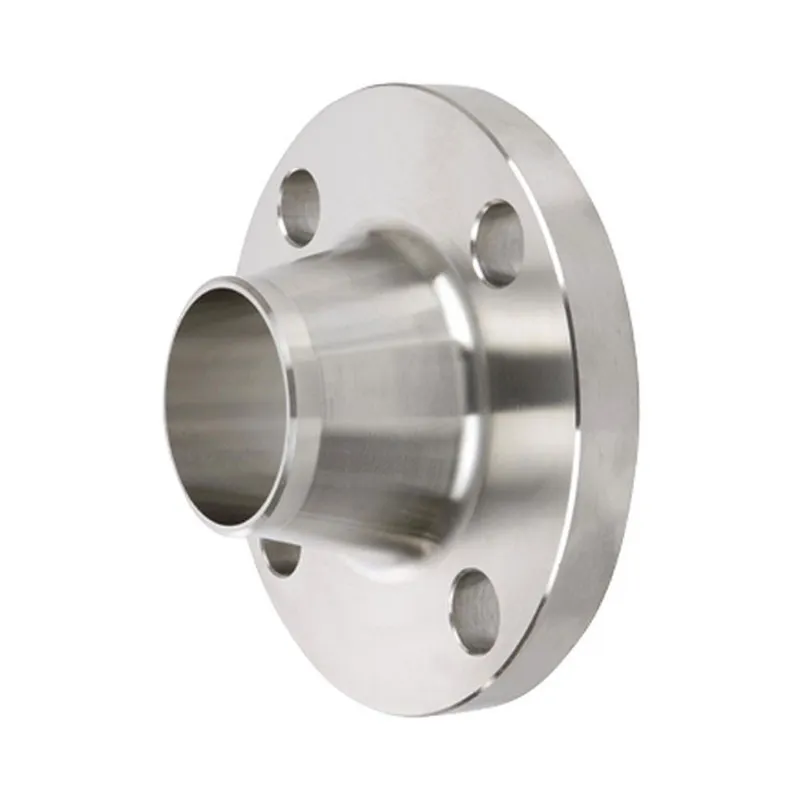 EN 1092-1 Butt weld flanges Type 11, PN25
 -
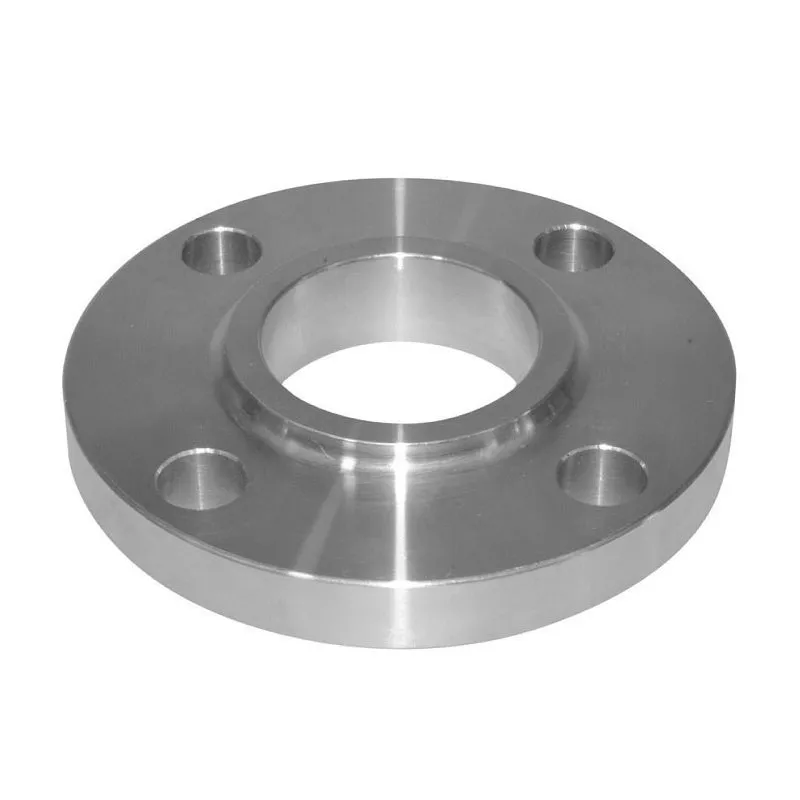 ANSI B16.5 Lap-on flanges Class 1500
 -
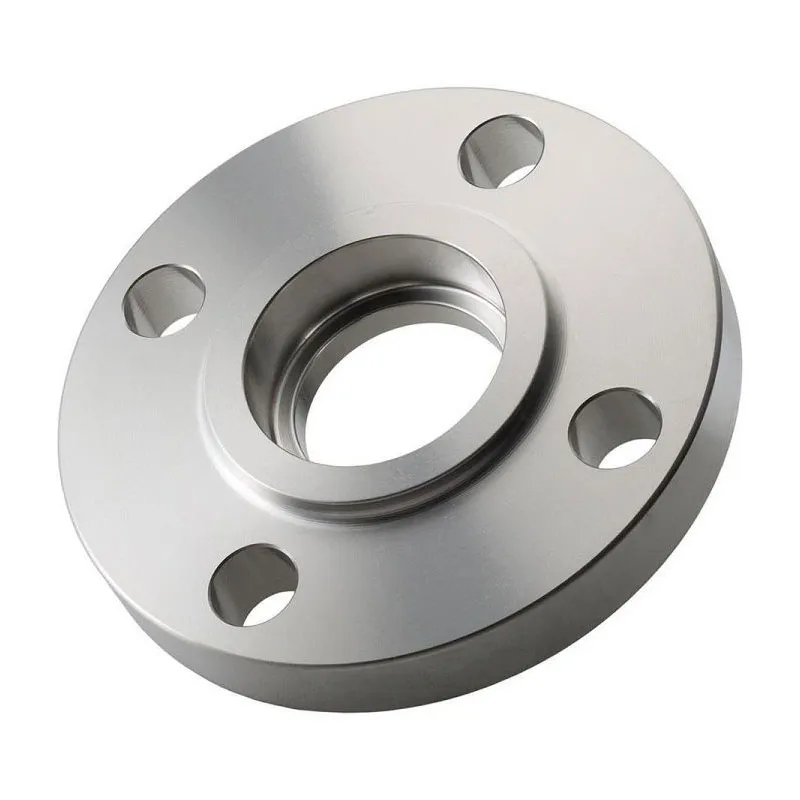 ANSI B16.5 Socket Weld Flanges Class 1500