
-
-
Phone
+86-13623462298



flange 115
When you hear “flange 115”, the first thing that comes to mind is most likely the nominal diameter. And here the first pitfall begins. In practice, especially when working with transitions between different standards systems, this figure can mean different things. Many people mistakenly believe that this is strictly DN100 or 4 inches, but in real deliveries, especially for specific GOST or old projects, this may hide both a conventional passage of 110 mm and a requirement for a pipe with an outer diameter of exactly 115 mm. I got burned by this myself when the customer sent a drawing with the designation “Flange 115 GOST 12820-80?”, and the specification contained a reference to a 108x4 pipe. I had to figure it out, it turned out that in the old project they simply rounded the actual outer diameter of the pipe after insulation. So now for me ?flange 115? - this is not the beginning of work, but a signal for clarification: what exactly is behind this figure? What kind of pipe, what pressure, what standard does the product ultimately need?
Why size matters
Look, let’s take a specific example - production atShanxi Hongkai Forging Co.,Ltd. Their nomenclature states a range right up to DN4000, but when it comes to such seemingly average sizes as a nominal bore around 115 mm, there are no less nuances. This is the most popular size for many utility networks, heating, and medium pressure water supply. And here, geometry accuracy is not just words from a certificate. We are talking about the coincidence of the holes for the studs, the parallelism of the sealing surfaces, and the very diameter of the bore for the pipe. A discrepancy of half a millimeter can lead to the fact that during installation on site you will have to either heat up and forcefully tighten the joint, or send the flange for revision. And time is money.
While working with their products, or rather, ordering forgings for subsequent machining for a specific project, I noticed an important point. They are manufactured according to GOST, ASME, EN. And forflange 115according to GOST 12820-80 (flat welded) and, say, according to EN 1092-1 (Type 01, PN16) - these will be two different forgings, with different diameters of the centers of the holes for the studs and a different number of these holes. If the project contains a mixture of standards, which often happens during modernization, you need to be especially careful. Once I almost installed EN flanges on an old Soviet pipeline - the studs simply wouldn’t fit. What saved me was that the technologisthkflange.ruI called myself for clarification, having seen discrepancies in the drawings in the application. This is what I understand - a practical approach.
And one more thing about the diameter. For a pressure of 10 atmospheres and 64 atmospheres at the same nominal diameter ?115? the thickness of the disk, the dimensions of the hub (for butt-welded ones), and the type of sealing surface (protrusion-recess, tongue-groove) will differ radically. You can’t just take the first available flange with the required hole diameter from stock. This is where the competence of the manufacturer is important, who not only sells the hardware, but can advise on its application. In the descriptionShanxi Hongkai Forging Co.,Ltdit is indicated what they do and according to the customer’s drawings. This is critical for non-standard solutions, when, for example, you need to move the holes or make a flange adapter from DN115 to DN125.
Material and forging: what is hidden from view
Everyone says “forged flange?”, but not everyone understands why it is better than a cast one, or even more so, one made from a cut billet. In the case of sizes around 115 mm, the advantages of forging are especially noticeable under variable loads. During forging, the metal fibers are deformed to follow the shape of the product, which increases tensile strength and fatigue strength. For critical pipelines where water hammer or vibration occurs, this is a key factor.
I was convinced from my own experience: we once installed flanges on a pumping station. The part was forged (just from a Chinese manufacturer, the sameHongkai), some are from stock, cut by plasma from a sheet. After six months of operation on the line with vibration, microcracks appeared on the welds at the cut flanges and began to leak. Forged - they stand rooted to the spot. Flaw detection showed that in cast/cut metal the structure is more heterogeneous and there are internal stresses. Since then, for everything that operates under pressure above 16 bar, I insist on forged products. And yes, it is important that the forging is volumetric, and not just bending strips.
What materials are most often used for these sizes? Steel 20, st3, 09G2S for non-aggressive environments. But if we are talking about a heating plant or chemical production, then 12Х18Н10Т or AISI 304. And here again there is a nuance: when ordering, you need to clearly indicate not only the steel grade, but also require certificates specifically for melting, for mechanical properties. At the samehttps://www.hkflange.ruThe description shows that they work according to international standards. This usually means that they can provide a full package of documents, including reports on ultrasonic testing (UT) of forgings, which is mandatory for critical facilities.
Editing stories and common mistakes
The most common mistake when installing flange connections of this caliber is improper tightening. It seems that flange 115 is not so big, you can tighten it with a wrench “to your heart’s content”. The result is a distortion, a compressed gasket, and already during the first tests the pressure tears it, or a leak appears along the bolt circle. It is necessary to observe the tightening pattern (crosswise) and the torque specified in the standard. For a flange on PN16 and DN the conditional moment of ~115 will be the same, for PN40 it will be much greater. It's better to use a torque wrench.
The second story is welding. For butt-welded flanges (just one of the main types from the manufacturer from Shanxi), the correct gap between the pipe and the inner diameter of the flange, as well as high-quality welding of the joint from the inside, is critically important. One unfinished groove - and corrosion will accumulate in this place, plus a stress concentrator. I myself saw how on a heating main such a connection, mounted “in haste,” after two heating seasons began to leak along the line of the weld, although the flange itself was absolutely intact.
And about the gaskets. They must be selected strictly according to the type of sealing surface of the flange. For the surface "protrusion-depression" (RF) - one gasket, for tongue and groove (T/G) - another, often metal edged. Placing a paronite gasket on a flange designed for a metal one is guaranteed to leak at the first thermal expansion. These are basic things, but for some reason they are constantly forgotten in practice.
When you need non-standard
There are situations when the standardflange 115Doesn't fit in the catalogue. For example, you need to connect an old pipeline with new equipment that has flanges according to a different standard. Or a flange with an additional fitting for drainage or a pressure gauge is required. This is where the ability to manufacture according to customer drawings comes in handy.
We had a project where it was necessary to cut into an existing pipeline with a nominal bore of 115 mm, but the pressure was non-standard - 25 bar, and according to the standard for PN25, the closest standard size came with a large margin in thickness and weight. We ordered flanges from the manufacturer according to our drawings: we left the standard dimensions and holes for fasteners in accordance with GOST 12815-80 (for ease of installation with existing fittings), but increased the thickness of the disk and the height of the hub, recalculating the required pressure. It turned out to be cheaper than taking a standard one for higher pressure, and lighter in weight. CompanyShanxi Hongkai Forging Co.,Ltdjust declares such a service, which is very valuable for engineering.
Another case is a flange for a vacuum installation. The requirements for flatness and surface cleanliness were prohibitive. A standard commercial flange, even a forged one, could have a micro-lead after transportation. The solution is to order forgings with an allowance, and do the finishing machining (grinding the sealing surface) on site, on your machine, immediately before installation. The manufacturer complied and shipped the blanks exactly in this form.
Instead of a conclusion: thinking out loud
So, going back toflange 115. This is not just a position in the specification. This is a whole set of technical solutions, pitfalls and nuances, from the choice of manufacturer and standard to the moment the last nut is tightened on site. It is important to work with suppliers who understand this depth, and are not just selling hardware. Which, as can be seen from the descriptionhkflange.ru, sit in one of the forging centers of China and, apparently, know a lot about forgings. The number is ?115? is just a starting point for dialogue between engineer, designer and manufacturer. And when this dialogue is successful, the connection is reliable, and the pipeline works for a long time and without surprises. The main thing is not to be lazy in clarifying details and not to skimp on quality where this can result in many times higher repair costs. Tested in practice.
Correspondingproducts
Related Products
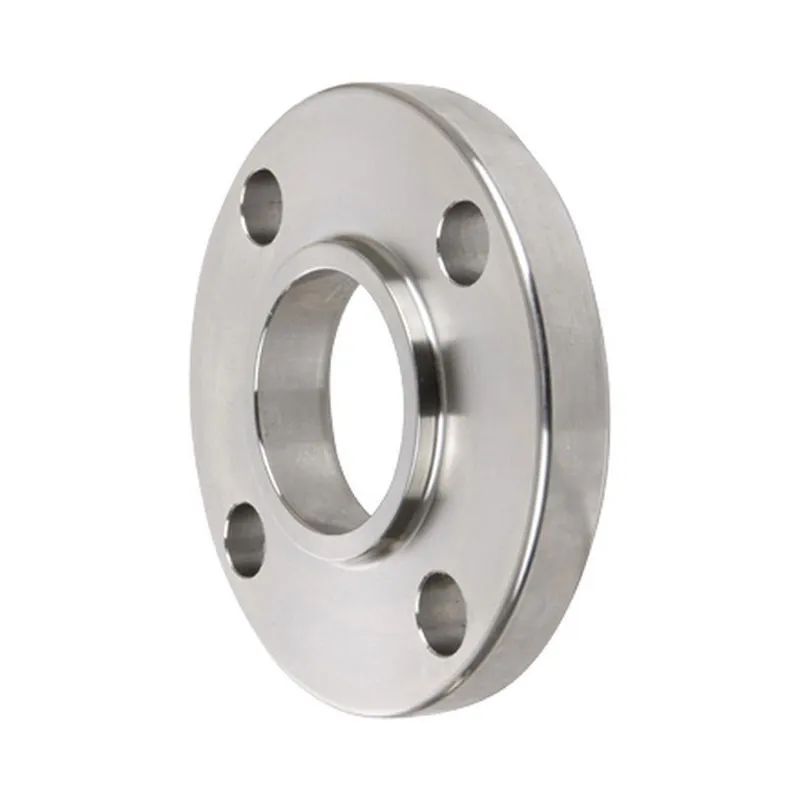
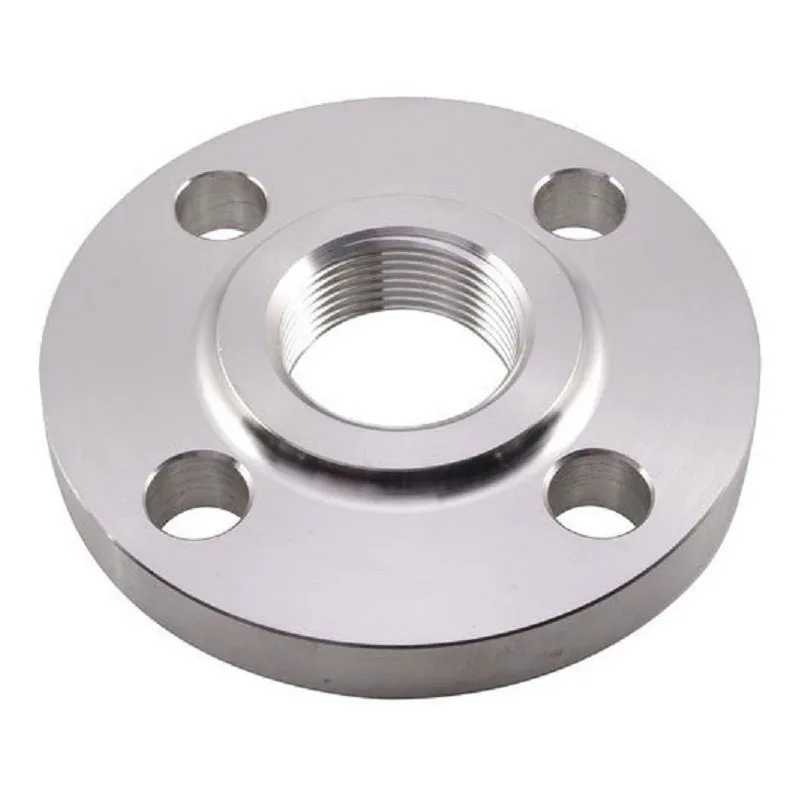
Best Sellingproducts
Best Selling Products-
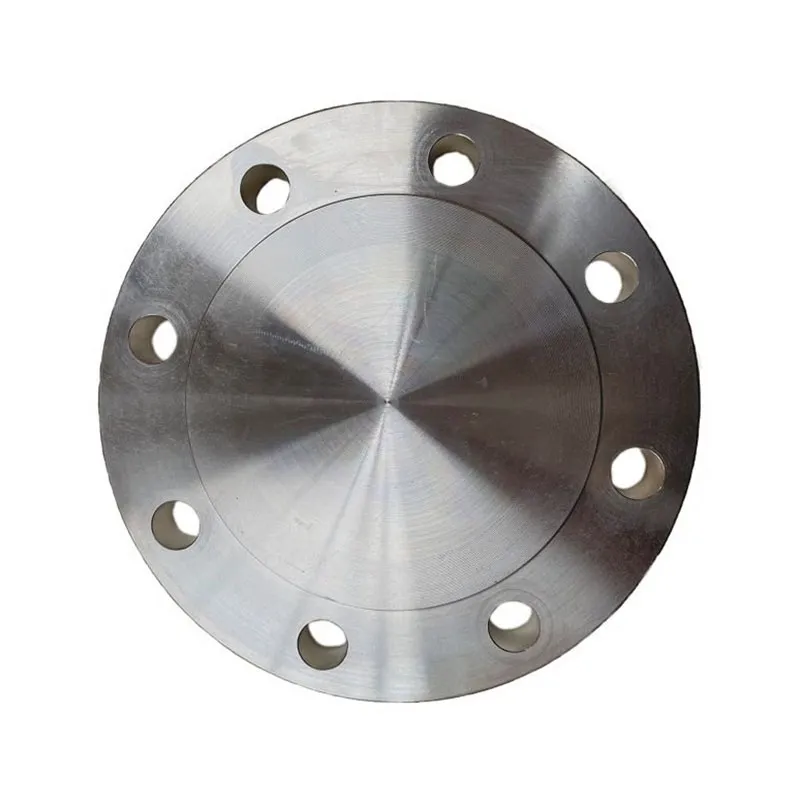 UNI 6092 Blind flanges PN10
 -
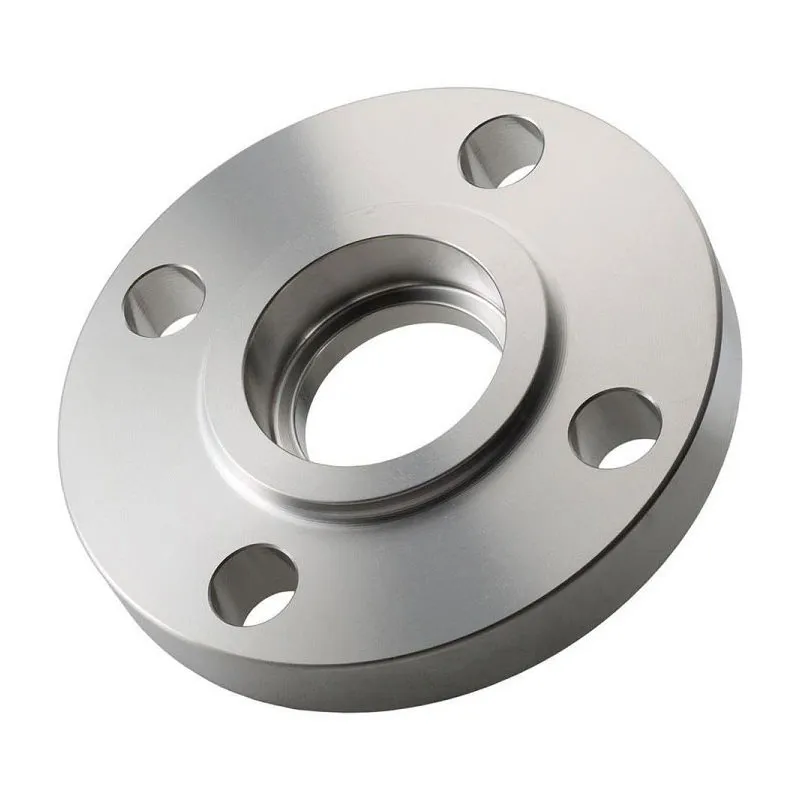 Flanges for socket welding
 -
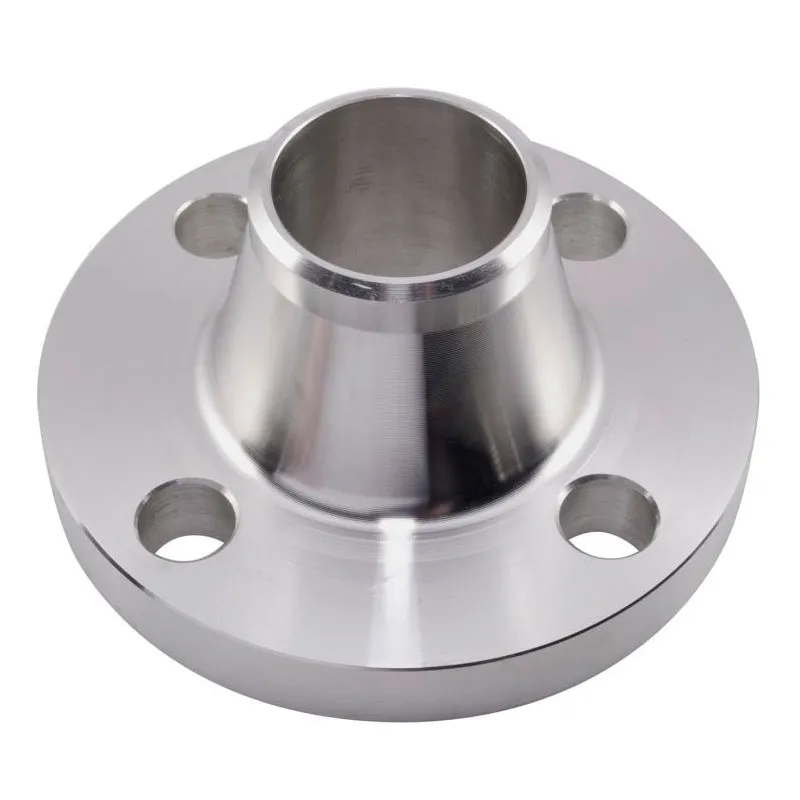 UNI 2281 Butt weld flanges PN10
 -
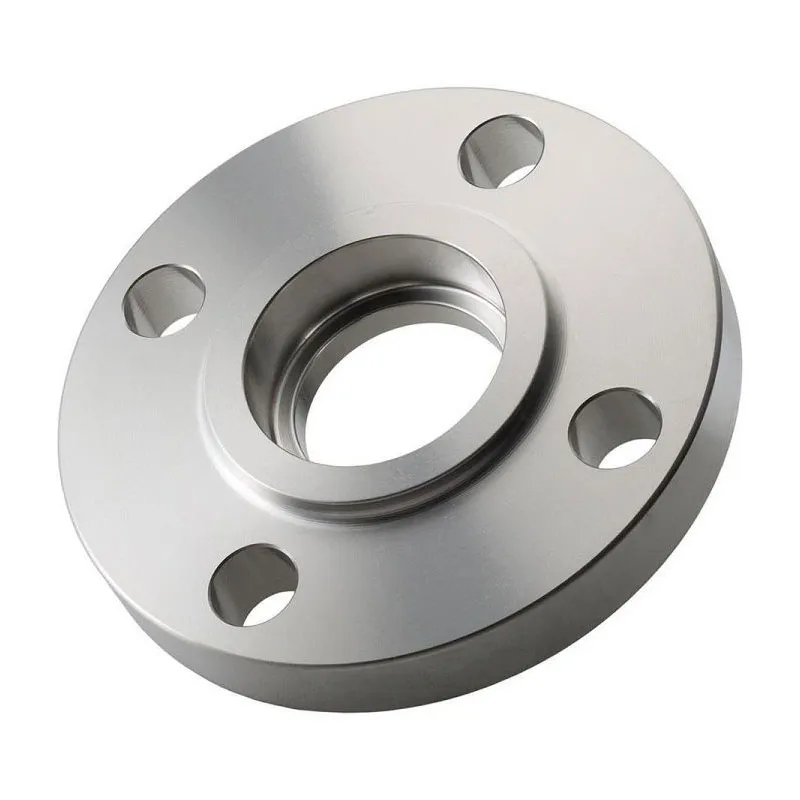 ANSI B16.5 Socket Weld Flanges Class 1500
 -
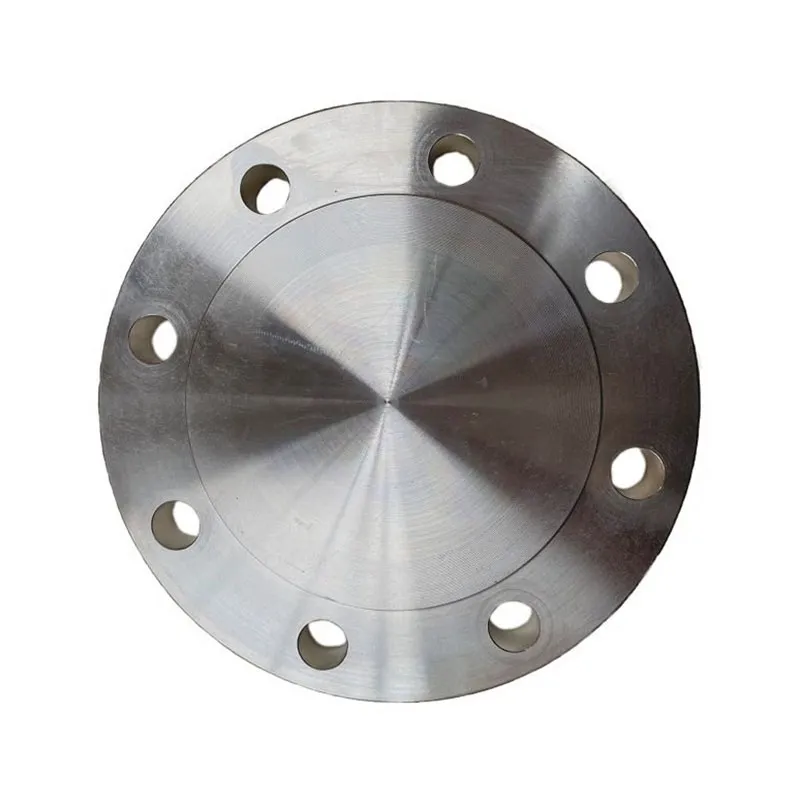 ASME B16.47 Ser.A Blind Flanges Class 400
 -
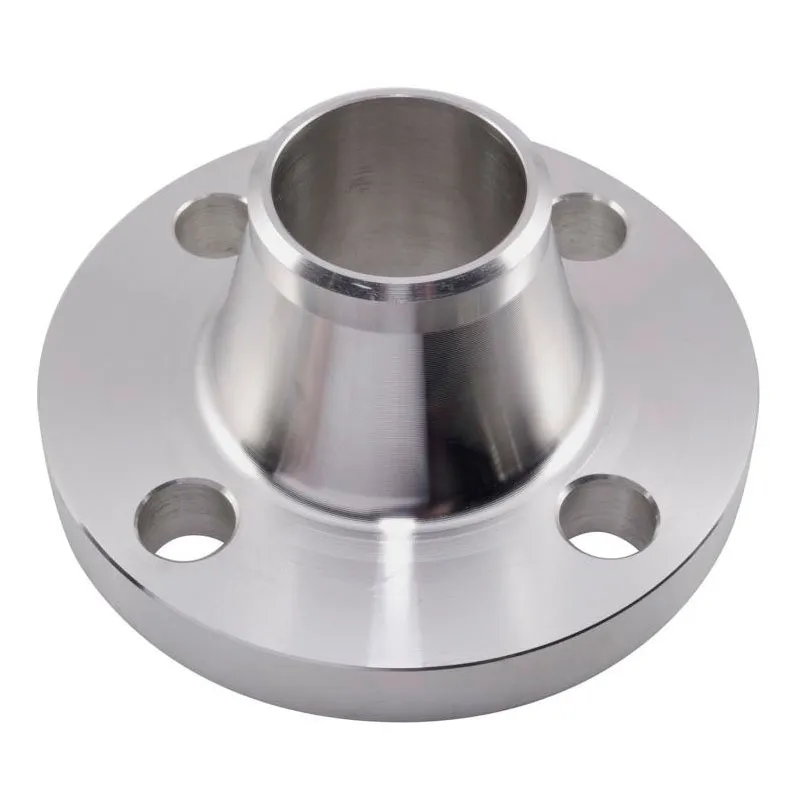 DIN Butt weld flanges PN10
 -
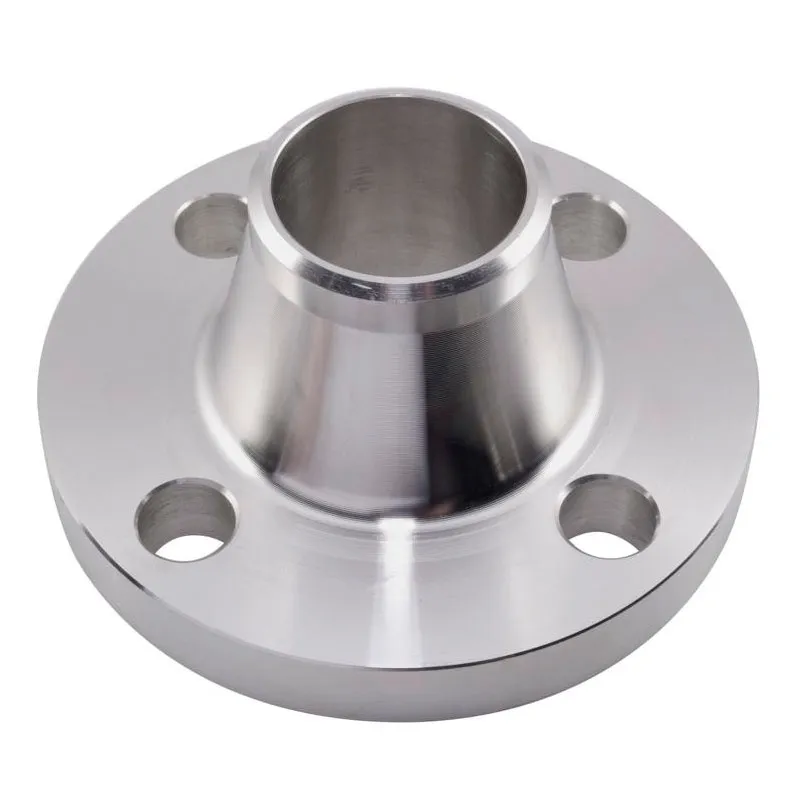 Butt weld flanges Class 900
 -
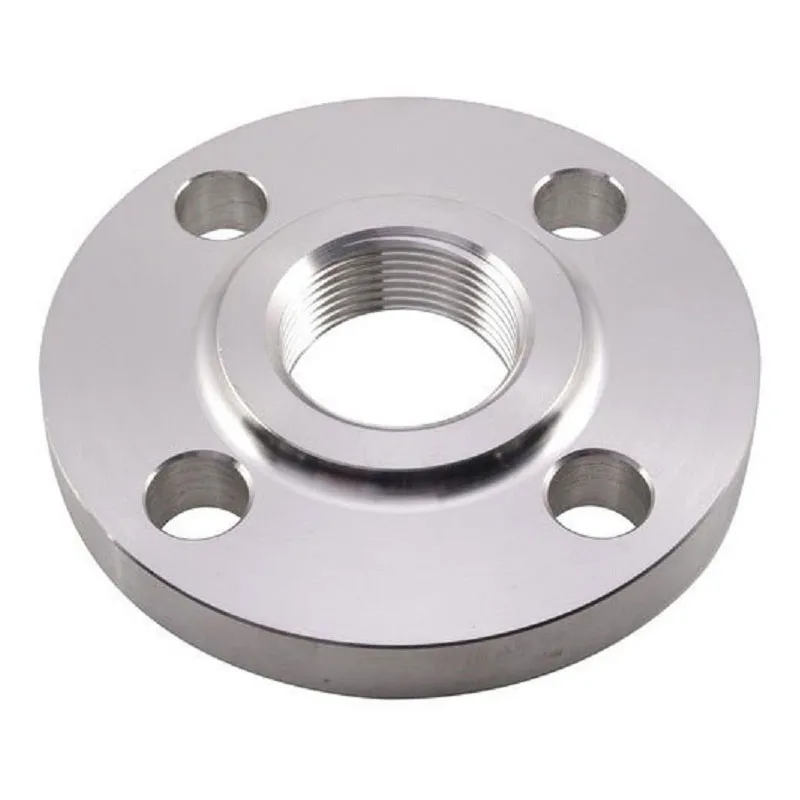 EN 1092-1 Threaded flanges Type 15, PN16
 -
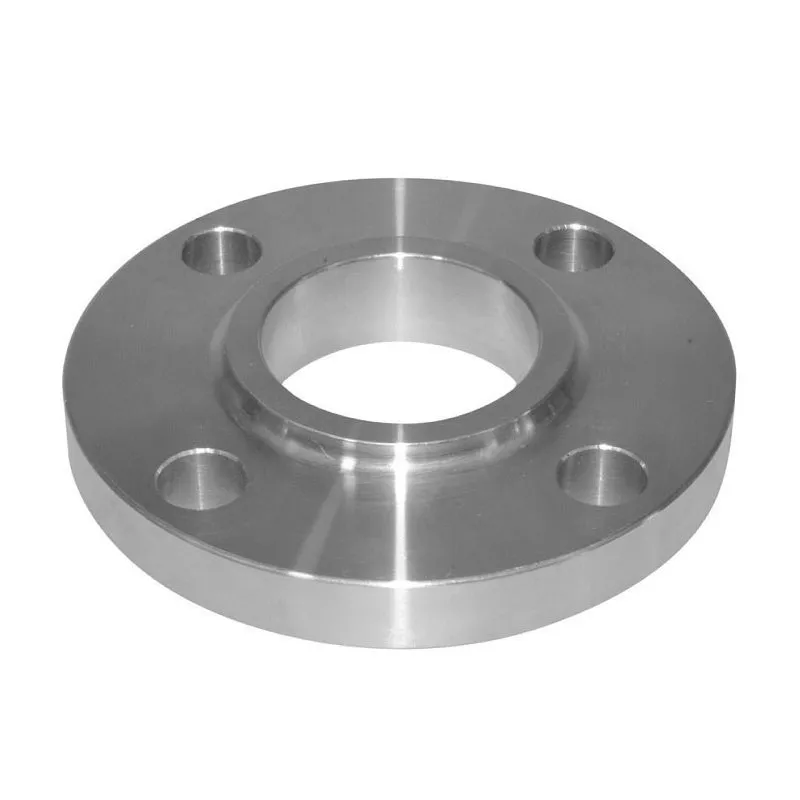 ANSI B16.5 Lap-on flanges Class 1500
 -
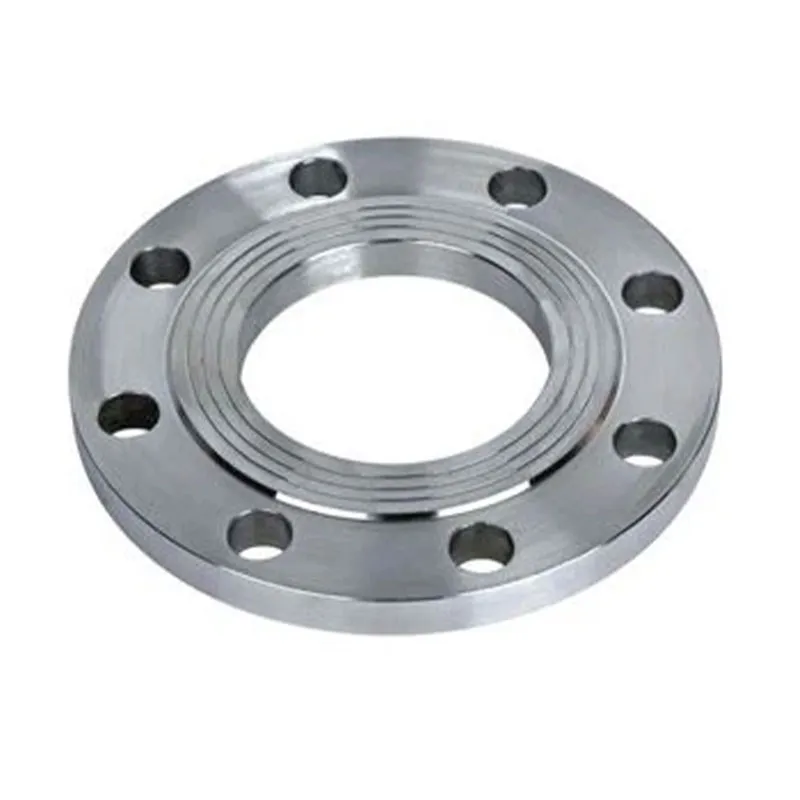 Butt weld flanges Class 150
 -
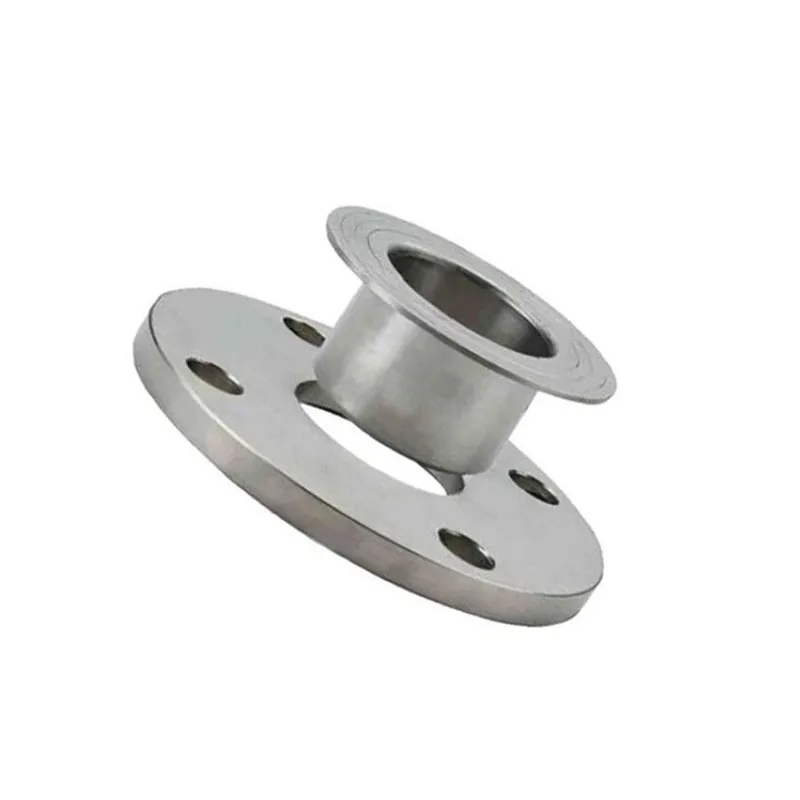 Free ring flanges Class 400
 -
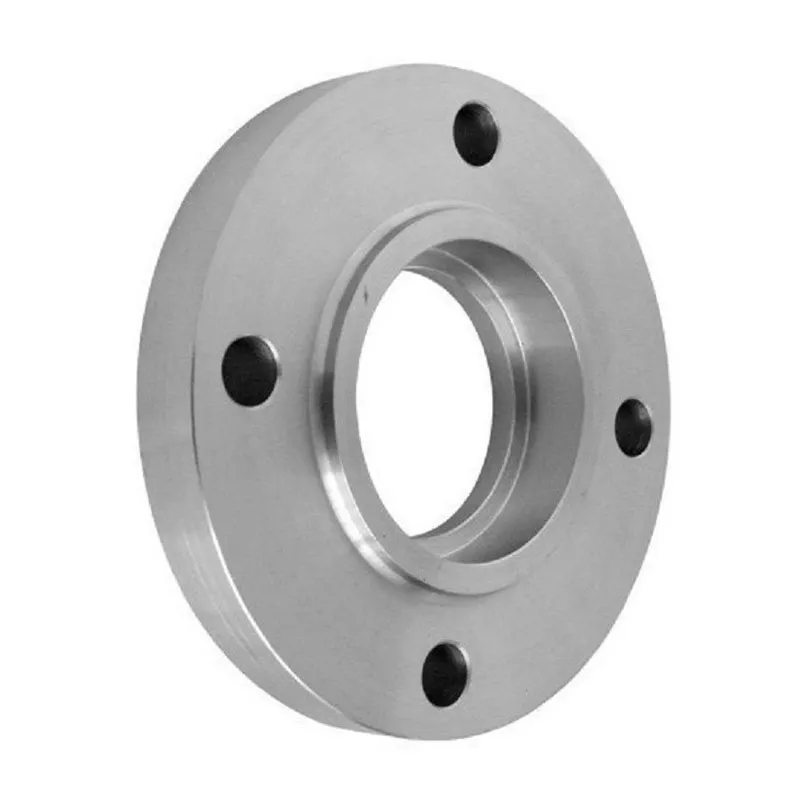 Socket Weld Flanges Class 300