
-
-
Phone
+86-13623462298



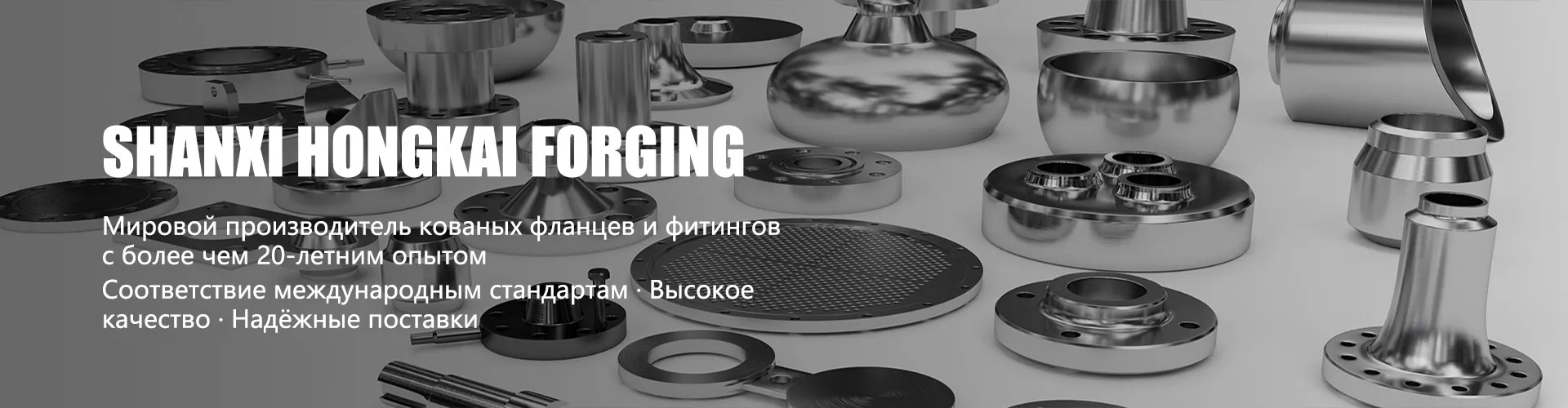
steel flanges for PE pipes
When they talk aboutsteel flanges for PE pipes, many immediately imagine a standard transition from polyethylene to steel, and that’s it. But in practice, especially in networks with pressure drops, everything comes down to details that are often not spelled out in catalogs. The most common mistake is to assume that any steel flange will do, as long as the diameter matches. And then leaks begin at the junction, because they forgot about the difference in the elastic modulus of the materials and the installation features of the compression part.
Where lies the main mistake in selection?
I look at the projects that come to us - I often see that the flange is selected simply by DN/PN. For PE pipes, especially large diameters, from 400 mm and above, the design of the welding ring or slip-on flange is critical. If you take an ordinary flat flange and weld it to the pipe, and then try to pull it together with polyethylene through the collar, the connection may “float”. with temperature deformations. Polyethylene stretches, steel does not. You need either a loose flange with a collar to compensate for this, or a proper weld ring configuration.
We had a case at a site in Tyumen - we installed DN800 flange connections for a water pipeline. The customer saved money and used standard flanges according to GOST 12820, but for PE pipes. Six months later, during the winter, leaks began. We disassembled it and it was clear that the collar on the PE pipe had sagged and the gasket was not compressed. The problem was that the steel flange had too narrow a gasket surface to withstand the creep of polyethylene. I had to convert it to flanges with a free ring and an enlarged contact pad.
Hence the conclusion: the key parameter is not just pressure, but the combination of the characteristics of the flange with the behavior of the PE pipe under specific conditions. You need to look at the type of surface (smooth or with spikes for gaskets), the width of this surface, and of course, the material of the flange itself. Steel 20 or 09G2S is the base, but for aggressive environments, say, in sewers, coatings or stainless steel are already needed.
Experience with custom sizes and adaptations
I often come across the fact that the project envisages a transition to a PE pipe of non-standard diameter, say, DN670. There are no catalogs of ready-made flanges for this size. Previously, they tried to do it in factories simply according to the nearest row - it turned out crooked, there were distortions. Now normal manufacturers, the same Chinese ones who specialize in forgings, can produce for a specific size without huge markups. It is important that the forging is forged and not cast - for flanges for PE connections this is critical due to vibrations.
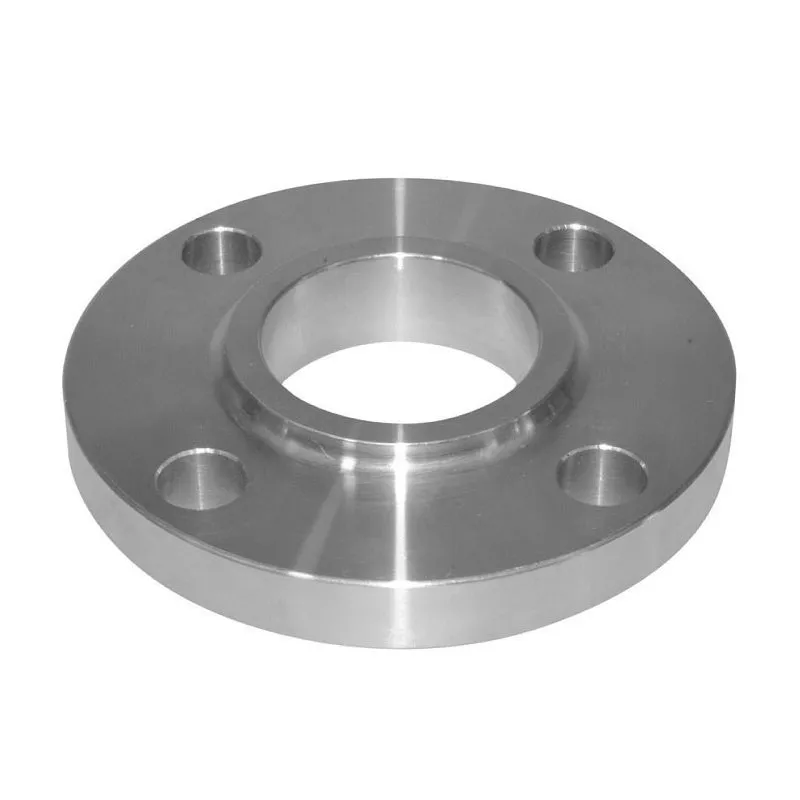
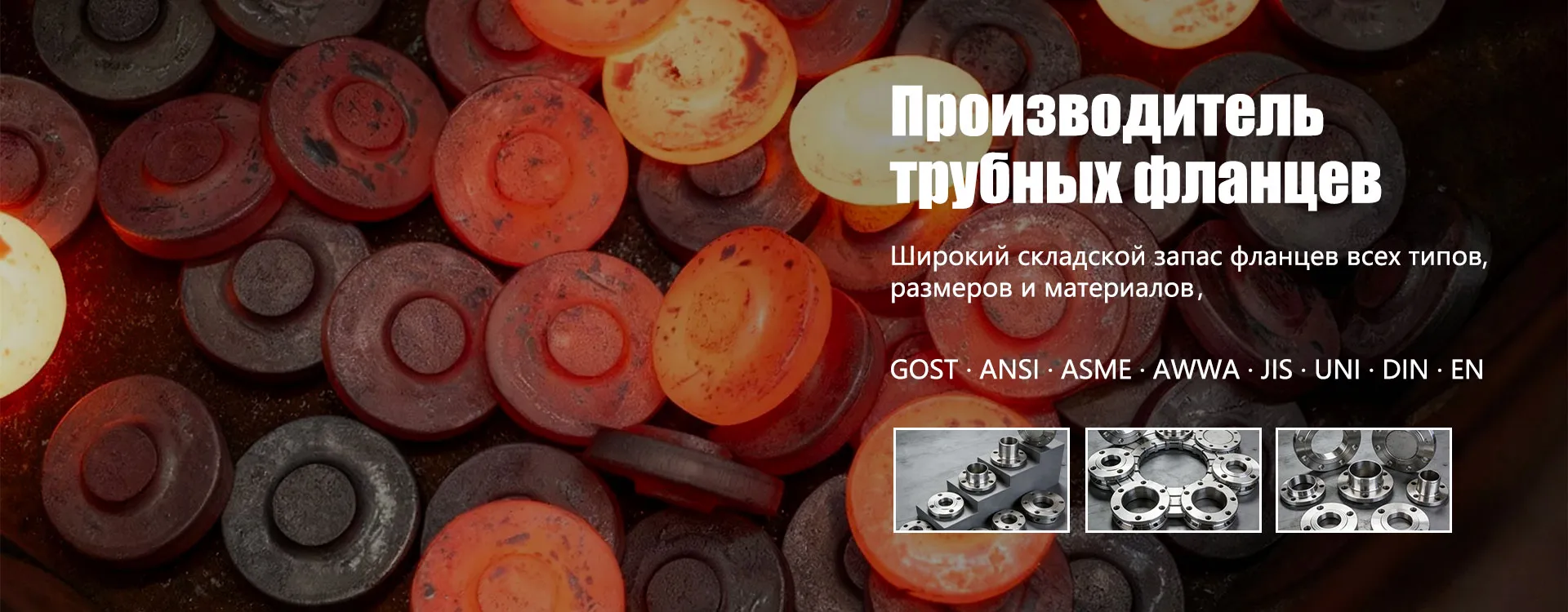
For example, we worked withsteel flangesfrom Shanxi Hongkai Forging Co.,Ltd. — they just have a website https://www.hkflange.ru. They are from a region considered one of the centers of blacksmithing in China. What’s important is that they make forgings according to drawings, and their product range includes loose flanges and welding ring flanges, which are often needed for PE pipes. Their range is stated to be up to DN4000, which is relevant for large highways. They work according to the standards - GOST, ASME, EN. In our case, for a facility in Kazakhstan, we ordered a batch of flanges from them according to DIN EN 1092-2, but with a modified geometry of the contact band - to better hold the collar against the PE pipe. They did it without any problems, the forging was of high quality, without cavities.
But there is a nuance here: when you order a non-standard flange for a PE transition, you need to very clearly convey not only the dimensions, but also a drawing of the assembled unit - indicating where the collar will be, what kind of gasket, how it will be tightened. Otherwise, they can make a perfect flange, but it will not fit with components from another manufacturer. We usually make a sketch in AutoCAD, where we mark all the mounting gaps.
Installation subtleties that are not written in the instructions
Let's say the flange is selected correctly. But editing is a different story. The first thing is tightening the bolts. If you overtighten, you can deform the PE pipe collar, especially in warm weather, when the material is softer. If you don't tighten it enough, it will leak. We have developed our own methodology: we use a torque wrench and tighten it crosswise in three stages, with pauses. And be sure to tighten it up after starting the system, a day later - the polyethylene “shrinks” a little.
The second point is gaskets. Rubber ones are often included, but for drinking water you need EPDM, and for technical water, simpler ones are possible. But the main thing is not to install gaskets that have already been used or were stored with deformations. It seems like a small thing, but because of this, it happened that the connection did not seal the first time.
And third is protection. A steel flange on the street, especially in the transition from an underground PE pipe to an above-ground steel pipe, quickly rusts. You need to paint it right away, and not just with anything, but with a good primer. We use epoxy coatings where specifications allow. It happened that they forgot to paint the area under the fastenings - after a couple of years corrosion began there, and when dismantling the bolts did not unscrew.
About standards and why GOST is not always a panacea
Russia historically loves GOST. Forsteel flanges for PE pipesoften look at GOST 12822-80 or GOST 12821-80. But these standards mainly describe flanges for steel pipes. To switch to polyethylene, de facto, a combination of standards is often used - a steel flange according to GOST or ASME, and a collar and fasteners according to European standards, for example, EN 1277. You need to understand this and not try to blindly chase one standard.
The same LLC ?Shanxi Hongkai Forging? the description states that they make products according to international and national standards, including GOST, ASME, EN, DIN. This is convenient because you can order a flange that will correspond, say, to a GOST housing, but with a DIN design for the connecting surface. For export projects this is often required.
But there is a trap here: sometimes in the project they write “flange according to ASME B16.5”, but do not specify the pressure class and material. For PE pipes operating at low pressure (up to 10 atm), using a heavy class 300 flange is overkill and extra costs. Class 150 is enough. You should always look at real operating conditions, and not just rewrite the standard from a standard solution.
What's the bottom line: what you can't save on
To sum it up, I’ll say that you can’t save on the flange itself when it comes to backbone or critical networks. Cheap cast flanges from an unknown manufacturer are a risk of cracks, misalignment and rapid corrosion. It is better to take forged ones from trusted suppliers who provide documents on the material and heat treatment. Forging manufacturers, such as the mentioned company from Shanxi, often supply blanks specifically for such critical connections.
You can’t skimp on installation - it’s better to spend time on proper tightening and checking than to fix the accident later. And it is imperative to take into account the temperature regime and the environment - the choice of steel grade and type of coating depends on this.
And lastly, don’t be afraid of non-standard solutions. If a standard flange does not fit perfectly onto the transition unit, it is better to make a drawing and order manufacturing. Yes, it takes a little longer and perhaps 10-15% more expensive, but the connection will work for years without problems. After all, the flange is not a part that is often replaced; it is installed for decades. And this is especially important forsteel flanges for PE pipes, where two different materials must work as one.
Correspondingproducts
Related Products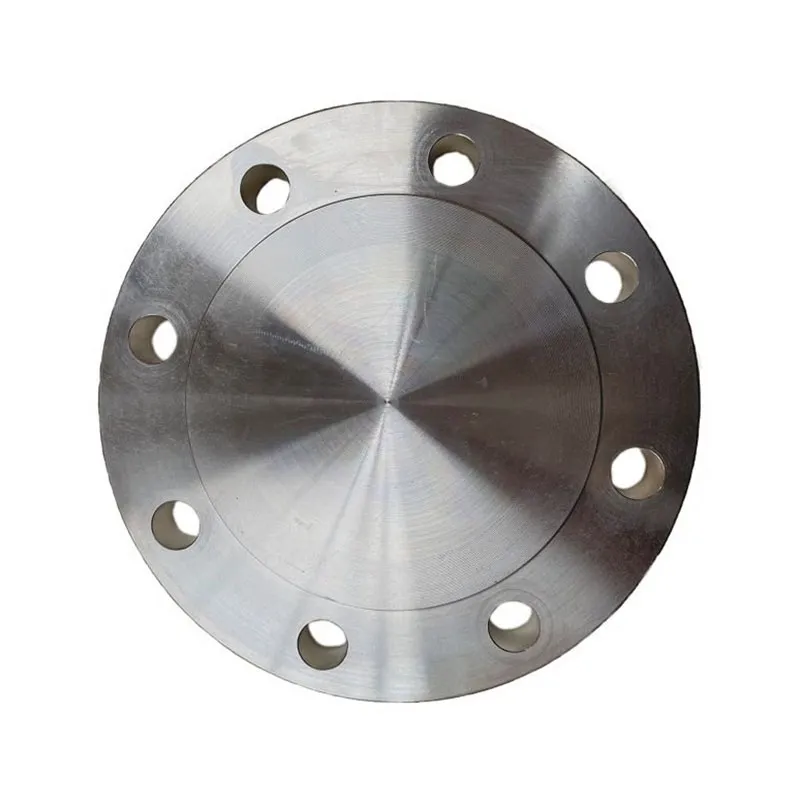
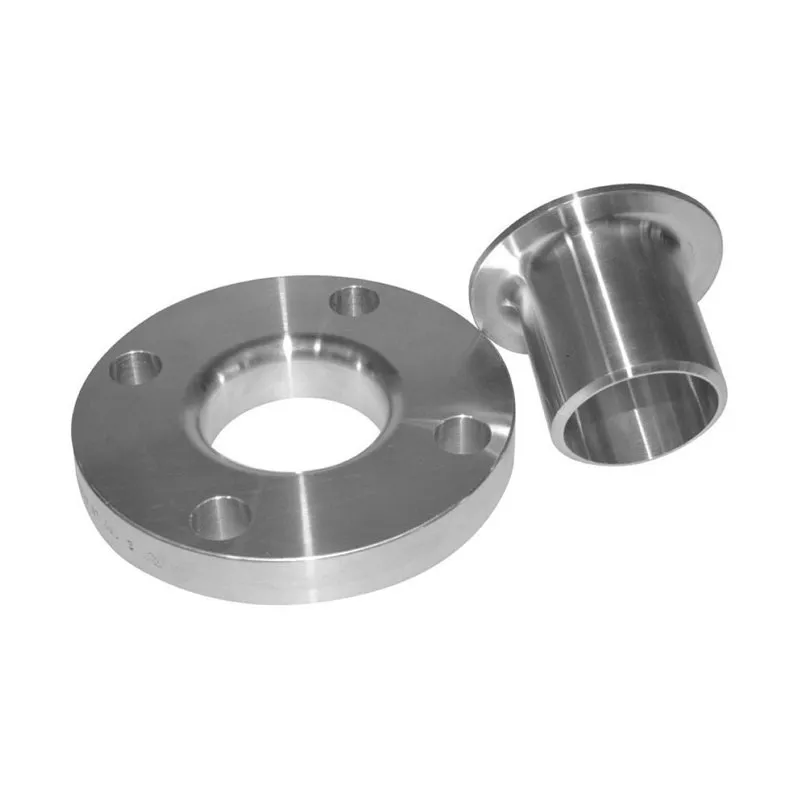
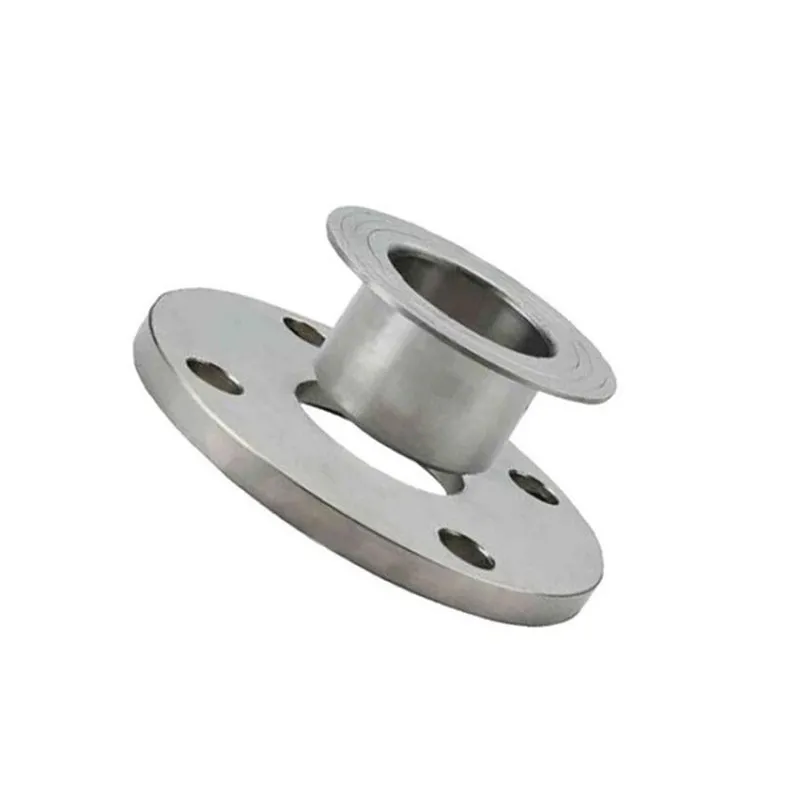
Best Sellingproducts
Best Selling Products-
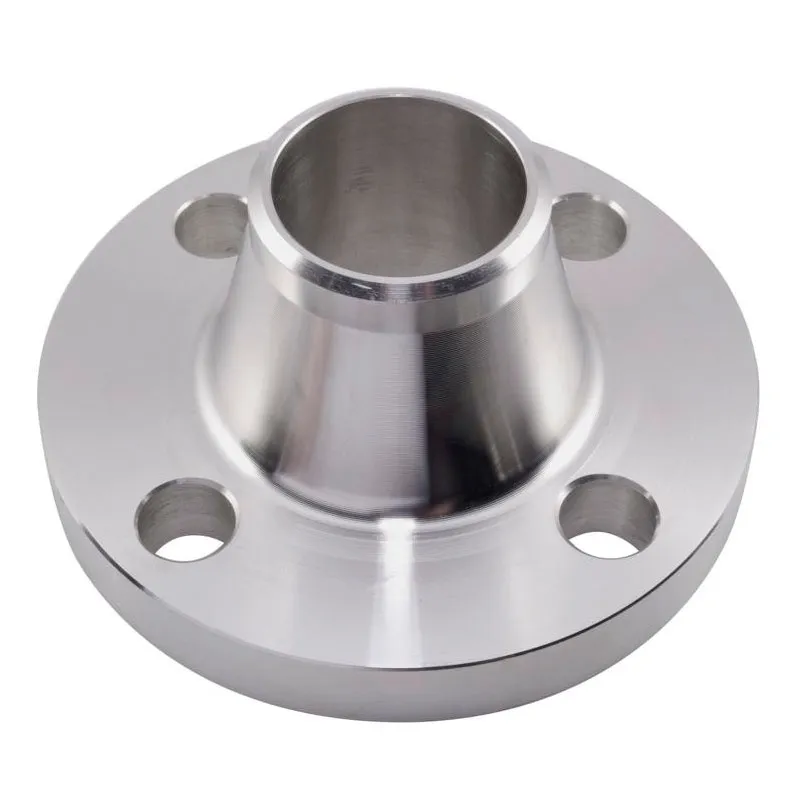 Butt weld flanges Class 900
 -
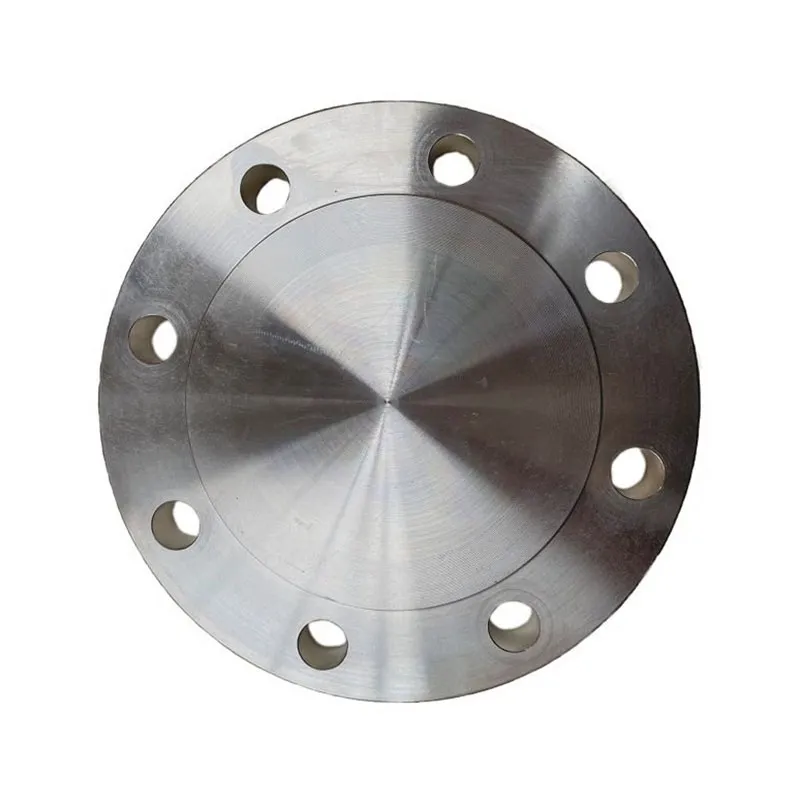 UNI 6092 Blind flanges PN10
 -
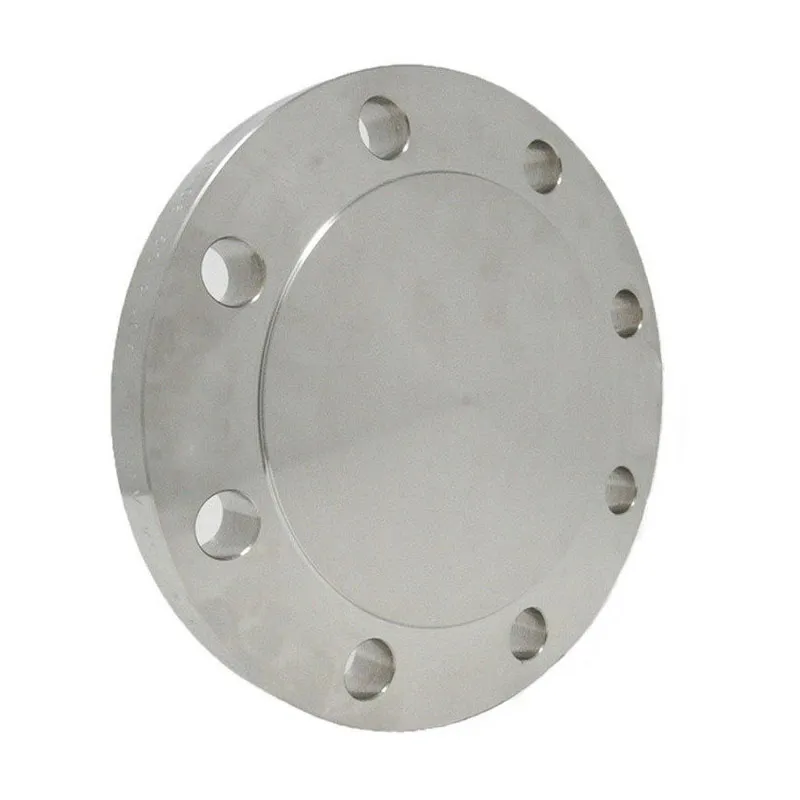 Blind flanges Class 150
 -
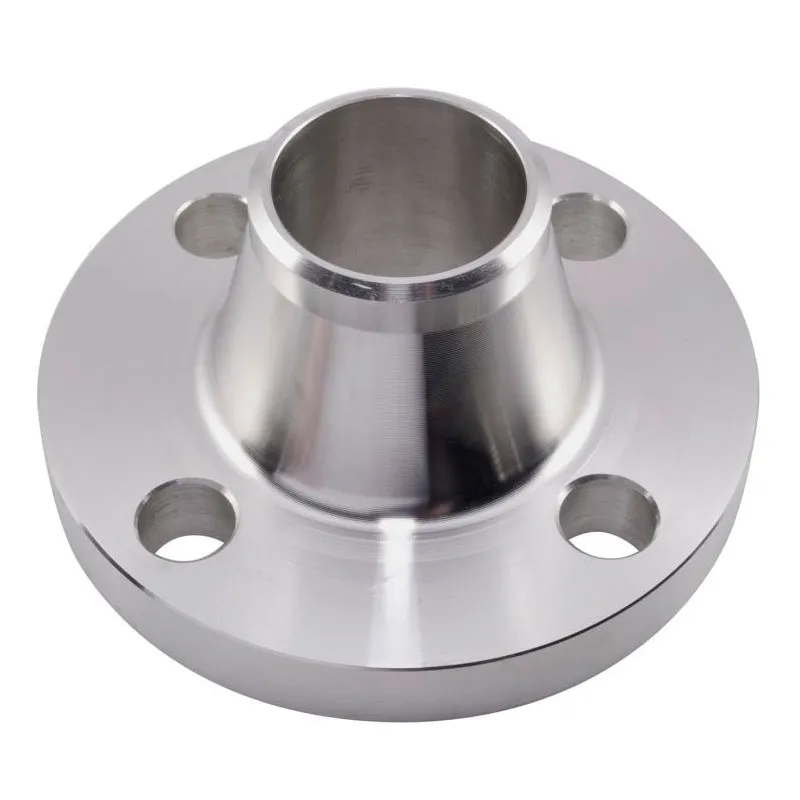 UNI 2281 Butt weld flanges PN10
 -
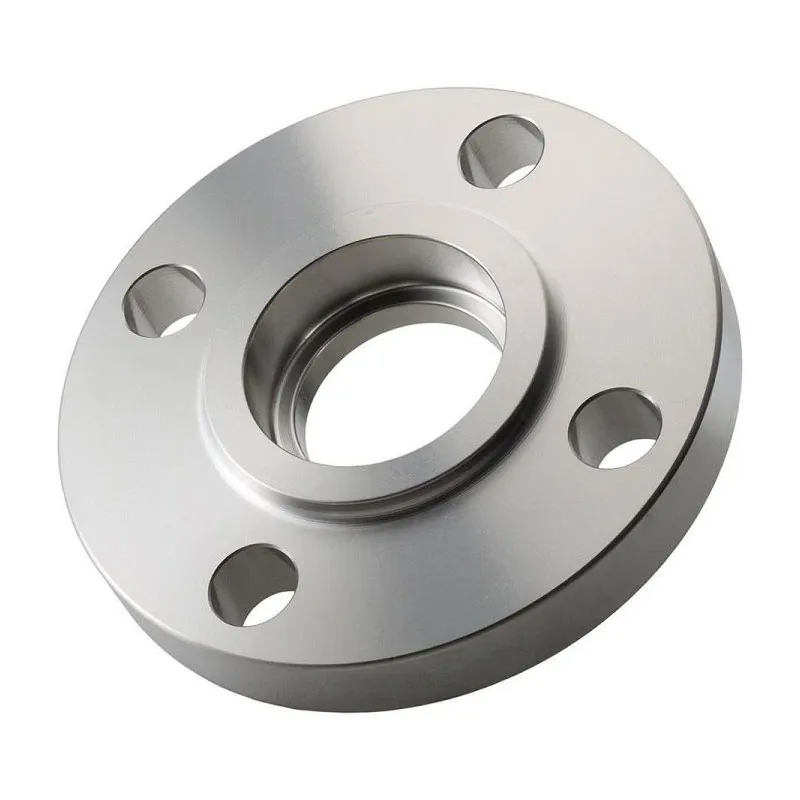 ANSI B16.5 Socket Weld Flanges Class 150
 -
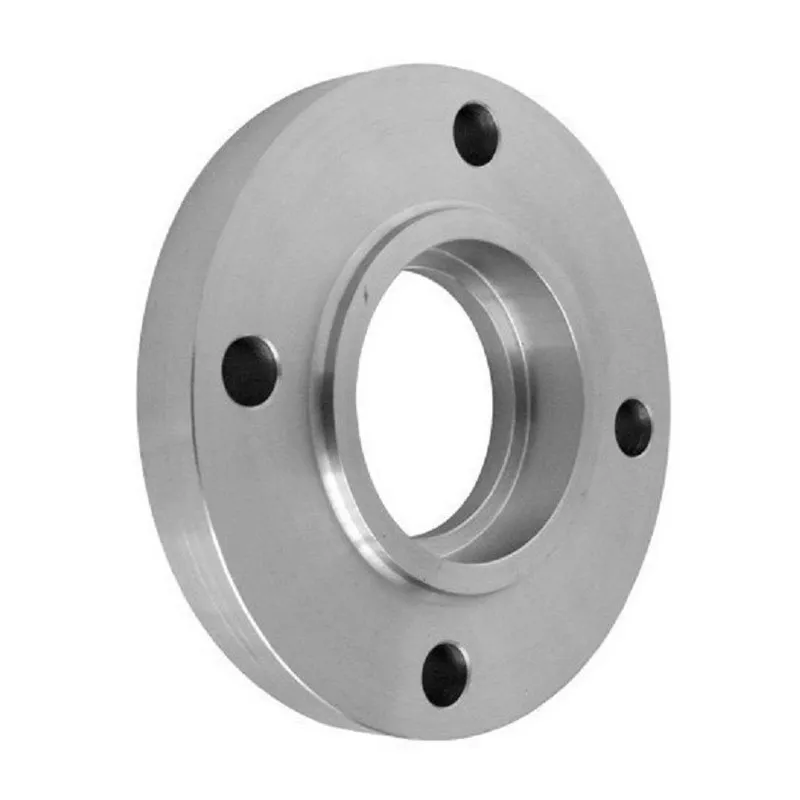 JIS 5K Socket Weld Flanges
 -
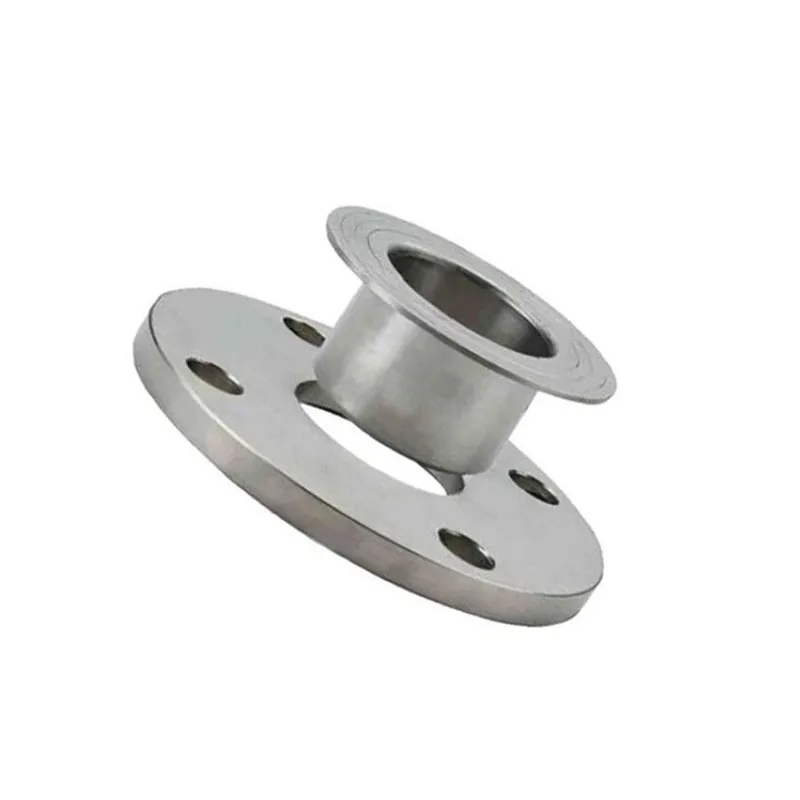 Free ring flanges Class 400
 -
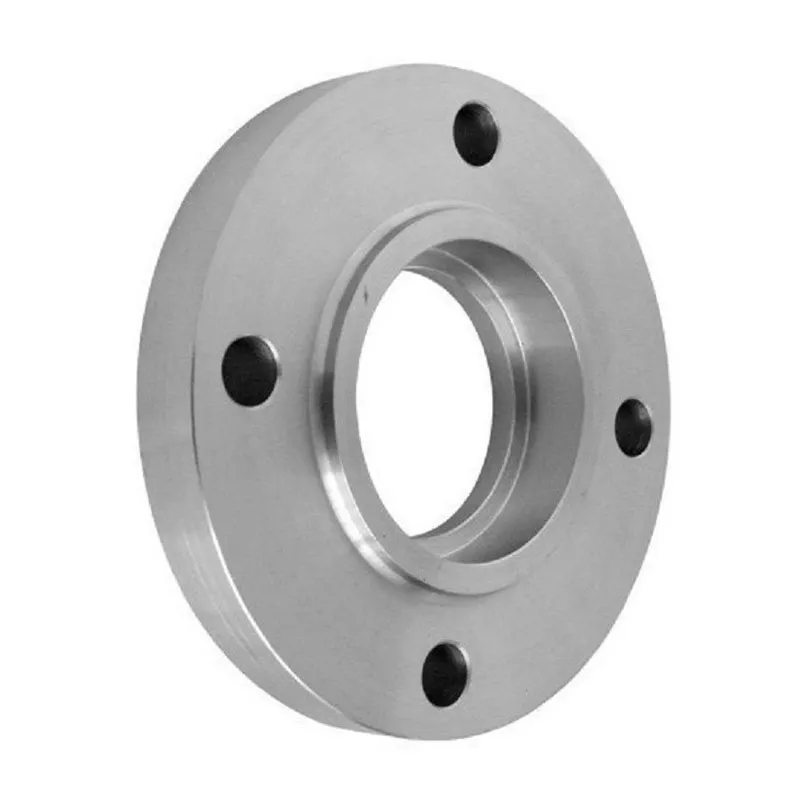 Socket Weld Flanges Class 300
 -
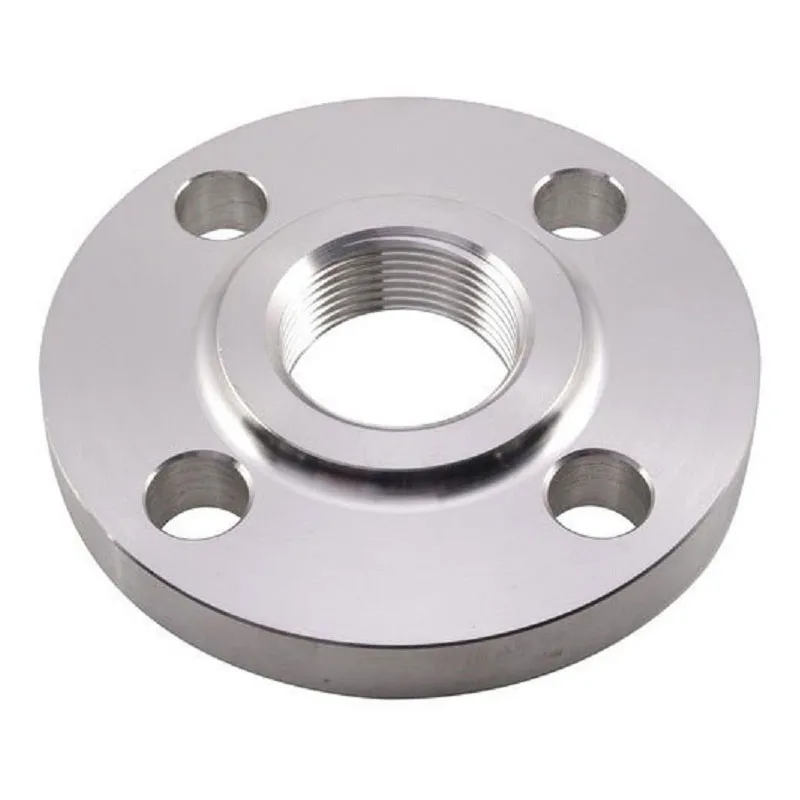 EN 1092-1 Threaded flanges Type 15, PN16
 -
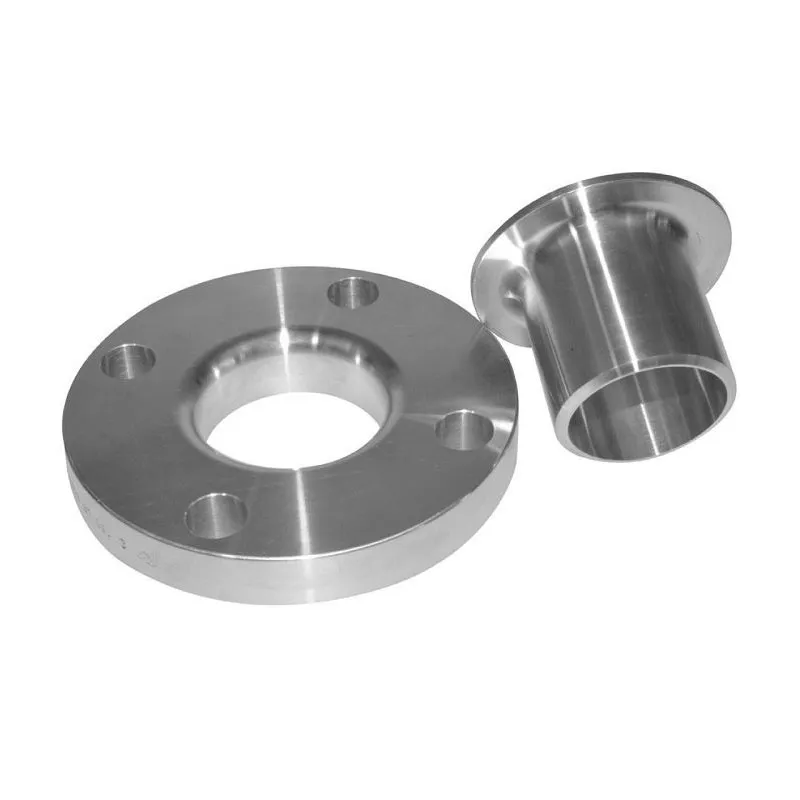 ANSI B16.5 Loose Ring Flanges Class 2500
 -
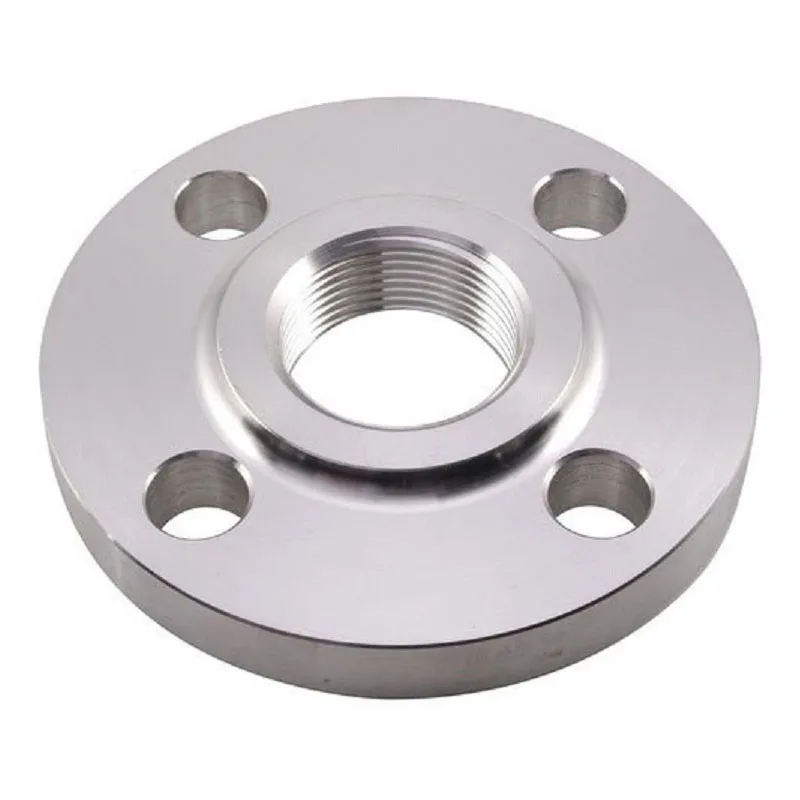 DIN 2566 Threaded flanges PN16
 -
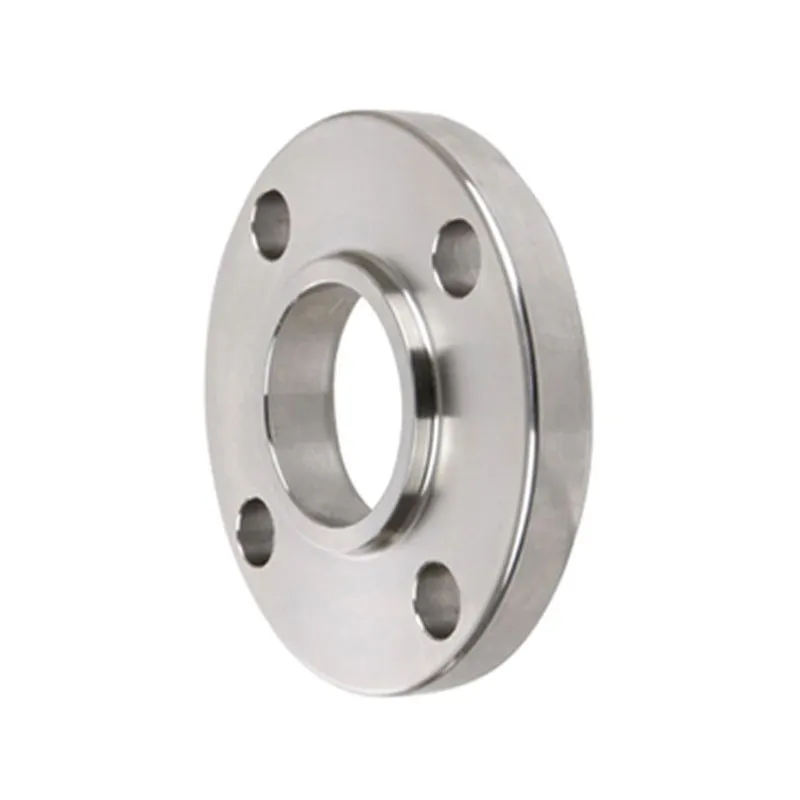 ANSI B16.5 Lap-on flanges Class 300