
-
-
Phone
+86-13623462298



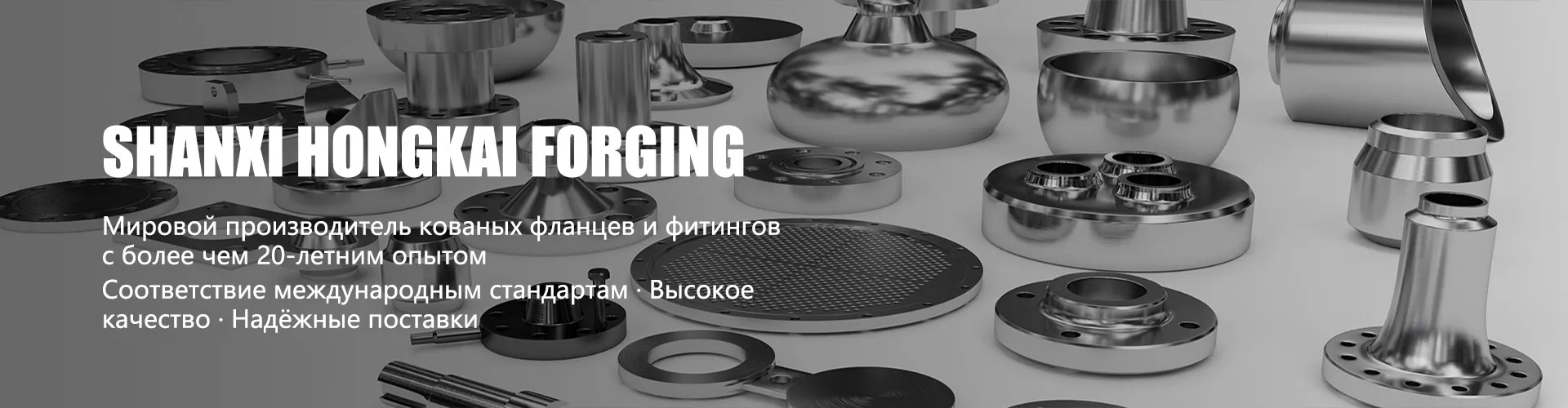
flange 125 16
When you see “flange 125 16” in the specification, everything seems to be clear: nominal diameter 125 mm, pressure 16 kgf/cm2. But this is where many, especially young designers or buyers, fall into the trap. Numbers aren't everything. This marking can hide either a flat flange in accordance with GOST 12820-80 or a welded butt in accordance with GOST 12821-80. What if the project is for imported equipment? Here you already need to look at the standard: ASME B16.5 Class 150 or, say, EN 1092-1 PN16. The difference in geometry, especially in the size of the sealing surface and thickness, can be critical. We once had a batch of 125 DN flanges lying in our warehouse for six months - they were ordered according to an old drawing, indicating only the pressure and diameter, and when the time came for installation, it turned out that the bolt holes did not match the mating parts on imported pumps. I had to urgently look for an alternative.
Depth of standards: why GOST is not the only truth
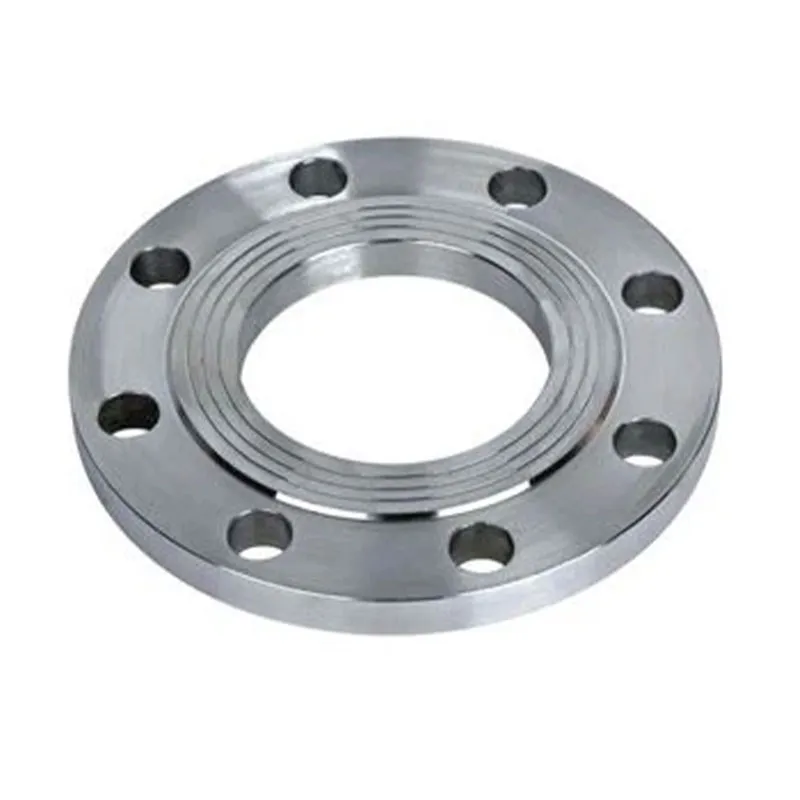
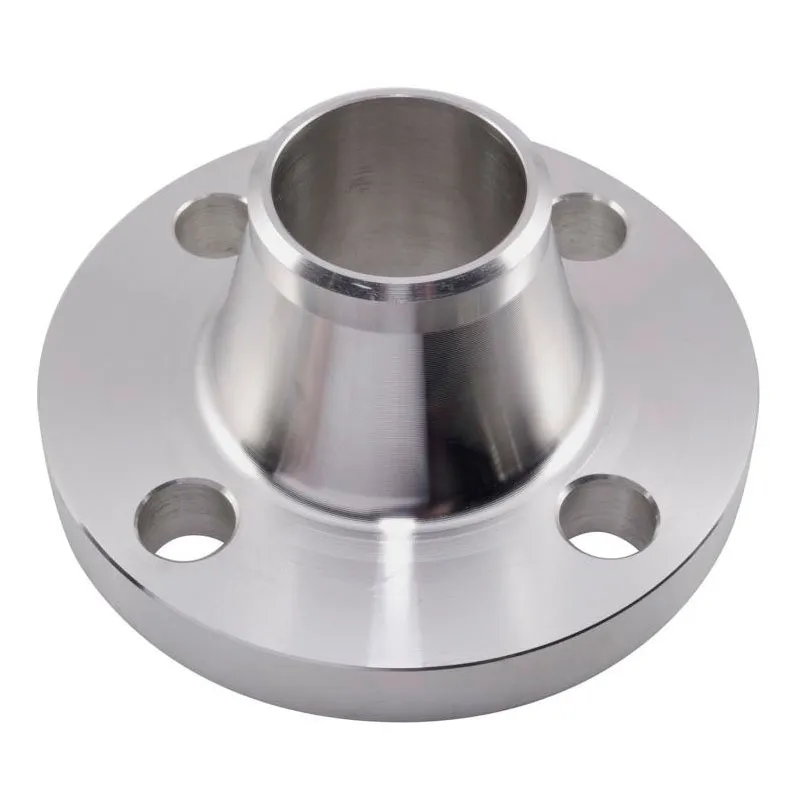
Working with flange connections for critical pipelines, I long ago stopped trusting only the numbers ?125? and ?16?. I pick up a folder with regulatory documentation. For our post-Soviet projects, of course, the first thing I look at is GOST. For the 125 16 flange, operating under a pressure of 1.6 MPa (the same 16 kgf/cm2), two main types are relevant: flat (GOST 12820) and butt (GOST 12821). The first has a smaller thickness and is easier to install, but it is also less reliable for high loads and temperatures. The second is more massive and more expensive, but its design allows for better stress distribution. The choice between them is always a compromise between the budget and the requirements of technical regulations.
But the world is not limited by GOST. I remember a project for a chemical plant, where part of the circuit was assembled in Europe. It required a flange according to EN 1092-1 Type 01 (flat) or Type 11 (butt) on PN16. Both its outer diameter and the diameter of the bolt circle differ from our GOST. If you blindly put ?Russian? flange 125 16 for "European" pipeline, the connection will not be tight. This is a direct road to an accident. Therefore, now, when ordering, we always require full encryption from technologists: not just “flange 125 16”, but “flange 1-125-16 st.” 20 GOST 12821-80? or ?Flange DN125 PN16 EN 1092-1 Type 11 P265GH?. That's the only way.
By the way, about the material. The numbers 125 16 speak about size and pressure, but not about steel. For steam lines you need heat-resistant steel 15Х5М, for aggressive environments - 12Х18Н10Т, and for ordinary water St20 is enough. Once we put St3 flanges on a line with a temperature of 450°C - after six months cracks appeared. We learned from our mistakes.
Order practice: from drawing to warehouse
When it comes to serial purchases or, conversely, individual non-standard products, I often turn to trusted manufacturers. One of them isShanxi Hongkai Forging Co.,Ltd. Their websitehkflange.ruhave been bookmarked for a long time. Why? They are not just sellers, but a manufacturer of forged flanges and forgings, originally from China, but with a clear understanding of the international market. You can find the same one in their catalogflange 125 16in a variety of designs: according to GOST, and according to ASME, and according to EN. This is convenient when you are managing several different projects.
What is important in working with such a supplier? They manufacture products according to international and national standards, including GOST, ASME, EN, DIN. For me, as an engineer, the key is to be able to provide them with my drawing. There was a situation where a transition flange was needed between ASME B16.5 and DIN 2635 standards on a diameter of DN125. Your strength to draw and calculate such an “adapter?” there was no, I sent a sketch and parameters. They did it, and with a full package of certificates, including ultrasonic testing. The quality of the forging was at the level - no cavities, geometry was within tolerance.
But there is a nuance here too. When ordering a 125 16 flange from a foreign manufacturer, even from suchShanxi Hongkai Forging Co.,Ltd, you need to budget time for logistics. And clearly specify all the details: the type of sealing surface (protrusion-recess, tongue-groove, for a lens gasket), surface condition (paintable, galvanized), steel grade. Once I overlooked it, and the batch arrived with a chamfer for the wrong type of gasket. I had to modify it manually on site, which, of course, is undesirable for a critical connection.
Installation subtleties that are not written about in textbooks
Let's say the correct flange 125 16, with certificates, is on site. The fun begins during installation. The first is alignment. It would seem that the matter is simple. But if the holes for the bolts are shifted even by half a millimeter, a misalignment will occur, the load will be uneven, and at the first hydrotest or thermal expansion it will leak. We always use mounting studs for pre-alignment before running the bolts.
The second is the puff. The key is all the way? You can't work here. You need a torque wrench with a specified tightening torque. For a flange with 125 DN and a pressure of 16 atmospheres, this moment is different, depending on the number and strength class of bolts, on the type of gasket (paronite, fluoroplastic, spiral wound). If you hesitate, you will either not tighten it enough (it will leak), or you will overtighten it (maybe the flange itself will break or the thread will break). We had a sad experience when a fitter, accustomed to small diameters, tightened the bolts on the 125 16 flange with the same force. As a result, the spiral wound gasket (SNP) “collapsed?” and lost elasticity. When the system started up, everything was fine, but after the first shutdown and cooling, there was a fountain of leakage.
And third - gasket. Its internal diameter should be slightly larger than the internal diameter of the flange so as not to create local resistance to flow. And the external one should not touch the bolts. For the same flange 125 16 according to GOST, you need to remember the standard gasket size. But if the flange is non-standard or imported, it will not work without a caliper. It’s a small thing, but it affects everything.
When 125 is not quite 125: about non-standard and ranges
Manufacturers, such as the company mentioned above, often indicate a huge range of sizes - from DN15 right up to DN4000. With the 125 16 flange, it would seem that everything is in the middle of the range, there should be no problems. But here the question of standard sizes and stock availability comes into play. DN125 is a popular size, but the PN16 (or Class 150) pressure version comes in a variety of thicknesses and heights depending on the standard. And if what you need is not available, and the project is on fire, a headache begins.
In such cases, the ability to manufacture according to customer drawings helps. But it's more expensive and takes longer. Therefore, for typical projects, we have long compiled our own template table indicating the preferred standards and manufacturers for each diameter and pressure. For flange 125 16, our main choice is butt welding in accordance with GOST 12821-80 made of steel 20 for general industrial environments. The strength margin is good, and installation is less hassle than with a flat one.
It also happens that the project specifies a 125 16 flange, but in fact the pipeline has an outer diameter not of 133 mm (as usual for DN125), but, for example, 140 mm due to the reinforced wall. Then the standard flange will not fit. You need to either drill a hole (which is not always permissible according to technical conditions) or order a non-standard one. This is where communication with a plant comes in handy, which can quickly make a forging and process it for a specific pipe. The main thing is not to forget to indicate in the drawing not only the internal diameter, but also the fitting diameter for the pipe.
Conclusions that came with experience
So what is itflange 125 16? For the uninitiated, it’s just a piece of metal with holes. For us, practitioners, this is a unit that requires an integrated approach: from choosing a standard and material at the design stage to controlling geometry during acceptance and strict adherence to installation technology. The numbers are just a starting point.
Working with reliable manufacturing suppliers who, likeShanxi Hongkai Forging Co.,Ltd, offer flexibility (manufacture according to drawings) and a wide range of standards, making life much easier. But no manufacturer will relieve the on-site engineer of responsibility. You need to delve into it yourself, check it, verify it.
And one last thing. Never skimp on flanges for critical systems. The difference in price between a conditionally suitable flange and a well-made flange on the same DN125 PN16 is pennies compared to the cost of a possible production stop or, God forbid, an accident. It is better to describe in detail once in the application? Flange 1-125-16 GOST 12821-80 art. 20, version 1, sealing surface version 3 (tongue and groove)?, then spend a week fixing the leak and talking to the commission. Tested more than once.
Correspondingproducts
Related Products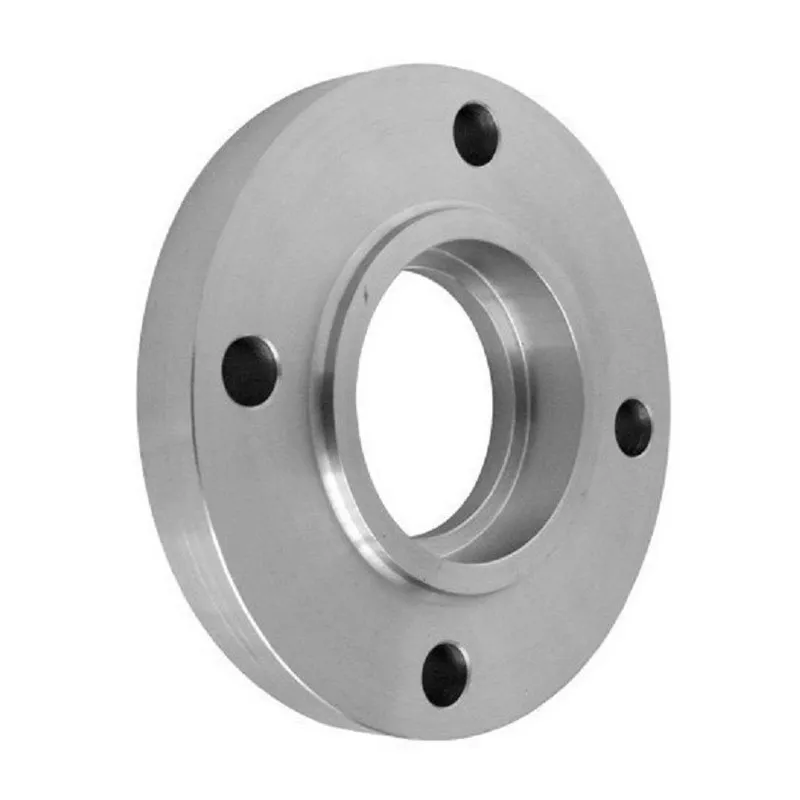
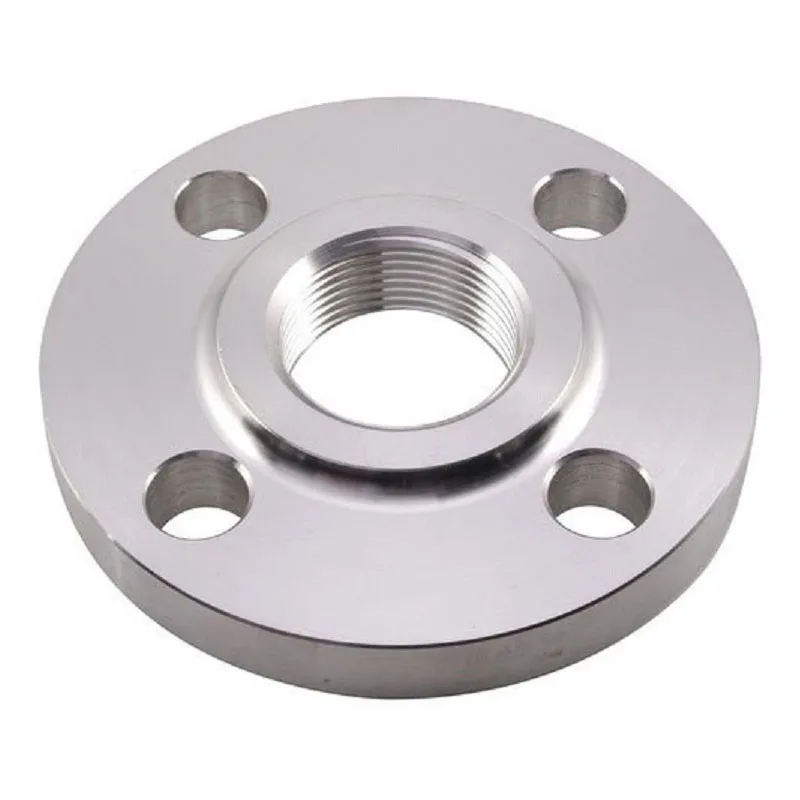
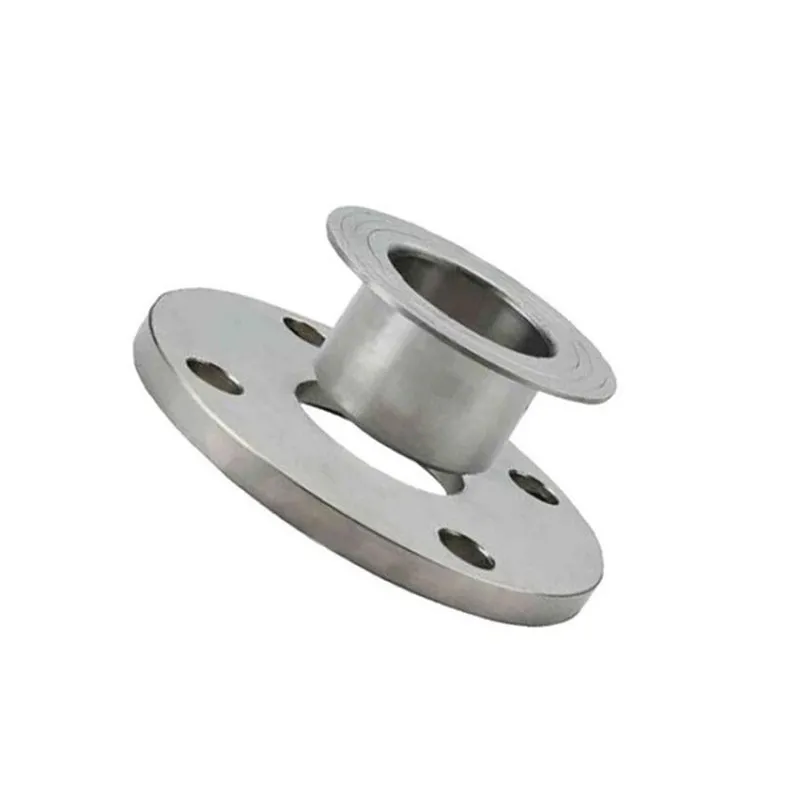
Best Sellingproducts
Best Selling Products-
 JIS 10K Overlay flanges
 -
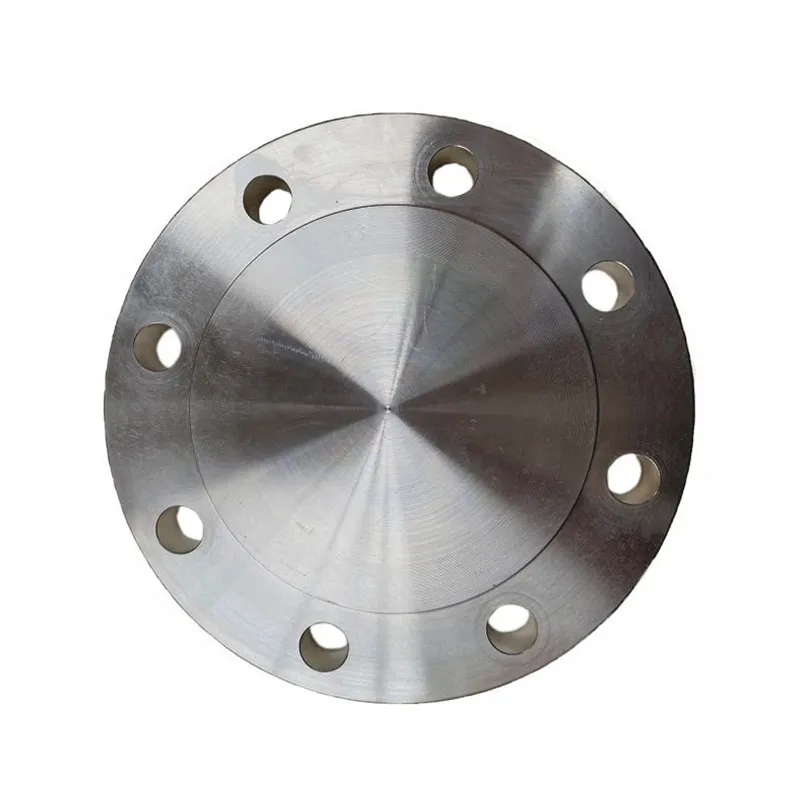
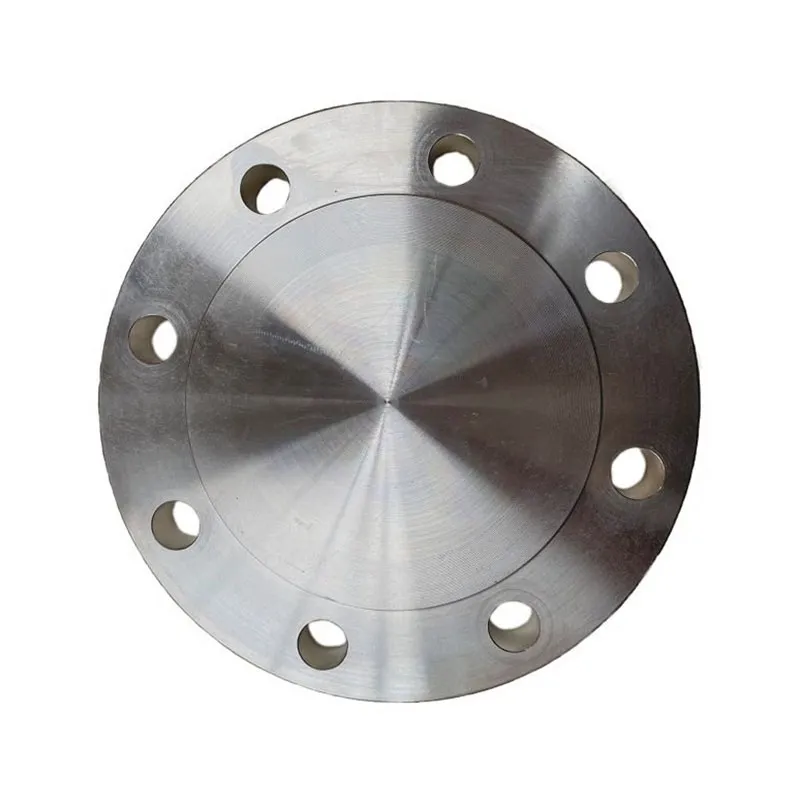 UNI 6092 Blind flanges PN10
 -
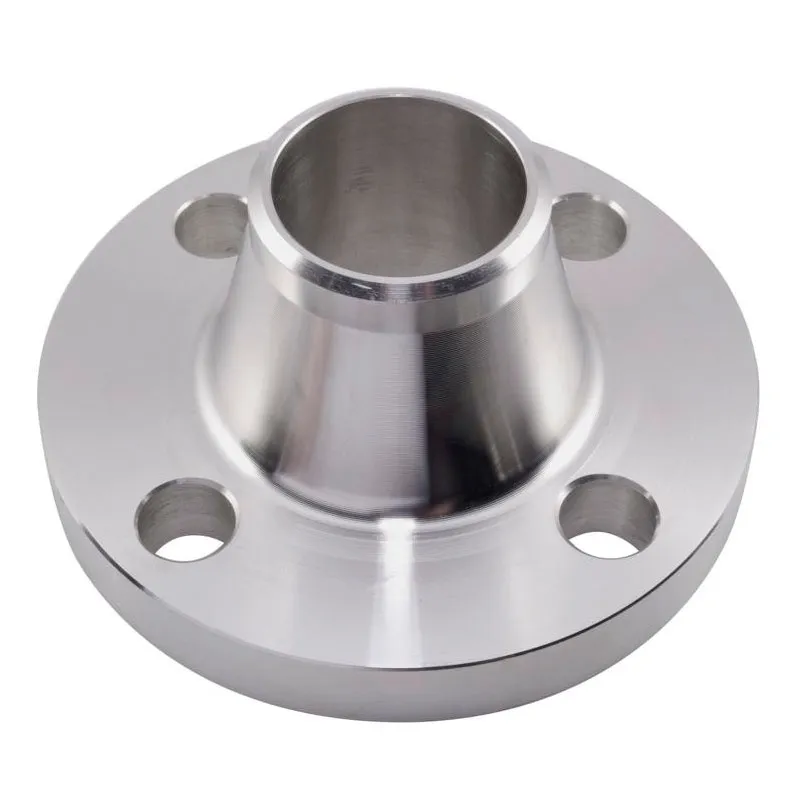 Butt weld flanges Class 900
 -
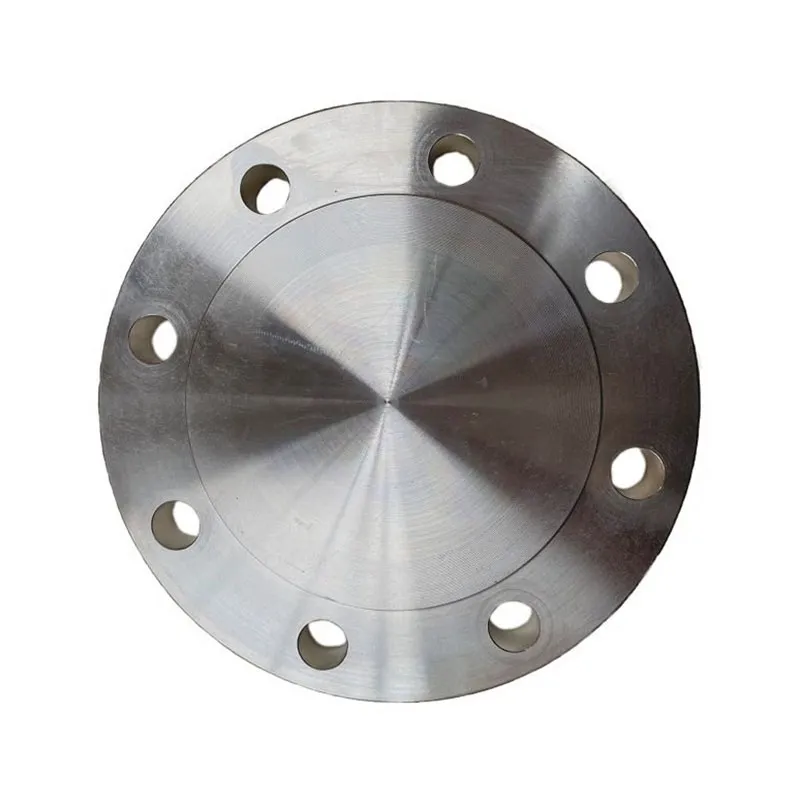 ASME B16.47 Ser.A Blind Flanges Class 400
 -
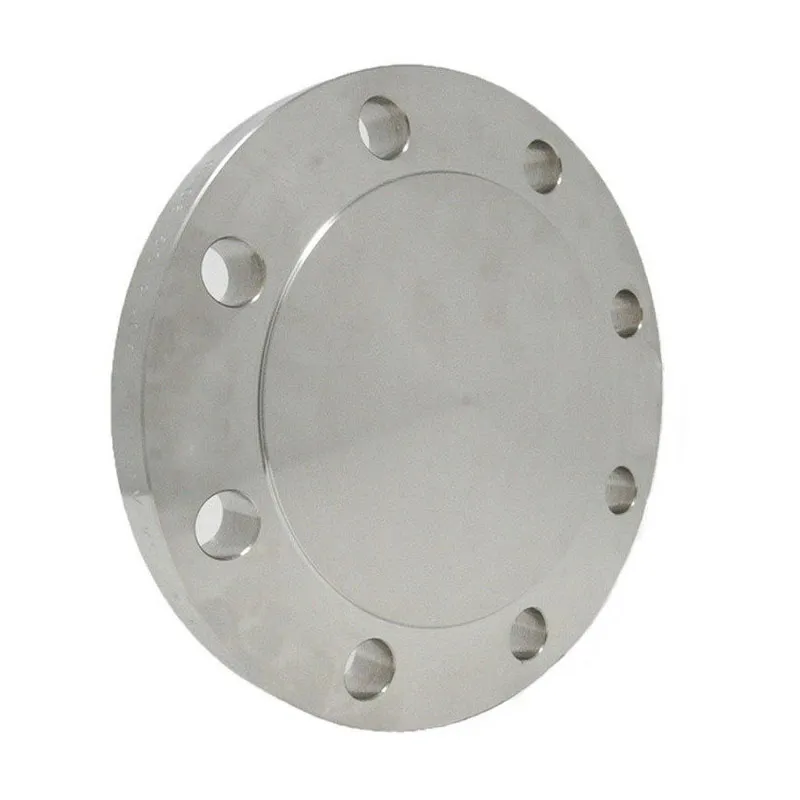 Blind flanges Class 150
 -
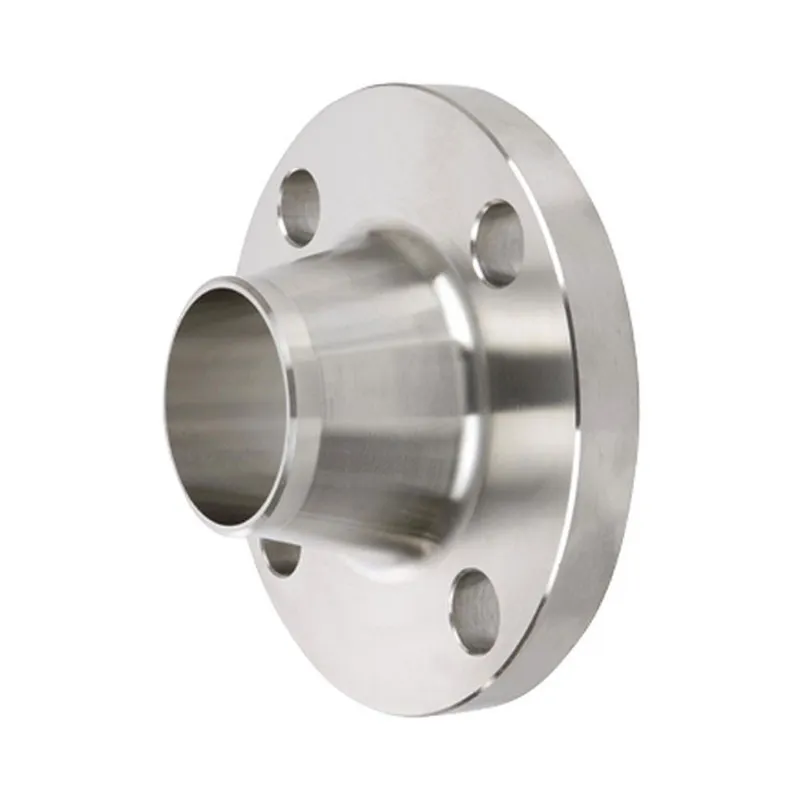 EN 1092-1 Butt weld flanges Type 11, PN25
 -
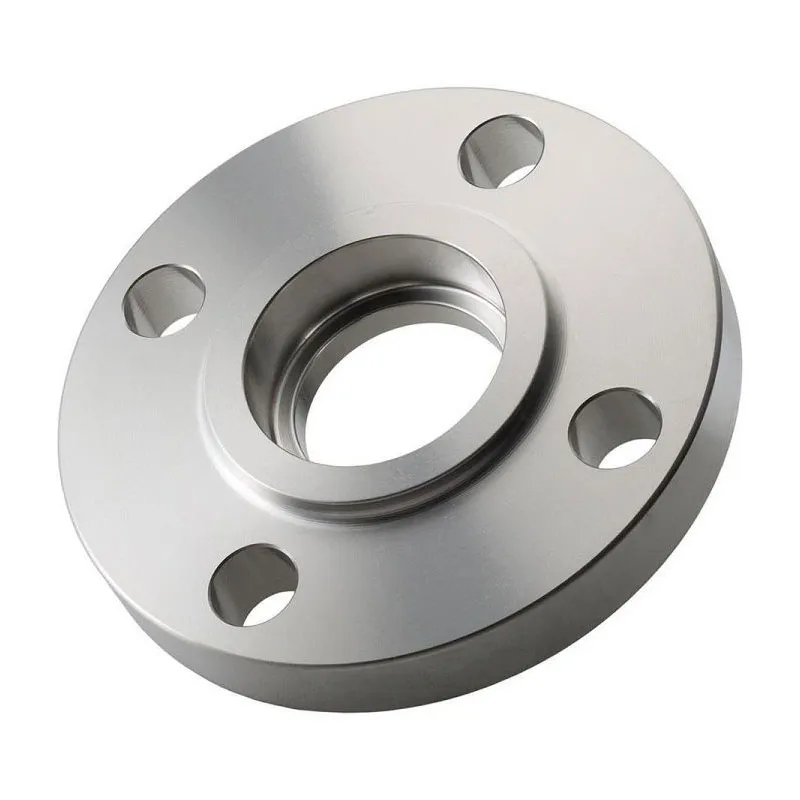 ANSI B16.5 Socket Weld Flanges Class 1500
 -
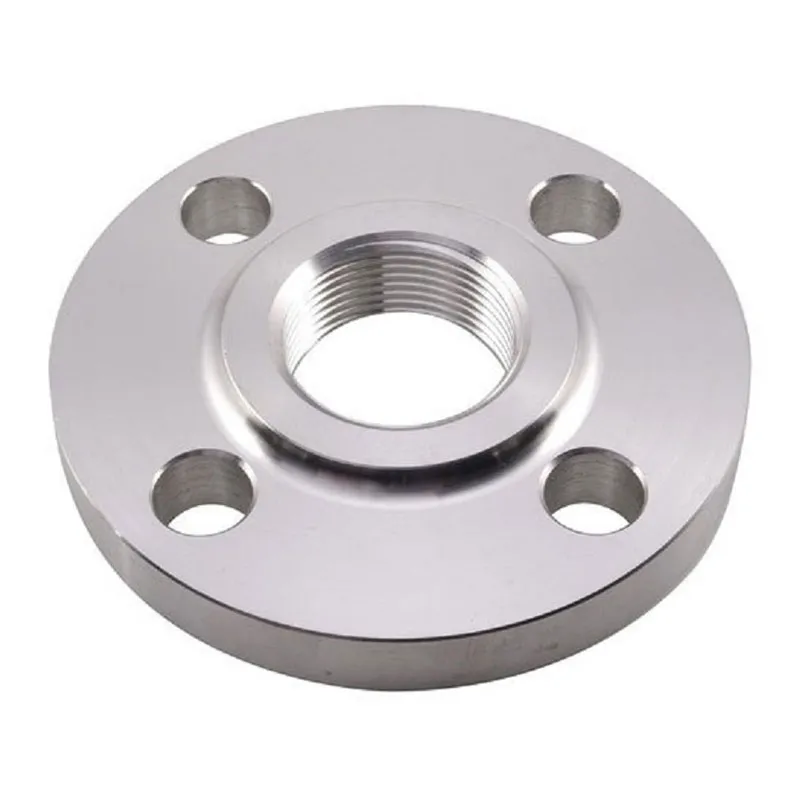
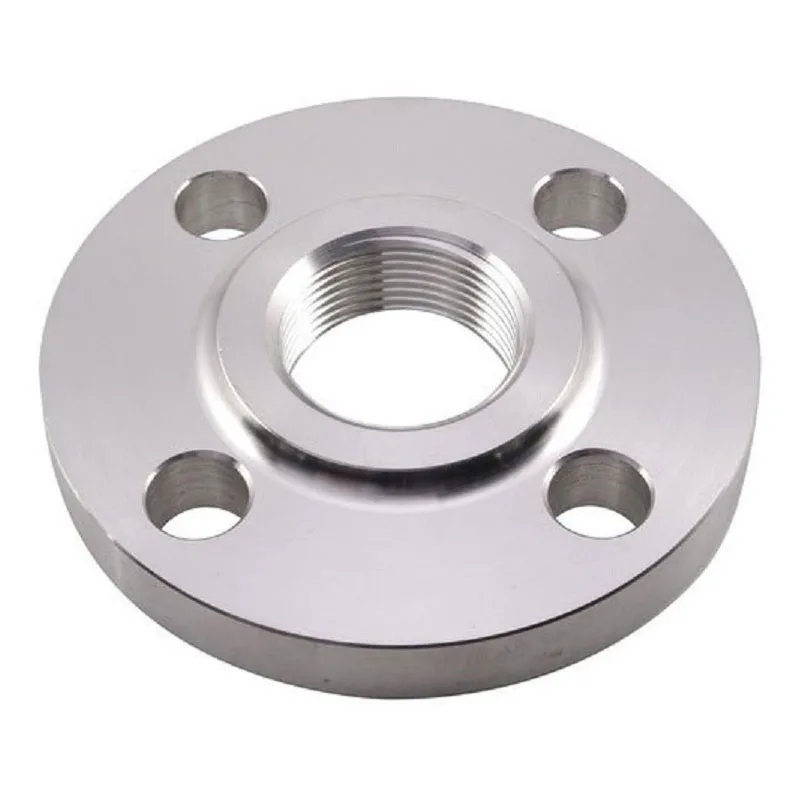 JIS 10K Threaded Flanges
 -
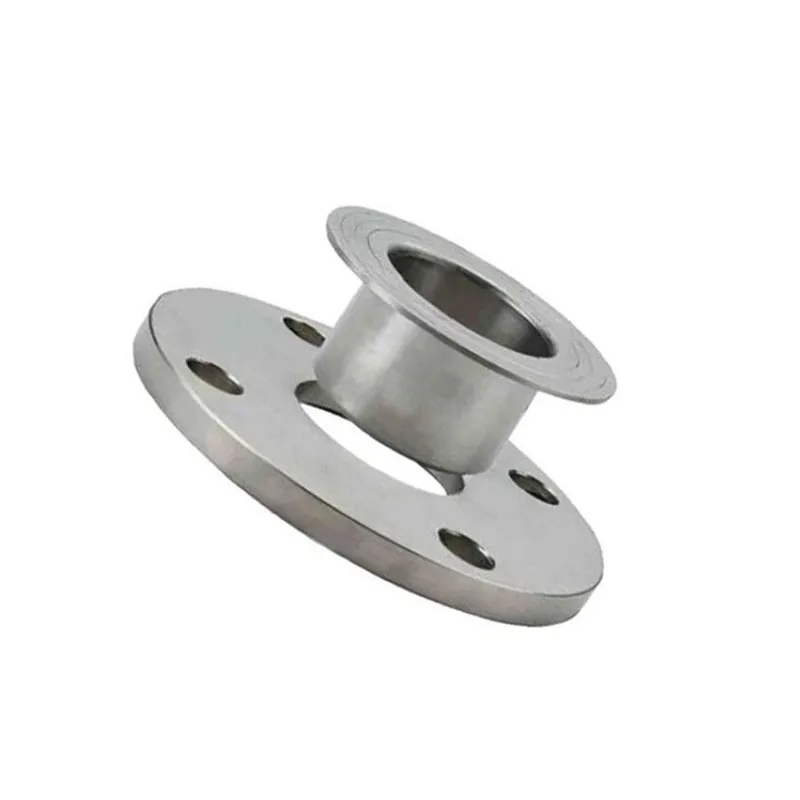 Free ring flanges Class 400
 -
 DIN Butt weld flanges PN10
 -
 EN 1092-1 Blind flanges Type 05, PN10
 -
 EN 1092-1 Threaded flanges Type 15, PN16