
-
-
Phone
+86-13623462298



flange 1 200 10
These three numbers - 1 200 10 - often appear in specifications, and beginners may think that this is just a conditional number. In fact, if we are talking about a flange, this is almost certainly the designationflange 1 200 10according to GOST 12820-80 - flat welded flange for a nominal pressure of 10 kgf/cm2 (Ru 10) and a nominal diameter of 1200 mm. But here is the first nuance: working with such dimensions is “conditional?” pressure is a very relative concept, especially when we are talking about real loads, vibrations or temperature conditions. Many people, when receiving a drawing, look only at the diameter and pressure, forgetting about the surface design, material and, critically, the quality of the forging itself.
From drawing to warehouse: why ?standard? doesn't mean ?simple?
When you order a 1200 mm flange, especially for Ru 10, it seems that this is the standard size - take it from stock. But it doesn't work that way. Firstly, the size itself is no longer small, the weight of the product is significant, and here the question is not about the assortment, but about the production capacity of the supplier. The manufacturing method - hot stamping or free forging - determines everything: mechanical properties, uniformity of metal structure, absence of internal defects. I have seen cases when, in order to “save money?” tried to use flanges made from gas-cut sheets followed by machining. For small diameters it may work, but for DN1200 there are guaranteed problems with geometry and deflection during installation and under pressure.
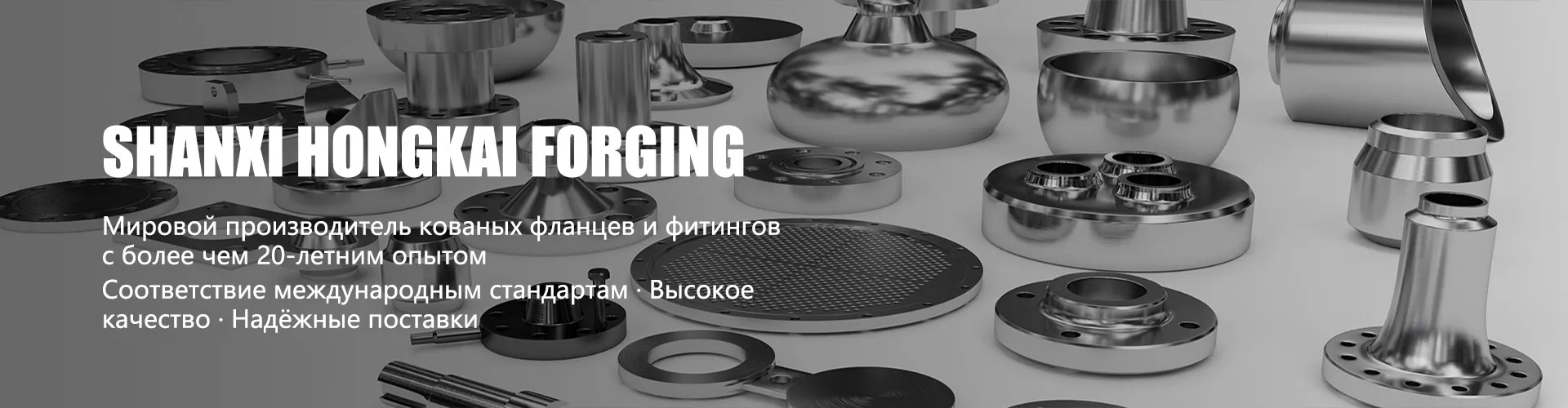
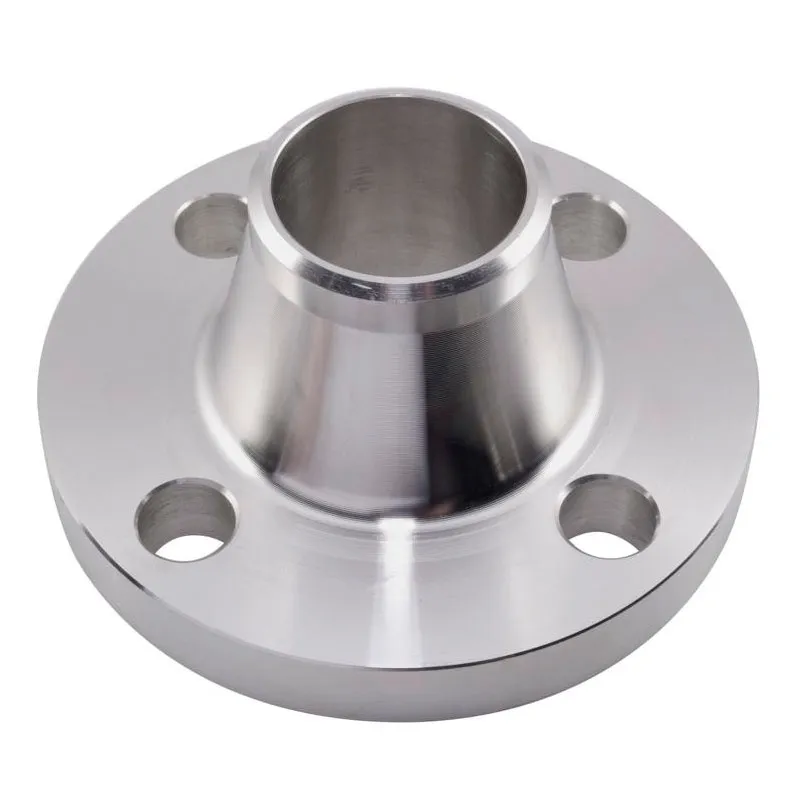
Here it is worth mentioning manufacturers who specialize specifically in forged products of large dimensions. For example, on the siteShanxi Hongkai Forging Co.,Ltd (https://www.hkflange.ru) it is clear that the company positions itself as a manufacturer of forged flanges and forgings, working according to international standards. This is always an important marker for me. If a factory declares a range up to DN4000 and focuses on forging rather than cutting from sheet metal, then they must have the appropriate equipment - powerful presses, furnaces for heat treatment. This is not a guarantee, but it is already a filter. Their range includes flat weld flanges, which is just right for ourflange 1 200 10.
But even with a reliable supplier, you cannot let your guard down. Acceptance of such flanges is a different story. You don't just need to measure the outer diameter and thickness. Be sure to check the markings of the holes for the studs - even a displacement of a couple of millimeters on such a large diameter will lead to the impossibility of docking. You look at the quality of the seal surface - are there any burrs or holes? And most importantly, you ask to provide certificates with mechanical tests for this particular batch, especially impact strength. For critical components on PN 10, even if it is not high pressure, impact strength is critical due to the risk of brittle fracture.
Editing and pitfalls: stories with obturation
The most painful experience is usually not with the flange itself, but with what is around it. Let's say the flange is perfect, according to GOST, from a trusted factory. We put it on the device and mount it. And during pressure testing or already in operation, it may leak through the flange connection. Let's start to figure it out. Often the reason is the gasket. For DN1200 on Ru 10, paronite or fluoroplastic gaskets are often used. But if the flange surface has the wrong design (say, corrugated instead of smooth for a soft gasket), or if the weld seam connecting the flange to the shell has warped, then no gasket will save you.
I once encountered a situation where the leak was caused by... different coefficients of linear expansion of the flange and pipeline materials during cyclic heating. The flange was made of steel 20, and the pipe was made of stainless steel. Everything came together perfectly when it was cold. In operating mode, the connection “played” and the gasket lost its tightness. I had to revise the flange material to make it closer to the pipe. This is about the question of what is easy to buyflange 1 200 10according to the standard - not enough. It is necessary to analyze the entire assembly and its operating conditions.
Another point is weight and installation. The DU1200 flange weighs a lot. When lifting and installing, it is important to avoid impact loads that can create microcracks in the transition area from the hub to the disc. This is especially true for flat flanges, where there is no pronounced transition cone, as with butt welds. Therefore, the PPR often separately prescribes the slinging of such parts.
Non-standard and adaptation: when GOST is only the basis
It happens that the typicalflange 1 200 10doesn't fit. For example, you need a different design of the sealing surface (tongue-groove, protrusion-recess), or additional technological holes, or non-standard thickness due to special loads. This is where it is checked how ready the manufacturer is for dialogue. The same Chinese manufacturers, like the one mentionedShanxi Hongkai Forging Co.,Ltd, often indicate in their information the possibility of manufacturing non-standard products according to customer drawings. This is an important option.
I worked with a situation where, to modernize an old installation, a flange was required, geometrically similar to the GOST 1200 mm one, but with a disk thickness increased by 8 mm and with an additional row of holes for fasteners of a larger diameter. We sent the drawing to several companies. Somewhere they immediately said that it was only a standard, somewhere they asked for huge deadlines and a price for reconfiguration. Somewhere, and among them was a company from Shanxi, they responded adequately: they sent a technological route, discussed the choice of workpiece (forging vs. stamping), and agreed on control. The key issue was heat treatment after machining to relieve stress.
At the same time, “non-standard” - not a synonym for “better?”. It is always a compromise between necessity, timing and cost. If you can get by with a standard flange with minor modifications on site (for example, drilling holes), this is often more reliable and faster than waiting for a unique product from overseas. But if the changes concern the power part, then you can’t do without an individual project and calculations.
Selecting a supplier: standards, documents and ?feeling?
How do you choose who to order such a large and important fastener from? Price is important, but not primary. The first thing I look at is what standards the plant declares. If I see in the description likeShanxi Hongkai Forging Co.,Ltd, list: GOST, ASME, EN, DIN - this indicates the potential opportunity to work on different projects and familiarity with the technical requirements of these standards. These are not just words for the site. For example, a flange according to ASME B16.5 and according to GOST 12820 have a different tolerance system and different markings.
The second is the availability of a complete package of documents. For imported supplies, this is usually a quality certificate with chemical composition and mechanical properties, ultrasonic testing of forgings (especially for large sections), a heat treatment report, a certificate of non-destructive testing of welds (if the flange is supplied assembled with a pipe). There must be drawings with dimensions that you can check upon acceptance.
And the third, intangible thing is the reactivity of technical support. When you ask a question about the material, about tolerances, about production time, how quickly and to the point they answer. Reputable manufacturers, even large ones, usually have engineers who can communicate in technical language, not just sales managers. This creates a feeling of reliability. In the end, you are not just buying an iron disk with holes, you are buying an element on which the trouble-free operation of the entire unit depends.
Bottom line: thinking out loud about the little things that make all the difference
So what is itflange 1 200 10? For the uninitiated, it’s a line in the specification. For a practitioner, this is a whole range of issues: from choosing a manufacturing method and quality control at the manufacturing plant to the nuances of installation and operation in specific conditions. This is a story about the fact that you cannot skimp on material and heat treatment for such sizes. About the fact that even a perfect flange can be ruined by improper installation.
Experience suggests that working with trusted suppliers who specialize in forging and are open to discussing technical specifications, like some Chinese factories like the one mentioned, reduces risks. But you can’t blindly trust anyone. Your own input control, your own measurements, your attention to detail - this is what insures against missed deadlines and emergency situations. A 1200 mm flange is no longer a small thing; replacing it if something happens requires a long downtime and a lot of money. Therefore, it is better to double-check everything at the order and acceptance stage.
In general, to summarize: the numbers 1,200 10 are just a starting point. Then the real work of the engineer and supplier begins. A job where every little detail is important: from the steel grade on the tag to the method of slinging during unloading. And it is these little things that ultimately determine whether the connection will hold up or fail at the most inopportune moment.
Correspondingproducts
Related Products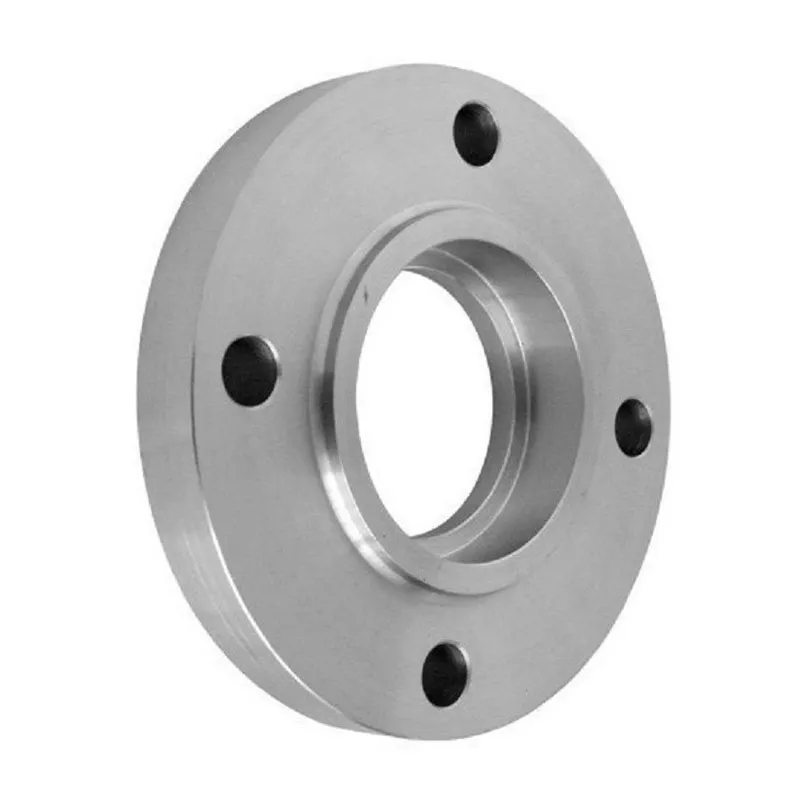
Best Sellingproducts
Best Selling Products-
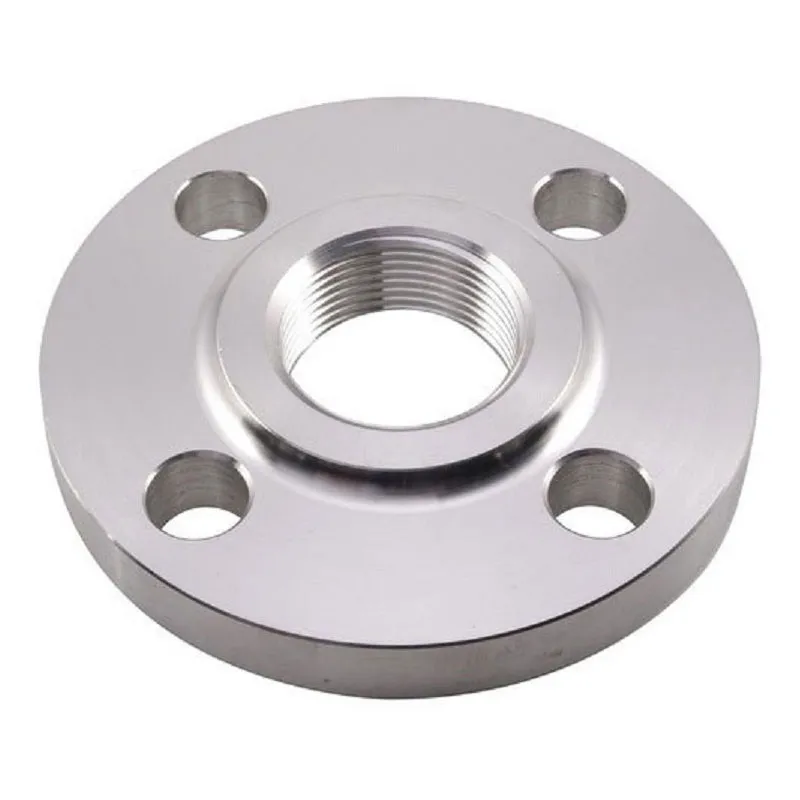 DIN 2565 Threaded flanges PN6
 -
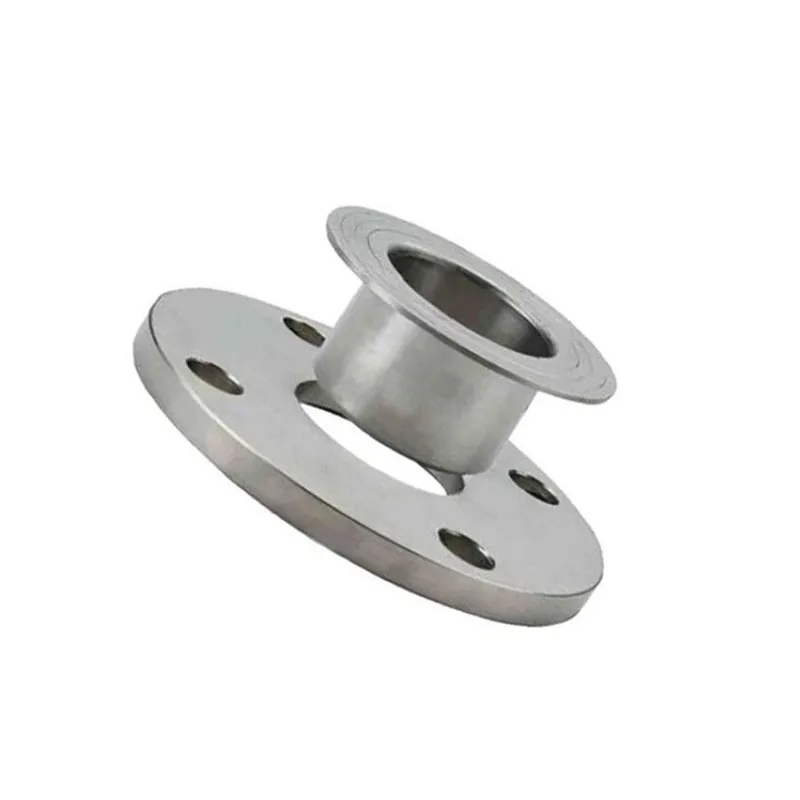 Free ring flanges Class 400
 -
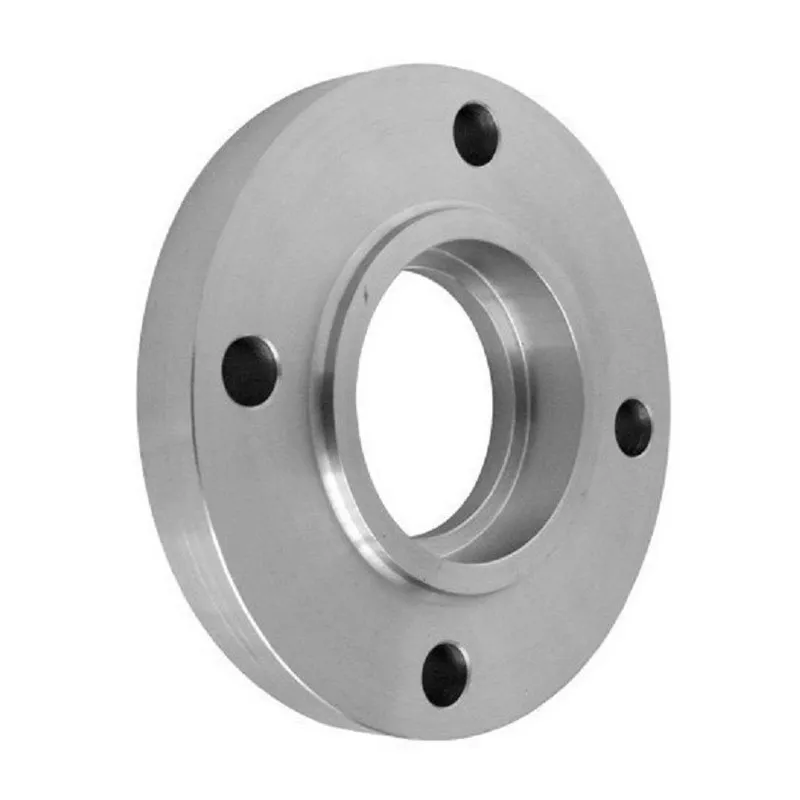 JIS 5K Socket Weld Flanges
 -
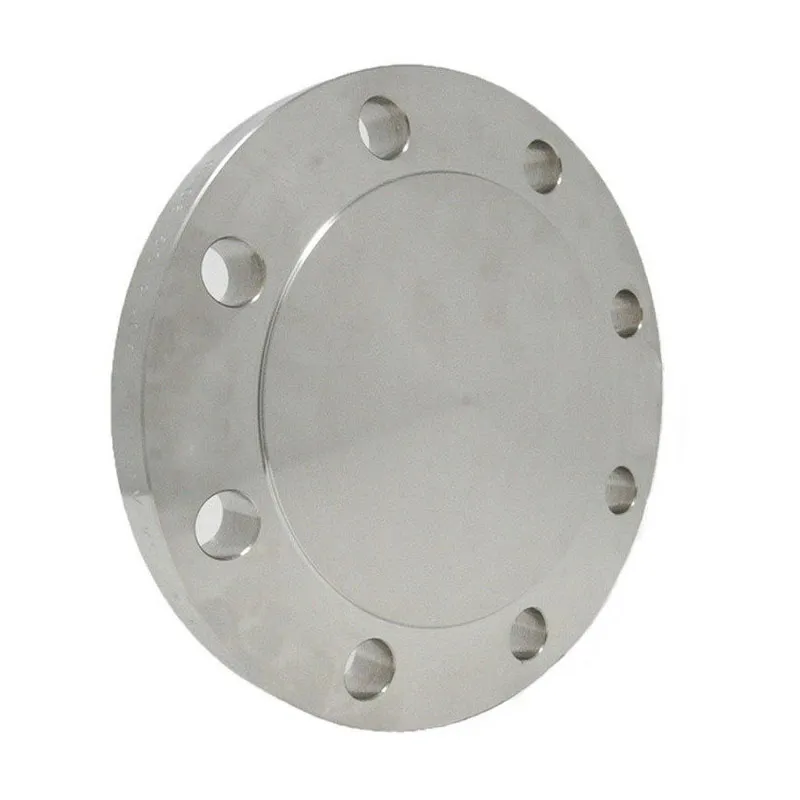 AWWA Blind Flanges Class D (Tables 1, 2, 3)
 -
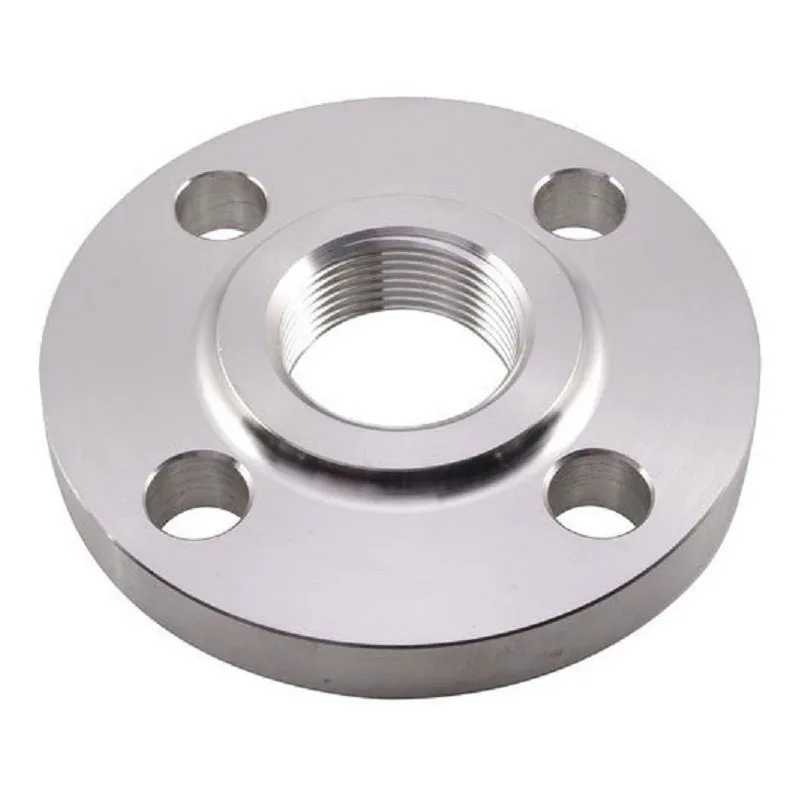 ANSI B16.5 Threaded Flanges Class 600
 -
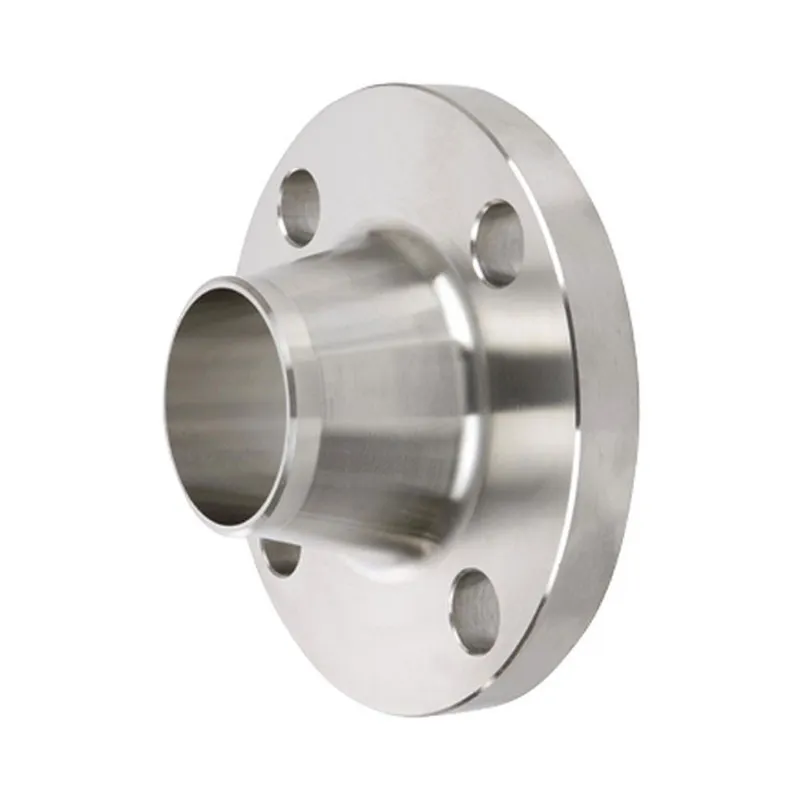 EN 1092-1 Butt weld flanges Type 11, PN25
 -
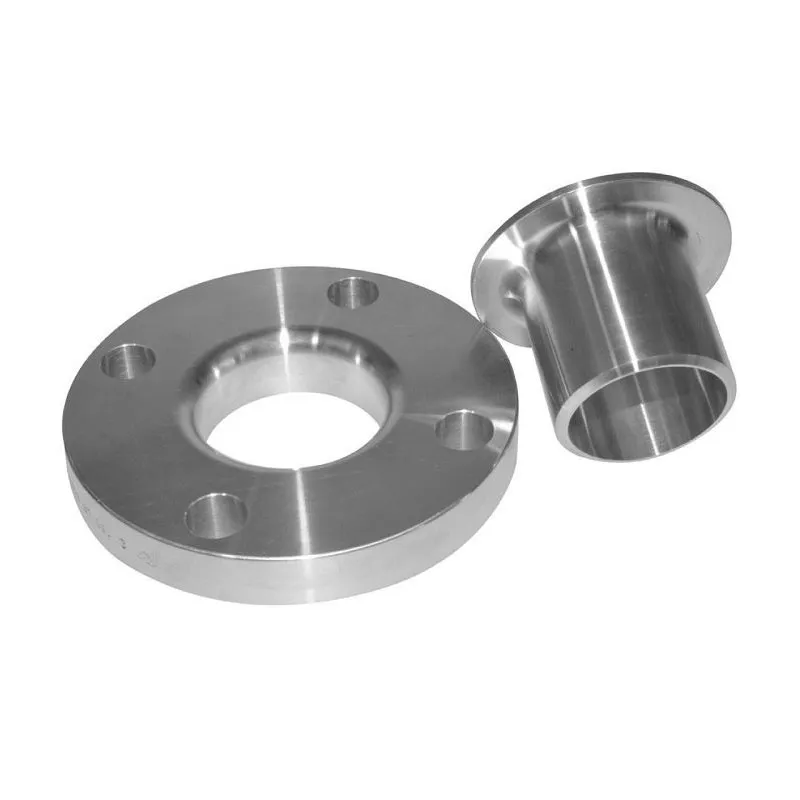 ANSI B16.5 Loose Ring Flanges Class 2500
 -
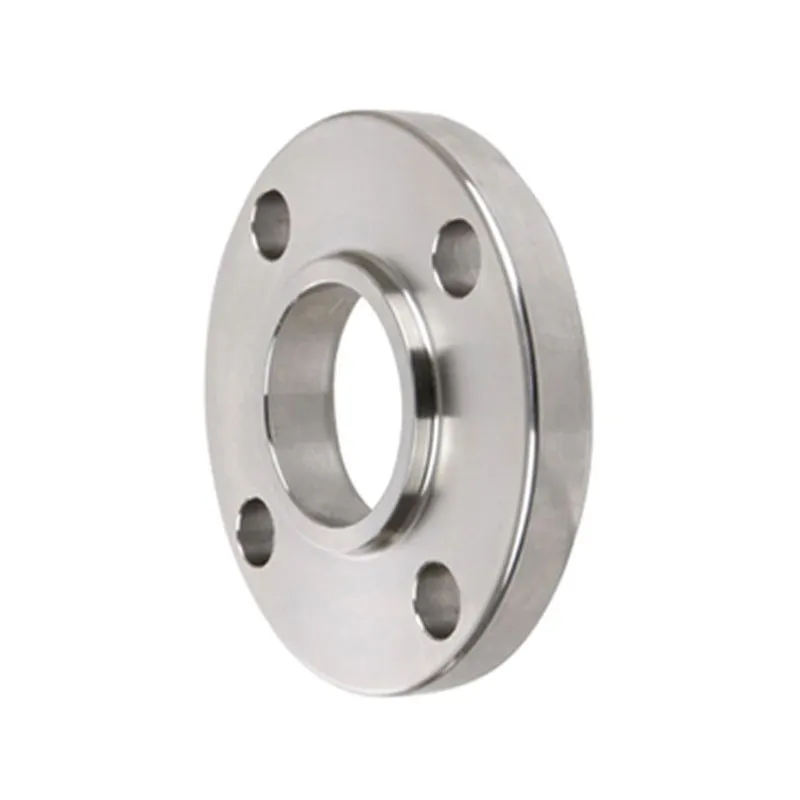 ANSI B16.5 Lap-on flanges Class 300
 -
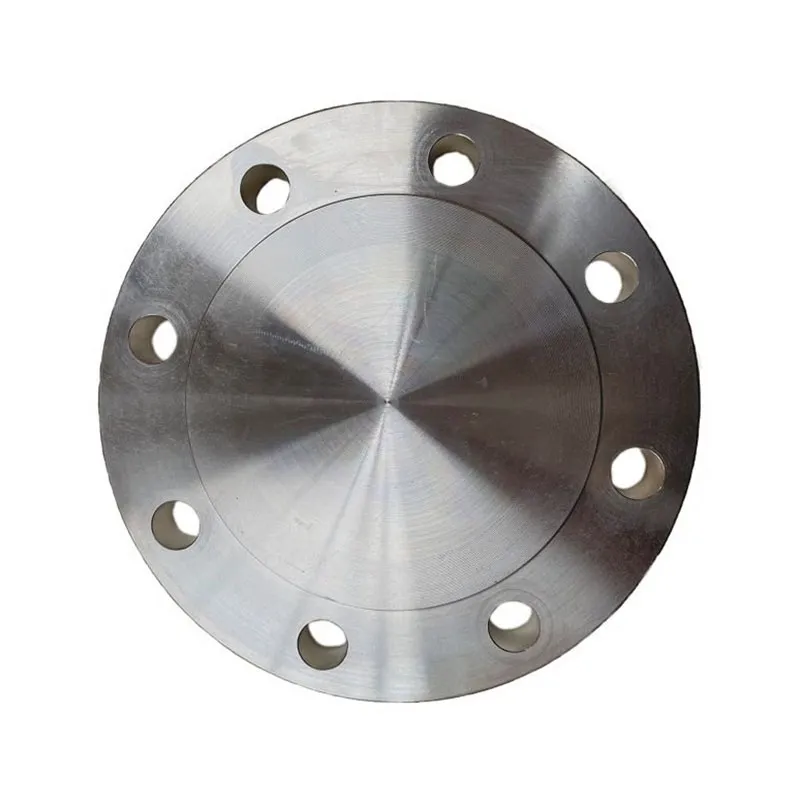 UNI 6092 Blind flanges PN10
 -
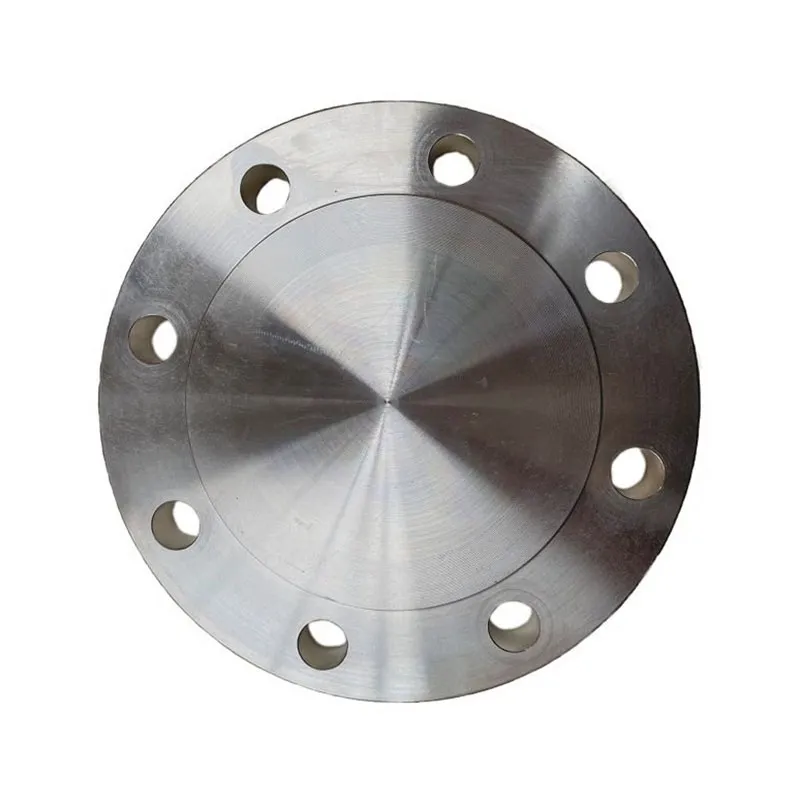 ASME B16.47 Ser.A Blind Flanges Class 400
 -
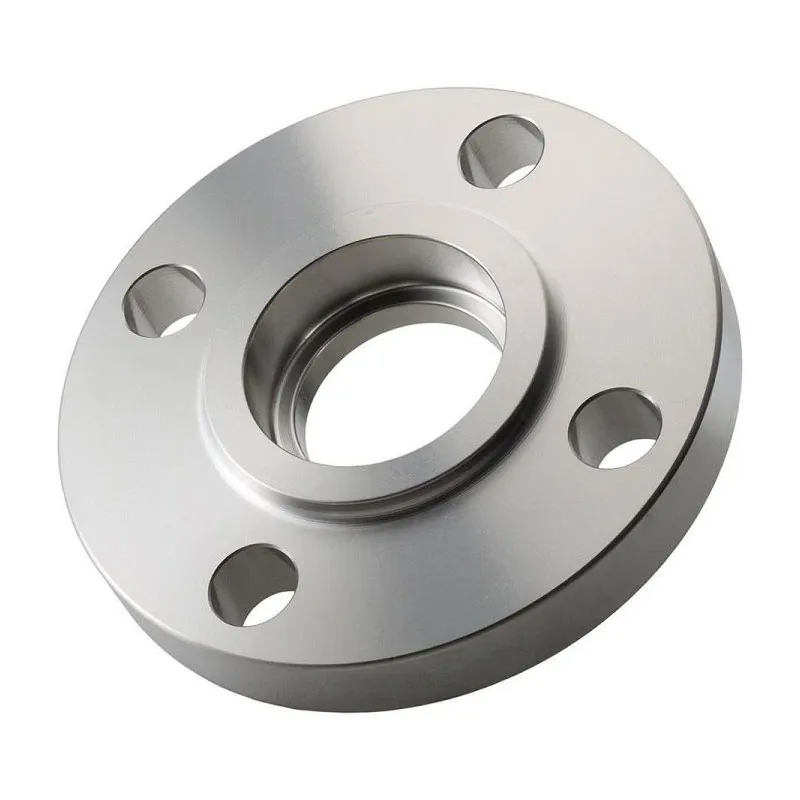 ANSI B16.5 Socket Weld Flanges Class 150
 -
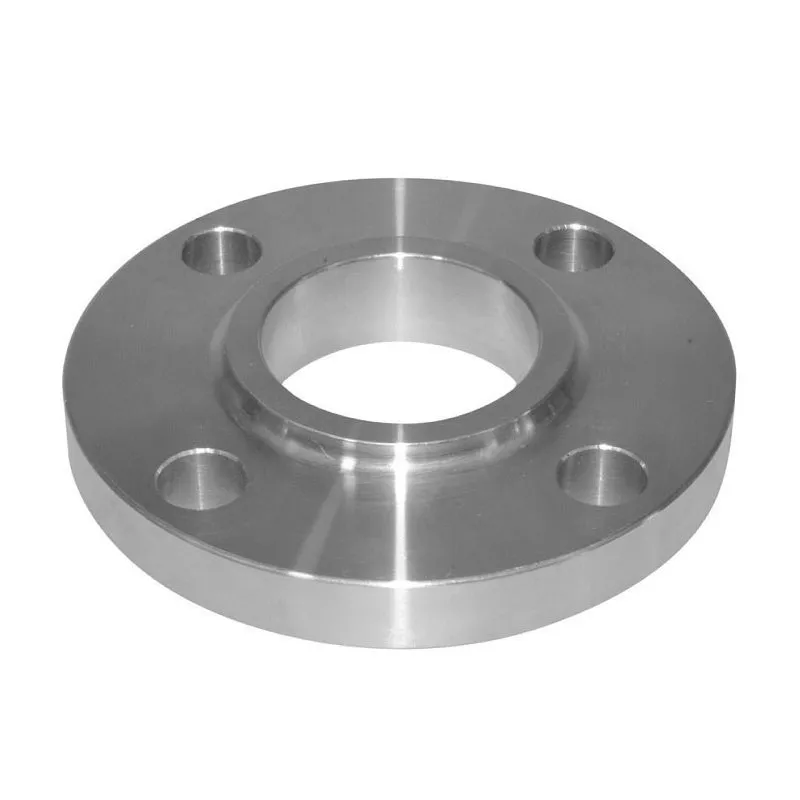 ANSI B16.5 Lap-on flanges Class 1500