
-
-
Phone
+86-13623462298



flange 1 50 6
When you see “flange 1 50 6” in a specification or request, the first thing that comes to mind is most likely a flat flange in accordance with GOST 12820-80 for nominal diameter DN 50 and pressure PN 6 kgf/cm2. But this is where the nuances begin, because of which you can seriously miss. Many people, especially those who are just starting to work with pipeline fittings, think that this is an unambiguous designation. In fact, the number ?1? at the beginning - this is already the moment to ask a question. According to the old GOST, this is type 1, that is, for a pressure Ru of 6 kgf/cm2. But it is important to remember about the design of the sealing surfaces - there is no longer “1”, but, for example, design A, B or C. If the drawing or order simply states “1 50 6”, without specifying the design of the surface, this is already a red flag. I personally encountered when flanges with a smooth sealing surface (design A) were brought to the site, but in fact a protrusion-recess was required at the joint (design B). We had to urgently look for a replacement and delay installation. Therefore, now I always clarify: ?1 50 6? is just the basic part of the story.
Let's take the designation apart
Let's go in order. ?Flange 1 50 6? - this is, as a rule, a flat flange (type 01 according to the same GOST 12820). Number ?1? - this is a type designation for a pressure of 0.6 MPa (or those same 6 kgf/cm2). DN 50 is a conditional diameter approximately corresponding to the outer diameter of the pipe 57 mm according to GOST 8732 or 60.3 mm for VGP pipes. But ?6? is the conditional pressure Ru. It would seem that everything is simple. But it is pressure that causes many to stumble. Ru 6 is not a working pressure of 6 atmospheres under any conditions. This is the pressure rating for certain materials and temperatures. For steel flanges at temperatures up to 200°C - yes, you can navigate. But if the medium is hotter, the permissible pressure drops. I almost got into trouble once when designing a piping on a line with a temperature of under 300°C. Well, a more experienced colleague noticed and corrected it in time - I had to recalculate it to a flange with a higher nominal pressure.
What else is important? Geometry. For DN 50 and PN 6, the outer diameter of the flange (D) will be 165 mm, the diameter of the bolt circle (Db) will be 125 mm, the number of holes for fasteners will be 4 pieces, the hole diameter (d) will be 18 mm. Fasteners require M16. These numbers should bounce off your teeth if you often work with this nomenclature. But even here it is not without pitfalls. I have seen, especially in deliveries from abroad or on order, that the diameter of the holes can be made 18.5 mm or even 19 mm “for ease of installation?”. In principle, at a pressure of 6 atm this may not be critical, but if the assembly is critical, it is better to adhere to the standard, otherwise the tightening torque of the bolts may be distributed unevenly.
And of course, the material. Most often it is St20, less often - 09G2S or 12Х18Н10Т, if the environment is aggressive. On the websiteShanxi Hongkai Forging Co.,Ltd (https://www.hkflange.ru) I noticed that they produce forged flanges according to a wide range of standards, including GOST. For ?1 50 6? forging is a good margin of safety compared to casting or stamping, especially for dynamic loads. By the way, their assortment includes both flat and butt-welded, which is useful to know - sometimes a project mistakenly indicates flat, but in fact, for a given pressure and installation conditions, a butt-welded (collar) is better.
Practical pitfalls and real-life cases
I’ll tell you about one incident that I remember well. Have you ordered a batch of ?flange 1 50 6? to modernize the water pipeline. Everything according to GOST, material St20. Accepted and installed. Six months later - a call from the site: a crack appeared on one of the flanges in the area of the bolt hole, barely noticeable, but leaking. We figured it out. It turned out that the problem was not in the flange itself, but in the fact that during installation they used bolts made of harder steel without the proper washers. When tightening and subsequent vibrations, a point of increased stress was created, plus there may have been a microscopic defect in the material in this very place. Conclusion: even the most standard flange is part of the system, and its behavior depends on the entire set: gasket, bolts, correct tightening.
Another common problem is the quality of the sealing surface. For Ru 6, execution A (smooth) is usually sufficient. But if the surface has risks, dents or corrosion, the tightness will be in question. Once I received a batch where on some of the flanges there were marks from the grips on the machine directly on the seating surface. I had to send it for mechanical processing - grinding. Now, in the order conditions, I always specify the requirement for surface cleanliness, especially if these are critical components.
And of course, logistics and storage. Seems like a small thing? No matter how it is. I saw flanges carefully packed in productionShanxi Hongkai Forging Co.,Ltd, after delivery and careless storage at the construction site, they ended up in a rusty heap in the open air. Then they tried to use them by cleaning them with a brush. This is unacceptable. The surface deteriorates, the geometry may be damaged by falls. For standard products such as “1 50 6”, which are often purchased in reserve, it is important to organize proper storage - indoors, on racks, preferably with a conservation lubricant.
When the standard is not a dogma: non-standard situations
It happens that you need a flange with parameters like those of ?1 50 6?, but, for example, with a non-standard thickness or with additional technological holes. For example, for attaching a sensor or fitting. This is where manufacturers working with individual drawings come to the rescue. On the same website hkflange.ru it is directly stated that the company manufactures non-standard products according to customer drawings. In my practice, there was a project where a flat flange of DN 50, RU 6 was required, but with a plate thickness increased by 5 mm due to special vibration conditions. They made it exactly according to our sketch, and this solved the problem. It is only important to provide a clear and complete drawing with all tolerances.
Another point is the transition to other standards. Sometimes the equipment is imported, but the piping is according to Russian standards. It is necessary to connect the GOST flange with an ASME or DIN flange. For DN 50 and pressure similar to PN 6, close analogues can be selected (for example, ASME B16.5 Class 150), but the geometry and dimensions of bolted connections are almost always different. A direct connection will not work - you need an adapter flange or adapter. It is important here not to try to forcefully pull off “almost suitable” ones. holes with different bolts is a guaranteed leak in the future.
Or another example: a flange connection for a device operating under vacuum. The pressure is low, but the requirements for tightness and rigidity of the flange are high. Standard ?1 50 6? may not be suitable due to possible warping. In such cases, they often look towards flanges with a more massive structure or choose butt weld flanges, which provide better rigidity. This is a matter of detailed calculation, and not just selection from a catalog.
Issues of supply and choice of manufacturer
Working with standard positions such asflange 1 50 6, you often look for the optimal ratio of price, quality and timing. The market is saturated with offers. Chinese manufacturers such asShanxi Hongkai Forging Co.,Ltd, often have an advantage in price while maintaining quality, especially when it comes to forged products. Forging, as I already said, gives good uniformity of the metal structure. Their website shows that they cover the range up to DN 4000 and work to many standards, which indicates serious power.
But when choosing a supplier for critical facilities, I always request certificates for materials, test reports (if required), and am especially interested in quality control technology. It is important that there is ultrasonic flaw detection or hardness control for the entire batch, and not selective. Once I came across the fact that the batch contained flanges made of steel, the chemical composition of which “floated”. You can't tell it from the outside, but cracks appeared during welding. Since then, only verified suppliers with a full package of documents have been used.
And the last thing regarding supplies is packaging and labeling. Each flange must be clearly marked: nominal diameter, pressure, steel grade, manufacturer's trademark. This is not just a formality. When there are hundreds of flanges of different sizes in the warehouse, the lack of markings leads to errors in packaging. It’s good when a manufacturer, like the company mentioned, understands this and applies the markings clearly and firmly.
Final thoughts: simplicity that demands attention
This is the seemingly elementary position -flange 1 50 6— acquires a whole heap of practical nuances. From the correct decoding of the designation and recording of execution to the subtleties of installation, quality control and logistics. This is not just a piece of hardware with holes, it is an element on which the tightness and safety of the entire pipeline assembly depends.
Experience suggests that you should never take such things lightly, even if you have done them a thousand times. It is always worth double-checking the specification, clarifying the operating conditions of the environment, and checking the geometry and surface quality of the resulting products. And of course, to have reliable manufacturing partners who will not let you down with metal quality and geometry. Like the same guys from Shanxi, who specialize in forging and, apparently, have been in the subject for a long time.
Ultimately, the work of an engineer or installer is often built on attention to such “little things”. Because they are what make up the reliability of a large system. And when you see “flange 1 50 6” in the project, not just a picture from the catalog should automatically pop up in your head, but the whole complex of related issues that need to be resolved in order for the connection to work like clockwork for many years.
Correspondingproducts
Related Products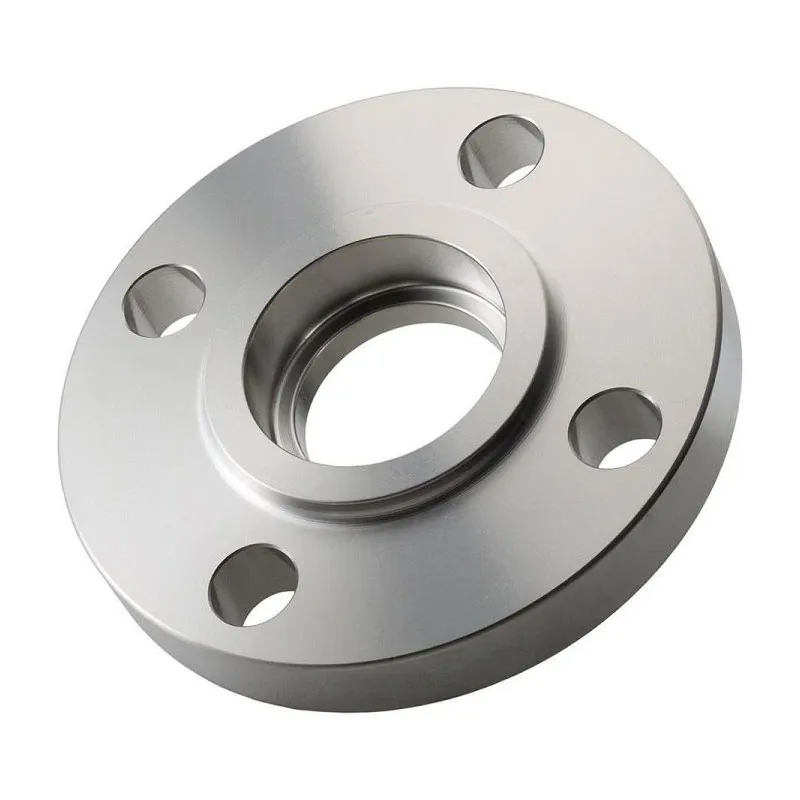
Best Sellingproducts
Best Selling Products-
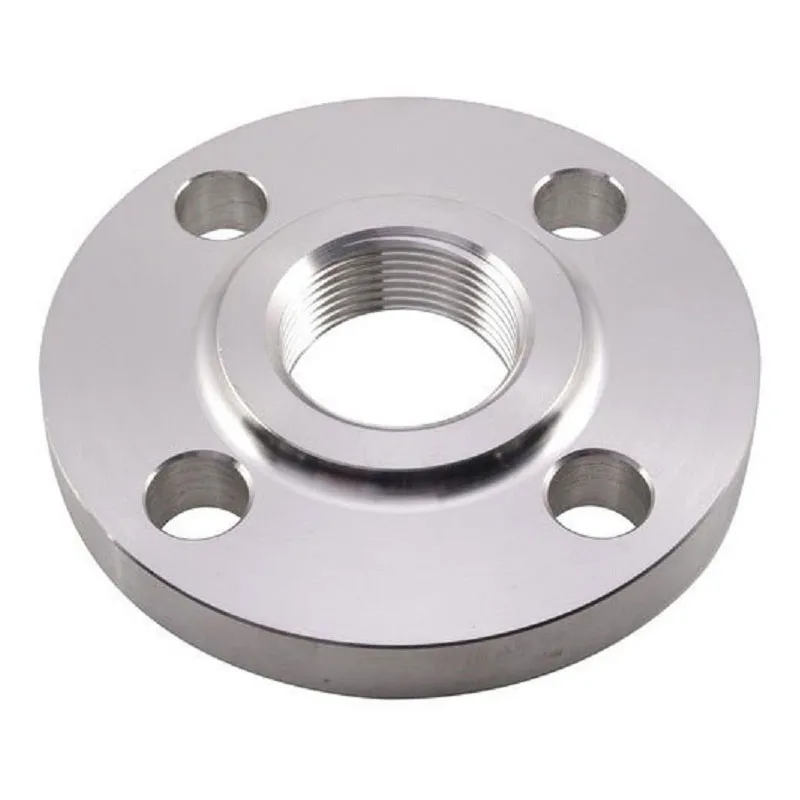 EN 1092-1 Threaded flanges Type 15, PN16
 -
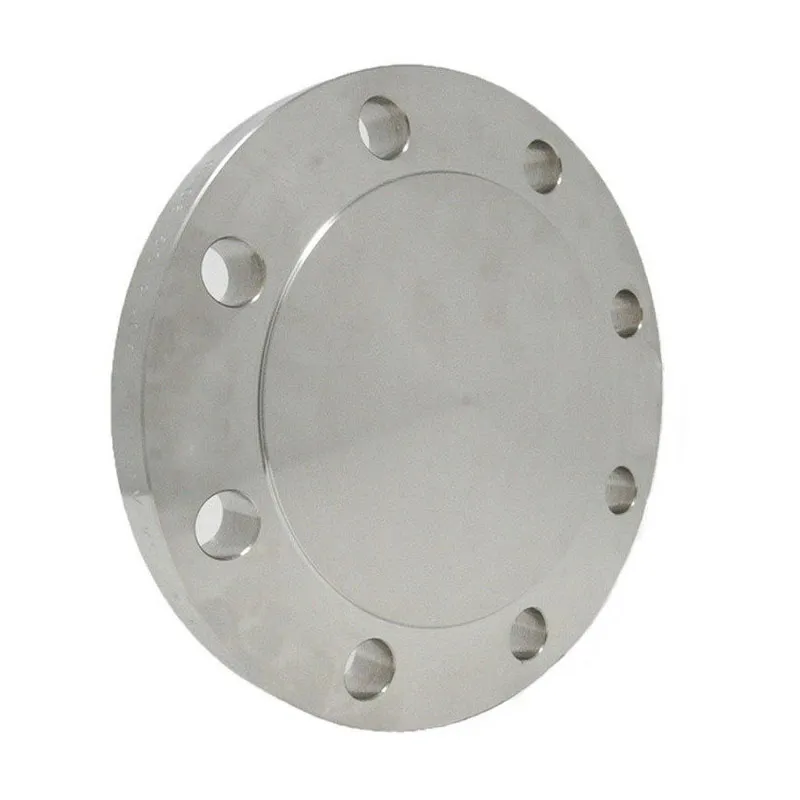 Blind flanges Class 150
 -
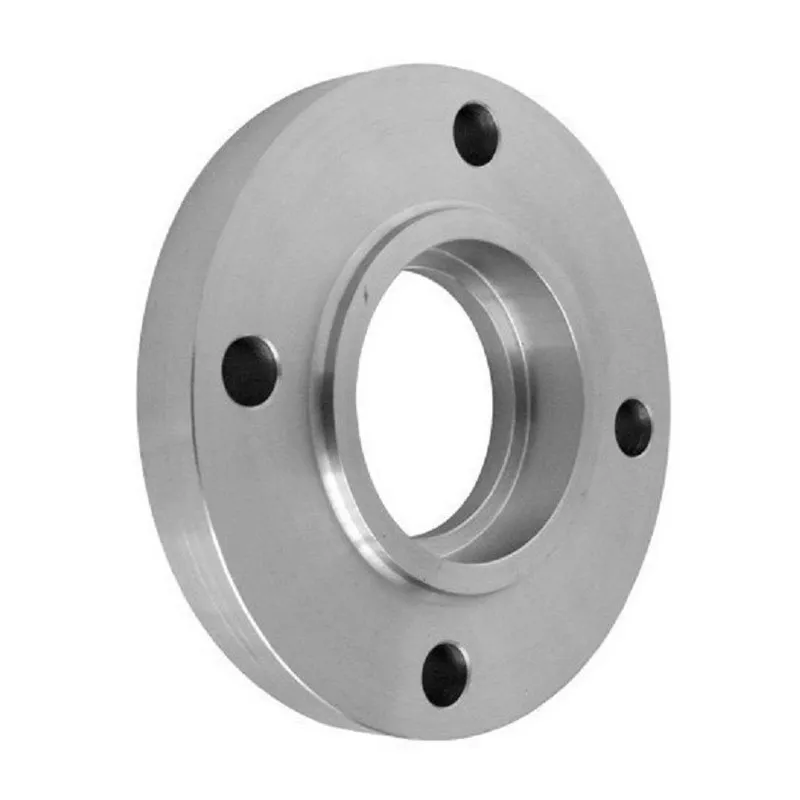 JIS 5K Socket Weld Flanges
 -
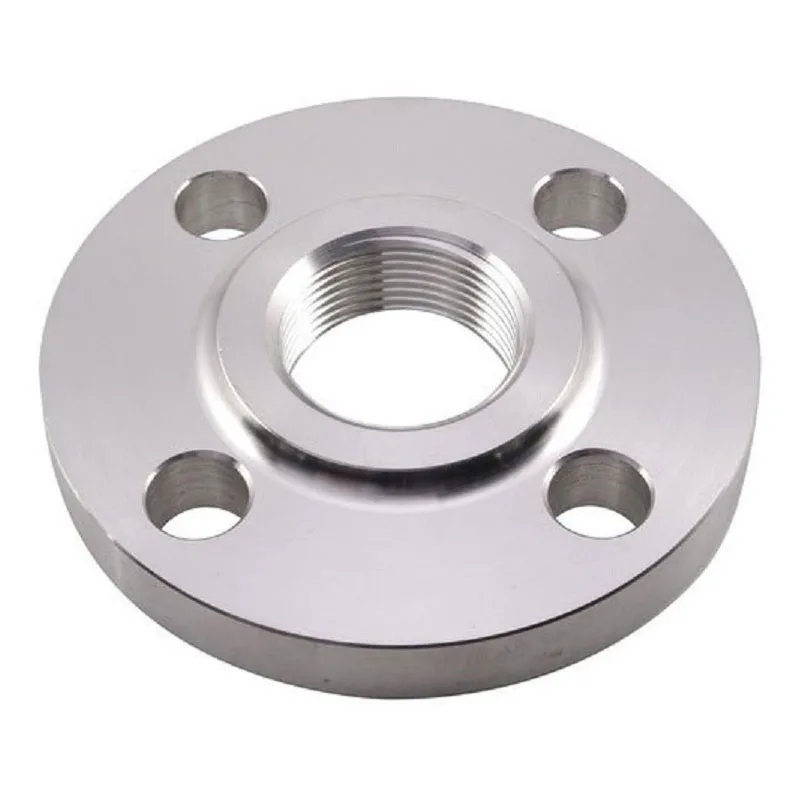 JIS 10K Threaded Flanges
 -
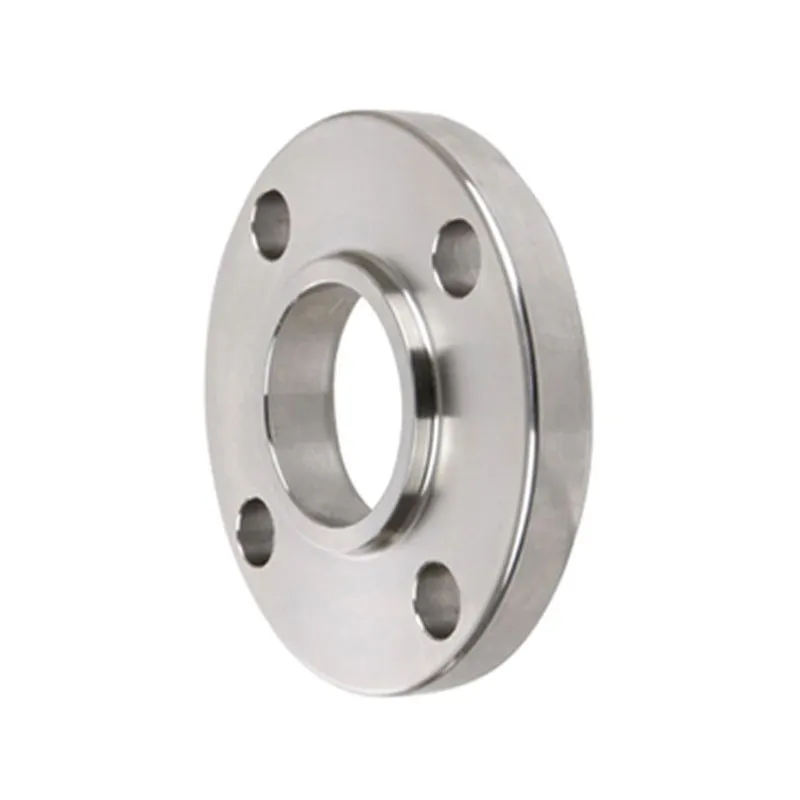 ANSI B16.5 Lap-on flanges Class 300
 -
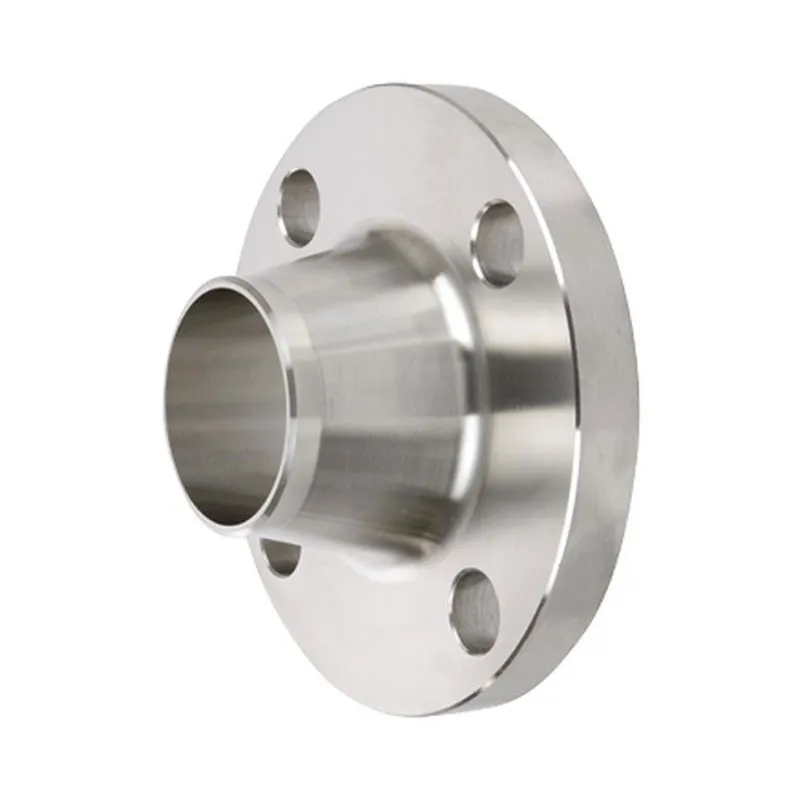 Ser.A Butt Weld Flanges Class 400
 -
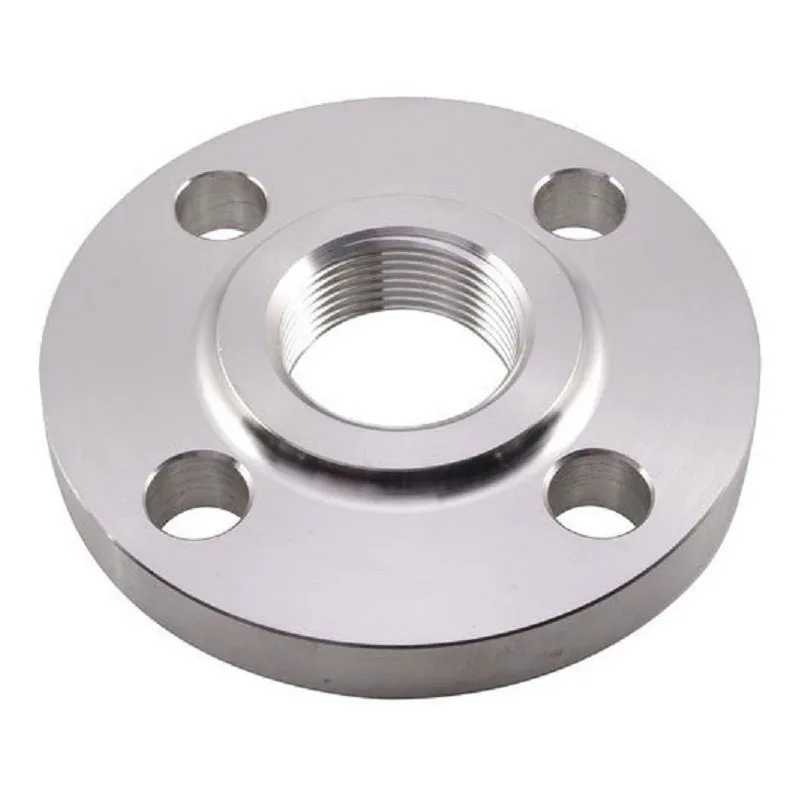 ANSI B16.5 Threaded Flanges Class 600
 -
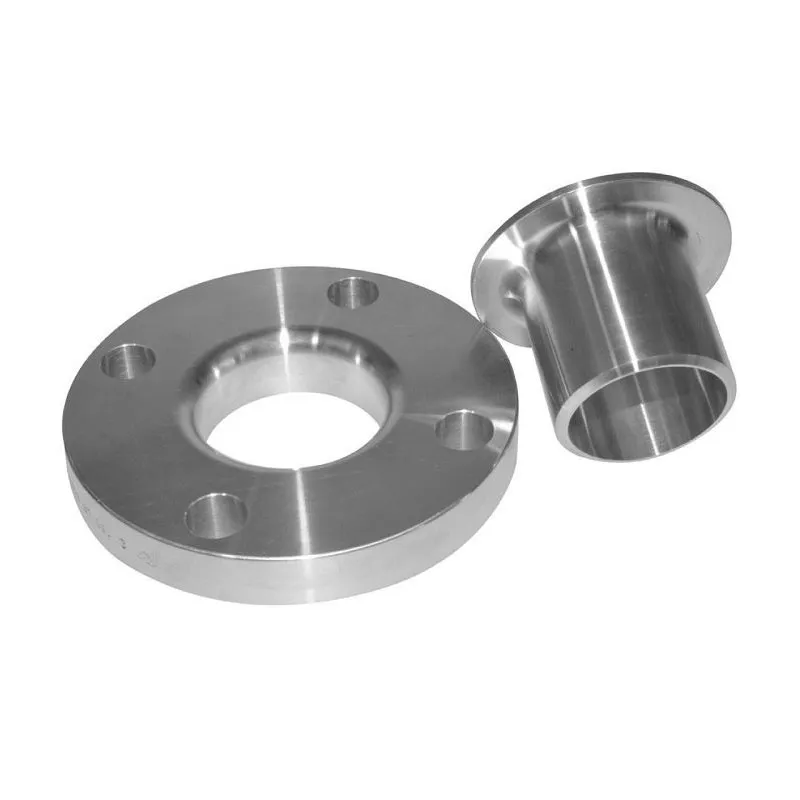 ANSI B16.5 Loose Ring Flanges Class 2500
 -
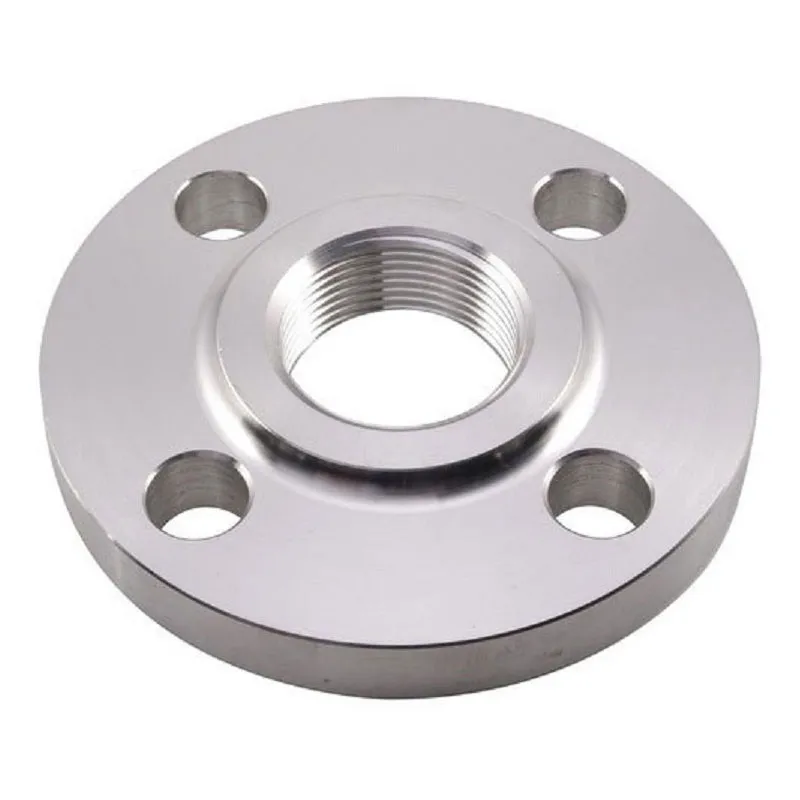 DIN 2565 Threaded flanges PN6
 -
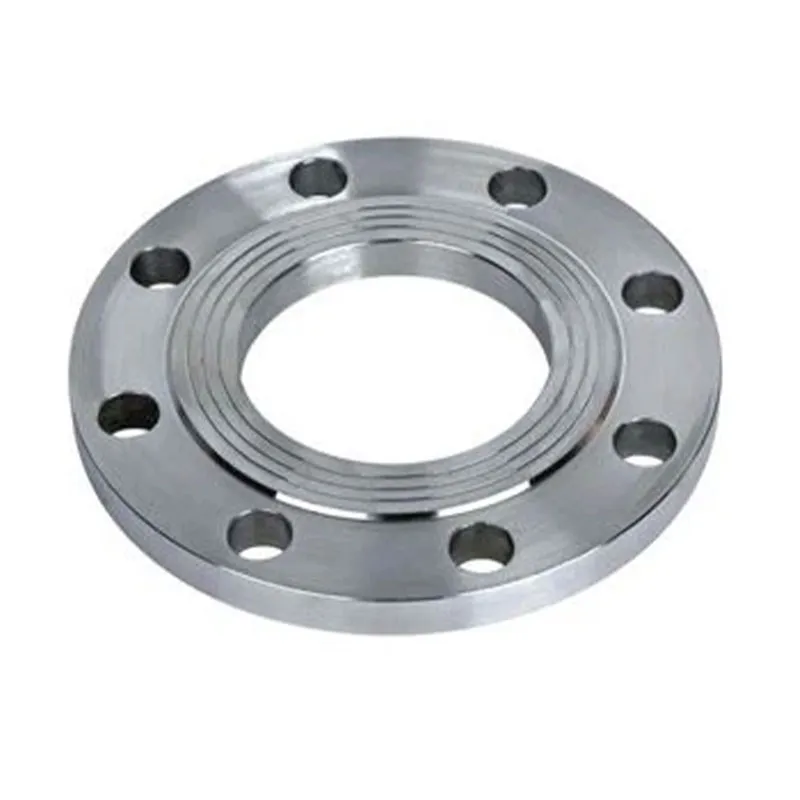 Butt weld flanges Class 150
 -
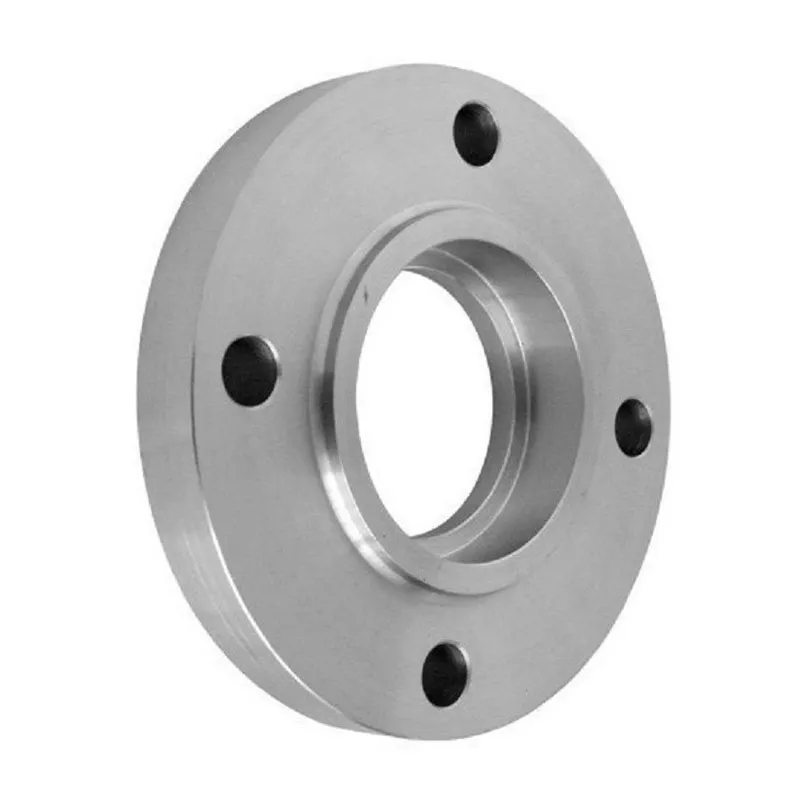 Socket Weld Flanges Class 300
 -
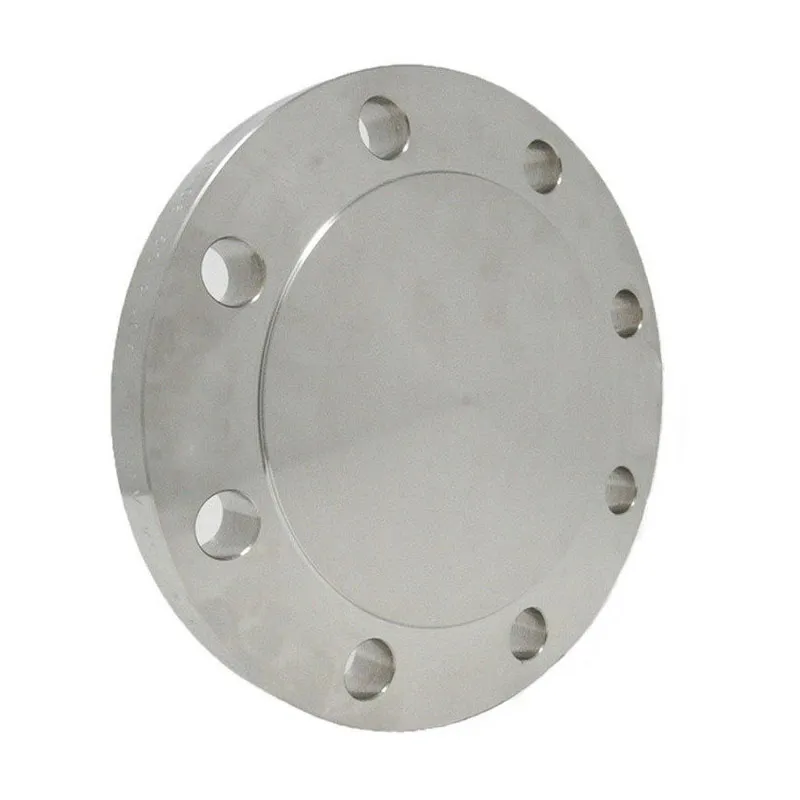 AWWA Blind Flanges Class D (Tables 1, 2, 3)