
-
-
Phone
+86-13623462298



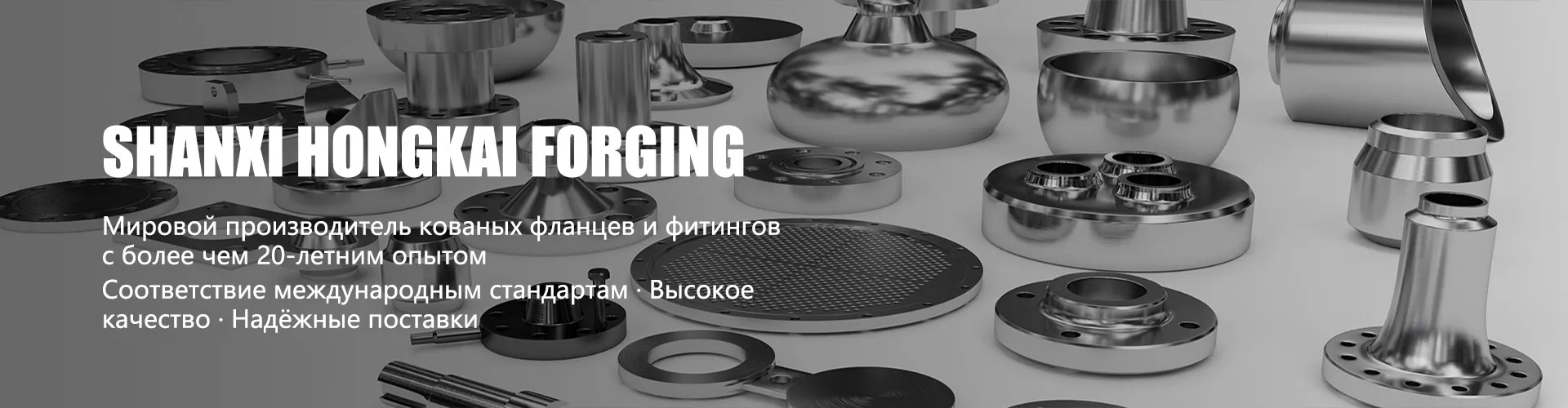
flanges site
When you hear the request “flanges website?”, the first thing that comes to mind is that a person needs not just a website, but a resource where he can quickly understand the product range, standards, and most importantly, understand who he can trust. A huge mistake made by many suppliers, especially those who export to the CIS, is to create a business card website with beautiful pictures, but without substance. A potential customer, be it an engineer from a factory or a supplier, visits such a site and closes it within three minutes. Why? Because there are no answers to real questions: what standards does production support, what is the situation with certificates for materials, what options are there for non-standard sizes. It's not about SEO, it's about trust. And here, by the way, a good example is the websiteShanxi Hongkai Forging Co.,Ltd (https://www.hkflange.ru). I won’t say that it’s perfect, but it feels like there’s a real production behind it, not a reseller.
Standards and assortment - where the pitfalls lie
Many sites are full of lists: GOST, ASME, DIN, EN. But when you start to delve into it, it turns out that the plant can consistently produce only according to ASME B16.5, and according to GOST - only to order and with long readjustment. This is critical. A client from Kazakhstan, for example, often searches specifically for GOST or ST TsKBA. If the website simply lists standards without further clarification, this is a red flag. On the same sitehkflange.ruIt is clear that the company positions itself as a manufacturer of forged flanges and forgings, working with international and national standards. An important nuance - they indicate the size range DN15–DN4000. These are not just numbers. DN4000 is already a serious thing, requiring not just a lathe, but a powerful forging base. Only a few people make such parts.
From personal experience: there was a project where flanges for a welding ring were needed according to EN 1092-1, type 04, for pressure PN40. We found several sites where this was indicated. But when we asked for a calculation for a specific size DN600, it turned out that most were ready to offer only a standard version from the warehouse program, but not for our drawing. As a result, we worked with a manufacturer who initially had a section on the website with examples of calculations for non-standard products. This is the same “information density” that saves time.
Therefore, when you evaluateflange site, you need to look not at beauty, but at the availability of technical data: tables of sizes and weights, drawings indicating the types of surfaces (for example, protrusion-recess according to ASME B16.5), information about the forging material (A105, F304, F316, etc.). Without this, the site is just an advertising brochure.
Production vs. resale: how to distinguish by website
This is perhaps the most important skill for anyone purchasing flanges on a regular basis. Resellers often have even more beautiful and “pumped up” ones. sites. They have excellent SEO and can rank higher in searches for the same query “flanges website?”. But their content is template. How to distinguish? First, look at the “About the Company” section. If there is not a word about your own forging and pressing equipment, about heat treatment, about ultrasonic testing or X-ray control, this is a reason to think about it. Manufacturer such asShanxi Hongkai Forging Co.,Ltd, it is not for nothing that it indicates that it is located in one of the main centers of the forging industry in China. This is not just geography - it is access to raw materials, energy and personnel.
Secondly, photos and videos. The reseller will show warehouses with finished products. Manufacturer - workshops: furnaces for heating workpieces, hydraulic presses, machines for mechanical processing. On the websitehkflange.ru, if you dig around, you can find such materials. This immediately adds points.
I had an unpleasant experience: I ordered a batch of flat flanges according to DIN 2576. They arrived with the wrong geometry of the holes for the studs. They began to look into it - it turned out that the intermediary mixed up the drawings, and the manufacturer, who was eventually found, made it strictly according to the specifications that were provided to him. The entire chain of communication fell apart due to the fact that we initially worked indirectly. Since then, the first thing I have done is look for signs of a real plant.
Non-standard products - test for the professional suitability of the site
Anyone can sell DN100 PN16 flange. But when you need an adapter flange from DN800 to DN600, with a non-standard hole pattern and special requirements for the impact strength of the material at low temperatures, this is where the real fun begins. A site that offers “non-standard products according to customer drawings?” - This is good. But how does he propose this? Is there a form to upload a drawing? Are the contacts listed specifically for the engineering department and not the general sales manager?
Here I remember againShanxi Hongkai Forging Co.,Ltd. Their nomenclature states not only standard types (butt-welded, flat, loose, etc.), but also this option - manufacturing according to drawings. For a serious customer this is a key point. In practice, this means that the plant has a design department that can check the drawing for manufacturability, suggest an alternative material to reduce cost, and calculate the deadline.
One day we were developing a unit for a test bench. What was needed was a massive blind flange with internal channels for supplying coolant. We sent requests to five sites where work based on the drawings was announced. Two answered. One of them immediately started talking about 100% prepayment and a period of 6 months. The second one, a technologist from that same plant, sent a list of clarifying questions regarding tolerances and suggested using a forging from F321 instead of F304 for better stability during cyclic heating. Naturally, we worked with him. His first question was: “Please send me a 3D model or at least a sectional sketch?” It's professional.
Logistics, deadlines, documents - what beautiful websites are silent about
Often the site is full of information about the product, but is completely silent about practical things. Let's say I found the right flange. What's next? How is the price formed: EXW, FOB, CIF? What is the minimum order quantity? What are the production times for standard items and what for non-standard ones? Is there any packaging to prevent corrosion during sea transport?
A very important point is certificates. The website should either provide the ability to download standard certificates (e.g. 3.1 to EN 10204) or clearly indicate that they are provided with each shipment. For responsible objects this is not a matter of discussion, but a mandatory condition. The absence of such information suggests that either the certificates are “fake” or that obtaining them will be a long and painful process.
Working with Chinese manufacturers like the sameShanxi Hongkai Forging, I was faced with the fact that deadlines could fluctuate due to the workload of the foundry or forge shop. A good website or a responsible manager will warn about this in advance, and not when the delivery date has already been missed. Transparency in these matters comes at a cost.
Bottom line: what should the ideal ?flanged? website for a professional
There is no ideal, but there are guidelines. This is not about design. This means that when I go to the site, I, as a specialist, understand in 5-10 minutes whether I can get what I need here and how difficult this process will be. The main features of a good website: technical depth (standards, materials, dimensions), signs of real production (photos of processes, description of equipment), clear paths for requesting non-standard products and transparency in matters of logistics and document flow.
Websitehkflange.ru, which I've mentioned several times, fits these criteria in many ways. It is not perfect - there is a lack of detail in some places, and in others the translation could be better. But it is clear that it was made in order to work with technically savvy clients, and not just collect applications. In the endflanges siteis a tool. And like any tool, it must be functional. A beautiful handle is nice, but the main thing is that the blade is made of good steel and holds an edge. That's the whole secret.
So the next time you're looking for a supplier, don't stop at the first page of search results. Do some digging, ask awkward questions through the contact form. The reaction of the site (or rather, the people behind it) will tell you more than all the beautiful pictures combined.
Correspondingproducts
Related Products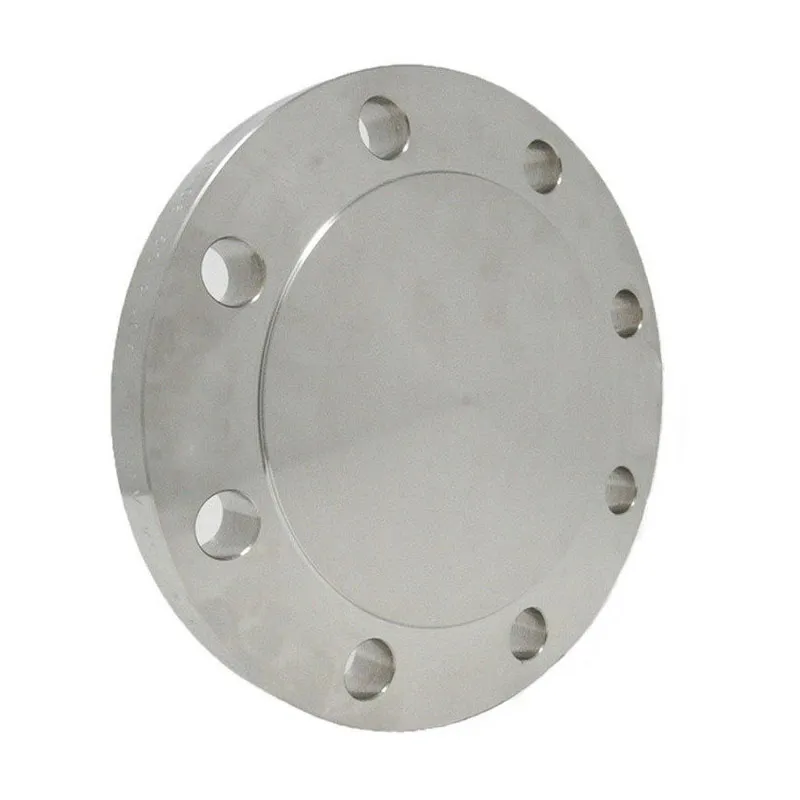
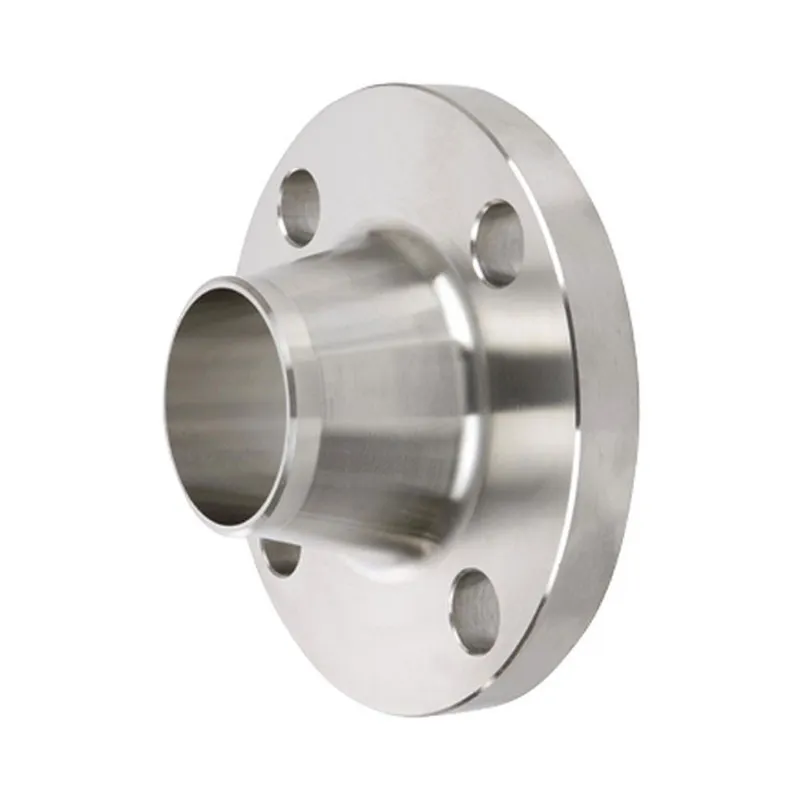
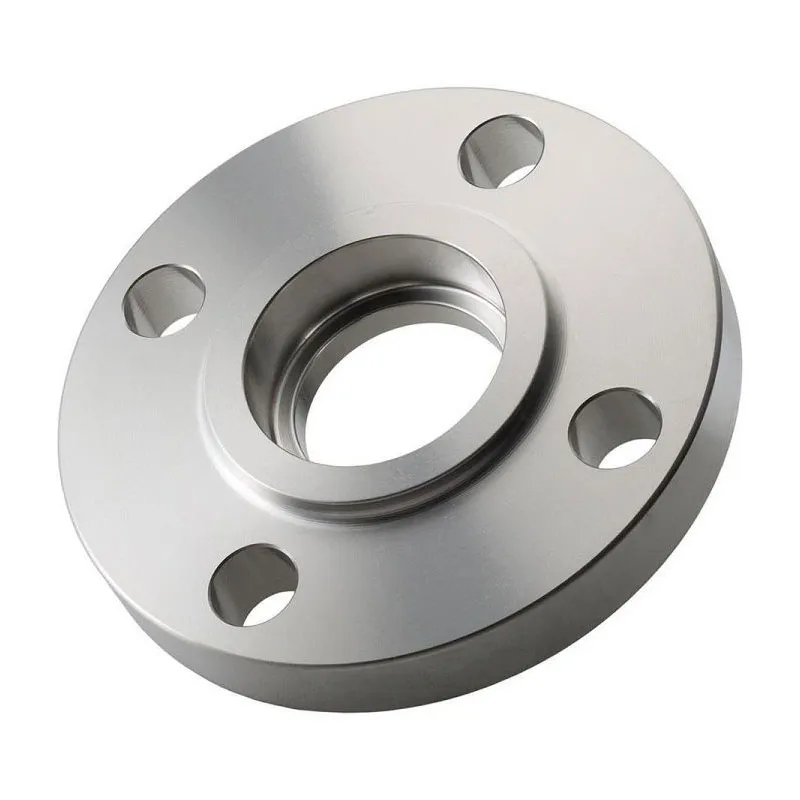
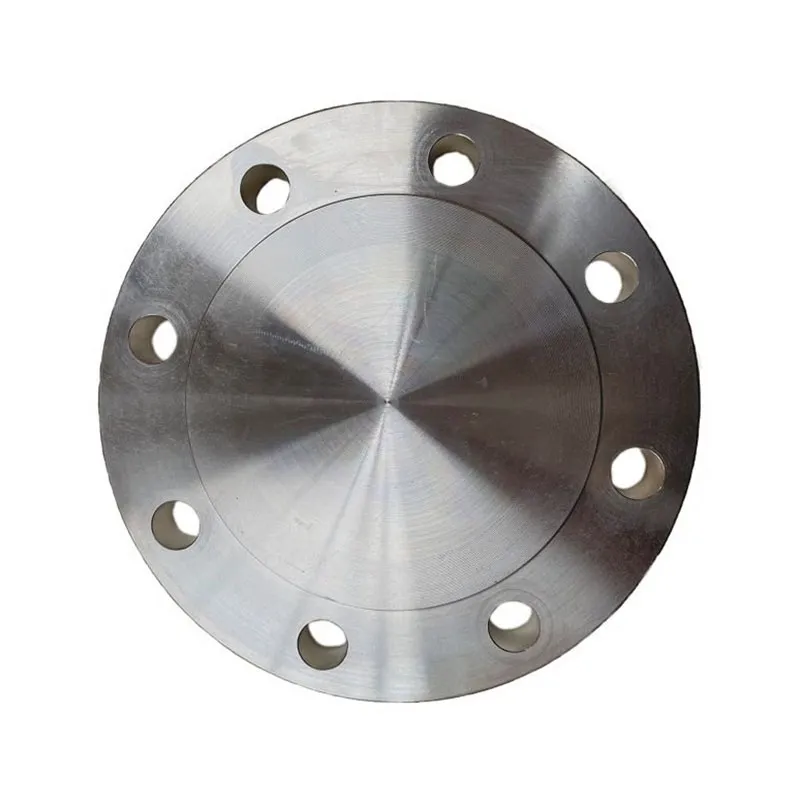
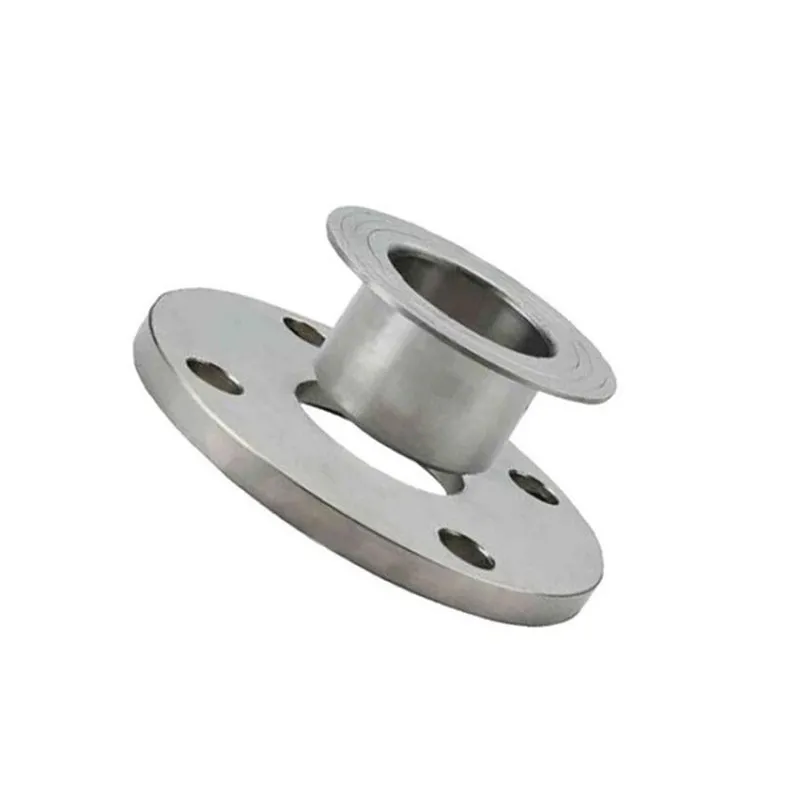
Best Sellingproducts
Best Selling Products-
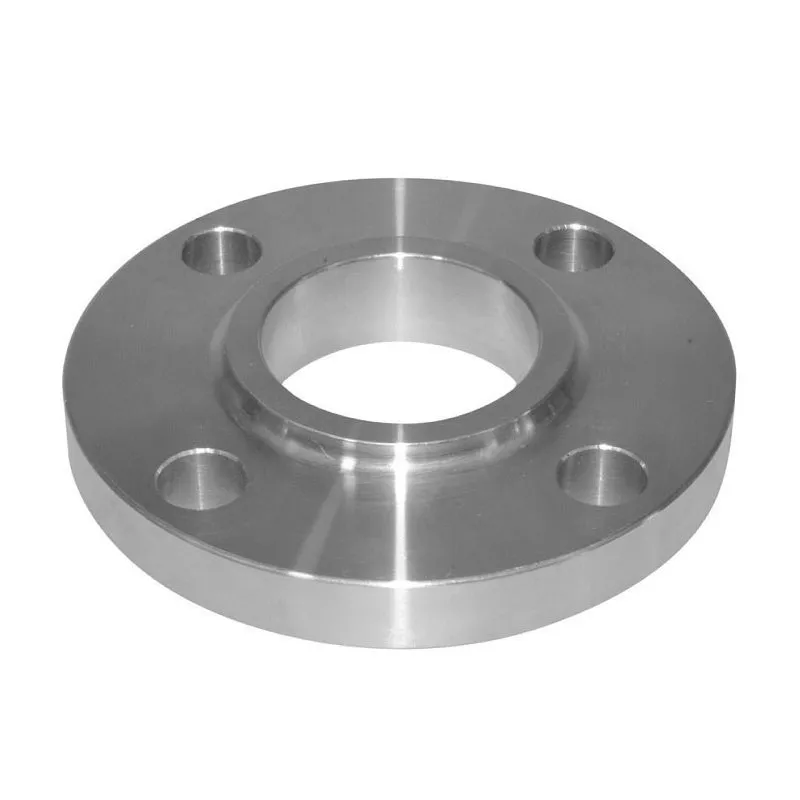 ANSI B16.5 Lap-on flanges Class 1500
 -
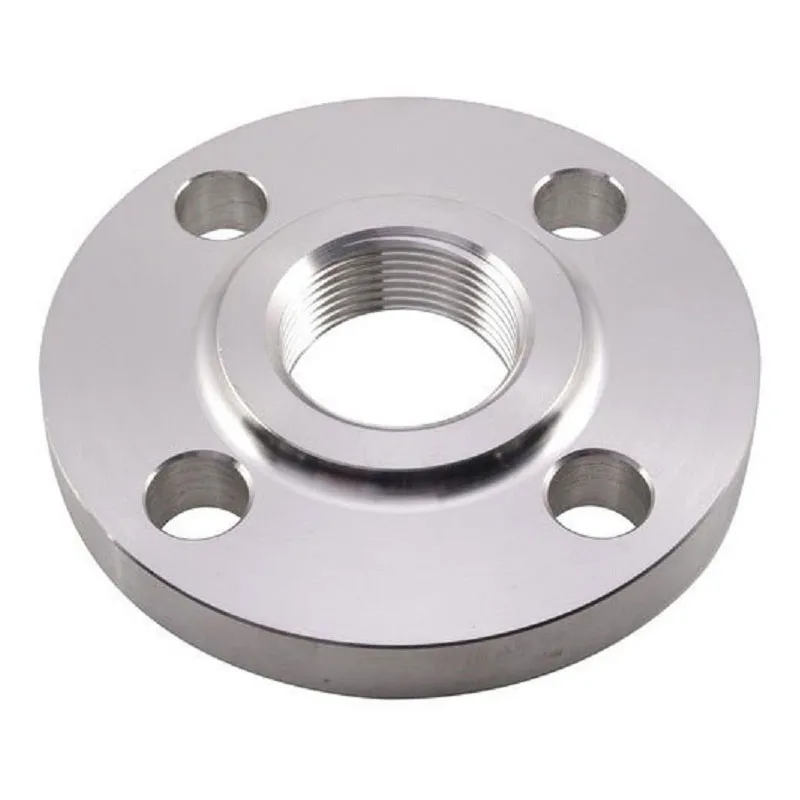 EN 1092-1 Threaded flanges Type 15, PN16
 -
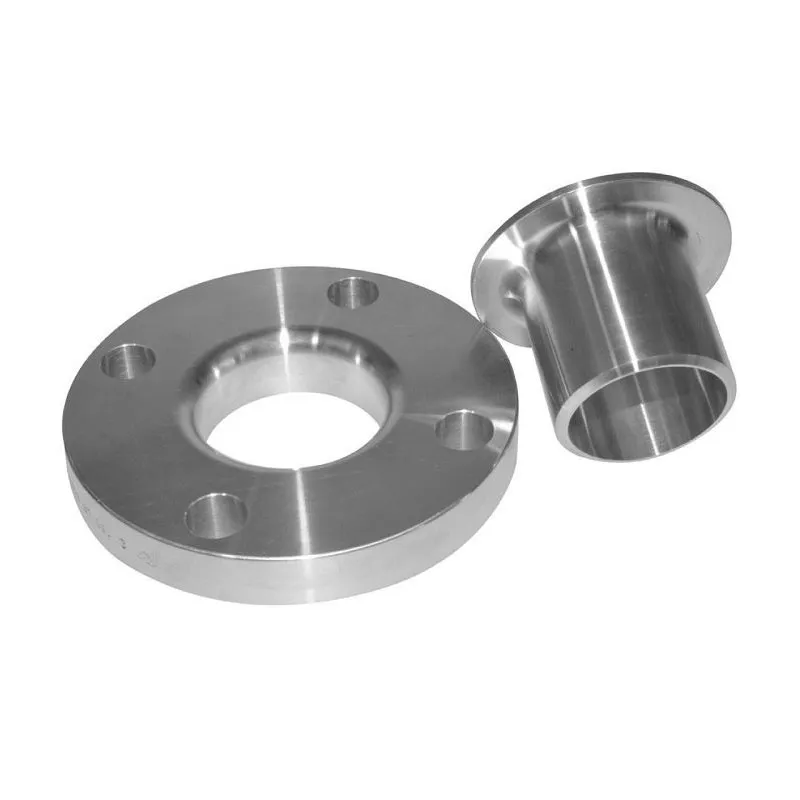 ANSI B16.5 Loose Ring Flanges Class 2500
 -
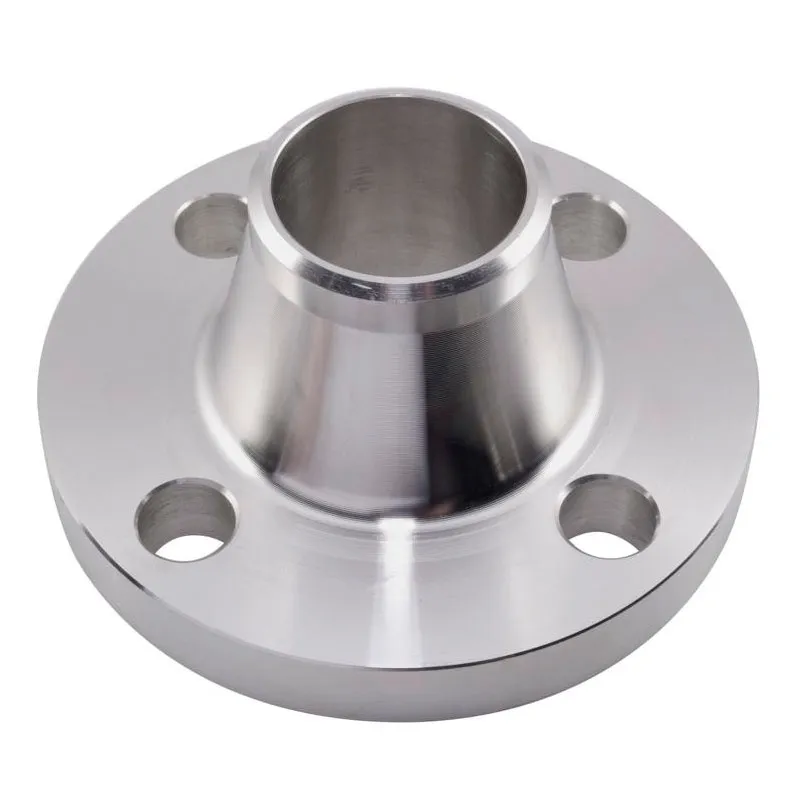 Butt weld flanges Class 900
 -
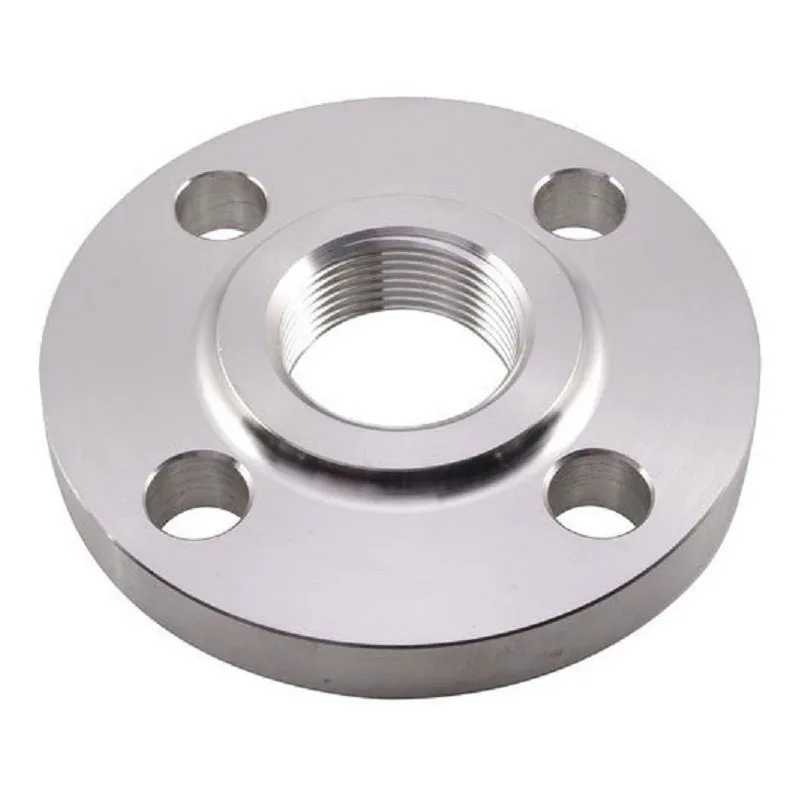 ANSI B16.5 Threaded Flanges Class 600
 -
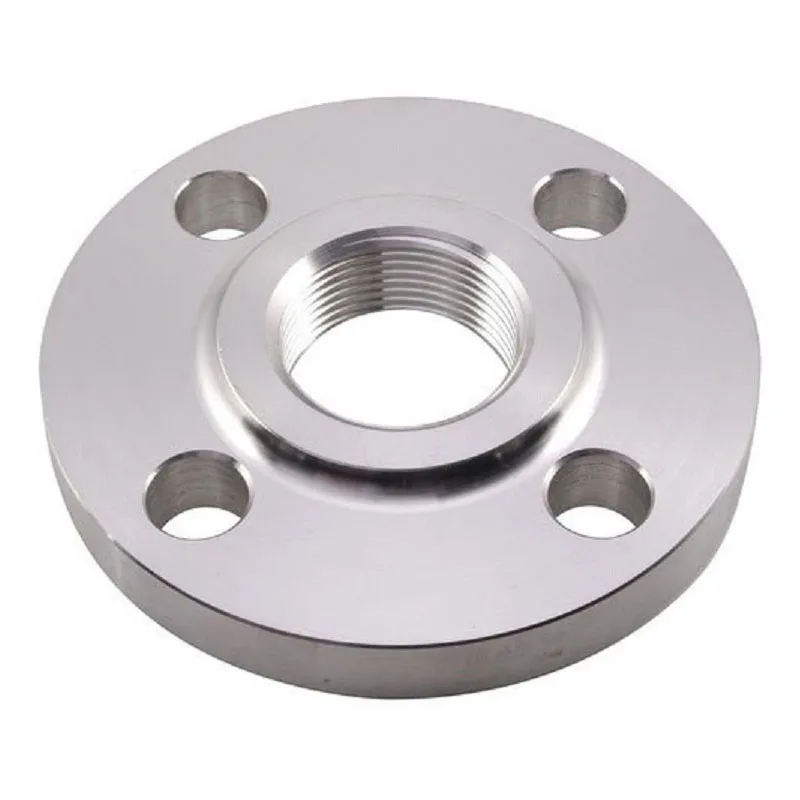 DIN 2566 Threaded flanges PN16
 -
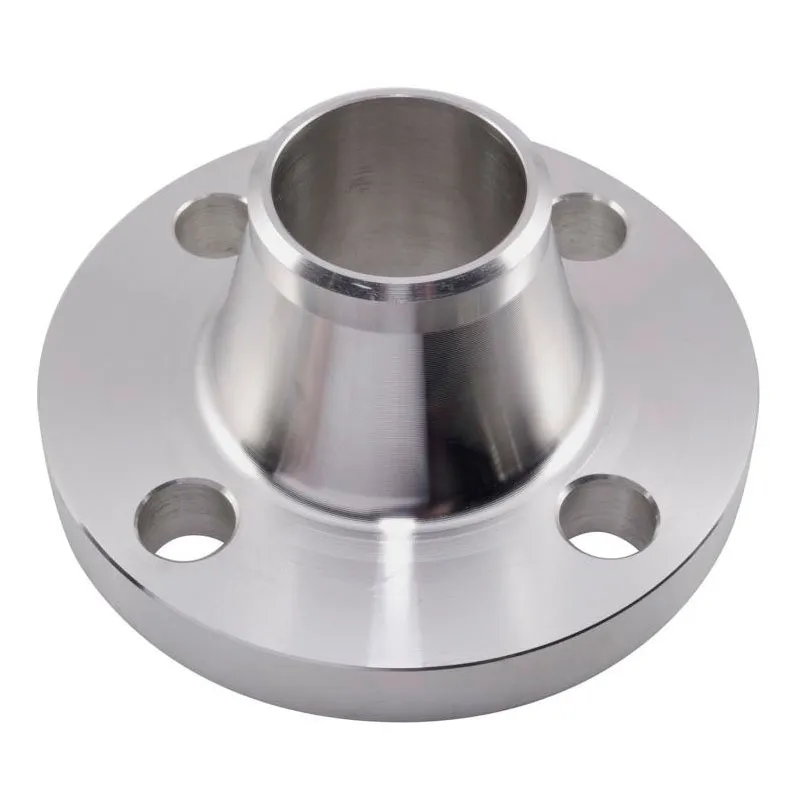 DIN Butt weld flanges PN10
 -
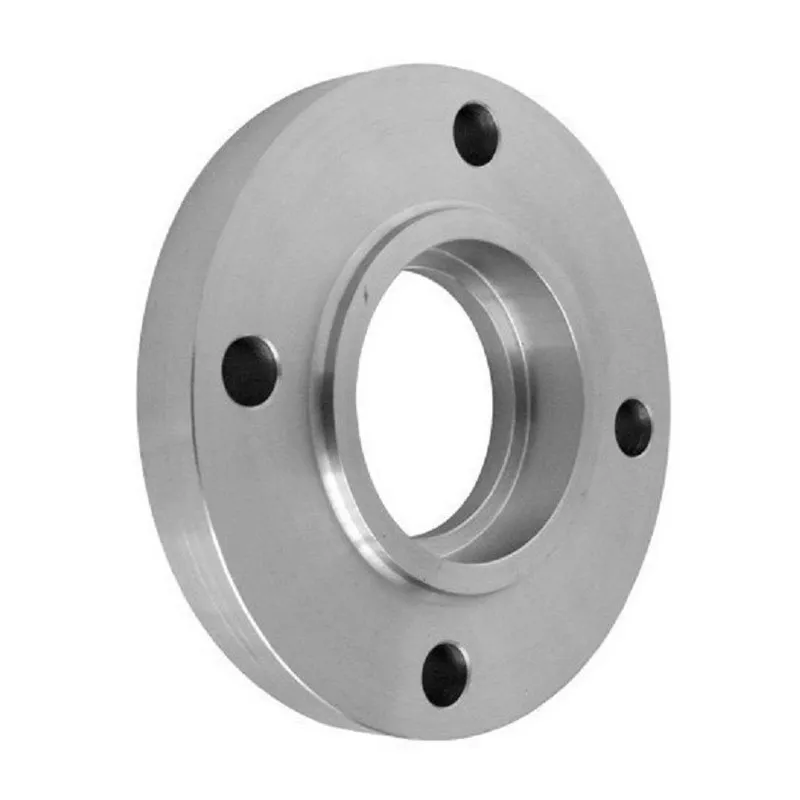 JIS 5K Socket Weld Flanges
 -
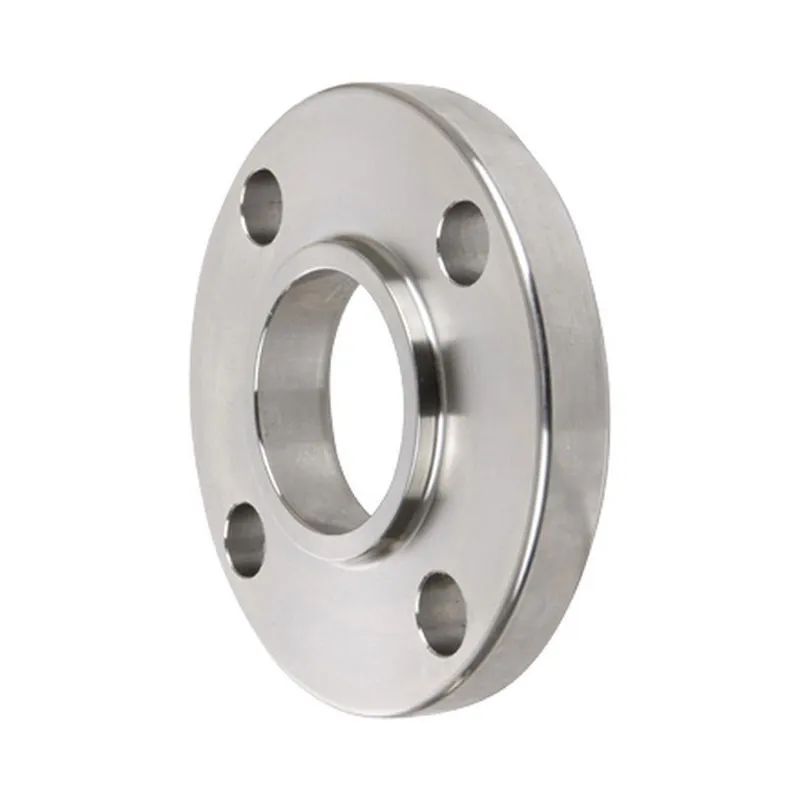 DIN 2501 Overlay flanges PN16
 -
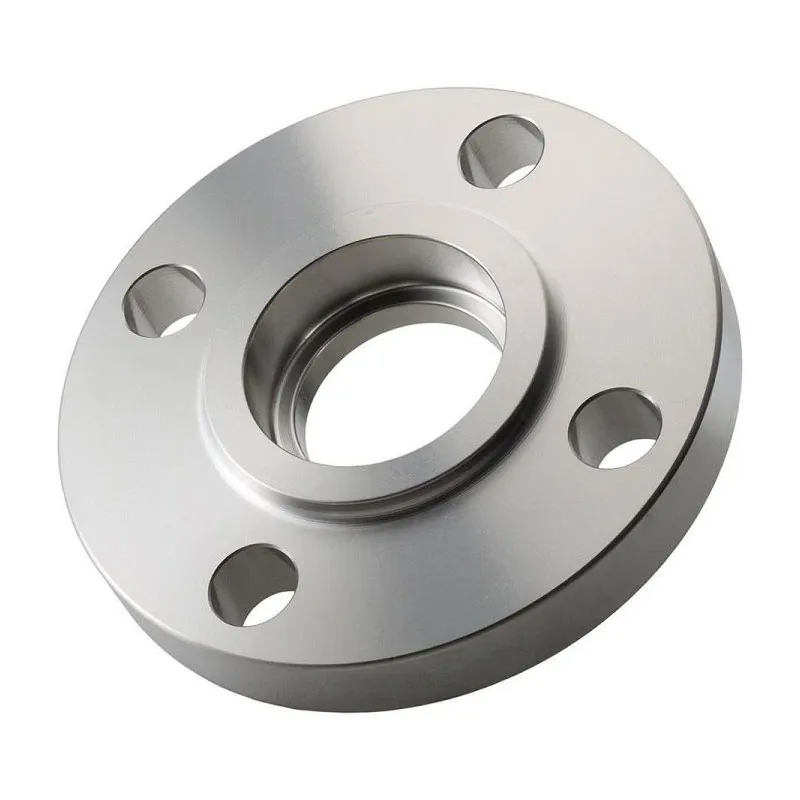 ANSI B16.5 Socket Weld Flanges Class 150
 -
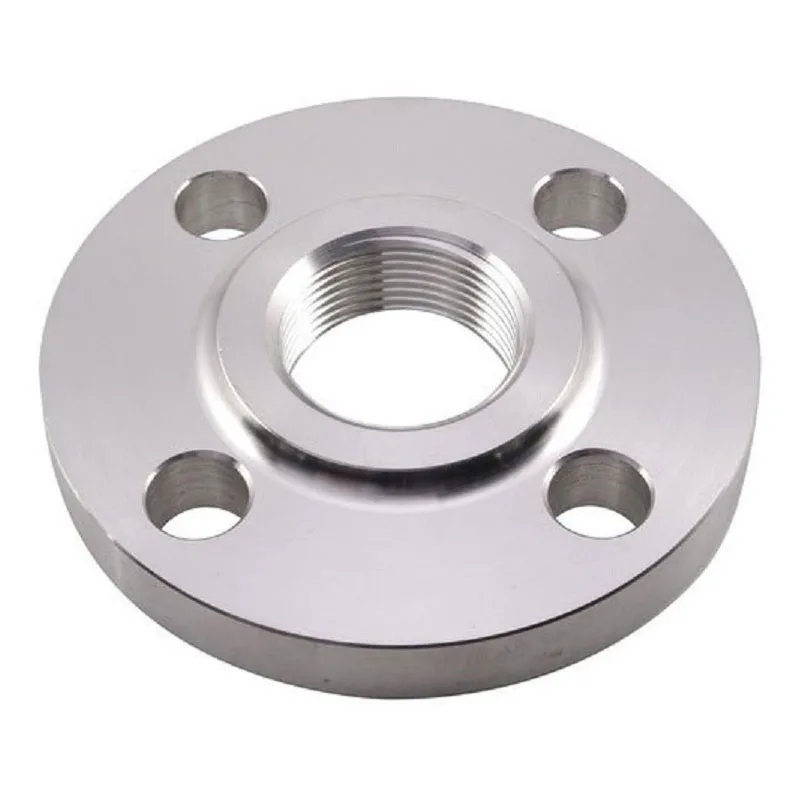 JIS 10K Threaded Flanges
 -
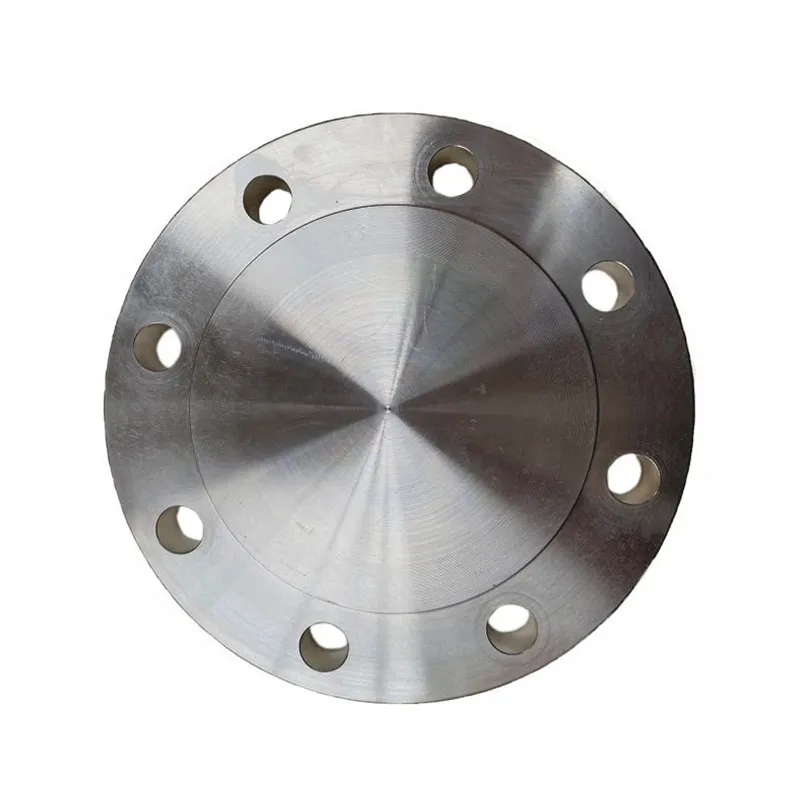 DIN 2527 Blind flanges PN10