
-
-
Phone
+86-13623462298



flange 200 sizes
When you are looking for “flange 200 sizes?”, you often think that everything is simple: you found a table according to GOST or ASME B16.5, and the job is done. But in practice, it is with this nominal diameter that a lot of nuances arise that are not always visible in dry specifications. Many, especially those who are just starting to work with pipeline fittings, miss the key points related specifically to the execution and material, and not just to the numbers. I went through this myself when ten years ago I ordered the first batch for a facility near Ufa.
Basic standards and pitfalls
Let's take, for example, the most popular request - a DN 200 flange. It would seem that there is only one number, but there are a lot of options. If this is GOST (old GOST 12820-80), then the outer diameter of the bolt circle (D) will be 360 mm at RU 10, but for ASME B16.5 Class 150 it is already 381 mm. A difference of 21 mm - and this is already a problem in the assembly if you mix the standards. I saw how acceptance at a warehouse was failed due to the fact that the engineer simply wrote “DN200” in the application without specifying the standard. They brought ASME, but they needed GOST. Trifle? No, simple and reorder.
There is also the thickness of the welded end, the height of the hub. For a pressure of 16 atmospheres according to GOST, the thickness will be one, for 25 - another. And this is where people often make mistakes, thinking that “flange sizes are 200?” - this is only about the connecting dimensions. No, this is about both pressure and temperature of the environment. I remember a project with superheated steam, where the calculation required exactly a 200 GOST flange, but with an increased wall thickness due to temperature. According to the standard table it would not work.
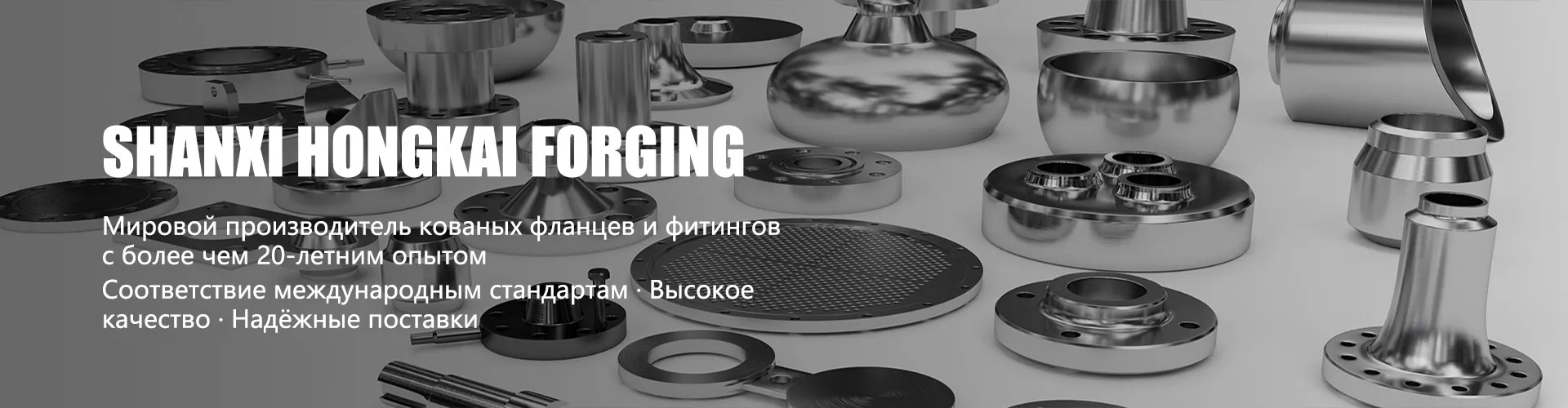
That is why in our work we always first clarify the complete conditions: medium, pressure, temperature, system standard. Without this, even the highest quality flange is just a piece of iron. By the way, the manufacturers seem to haveShanxi Hongkai Forging Co.,Ltd (https://www.hkflange.ru) catalogs usually have these detailed tables broken down by pressure, which is a huge time saver. They just make forgings according to GOST, ASME, DIN, so their data is usually verified by practice.
Material: what determines the choice
Size is half the battle. The second is the material. For DN200, steel 20, 09G2S, 12Х18Н10Т or A105, A182 F316 is often used. And this is where the story gets interesting. For water or steam at low temperatures, steel 20 will do. But if the environment is aggressive, even with the same “flange dimensions 200” you need to look at the steel grade. I had a case at a chemical plant: they installed 09G2S flanges on a line with a weak acid solution. Everything seemed to be ok in terms of pressure, but after six months corrosion began in the bolt holes. I had to change it to stainless steel 12Х18Н10Т. An error in the specification of materials is more expensive than it seems.
Or another aspect - forging versus casting. For critical pipelines, especially with dynamic loads, forged flanges are preferable. Their metal structure is denser and there is less likelihood of internal defects. Cast ones are, of course, cheaper, but for DN200 and above working under pressure, I wouldn’t risk it. Manufacturer who specializes in forging, likeShanxi Hongkai Forging Co.,Ltd(this is one of the prominent centers of the forging industry in China), usually focuses on this - the uniformity and strength of the forging. In their description it is indicated - “forged flanges and forgings?”, which is important for professional selection.
The operating temperature also dictates the material. Cryogenics requires steels with good impact strength at low temperatures. Standard carbon steel may not be suitable. Again, you need to go into the material specifications of the standards. Sometimes it’s easier to contact the manufacturer’s technical department - they often help with the choice if you give them the conditions.
Installation and real problems on site
Theory is theory, but the most interesting thing begins during installation. They brought DN200 flanges to the site, everything seemed to be according to the drawing. We start assembling - but the holes for the bolts do not match by half the holes. Sound familiar? This happens if the flange is according to DIN, and the mating part is according to GOST. Or if a loose flange with a weld ring was used and the ring is upside down. A trifle, but it takes an hour for the team to fix it.
Another point is the quality of the seal surface. For flange 200, especially under high pressure, the condition of the “mirror” surface is important. Roughness, scratches - all this can lead to leaks. Upon acceptance, you need to not only measure the dimensions with a caliper, but also visually check the sealing surfaces. Once we accepted a batch where several pieces had small shells on the surface. Not critical, but they had to be placed on less critical lines.
And let's not forget about the bolts. For DN200 PN16 you need M20 bolts, but what strength class? 8.8 or 10.9? And how many are there? 8 pieces. What if the pressure is higher? Or temperature above 400°C? Then you need studs with heat treatment. Tighten with a torque wrench to a certain torque, using a “crosswise” pattern. I saw how the fitters tightened it with an ordinary wrench “all the way?” — then during the pressure testing it started to go bad, I had to re-evaluate it.
Non-standard situations and production according to drawings
It often happens that the standard 200 flange is not suitable. For example, a non-standard arrangement of holes for fasteners is required due to the design of the device, or increased thickness due to special loads. This is where the ability to order from drawings comes in handy. I worked on a project that required a transition from DN200 to DN150 with axle offset. There are no standard such flanges. I had to make a drawing and send it for production.
In such cases, it is important to clearly indicate not only all dimensions, but also the material, type of processing, and tolerances. Especially tolerances for hole alignment and parallelism of sealing surfaces. Once we did not specify the tolerance for axial runout - we had to modify it on site. Expensive and long. Now I always demand from designers a full package of technical requirements.
Manufacturers who work with non-standard products, like the mentioned company, whose product range includesnon-standard products according to customer drawings, usually have more flexibility. The main thing is to provide them with the correct technical specifications. And yes, production times will be longer than for standard items. This needs to be included in the project.
Supplier selection and quality control
So, we have decided on the dimensions, material and standards. Where can I get it? The market is saturated, but the quality varies. For me, the key criteria are: availability of certificates for materials (especially if the environment is hazardous), the ability to provide ultrasonic testing reports or other non-destructive testing results for forged flanges, and of course, reputation.
I always look at how the supplier reacts to technical issues. If in response to a request for parts according to “flange 200 dimensions for a pressure of 25 atm according to GOST?” They immediately send you a detailed clipping from the standard or a calculation, this is a good sign. If they remain silent or answer in a stereotyped manner, be careful.
Companies that position themselves as manufacturers, and not just traders, are often more reliable. As a rule, they have their own forging and pressing equipment and control at all stages. For example, on the websitehkflange.ruIt is indicated that they produce flanges according to international and national standards, with a range of sizes up to DN4000. This speaks volumes about power. For DN200 this, of course, is not the limit, but if it makes large diameters, then there are usually no problems with small and medium ones. It is important that they do forging - this is preferable for critical applications.
Personal experience: I ordered a trial batch of DN200 flanges from steel 09G2S according to GOST for a water pipeline. They arrived with a full package of certificates, well packaged, dimensions within tolerances, surface clean. No complaints. But this was the standard option. For complex projects, I think you should request additional testing if the project requires it.
Result: not one size
So, returning to the request “flange 200 sizes?”. The main conclusion is just a starting point. Behind these words there is a whole layer of technical solutions: standard, pressure, material, type of manufacture, quality of workmanship. A mistake in any of these points can be costly.
The best practice is to never limit yourself to just a size chart. Request from the supplier complete technical data appropriate to your operating conditions. Check certificates. And, if possible, work with trusted manufacturers who can not only sell, but also provide technical advice. Like those who focus on forging and compliance with standards from GOST and ASME to EN and DIN. Because there are no small things in pipelines, especially when we are talking about a diameter of 200 millimeters.
And in the documentation, always write in full: “Flange DN 200 PN16 GOST 33259-59, steel 09G2S, version 1?”. Then there will be fewer problems and you will sleep more peacefully.
Correspondingproducts
Related Products
Best Sellingproducts
Best Selling Products-
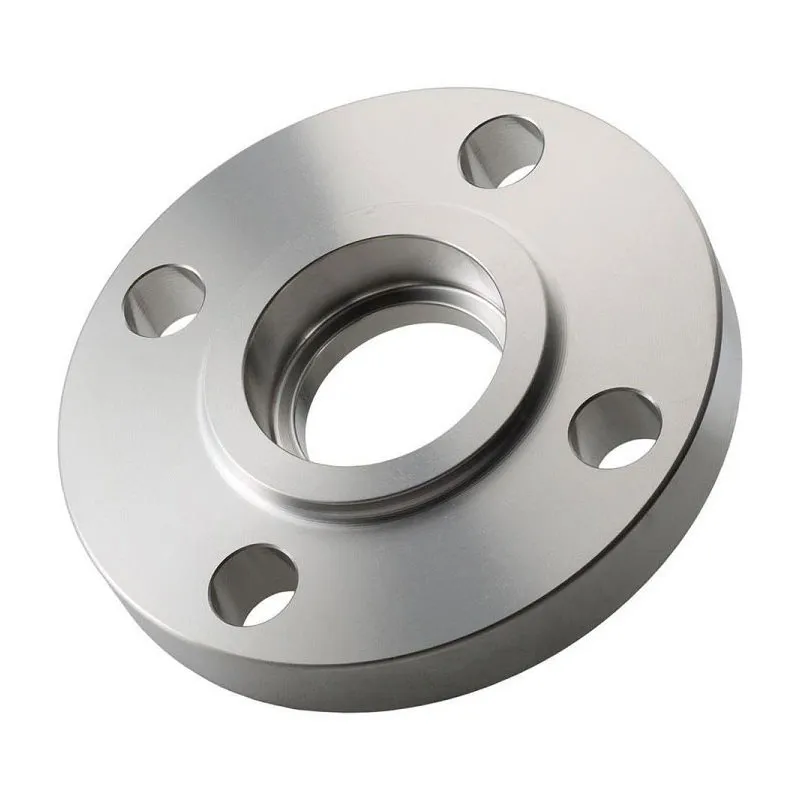 Flanges for socket welding
 -
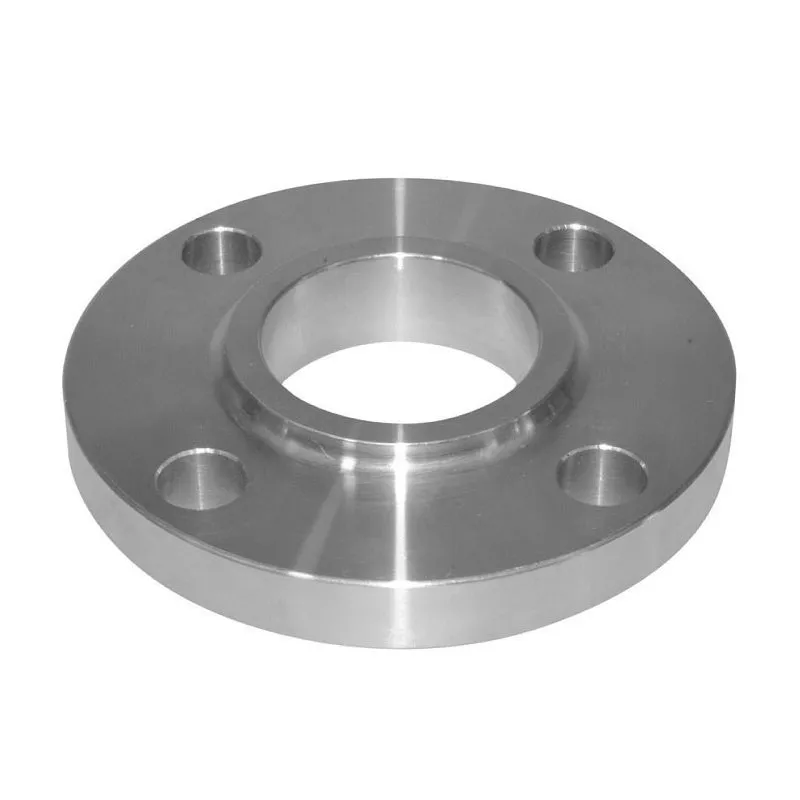 ANSI B16.5 Lap-on flanges Class 1500
 -
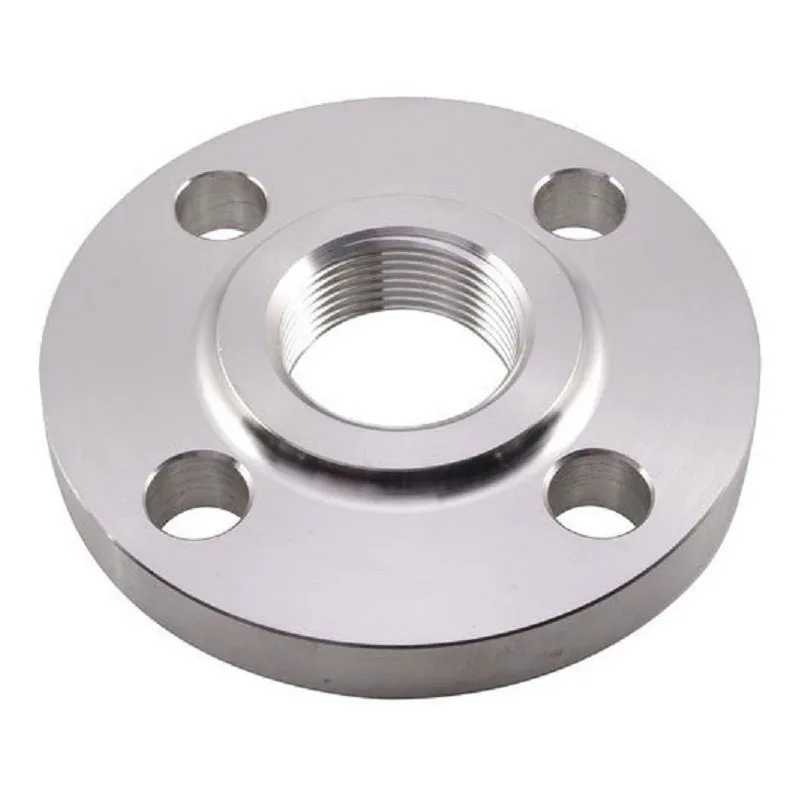 ANSI B16.5 Threaded Flanges Class 600
 -
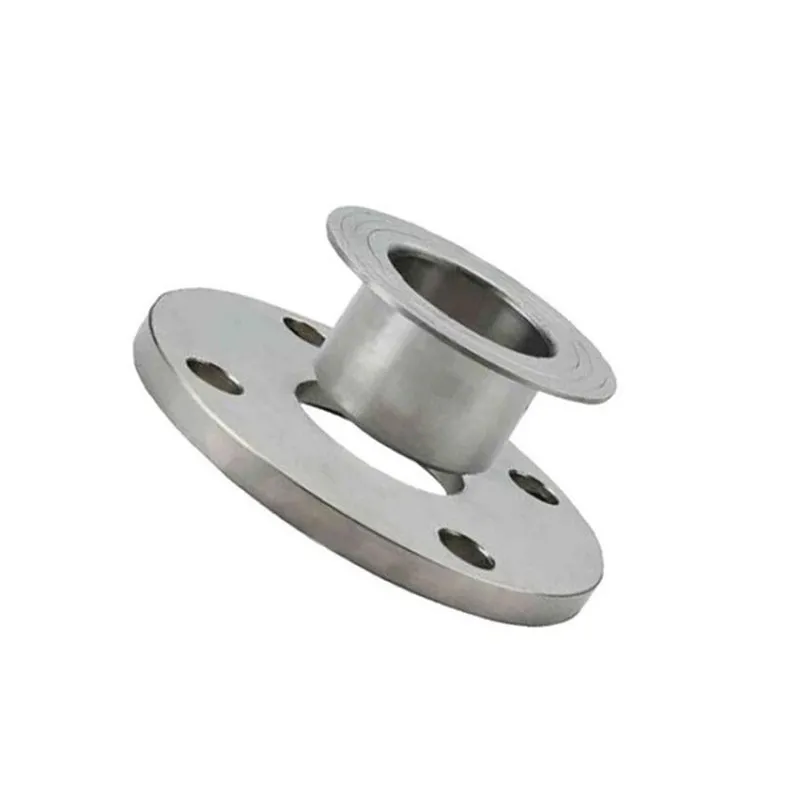 JIS 10K Loose Ring Flanges
 -
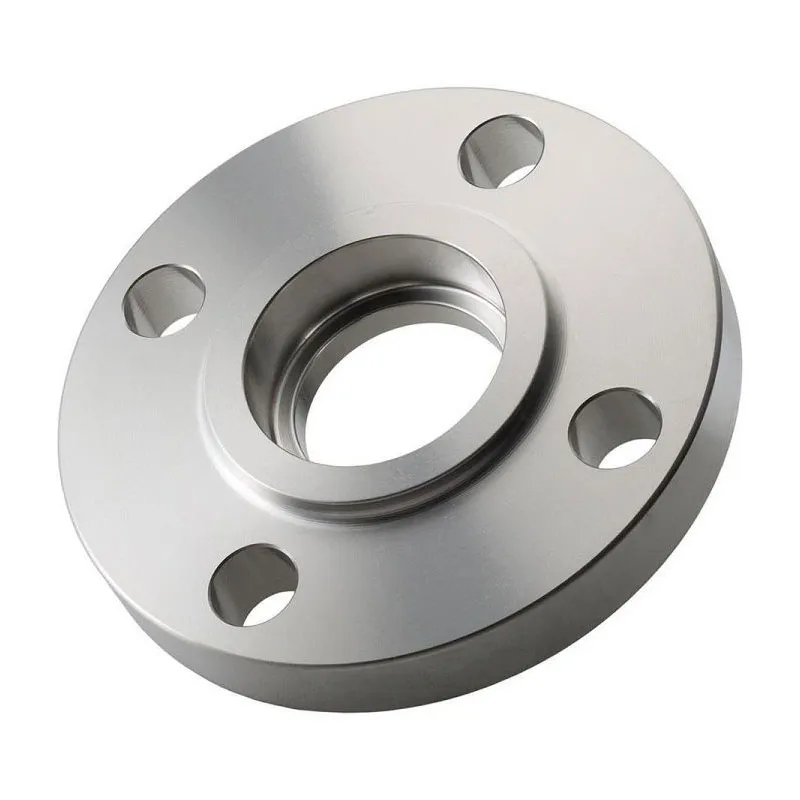 ANSI B16.5 Socket Weld Flanges Class 1500
 -
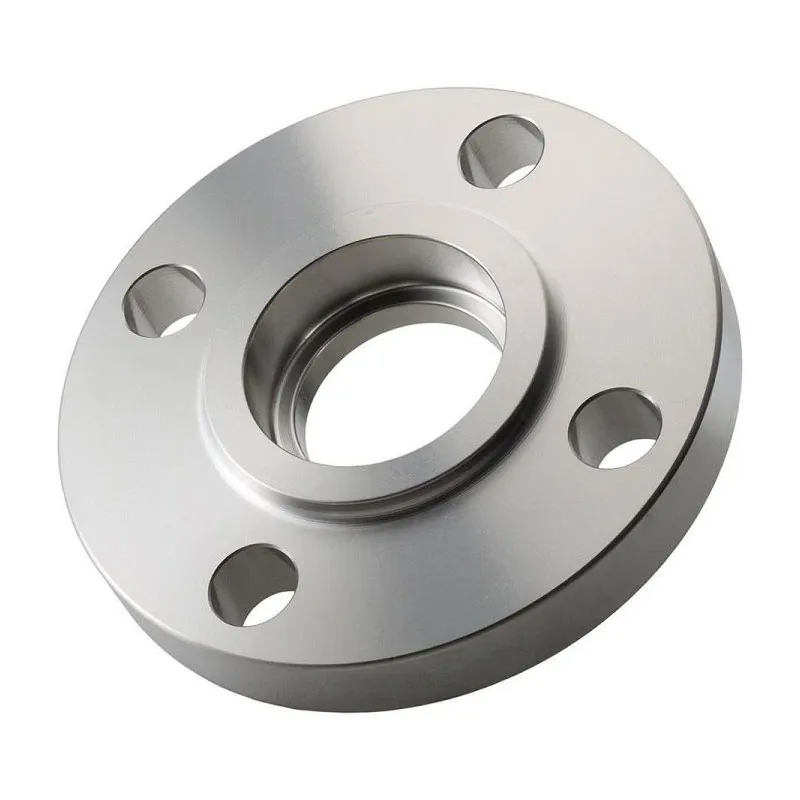 ANSI B16.5 Socket Weld Flanges Class 150
 -
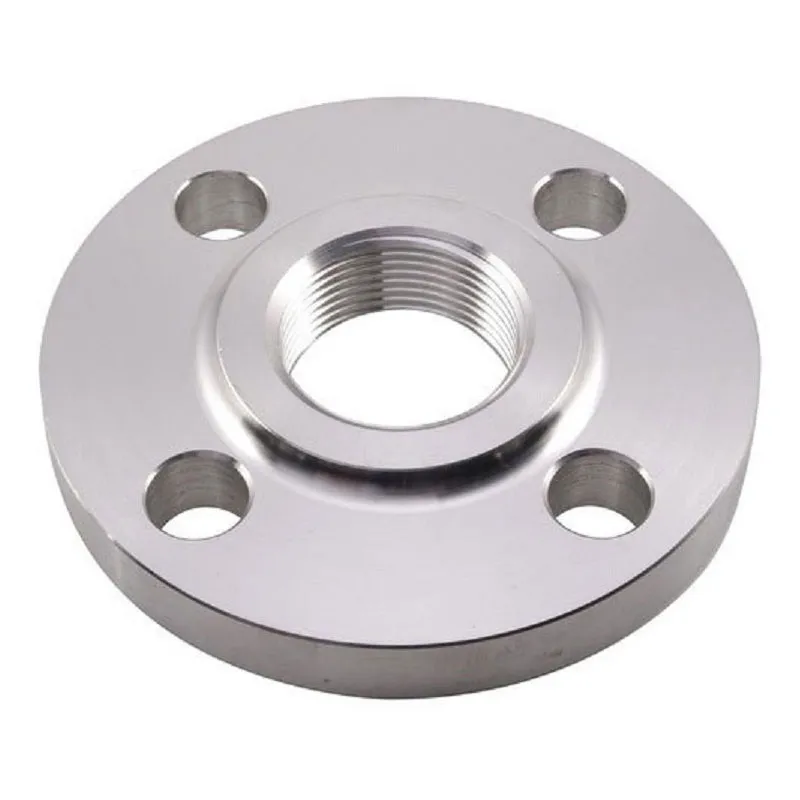 DIN 2565 Threaded flanges PN6
 -
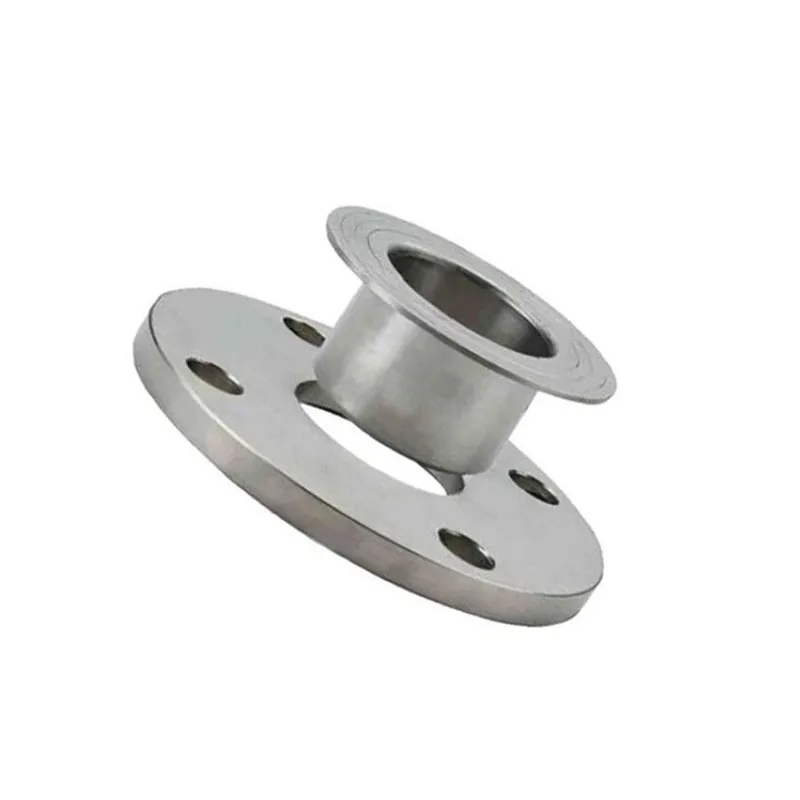 Free ring flanges Class 400
 -
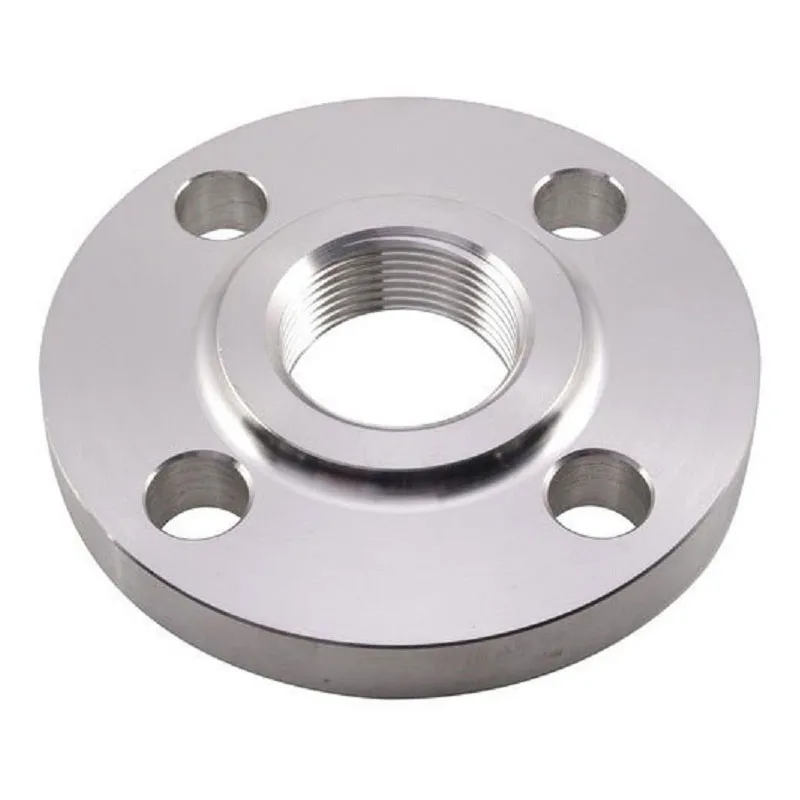 EN 1092-1 Threaded flanges Type 15, PN16
 -
 Free ring flanges Class 150
 -
 ANSI B16.5 Lap-on flanges Class 300
 -
 UNI 2281 Butt weld flanges PN10