
-
-
Phone
+86-13623462298




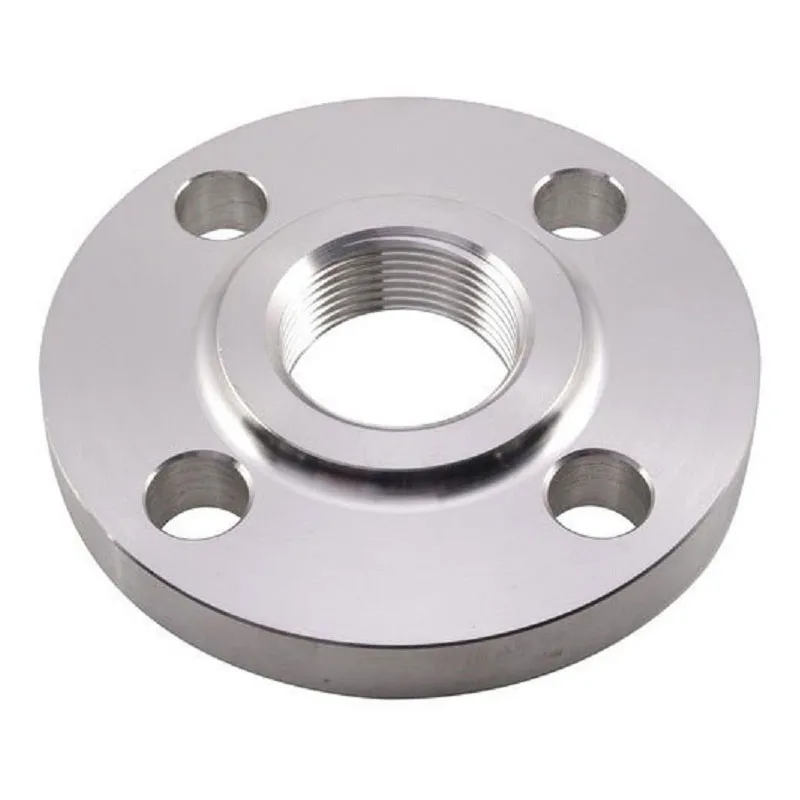
3" flange
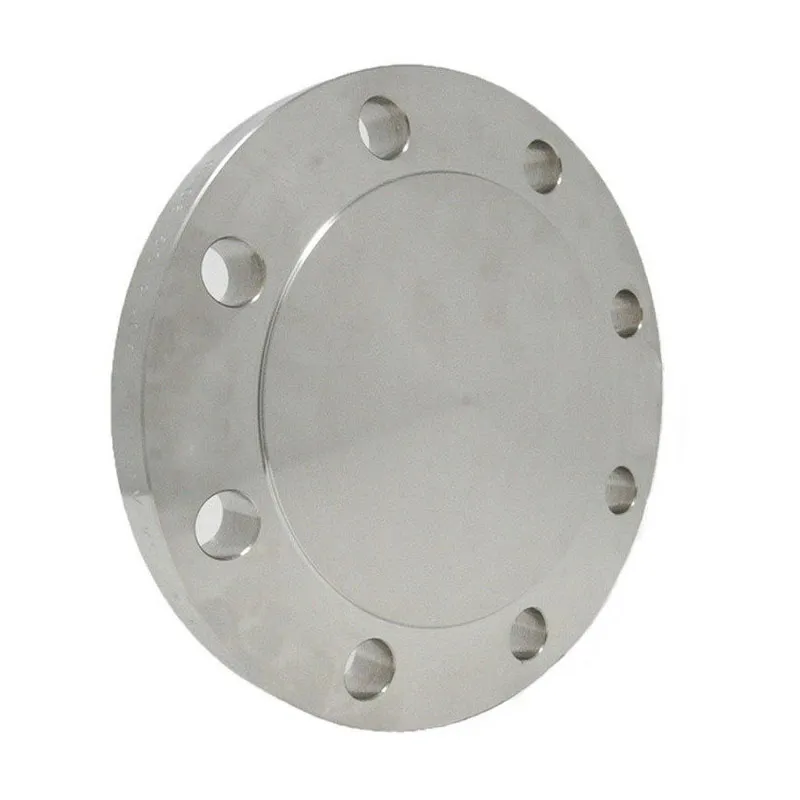
When they say “3-inch flange?”, many immediately imagine a standard part, almost a consumable. But in practice this is one of the most insidious sizes. Why? Because it accounts for the lion's share of projects in housing and communal services and on small technological lines, and therefore the lion's share of problems - from discrepancies in nominal pressure to errors with the type of seal. Often customers think that the main thing is the diameter itself, and the standard and material are a secondary matter. And this is where the fun begins.
Why exactly three inches?
This size, DN80 in metric, is a real workhorse. It is everywhere: at pumping stations, in boiler piping, on medium flow pipelines. But precisely because of its prevalence, it becomes a field for error. For example, it is often confused3" flangeaccording to ASME B16.5 Class 150 and the same size according to GOST 33259. The difference in dimensions and diameters of bolt holes can be critical. I personally came across a situation where I had to urgently resharpen holes at a site - the project was based on American drawings, but they brought “conditionally suitable” ones. according to DIN.
Material is a separate issue. For water, Art. 20 is often used, for steam - already 09G2S, and for aggressive environments - 12Х18Н10Т or even duplexes. And if for large diameters the material is always discussed separately, then for three-inch diameters they are often ordered “as usual”. And then they wonder why, after six months, corrosion appeared on the flanges in the cooling circuit.
The moment of production is also important here. Stamped flanges for this size are most often optimal in price. But if we are talking about high load cycles or low temperatures, then forged ones are more reliable. The microstructure of the metal after forging is more uniform. On the websiteShanxi Hongkai Forging Co.,Ltd (https://www.hkflange.ru) explicitly states that they specialize in forged flanges and forgings. This is an important nuance, because many suppliers offer stamping under the guise of forging, and for critical components this is fundamental.
Standards and pitfalls
When working with this size, you constantly keep the standards tables in your head. Let's say a customer from the CIS is historically accustomed to GOST. But if the equipment is European, then everything needs to be double-checked according to EN 1092-1. For example, they may have a different surface design for the gasket (for example, type D instead of the usual corrugated surface). Forflange 3 inchesThis is a common cause of leaks at the joint if the wrong gasket is installed.
I had an incident during the installation of a compressor station. The technical specification required ASME B16.5 Class 300 flanges for one circuit. They brought Class 150, very similar in appearance, especially if you don’t look at the thickness. The supplier’s argument was: “It’s enough for your pressure?” Maybe it would be enough, but when pressed with high pressure, the Class 150 flange simply would not withstand the test, which is one and a half times higher than the working one. It's good that they noticed it in time and replaced it.
CompanyShanxi Hongkai Forging Co.,Ltdindicates that it works according to GOST, ASME, EN, DIN and other standards. This is a practical approach. This means that they most likely have separate equipment and technological maps for each standard, and do not just drill holes “approximately according to the sample”. For the engineer, this reduces risks.
Installation practice and common mistakes
On paper, everything is simple: tighten it with bolts, connect it. In reality, 80% of the difficulties are associated with the installation of three-inch flanges. The first is skew. Due to their relatively low weight, it is easier to warp them when tightening, especially if the bolts are not tightened crosswise, but in a circle. The result is uneven pressure on the gasket and leakage.
Second - bolts. They often save money and install bolts with a strength class lower than necessary. Or, even worse, they use bolts with partial threads where there should be full threads. In the area between the flanges, the bolt must work in tension along its entire length, and not just at the nuts. Forflange 3 inchesunder a pressure of 16 atmospheres this is critical.
And third - welding. If the flange is welded neck, then it is important to maintain alignment and the correct angle for cutting the pipe. I saw how a welder, in order to quickly, tacked a flange with a noticeable displacement. Then they pulled him out. bolts, creating internal stresses. The unit worked for a year and cracked along the weld exactly at the site of the initial distortion.
Non-standard situations and forgings
Sometimes in a project it’s not easy to find3" flange, but a flange with a non-standard transition, reinforcement or unusual arrangement of holes. For example, to attach a sensor or safety valve. Stamping is not suitable here; forgings must be made. This is exactly the area where manufacturers likeShanxi Hongkai Forging Co.,Ltd(manufacturer of forged flanges and forgings as stated in their description) have the advantage. They can make a product according to the customer’s drawing, preserving the mechanical properties of forged metal.
Worked on a similar order for a chemical reactor. A DN80 flange was needed with two additional 45 degree elbows for thermocouples. We ordered a forging. It was important not only to maintain the dimensions, but also to carry out heat treatment to relieve stress after machining. The finished product had to be checked by ultrasound for internal defects. Everything came together, the node has been working for more than five years.
It is in such non-standard tasks that the difference between just a plant and a specialized manufacturer is visible. The ability to make forgings in a wide range of sizes, from DN15 to DN4000, like the mentioned company, speaks of serious equipment and experience in the forging industry.
Choosing a supplier: what to look for besides price
The price of a three-inch flange is an understandable criterion, but far from the only one. The first is the presence of a full package of certificates: for material, for mechanical tests, for heat treatment (if any). Many suppliers, especially in the small wholesale market, offer a “quality certificate,” which is essentially a piece of paper from the plant itself without real data. This is a risk.
The second is packaging and labeling. It seems like a small thing, but if the flange arrives without a clear marking of the standard, steel grade and heat number on the body itself, then it is difficult to keep records and, even more so, to prove something in case of a complaint. A good manufacturer always applies markings.
And third is technical support. Can the supplier quickly answer questions about tolerances or recommend a gasket type? Or does his role end with shipment from the warehouse? Websitehkflange.rupositions the company as a manufacturer operating according to international standards. These companies usually have an engineering department that can provide advice. This is valuable when you need to quickly make a decision on replacing or adapting a node.
As a result,3" flange- this is an excellent indicator of professionalism in design, procurement, and installation. There are no trifles here. And the understanding that behind this simple detail there is a whole layer of technical nuances distinguishes practice from theorist. Choosing a trusted manufacturer who focuses on forging quality and compliance always pays off in the long run, saving time, money and stress on site.
Correspondingproducts
Related Products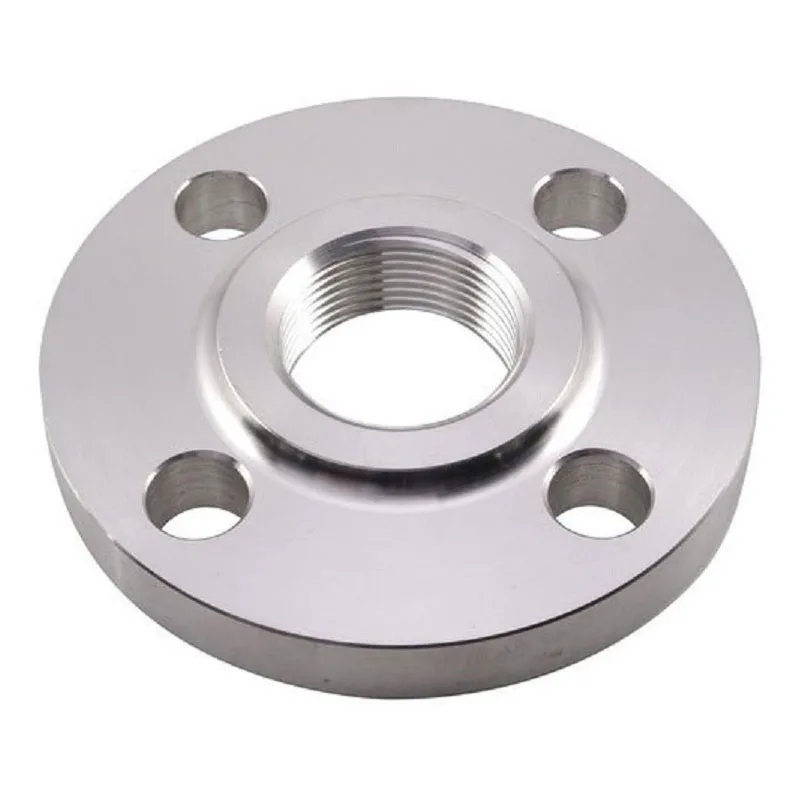
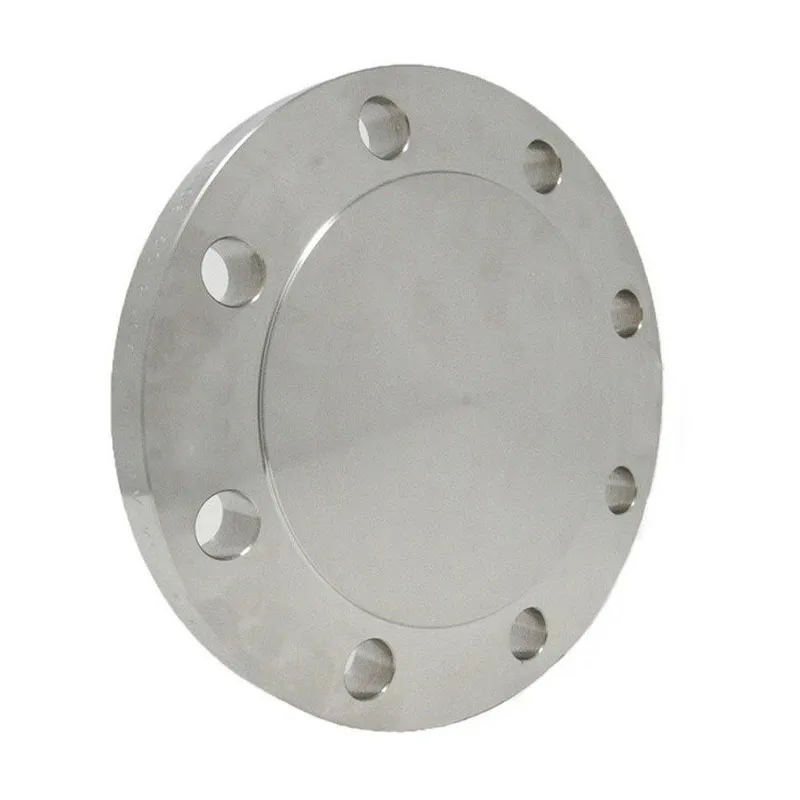

Best Sellingproducts
Best Selling Products-
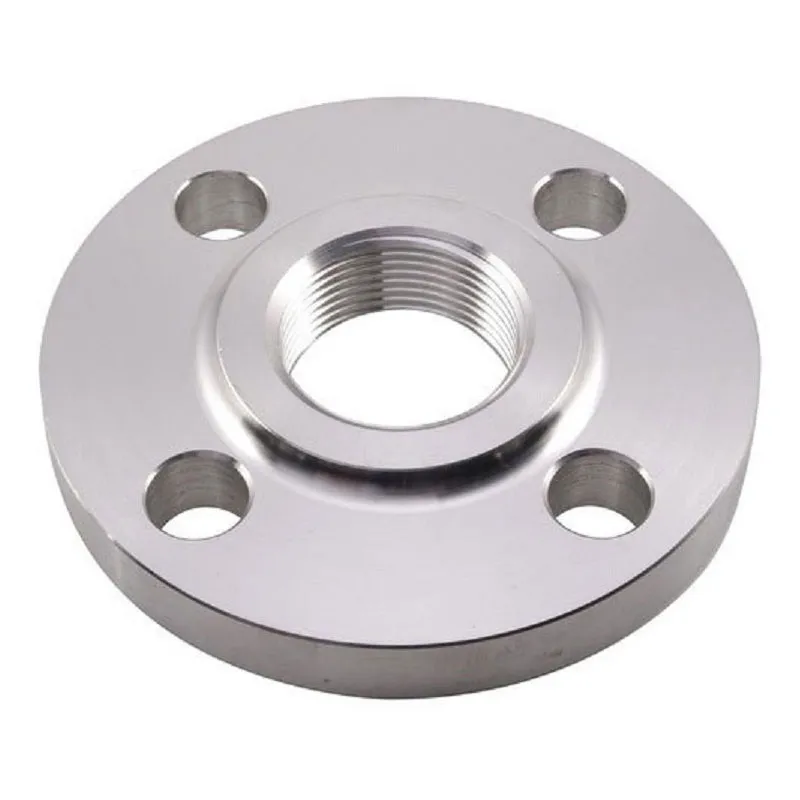 DIN 2565 Threaded flanges PN6
 -
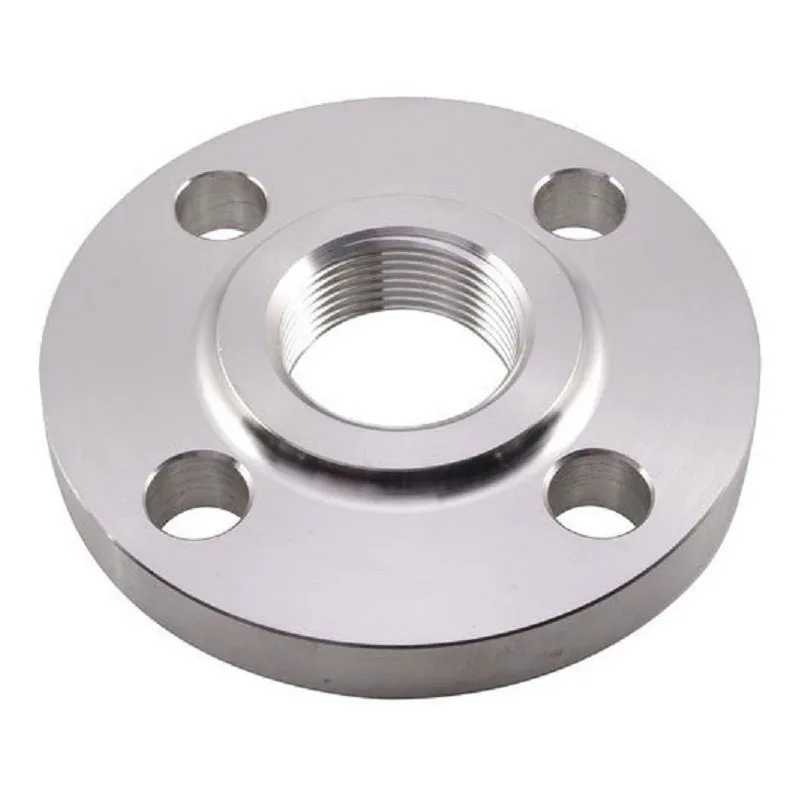 ANSI B16.5 Threaded Flanges Class 600
 -
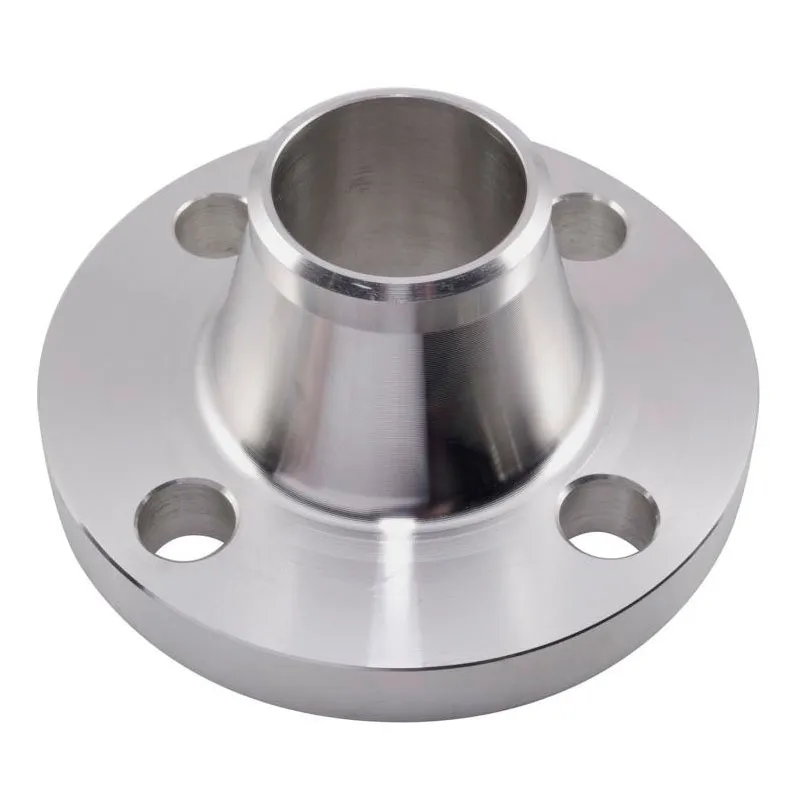 DIN Butt weld flanges PN10
 -
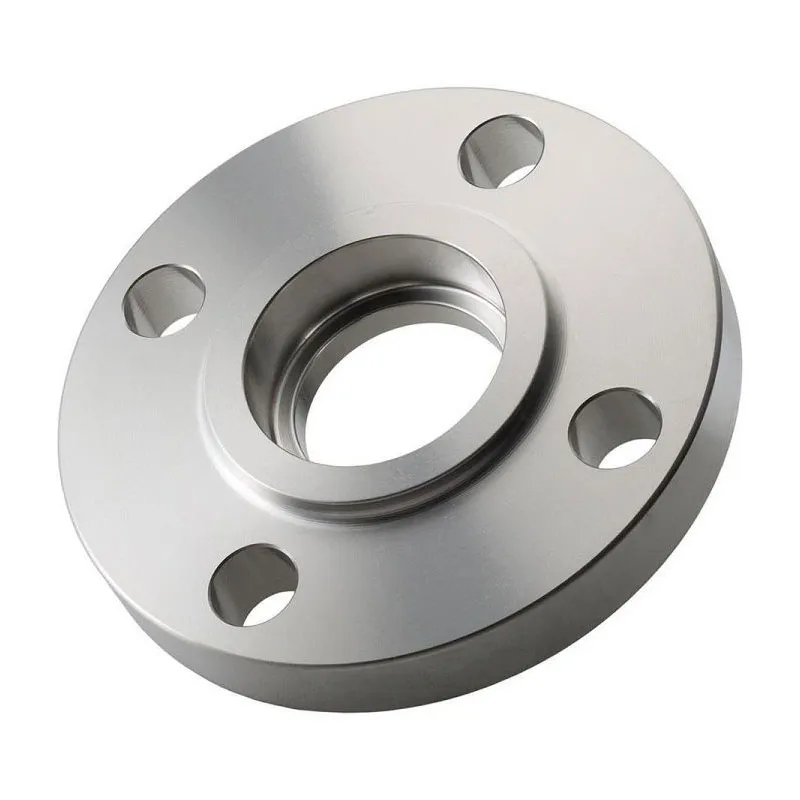
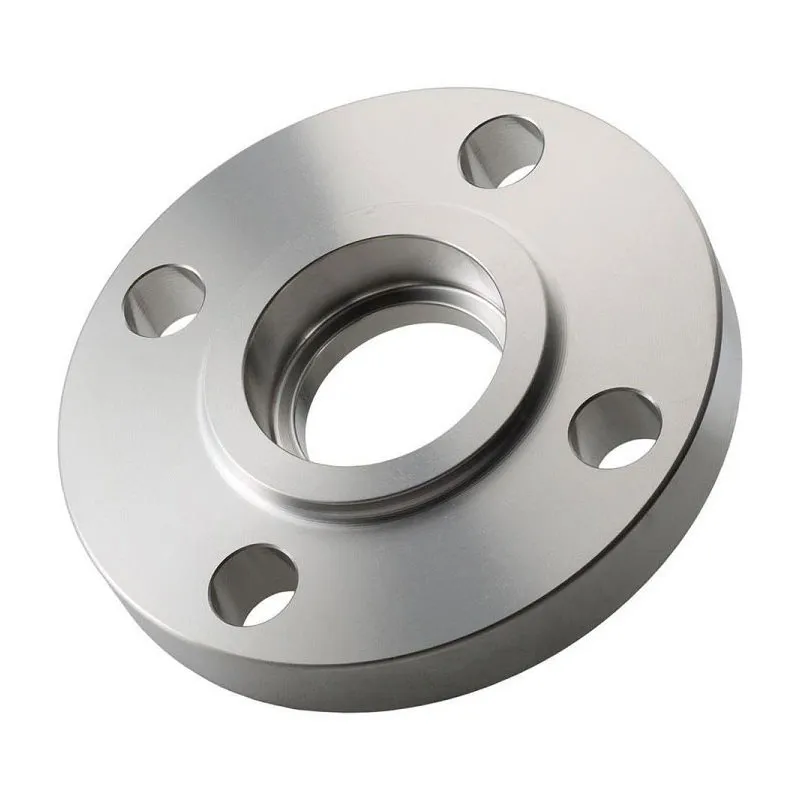 Flanges for socket welding
 -
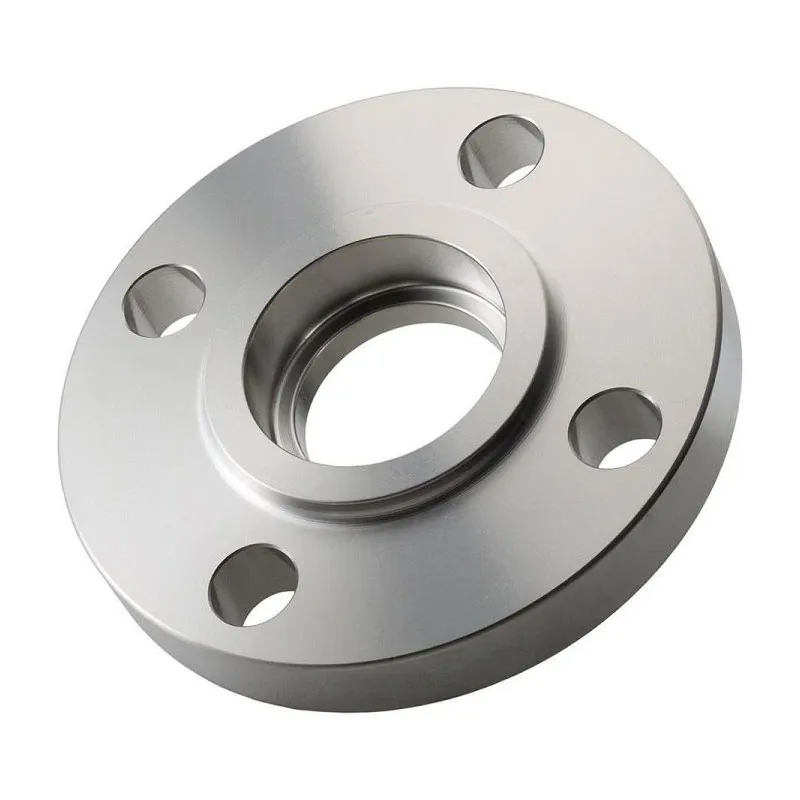 ANSI B16.5 Socket Weld Flanges Class 150
 -
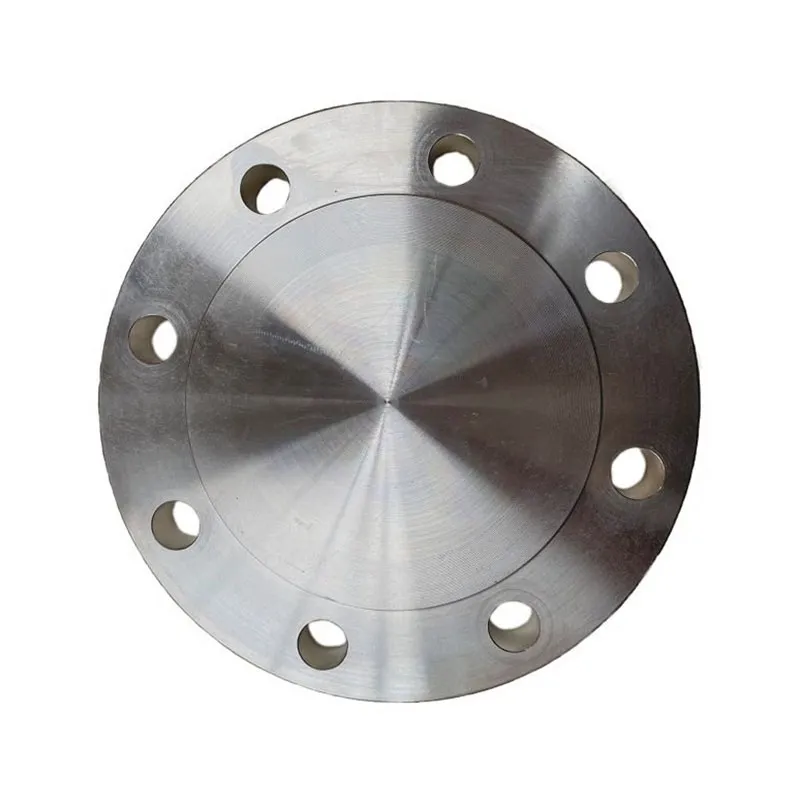
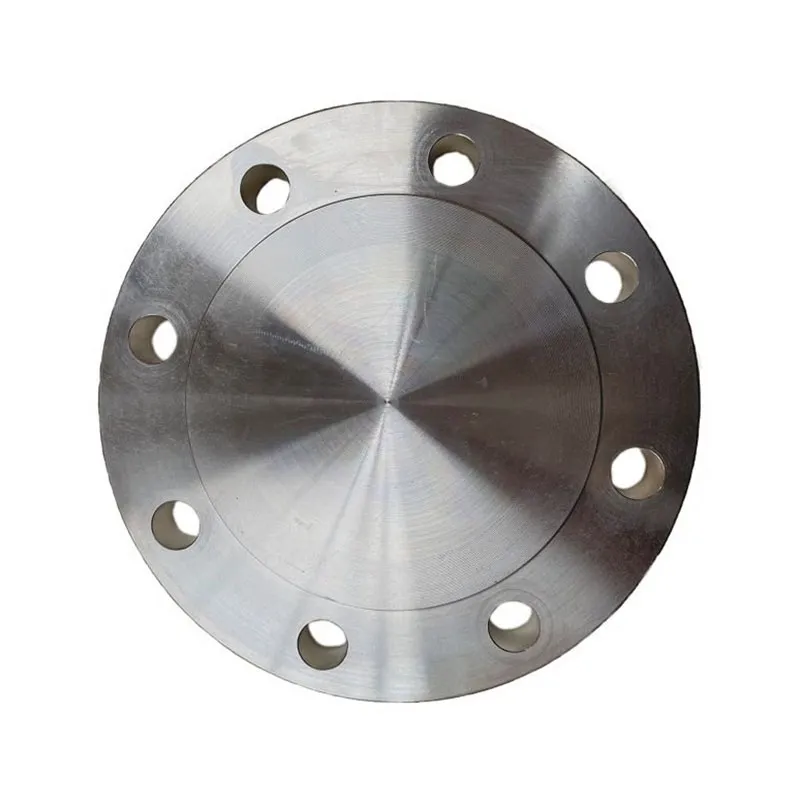 ASME B16.47 Ser.A Blind Flanges Class 400
 -
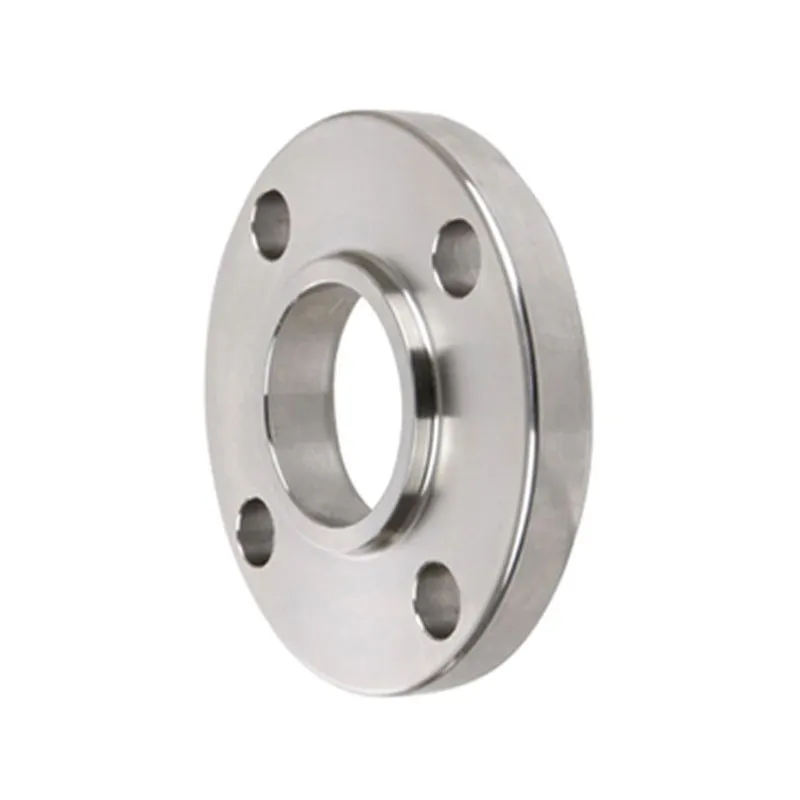 ANSI B16.5 Lap-on flanges Class 300
 -
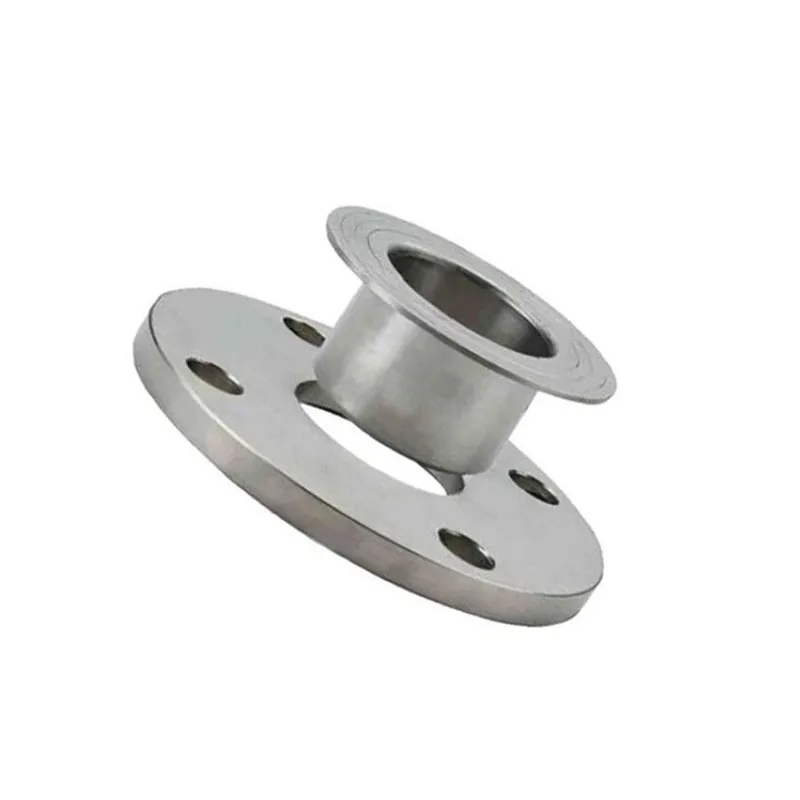 Free ring flanges Class 400
 -
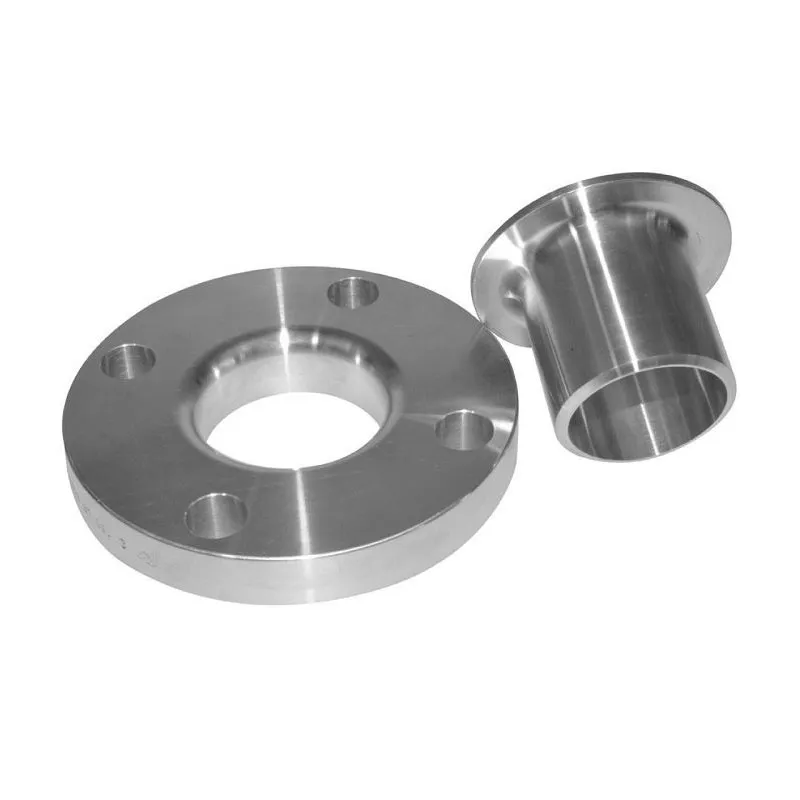 ANSI B16.5 Loose Ring Flanges Class 2500
 -
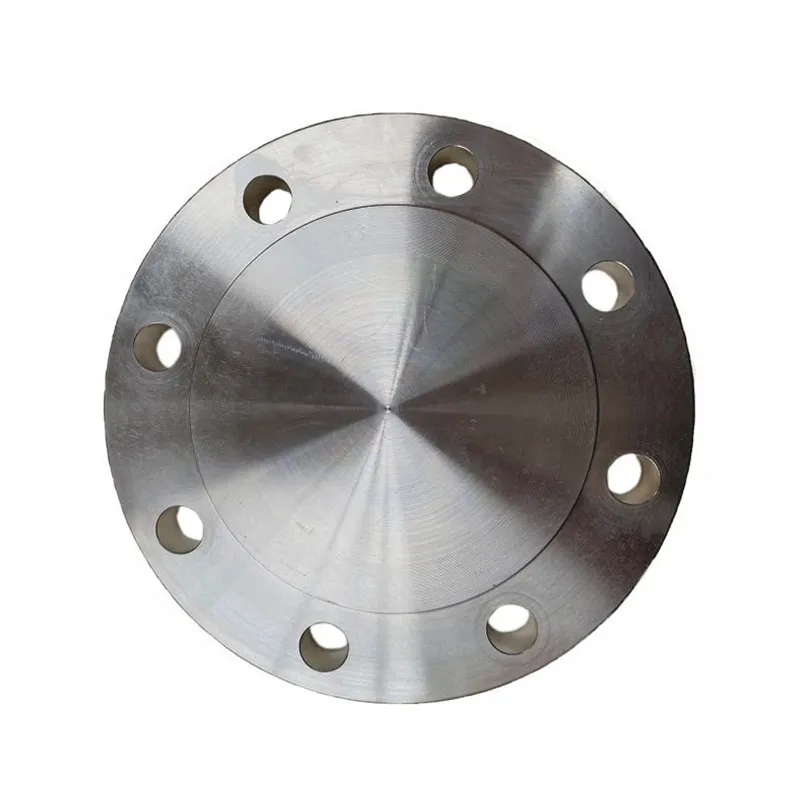 DIN 2527 Blind flanges PN10
 -
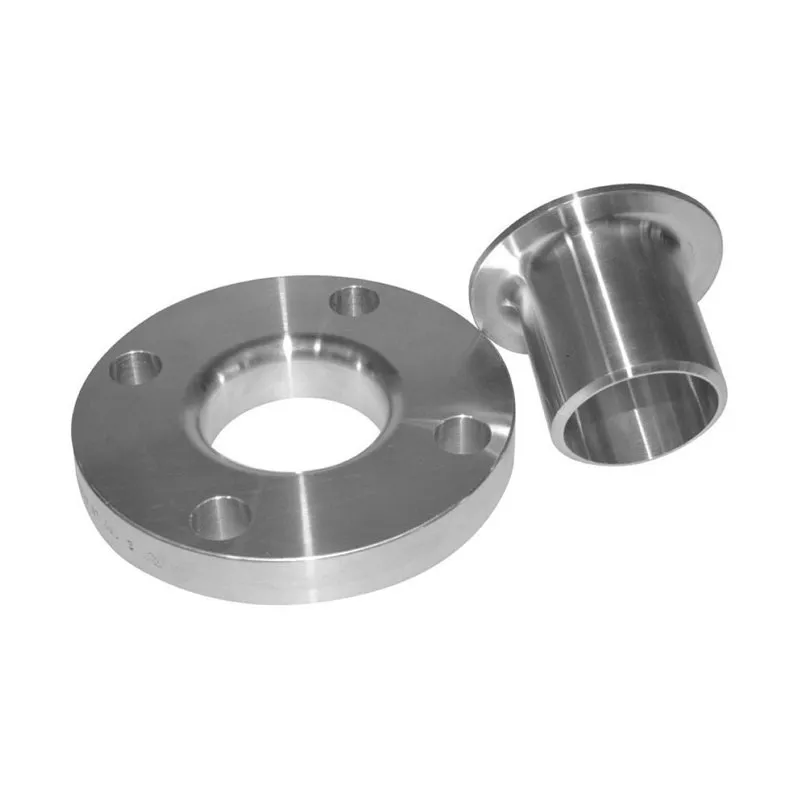 Free ring flanges Class 150
 -
 AWWA Blind Flanges Class D (Tables 1, 2, 3)