
-
-
Phone
+86-13623462298




flange DN 250
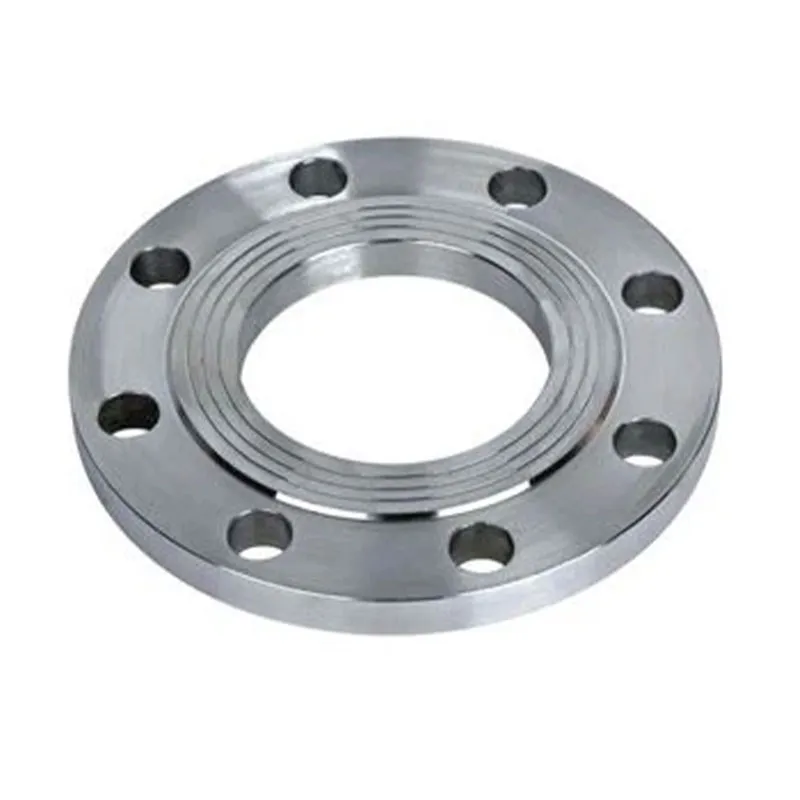
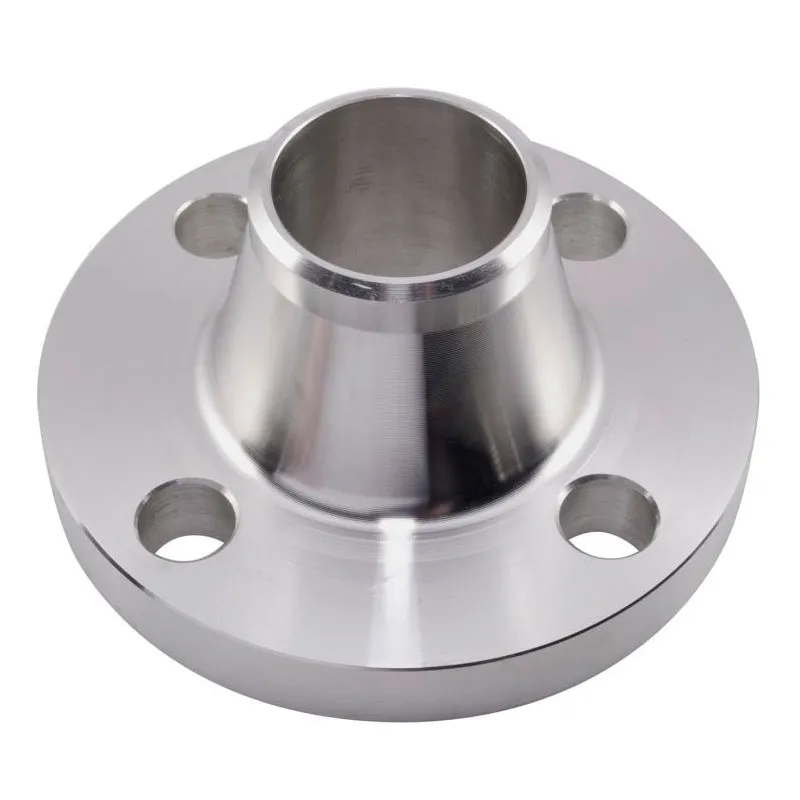
Here you look at the specification - flange DN 250, nominal pressure 16, material st20. It would seem that what is so difficult here? I ordered according to GOST (this is the one that replaced the old 12821-80, but does not repeat it in everything, by the way), received it, installed it. But no. The first thing you come across is what kind of flange? Butt weld (aka skirt weld), flat weld, loose on the weld ring? For DN 250, this is already a serious size, and the choice of type is not just a line on the sheet, but immediately questions about installation, about the availability of a joint for welding, and about subsequent maintenance. Many people, especially young designers, make the mistake of installing a flat weld, thinking that it is simpler and cheaper. For small diameters - maybe. And for the 250th? Its thickness will be significantly greater than that of a butt weld, more metal will be required, and there will be not one weld, but two - to the pipe and to the flange itself. And this is where savings come into play. I personally went through this when, on one of our butt-to-flat installations, “to save money?” As a result, the supports had to be strengthened - the weight of the unit increased noticeably. So the first rule: for DN 250 and above, look towards butt-welded ones - although they are more expensive to purchase, they often win in installation and reliability.
About standards and “almost suitable?”
We often work with different standards. The sameflange DN 250can be according to GOST, ASME B16.5, EN 1092-1. And here lies the trap that many fall into. The geometry seems to be similar, the connecting dimensions (bolt circle diameter, number of holes) may even be the same for certain pressure ranges. But the fit under the gasket, the depth of the groove, the thickness of the flange may differ by a millimeter or two. And this, as you understand, when connecting equipment, say, German with our backup equipment, results in downtime. There was a case: we ordered flanges according to our drawings, sort of like DIN, but the manufacturer, saving money, made the thickness according to the minimum tolerance. And the gasket was installed with a standard spiral-wound one. As a result, when tightening, we did not reach the required contact pressure on the gasket, and it leaked during hydrotesting. I had to urgently look for a thicker gasket or redo the flanges. Conclusion: the standard is not just letters, it is exactly like a drawing. And if you write to TU?flange DN 250PN16 according to EN 1092-1 Type 11?, then please provide either a link to the standard with the type, or a sketch with dimensions. And take it according to it, with a caliper.
By the way, about the manufacturers. The market is saturated, but the quality is wild. Previously, we bought mainly from local forges, but in recent years we have been actively looking at trusted Chinese suppliers who specialize in forging, and not stamping from sheet metal. Stamped for such diameters is a risk. Why? Metal structure. In forging, the fibers are deformed, compacted, and the strength is better distributed. One of the suppliers we work with on an ongoing basis isShanxi Hongkai Forging Co.,Ltd. Their websitehttps://www.hkflange.ru, in general, clearly reflects the essence: they are a manufacturer of forged flanges and forgings, based in one of the centers of the forging industry. This is important. Not a trader, but a factory. In their nomenclature ours is exactlyflange DN 250fits into the range DN15–DN4000, and they are made according to GOST, ASME, EN, DIN. For us, the key was that they could make a non-standard version according to our drawings - they had experience with increased thickness of the butt flange skirt for special operating conditions with vibration. They did it, and with a full package of certificates, including ultrasonic testing. This is more expensive, of course, but for critical units it is a necessity.
Material: not only st20
This is where there is room for error! Did you hear?flange DN 250? — most people automatically think of carbon steel. St20, st3sp5. But if the environment is aggressive, even slightly aggressive with high humidity and temperature, or low operating temperatures, then you need to look towards alloy steels. 09g2s, 12x18n10t, 15x5m. And here it is important not just to indicate the steel grade in the order, but to understand how this grade will behave during forging and subsequent heat treatment. Stainless steel, for example, requires a special heating mode for forging, so as not to burn out the alloying elements. And then, perhaps, a heat treatment solution - hardening + tempering for certain brands.
I remember the story when we ordered a batch of 09g2s flanges for low temperatures. Everything was in order in the certificates, chemistry, mechanics. But during installation, microcracks appeared in the weld. They began to figure it out. It turned out that the manufacturer, in order to speed up the process, did not normalize it through a full cycle, but simply cooled it in air after forging. The structure turned out to be heterogeneous, with increased residual stresses. During welding they played their role. We had to send the entire batch for unscheduled heat treatment on site. Losses and delays. Now, when ordering, we specifically specify not only the brand, but also the delivery condition (normalized, heat-strengthened) and require heat treatment protocols. At the sameShanxi Hongkai Forging Co.,Ltdin the company description, the emphasis on manufacturing according to international standards is exactly that. The standard (for example, ASME) clearly regulates both the grades of materials and the types of heat treatment for them. Working with suppliers who understand this reduces risks.
Installation subtleties that are not in the drawings
Let's say the flange is perfect, the material is correct, and the certificates are in order. Comes to the site. How to install it? Forflange DN 250, especially butt joints, alignment with the pipe before tacking is critical. You can't just put it on and start cooking in a circle. It is imperative to align it, check the perpendicularity of the end to the axis of the pipe, and only then grab it at several points, and then boil it. The seam must be multi-layered, with each layer stripped. And here they often forget about the internal flash - the influx of metal inside the joint. For pipelines, especially for technological media, this is unacceptable - there will be turbulence, erosion, and stagnant zones. It is necessary either to provide penetration without burrs (with welding of the root of the weld on the reverse side), or after welding to do mechanical processing (boring) to obtain a smooth surface. This increases labor costs, but directly affects long-term operation.
Another point - tightening. M20 bolts, 8 pieces. What torque to tighten? According to the tables, based on the strength class of the bolt and the type of gasket. But tables give a range. And if the flanges are new, the gasket is new? It is better to do the first tightening cyclically, crosswise, gradually increasing the torque. And after a day or two of use (after warming up, for example), be sure to tighten it up. Because the gasket (even a metal one) “shrinks” a little, the bolts “relax”. How many times have I seen leaks on supposedly installed components precisely because of neglect of re-tightening.
When you need non-standard
It happens that the typicalflange DN 250doesn't fit. For example, you need to weld it into an existing pipeline, but the distance to the nearest apparatus is less than the standard length of the butt flange skirt. Or you need an adapter flange from DN250 to DN200, but not as a separate transition, but as a solid forging. This is where work with the manufacturer begins at the level of technical specifications and drawings. The main thing is to formulate this technical specification correctly. Not just “do it like this?”, but with justification: operating pressure and temperature, environment, type of welded joint, requirements for material and control.
We once ordered a blind flange (plug) DN250, but with additional fittings for drainage and an air vent on the plug itself. We made an assembly drawing and marked out places for welding the fittings. Manufacturer (Shanxi Hongkai Forging Co.,Ltd, by the way, that time too) suggested an alternative: not to make a plug with welded fittings, but to forge a solid forging with landings for these fittings. It is more expensive to manufacture, but more reliable, since there are no additional welds in the body of the product. We agreed. And they didn’t regret it - the unit turned out to be monolithic, and passed all tests perfectly. This is to the question that a dialogue with a competent manufacturer who offers engineering solutions himself, and does not just churn out standard items, is invaluable. Their profile - forged flanges and forgings according to customer drawings - is just for such tasks.
Instead of a summary: what to think about first
So, to summarize my sometimes bitter experience withflanges DN 250and the like, then the list of priority thoughts will be like this. First: the type of flange is determined not only by the pressure, but also by the ease of installation/disassembly and the weight of the unit. Second: the standard is the law, check the key dimensions. Third: the material and its condition (heat treatment) are half the reliability. Fourth: even an ideal part is spoiled by poor installation - do not skimp on the qualifications of welders and installers. And fifth: don’t be afraid of non-standard solutions, but draw them up in the form of a clear technical specification and work with specialized manufacturers who can not only forge, but also advise. Like those listed above, they are from the category with whom you can speak the same technical language. And in our business this decides, if not everything, then a lot. In general, it is a flange and in Africa it is a flange, but there are nuances - a carriage and a small cart.
Correspondingproducts
Related Products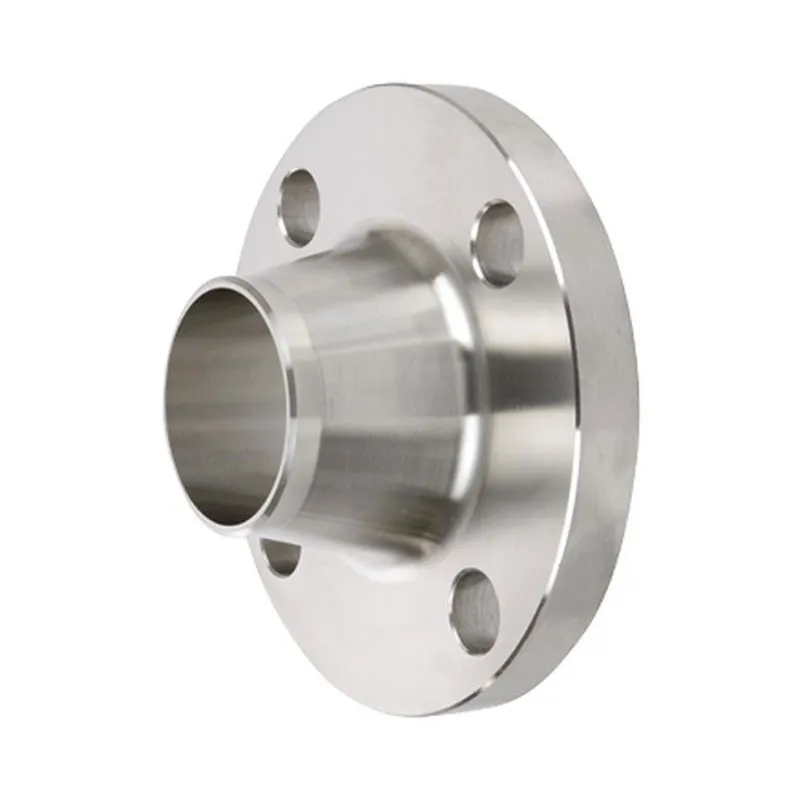

Best Sellingproducts
Best Selling Products-
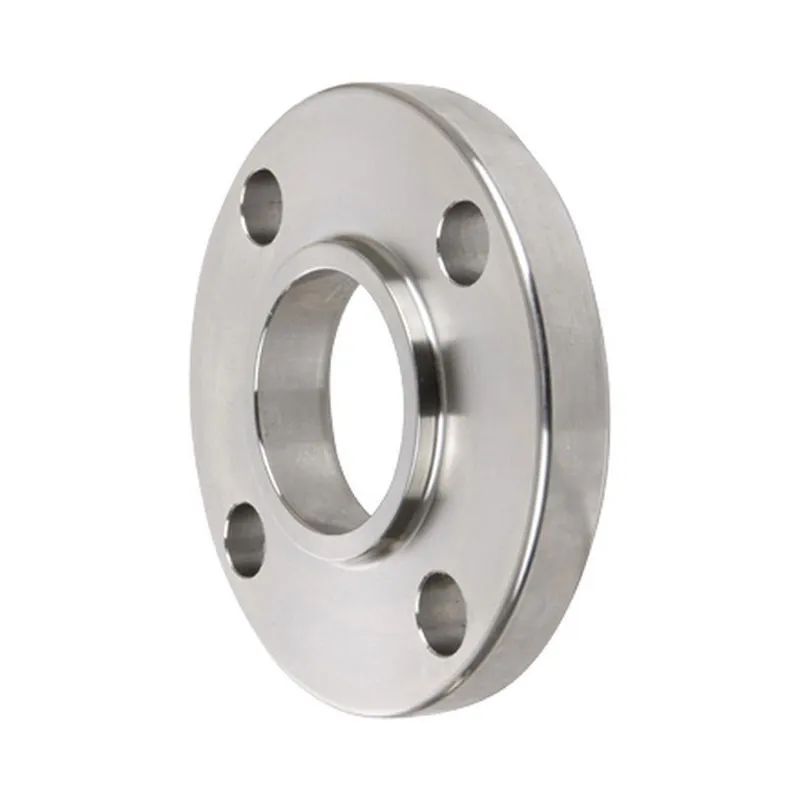 DIN 2501 Overlay flanges PN16
 -
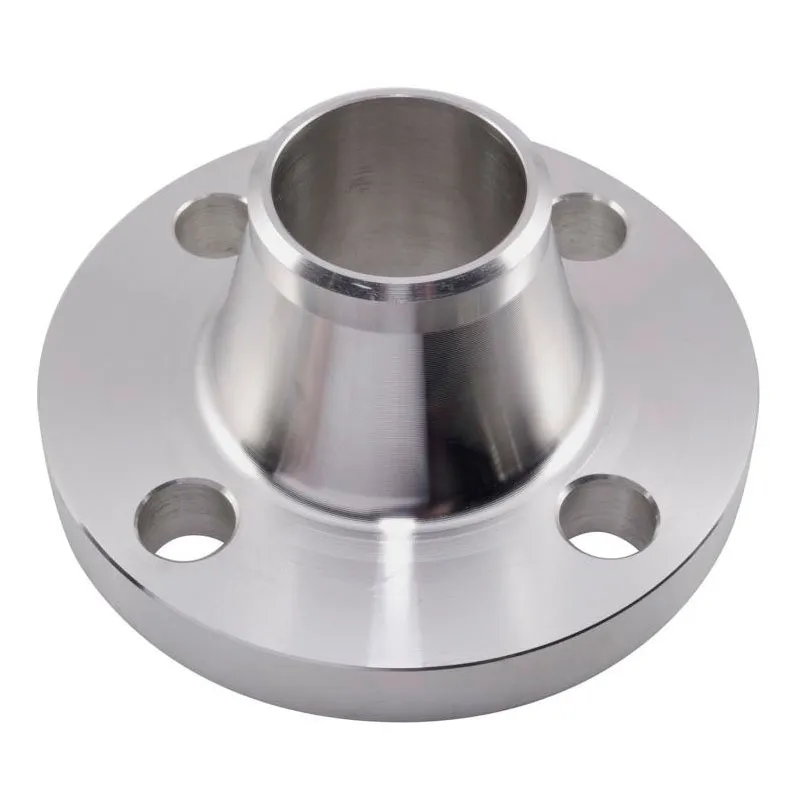 DIN Butt weld flanges PN10
 -
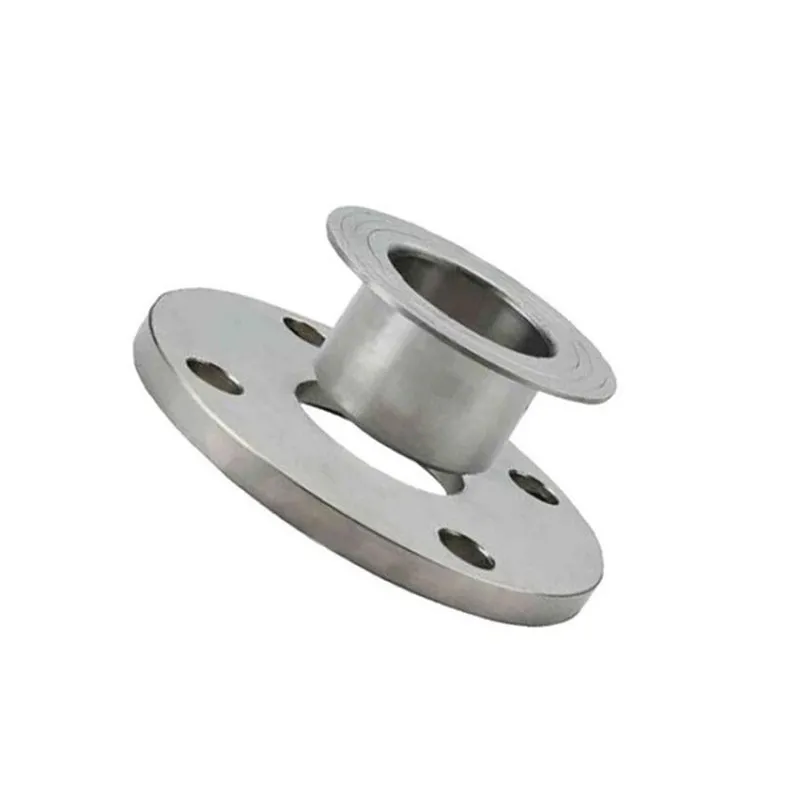 JIS 10K Loose Ring Flanges
 -
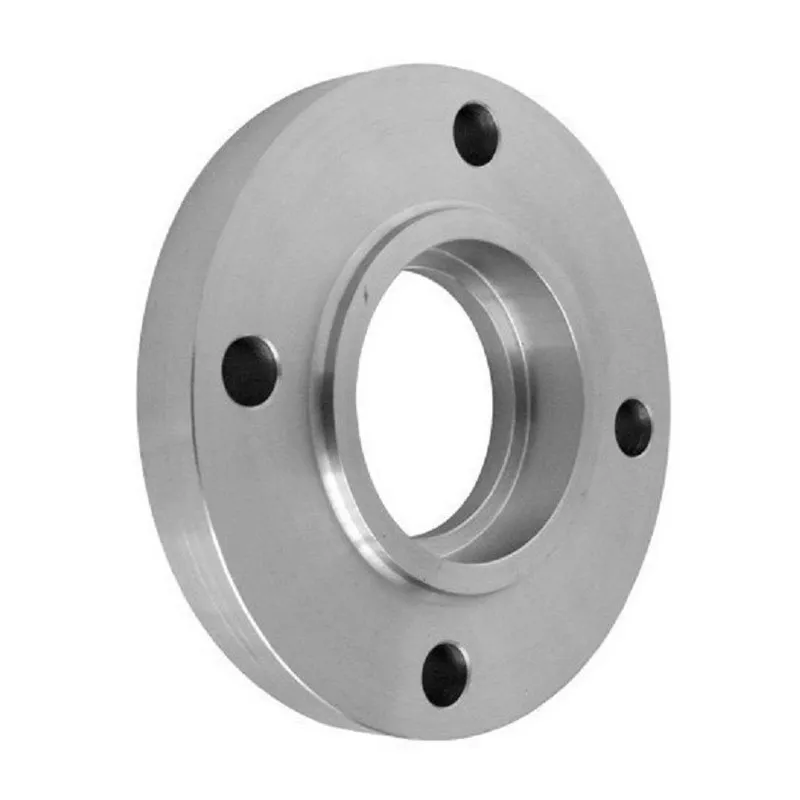 JIS 5K Socket Weld Flanges
 -
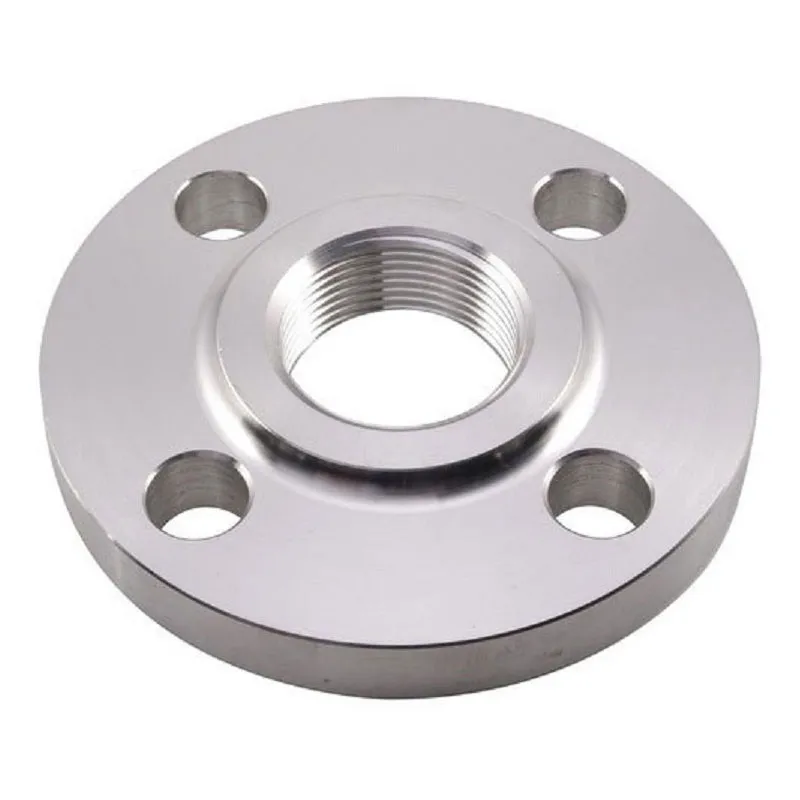 DIN 2565 Threaded flanges PN6
 -
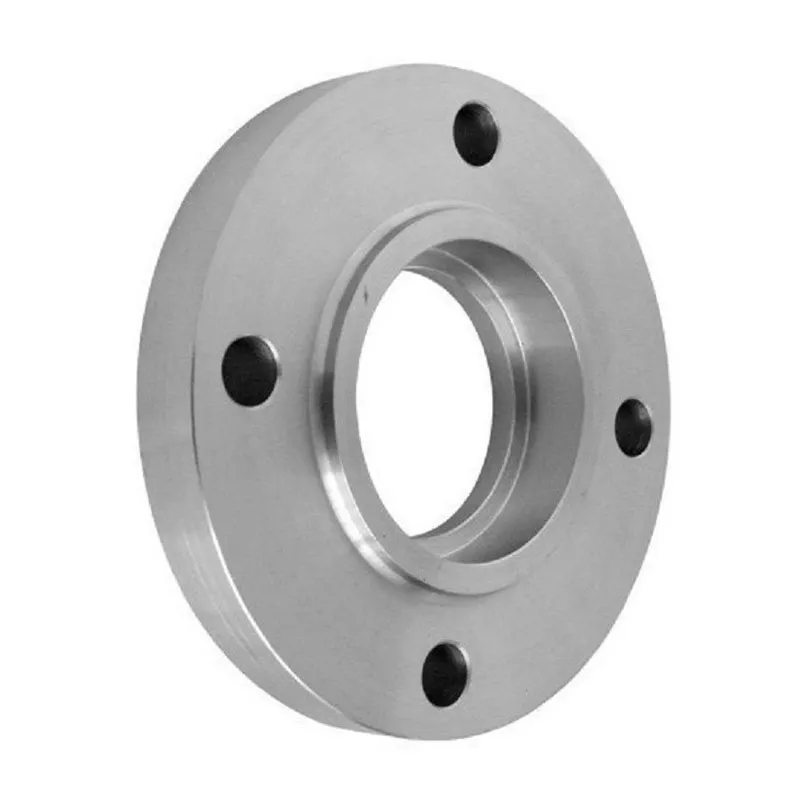 Socket Weld Flanges Class 300
 -
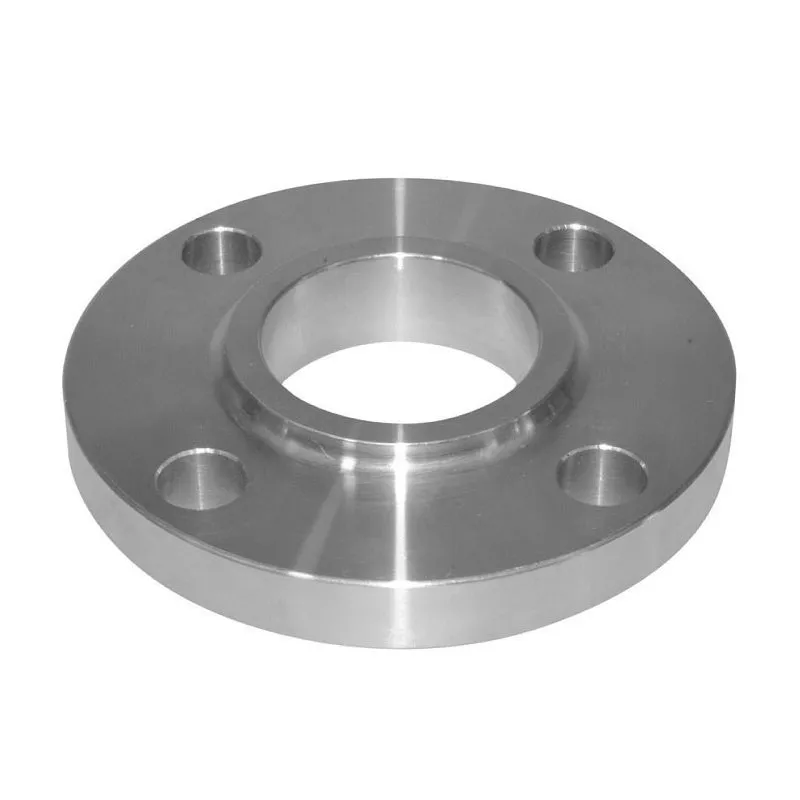 ANSI B16.5 Lap-on flanges Class 1500
 -
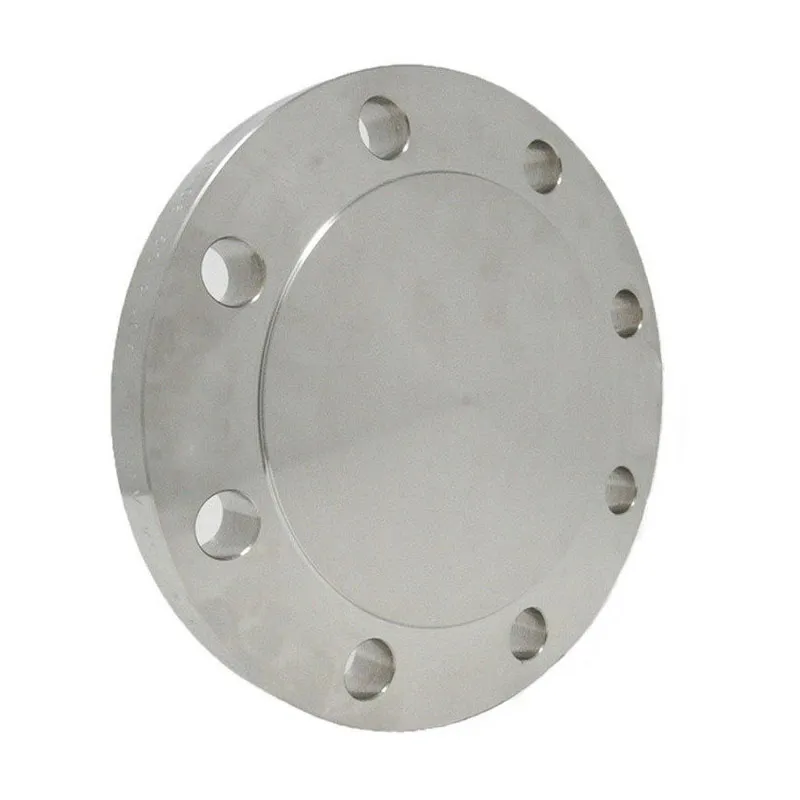 Blind flanges Class 150
 -
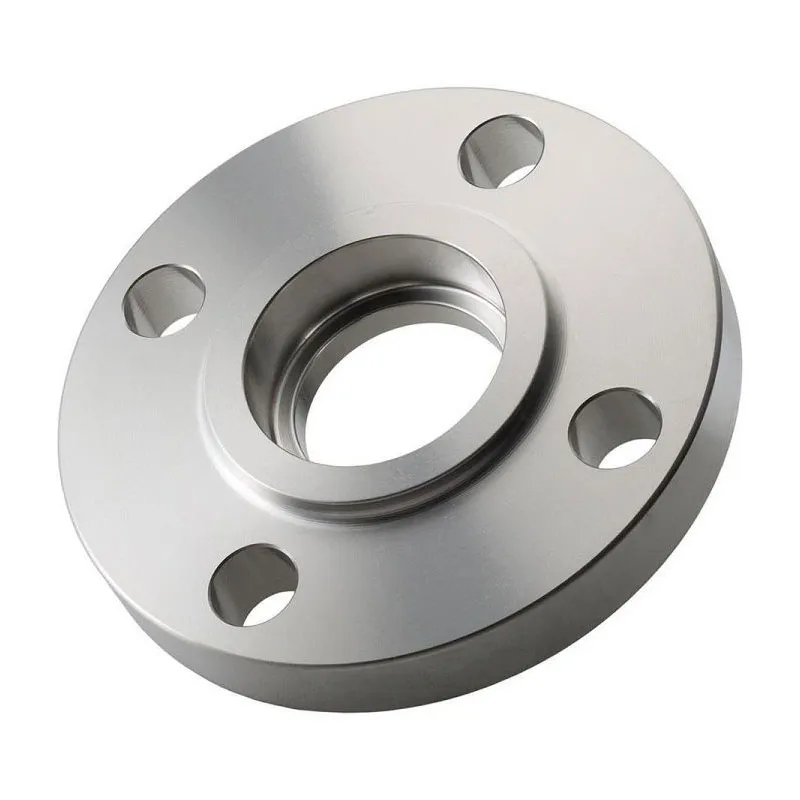 ANSI B16.5 Socket Weld Flanges Class 1500
 -
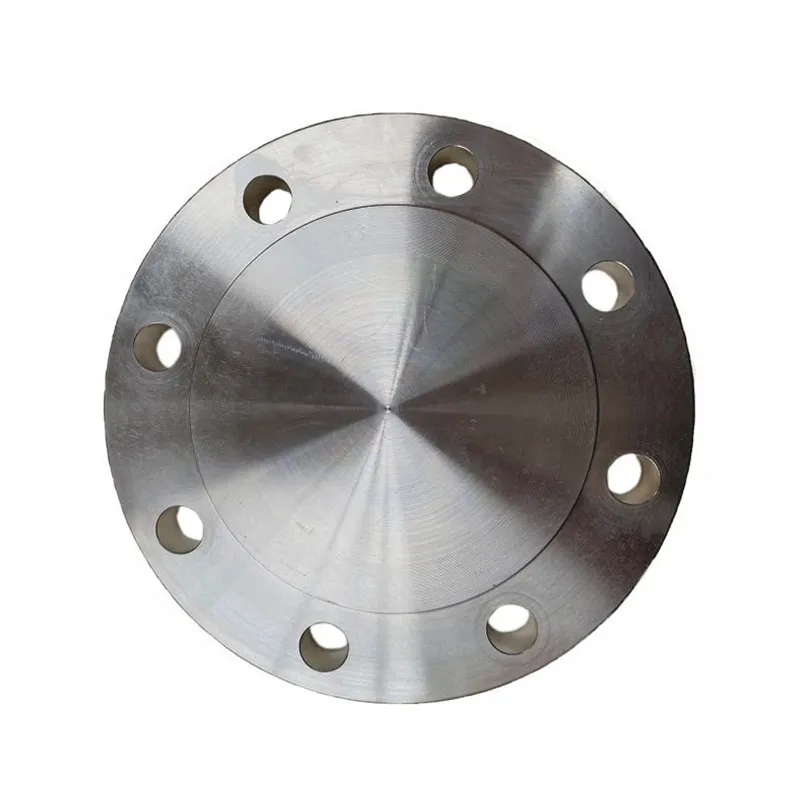 DIN 2527 Blind flanges PN10
 -
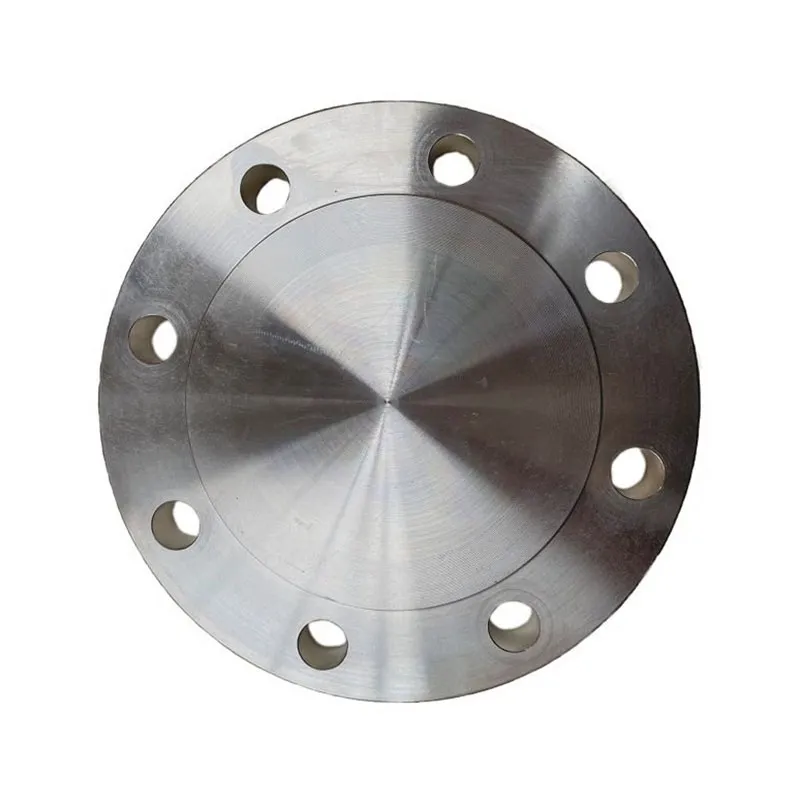 UNI 6092 Blind flanges PN10
 -
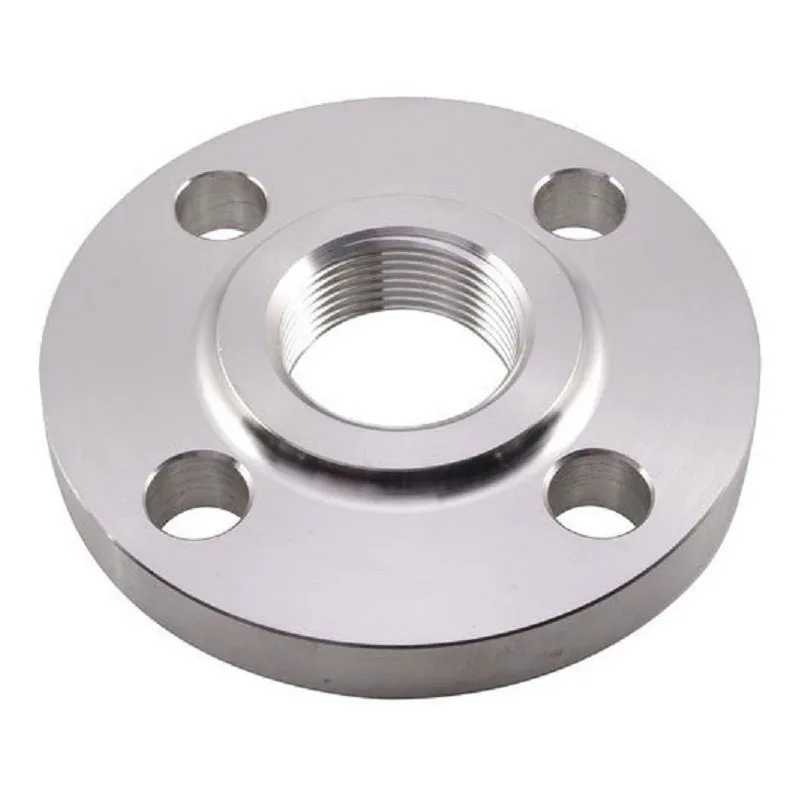 ANSI B16.5 Threaded Flanges Class 600