
-
-
Phone
+86-13623462298



flange 32mm
When you hear “32mm flange?”, it seems that everything is simple: take it according to GOST or ASME, and it’s done. But in practice, it is with these seemingly standard sizes that most of the overlays happen. Many people think that the main thing is the diameter, and the material, design, type of seal are trifles. An error that then comes back to haunt the facility with leaks or inconsistencies. I went through this myself.
What's behind the number 32?
Here you take the drawing, it says DN32. It would seem that you go to the catalog and find a position. But then it begins: what kind of pressure is it? PN16, PN25, PN40? For 32mm this is critical because the thickness of the disc and the height of the hub will be different. Or here's the story: we ordered a batch of 32mm flanges in accordance with GOST 33259 for a water pipeline. It arrived, everything seems to be perfect. And during installation, it turned out that the holes for the studs did not coincide with the counter holes - it turned out that the ASME B16.5 Class 150 standard was included in the project, but it was supplied under GOST. The difference in the diameter of the circle of the holes is only a couple of millimeters, but the entire assembly stalled.
The material is a separate story. For 32mm steel grades are often 20, 09G2S, 12Х18Н10Т. But if the environment is aggressive, even for such a small diameter you need to look at alloyed or stainless steel brands. I remember an incident at a chemical plant: they installed flanges from Art. 20 in a weak acid solution, they thought the diameter was small, the risk was minimal. After six months - corrosion along the perimeter of the sealing surface. I had to urgently change it to stainless steel. So 32mm doesn’t mean “you can save on material?”.
Design of the sealing surface. For DN32 there are often options: smooth (flat face), male-female, tongue-groove, for an oval gasket. If you make a mistake, tightness cannot be ensured. I once saw how during an assembly they tried to connect a flange with a “protrusion” design. with a flange for a tongue-and-groove gasket. It seems to be the same 32mm, the same ASME standard. It didn't work out. We had to urgently look for a transitional solution.
Production nuances and supplier selection
When you need reliableflanges 32mm, especially for critical areas, I look not only at certificates, but also at how the manufacturer approaches forging. Cold rolled is cheaper, but for some environments and pressures hot stamping is better. It gives a more uniform metal structure. Here I can noteShanxi Hongkai Forging Co.,Ltd(website -https://www.hkflange.ru). They operate in a region that is one of the centers of the forging industry in China. It is important that they make forgings and not just cut from sheets. For the sameflange 32mmat high pressure this is important - the metal fibers run along the contour and are not cut, which increases strength.
Their practice of manufacturing to different standards is a plus. Let's say the project is international: pipes according to ASME, and fittings according to DIN. Need transitionsflanges 32mm. Not every factory will take on such a small but non-standard product. Their nomenclature includes butt-welded, flat, and free-standing up to DN4000, so for DN32 the technology must be worked out. For me personally, the indicator is the ability to make it according to the customer’s drawing. This speaks of flexibility.
But even with trusted suppliers there are misfires. Once we ordered a batch of stainless steel from one manufacturer.flanges 32mmwith very stringent requirements for the roughness of the sealing surface. When we arrived, everything seemed to be going smoothly. But when checking with a profilometer, it turned out that there were local micro-irregularities. This is unacceptable for a high vacuum system. We had to polish it ourselves. Conclusion: even for ?simple? size, all technical conditions must be clearly stated and, if possible, selective incoming inspection must be carried out.
Installation stories and common mistakes
The most common problem during installationflanges 32mm- uneven tightening. The diameter is small, it seems you can reach it by hand? or one torque wrench in a circle. But no. It is imperative to follow the tightening pattern (crosswise) and the multi-pass procedure. Otherwise, it warps and the load on the gasket is uneven. The result is leakage on one side. Over-tightening is also dangerous - you can break the threads of the studs or damage the flange, especially if it is made of brittle stainless steel.
Another point is surface preparation. Before installing a new gasket, the sealing surfaces must be thoroughly cleaned. One day the brigade, in a hurry, connectedflanges 32mmon the steam line without removing the old graphite chips from the previous gasket. Trifle? Not really. After a couple of cycles of heating and cooling? there was a leak. During disassembly, we saw that microparticles crashed into the metal, breaking the plane.
And, of course, compatibility. If there are flanges from different manufacturers on the line, even under the same standard, it is worth checking them “dry?” before final installation. Personal experience: they mixed products from a European plant and the sameShanxi Hongkai Forging Co.,Ltd. Both are ASME B16.5 Class 150, DN32. Visually - twins. But when docking, a little more resistance was felt. It turned out that the difference is in the tolerances on the chamfer angle. Nothing critical, but a significant moment.
When 32mm is not just a pipe
Oftenflanges 32mmgo to piping instruments, valves, pumps. Here, not only strength is critical, but also the accuracy of the location of the holes for alignment with the equipment nozzles. We once installed an imported control valve, and domestic flanges for it. The threaded holes for the studs on the valve were fine pitch, while our flanges were standard. I had to order adapter studs. A trifle, but it increased the installation time.
In non-standard applications - for example, in vacuum systems of laboratory installations - toflanges 32mmthe surface finish and material requirements (often 316L stainless steel with electrochemical polishing) are sky-high. Here, no universal supplier will be suitable; you need to look for highly specialized workshops. But, as I understand, large manufacturers like the mentioned company can provide the basic forging for such products if they provide detailed drawings and requirements for the workpiece.
Or the opposite example - heating networks. There forflanges 32mmon branches, the main enemy is not pressure, but cyclic temperature expansions. The correct selection of creep-resistant material and the quality of the weld seam when installing butt joints are important. A poorly welded seam on such a flange is a guarantee of a crack after a couple of seasons.
Instead of a conclusion: thinking out loud
So, back to the beginning.Flange 32mm- this is not just a line in the specification. This is a unit that must fit perfectly into the system in terms of geometry, material, working environment and installation conditions. Experience has taught me: never ignore a complete specification. And it is always useful to have contacts of trusted manufacturers who understand the difference between “just make it according to the standard?” and “make it work?”. Like the same guys fromShanxi Hongkai Forging Co.,Ltd, which, judging by the description, are focused specifically on manufacturing according to standards and drawings, and not on selling anything from the warehouse. For an engineer or supplier, this orientation is often a decisive factor. Because in the end, what matters at a facility is not the millimeters in diameter, but the absence of problems after launch.
Correspondingproducts
Related Products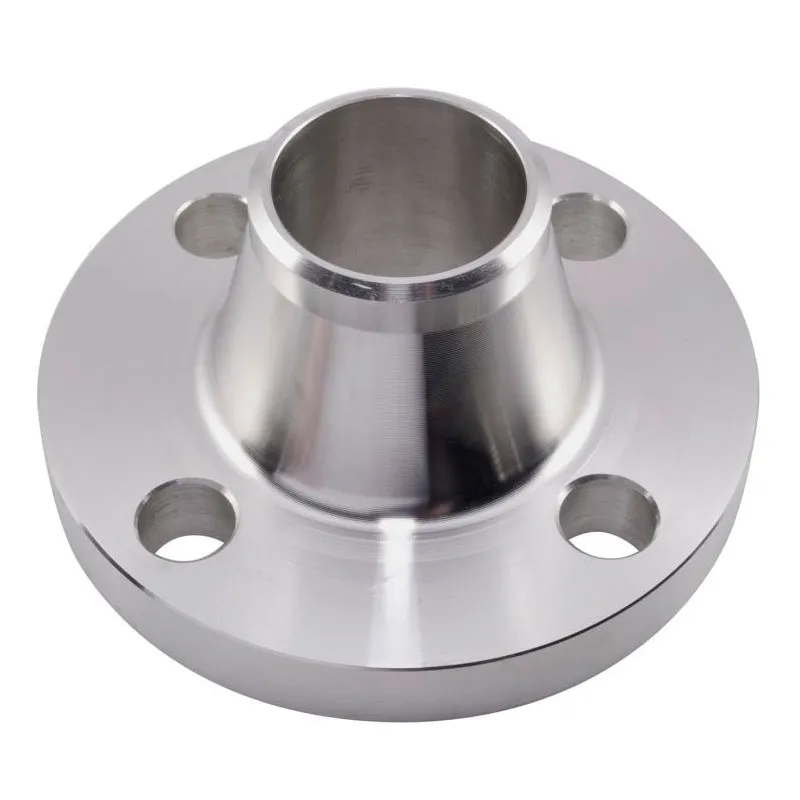
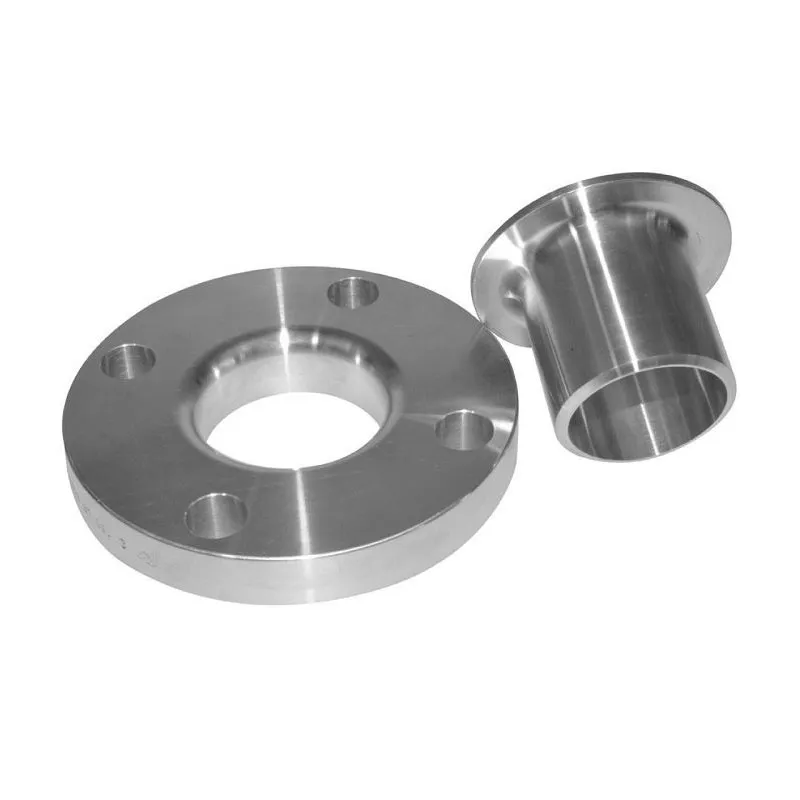
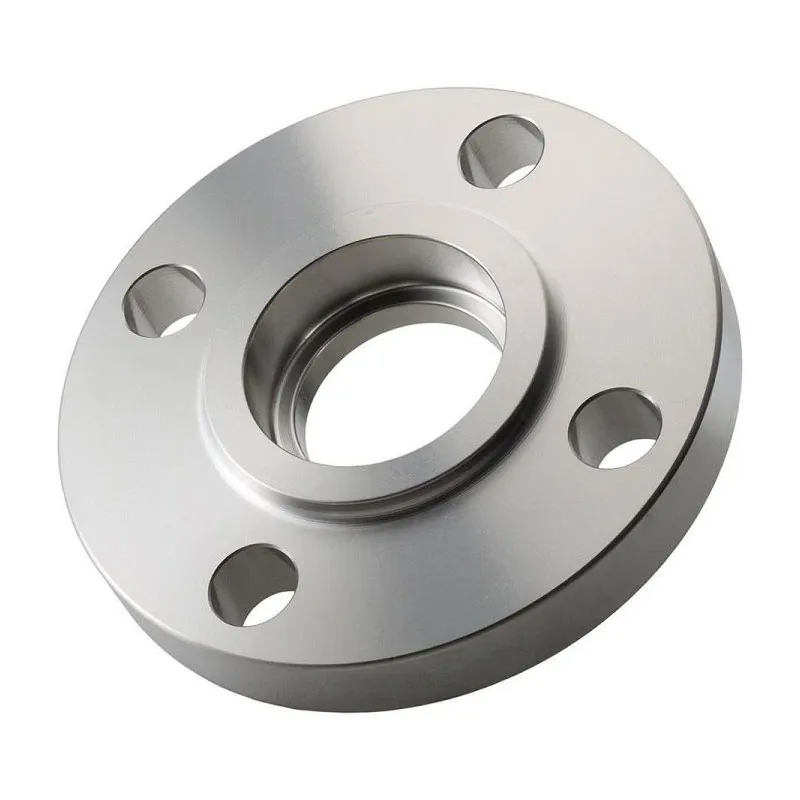
Best Sellingproducts
Best Selling Products-
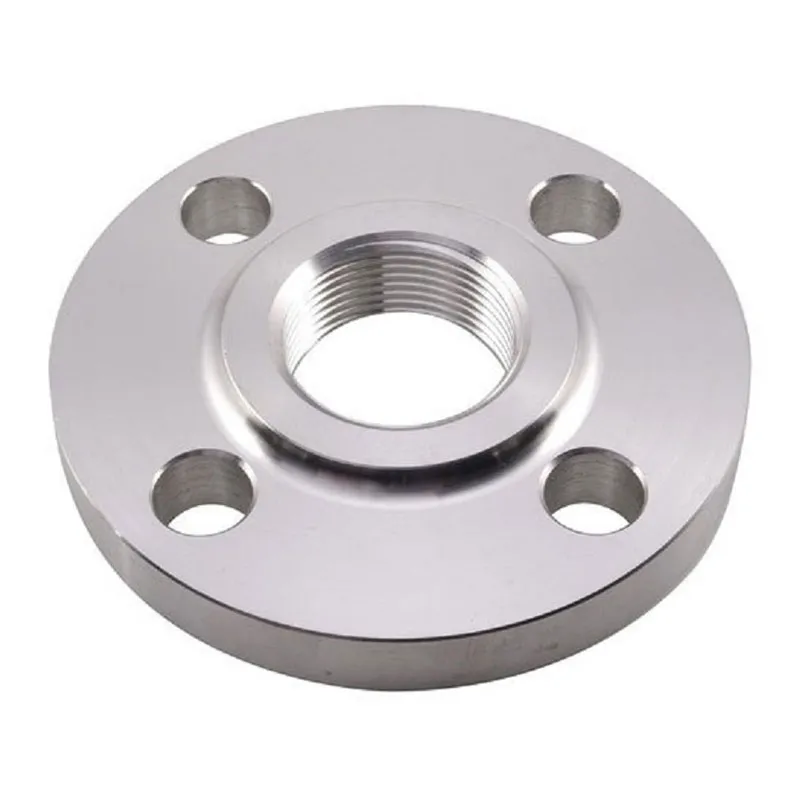 JIS 10K Overlay flanges
 -
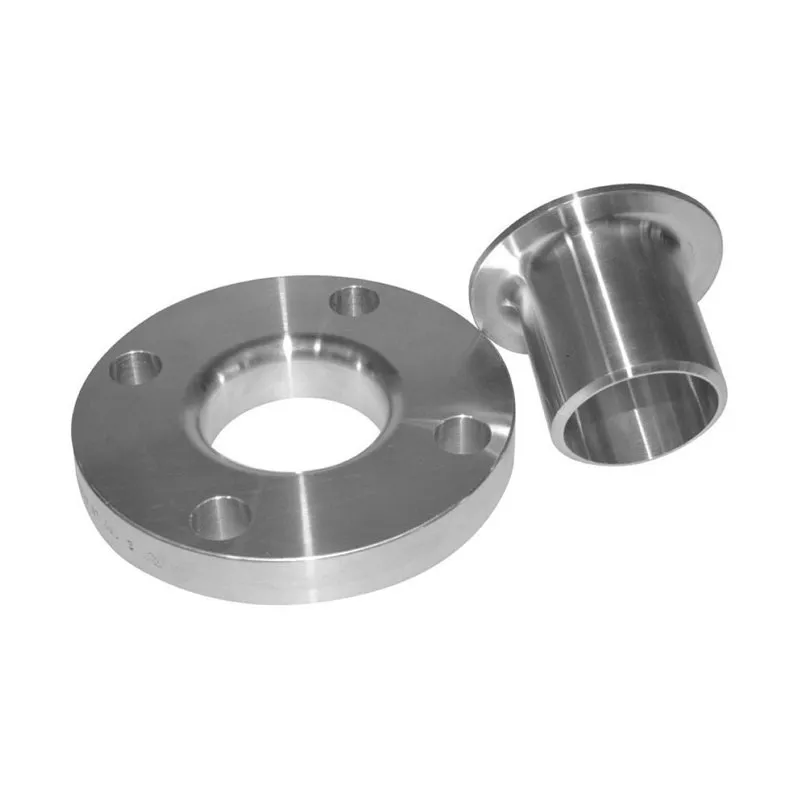 Free ring flanges Class 150
 -
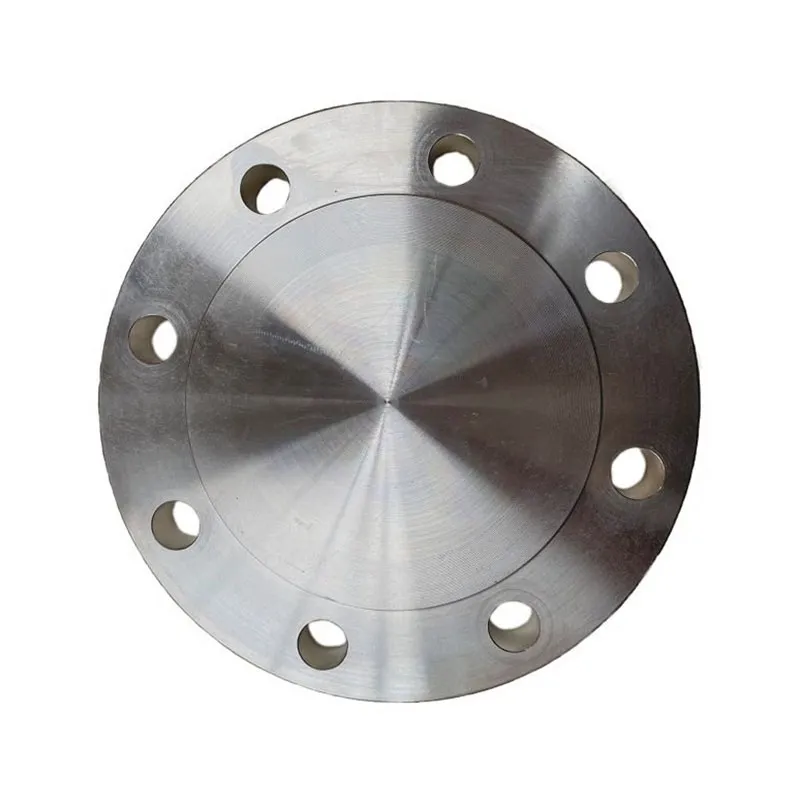 UNI 6092 Blind flanges PN10
 -
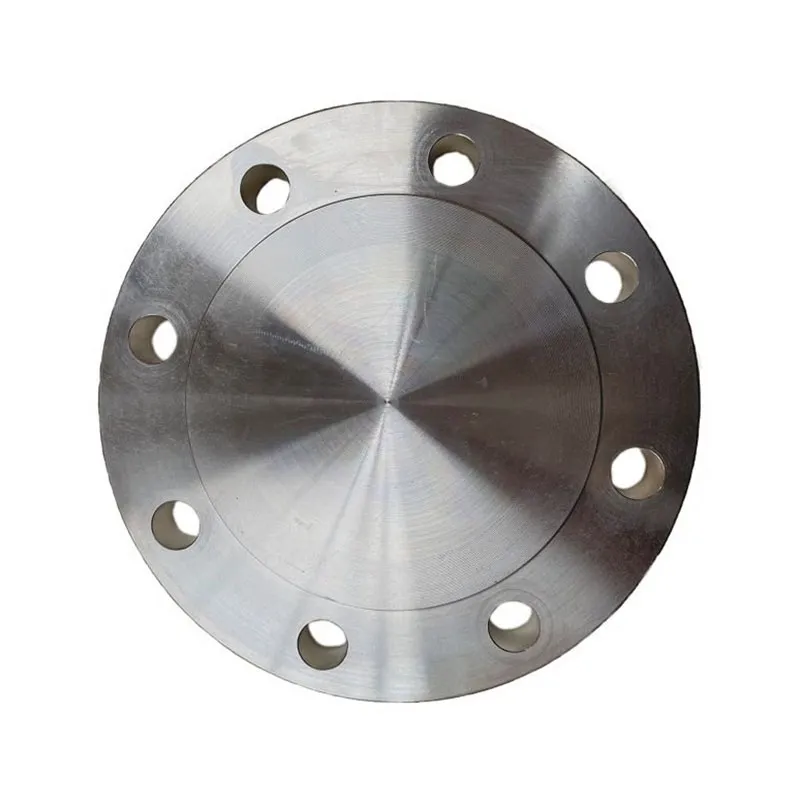 ASME B16.47 Ser.A Blind Flanges Class 400
 -
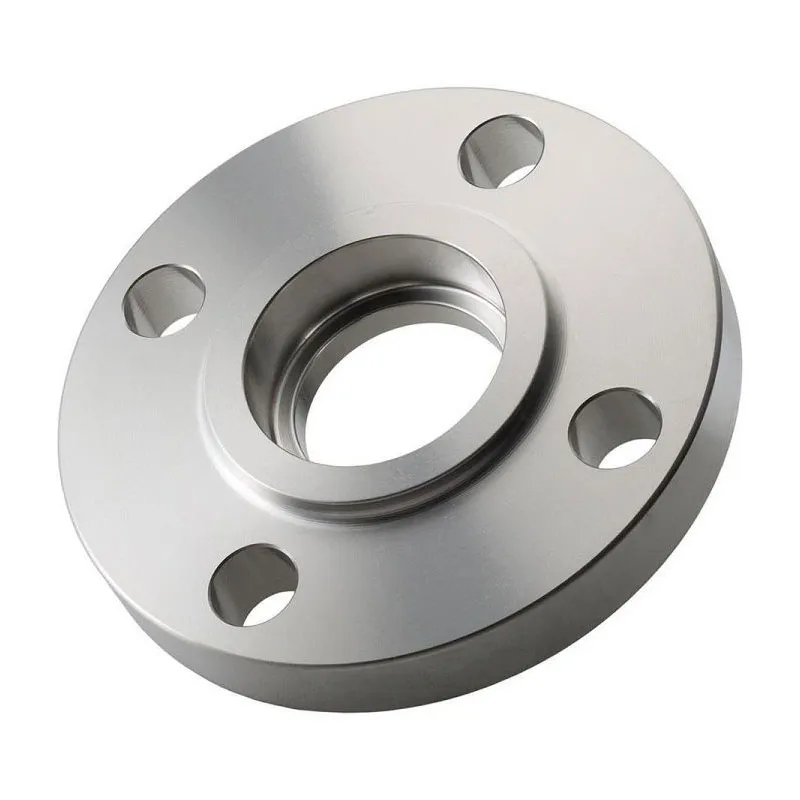 ANSI B16.5 Socket Weld Flanges Class 1500
 -
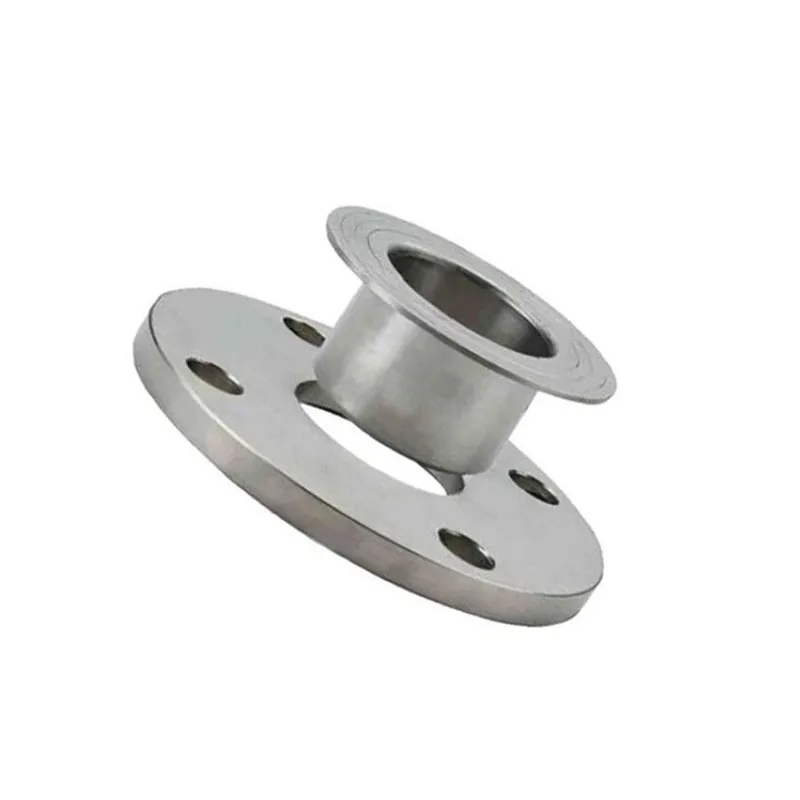 Free ring flanges Class 400
 -
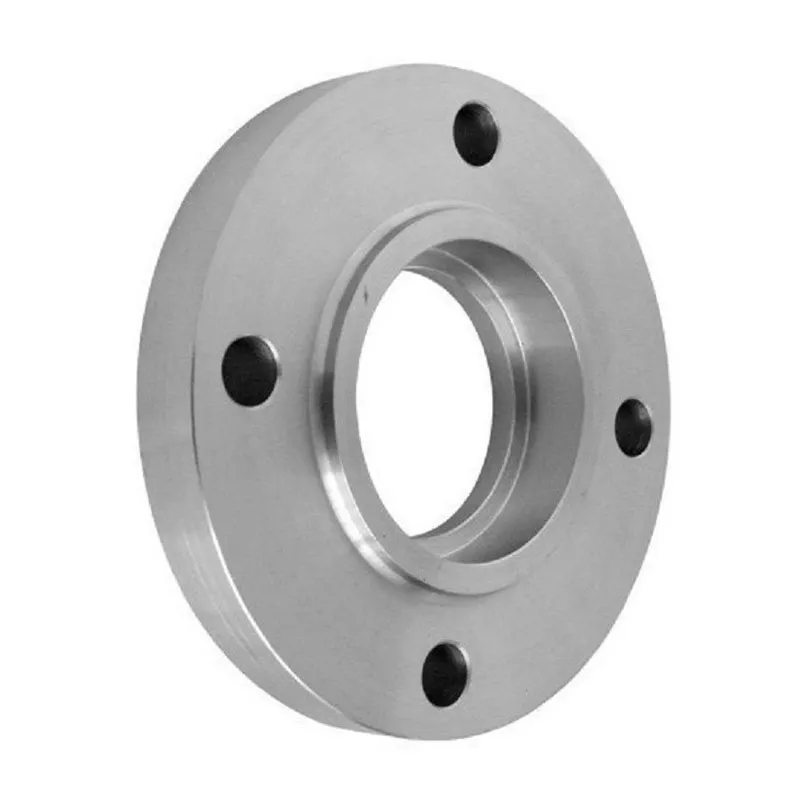 Socket Weld Flanges Class 300
 -
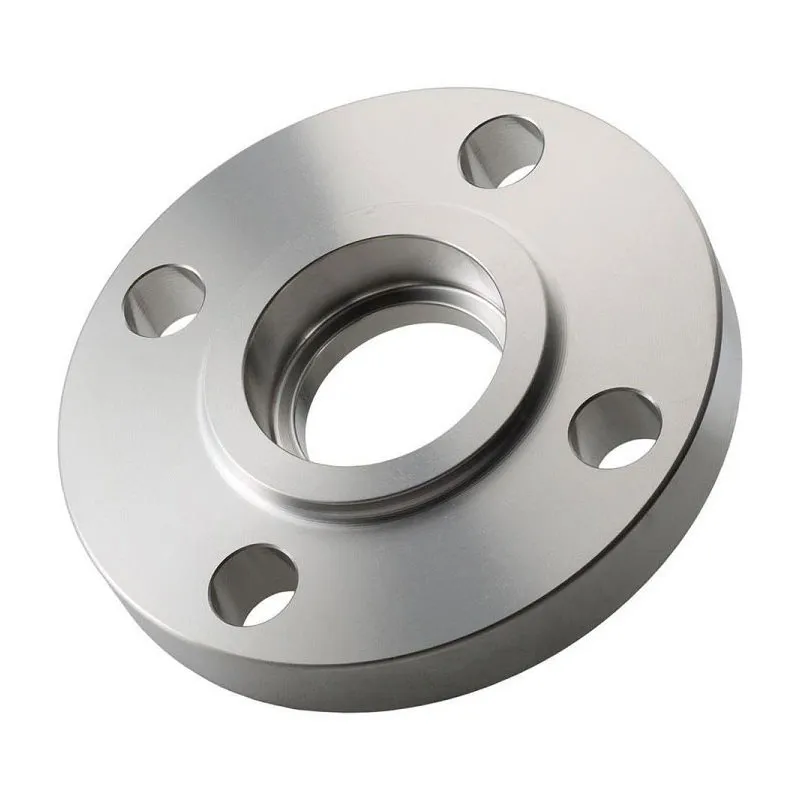 Flanges for socket welding
 -
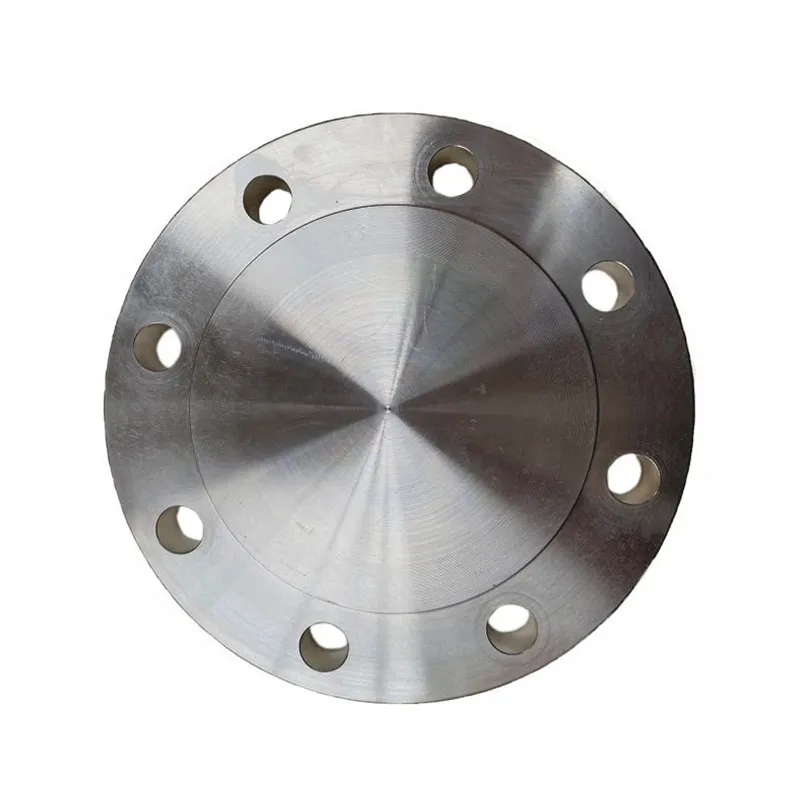 DIN 2527 Blind flanges PN10
 -
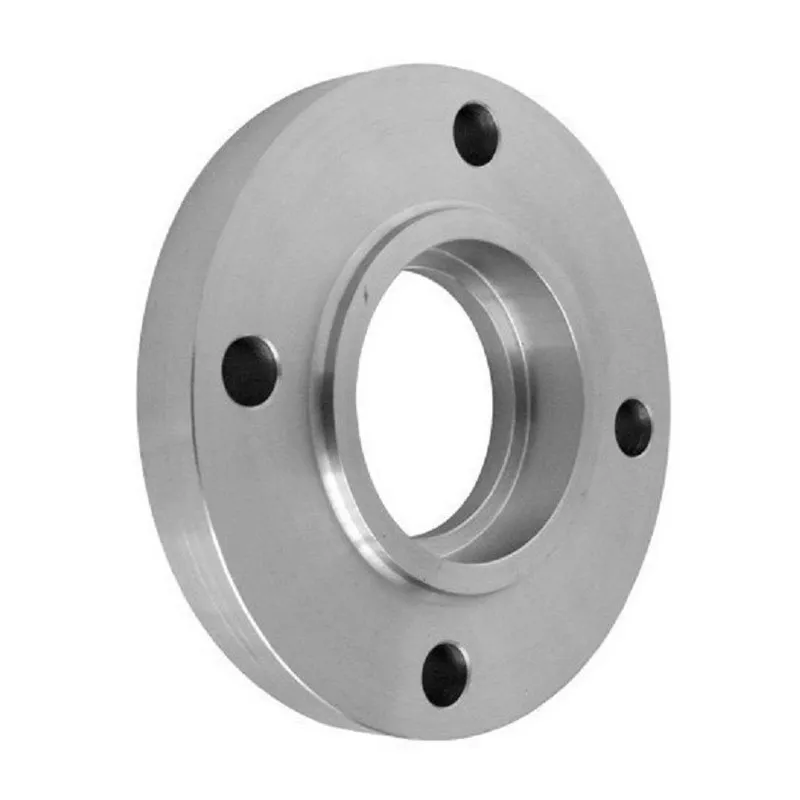 JIS 5K Socket Weld Flanges
 -
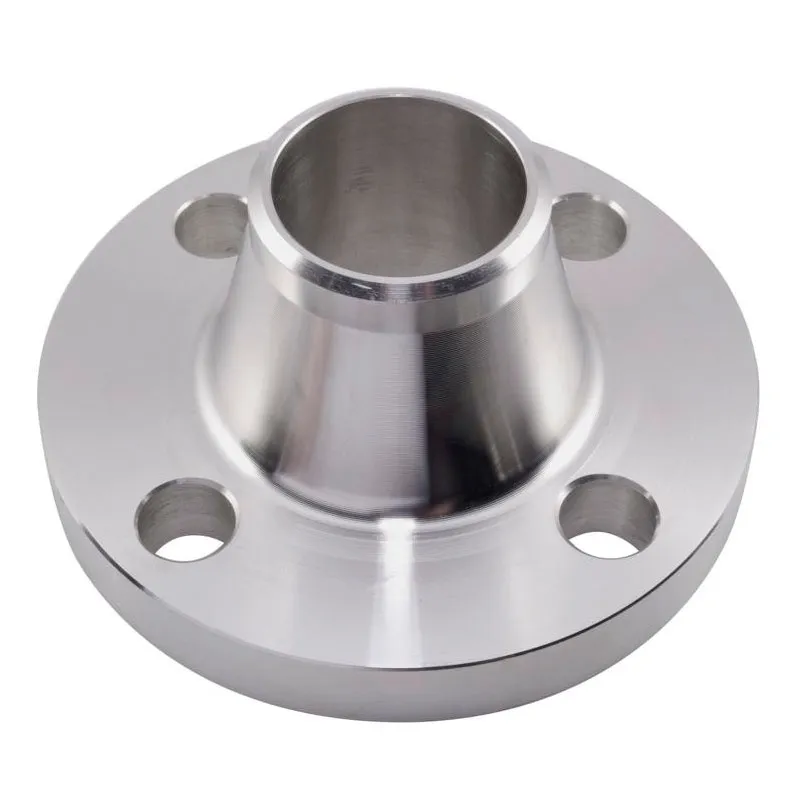 Butt weld flanges Class 900
 -
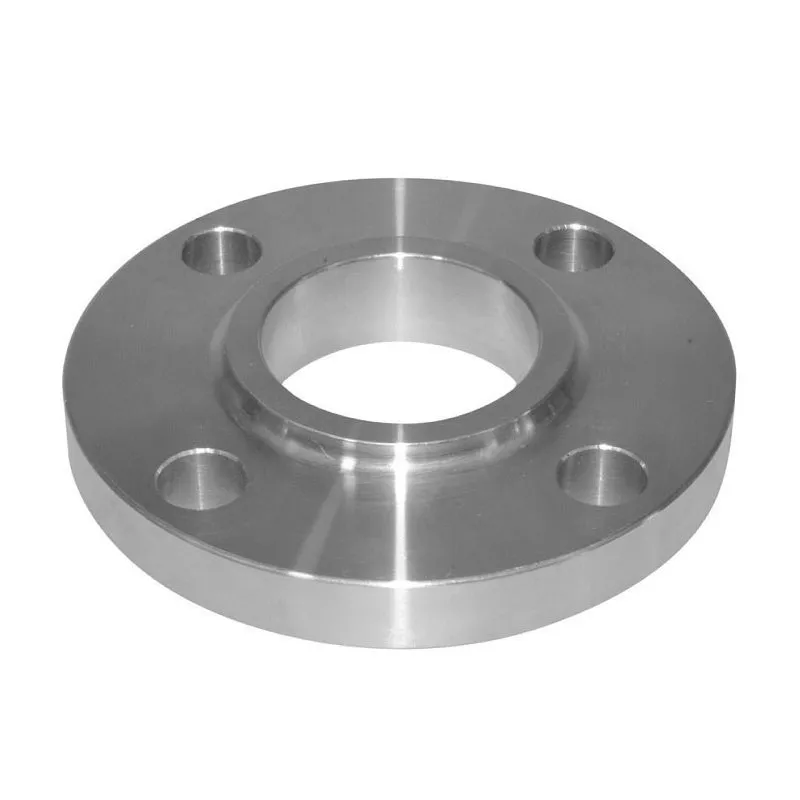 ANSI B16.5 Lap-on flanges Class 1500