
-
-
Phone
+86-13623462298



dkc flange
When you hear "DKC flange", the first thing that comes to mind is, of course, a specification associated with certain standards or perhaps even a specific manufacturer. But this is where the mistake often lies. Many people immediately go to catalogs, looking for an exact match, but in reality, this abbreviation may simply hide a design type or even a local factory designation, which then has to be deciphered through drawings. I went through this myself - you order according to the specification, but what you receive is not exactly what you need for the unit. This is especially truedkc flange, when you work with supplies from Asia, where the nomenclature is sometimes described by internal codes.
What does the DKC designation mean in practice?
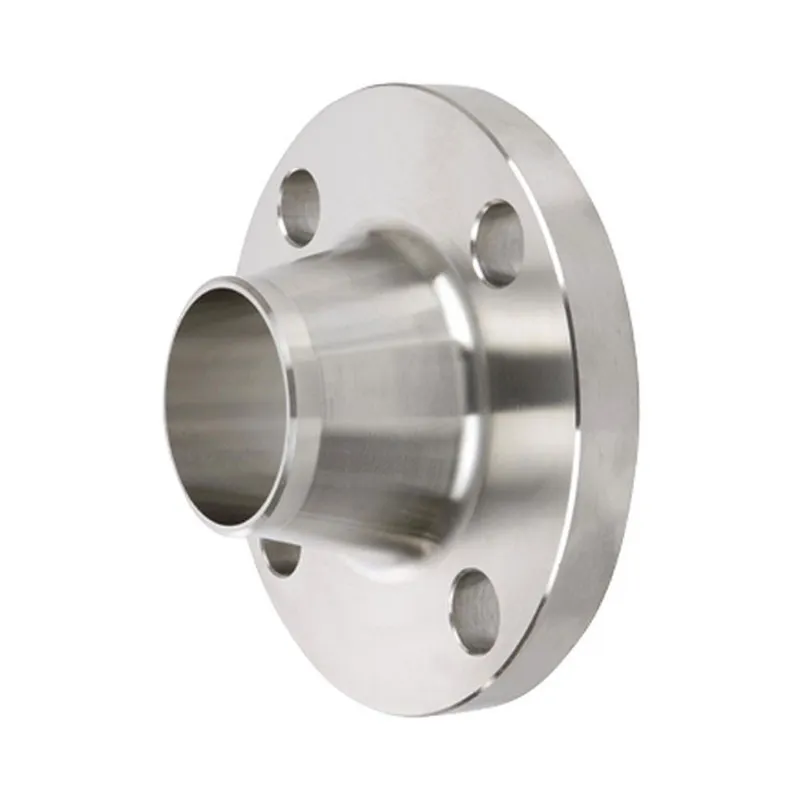
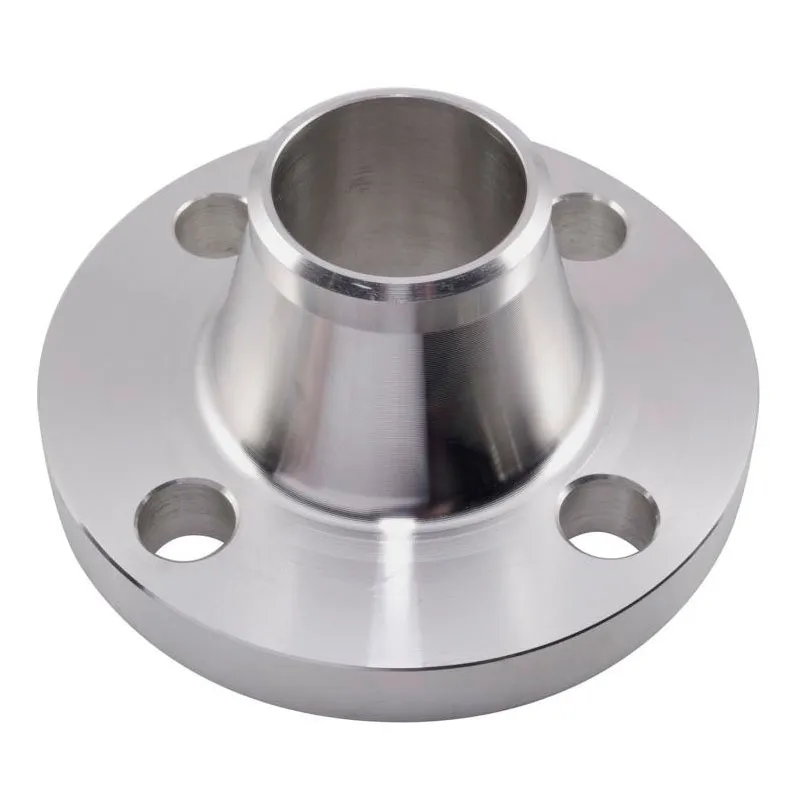
Abstractions aside, in my experiencedkc flangemost often found to be associated with butt-weld flanges for specific medium pressure pipelines, but with a reinforced neck design. It’s not that this is an official standard like GOST or ASME, but rather a technical condition. For example, for chemical environments, where it is not so much the thickness that is important, but the material and quality of forging in the transition zone. I once checked a batch for one plant - according to the documents, everything was perfect, but during ultrasonic testing, inhomogeneities were discovered in the radius transition zone. It turned out that the supplier saved on the draft of the workpiece.
That is why now I always look not only at the labeling, but also at the manufacturer. I found a relatively reliable option for myself -Shanxi Hongkai Forging Co.,Ltd. By the way, they often work according to just such technical conditions, because their profile is forged flanges and custom forgings. I went to their websitehkflange.ru— it is clear that the company is positioning itself as a manufacturer in one of the key forging centers in China, and these are not just words. Their product range includes just those same butt-welded flanges, which can go under the customer’s internal designation DKC.
The key point that many people miss is the size range. UShanxi Hongkai Forging Co.,Ltddeclared DN15–DN4000. When it comes to large diameters, such as DN2000 and above, a conventional cast or stamped flange is a risk. And forged, especially fordkc flangewith requirements for mechanical properties, is often the only option. But there is a nuance here: not all forging is the same. It's the volumetric forging process they use that's important, not just strip bending.
Errors during ordering and installation: from personal experience
I’ll tell you about one incident that I remember well. We ordered a batch of flanges according to the specification, let’s call it DKC-type, for repairing a section of a steam pipeline. In terms of pressure and temperature, everything seemed to agree with the calculations. But they did not take into account the heating-cooling cycle. After six months of operation, microcracks appeared on several flanges, not in the main body, but in the area of the weld with the pipe. We sorted it out - the flange material was selected correctly, but the geometry of the back surface of the flange itself (the one for welding) was not ideal, the allowance turned out to be smaller, and the seam was laid under increased stress.
After this incident, I began to always demand from suppliers, including companies such asShanxi Hongkai Forging Co.,Ltd, not only certificates for mechanics, but also reports on ultrasonic testing of the transition zone and seating surfaces. On their website, the company description states that they work according to international standards - GOST, ASME, EN. This is a good sign, but for such non-standard things asdkc flange, it is important that they are prepared to provide batch-specific inspection data rather than just generic certificates.
Another practical point is the mounting holes. It would seem like a small thing. But for DKC structures, which are often installed in cramped installation conditions, shifting the holes even by a couple of millimeters can lead to the studs not fitting. We had to drill it out on site, which weakens the structure. Now in the technical specifications I always write down the bolt pattern tolerance as a separate line and require pre-shipment photos with measurement of the hole pitch, especially for diameters from DN500.
Materials and non-obvious dependencies
When they talk aboutdkc flange, they rarely immediately specify the steel grade. And this is the basis. For corrosive environments, 12Х18Н10Т (analogous to AISI 321) is often used; for high parameters - 15Х5М (analogous to AISI 502). But here’s what’s important: the same brand from different manufacturers behaves differently after forging and heat treatment. From Chinese manufacturers, the sameShanxi Hongkai Forging Co.,Ltd, there is experience working with these brands, but it is necessary to clearly indicate not only the brand according to GOST or ASME, but also the required mechanical properties at operating temperature.
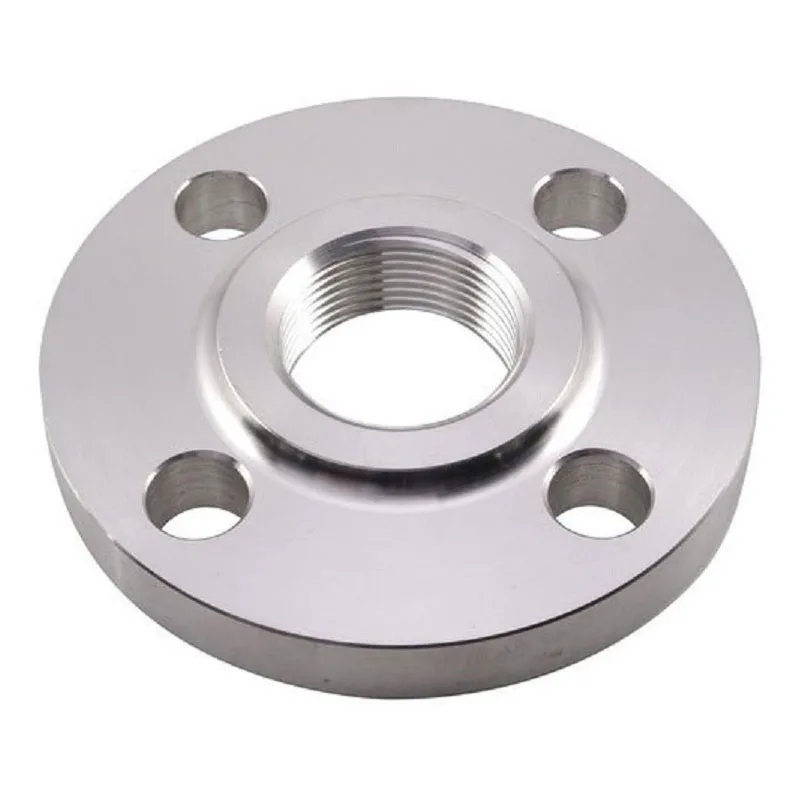
I had a project where the specification required a flange made of AISI 304L steel for aggressive environments. We ordered from one supplier, everything seemed to be according to the standard. But there were chlorides in the environment, and pitting corrosion began. It turned out that for such conditions it was not just 304L that was needed, but with the additional requirement of carbon content and structure control after forging. That is, the general designationdkc flangewas to be expanded to a full technical specification with chemistry and mechanics. Now, for responsible objects, I always allow time for trial delivery and testing of the sample.
By the way, about forgings. On the websitehkflange.ruin the company descriptionShanxi Hongkai Forging Co.,LtdIt is indicated that they also manufacture non-standard products according to drawings. This is critical for DKC designs, which are often non-standard. The ability to send your drawing and get a forging for it, rather than trying to fit a standard flange, is a huge plus. But you need to be prepared for dialogue: their technical department may suggest changing the radius or allowance for better forging manufacturability, and this is worth listening to.
Logistics, receiving and hidden costs
When ordering flanges, especially large ones, under the designationdkc flange, it is easy to miss the cost if you only consider the price per ton. Weight is one thing, but dimensions are another. The DN3000 flange is almost a whole machine. It is necessary to think through the packaging and mounting on a pallet in advance so that the edges do not bend during sea transportation. Once we received a batch where several flanges were simply packed in stretch film - the result, naturally, of a dent on the sealing surface. I had to send it for machining, which negated all the savings.
Acceptance is a different story. Visual inspection is required for the absence of sunsets and cracks, especially at the end and in the area of the holes. Then - measurement of key dimensions: outer diameter, thickness, bore diameter, bolt pattern. It is ideal if it is possible to randomly check the hardness. For deliveries fromShanxi Hongkai Forging Co.,LtdI usually request test reports for exactly the batch that arrives. Their websitehkflange.rutalks about compliance with standards, but the papers must be specific.
And the last thing is compatibility.dkc flangefrom one manufacturer and a flange with the same marking from another may not fit together due to different tolerances on the neck taper or chamfer angle. Therefore, it is better to order from one supplier for the entire line. If the project is large and the batches are different, then the first flange from the new batch must be test-fitted with the flange from the previous one, even before installation begins. This will save a lot of time and nerves on site.
Instead of a conclusion: not a label, but a set of requirements
So to summarize my experience,dkc flangeis not just a word to search in a catalogue. This is a certain set of requirements for design, material, workmanship and control, which must be specified in detail. Working with trusted manufacturers who specialize in forging, likeShanxi Hongkai Forging Co.,Ltd, simplifies life, but does not relieve responsibility from the engineer who prepares the technical specifications.
It is important to look not only at the company’s website and list of standards, but also at the willingness to discuss details, provide additional control data and accommodate non-standard geometries. Because ultimately, the flange is a part on which the tightness and safety of the entire system depends. And this is no longer an area where you can rely only on a fancy abbreviation in the specification.
So my advice is to always dig deeper than the labels. Behind the abbreviationdkc flangethere must be a clear technical document, a dialogue with the manufacturer and an understanding of the conditions under which this part will work. Only then can you be confident in the result, and not guess what will come in the next delivery and whether it will pass acceptance.
Correspondingproducts
Related Products
Best Sellingproducts
Best Selling Products-
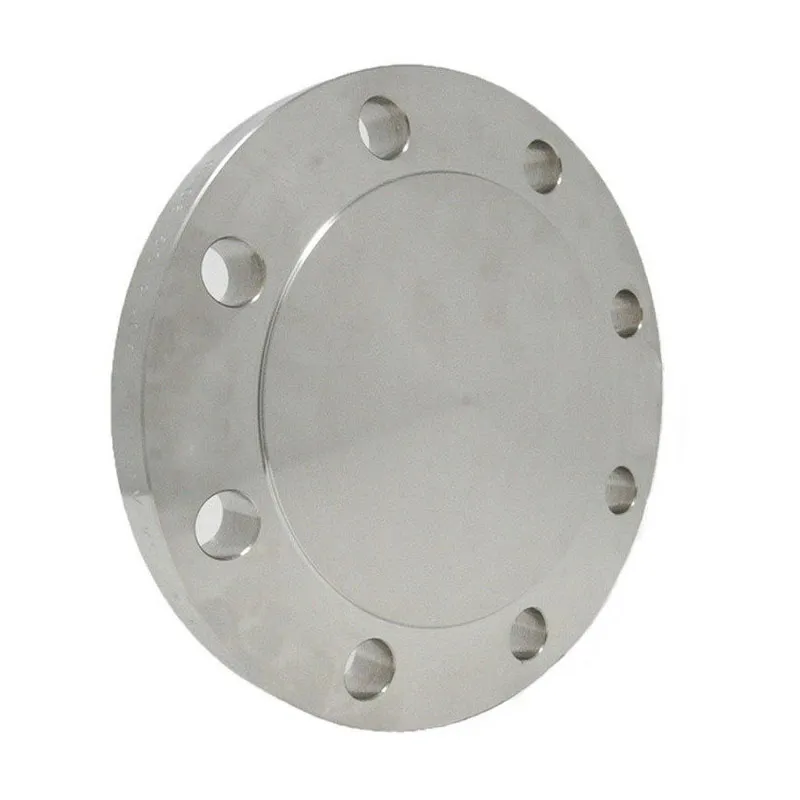 AWWA Blind Flanges Class D (Tables 1, 2, 3)
 -
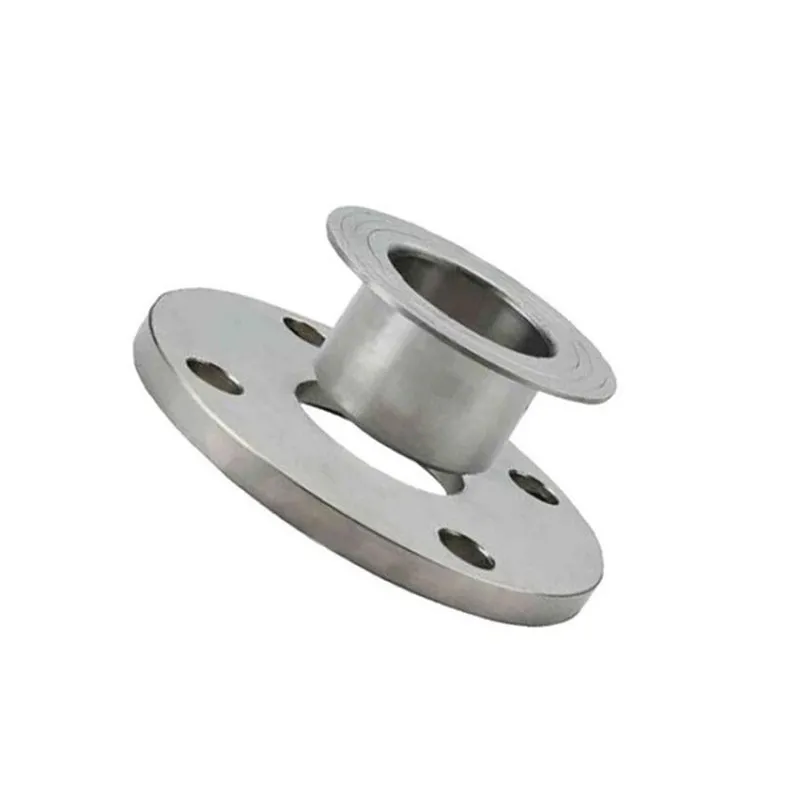 JIS 10K Loose Ring Flanges
 -
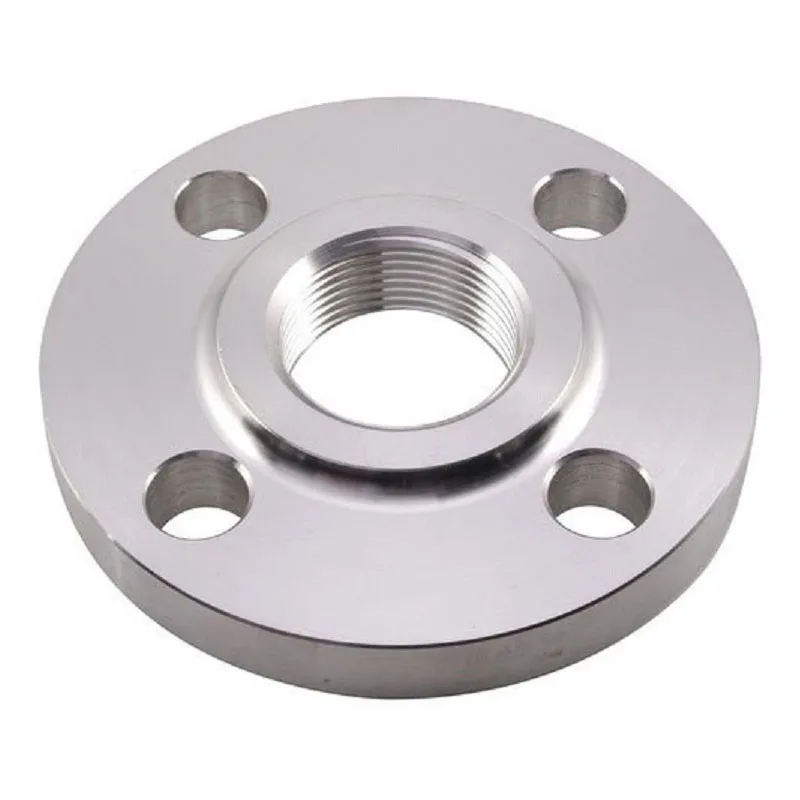 DIN 2566 Threaded flanges PN16
 -
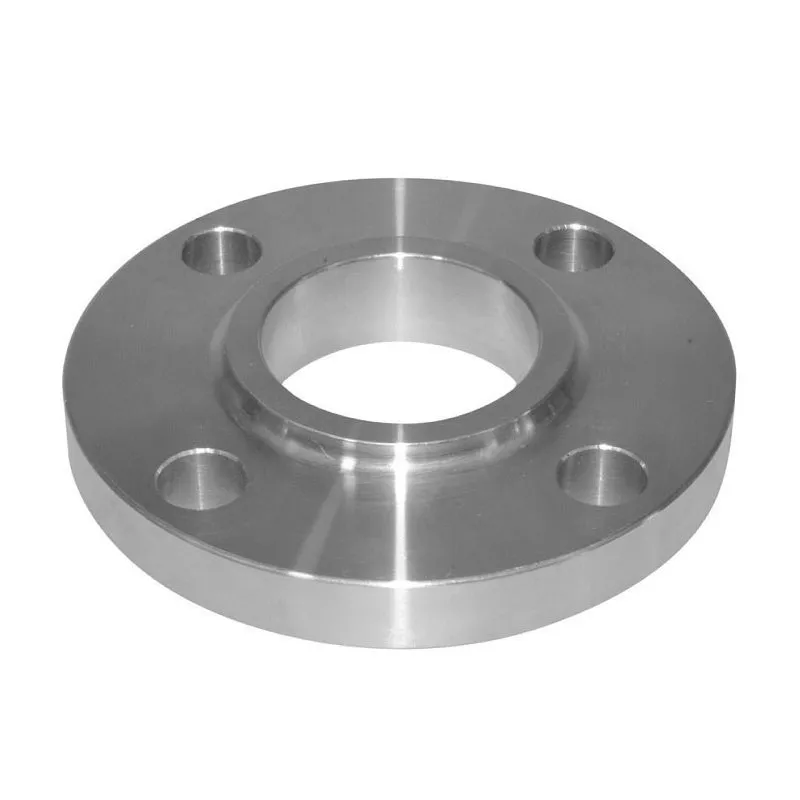 ANSI B16.5 Lap-on flanges Class 1500
 -
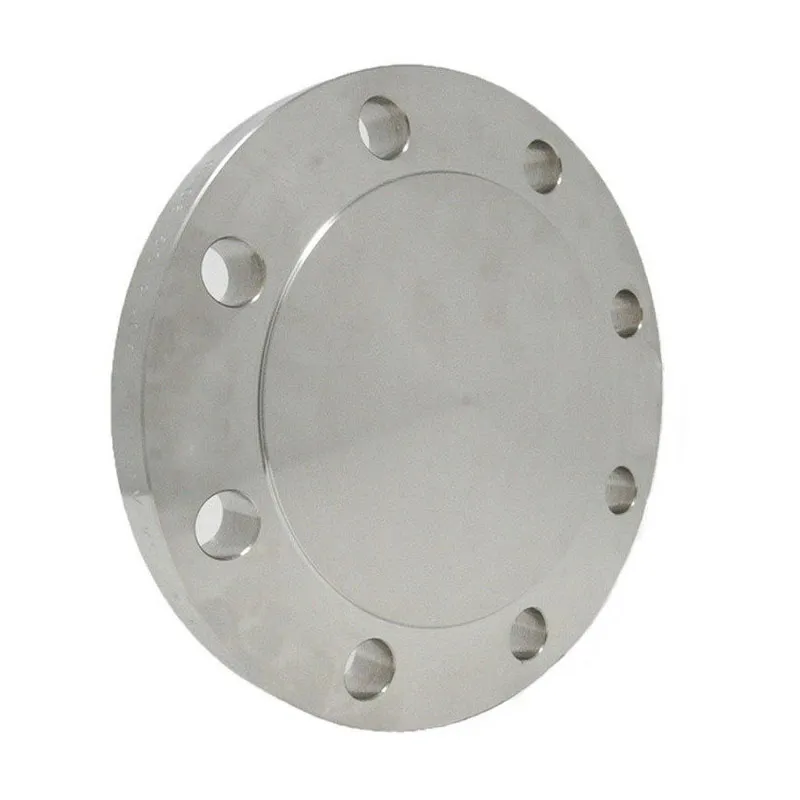 Blind flanges Class 150
 -
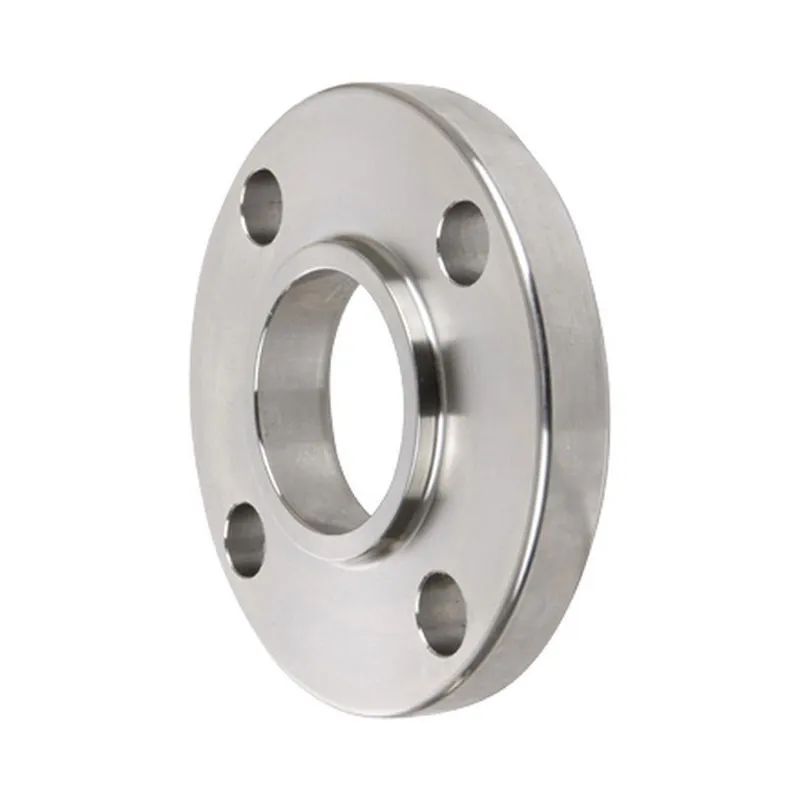 DIN 2501 Overlay flanges PN16
 -
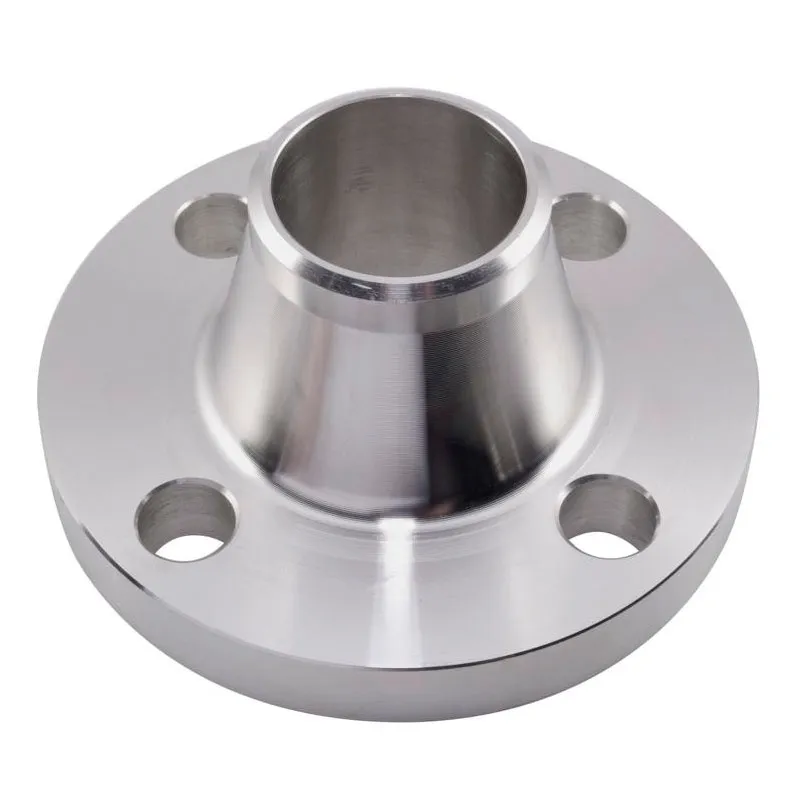 Butt weld flanges Class 900
 -
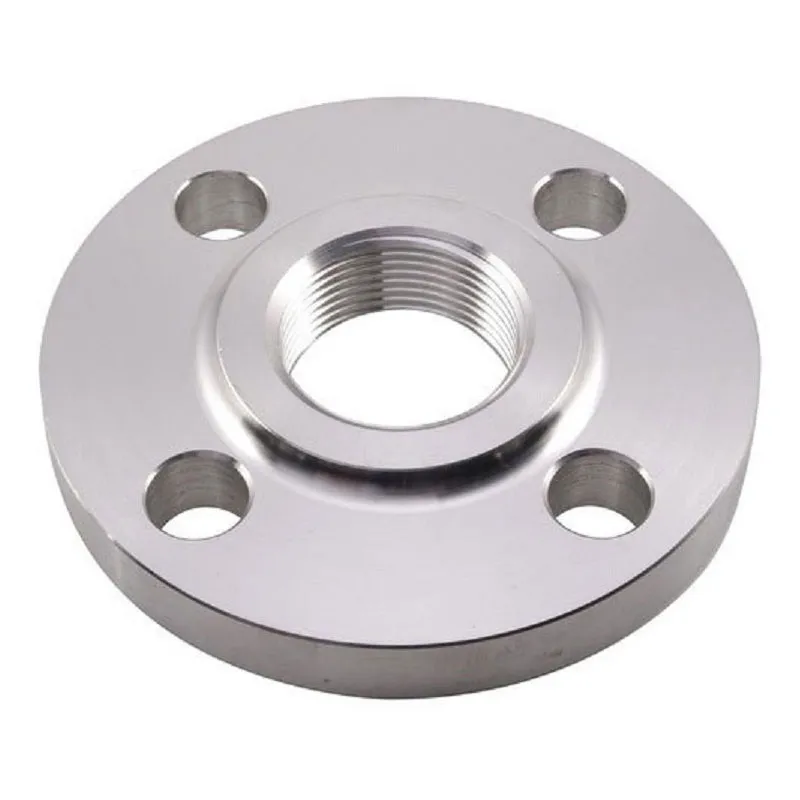 DIN 2565 Threaded flanges PN6
 -
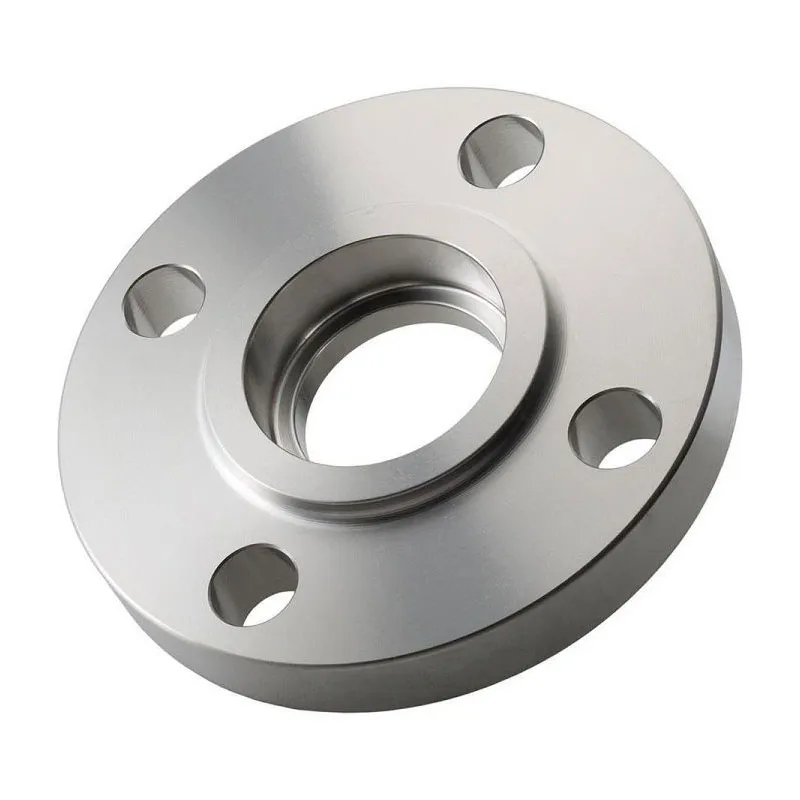 ANSI B16.5 Socket Weld Flanges Class 1500
 -
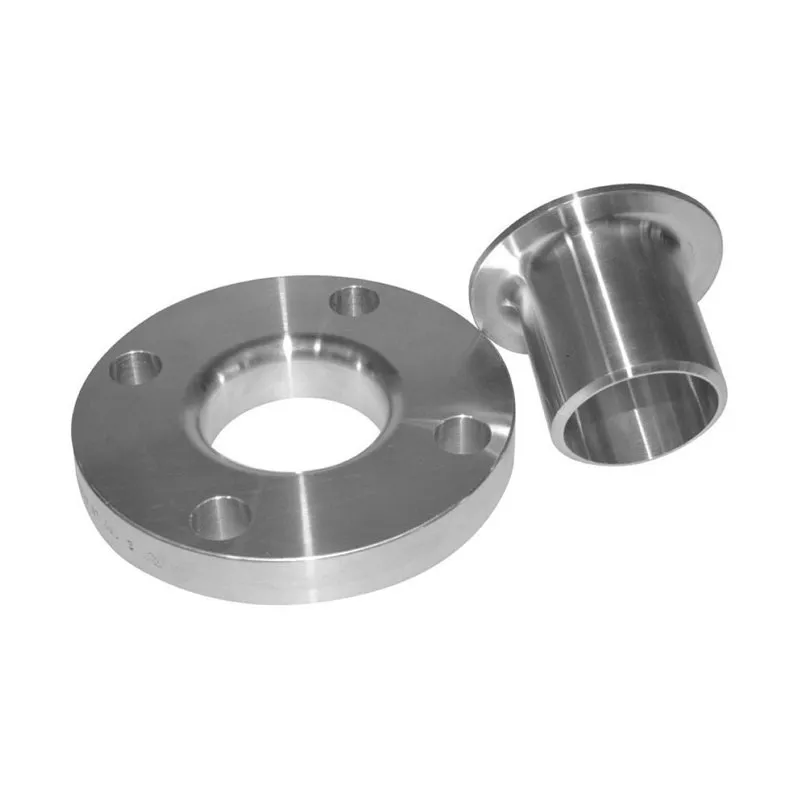 Free ring flanges Class 150
 -
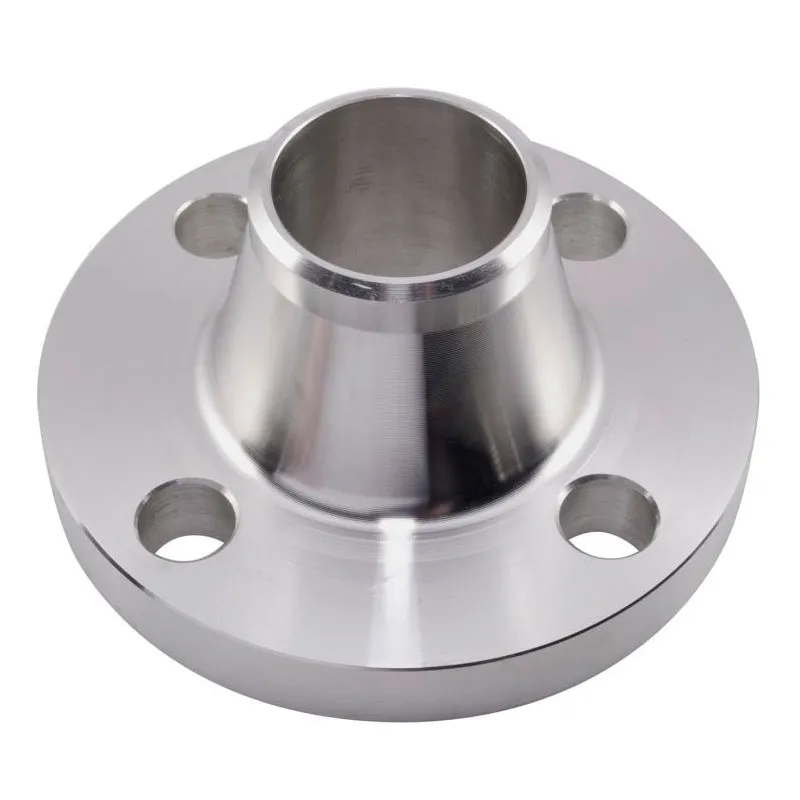 UNI 2281 Butt weld flanges PN10
 -
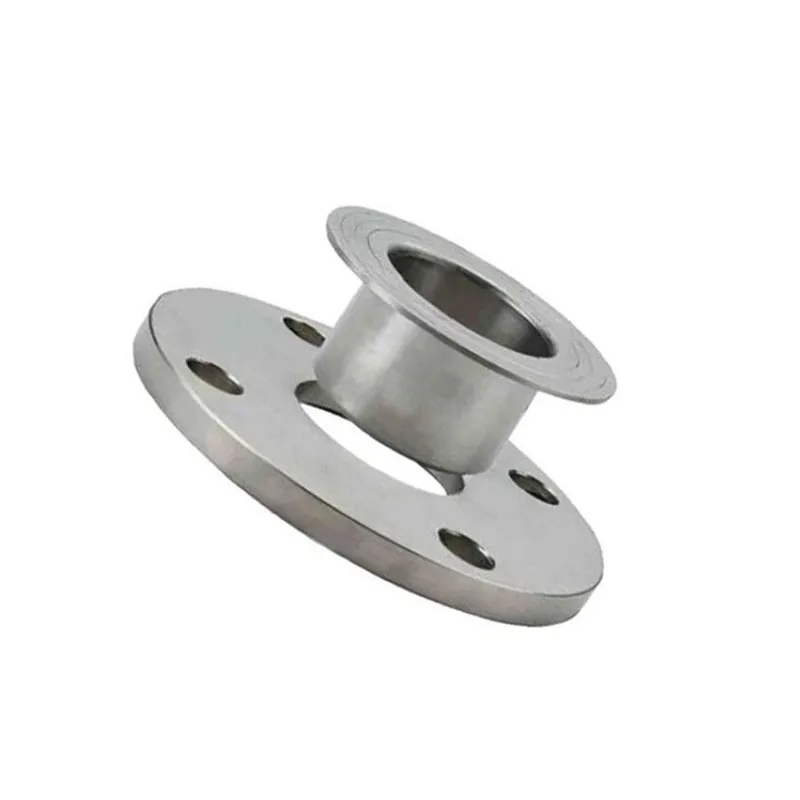 Free ring flanges Class 400