
-
-
Phone
+86-13623462298



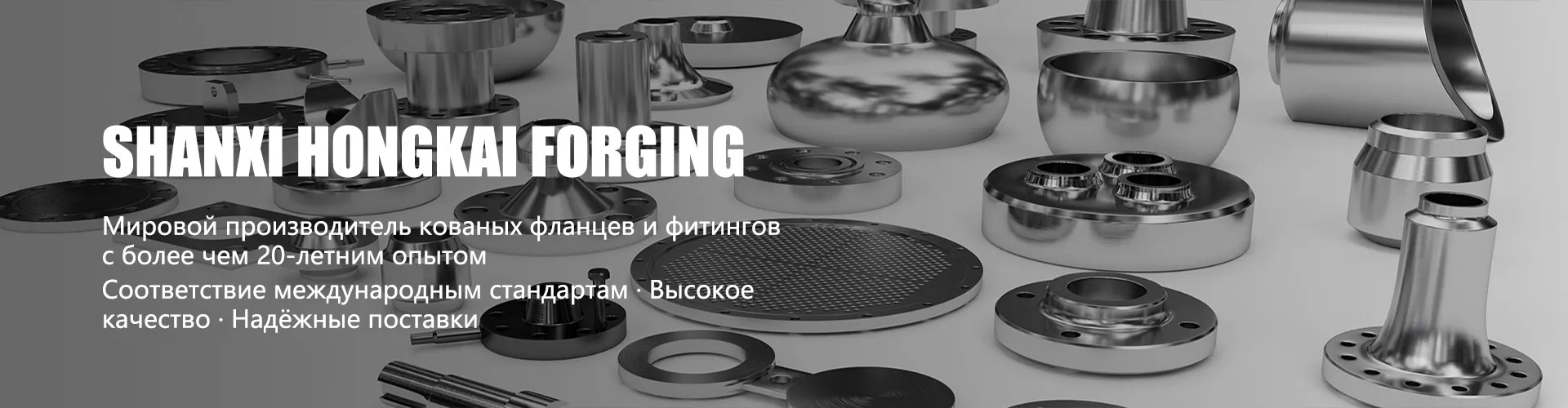
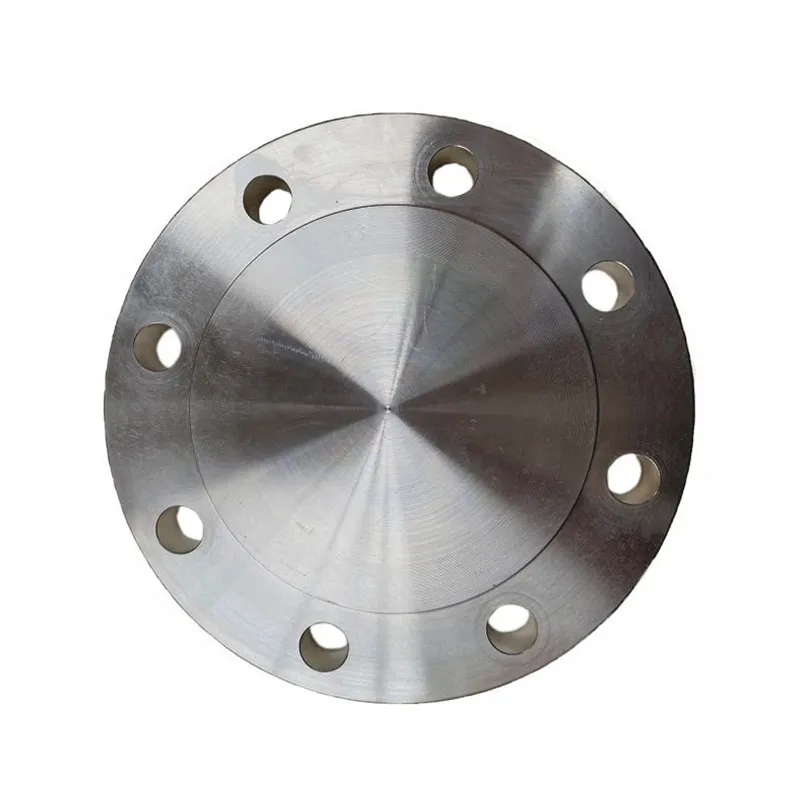
flange 40 10
When you see the request “flange 40 10?”, the first thought is probably the bore diameter and pressure. But this is where the fun begins, because in real work these numbers are almost nothing without context. Many people, especially those who are just starting to purchase, think that this is a complete technical description. In fact, it is rather a starting point for a whole series of questions. What standard? Material? Type of sealing surface? For which media? Without answers to these questions, you can easily end up with a completely unusable part. I myself have encountered more than once when the specification simply said “flange 40 10?”, and then it turned out that GOST 33259 was needed, and not ASME B16.5, or vice versa. The difference, as you understand, is in geometry, price, and delivery time.
Labeling standards and pitfalls
So let's take ourflange 40 10. The number 40 is most likely DN (nominal diameter). But what is 10? If this is pressure, then in what units? We are accustomed to the conditional pressure Ru (kgf/cm2), but the same GOST 33259 uses PN in bars. PN10 is approximately Ru10, but not exactly. And if this is ASME, then there is a pressure class - Class, and Class 150 - these are completely different parameters for pressure and temperature than PN10. Therefore, the first thing you do when you see such a short marking is to clarify the standard. Without this, even starting a conversation with the manufacturer is pointless.
Working with different suppliers, I noticed that Chinese factories that really understand the international market always request a complete package of data. Here, for example,Shanxi Hongkai Forging Co.,Ltd(their website ishkflange.ru) in its practice clearly divides production according to standards. They produce forgings and flanges in accordance with GOST, ASME, EN, DIN and others. These are not just words in a catalogue. When you ask themflange 40 10, the manager immediately clarifies: “By what standard?” For what use??. And this is the right approach. Because forging for a flange according to GOST and for a flange according to ASME are initially different technological processes, especially if we are talking about a material other than standard carbon steel.
I had one unpleasant experience at my old job. We ordered a batch of flanges simply on such a short request from an unverified supplier. The products arrived that seemed to be similar in appearance, but during installation it turned out that the diameters of the holes for the studs did not match by half a millimeter. It turned out that the supplier made it according to its internal standard, which was “similar?” DIN. I had to urgently look for a replacement and redo the work. Since then, it has been an axiom for me: short marking is a red flag. A complete specification is needed: standard, type (e.g. butt, flat, loose), material, surface type (tongue-to-groove, tongue-and-groove, etc.).
Material is the heart of durability
And now about the material. The numbers are ?40 10? they don't say anything about him. Will it be St20, 09G2S, 12Х18Н10Т or A105, F304, F316L? The choice depends on the environment. For ordinary water or steam at moderate temperatures, carbon steel will do. But if we are talking about some kind of aggressive environment in chemical production or high-temperature steam, then alloy or stainless steels are needed. And this is where the qualifications of the manufacturer are important.
Here I look at the nomenclature of the sameShanxi Hongkai Forging Co.,Ltd. They are positioned as a manufacturer in one of the main forging centers in China. This is important. Why? Because forging is not just cutting from a sheet. This is the formation of metal under pressure, which improves mechanical properties and refines the grain. For critical applications, forging is preferred. Especially for the same high pressure flanges. Their range includes butt-welded (the most common for high pressures), flat, loose, and even non-standard products according to drawings. The range up to DN4000 is already a serious size that requires serious equipment.
Once we ordered a non-standardflangelarge diameter for reconstruction of an old unit. The drawing was Soviet, with the no longer existing GOST. We sent a request to several manufacturers, includingShanxi Hongkai Forging Co.,Ltd. Their engineers quickly sent a technical sheet with proposed material analogues according to modern standards and strength calculations. This showed that there is not just a sales department, but engineering and technical support that can conduct a dialogue. In the end, the product was made, and it fit perfectly into place.
Installation practice and common mistakes
Let's say the flange is correct, the material is selected, the standard is met. But that's only half the battle. The second half is editing. And here we return to our numbers again.Flange 40 10— what kind of seal will we install? Paronite, fluoroplastic, metal lens gasket? The processing of the sealing surface of the flange also depends on this. If a regular smooth surface is suitable for a soft gasket, then for a metal one you need an accurate tongue-and-groove profile. or “protrusion-recess?”. And if this is not specified in the order, a flange will come with a flat surface, and it will be impossible to mount it with a metal gasket.
A common mistake on construction sites is mixing flanges of different standards in one line. They installed, say, a flange with DN40 PN10 according to GOST, and they are trying to attach a flange with NPS 1.5' Class 150 according to ASME to it. The nominal diameters are close, but the geometry of the bolt holes, outer diameter, thickness - everything may differ. The joint will either not fit together or will be leaky. Therefore, when purchasing, you must strictly adhere to one standard for the entire line. If the project is international, it is better to immediately choose one main standard and order everything according to it.
Another point from practice is quality control at the entrance. Even with a trusted supplier, you need to selectively check the geometry, especially for critical lines. Vernier calipers and templates are a must have. You check the thickness, diameters, bolt patterns, and roughness of the sealing surface. It happened that I found small shells on the surface or a slight distortion. It is better to reject it at the warehouse than to dismantle an already welded assembly.
Non-standard situations and solutions
Sometimes the task goes beyond the standard directory. Let's say you needflange 40 10, but made of a special alloy, or with a non-standard arrangement of holes, or with an additional fitting. This is where it comes down to how flexible the manufacturer is. The manufacturer in question, for example, explicitly lists production according to customer drawings as one of its services. It's valuable.
There was a case when an adapter flange was needed to connect new equipment (according to ASME) with an old pipe (according to GOST). What was needed, essentially, was an adapter plate. We drew a sketch and sent it. The key issue was heat treatment after welding different grades of steel. The manufacturer proposed its own version of the technology - normalization to relieve stress. The product worked without any complaints. This is an example when a dialogue with a manufacturer, and not just with a trading company, gives a real practical result.
Another story is one of urgency. Typical production times for forgings and machining can be several weeks. But when there is an accident at an existing production facility, you cannot wait. Some manufacturers, having significant stock in stock, can quickly process the required flange from an existing forging. You ask: “Do you have a blank forflange 40 10made of steel 09G2S??. If the answer is yes and the deadline is stated to be several days rather than weeks, this is a big plus. This indicates well-established logistics and production planning.
Instead of a conclusion: thinking out loud
So what is itflange 40 10? This is not a product, but a question. A question that starts a chain of technical clarifications. This is a code that needs to be deciphered together with the engineer, designer and supplier. Experience suggests that saving time on drawing up a competent technical specification always results in losses later - on rework, downtime, and complaints.
Choosing a supplier in such matters is choosing a partner. It is important that at the other end there is not just a manager reading out the price list, but a specialist who is able to understand the context, ask the right questions and offer a solution, and not just sell a part from a catalog. When you see a site likehkflange.ruand you read that the companyShanxi Hongkai Forging Co.,Ltdworks according to international standards and makes forgings - this creates a certain impression. But real confirmation occurs only at work, when a request comes for a non-standard product or urgent consultation on a material is needed.
Overall, to summarize the train of thought: never settle for short marking. Dig deeper. Specify the standard, material, design. Look for a manufacturer who is capable of dialogue. And then these two numbers - 40 and 10 - will turn from a mystery into a clear technical solution that will work for years. Tested, including from my own experience.
Correspondingproducts
Related Products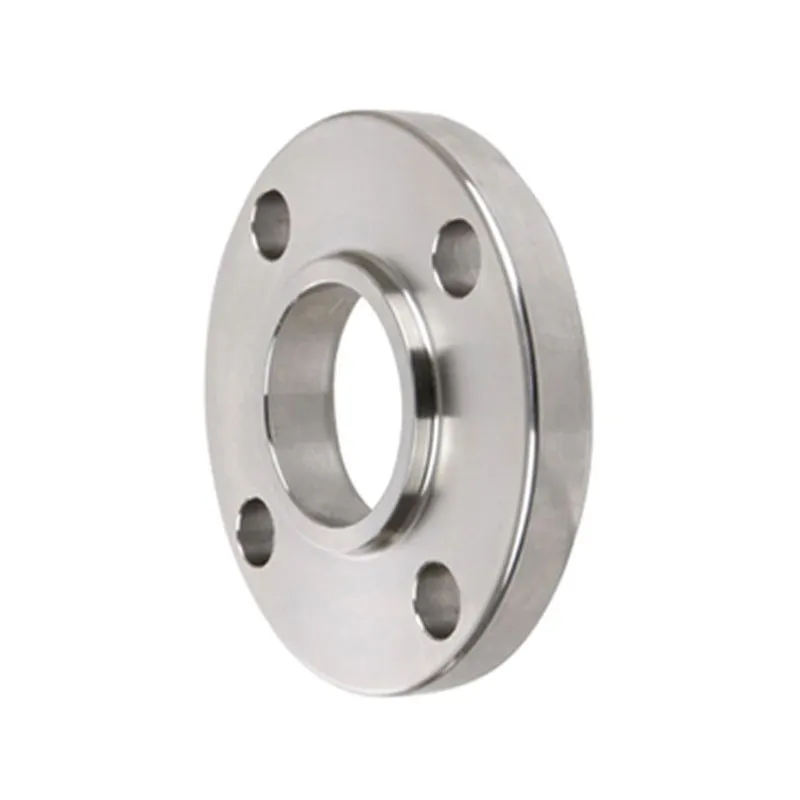
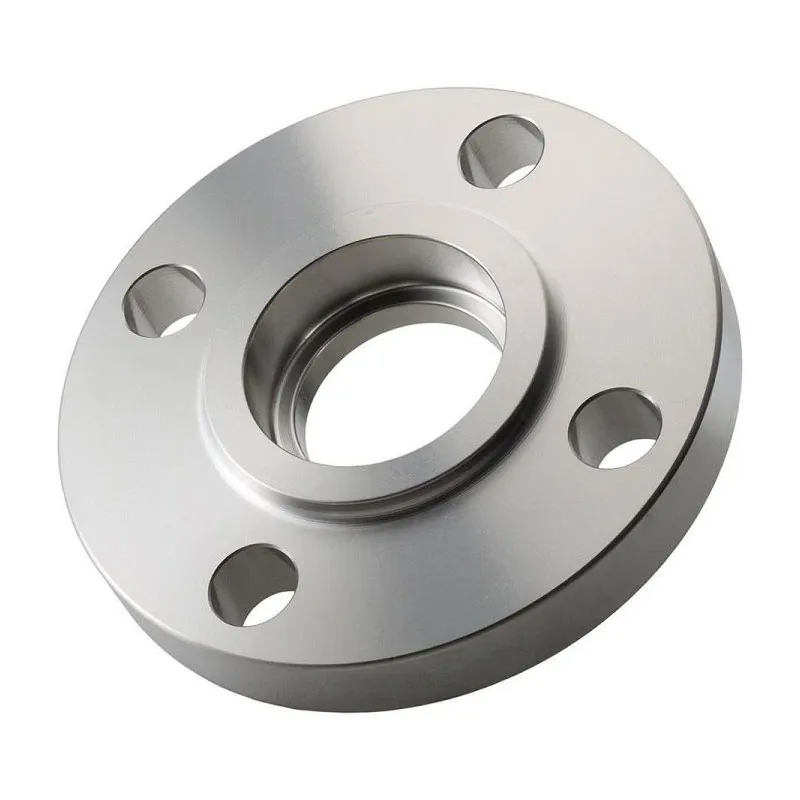
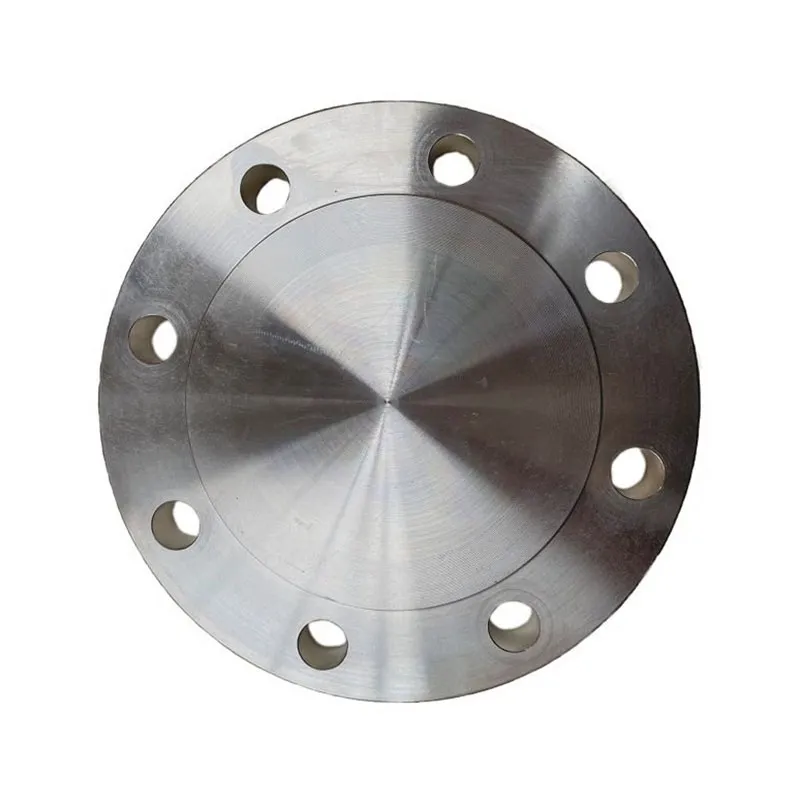
Best Sellingproducts
Best Selling Products-
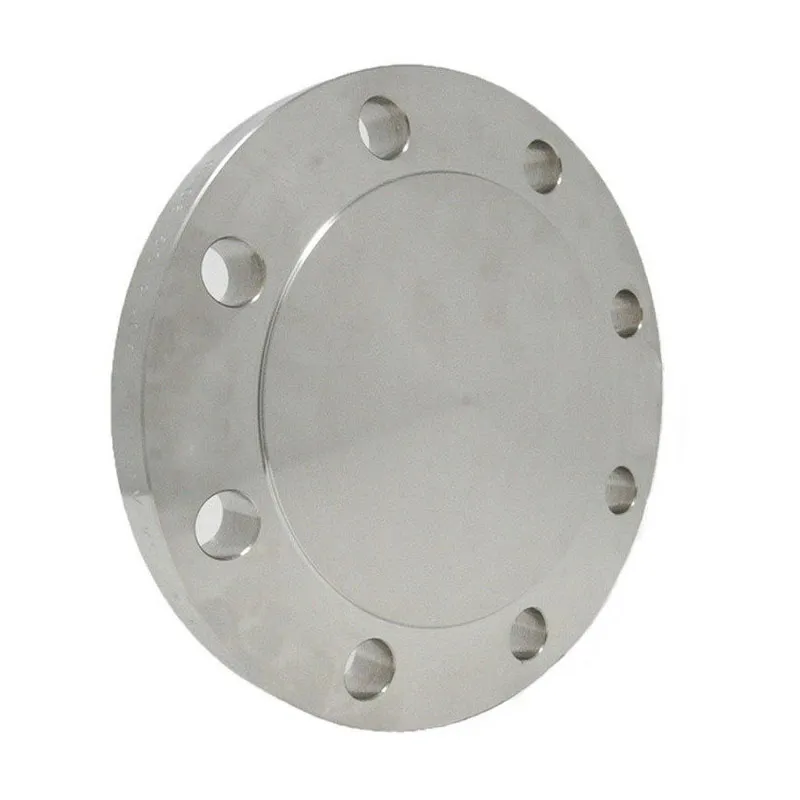 AWWA Blind Flanges Class D (Tables 1, 2, 3)
 -
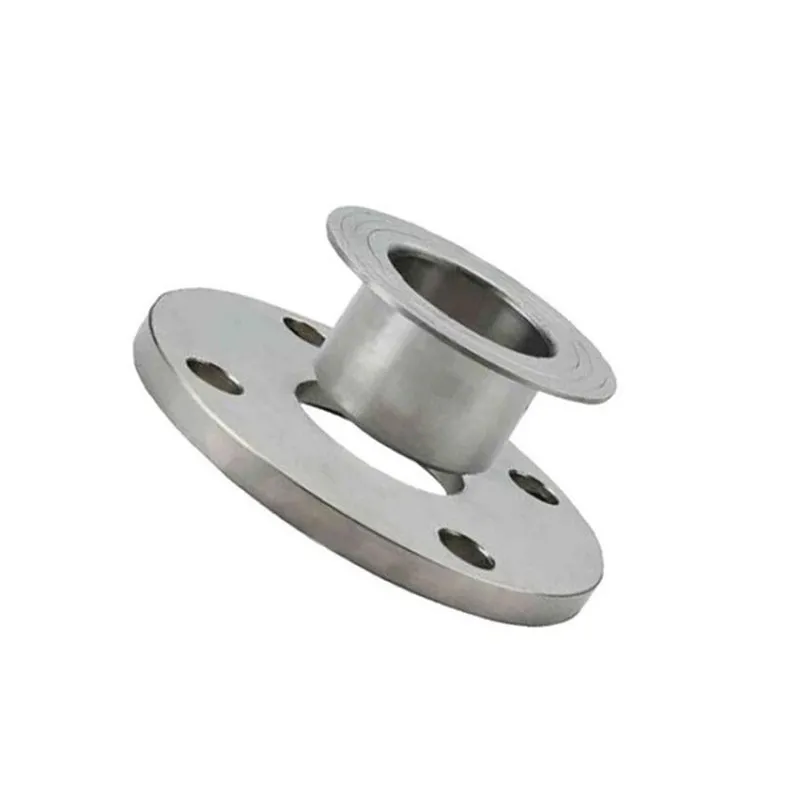 JIS 10K Loose Ring Flanges
 -
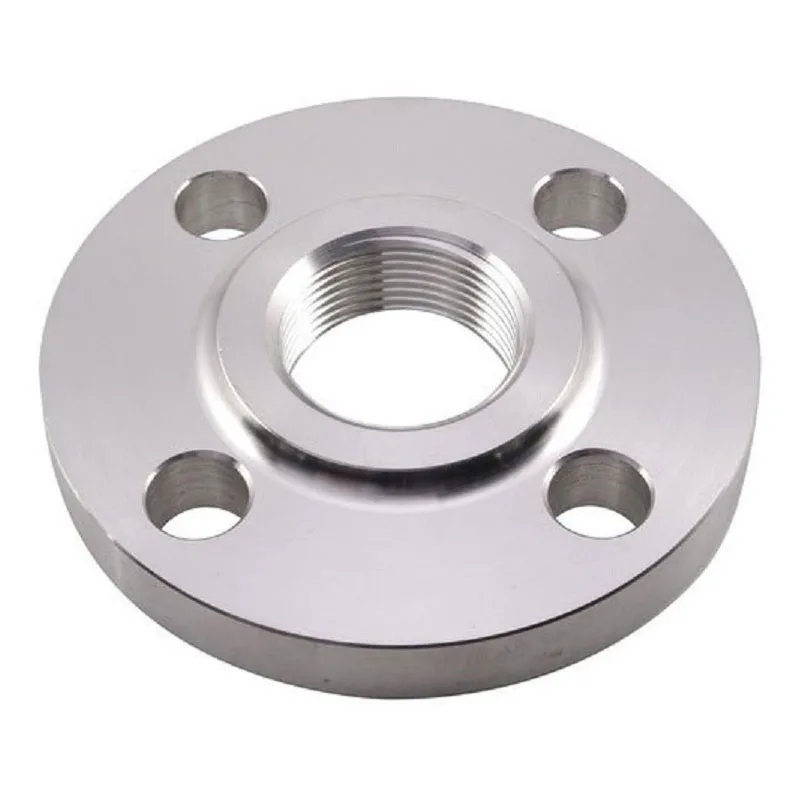 JIS 10K Threaded Flanges
 -
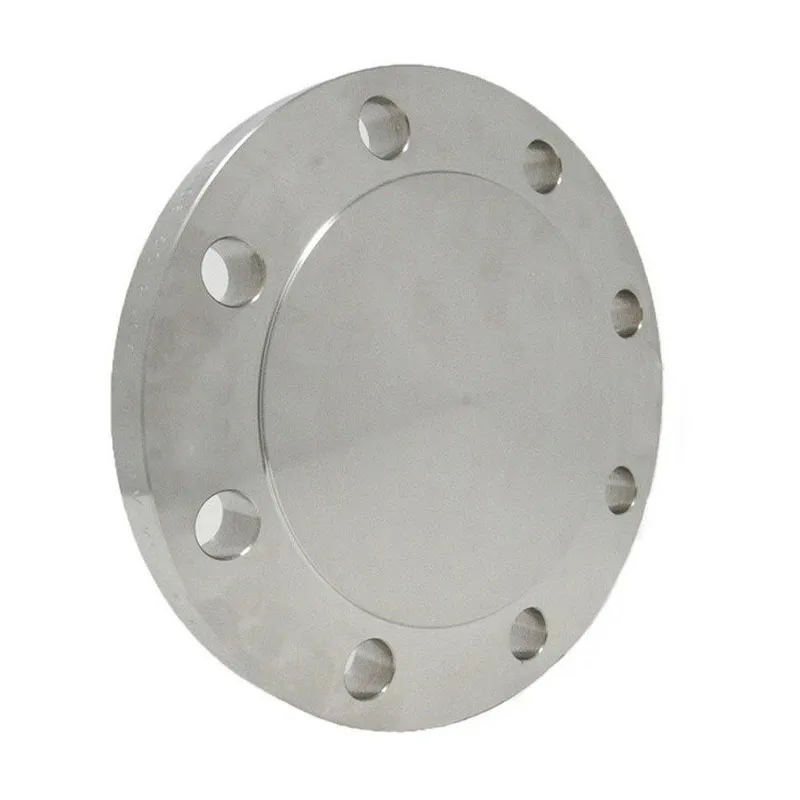 EN 1092-1 Blind flanges Type 05, PN10
 -
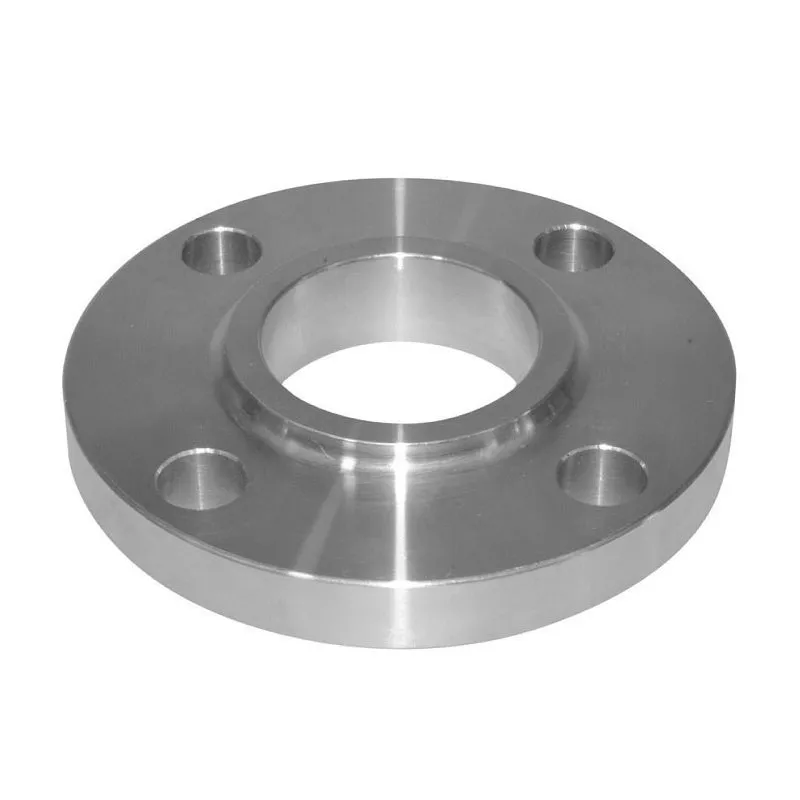 ANSI B16.5 Lap-on flanges Class 1500
 -
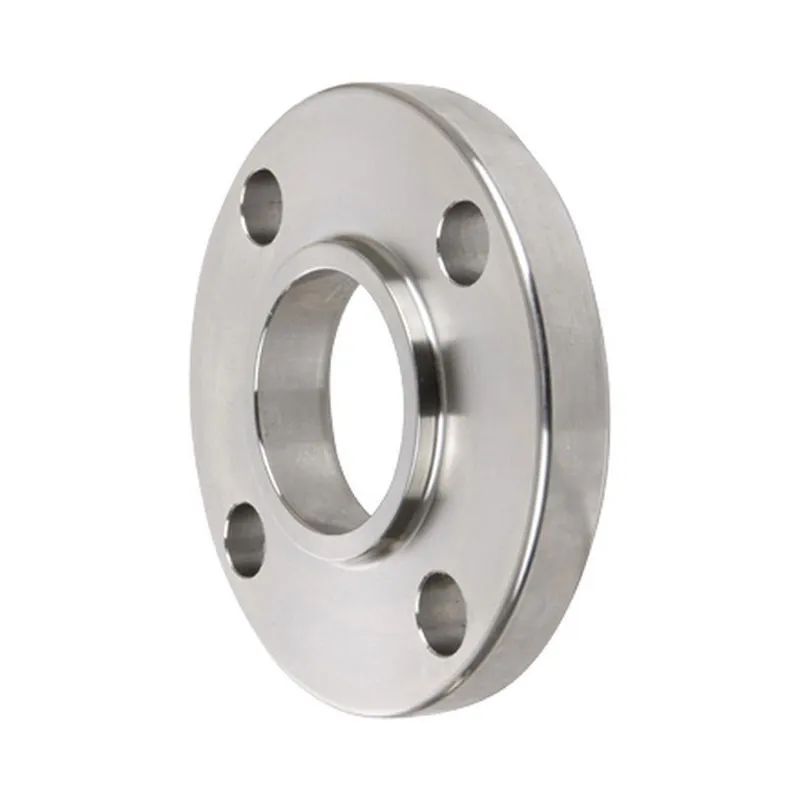 DIN 2501 Overlay flanges PN16
 -
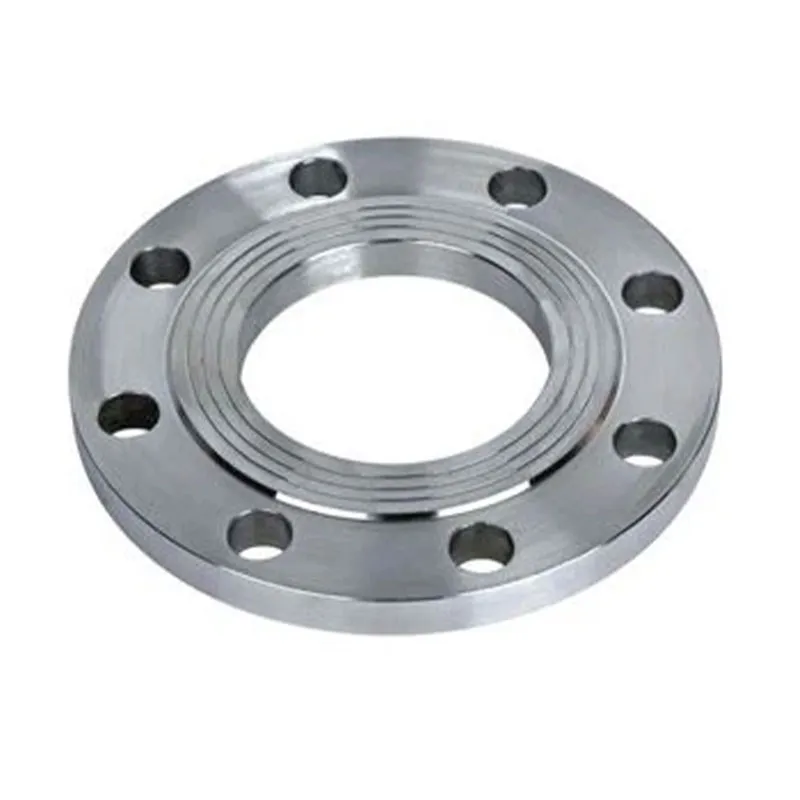 Butt weld flanges Class 150
 -
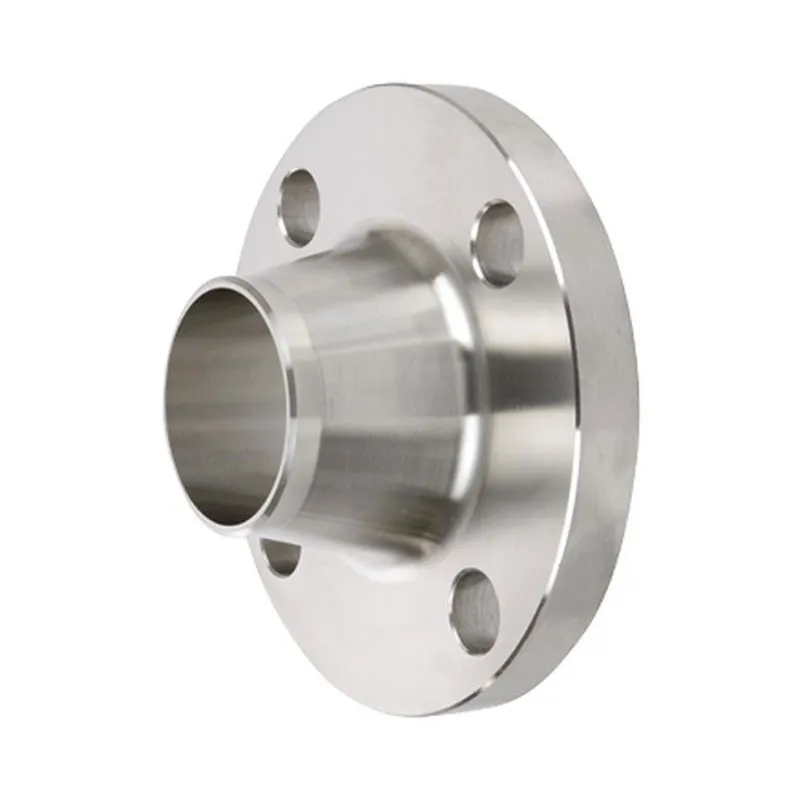 Ser.A Butt Weld Flanges Class 400
 -
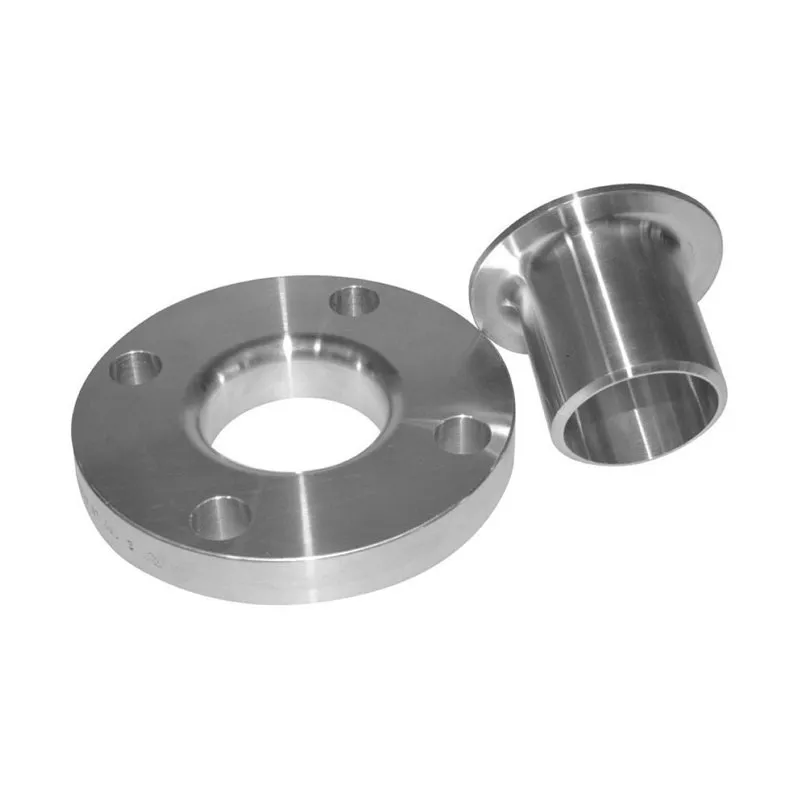 Free ring flanges Class 150
 -
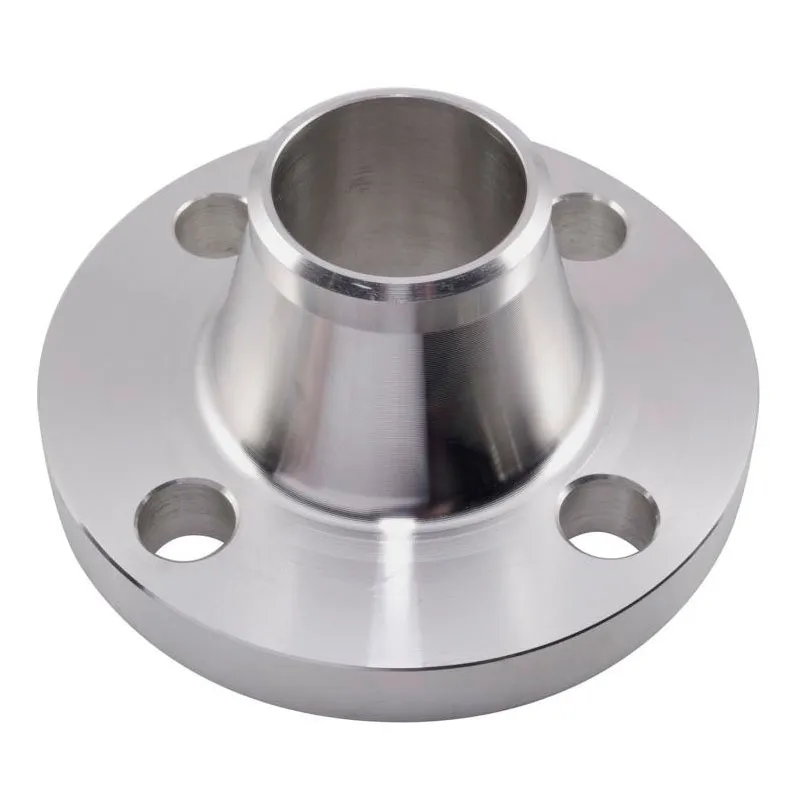 DIN Butt weld flanges PN10
 -
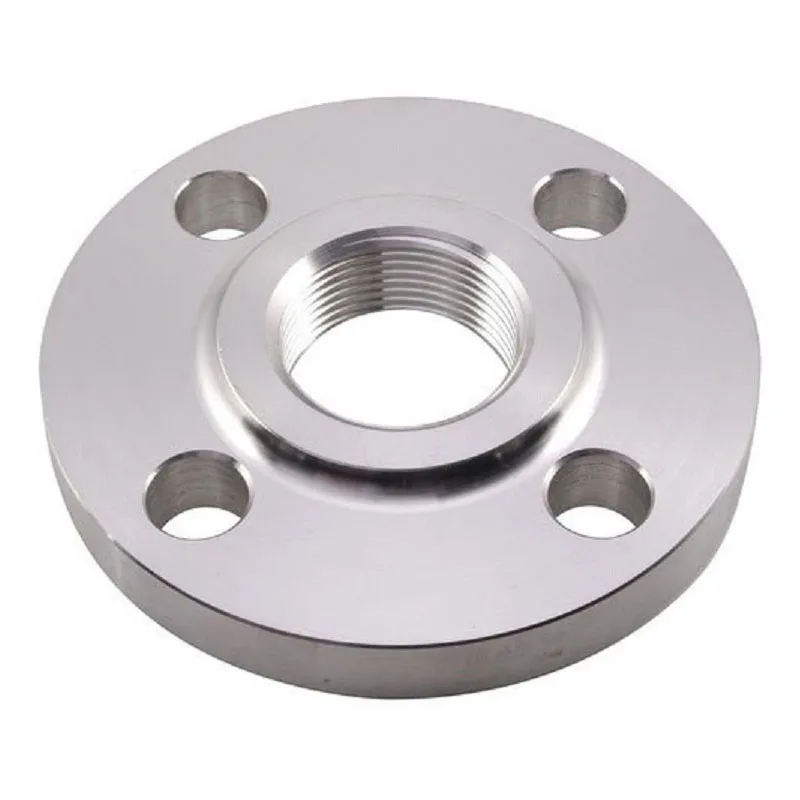 DIN 2566 Threaded flanges PN16
 -
 DIN 2527 Blind flanges PN10