
-
-
Phone
+86-13623462298



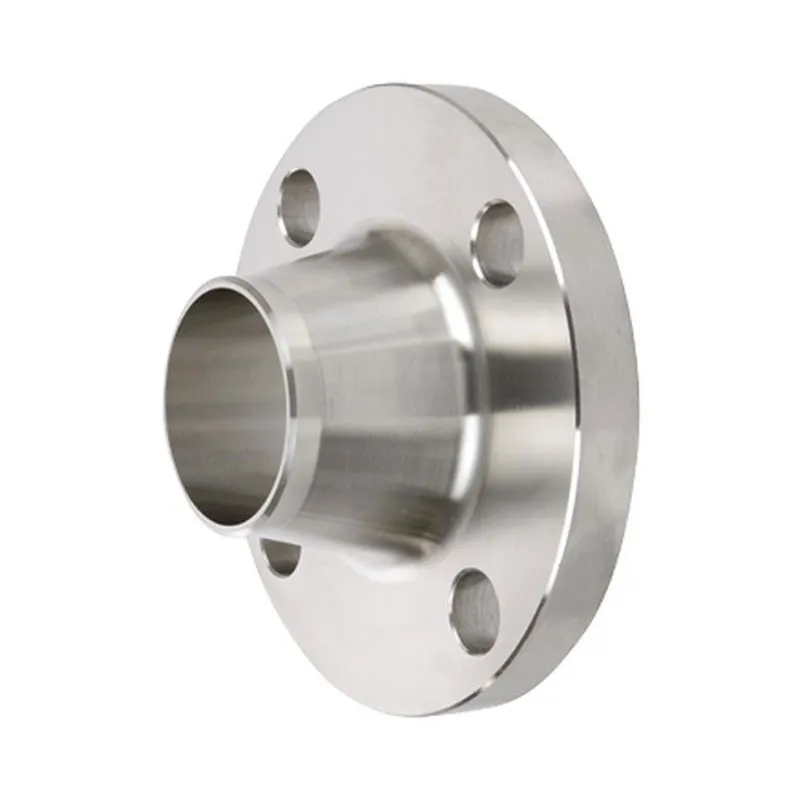
flat steel flange 65
When you hear “flat steel flange 65”, many people imagine a simple ring for bolts for connecting pipes. But in practice, especially with a nominal bore of 65 mm, this often turns out to be a node where problems lie - from the wrong choice of steel grade to installation errors. Often customers, especially those who are faced with the installation of low pressure pipelines or auxiliary lines for the first time, underestimate this element. But in vain. It is at such seemingly simple components that leaks occur, which then become expensive.
What is hidden behind the number 65 and why is it important?
The number 65 is DN, nominal diameter. But here’s what’s interesting: for a flat flange according to GOST 12820-80 or its analogues, the outer diameter and the diameter of the circle for the bolts will be different, say, 185 mm and 145 mm, respectively, for Ru10. And here is the first trap. Often the project simply indicates “flange 65”, and installers bring from what is in stock. And in the warehouse there may be a product under Ru6, and the pressure in the system is planned to be 10 atmospheres. A discrepancy in pressure is a direct road to an accident. I myself saw how at one of the boiler houses they installed flanges on a low-pressure steam line, taken from a “similar” warehouse, and a month later the seams began to leak. It turned out that the thickness of the plate was less than that required for the operating steam pressure.
Another nuance is the design of the sealing surface. For a 65 flat flange this is usually design 1 (smooth) or 2 (raised). If there are different designs in a pair, tightness cannot be ensured. We had to disassemble the assembly at the pumping station, where the installers, without looking, pulled together the raised flange and the smooth counterflange. The rubber gasket, of course, did not save it; it simply tore it out. I had to order a new pair, wasting time. Now I always focus on this in the specifications.
And of course, steel. Steel 20, 09G2S, 12Х18Н10Т - the choice depends on the environment. St20 is also suitable for water, but for aggressive environments you need stainless steel. There was a case at a chemical plant where ordinary carbon flanges were installed for a line with an alkaline solution. Corrosion ate them up in six months. Replacing it with flanges made of steel 12Х18Н10Т solved the problem, but the downtime of the line and the replacement work resulted in serious losses. Therefore, the key word here isflat steel flange 65- must always be accompanied by clarification: steel grade, nominal pressure, performance.
Experience working with suppliers: from cooperation to specifics
In the past, we often purchased flanges in small quantities from local machine shops. The quality was... let's say, floating. Either the holes for the bolts are shifted, or the plate itself is crooked. Until we encountered a supplier who works systematically. Now, for example, we take part of the nomenclature, especially the standard one, fromShanxi Hongkai Forging Co.,Ltd. On their websitehkflange.ruit is clear that they are a manufacturer, not a reseller, and specialize in forged products. This is important because forging produces better metal structure compared to sheet metal cutting or gas cutting.
What appeals to me about their approach is the strict adherence to standards. The specification can indicate not only GOST, but also ASME B16.5, EN 1092-1, if the project requires it. For the sameflat steel flange 65this means ensuring that the geometry and mechanical properties are predictable. We once ordered a batch of DN65 flanges from them according to EN 1092-1 Type 01 for PN16 pressure. They arrived perfectly packaged, with markings and certificates. During on-site installation there were not a single comment; the connection with imported fittings went without any problems.
By the way, about their range. Onhkflange.rustated range up to DN4000. For our needs, of course, 65 mm is a small nomenclature. But when a non-standard adapter flange from DN65 to DN80 was needed to reconstruct an old line, they made it according to our sketches. It's valuable. Not every manufacturer will take on a custom non-standard order without any questions and with normal deadlines.
Installation subtleties that are not written about in the instructions
Theory is one thing, but on site it’s something completely different. Let's take the banal tightening of bolts. Forflat steel flange 65Usually 8 M16 bolts are installed. It would seem that it’s so difficult? But if you tighten them in a circle, and not crosswise, it will warp. And if you tighten one bolt, you can create uneven tension, the plate will behave like a spring, and with thermal expansion of the pipe, the connection will leak. I developed a rule for my team: a torque wrench and a two-pass tightening pattern. First a small moment, then a calculated one. Yes, it takes longer, but then you don’t have to redo it.
Pad. For a flat flange, paronite or rubber is most often used. But thickness matters! If you install a gasket thicker than necessary, you may not press the flange all the way, and the bolts will shear. There was an incident on the water pipeline: they installed a 3 mm gasket instead of the standard 1.5 mm. A week later, the bolts on two of the eight were sheared off and water started gushing out. We had to urgently stop the site. Now before installation I always check not only the flanges, but also the gasket package.
And one more thing about centering. The flat flange is butt welded to the pipe. If the pipe is not aligned axially before the tack, the flange will be welded skewed. Then, when joining, the second flange will not sit parallel, you will have to press it with bolts, creating dangerous stresses. I train welders: first set it up, grab it at two points, check it with a level, and then scald it. It's a small thing, but it decides everything.
When a standard flange is not suitable: custom solutions
Not everything in life fits into GOST. Sometimes you need a flange with additional holes for studs to mount the sensor, or with an increased thickness of the plate to compensate for vibration, or from a special grade of steel. This is where you understand the value of a manufacturer who can work according to drawings. As I already mentioned,Shanxi Hongkai Forging Co.,Ltdjust one of those. Their profile is forged flanges and forgings, and forging makes it possible to produce stronger and more reliable products of complex shapes than casting or rolled processing.
We had a project to modernize the compressor room. There was a DN65 pipe at the outlet, but due to high pressure pulsations, the standard flanges “played”, the bolts gradually weakened. Engineers proposed making flanges with a higher moment of inertia - essentially, increasing the thickness of the plate and adding stiffeners. We submitted the sketches. They were made from steel 09G2S. After installation, the vibration in the unit decreased significantly, and the problem with loosening fasteners disappeared. This is an example when you need to think not about a standard, but about a function.
Another case is a flange connection in a tight chamber. Standardflat steel flange 65requires space for bolted wrench. What if he is not there? I had to order flanges with a reduced circle diameter for bolts and a smaller turnkey size. This, of course, required recalculation for strength, but the manufacturer managed it by providing calculations. The system has been working for three years without any complaints.
Instead of a conclusion: thinking out loud about quality and reliability
So what am I talking about? Yes, that even such a simple-looking element as a 65 mm flat flange is not a consumable, but a full-fledged part of pipeline fittings. Its selection, ordering and installation require attention. You can't take the first thing that comes to hand. You need to understand the working conditions: pressure, temperature, environment, presence of vibrations.
And here, a reliable supplier is half the success. When you know that the product is made according to the standard, from the correct steel, with the correct geometry, you sleep more peacefully. Experience working with companies such asShanxi Hongkai Forging Co.,Ltd, confirms this. Their emphasis on forging and compliance with international standards is not just words on the websitehkflange.ru, but a real advantage when critical connections are needed.
In general, it is a flange and a flange in Africa, but the approach to it must be serious. And it should begin at the stage of writing the technical specifications, where it is necessary to specify as much as possible all the parameters of this veryflat steel flange 65. Then there will be fewer operational problems, and the specialist’s reputation will remain high. Tested in practice, more than once.
Correspondingproducts
Related Products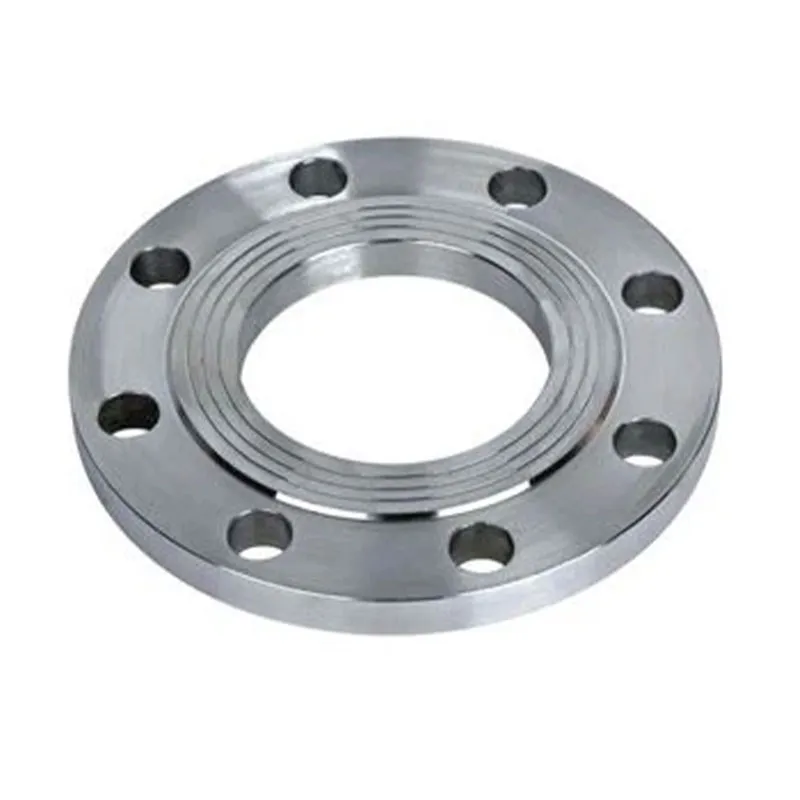
Best Sellingproducts
Best Selling Products-
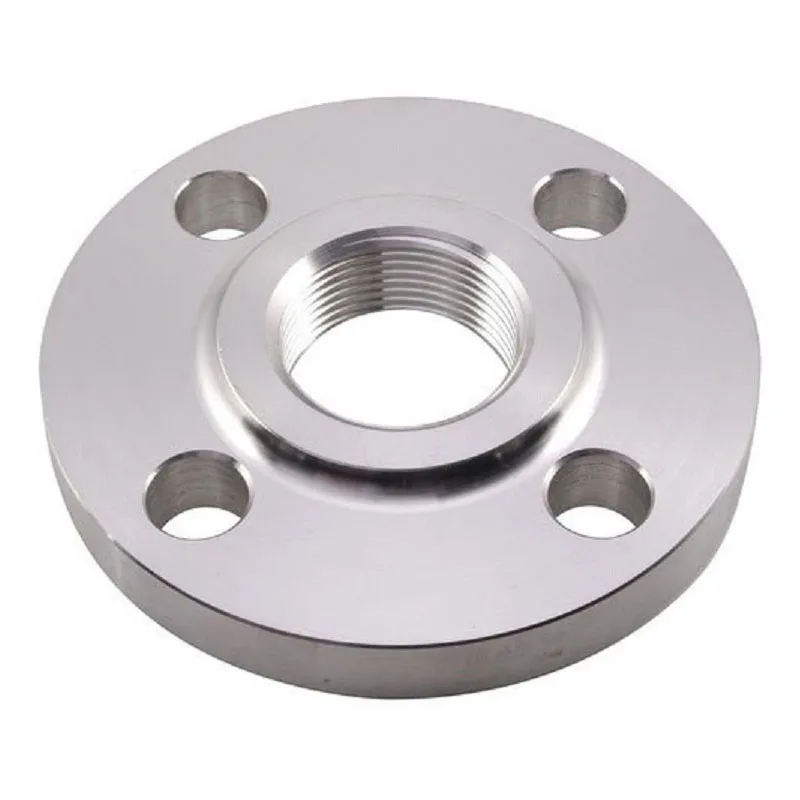 DIN 2566 Threaded flanges PN16
 -
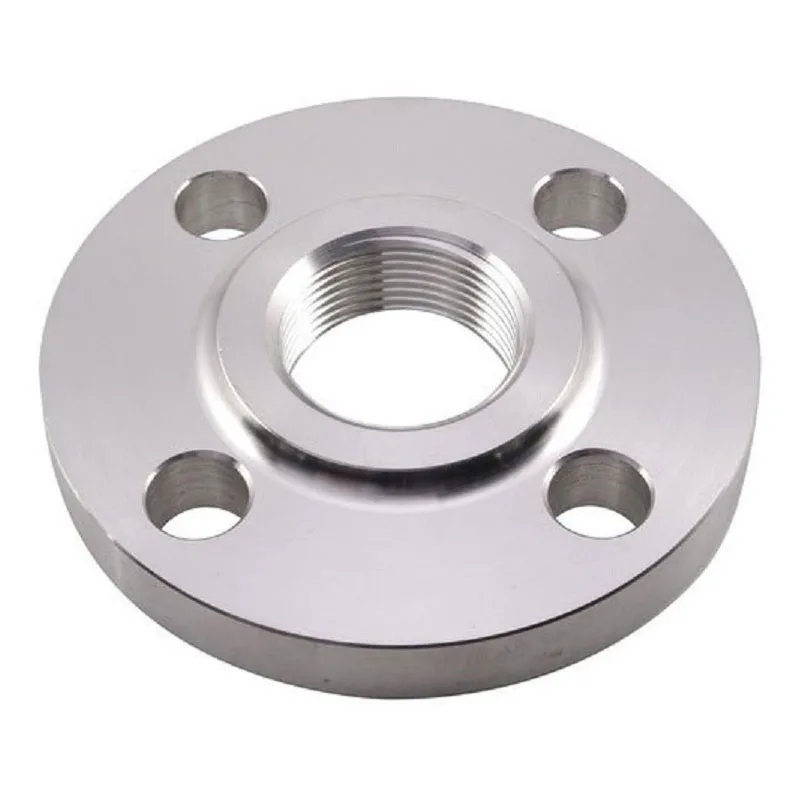 JIS 10K Threaded Flanges
 -
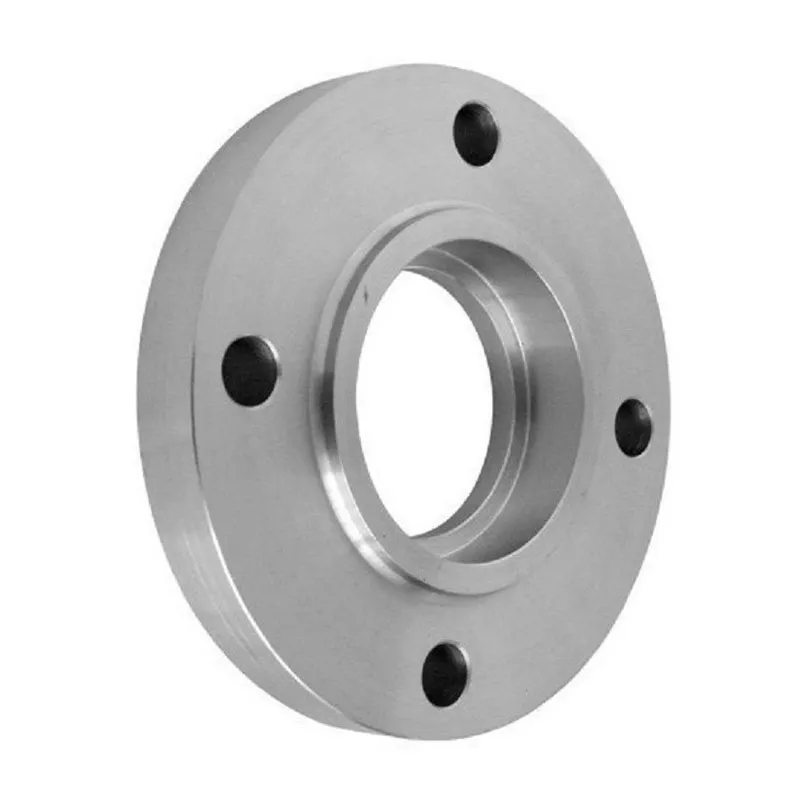 Socket Weld Flanges Class 300
 -
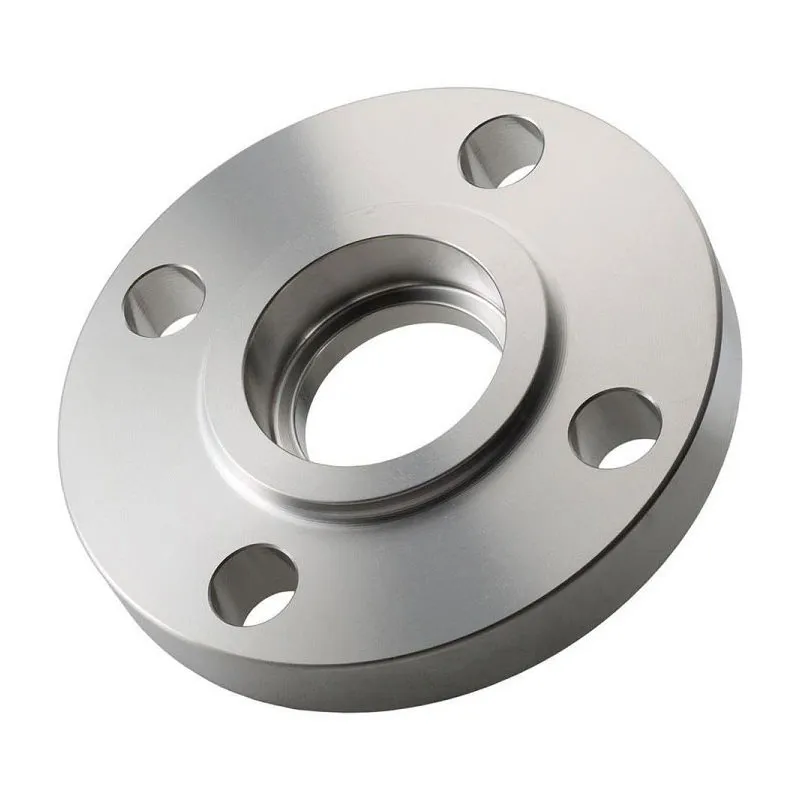 Flanges for socket welding
 -
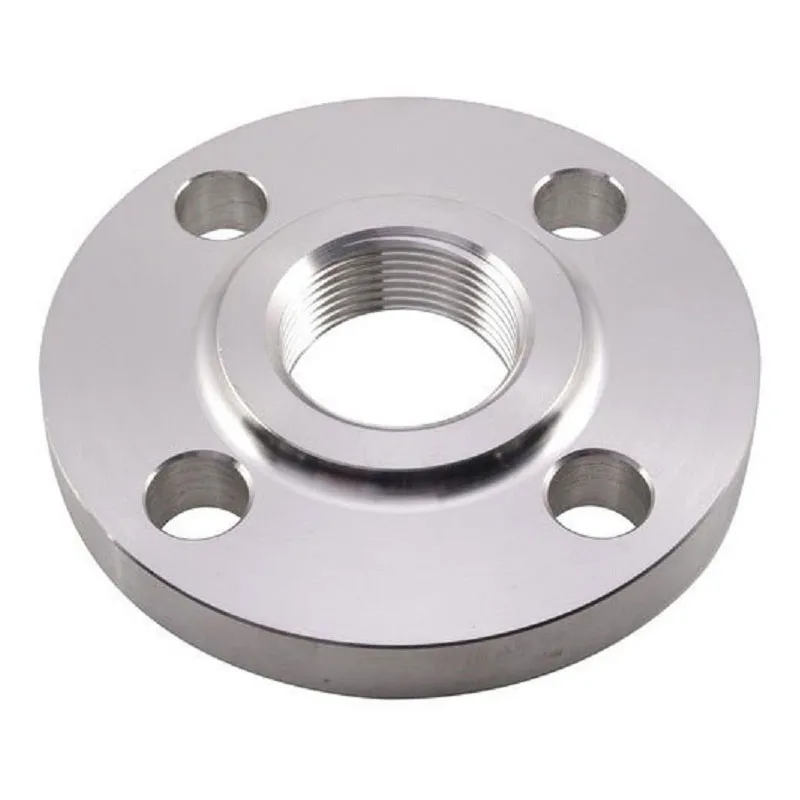 EN 1092-1 Threaded flanges Type 15, PN16
 -
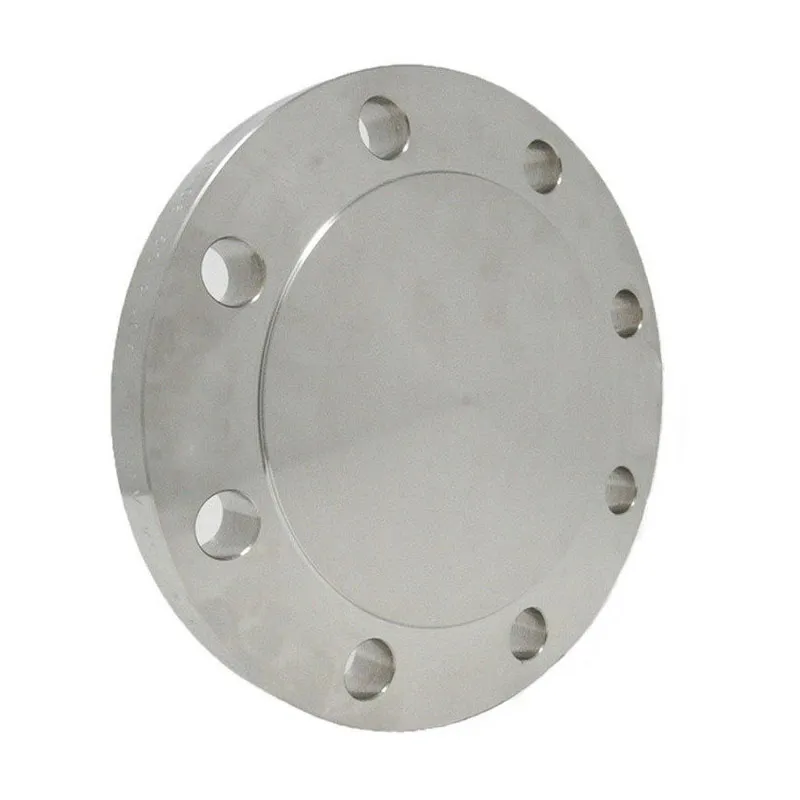 AWWA Blind Flanges Class D (Tables 1, 2, 3)
 -
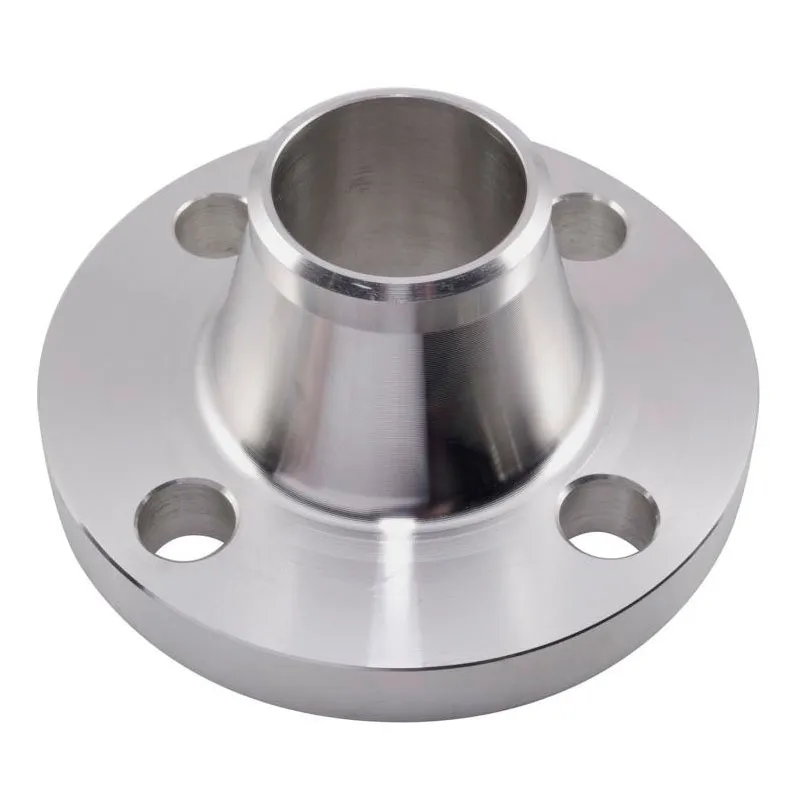 DIN Butt weld flanges PN10
 -
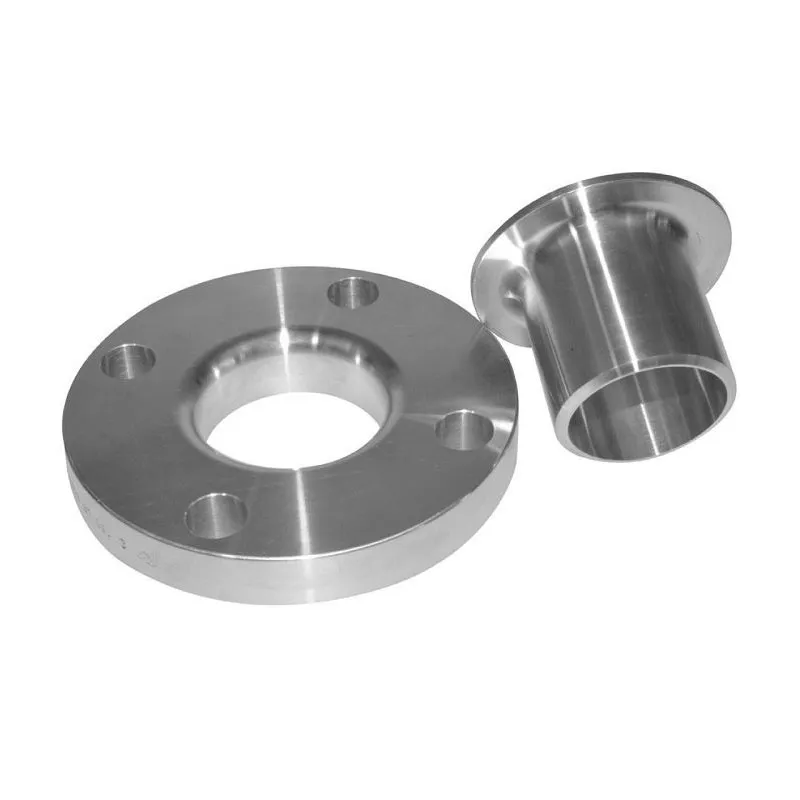 ANSI B16.5 Loose Ring Flanges Class 2500
 -
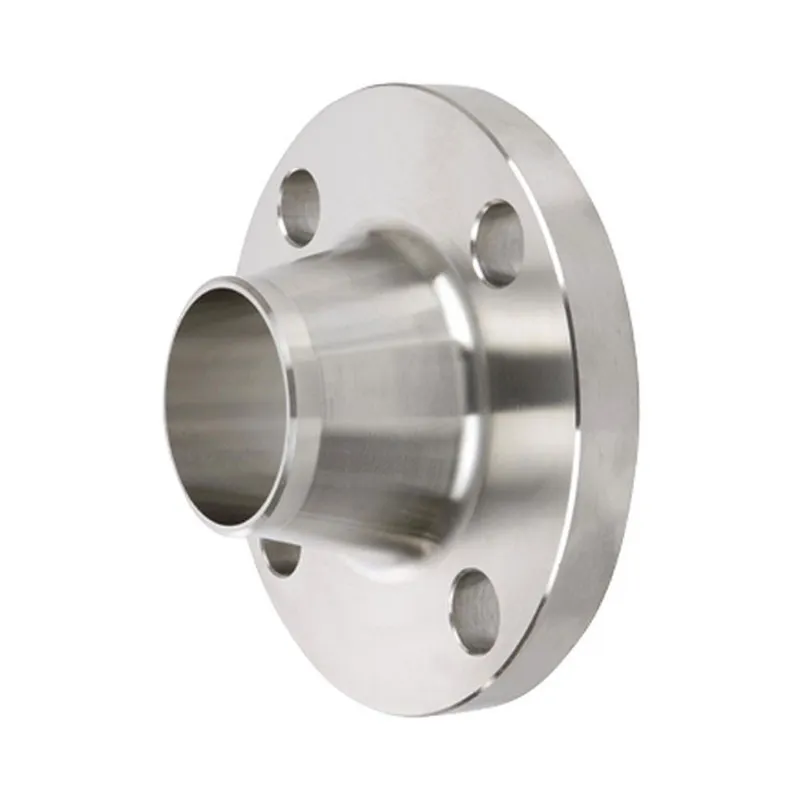 EN 1092-1 Butt weld flanges Type 11, PN25
 -
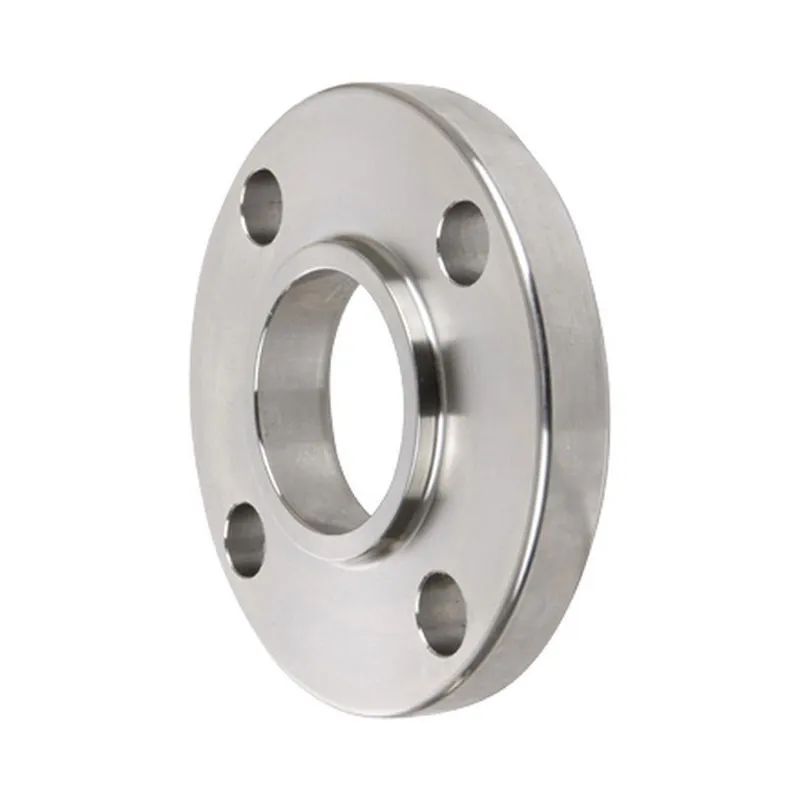 DIN 2501 Overlay flanges PN16
 -
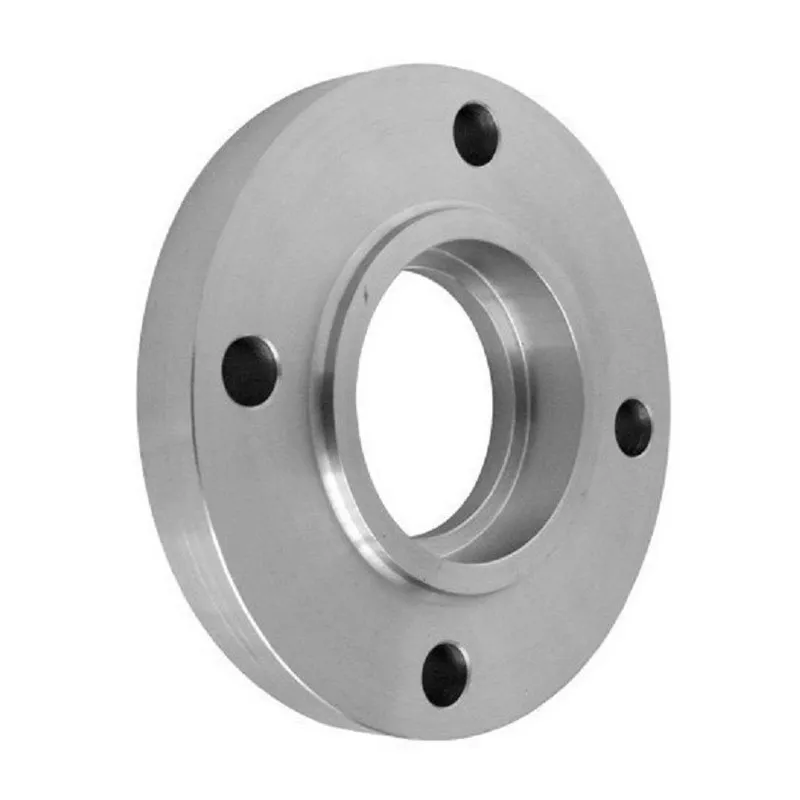 JIS 5K Socket Weld Flanges
 -
 Ser.A Butt Weld Flanges Class 400