
-
-
Phone
+86-13623462298



flange 1 25 10
So again I came across the request “flange 1 25 10?” in the specification. I’ll say right away that beginners are often confused, thinking that this is some kind of single article. But in reality, this is a set of key parameters that need to be deciphered: nominal diameter, pressure, and, most likely, design or material. 1' (DN25), PN10 - this is a classic for many technological lines, but then nuances begin that are not always written about in textbooks. For example, ?10? - this is a conditional pressure of 10 kgf/cm2 according to the old GOST, but when choosing a flange for the modern standard ASME B16.5 or EN 1092-1, you need to look at the pressure class (Class). And here there have already been cases when out of habit they ordered “ten”, and then it turned out that the flange for PN10 is not always a complete analogue of the old “ten”. by material or thickness of the collar.
Let's break down the numbers piece by piece: from specification to warehouse
Let's take a concrete example. Request ?flange 1 25 10? most often leads to a steel flange DN25 (1 inch) to PN10. But if this is, say, a petrochemical project, then the documentation may include ASTM A105 or A182 F304. And if these are heating networks based on old Soviet designs, then they are looking for steel 20 or 09G2S according to GOST 12821-80. The difference in price and delivery time is colossal. I myself have seen more than once how seemingly identical flanges for DN25 are lying in a warehouse, but some are flat (GOST 12820-80), and others are butt welded (GOST 12821-80). Visually, to the inexperienced eye, they are almost the same, but the installer then has a headache: the height of the hub, the bevel angle for welding - everything is different. You can weld it, but whether it will correspond to the strength calculations is a big question.
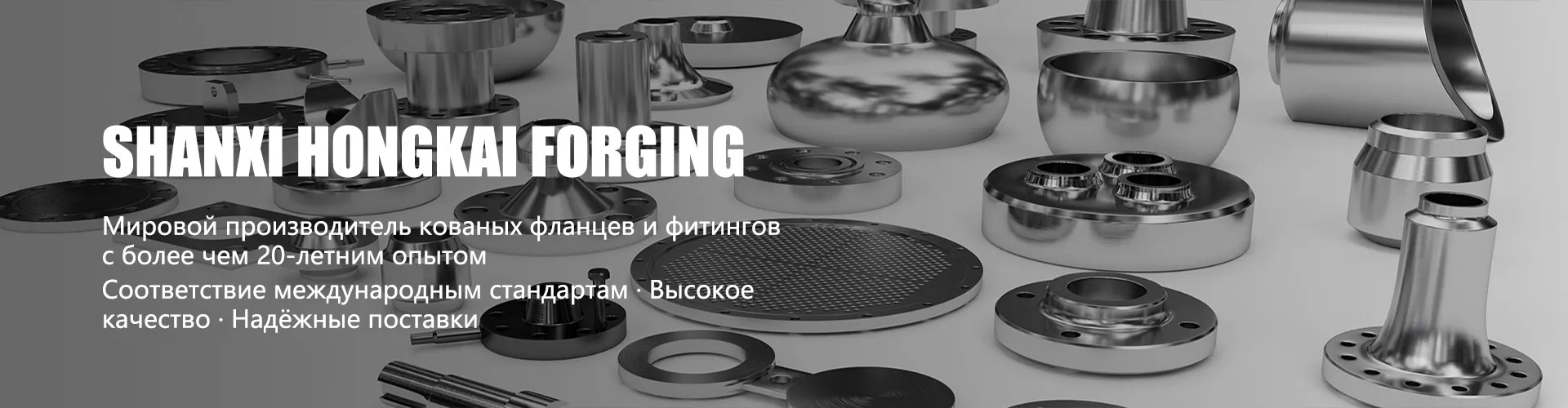
That is why now many responsible suppliers, likeShanxi Hongkai Forging Co.,Ltd(website -https://www.hkflange.ru), immediately clarify the full labeling. This company, as a manufacturer of forgings and forged flanges, works according to a wide range of standards - from GOST and ASME to EN and DIN. In their catalog you can find the same “flange 1 25 10”, but in a specific incarnation: say, a steel butt weld flange Du25 Ru10 st. 20 according to GOST 12821-80. Or its analogue - WN RF 1' Class 150 A105 according to ASME B16.5. When all parameters are clear, confusion disappears.
Practical advice: never limit your application to just the numbers ?1 25 10?. Be sure to indicate the type (flat, butt, loose), standard (GOST, ASME, etc.) and material. Save time for yourself and the supplier. I remember an incident at one installation site: they were waiting for “flanges for DN25, ten?”, they brought flat ones according to the old drawing. And according to the new PID, it was the butt joint with increased operating pressure that was required. The project stopped for a week because of such a “trifle”.
Material and execution: where the main pitfall lies
We've sorted out the numbers. Now - the material. ?Ten? pressure is not an indicator that any steel will do. For water and steam up to 200°C, carbon steel 20 or 25 is often sufficient. But if the line contains, relatively speaking, a slightly aggressive environment or the temperature rises higher, alloy steels such as 09G2S or 12Х18Н10Т are needed. And here is the parameter ?10? in the request it no longer works as a filter. You need to look into the standards for corrosion and temperature.
Manufacturers who are serious about forging usually have the opportunity to select the material for the task. On the same sitehkflange.ruit's clear thatShanxi Hongkai Forging Co.,Ltdmakes products according to international standards, which means they have an extensive range of steel brands. This is important because forging, unlike casting or stamping from sheet metal, produces a better fine-grained metal structure, which is critical for critical connections under variable loads. For the same flange DN25 to PN10 in the chemical industry, this can be a decisive factor.
I had a story about ordering flanges for reconstruction. The specification was "1" 300# A105?. It would seem that everything was clear. But upon a detailed analysis of the environment, it turned out that there is a risk of hydrogen sulfide cracking. We had to urgently change the material to A350 LF2 with more stringent impact tests. The supplier, by the way, then promptly reoriented production because it had blanks and the necessary certificates for materials in stock. This is the case when working with the manufacturer, and not with a reseller, saves time.
Standards and geometry: why ?similar? - does not mean “suitable?”
Let's move on to the standards. Request ?flange 1 25 10? - This is most often a reference to the GOST system. But the world does not stand still. A lot of equipment now comes from Europe (EN standard) or with American connections (ASME). ASME B16.5 Class 150 1 inch flange and GOST 12821-80 flange Du25 Ru10 - they are NOT interchangeable without adapter gaskets or conversion! The geometry is different: diameters of bolt circles, number of holes, thickness, shape of the sealing surface (RF, FF, RTJ).
In practice, I encountered this when modernizing a compressor station. The pumps were German, with DIN EN 1092-1 PN10 DN25 flanges. And the supply pipelines are old, Soviet, with GOST flanges. I had to order adapter flanges or use adapter rings. What saved us was that the manufacturer we worked with, namelyShanxi Hongkai Forging Co.,Ltd, just offers manufacturing according to customer drawings. They made us a batch of adapter flanges that combined dimensions according to GOST with holes and a contour for a gasket according to DIN. Without such flexibility, the entire harness would have to be digested.
Hence the conclusion: when seeing “1 25 10?”, always clarify which system of standards the project belongs to. And it’s good if your supplier, like the company mentioned, works with GOST, ASME, EN, DIN, JIS and others. This means that he understands the differences and can give competent advice, and not just sell what is left over.
Forging versus other methods: is there a difference for the ?ordinary? flange?
It would seem that for an ordinary flange on DN25 and low pressure - what difference does it make how it was made: forged, cast or cut from a sheet? At first glance, there is no difference. But on the second - it exists, and concerns reliability in the long term. Forging (forging) ensures continuity of metal fibers and increases strength and toughness. For a flange that operates under conditions of vibration (pumps, compressors) or thermal cycles (heating networks, steam), this is important.
That is why many technologists, especially at critical facilities, directly specify “forged flanges” in the technical specifications. And here the information thatShanxi Hongkai Forging Co.,Ltdis a manufacturer of forged flanges and forgings, based in one of the forging centers of China. This is not just assembly, but production with quality control from the workpiece. For the same ?flange 1 25 10? in the version made of stainless steel A182 F316, this is critical - a cast flange may have hidden holes, while a forged flange is more uniform.
From personal experience: valves were changed at a thermal power plant. Some of the flanges were cast (a budget option during the last major overhaul), some were forged. After several years of working on cast ones, especially on steam lines, microcracks more often appeared in the transition zone from the hub to the disk. The forged ones stood without any complaints. Since then, we have been trying to use forged ones for the repair stock, even for standard sizes like DN25.
Non-standard situations and working with the manufacturer
What to do if your ?flange is 1 25 10? - not quite standard? Let's say you need an elongated collar to compensate for the misalignment of the device, or you need a special design of the sealing surface for a metal gasket with an oval cross-section. Or the flange itself needs to be made of an exotic alloy.
This is where the advantage of working directly with the forging manufacturer comes into play. On the websitehkflange.ruIt is indicated that the company also produces non-standard products according to customer drawings. These are not empty words. I had to order flanges from them with a non-standard arrangement of holes for the studs (due to cramped installation conditions around the device). We sent a sketch, discussed the material by mail (we settled on 09G2S), and after a relatively short period of time we received the product. It was important that they were able to do this by forging, and not by welding from individual elements, which preserved the integrity of the structure.
There was also a disastrous experience, but with a different supplier. We ordered a “Du25 Ru10 flange with an extended hub 100mm”. They sent us what we needed, but they made it by turning it from a large-diameter circle. The price was exorbitant, and the metal fibers were cut - not the most reliable option. Later we learned that for such cases it is more logical and cheaper to order a forged blank with subsequent machining, which is what many forging plants offer.
Final Considerations: From Request to Reliable Connection
So what is it in the end? flange 1 25 10?? This is not a product item, but a starting point for dialogue. Dialogue between an engineer and a technologist, a buyer and a supplier. Behind these numbers is a choice: type, standard, material, manufacturing method. And this choice determines whether the connection will work for years without leaks, or will become a headache at the first crimp test.
Working with trusted manufacturers who, likeShanxi Hongkai Forging Co.,Ltd, specialize in forging and have experience working with a variety of standards, making this choice easy. They can not just sell a flange, but suggest which of their range from DN15 to DN4000 will best suit your specific task, be it repairs in accordance with GOST or integration into a new international project.
Therefore, the next time you see “flange 1 25 10” in an application, stop. Check details. Remember that the correct flange is not just a piece of iron with holes, it is a guarantee of the integrity of the circuit. And his choice is a small but important engineering task, where there are no trifles.
Correspondingproducts
Related Products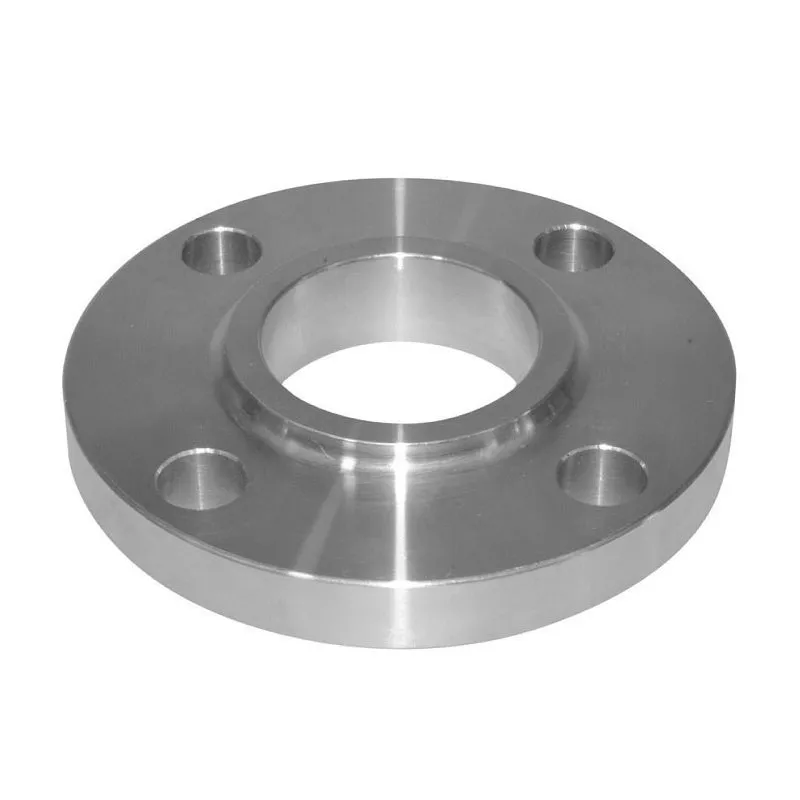
Best Sellingproducts
Best Selling Products-
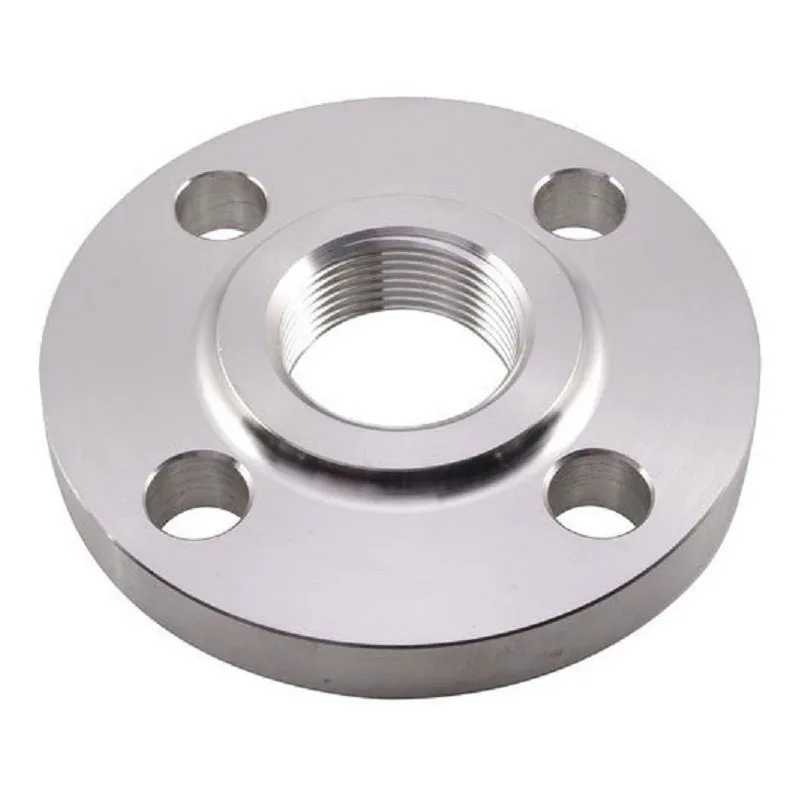 ANSI B16.5 Threaded Flanges Class 600
 -
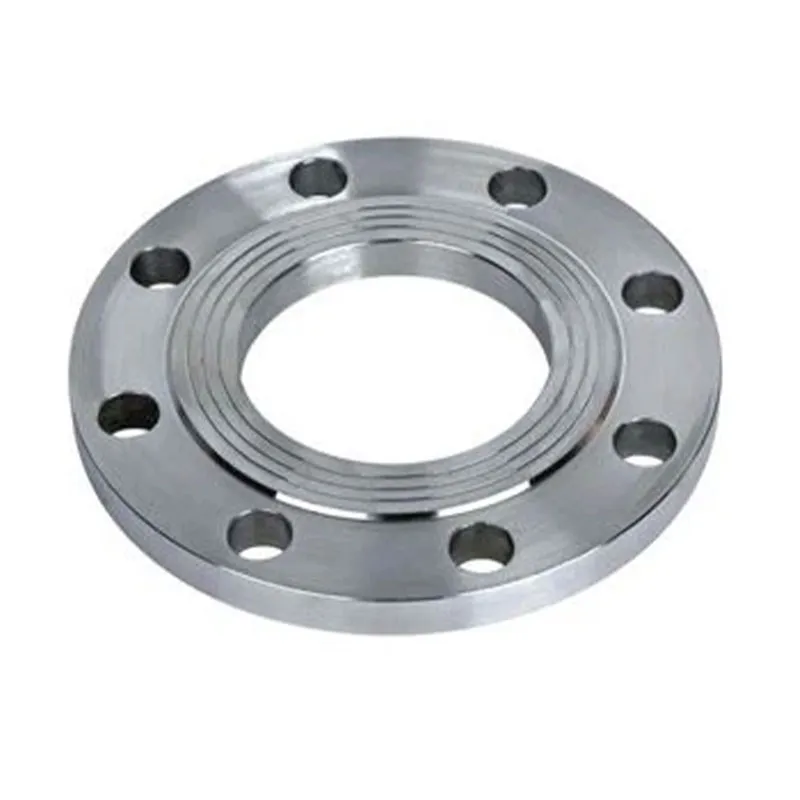 Butt weld flanges Class 150
 -
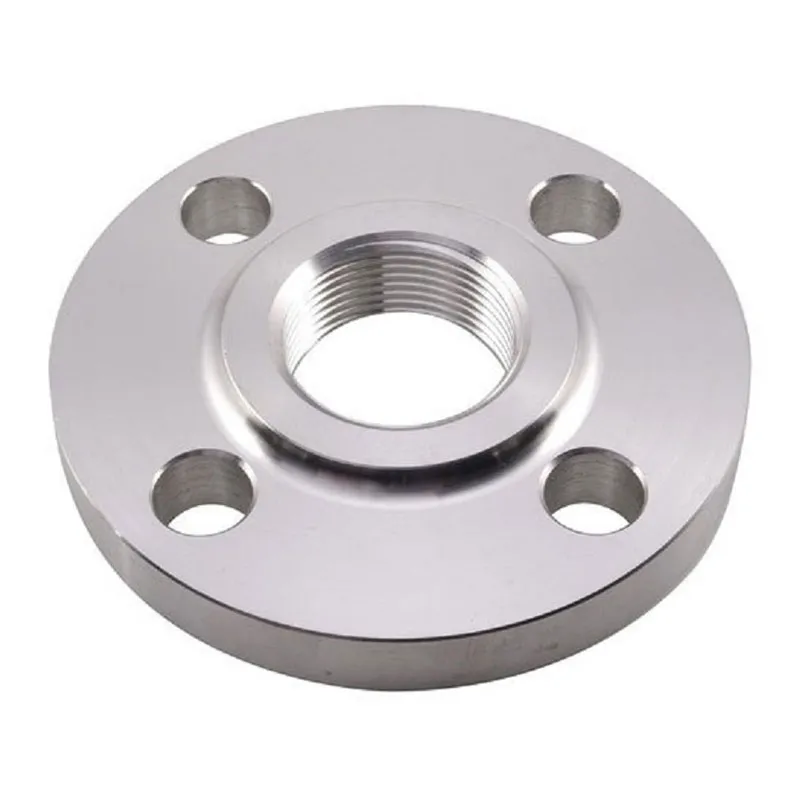 JIS 10K Overlay flanges
 -
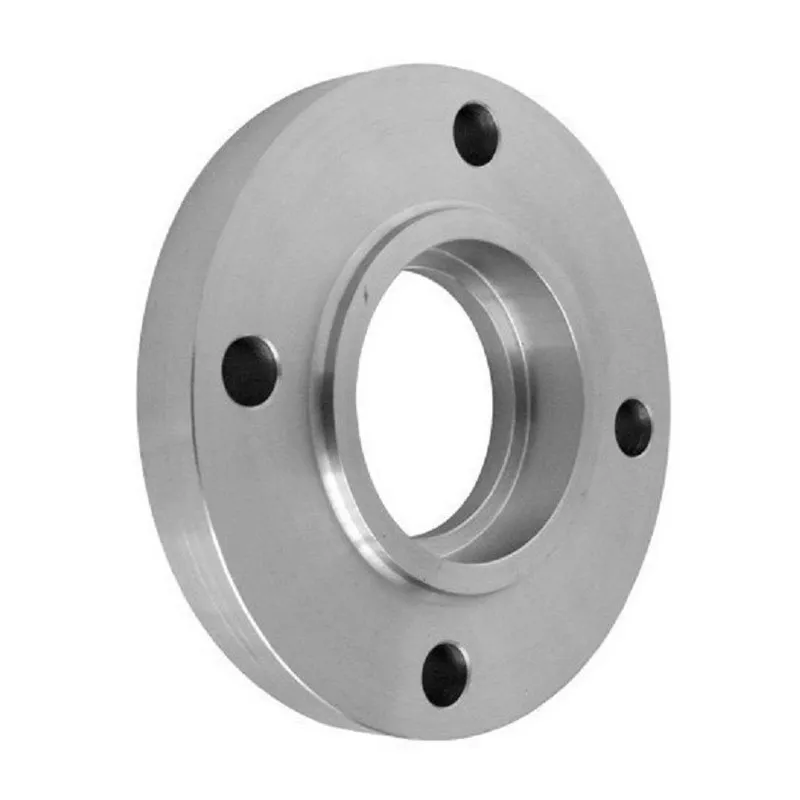 JIS 5K Socket Weld Flanges
 -
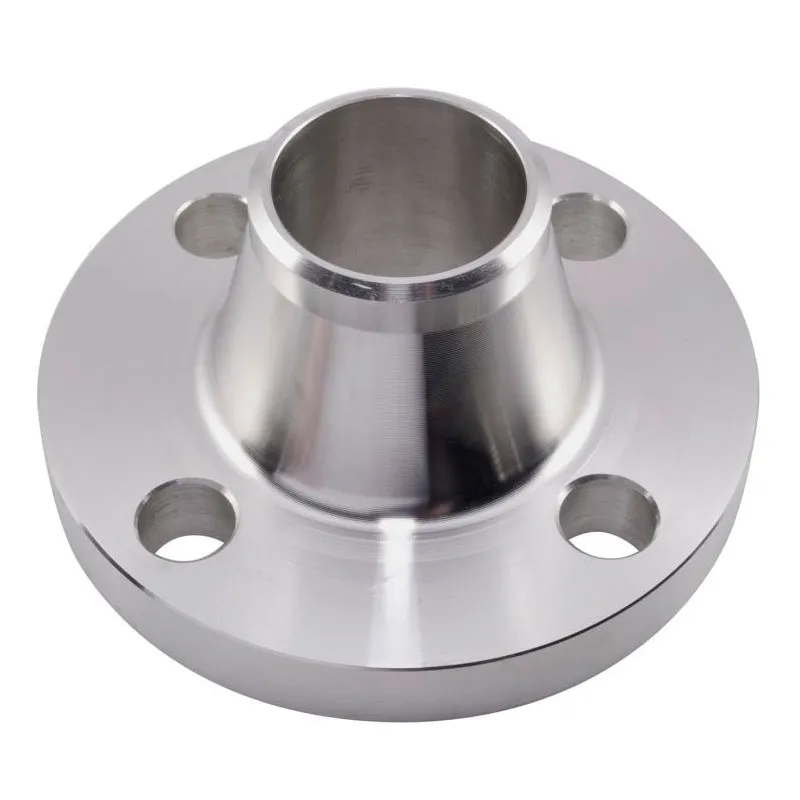 UNI 2281 Butt weld flanges PN10
 -
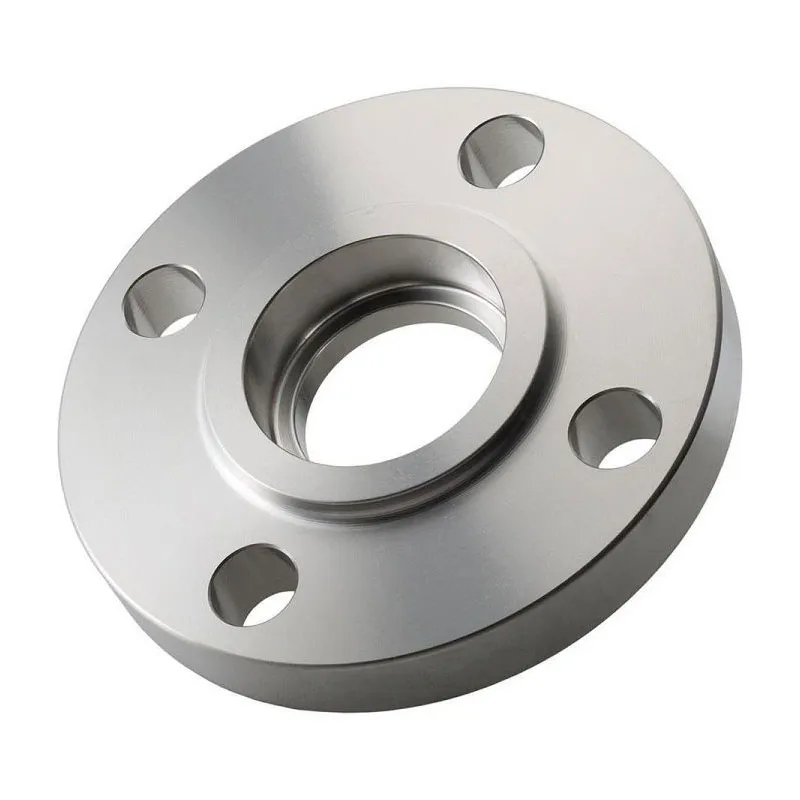 ANSI B16.5 Socket Weld Flanges Class 1500
 -
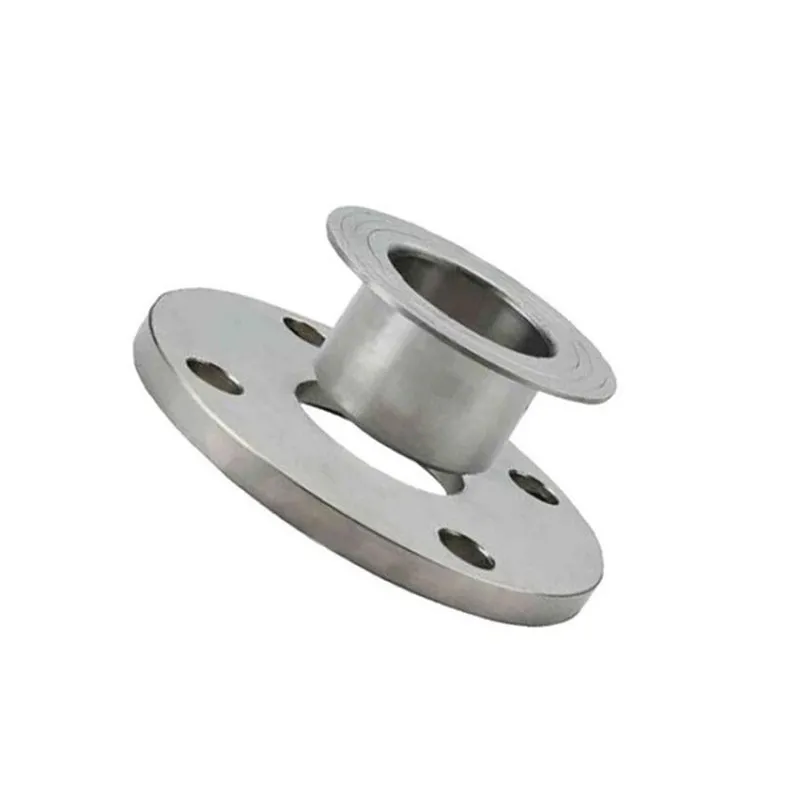 JIS 10K Loose Ring Flanges
 -
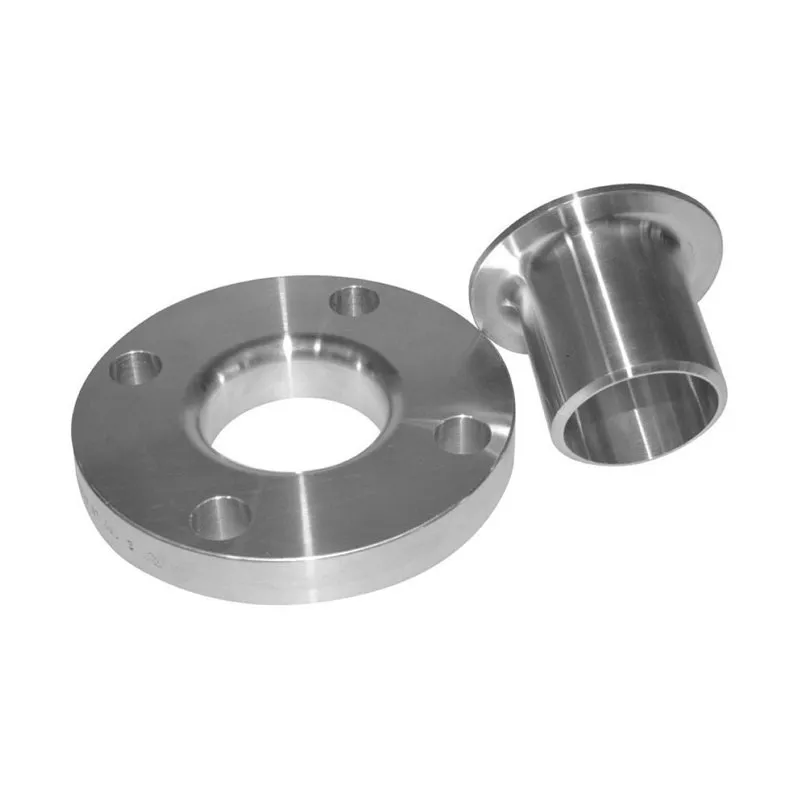 Free ring flanges Class 150
 -
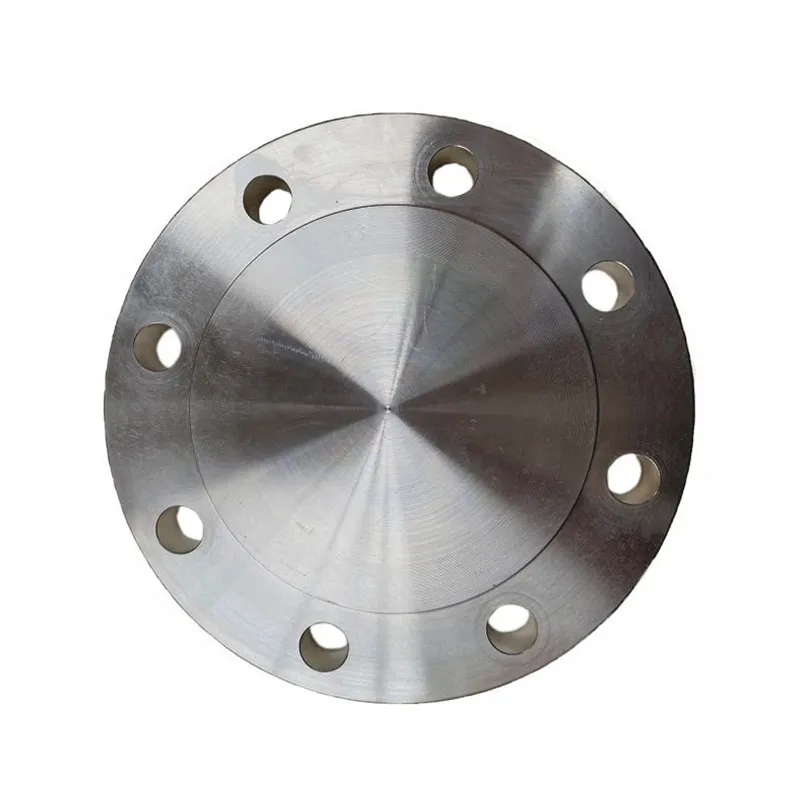 DIN 2527 Blind flanges PN10
 -
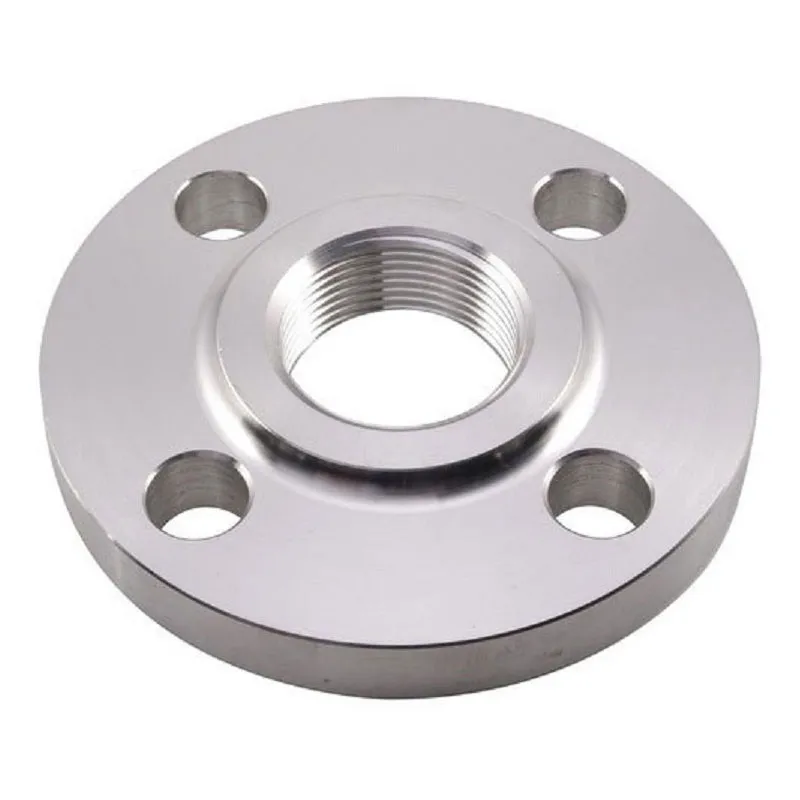 DIN 2565 Threaded flanges PN6
 -
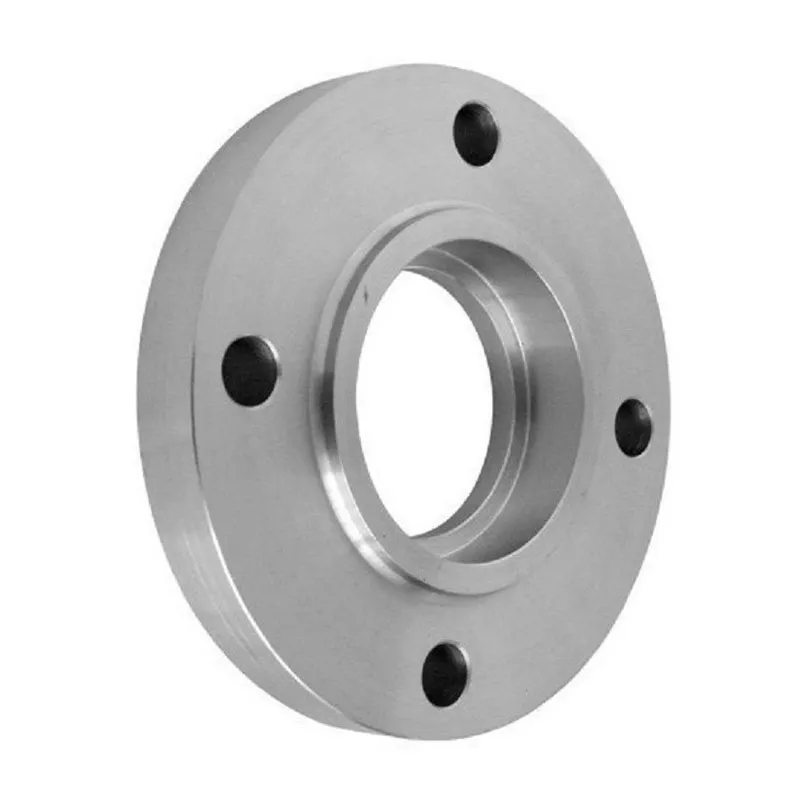 Socket Weld Flanges Class 300
 -
 EN 1092-1 Threaded flanges Type 15, PN16