
-
-
Phone
+86-13623462298



Flat steel flanges RU16
When they talk about flat steel flanges on Ru16, many, especially at the start, think - what’s so complicated about it, a ring with holes. Until you come across the fact that during tests at 16 atmospheres of cold, a leak began not along the gasket, but along the flange itself, in the transition zone from the hub to the disk. And this is where the understanding begins that the key is not just “steel?” and “flat”, which is a combination of material, stud hole geometry, seal surface quality and, often overlooked, manufacturing method. Casting, forging, cutting from sheet metal - for Ru16 these are not synonyms, but fundamentally different stories in terms of reliability.
Why forged ones for Ru16? Personal failure and conclusions
I had experience about seven years ago, they ordered a batch of flat flanges with a nominal pressure of 16 kgf/cm2 for a heat exchanger. The customer was looking for savings, so they took cast ones. It seems like everything passed in chemistry and mechanics. We installed it, launched it, and it worked for six months. And then they stopped for scheduled repairs, they unwound it - microcracks from the casting shells started from several holes for the studs. Not yet clear, but already red flags. I had to change everything. Since then, for pressures from Ru10 and above - only forging. Not because “it’s written like that?”, but because the fibrous structure of the metal after forging goes along the contours of the flange, which is critical for resistance to cyclic loads. Especially on temperature expansions.
Here, by the way, they often look only at the material certificate, but they also need to look at the manufacturing method. Chinese manufacturers who are in the know, such as Shanxi Hongkai Forging LLC, understand this well. They don’t even have just “flange” in their name, but “forging”? - ?Hunkai Forging?. This is no accident. When production is geared towards forgings, there are appropriate presses, equipment, and stage control. For a flat flange PN16, this gives exactly the homogeneity that is needed so that the stresses from tightening the studs are distributed evenly, without local peaks.
And one more nuance about flat flanges on Ru16: they are often installed where there are no large bending moments on the connection. But if the pipeline vibrates or there is a lateral load, then a flat flange, especially of a large diameter, can “play”. This is where the rigidity that is provided by a forged blank is important, and not cut from a thick sheet, where internal stresses may not be removed. I had to deal with it - a DN500, PN16 flange, after welding to the shell it slightly “led”. The gasket began to press unevenly. I had to tighten the studs according to a special pattern, crosswise, with control using a torque wrench. It’s good that the flange itself was of high quality, forged, and did not burst from such manipulations.
Geometry and standards: GOST, ASME and pitfalls
With Ru16 there is often a connection to GOST 12820-80 or, for imported equipment, to ASME B16.5 Class 150. And this is where the confusion begins, which leads to overlays in the warehouse. Conditional pressure is not absolute equality. The GOST 12820 flange on Ru16 and the ASME B16.5 Class 150 flange - they may differ in size, thickness, and hole circumference diameter. Mount ?analogues? without recalculation - a direct path to a leak. I always demand clearly what standard the product is according to, and I check it against the tables down to the millimeter. Especially the outer diameter and the diameter of the sealing surface.
The same LLC ?Shanxi Hongkai Forging? The assortment includes GOST, ASME, and EN. This is convenient when you are managing projects with different origins of equipment. But it is important that the equipment itself is not confused during production. One day a batch arrived with GOST markings, and the holes for the studs turned out to be for metric threads, and not for studs with threads on both ends. It turned out that they took a blank for DIN. I had to urgently relabel and buy additional fasteners. Now I always check with the manufacturer: “This is exactly according to GOST 12820, with holes for M20 studs, and not for bolts?”. On their websitehttps://www.hkflange.ruit is clear that they work with international standards, but for a specific order, dialogue is required.
Also regarding geometry: for flat flanges PN16 there is an important parameter - the quality of the sealing surface. According to GOST, this is usually version 3 or 5 (ground or with a spiral helical notch). In practice, for water, steam up to 200°C, even the 3rd is enough. But if the medium is oily or there is a risk of “sticking”, the 5th with a clearer pattern is better. I once ordered flanges for a pipeline with oil, they saved money on the surface design - after a year they took it apart with difficulty, the gasket was stuck tightly. Since then, for such environments I have always indicated the design according to GOST 12815 (flat steel flanges) explicitly, even if the specification only contains Ru16.
Material: St20, 09G2S or something exotic?
Most often, for steel flat flanges on Ru16, carbon steel type St20 or an equivalent is used. Everything would be fine, but if you work at minus temperatures, say, on the street in Siberia, you already need resistance to cold brittleness. Low alloy steels of type 09G2S are connected here. But here there is a nuance: the flange itself may be made of 09G2S, and the studs are made of ordinary steel 35 - and at low temperatures, the difference in expansion coefficients or simply the fragility of the studs will cause a leak. Therefore, the material of the flange, studs and nuts must be considered as a whole, especially for climatic versions.
I saw how at one production they purchased supposedly suitable Ru16 flanges from St3sp (this is not at all for pressure according to the standards, but someone got it right). They weren’t even torn apart - they gradually, under load, began to “crawl” and deform in the area of the holes. The gasket began to leak. Replacing with flanges made of normalized St20 solved the problem. Therefore, now I always look not only at the steel grade, but also at the state of delivery - whether the workpiece is heat-treated (normalized) or not. For serious manufacturers, like the mentioned company from Shanxi, this is usually indicated in the certificate. On their website, in the product description, the emphasis is on manufacturing according to standards - this is exactly what it means: the material is not just “steel”, but corresponds to the required level of properties.
There are also stainless steels, but for Ru16 this is often redundant if there is no aggressive environment. Although, if the project is for food or chemistry, then yes. But this is no longer a flat flange according to GOST 12820, but rather according to GOST 33259 (stainless) or again ASME. And the price skyrockets. Experience suggests: if the environment does not require stainless steel, there is no need to install it on Ru16 simply “for reliability”. Reliability is ensured by correct calculation and quality of workmanship, and not just by expensive material.
Installation and typical mistakes that negate the quality of the flange
You can take an ideal forged flat steel flange Ru16 from the best manufacturer, but mount it crookedly. The most common mistake is uneven tightening of the studs. If tightened in a circle, the flange may become distorted. You need to crosswise, in at least three passes, with a torque wrench. Especially for diameters from DN200 and above. I saw how the installers used a large gas wrench “from the heart?” They tightened it and ended up stripping the threads on several studs. The flange had to be replaced because the threaded holes were damaged.
The second mistake is incorrect gasket. For Ru16, paronitis often occurs. But its thickness and size must exactly match the sealing surface of the flange. If the gasket sticks inward, it creates turbulence and erosion. If outward, there may be a distortion when tightening. I always order gaskets with an outer diameter equal to the diameter of the flange seal, and an inner diameter no less than the inner diameter of the pipe. And before installation, I check that there are no nicks or scratches on the flange surface. Even a small scratch can become a leak path.
And third - welding. A flat flange is often butt welded to a pipe or apparatus. If you cook too intensely, you can overheat the area near the holes for the studs, removing thermal stresses that were removed when normalized by the manufacturer. Local fragility will appear. Therefore, welding technology must be gentle, with temperature control. After welding, it would be good to carry out non-destructive testing, at least visual and magnetic particle testing, for cracks. Especially if the flange operates in a cyclic mode (heating and cooling).
Summary: what to look for when ordering PN16 flat flanges today
So, to sum it up. A steel flat flange for Ru16 is not just a consumable, but a critical element. When ordering, I check with the supplier on the following points: 1) Manufacturing method - forging only. 2) Material with a certificate, preferably normalized. 3) Standard (GOST, ASME, etc.) and full compliance with the geometric parameters of this standard, including the design of the sealing surface. 4) No defects on the surface, especially in the hole area.
Now there are many offers on the market, including from Chinese manufacturers. Quality varies. I noted for myself that companies that specialize specifically in forged products, like Shanxi Hongkai Forging LLC, often produce a more stable product, because their process is adjusted to this technology. On their website you can see that they also make large diameters up to DN4000, and this indicates the presence of powerful pressing equipment, which is important for forging flanges. But in any case, even with a trusted supplier, for critical objects I request random testing of samples from the batch for mechanics and ultrasonic testing.
In general, the theme of Ru16 flanges is such a classic, where the little things make all the difference. You can install it for ten years and not think about it, but on the eleventh you have an accident due to accumulated metal fatigue in a poorly made flange. Therefore, my principle is not to save on this unit, choose a manufacturer with clear and specialized technology, and always, always control the installation. As they say, a flange is like a bearing, it should work unnoticed. If they remember him, it means something has already gone wrong.
Correspondingproducts
Related Products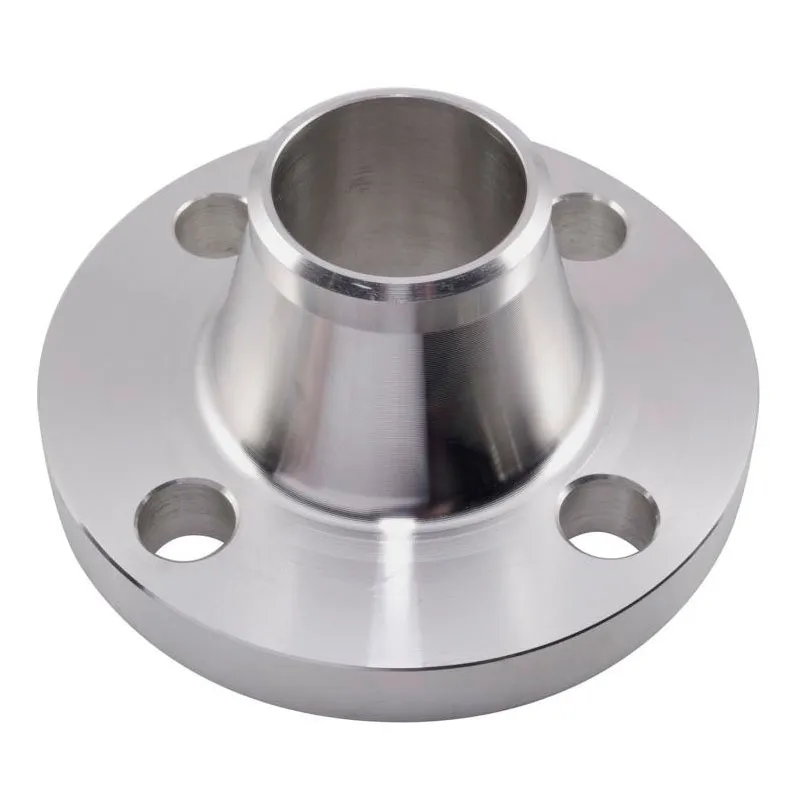
Best Sellingproducts
Best Selling Products-
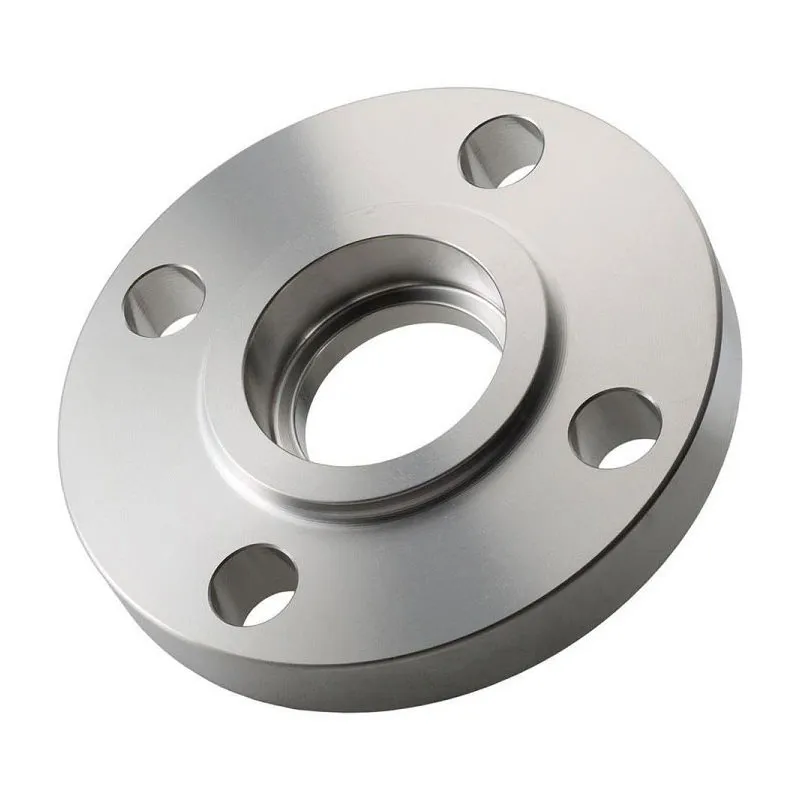 Flanges for socket welding
 -
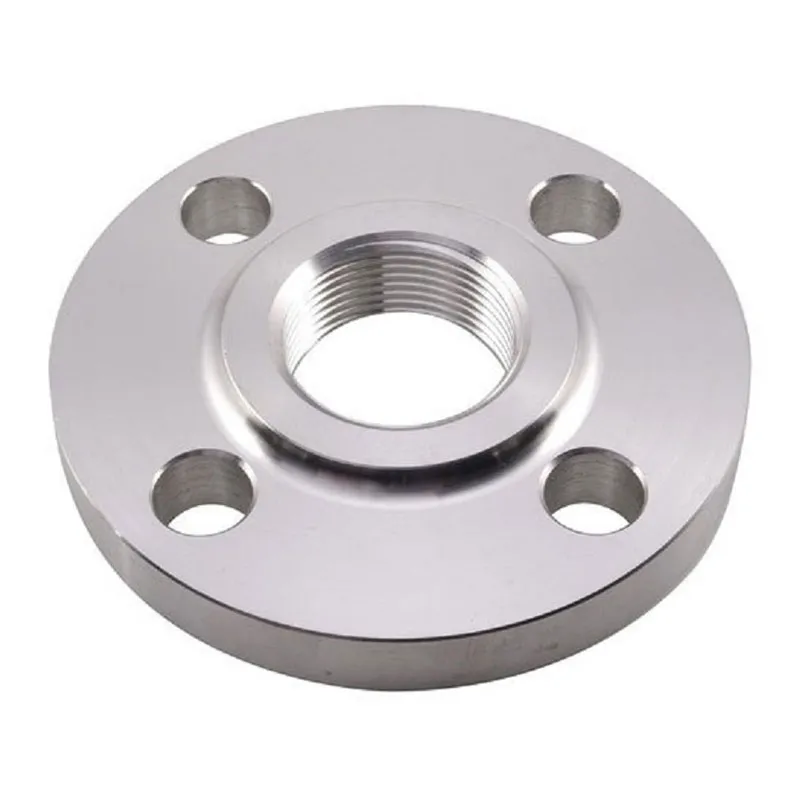 JIS 10K Overlay flanges
 -
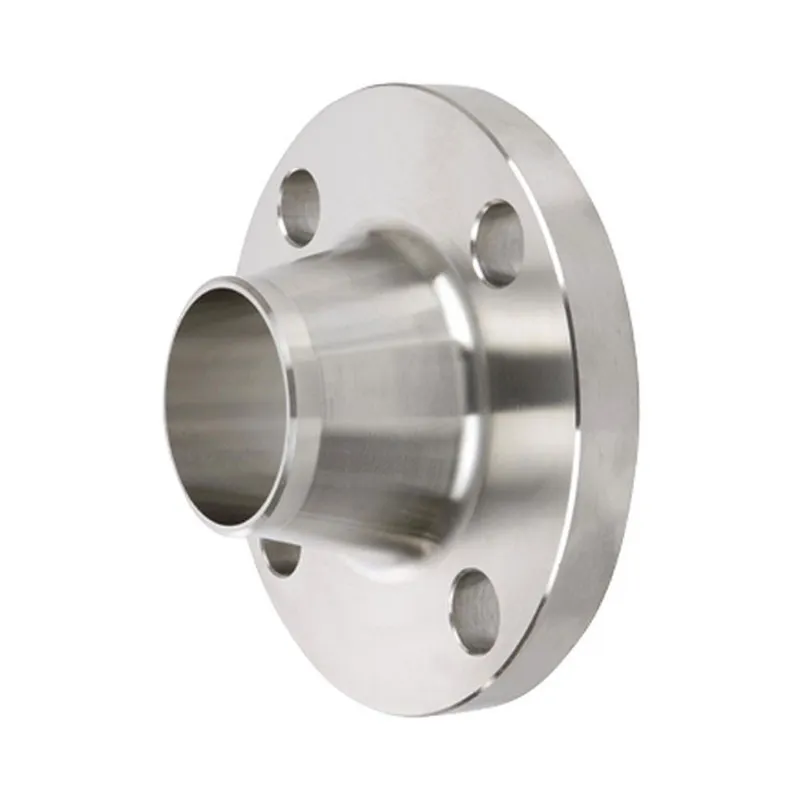 EN 1092-1 Butt weld flanges Type 11, PN25
 -
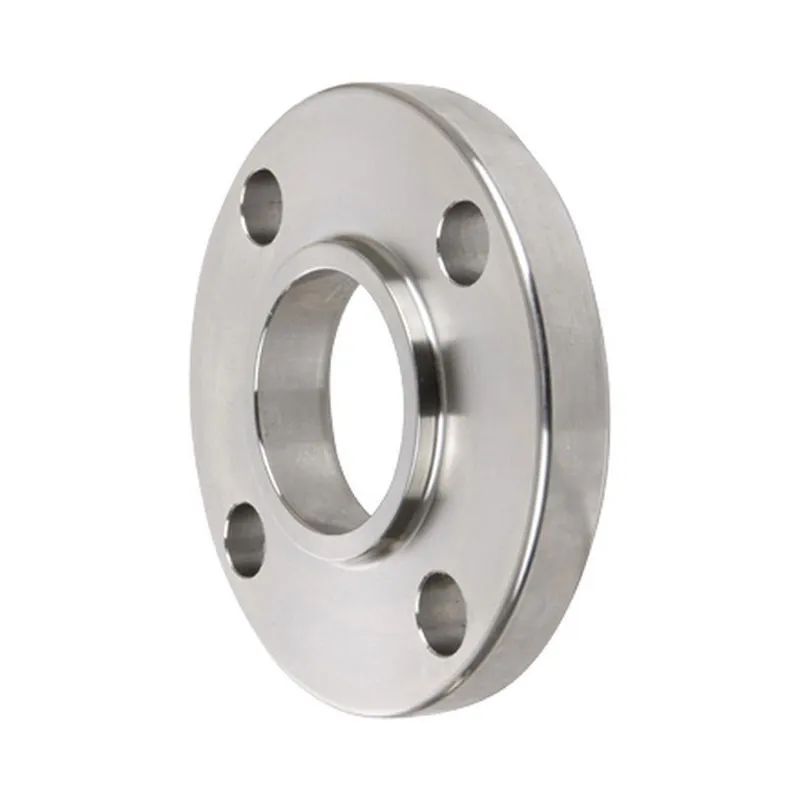 DIN 2501 Overlay flanges PN16
 -
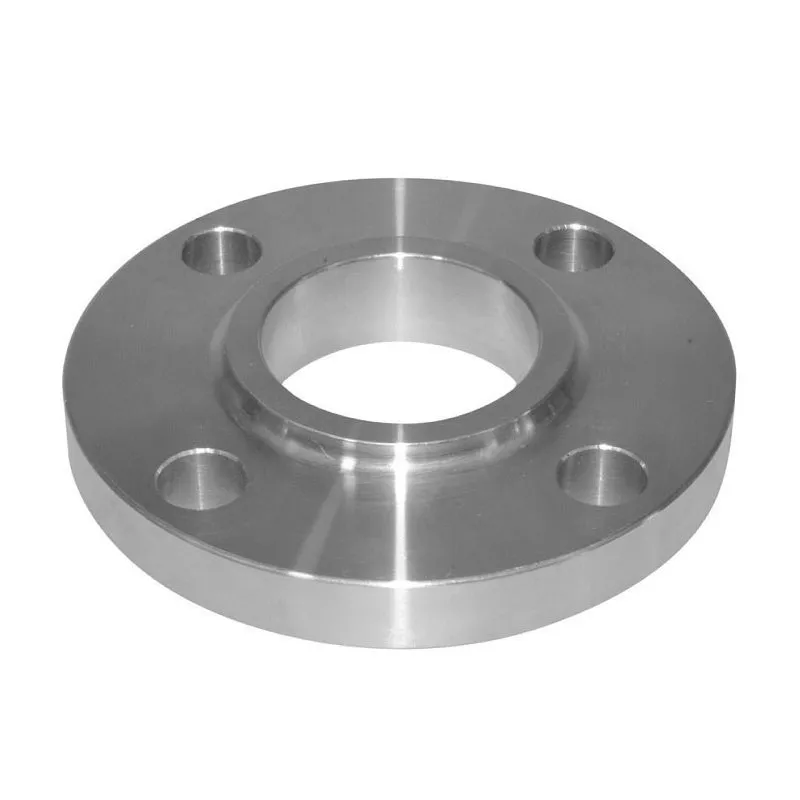 ANSI B16.5 Lap-on flanges Class 1500
 -
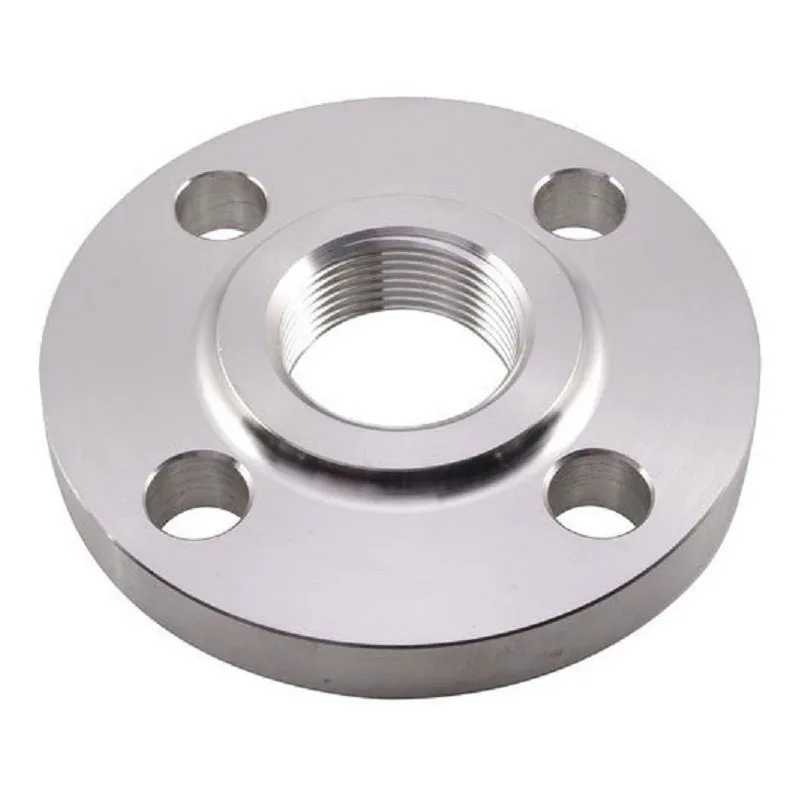 ANSI B16.5 Threaded Flanges Class 600
 -
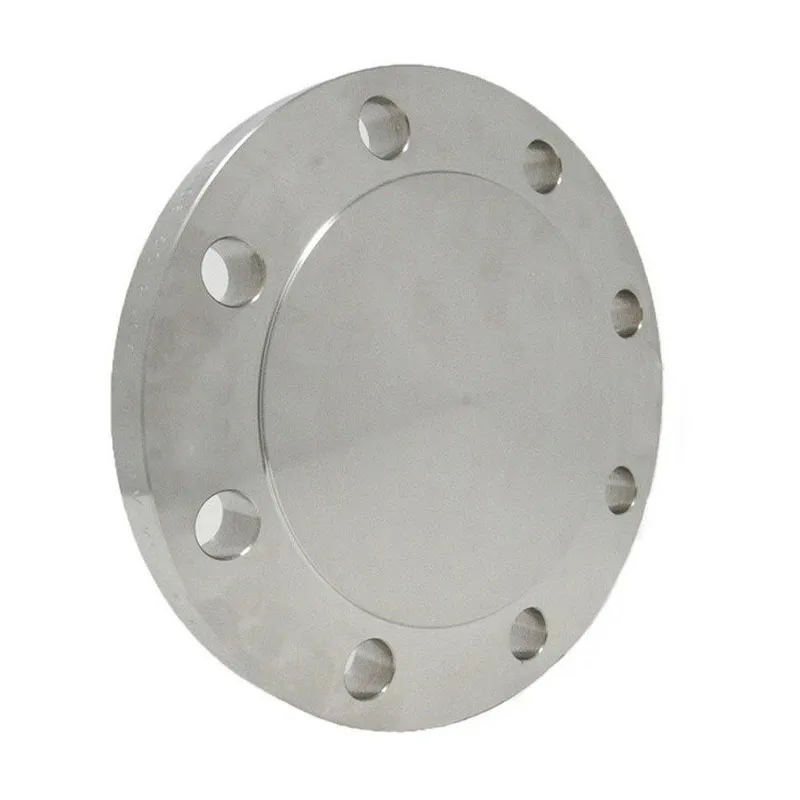 EN 1092-1 Blind flanges Type 05, PN10
 -
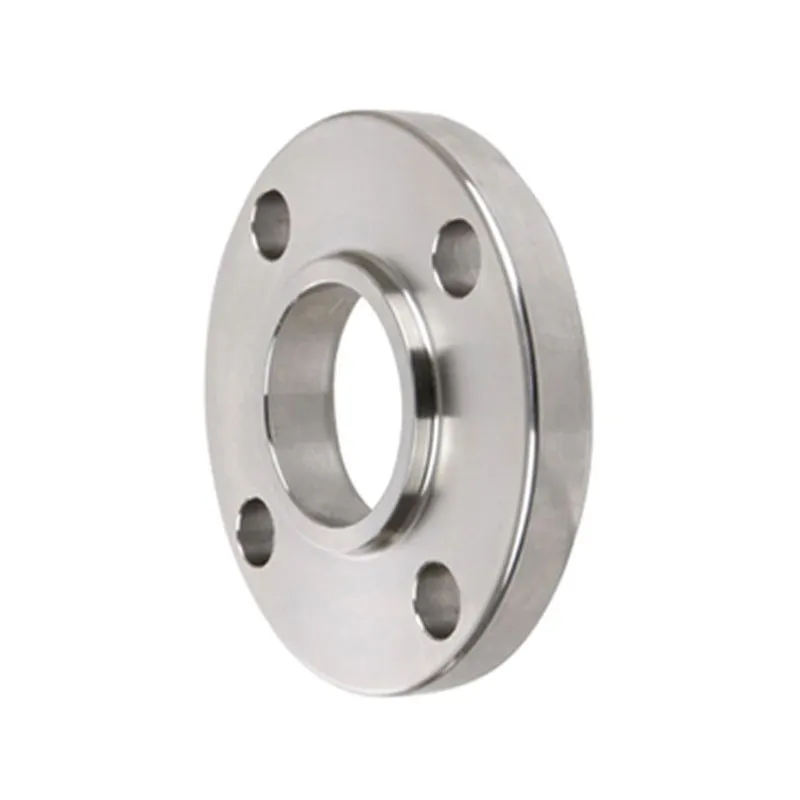 ANSI B16.5 Lap-on flanges Class 300
 -
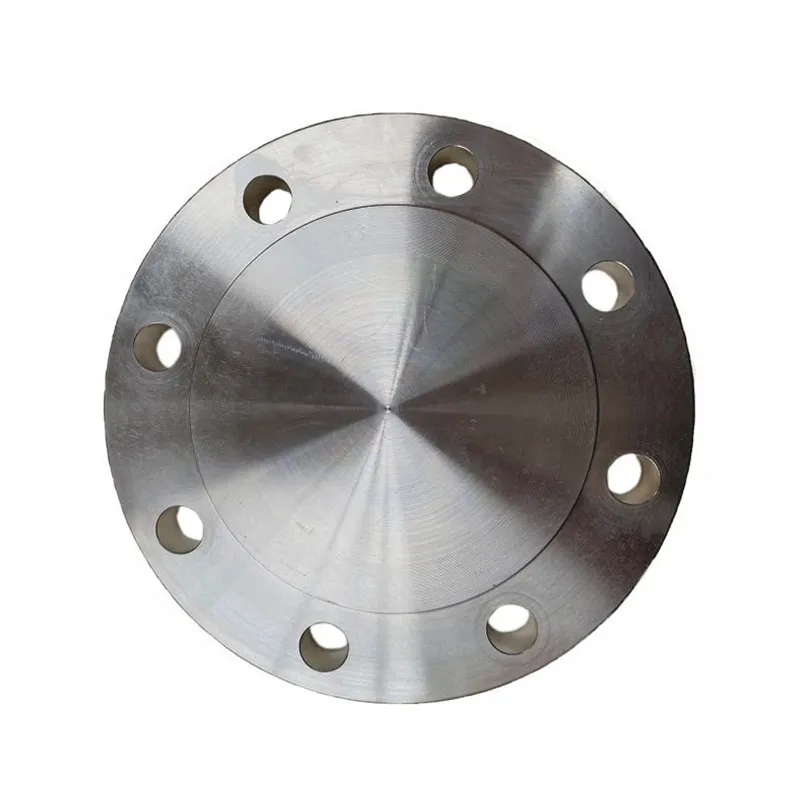 DIN 2527 Blind flanges PN10
 -
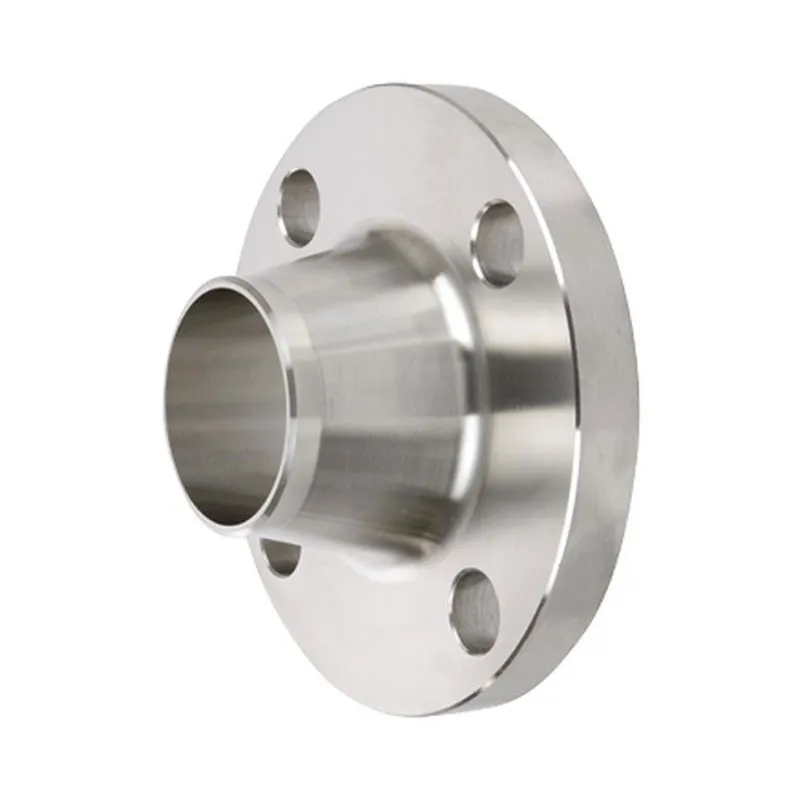 Ser.A Butt Weld Flanges Class 400
 -
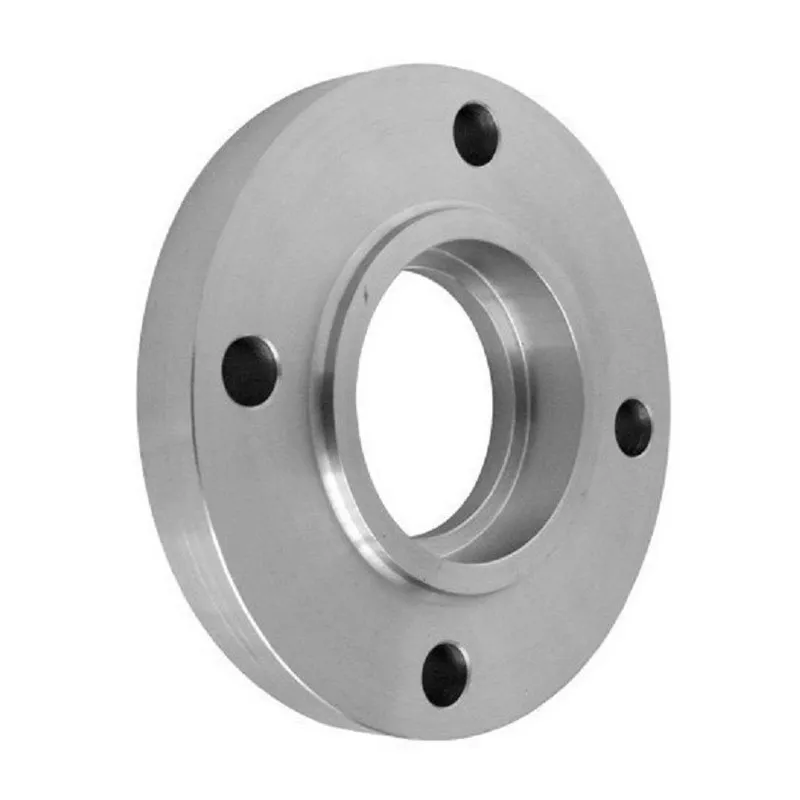 JIS 5K Socket Weld Flanges
 -
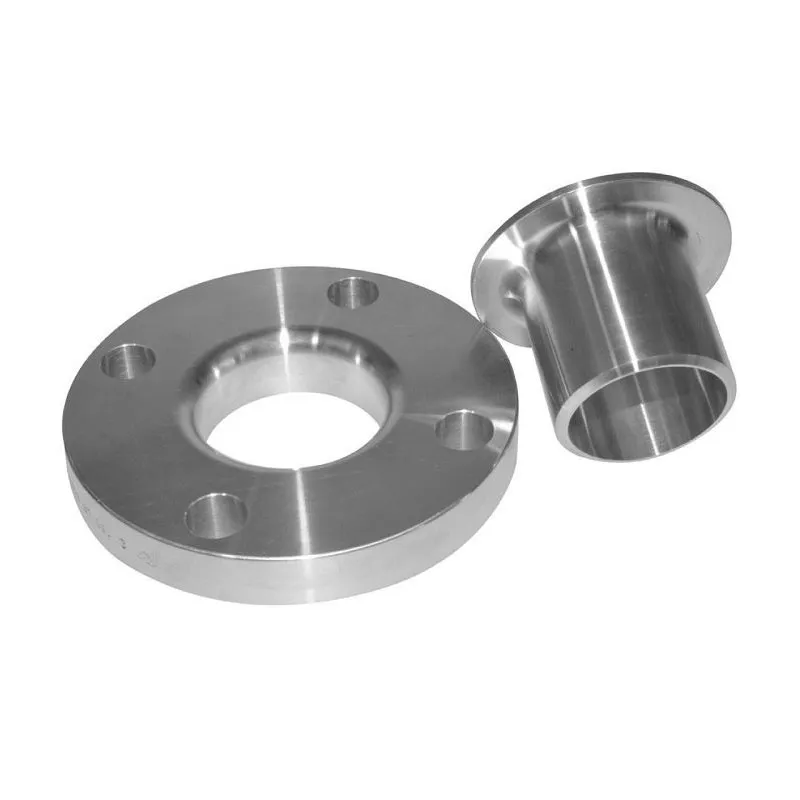 ANSI B16.5 Loose Ring Flanges Class 2500