
-
-
Phone
+86-13623462298



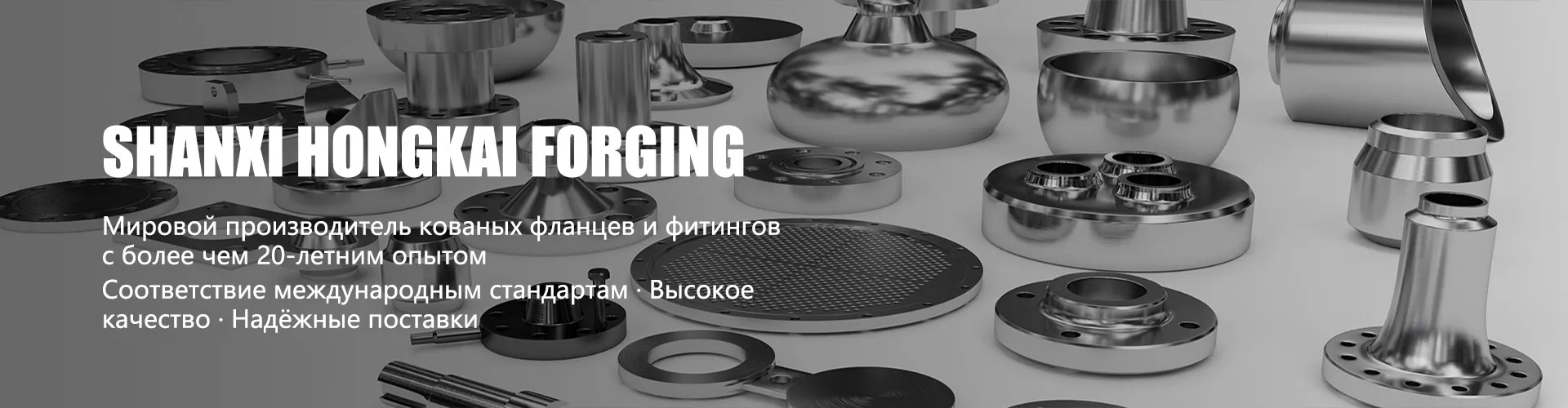
flange 400 16
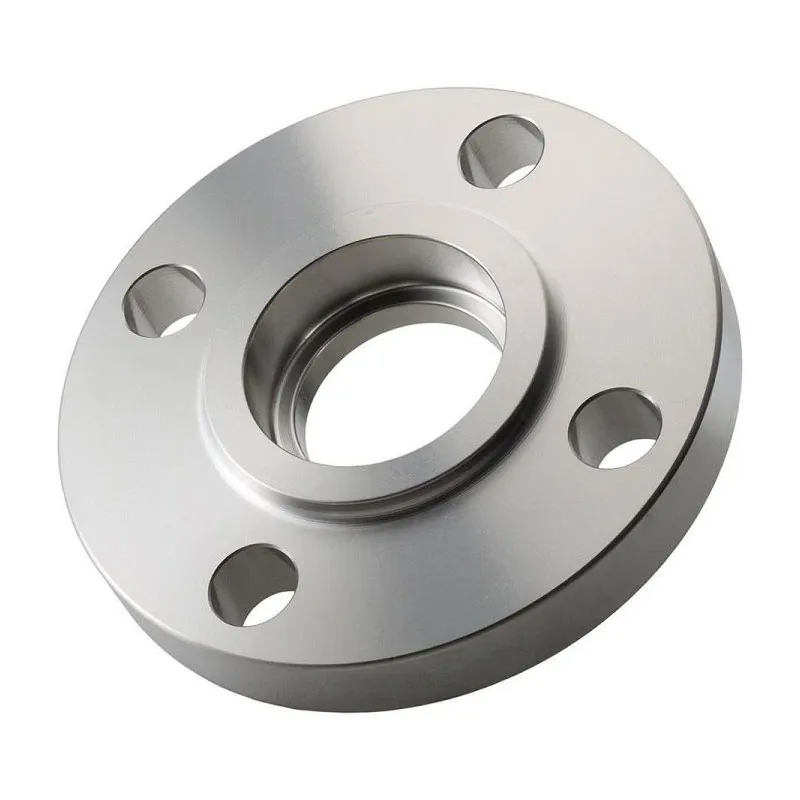
When “flange 400 16” appears in an order or in a drawing, many, especially those new to purchasing, think that this is almost a standard story. Like, I selected it according to pressure and diameter - and it’s done. But in practice, these numbers are just the beginning of the conversation. The most common mistake is not to take into account which standard these parameters are tied to. We have GOST 33259, they have ASME B16.5, and there the mounting surfaces, thickness, and number of bolts may vary. And now during installation it turns out that the new flange does not fit into the old one, even though it is DN400 and 16 atm. I've encountered this more than once.
What is hidden behind the designation and why the material is not secondary
So let's take our case:flange 400 16. Nominal diameter - 400 mm, working pressure - 16 kgf/cm2 (or about 1.6 MPa). It would seem clear. But immediately there is a checklist in my head: for what environment? Steam, water, aggressive chemicals? The choice of steel grade depends on this. For non-aggressive environments up to +425°C, st20 is often used, but if the temperature is higher or there is a risk of corrosion, they are already looking towards 09g2s or even 12x18n10t. A mistake in choosing a brand is not just playing it safe, it’s a matter of safety. I saw how at a thermal station, after six months of working on steam, cracks appeared on flanges made of unsuitable carbon steel - we saved on material and got a simple and expensive repair.
Here, by the way, you often pay attention to manufacturers who work with a full cycle and can confirm the quality of the metal. Here, for example,Shanxi Hongkai Forging Co.,Ltd(their website ishkflange.ru). They are from a region considered one of the centers of blacksmithing in China. Their description clearly states that they make forgings and flanges in accordance with GOST, ASME, EN and other standards. This is an important point. If a manufacturer is initially tailored to different standards, it means that its technical process already contains an understanding of these nuances - geometry, tolerances. For a critical unit for 16 atmospheres, this is not just a piece of hardware, but a forging where the metal fibers are distributed correctly, which is critical for strength.
Returning to size. DN400 is already a large part. Transportation, storage, installation - everything requires care. I remember a project where such flanges were used for the construction of a connection unit. They arrived and stacked them without gaskets - as a result, several pieces received scratches and dents on the sealing surface. I had to send it for mechanical processing and remove a minimum layer to level it out. Simple, unnecessary costs. Now I always stipulate the terms of shipment - each flange is in separate packaging or with reliable wooden gaskets.
Standard and execution: subtleties that make all the difference
Mentioned standards. Cflange 400 16most often you work either according to GOST 33259 (steel butt welds) or according to ASME B16.5 Class 150. The number 16 for us roughly corresponds to Class 150 for them, but that’s exactly what it is! There is no direct conversion; you need to look at the tables of permissible pressures depending on temperature. And here the most interesting part begins - the design of the sealing surface. Type 1 (protrusion-recess), type 2 (tenon-groove), type 3 (for a lens gasket), type 4 (for an oval gasket) and so on. If a pair of flanges on a pipeline has different designs, the connection is leaky from the very beginning.
I had a sad experience at one of the petrochemical plants. We purchased a batch of flanges according to the technical specifications, everything seemed to be checked: size, pressure, material. But we didn’t pay enough attention to the surface design drawing. The specification stated “Execution 3”, and the parts that arrived were with execution 1. The difference is not visually striking if you don’t know where to look. It was discovered only at the stage of pre-installation inspection. It’s good that it’s not in the process of commissioning. I had to urgently look for a replacement. Since then, in the application I have always duplicated not only the numbers, but also a sketch or a clear designation according to the standard, for example, GOST, DN400, PN16, Isp.3.
Manufacturers who specialize in a wide range of products, including custom products, win here. Previously mentioned companyShanxi Hongkai Forging Co.,LtdIn its assortment, it just lists end-to-end, flat, loose flanges and, what is important, production according to customer drawings. For complex cases when you need to replicate an outdated or specific flange, this option is a lifesaver. Their range up to DN4000 suggests that with large sizes like our DN400, they probably work regularly, and the technology has been proven.
Quality control and geometry: what to look for when accepting
Accepted the partyflanges 400 16— you can’t just count the number and tick it. Take a caliper, micrometer, templates. The first is thickness. Especially in the neck area of a butt weld flange. Lack of thickness - reduced strength, excess - problems with welding and excess weight. The second is the geometry of the holes for the studs. Their diameter and bolt pattern (size between centers). A discrepancy of even a millimeter will complicate installation to the limit. Third, the parallelism and cleanliness of the sealing surfaces. Bullies and shells are unacceptable.
Once I encountered a problem with a “screw?” — the flange was not flat, but slightly twisted, like a propeller. It is not visible visually, but when applying the control tile or when trying to tighten it with the mating flange, uneven stress was created. The reason is probably residual stresses after heat treatment or poor quality machining. The batch was rejected. This is about the importance of control over the manufacturer's output. On the websitehkflange.ruThe company description emphasizes production to standards. It is understood that there must be incoming control of the material, and operational control, and final control. For responsible use, these are not empty words.
Another practical point is labeling. The main data must be clearly stamped on the body of the flange (not with paint!): nominal diameter, pressure, steel grade, manufacturer's mark, standard. This is his passport. If the marking is weak or absent, there are immediate questions about the origin and compliance with the technology.
Installation and operation: where theory meets reality
Perfectflange 400 16- this is only half the success. The second half is proper installation. Studs or bolts - their strength class must correspond to the design one. Tightening must be done with a torque wrench, crosswise, according to the diagram, to avoid distortion. A common mistake is to drag it out “from the heart?” gas key. This can lead to stripping of the threads or, worse, to the creation of excessive stresses in the flange itself, which will manifest themselves later in cyclic operation.
In operation, such connections require periodic visual inspection. Especially after thermal cycles (heating and cooling). Check for leaks, signs of corrosion, and the condition of bolted connections. For 16 atmosphere flanges operating, say, in heating mains, this is a regular procedure. The sealing surface may “sag” over time, then the gasket needs to be tightened or replaced.
Here again you remember the quality of the original part. If the flange was made with the correct heat treatment, with a uniform metal structure, it will better withstand these cycles. Forging, unlike a welded or cast structure (casting is generally rare for such parameters), is beyond competition here. Therefore, when choosing a supplier for serious projects, I always look towards factories that make forged flanges, as indicated in the activityShanxi Hongkai Forging Co.,Ltd. Their profile is forged flanges and forgings, which already indicates the chosen production method, which gives the best mechanical properties.
Instead of a conclusion: thinking out loud about choice and reliability
So,flange 400 16is not just a position on a payroll. This is a unit on which the tightness and safety of an entire section of the pipeline depends. His choice is a chain of decisions: standard, material, execution, control, installation. Savings at any stage can result in many times higher costs.
Working with different suppliers, you begin to appreciate those who not only sell hardware, but understand its purpose. When technical support can advise on the grade of steel for a specific environment or quickly prepare a drawing for a non-standard product, this is worth a lot. Chinese manufacturers, like the mentioned company from Shanxi, have long left the category of suppliers of low-quality consumer goods. Many, having serious press-forging equipment and working to international standards, offer very decent quality. The main thing is to make an informed choice, request all the necessary certificates and test results, and do not hesitate to ask questions about the technology.
In general, the flange story is always a micro-project. And his success consists of little things that an experienced specialist simply has no right to miss. Even if it is a seemingly ordinary part of 400 millimeters and 16 atmospheres.
Correspondingproducts
Related Products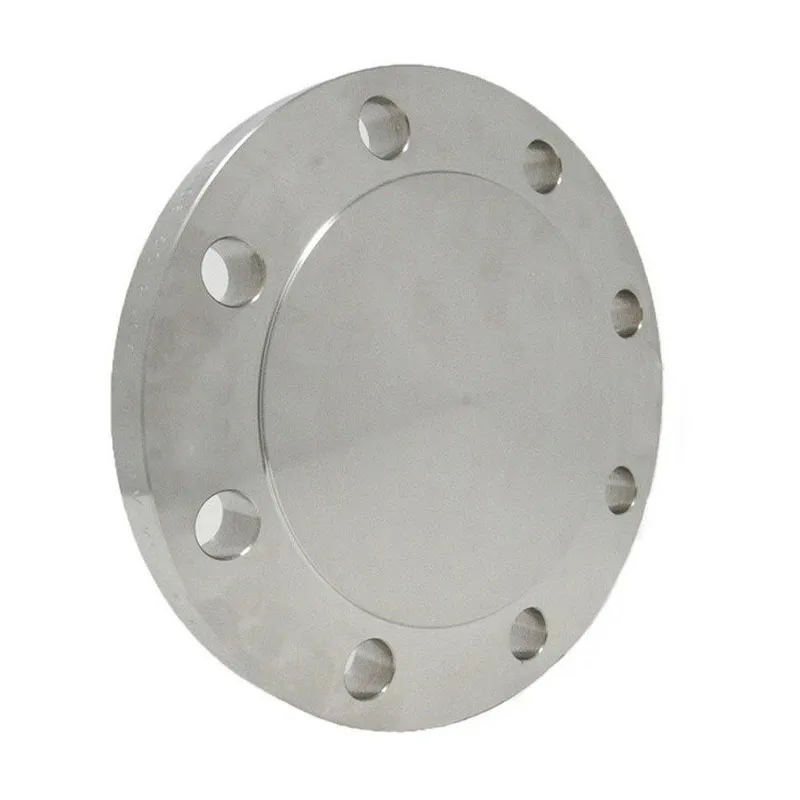
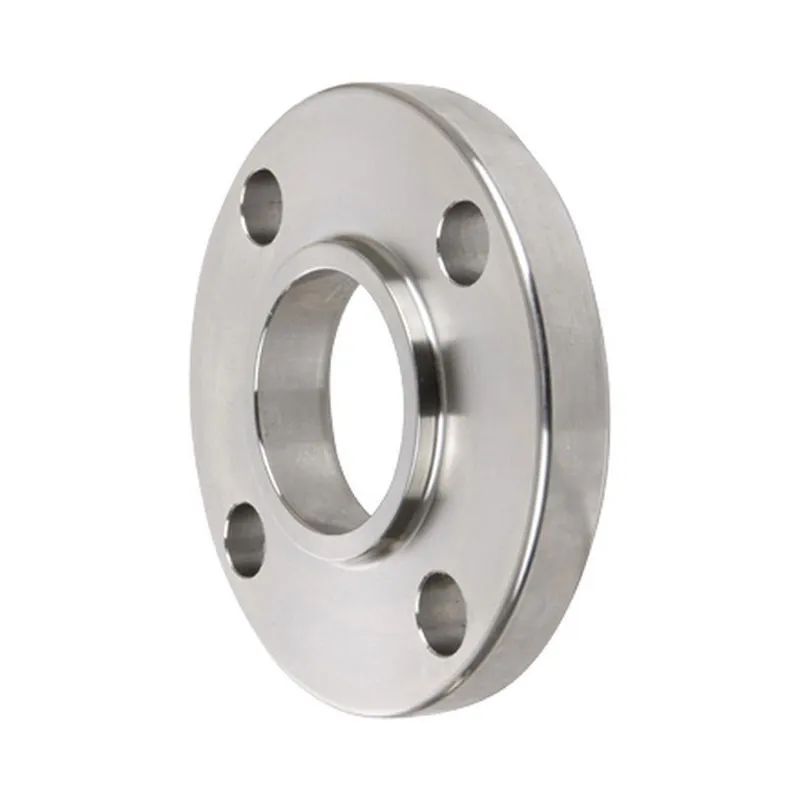
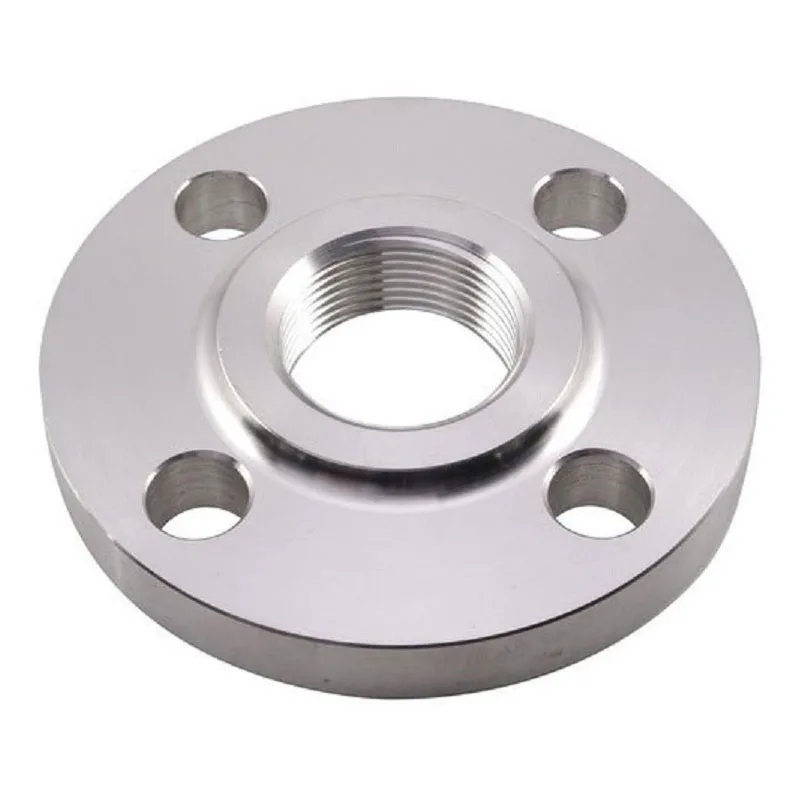
Best Sellingproducts
Best Selling Products-
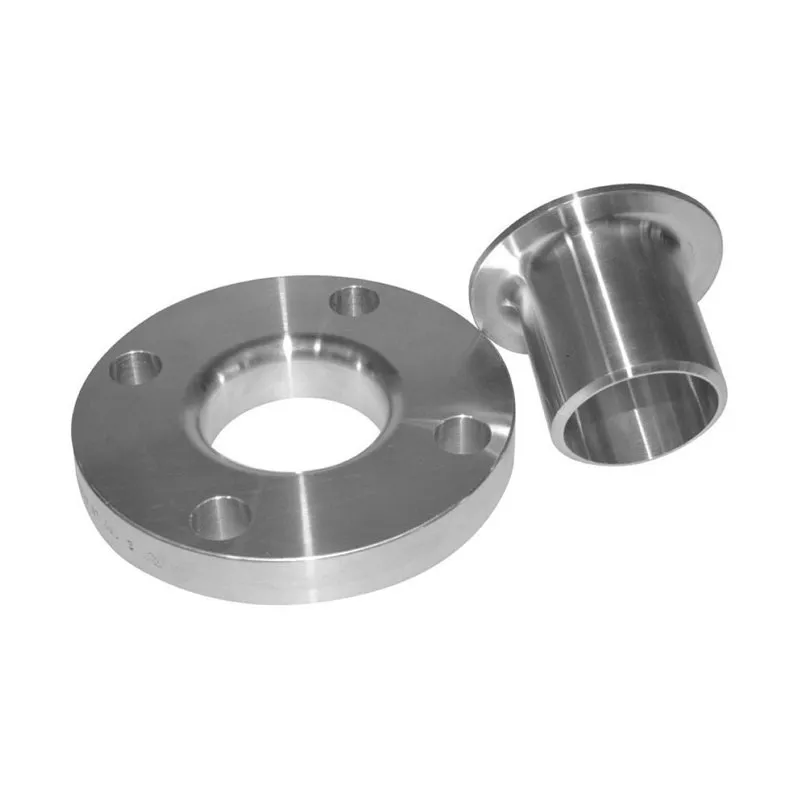 Free ring flanges Class 150
 -
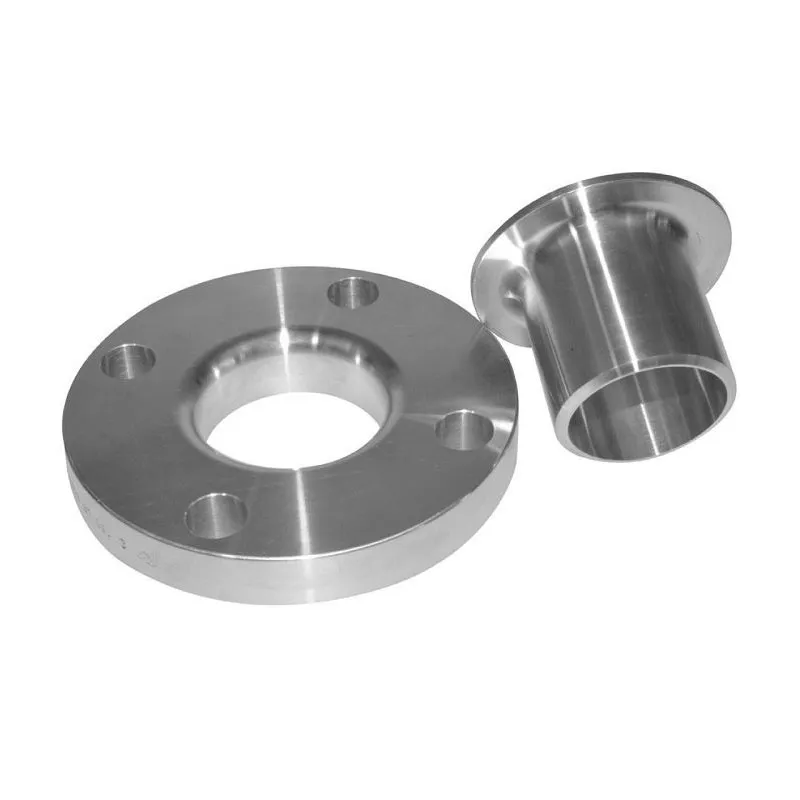 ANSI B16.5 Loose Ring Flanges Class 2500
 -
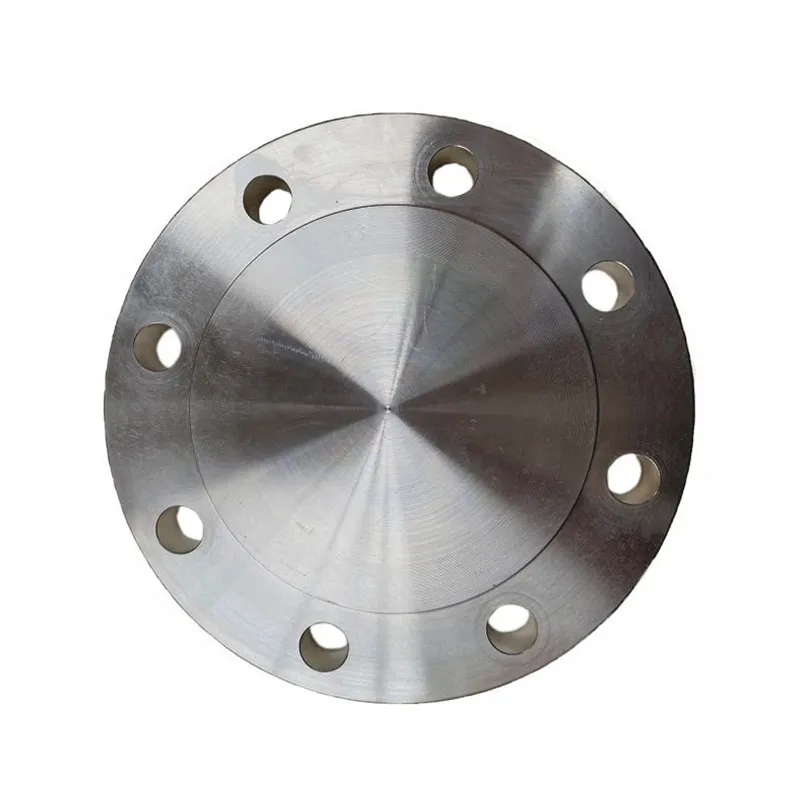 DIN 2527 Blind flanges PN10
 -
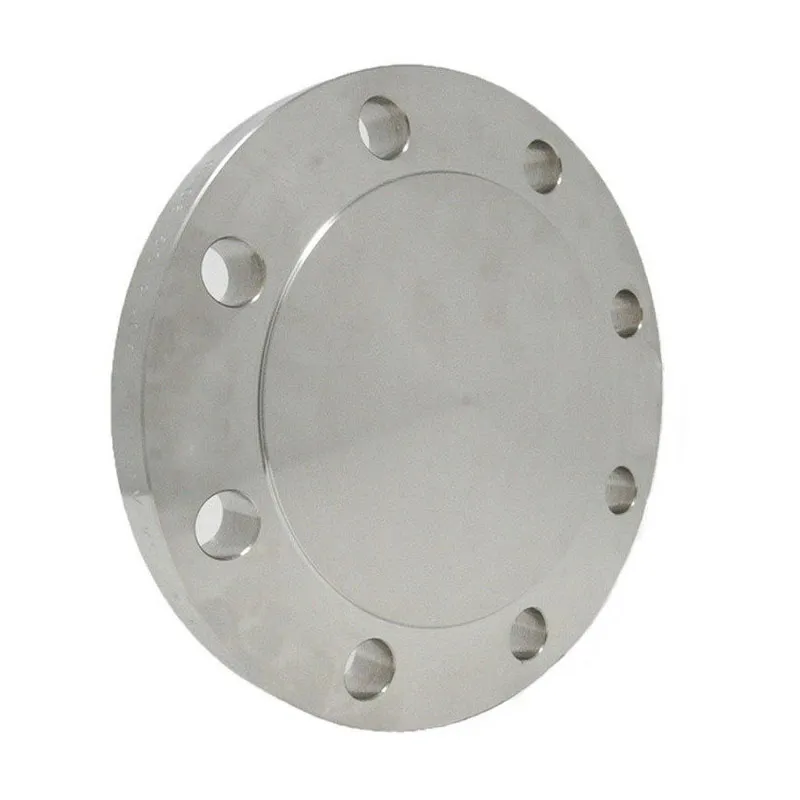 Blind flanges Class 150
 -
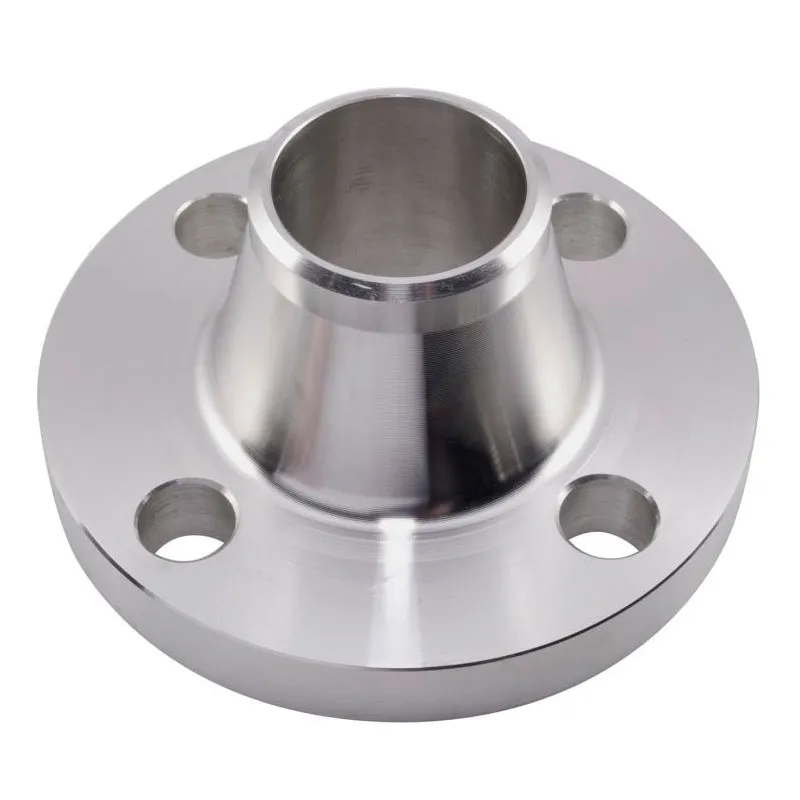 UNI 2281 Butt weld flanges PN10
 -
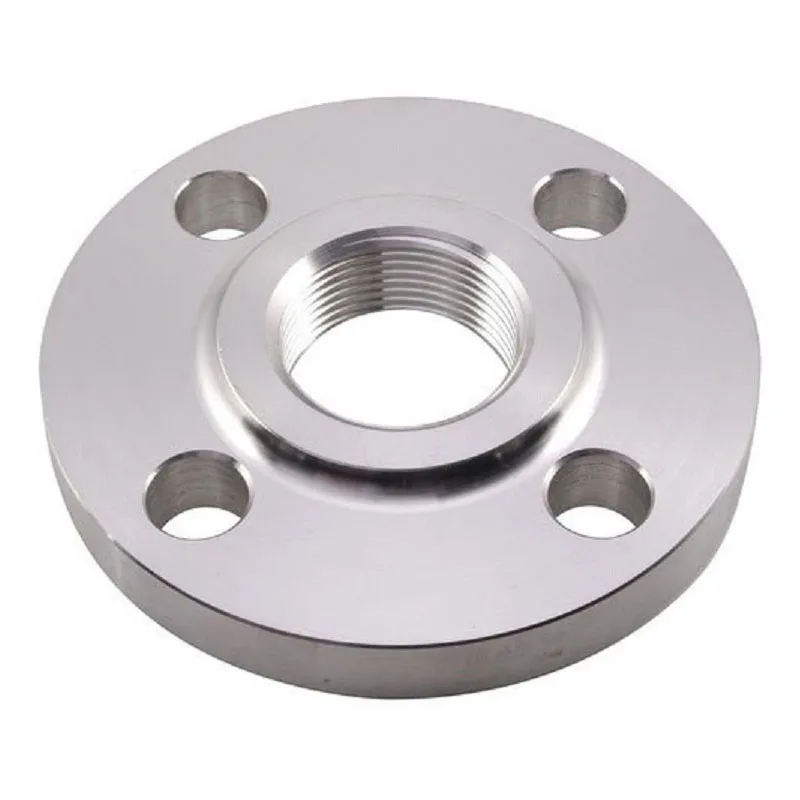 DIN 2566 Threaded flanges PN16
 -
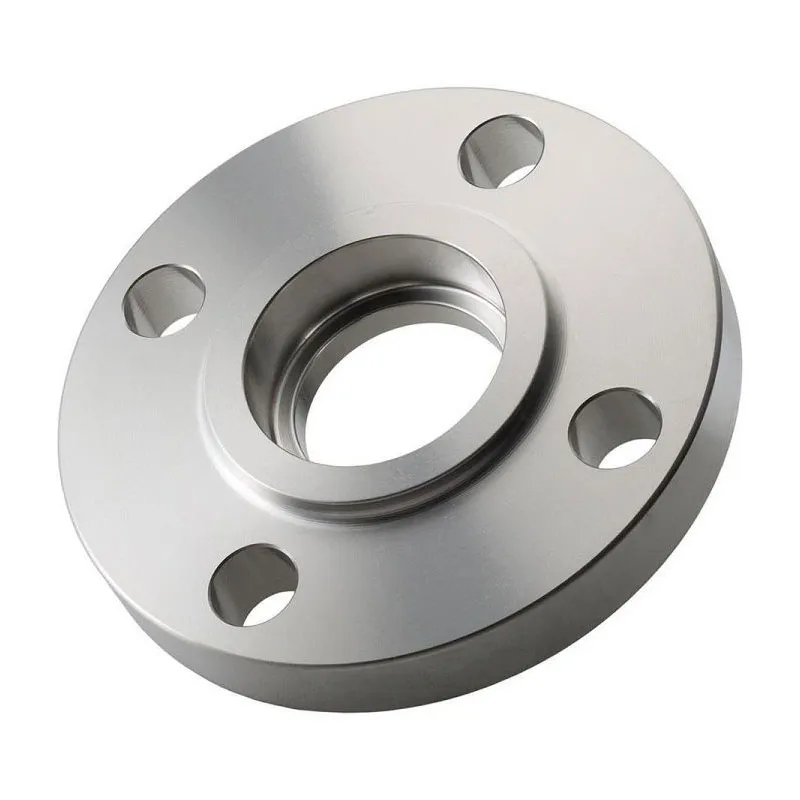 ANSI B16.5 Socket Weld Flanges Class 1500
 -
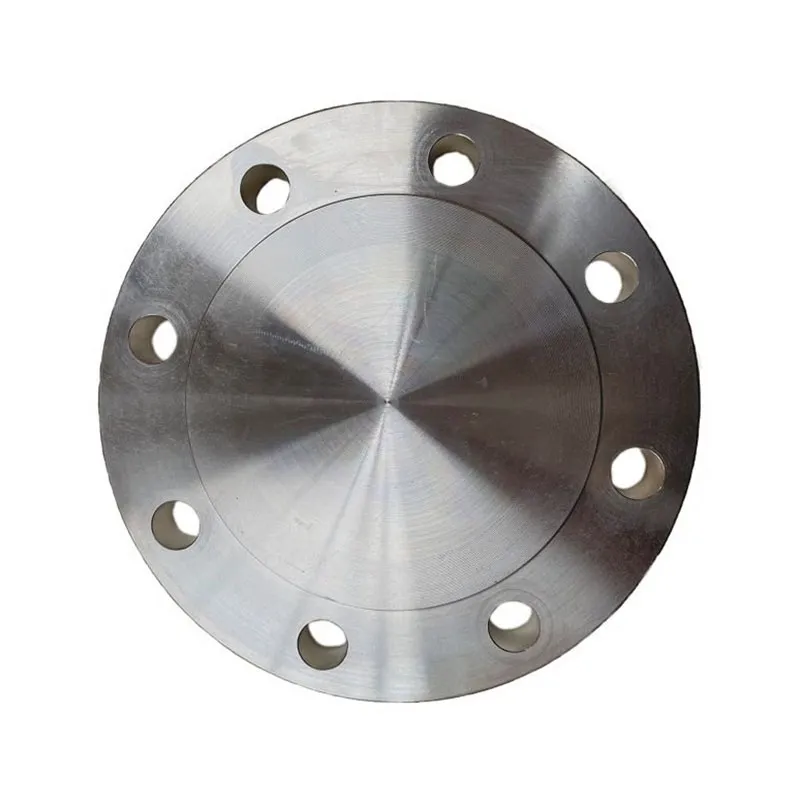 UNI 6092 Blind flanges PN10
 -
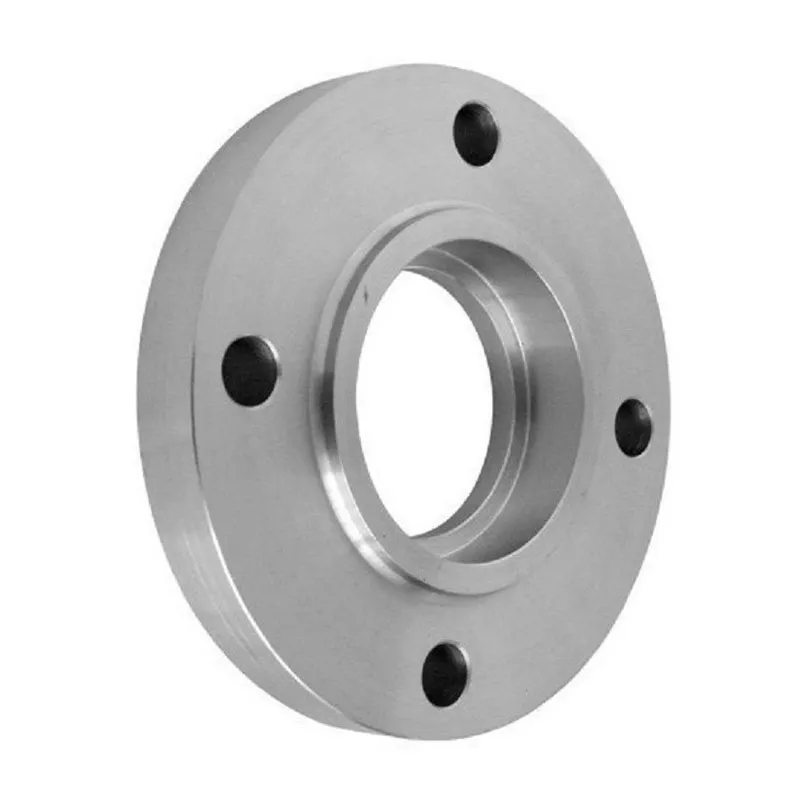 Socket Weld Flanges Class 300
 -
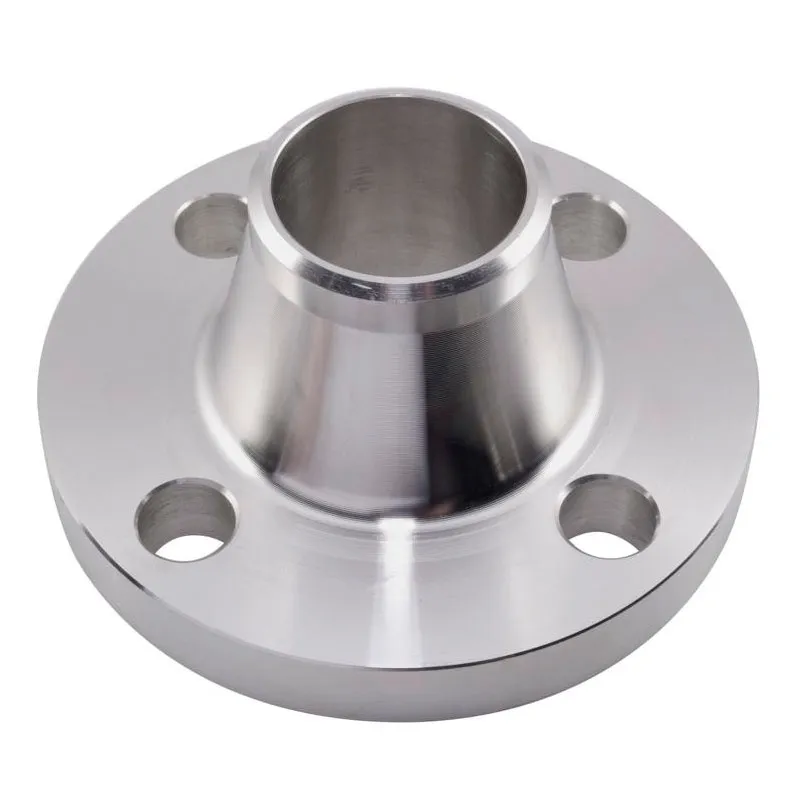 Butt weld flanges Class 900
 -
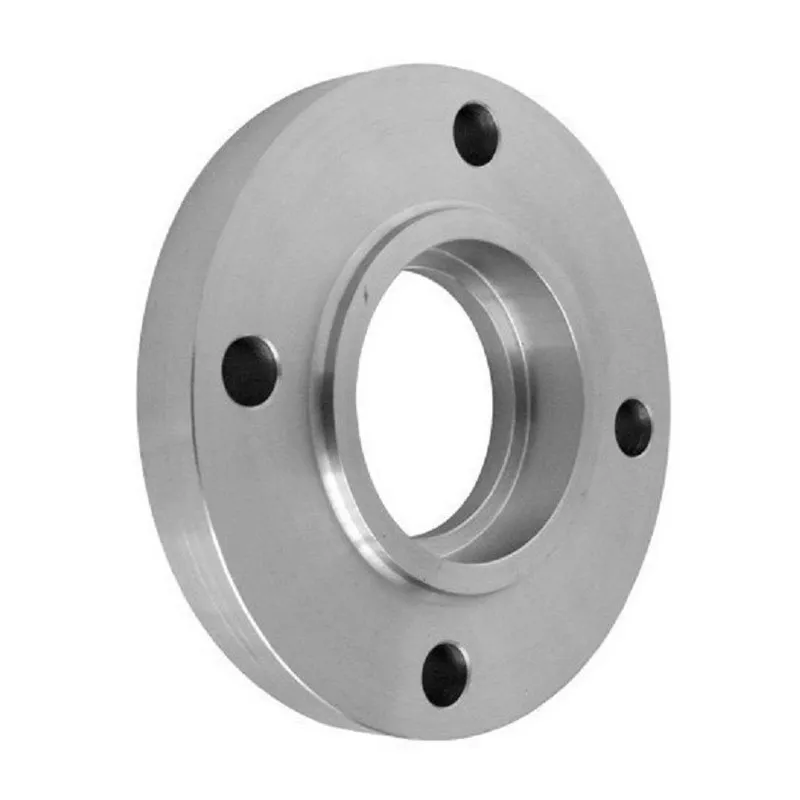 JIS 5K Socket Weld Flanges
 -
 ANSI B16.5 Socket Weld Flanges Class 150