
-
-
Phone
+86-13623462298



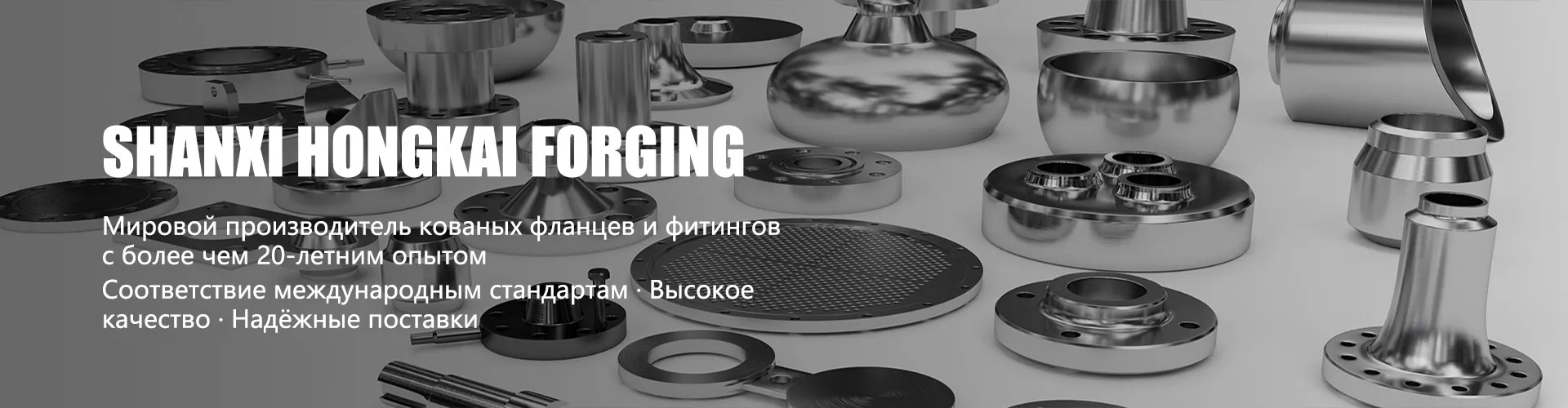
flange end
When they talk aboutflange end, many people immediately think about geometry, about standards. But in real work, during assembly or during acceptance, nuances often emerge that are not spelled out in the drawings, but an experienced eye can immediately see. For example, the same roughness of the end surface is not just a Ra number. It determines how the gasket behaves, especially under high pressures or cyclic loads. It happened that the flange according to the passport was ideal, butflange endAfter transportation or storage, microchips or corrosion appear that are not immediately noticeable. And this is no longer geometry according to GOST, these are issues of logistics, packaging, handling. This is what I want to talk about, based on my experience with various suppliers, including Chinese manufacturers, who have now seriously improved in quality.
Geometry is just the beginning. Lapping problems
Take butt weld flanges for example. It would seem that everything is simple:flange endshould be perpendicular to the axis of the neck, the surface should be flat. But in practice, especially with large-sized products under DN1000 and above, the issue of warping after welding arises. Even if the flange itself is forged and processed perfectly, the thermal cycle when welding to the pipe can “destroy” it. We once installed flanges from a European supplier on a high-pressure line, and after installation, leaks began. They began to look into it - it turned out that it was a microscopic “umbrella?” at the end, resulting from local overheating during installation welding. It is not visible visually, you cannot check it with a probe, only by imprint on the control plate or with a laser scanner.
That is why some responsible manufacturers, especially those working in the energy or petrochemical industries, began to perform finishing machining of the end after the sample was welded to the simulator pipe. This is, of course, more expensive, but it removes a lot of risks on site. From the same manufacturerShanxi Hongkai Forging Co.,Ltdin my nomenclature I saw a mention of the possibility of manufacturing according to customer drawings. In such cases, it is precisely possible to lay down such requirements - not just “end according to ASME B16.5”, but with an indication of the tolerance for warping after simulating welding. This is already a level of trust and understanding of the process.
And there is also a nuance with sealing surfaces of the tongue-and-groove type. or “protrusion-recess?”. There the geometry of the end becomes critical. The slightest chip on the chamfer of a tenon? — and the tightness is in question. I had to modify the new flanges with my own hands using a fine abrasive tape right in the warehouse before sending them to the site. Perfect? No. But practical. This is to the question that sometimes passport quality and installation quality are slightly different things.
Material and hardness: a connection not always sought
Often all attention goes to the steel grade: 09G2S, 20, 304, 316. And rightly so. Butflange end- This is also a question of surface hardness. An end that is too soft (for example, in normalized carbon steel without hardening) can “wipe?” gasket when tightening, especially fluoroplastic or graphite. Too hard, hardened - it can damage it, plus there is a risk of brittle chipping if the studs are hit or misaligned.
We had a case at a thermal power plant with flanges made of steel 12Х18Н10Т. The flanges were cast (not forged), and after processing the end was left as if “flaked off”. edge not completely removed. When tightened, this microscopic irregularity cut off a thin layer of the spiral wound gasket. The leak did not appear immediately, but after several thermal cycles. I had to remove and sand the ends on site using a portable machine. Now, when ordering, we always specify not only the material and heat treatment, but also the finishing of the end. In this regard, forged flanges, like those that makeShanxi Hongkai Forging Co.,Ltd, usually outperform cast ones: metal fibers run along the surface, the structure is denser, there is less risk of internal shells that can “open up” during finishing and spoilflange end.
By the way, I looked at their website. They position themselves as a manufacturer of forged flanges and forgings, which already hints at a guideline for more critical applications. Forging gives that same dense, homogeneous structure, which is critical for maintaining the integrity of the sealing surface after all loads.
Transportation and storage: where defects arise
This is perhaps the most painful question. It is possible to produce a perfect flange with a mirrorflange end, but then it will be loaded into a container without gaskets between the products, or they will be turned over with cables that hit the sealing surface. The result is nicks and risks. Coated flanges (galvanized, cadmium-plated) are especially sensitive to this. The zinc layer at the end is peeled off, leaving bare steel, which immediately begins to rust.
I always require photos of packaging from suppliers before shipping. There should be wooden spacers, cardboard or plastic protective covers at the end, rigid fixation in the pallet. Surprisingly, many large players save on this, and then problems with acceptance begin at the facility. I remember we received a batch of loose flanges for DN600. Everything looks good, but they removed the protective film - andflange endthe relief of the adjacent flange was imprinted due to the fact that they were simply placed on top of each other under weight. I had to send it for re-polishing, the deadlines were missed.
On the website hkflange.ru the company description indicates a range of sizes up to DN4000. I can imagine how the logistics and storage of such giants need to be organized in order to keep their sealing surfaces intact. This is a separate art. I think that if a company actually supplies such sizes, then they must have a proven protocol for protecting the ends during transportation - otherwise they simply will not survive in the market.
Control: what and how to watch
A caliper and feeler gauge are good for basic checks. But for critical applications other methods are needed. For example, for critical lines we use blue (lapping paint) control. We take a reference plate with known flatness, apply a thin layer of paint, and apply the end of the flange. The print shows whether there are local protrusions or depressions. The method is old, but visual and cheap.
Now, of course, 3D scanners are becoming fashionable, but they are not always available in the field or at a supplier’s warehouse. Therefore, the reputation of the manufacturer is important. If he makes flanges according to ASME, EN or GOST, this requires a certain control system. But, again, the standard does not regulate everything. For example, the same GOST for steel flanges for pipeline fittings describes the dimensions in detail, but there are no detailed requirements for the microrelief of the end surface. This remains at the discretion of the manufacturer and the terms of the specific order.
When you consider a manufacturer likeShanxi Hongkai Forging Co.,Ltdwho declares work according to GOST, ASME, DIN and other standards, it is important to understand that this is not just a stamp on a certificate. This, ideally, means that they have the equipment, flow charts and control operations for each of these standards. And processingflange endfor a flange according to DIN PN40 and according to ASME Class 600 it may have its own subtleties in chamfer angles, transition radii, and roughness. A good supplier knows this and follows it.
Non-standard solutions and personal experience
Sometimes you have to deviate from the standards. We had a project where it was necessary to join a steel flange with a titanium apparatus. The coefficients of thermal expansion are different, the risk of warping is huge. The engineers proposed making not a flat end on the steel flange, but a slightly spherical one, with a very large radius (almost flat, but not quite). The idea is that during heating and possible misalignment, contact is maintained in the central zone. Manufacturing and testing such an end is quite a task. We eventually found a manufacturer who was able to do this using CNC followed by manual grinding.
This is about the fact thatShanxi Hongkai Forging Co.,LtdIn its company description, it mentions non-standard products based on customer drawings. For me this is the key phrase. It separates a simple stamper of standard products from a real industrial partner. The ability to not just sell a flange from a catalog, but to discuss the details, offer a solution on material or end processing for unusual conditions is worth a lot.
In the end, what I want to say.Flange end- this is not just a “surface for laying?”. This is a complex characteristic that consists of manufacturing technology (forging vs casting), precision machining, proper heat treatment, competent logistics and understanding of the final operating conditions. You can buy the cheapest flange that meets the standard on paper and end up with a headache on site. Or you can find a manufacturer who understands these nuances. And judging by open information, some Chinese companies, like the mentioned Shanxi Hongkai Forging, have been operating at this level for a long time, supplying products also according to strict international standards. The main thing is to ask the right questions when ordering and don’t be shy about asking for details, especially regarding how that critical end will be protected and processed.
Correspondingproducts
Related Products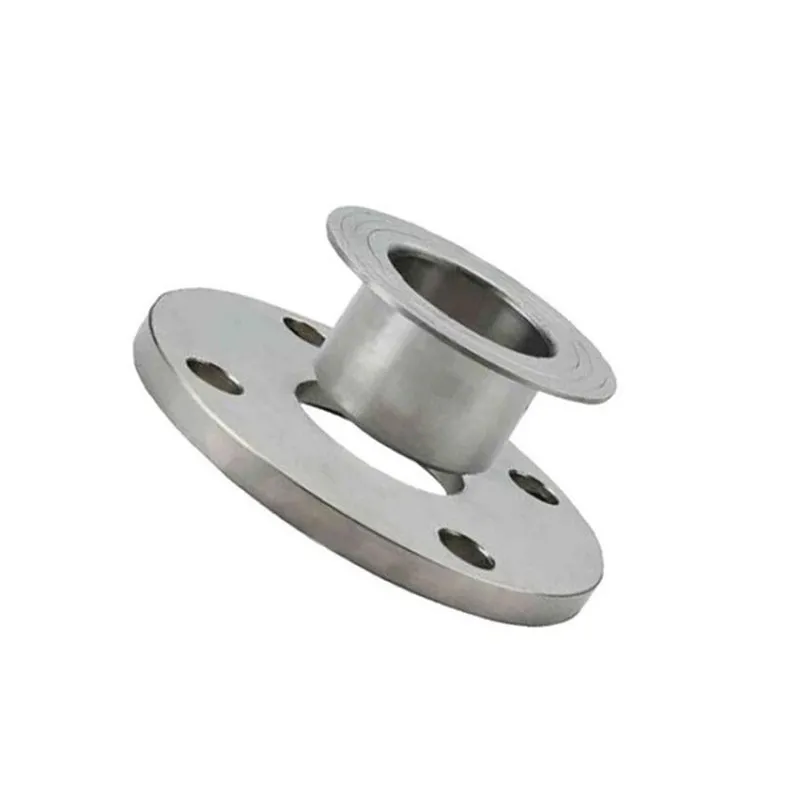
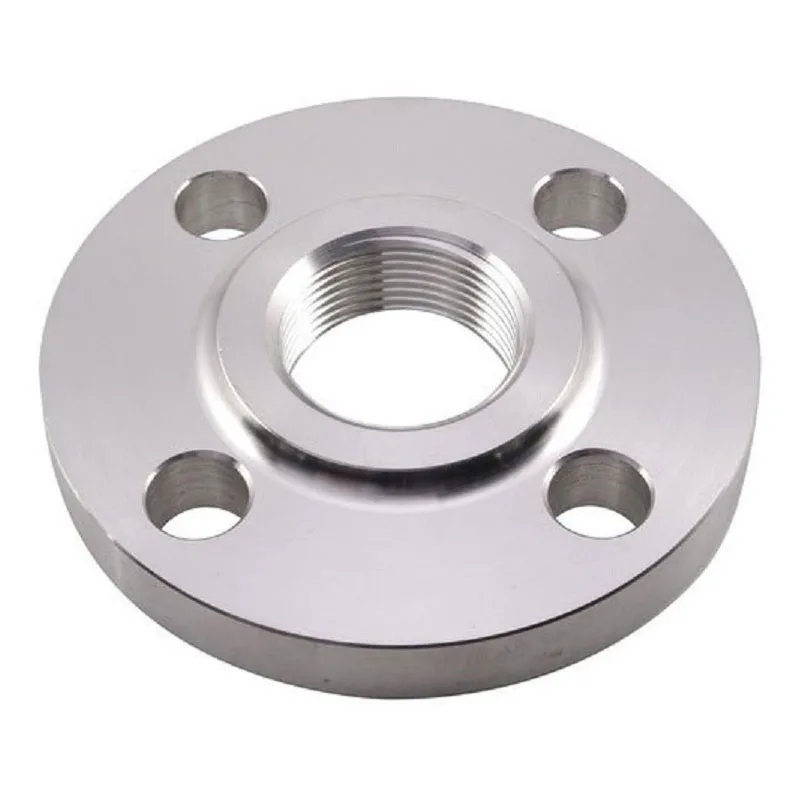
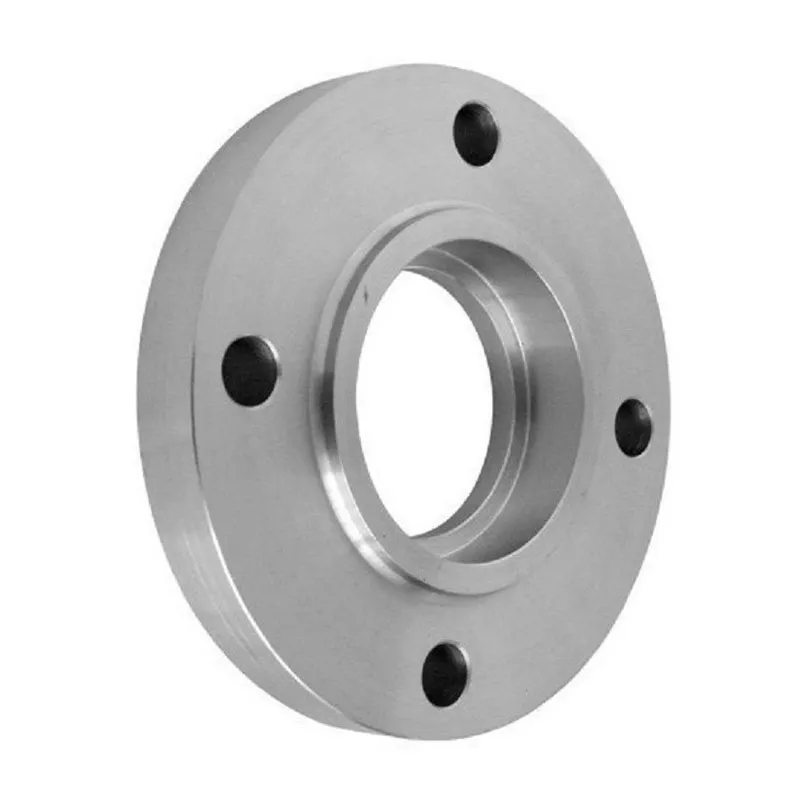
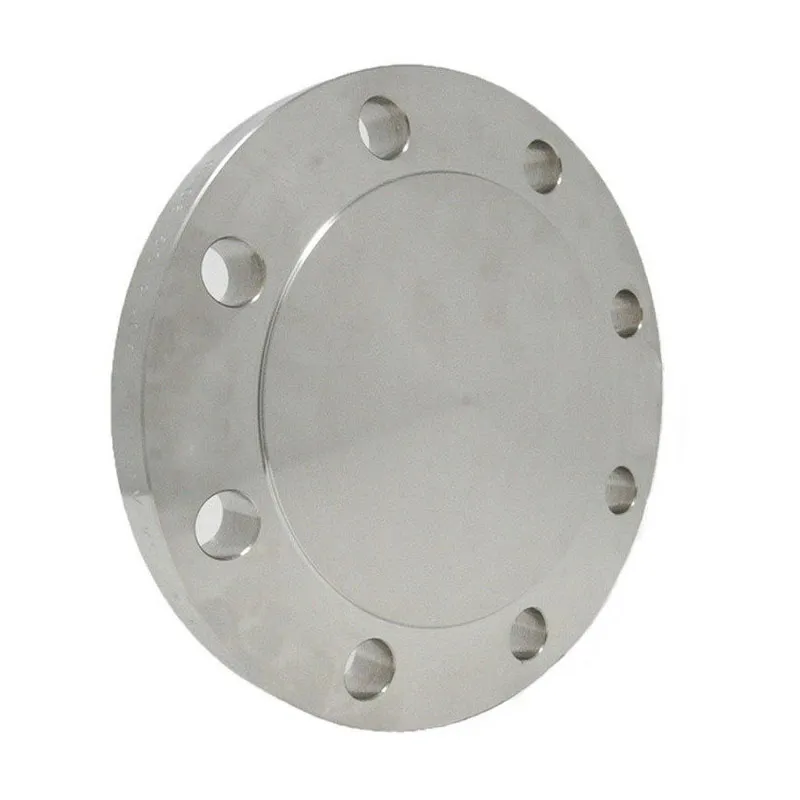
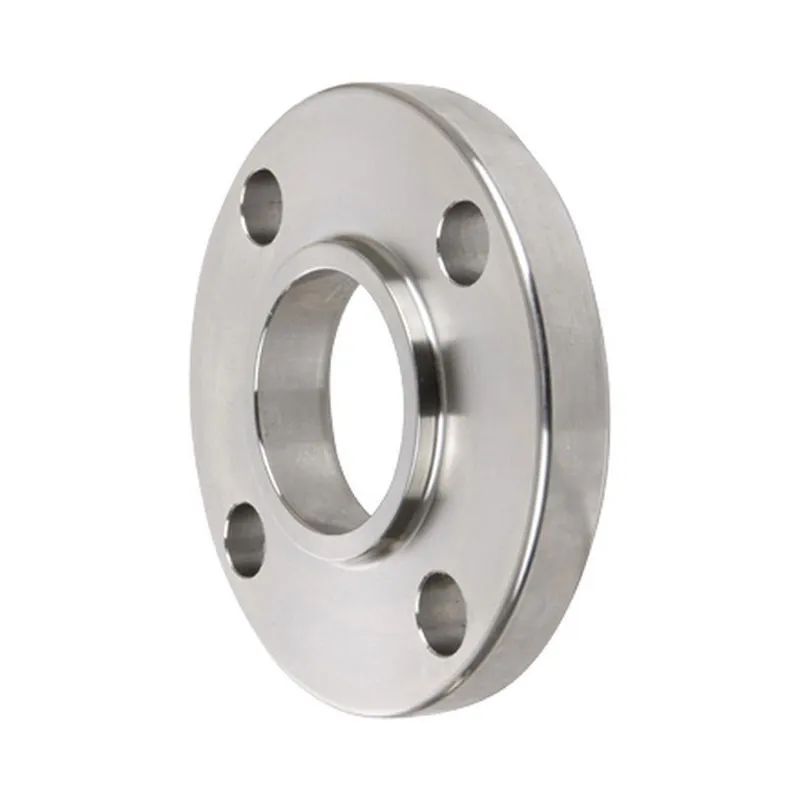
Best Sellingproducts
Best Selling Products-
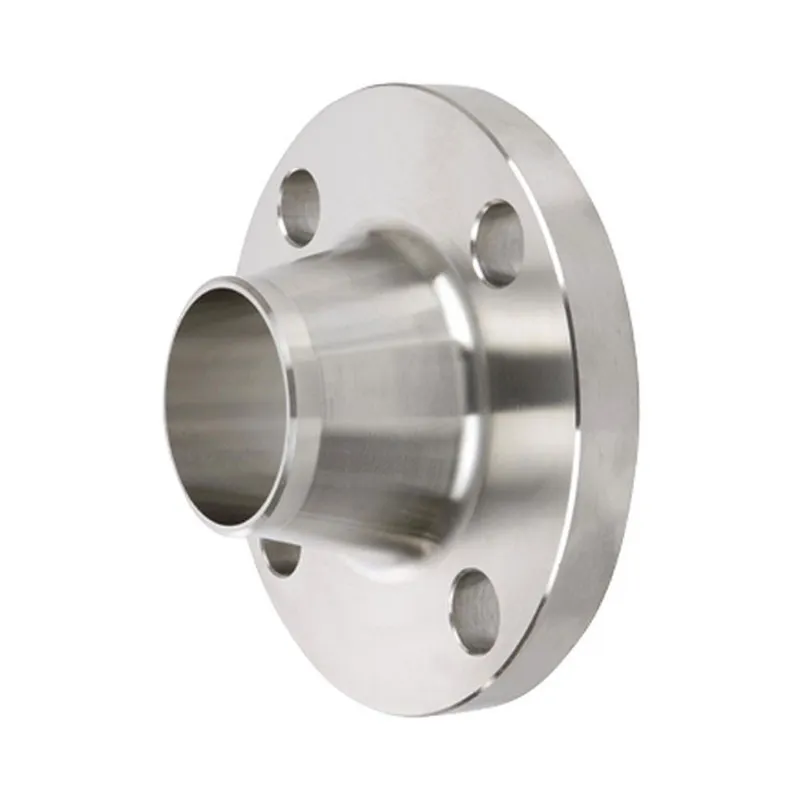 EN 1092-1 Butt weld flanges Type 11, PN25
 -
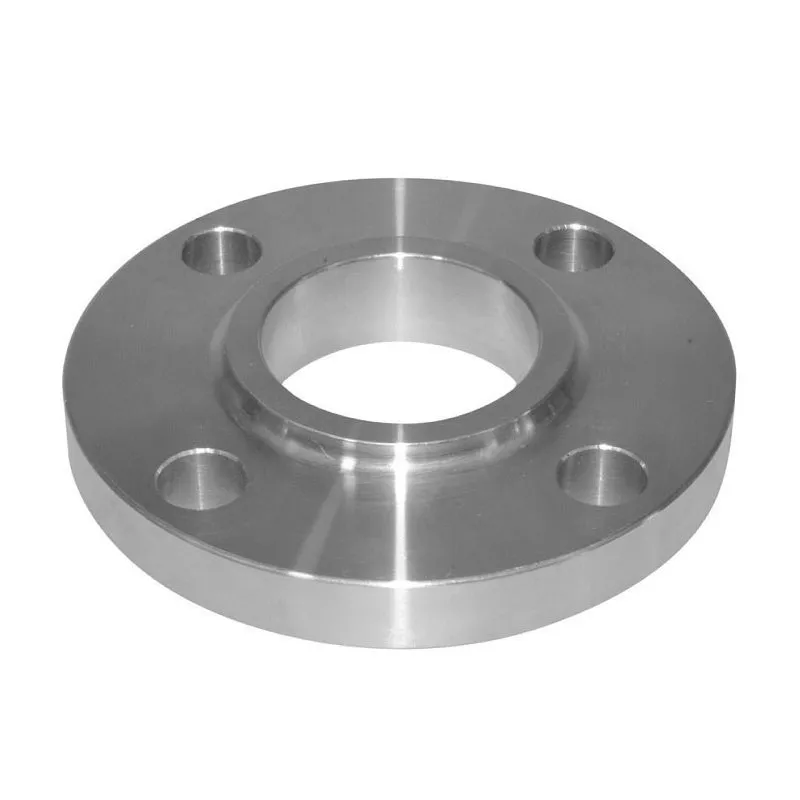 ANSI B16.5 Lap-on flanges Class 1500
 -
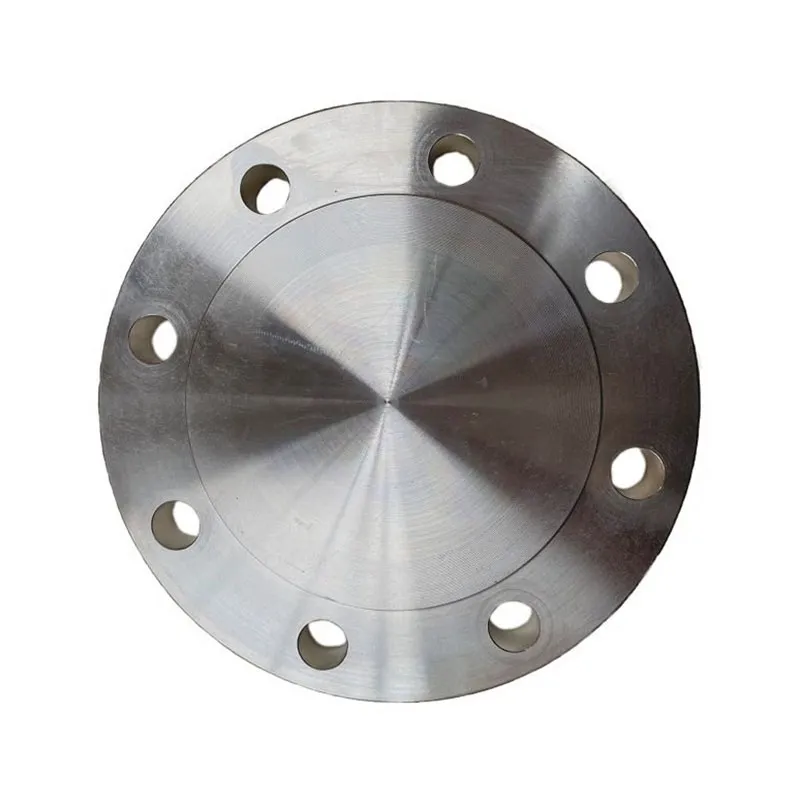 ASME B16.47 Ser.A Blind Flanges Class 400
 -
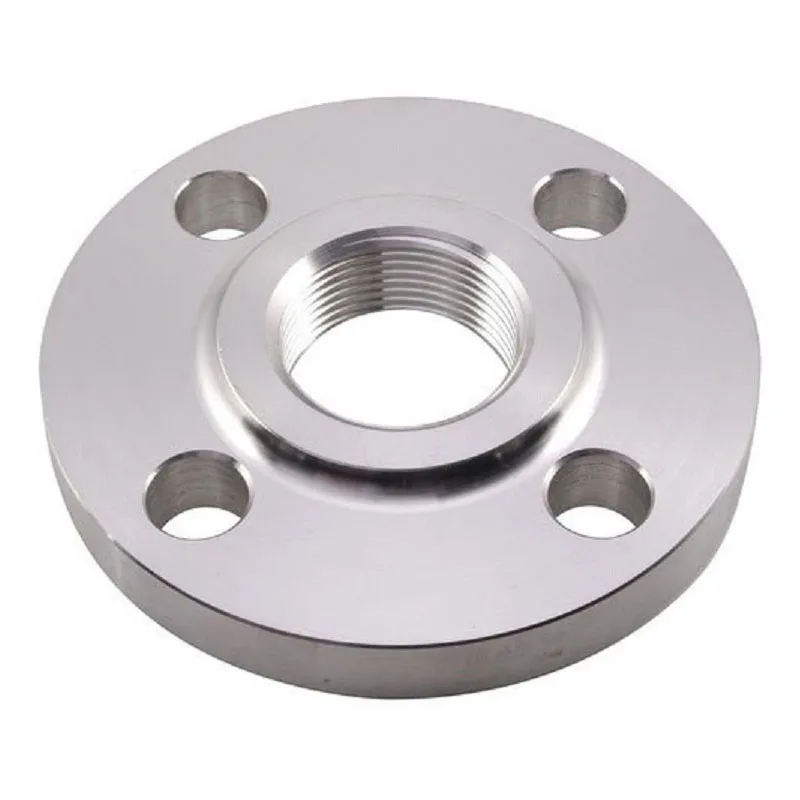 DIN 2566 Threaded flanges PN16
 -
 DIN 2565 Threaded flanges PN6
 -
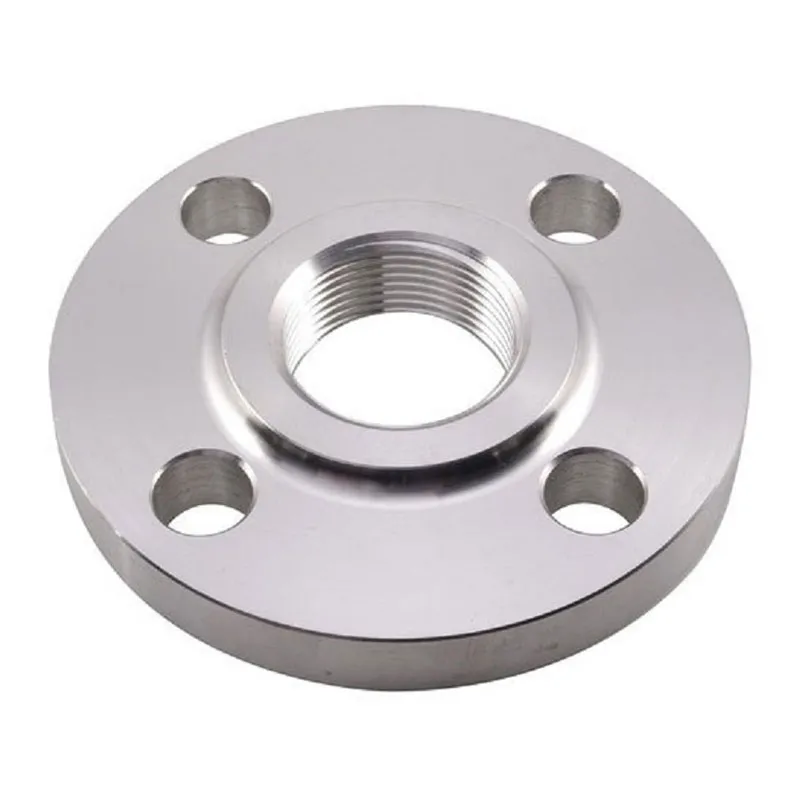 JIS 10K Overlay flanges
 -
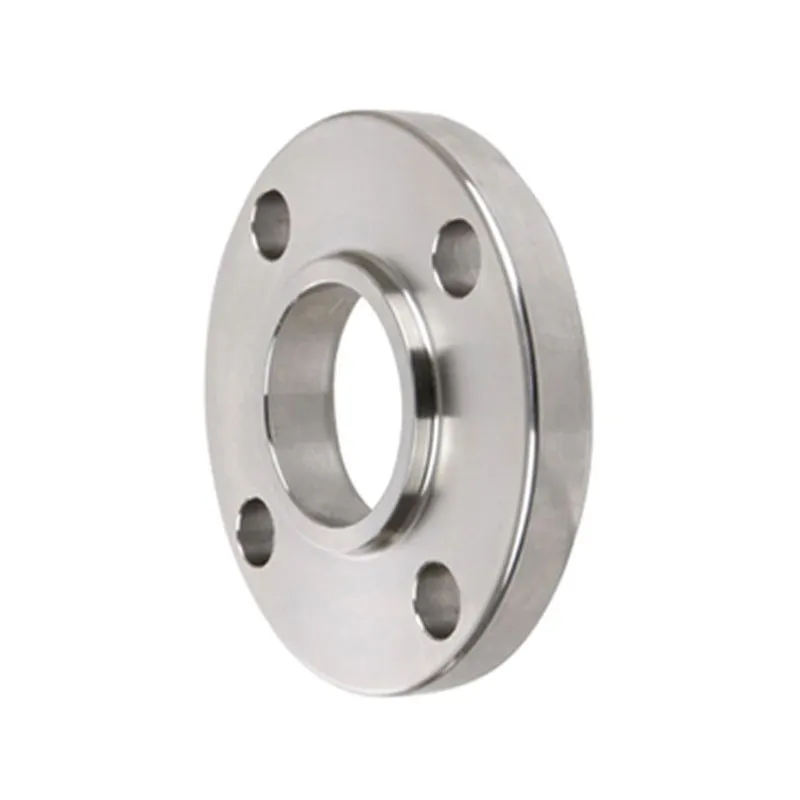 ANSI B16.5 Lap-on flanges Class 300
 -
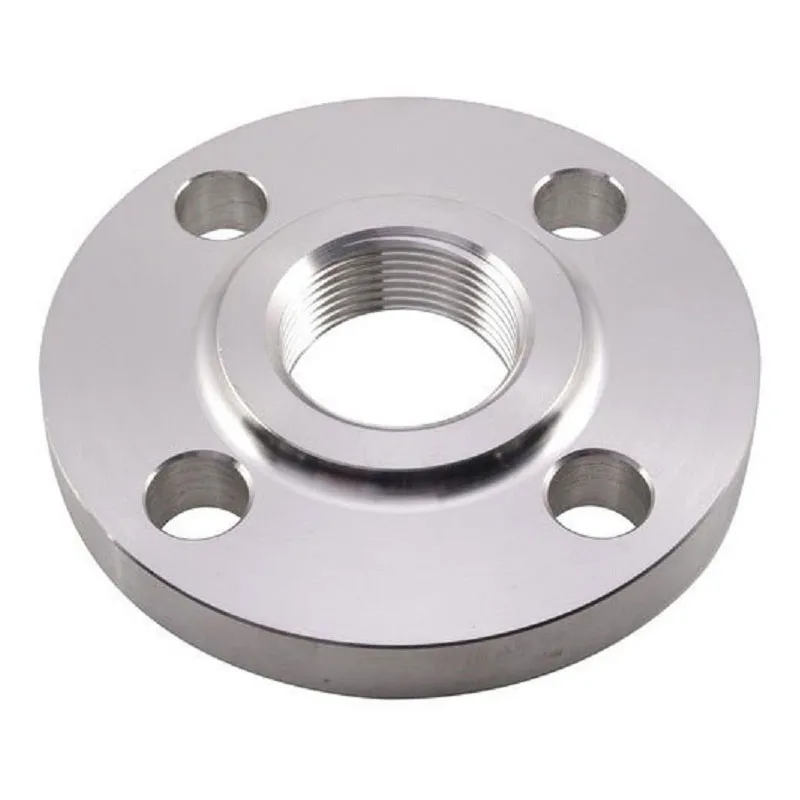 EN 1092-1 Threaded flanges Type 15, PN16
 -
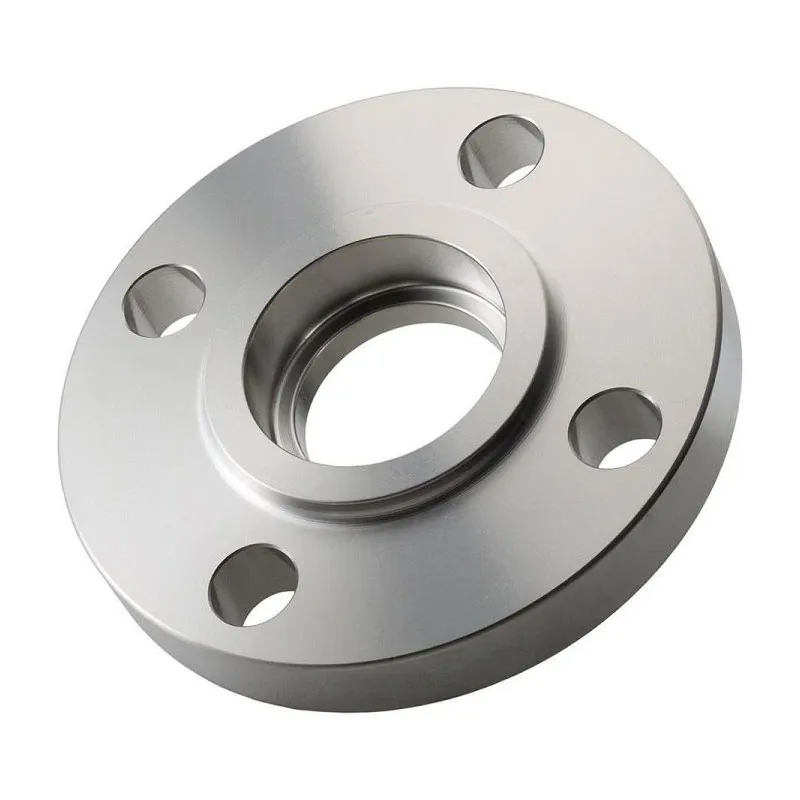 ANSI B16.5 Socket Weld Flanges Class 150
 -
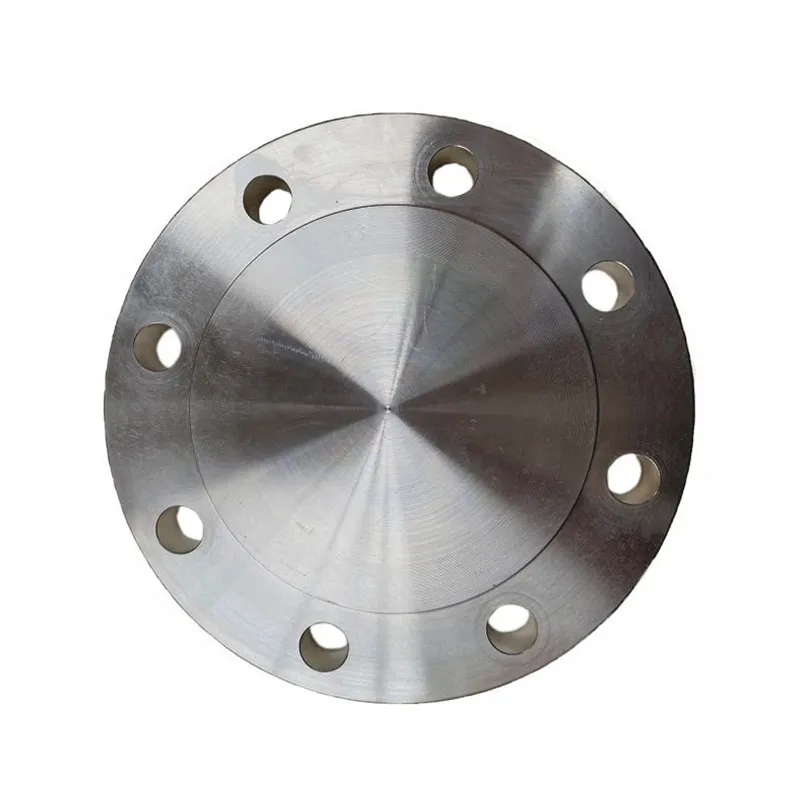 DIN 2527 Blind flanges PN10
 -
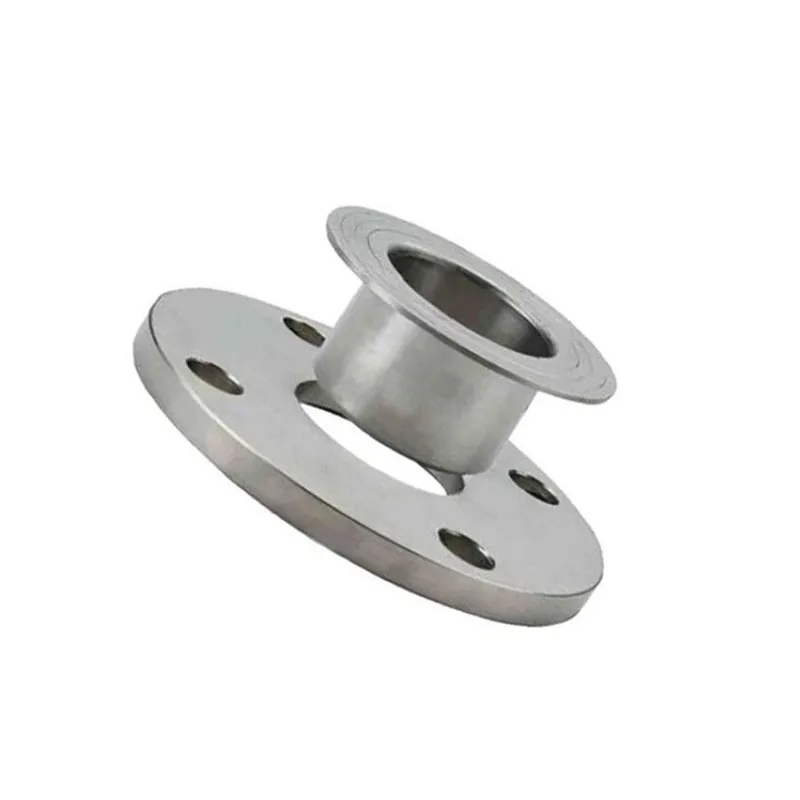 Free ring flanges Class 400
 -
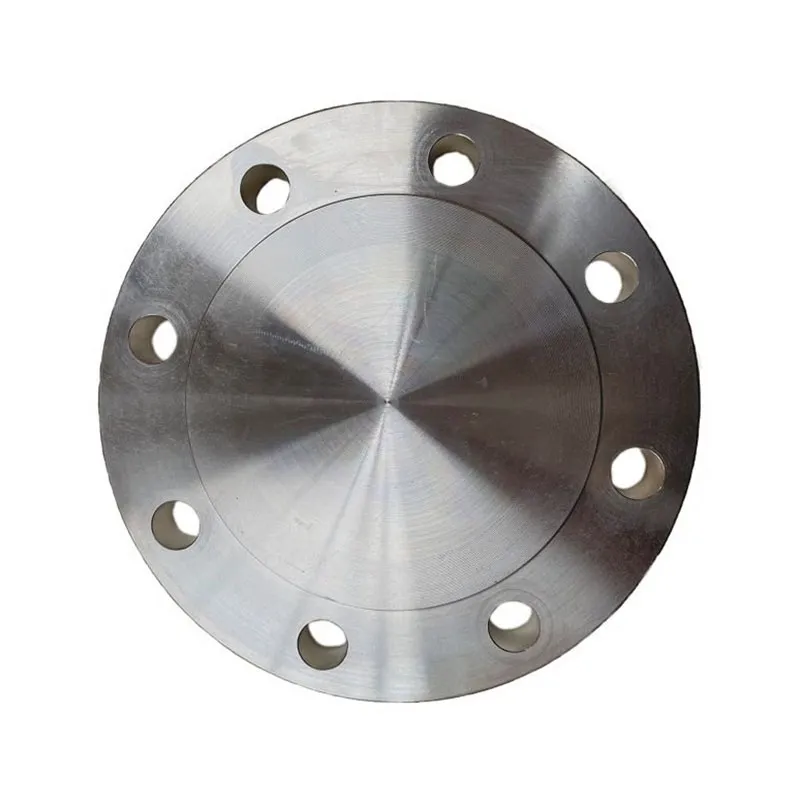 UNI 6092 Blind flanges PN10