
-
-
Phone
+86-13623462298



flanges type 3
When you hear “type 3 flanges”, the first thing that comes to mind is GOST 12815-80. But here’s the catch: in real orders and in production, this designation often floats. Some people confidently talk about flat flanges for a nominal pressure of PN 0.1 MPa, others remember the design of the surface for the gasket. And already at this stage, inconsistencies begin. I myself have come across many times when the specifications from the customer indicate “type 3”, but in fact in the drawings there are elements for much higher pressure or with a different bead design. Let's figure out without water what it looks like in metal and on paper.
From standard to workshop: how to ?type 3? interpret in practice
If we take the classics according to GOST 12815, then type 3 flanges are flat flanges that are mounted on welded rings. But, to be honest, in the last ten years this division into “types” has occurred. in live communication between technologists and suppliers, it was somewhat erased. More often the specifics are heard: “flat flange for PN 6?” or “loose flange on ring?”. Although in official correspondence and tender documentation ?type 3? pops up regularly - apparently as a legacy of the old regulatory framework.
In production, for example, Chinese manufacturers who work according to GOST treat this very carefully. Let's takeShanxi Hongkai Forging Co.,Ltd(websitehttps://www.hkflange.ru). This is not just another supplier, but a serious manufacturer of forgings and forged flanges in one of the key industrial regions. So, when they receive a request with the wording “flanges type 3?”, the first thing engineers do is specify the full parameters: nominal diameter, pressure, material, design according to the same GOST 12815. Because the “type” itself? - this is only part of the picture.
From personal experience: we once ordered a batch for repairs at one of the old chemical plants. The statement indicated “flanges type 3, DN200”. The usual flat flanges for PN 6 arrived. But during installation it turned out that the operating pressure in the system was higher, and elements for PN 10 were needed, and even with a protrusion-recess for the gasket. I had to urgently redo it. Moral: ?type? without a complete set of characteristics - almost useless information.
Key parameters that should not be overlooked
In addition to the type itself, three things are critically important: nominal pressure (Py), material of execution and type of sealing surface. With pressure, everything seems to be clear, but no. Forflanges type 3according to GOST 12815-80, the pressure range is from 0.1 to 2.5 MPa. However, in modern projects, especially those involving modernization, parameters that go beyond this scope are often required. Then they look for alternatives or switch to other standards - ASME B16.5 or EN 1092-1. CompanyShanxi Hongkai Forging Co.,Ltd, by the way, helps out here because it works according to a wide range of standards: GOST, ASME, EN, DIN. This means that if ?type 3? according to GOST it is not suitable for loads, you can relatively quickly find an analogue in another system.
Material is a different story. In old Soviet projects, st. 3 or 20 were often used. Now, especially for aggressive environments or low temperatures, 09G2S, 12Х18Н10Т or even duplexes are required. And here it is precisely important that the manufacturer has the opportunity to forge from different grades of steel, and not just cut from a sheet. Forging offeredHongkai Forging, gives better mechanics and uniformity of structure, which is a must have for flanges in critical areas.
The type of surface for the gasket (from smooth to tongue-and-groove) is what is most often forgotten to indicate. And the tightness of the joint depends on this. For ?type 3? Certain options are typical, but again, you need to check the assembly drawing. In practice, it often happens that when replacing, a flange with design A (smooth) is installed, while the system historically had a flange with design E (with a projection). And then they suffer with the selection of gaskets and leaks.
Manufacturing subtleties and why forging matters
When people talk about flat flanges, many people imagine a part cut by plasma from a sheet. And for low pressures this is sometimes done. But for anything that involves pressure above 1.6 MPa, cyclic loads or vibration, cutting is a bad option. The cutting zone is a zone of internal stresses and possible microcracks. Therefore forflanges type 3, which must work reliably, forging is preferable.
The process is slow. The workpiece is heated, then processed on a press or hammer, forming a workpiece (forging), which then undergoes mechanical processing. This ensures that the metal fibers are directed along the contours of the part, which dramatically increases resistance to cracking. UShanxi Hongkai Forging Co.,LtdThis is precisely the main specialization - forged flanges and forgings. I saw their production capacity - it’s impressive. Can forge giant things up to DN4000, which is for ?type 3? rare in this size, but shows possibilities.
Another nuance is control. After forging, a good manufacturer must carry out ultrasonic testing (UT) of the forging to eliminate internal defects. Then comes mechanical processing on CNC machines - the accuracy of the holes for the studs and the geometry of the sealing surface are important here. Finish is a marking that must indicate the material, type (in our case, type 3), Ru, DN and the manufacturer’s mark. Without this there is marriage.
Typical mistakes when ordering and installing
The first and main mistake is saving on material. It happens that people buy flanges made of cheap carbon steel for systems with hot steam, and then wonder why they were so bad? and leaks started. For temperatures above 400 °C, already alloyed steels are needed. The second is inattention to the configuration.Flange type 3- This is often a loose flange on a welded ring. This means that you need to order two elements: the flange itself and the ring. And they must be made of the same material! I have seen cases where the ring was made of Art. 20, and the flange was made of 09G2S - a galvanic pair, accelerated corrosion at the joint.
During installation, an eternal problem is re-tightening the studs. A flat flange, especially for large diameters, does not behave as rigidly as a butt weld. If it is overtightened, it may bend and the load on the gasket will become uneven. You need to tighten it crosswise with a torque wrench, according to the diagram. And one more thing: before installation, you must check the cleanliness of the sealing surfaces - no scale, rust, or marks. Even a small scratch can become a path for leakage.
When is ?type 3? - not a solution, and what to do next
There are situations when the classicflange type 3doesn't fit. For example, for devices with frequent disassembly and reassembly. A loose ring flange is useful here, but if the pressure is high, a tongue and groove design may be required for better alignment and sealing. Or for vacuum installations, where the smoothness of the surface is critical - polishing is needed.
In such cases, you need to either look at other types of flanges according to GOST (for example, type 1 - butt welded), or go to other standards. And here it’s just useful that manufacturers likeShanxi Hongkai Forging Co.,LtdWe offer manufacturing according to customer drawings. You can send your diagram, where there will be a hybrid design - conditionally, type 3 geometry, but with non-standard holes or reinforcement. The main thing is to provide all the data: drawing, material, working conditions (pressure, temperature, environment).
In the end, what I want to say. ?Flanges type 3? - this is not just a line in a catalog. This is a specific design that requires an understanding of its place in the system, its limitations and capabilities. When working with them, you cannot blindly trust only the designation. You need to look into the standards, clarify the parameters with the customer, and during production, control every stage, from the selection of the workpiece to the final marking. Only then will the joint hold. And if in doubt, it is better to consult with technologists from the same manufacturer; they usually see the pitfalls in detail.
Correspondingproducts
Related Products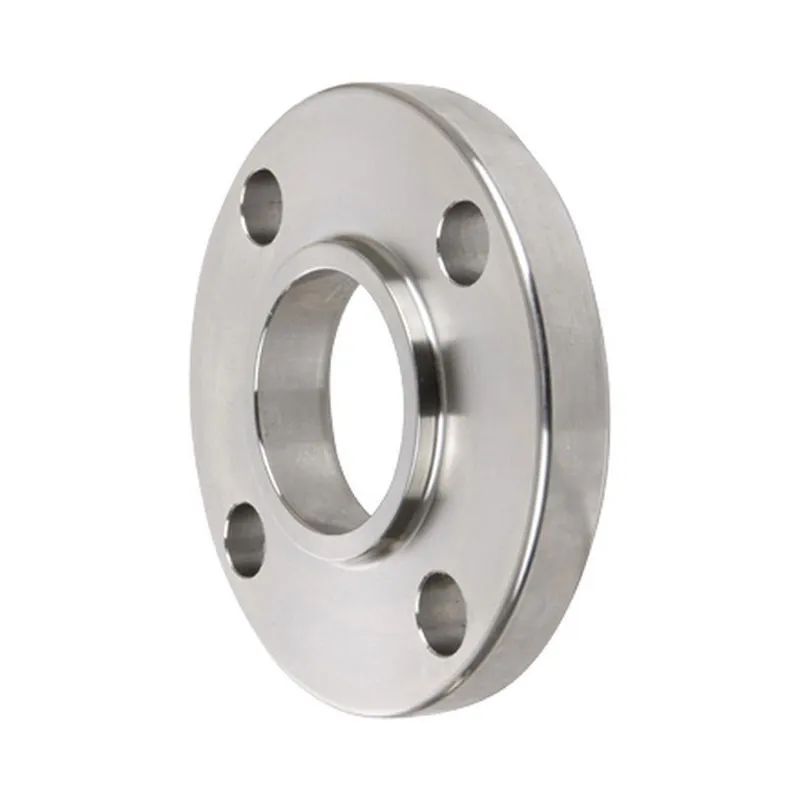
Best Sellingproducts
Best Selling Products-
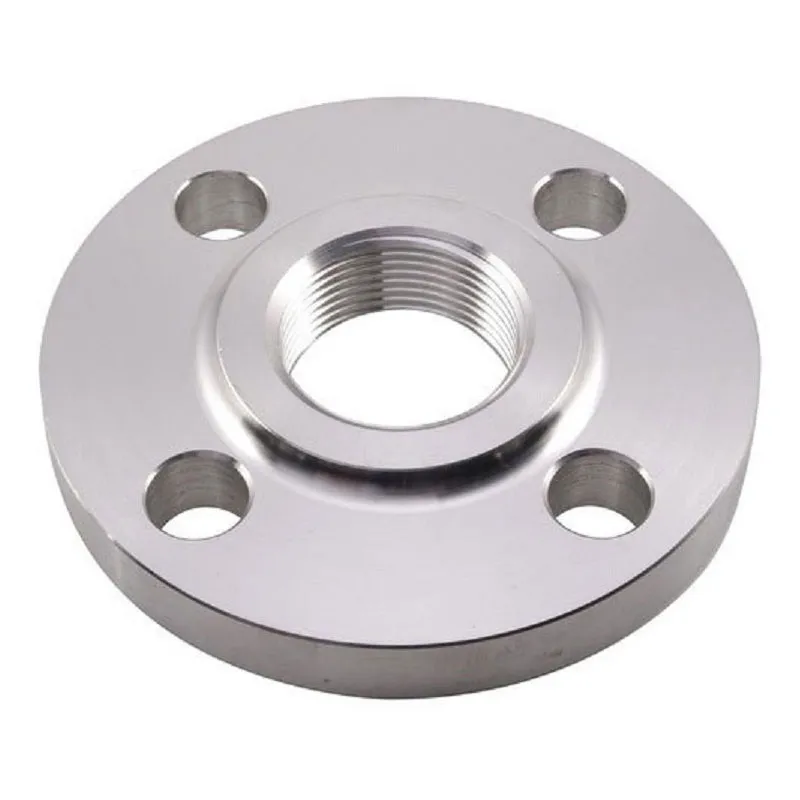 DIN 2565 Threaded flanges PN6
 -
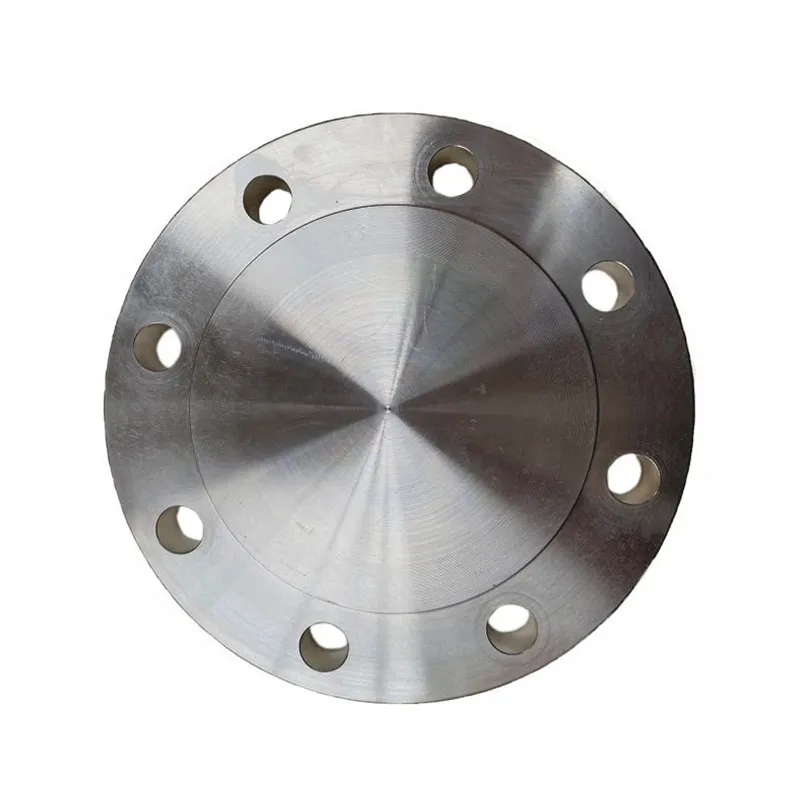 DIN 2527 Blind flanges PN10
 -
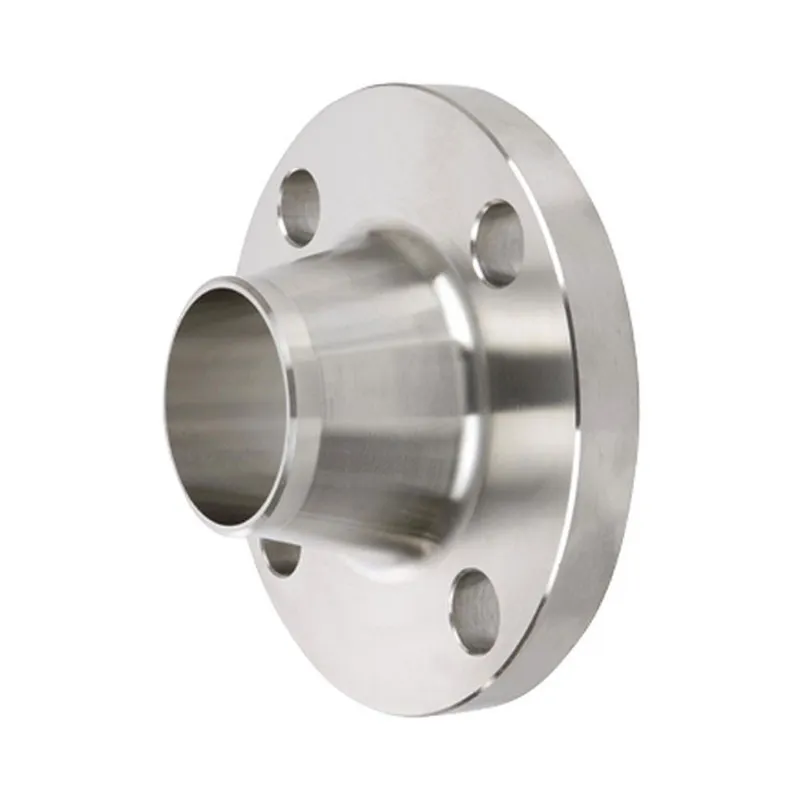 EN 1092-1 Butt weld flanges Type 11, PN25
 -
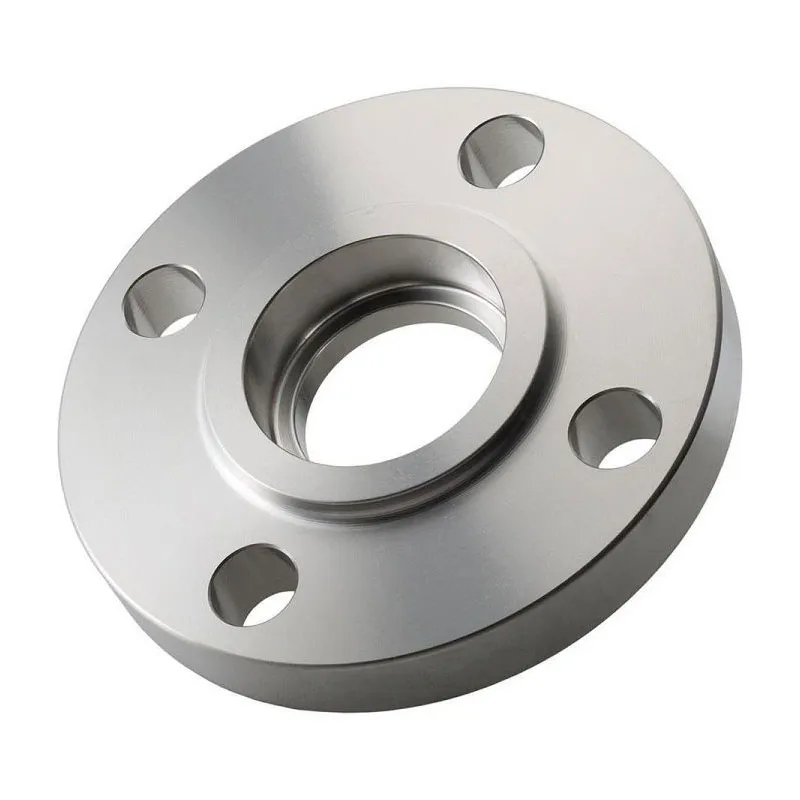 ANSI B16.5 Socket Weld Flanges Class 1500
 -
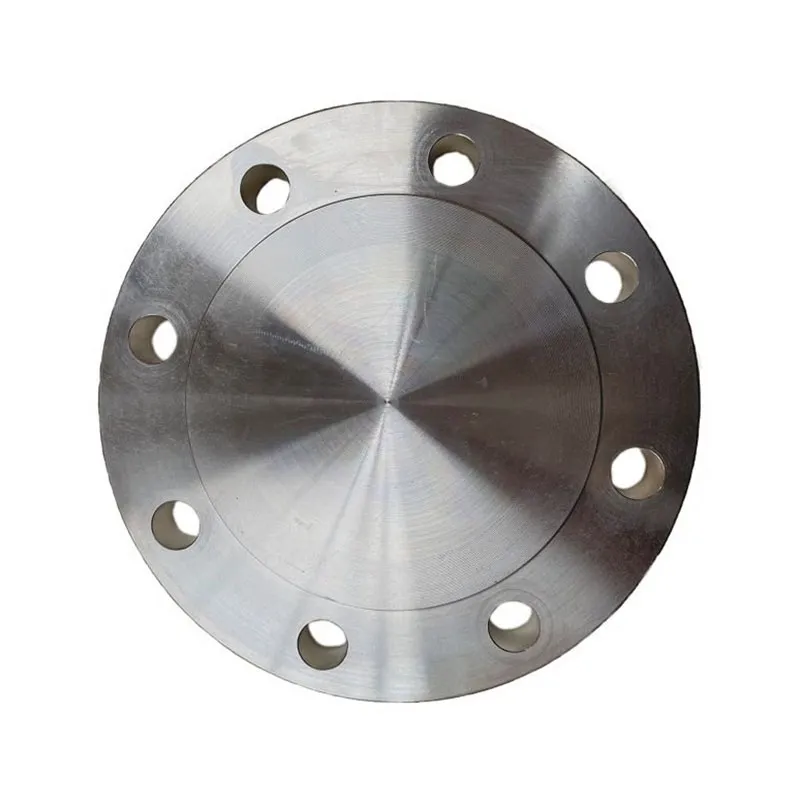 ASME B16.47 Ser.A Blind Flanges Class 400
 -
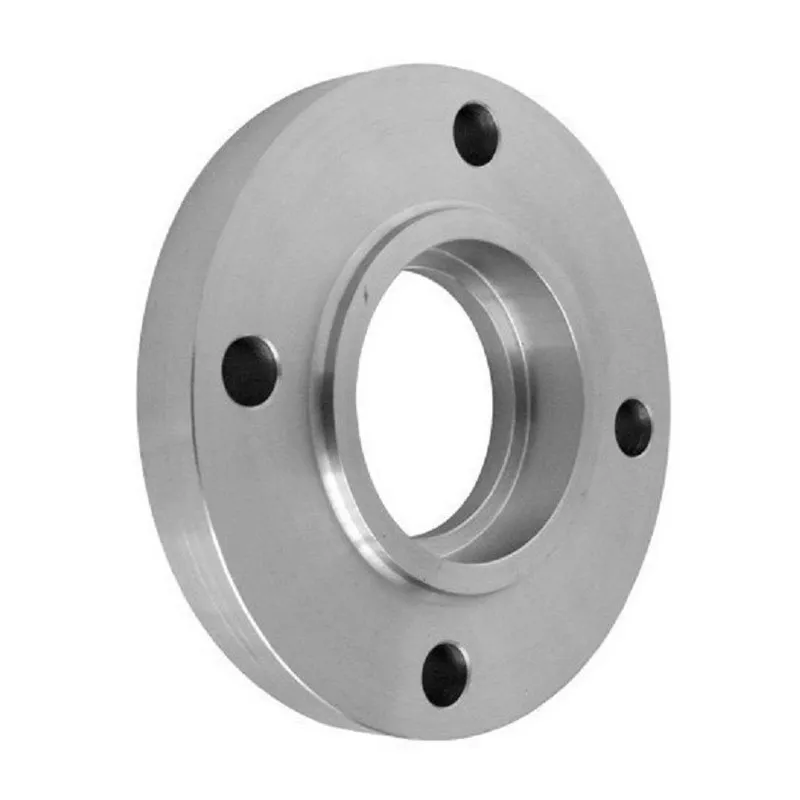 JIS 5K Socket Weld Flanges
 -
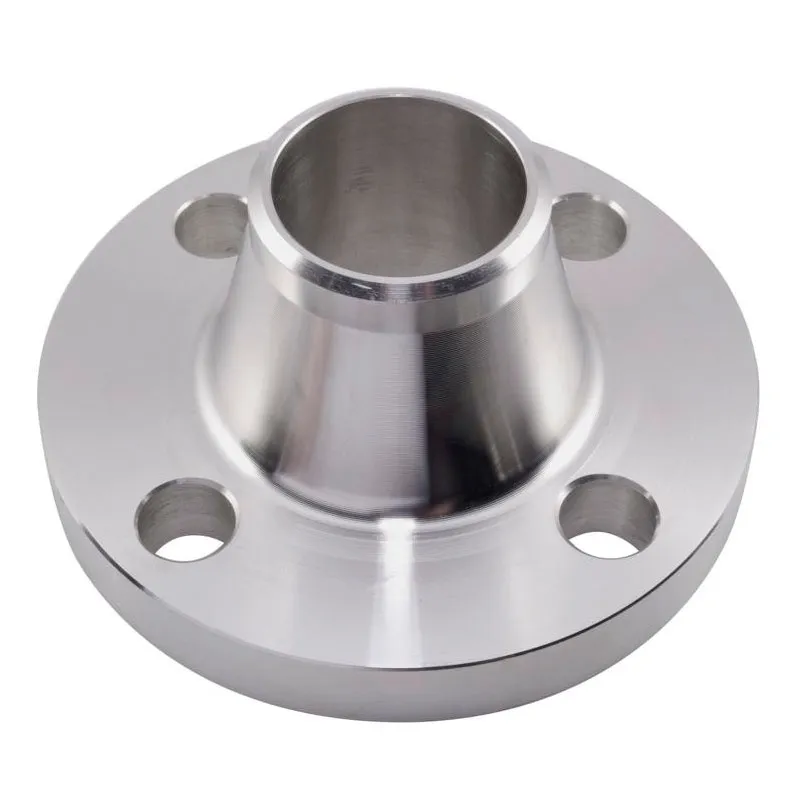 Butt weld flanges Class 900
 -
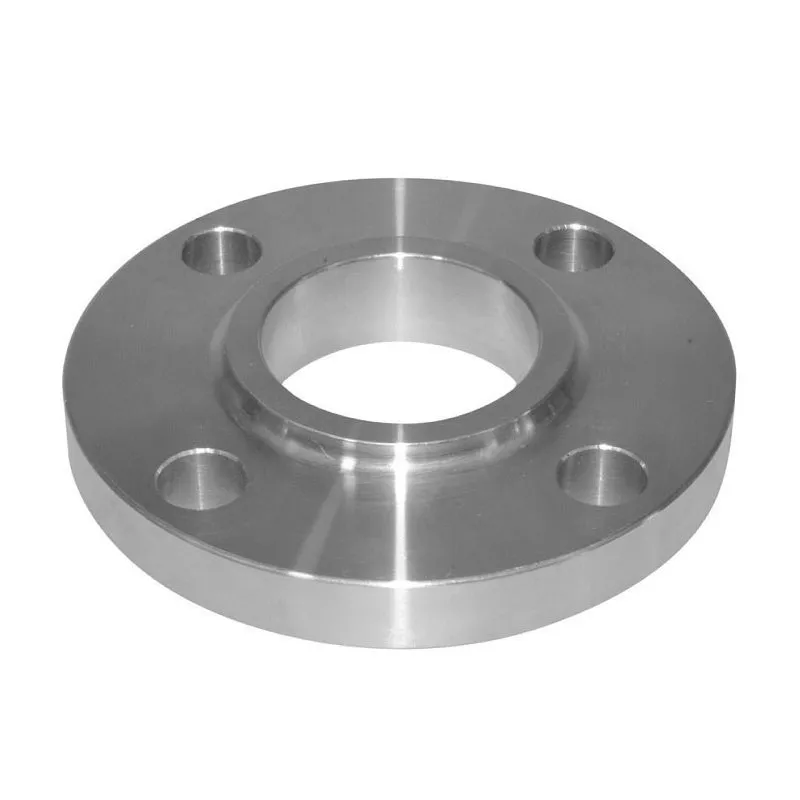 ANSI B16.5 Lap-on flanges Class 1500
 -
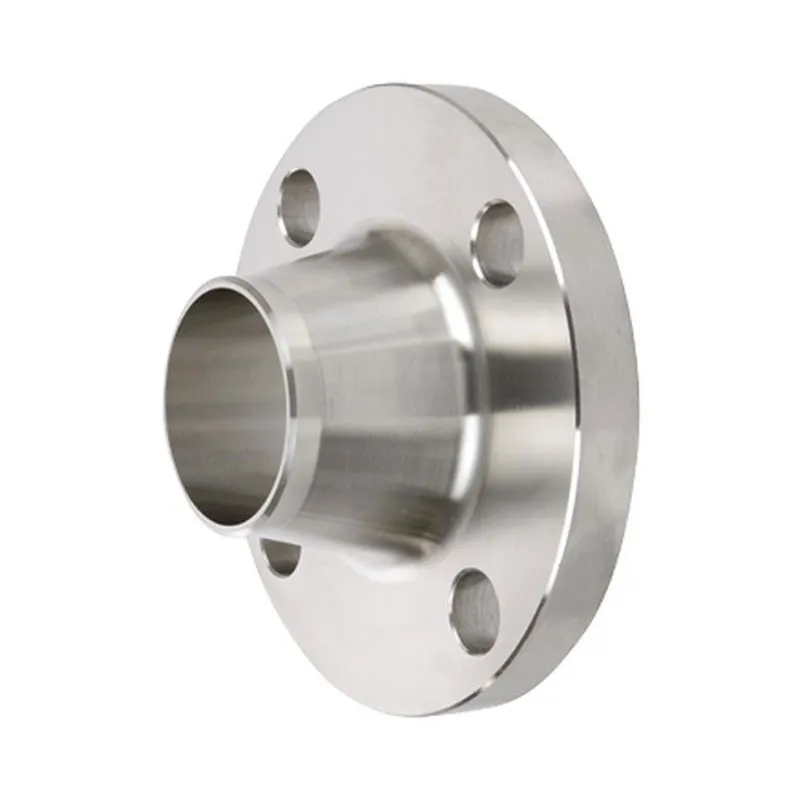 Ser.A Butt Weld Flanges Class 400
 -
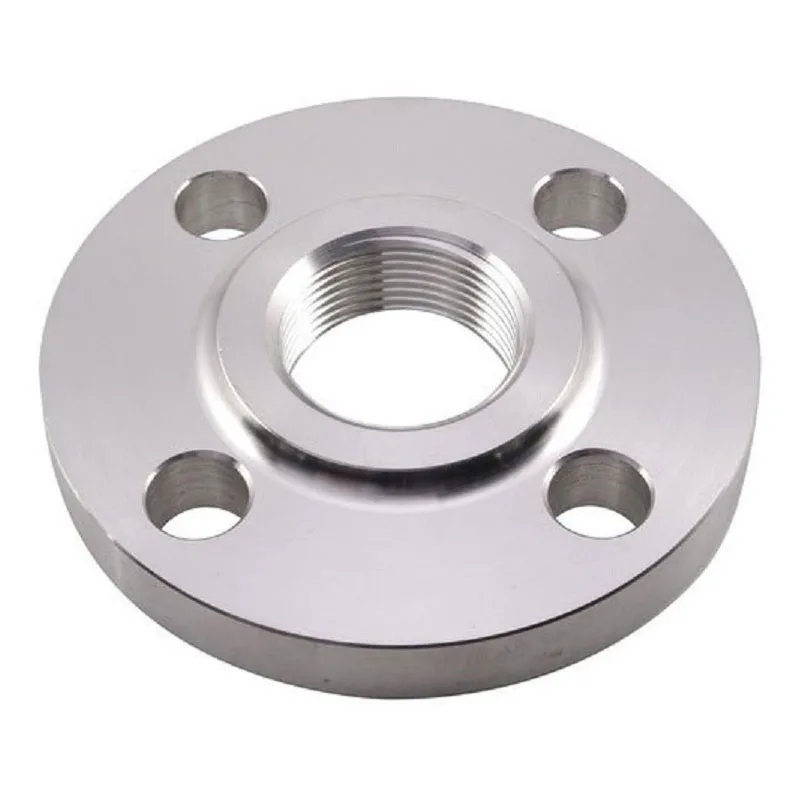 JIS 10K Threaded Flanges
 -
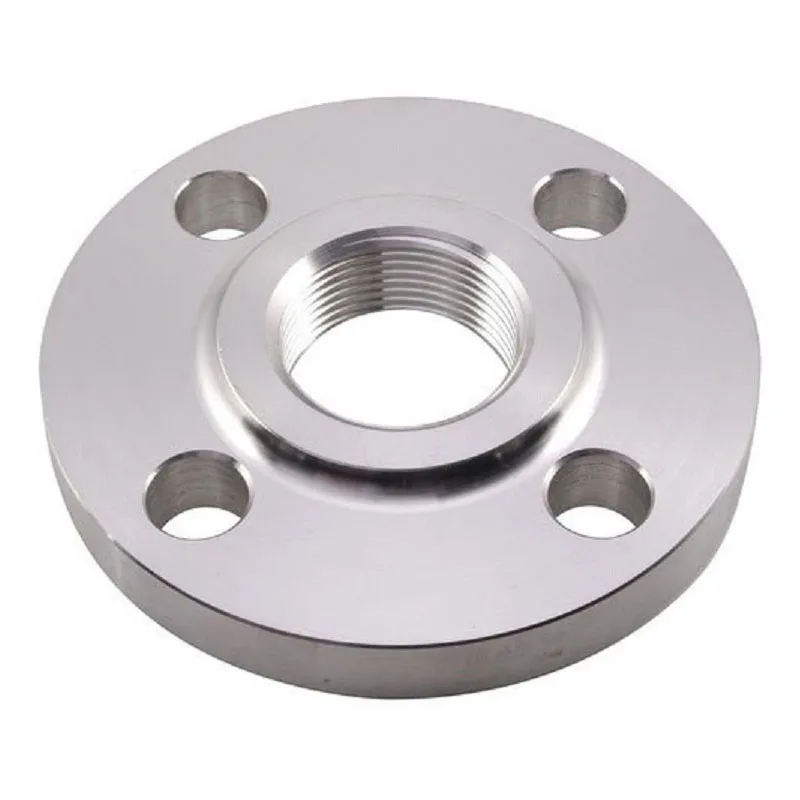 DIN 2566 Threaded flanges PN16
 -
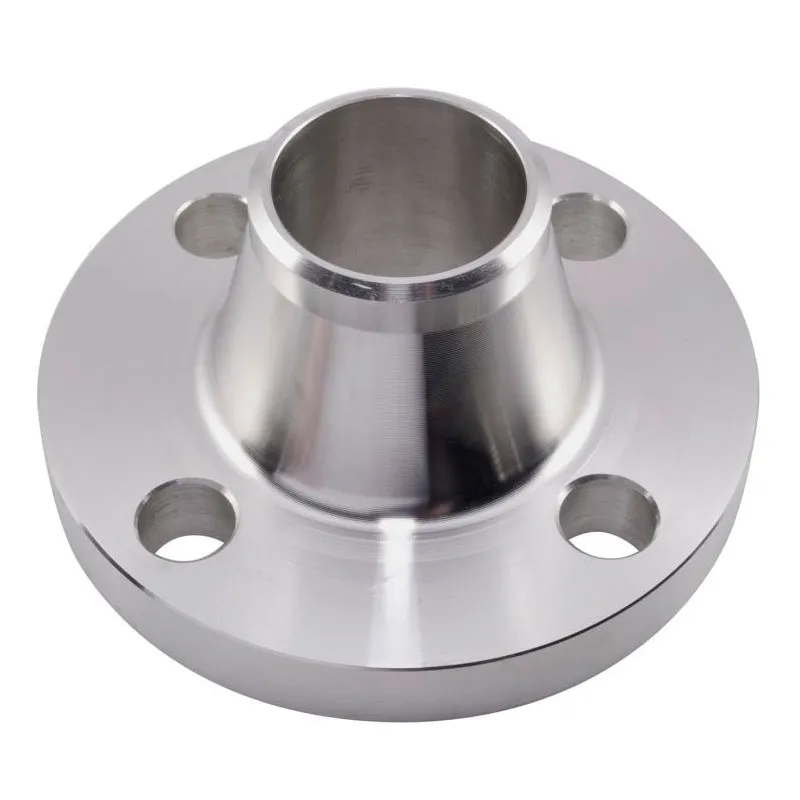 UNI 2281 Butt weld flanges PN10