
-
-
Phone
+86-13623462298




flanges TN VED
When you hear “TN VED flanges”, many people immediately think of a simple code, like for steel butt welds. But in practice, everything is more complicated - especially if you work with supplies from abroad, say, from China. A common mistake is to assume that a flange is just a piece of hardware. with holes. But the material, processing, even the type of sealing surface (for example, protrusion-recess or tongue-groove) can affect the classification. We had a case when a batch of flanges made of stainless steel 12Х18Н10Т (analogue of AISI 321) almost got stuck at customs - the inspector initially classified them as “other products”, and not as “flanges”, because the documents did not clearly indicate execution according to GOST for work under pressure. I had to figure it out and prove that it was pipeline fittings. This is probably where I’ll start - with the subtleties that are not always described in textbooks.
Key codes of the Commodity Nomenclature of Foreign Economic Activity and why they cannot be “guessed”?
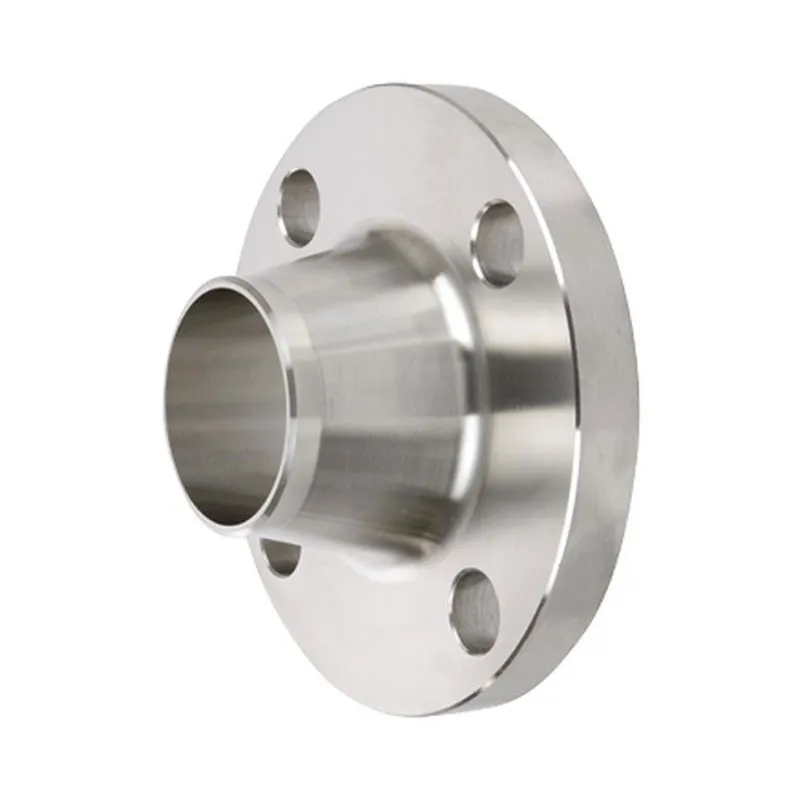
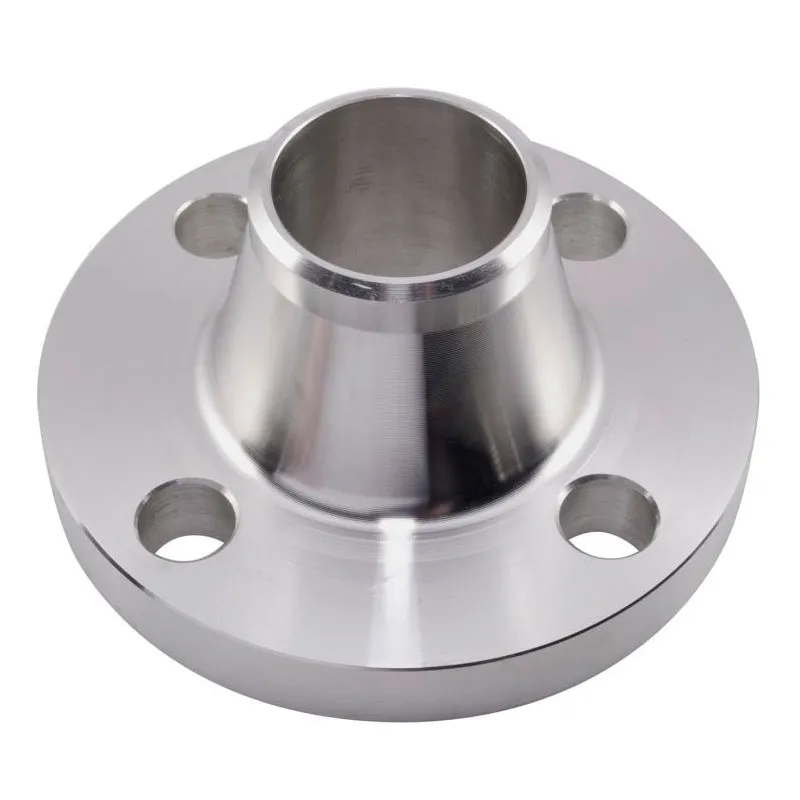
The main group for flanges is 7307. But then the detailing begins. For example, 7307 21 is for butt weld flanges, and 7307 22 is for ring weld flanges. If the flange is free (with a ring according to GOST 12822-80), this is already 7307 23. It would seem that everything is clear. But here’s a nuance: if the flange is made by forging rather than casting or stamping from a sheet, customs sometimes requests additional confirmation of the technology. We once supplied a batchforged flangesfor the energy sector, and the inspector demanded a technical data sheet of the process to make sure that it was forging - they say, the strength and, therefore, the scope of application depend on this. It’s good that the manufacturer is the sameShanxi Hongkai Forging Co.,Ltd(their website ishkflange.ru), the documents were in order: they describe in detail the process of volumetric stamping on presses, heat treatment, and ultrasonic testing. Without this there could be delays.
Another point is the material. For stainless steel flanges, additional codes may be used that take into account the chemical composition. Sometimes it is more profitable (in terms of duties) to transport a flange as a “pipeline part”, but if the invoice indicates “flange”, you must strictly comply with the description. I always advise my colleagues: when registering, indicate not just “steel flange”, but “forged steel flange butt welded, DN300, PN40, version RF according to ASME B16.5, material A105?”. This minimizes questions. By the way,Hongkai ForgingThere are just such positions in the nomenclature - they are made according to ASME, DIN, EN and, what is important for our market, according to GOST. This simplifies life when the project requires domestic standards, but production is localized in China.
There were also funny things. Once a client ordered “flanges according to the drawing?” — non-standard, with additional stiffening ribs. We have classified them as 7307 99, i.e. “other flanges”. But customs decided that these were already ?car parts? (Group 84). They argued for a week - in the end they agreed on 7307, but only after providing a conclusion from the institute that the product was intended specifically for connecting pipes. Conclusion: For non-standard forgings, it is better to request a preliminary classification decision in advance, before shipment. It takes a long time, but is more reliable.
Production standards and their reflection in documents
Here there is often confusion between the “size standard”? and “material standard”. Let's say the flange is made according to GOST 33259 (this is a standard for steel flanges for fittings and pipeline connections). But the material in it can be different - steel 20, 09G2S, 12Х18Н10Т. In the Commodity Code of Foreign Economic Activity, the material is often primary. Therefore, the product certificate must clearly state: “Manufactured in accordance with GOST, material - steel 20 according to GOST.” This allows the product to be unambiguously assigned to a specific subheading.
In practice, many manufacturers, especially Asian ones, issue certificates according to their own internal standards, which creates problems. UShanxi Hongkai Forging Co.,Ltdin this regard, there is order - they immediately indicate both the international standard (for example, ASME B16.5) and the equivalent material according to ASTM (A105). For European customers they are made according to EN 1092-1, with material marking P265GH according to EN 10028-2. This greatly simplifies customs clearance in the EAEU, because inspectors see familiar designations. I remember the first time we ordered a batch of DN500 flanges from them for a petrochemical project - the documents described in detail the compliance of each parameter, right down to Brinell hardness. Not a single question arose.
But with Chinese GB standards (for example, GB/T) you need to be careful. They are not always directly comparable to GOST or ASME. If the contract specifies GB, but the project requires GOST, there may be discrepancies in tolerances or dimensions of sealing surfaces. We somehow received flanges according to GB/T, which formally fit DN300, but the radius of rounding on the hub differed from GOST - we had to modify it on site. Now we always stipulate: “design identical to GOST 33259 in terms of main connecting dimensions?”. Manufacturers with experience likeHongkai Forging, such things are understood at a glance - their assortment includes flanges according to Russian standards, and they know these nuances.
Real cases: from success to “showdowns?” at customs
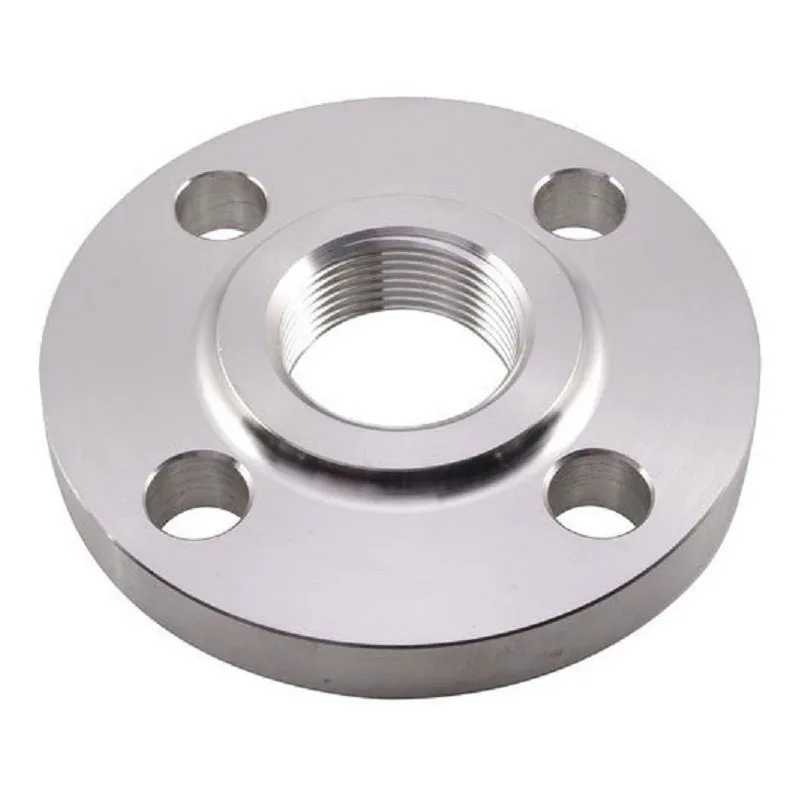
I’ll tell you about one bad experience that taught me a lot. We ordered a batch of threaded flanges (threaded flanges according to GOST 12822). In the Commodity Nomenclature of Foreign Economic Activity they have their own code - 7307 24. Everything seems simple. But the manufacturer (notHongkai, and another, less experienced) indicated in the shipping documents “steel flanges with internal threads?”. Customs found fault: the thread can be metric, inch, pipe - and these are different codes. It was necessary to indicate “cylindrical pipe thread according to GOST 6357”. I had to urgently request clarification letters from the factory, make a new translation, and incur additional storage costs. Since then, for threaded connections, we always attach a sketch indicating the type of thread.
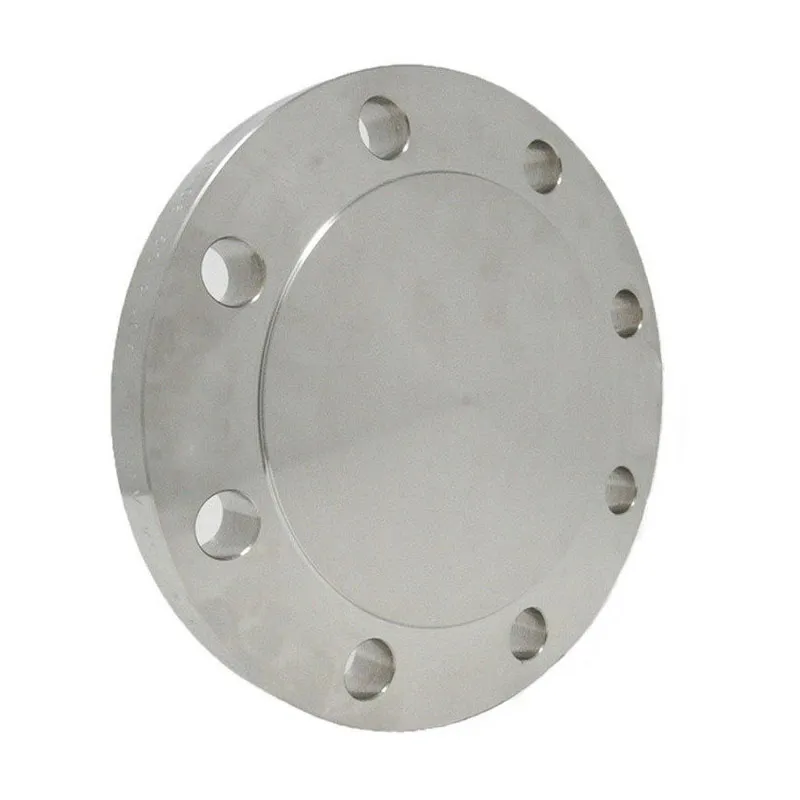
Here's a positive example. To modernize the boiler room, blind flanges (flange plugs) of large diameter were required - DN1200, for a pressure of 25 kgf/cm2. The order was placed withShanxi Hongkai Forging Co.,Ltd. In the specification we specified in detail: “Forged steel blind flange, DN1200, PN25, version in accordance with GOST 12836-80, material - steel 09G2S, with two technological holes for slinging?”. In the description of the goods column for the customs declaration, they indicated this, adding the HS code 7307 29. We passed without any comments. The key is detail. The more technical parameters in the documents, the fewer questions there are.
Another point that is often overlooked is packaging. Flanges are usually supplied in wooden boxes or on pallets. If the weight of the cargo is large, customs may conduct a random inspection. One day they opened the box - and inside there were flanges without clear markings on each product (only a tag on the box). They asked to provide a photo of the markings during the production process. It’s good that a responsible supplier always has such photos. At the samehkflange.ruin the section ?production? you can see how each flange is stamped with the size, steel grade, and factory mark. This is not just for beauty - it is a direct requirement of standards and a huge plus for customs control.
Non-standard products and the “gray area” classifications
Non-standard forgings according to customer drawings are a different story. Let's say you need an adapter flange from DN200 to DN150, but not a standard concentric reducer, but with a lateral supply. This is no longer quite a flange, but rather a shaped part. According to the Commodity Nomenclature of Foreign Economic Activity it may be suitable (?other?). But to justify this, you need a clear drawing indicating the purpose - for connecting pipelines. We always include an explanatory note from the design institute. In this case, the manufacturer must manufacture the product exactly as a forging (forged part), and not as a welded structure - this affects the code.Shanxi Hongkai Forging, judging by their website, specializes in forged products, including those based on drawings, so their technology allows them to make forgings, which simplifies the classification.
It happens that a customer asks to make a flange with an unusual design - for example, with a collar for a seal made of soft material or with grooves for spiral wound gaskets. These are already elements characteristic of specific standards (such as API 6A for the oil and gas industry). In this case, documents must refer to this standard. If the standard is not specified, the customs inspector has the right to classify the product as “other”, which may result in a higher duty rate. We usually consult with the plant's technologists at the stage of approval of the drawing - a competent manufacturer himself will tell you how to correctly draw up the technical specifications so that later there will be no problems with the HS code.
And the last thing is about trends. In the last couple of years, customs has increasingly paid attention to the country of origin of the material. If the flange is made in China, but from a Russian billet (steel 09G2S, say), this may provide advantages in terms of duties within the EAEU. But you need confirmation - a certificate for the material. Not all Chinese factories are ready to provide it, as they often work with their own steel. This point should be clarified before the contract. As far as I know, large manufacturers likeHongkai ForgingThey usually use local materials (Shanxi is a large metallurgical region), but if necessary, they can also work with imported workpieces if this is specified in the order. All this is part of a professional approach to working withflanges TN VED.
Conclusions and practical advice ?on your knees?
So what's the bottom line? Firstly, never be lazy in detailing the product description. ?Steel flange? - this is nothing. ?Forged steel flange butt welded, DN400, PN63, material 13HFA in accordance with GOST 8479-70, version in accordance with GOST ? - this is already serious. Second, work with trusted manufacturers who understand the importance of documentation. As can be seen from the descriptionShanxi Hongkai Forging Co.,Ltdon their websitehkflange.ru, they produce flanges precisely according to international and national standards - these are not just words, but real help with customs clearance. Thirdly, for non-standard products, ask the plant technologists in advance for classification recommendations and be sure to save all correspondence.
Working withflanges TN VED- this is not bureaucracy, but part of the engineering task. Incorrect code can lead not only to financial losses, but also to project delays when equipment is at the edge. Over the years of work, I have become convinced that it is better to spend an extra day coordinating documents with the supplier than to spend weeks sorting things out. problems. And one more piece of advice - don’t hesitate to call the customs office for preliminary consultations. They often make useful recommendations, especially on types of products that are new to you. After all, their job is not to cause problems, but to make sure that the product is classified correctly. And ours is to provide them with all the necessary data for this.
I hope these notes from personal experience are helpful. I write as it is, without embellishment. Happy deliveries to everyone and fewer questions from inspectors.
Correspondingproducts
Related Products

Best Sellingproducts
Best Selling Products-
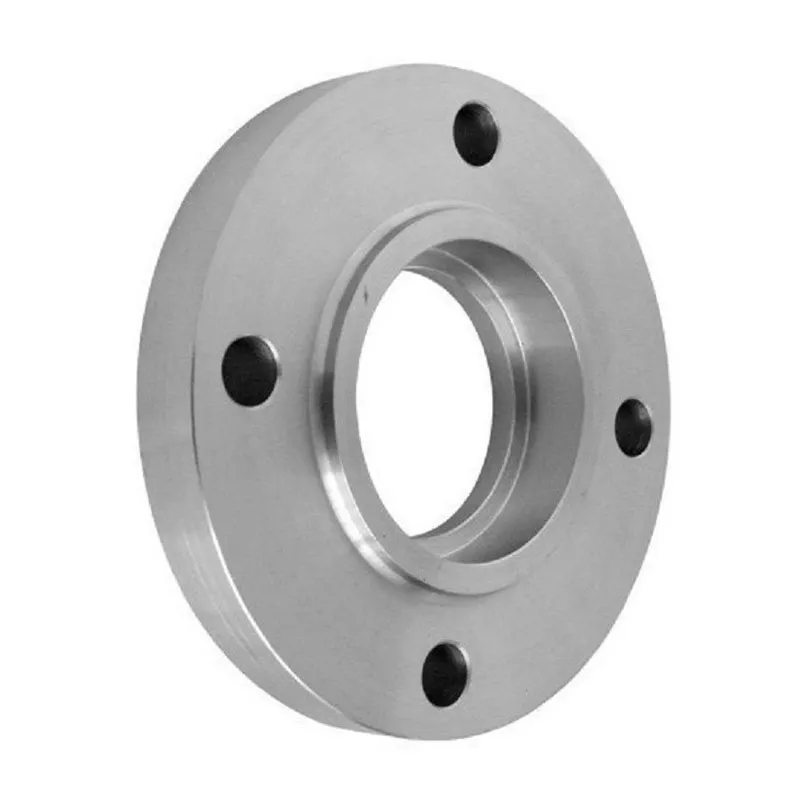 Socket Weld Flanges Class 300
 -
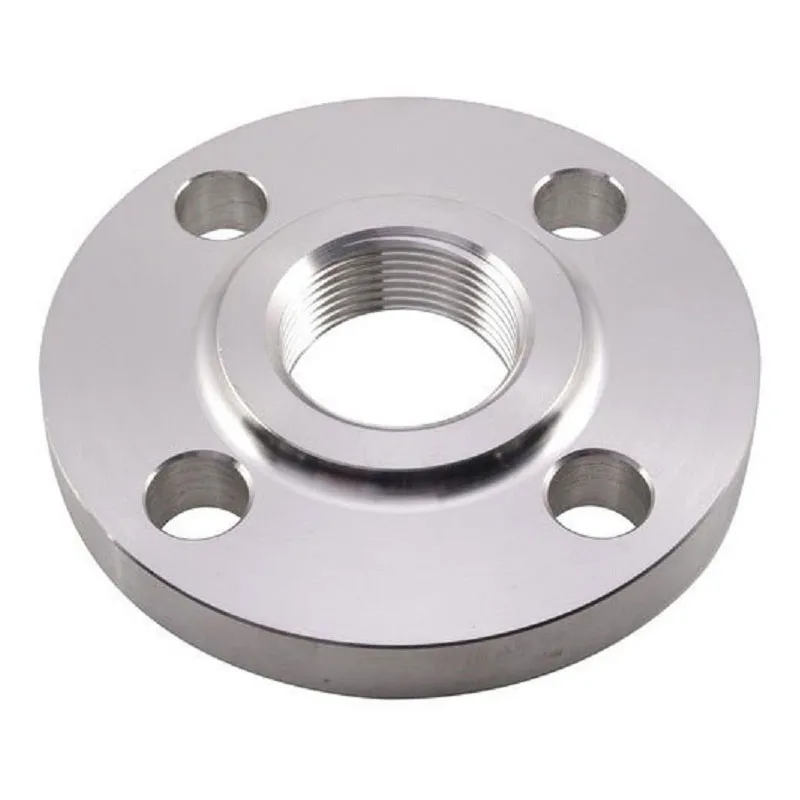 EN 1092-1 Threaded flanges Type 15, PN16
 -
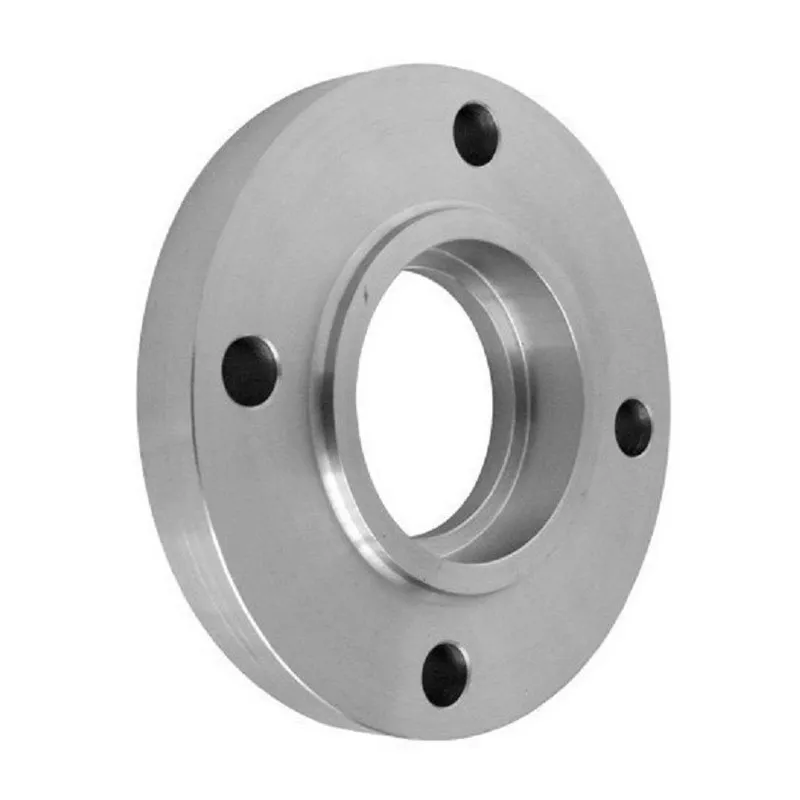 JIS 5K Socket Weld Flanges
 -
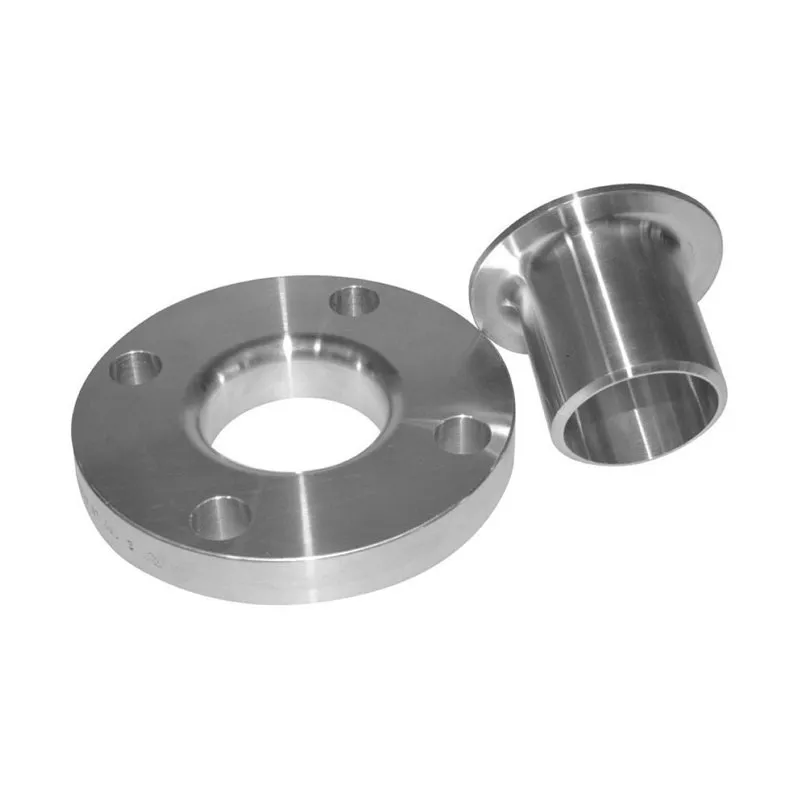 Free ring flanges Class 150
 -
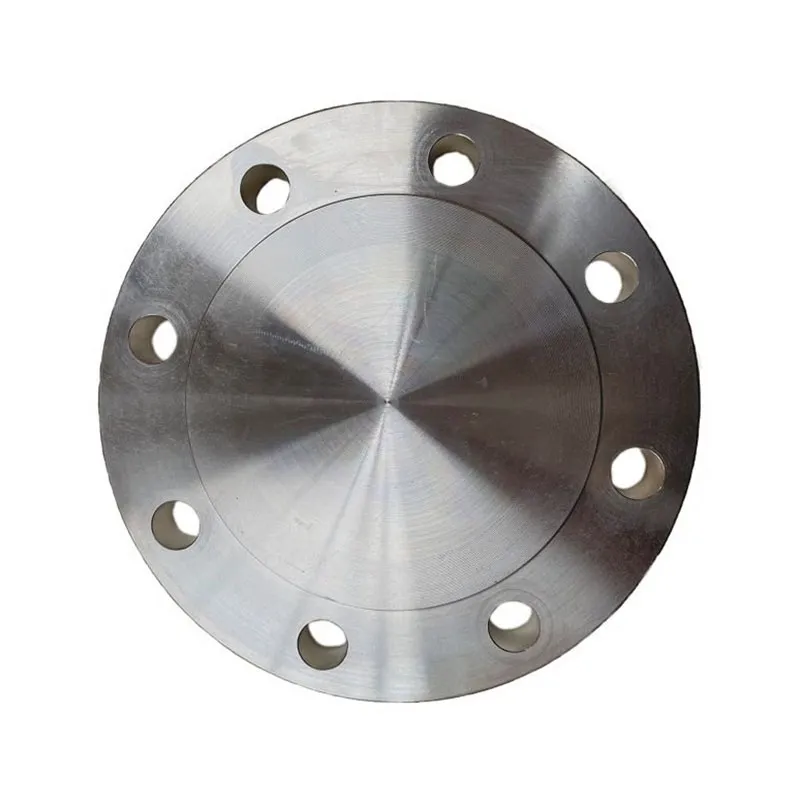 UNI 6092 Blind flanges PN10
 -
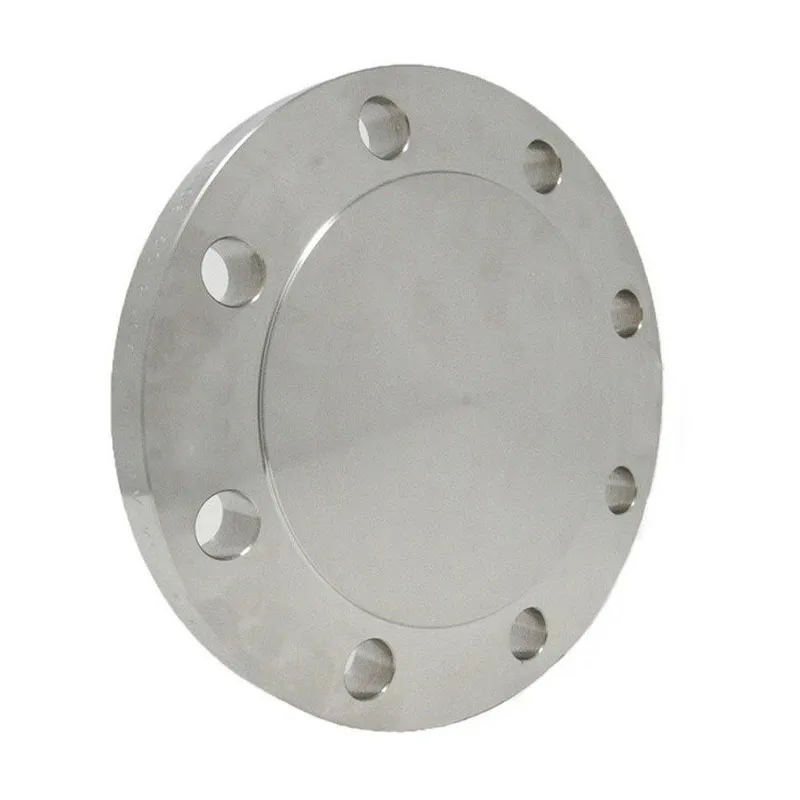 EN 1092-1 Blind flanges Type 05, PN10
 -
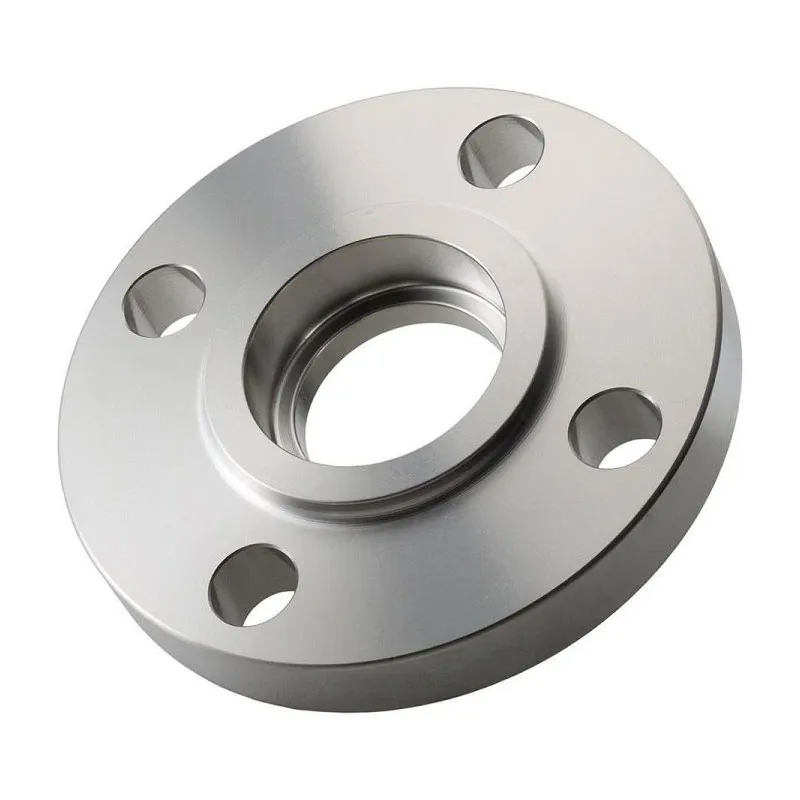 ANSI B16.5 Socket Weld Flanges Class 150
 -
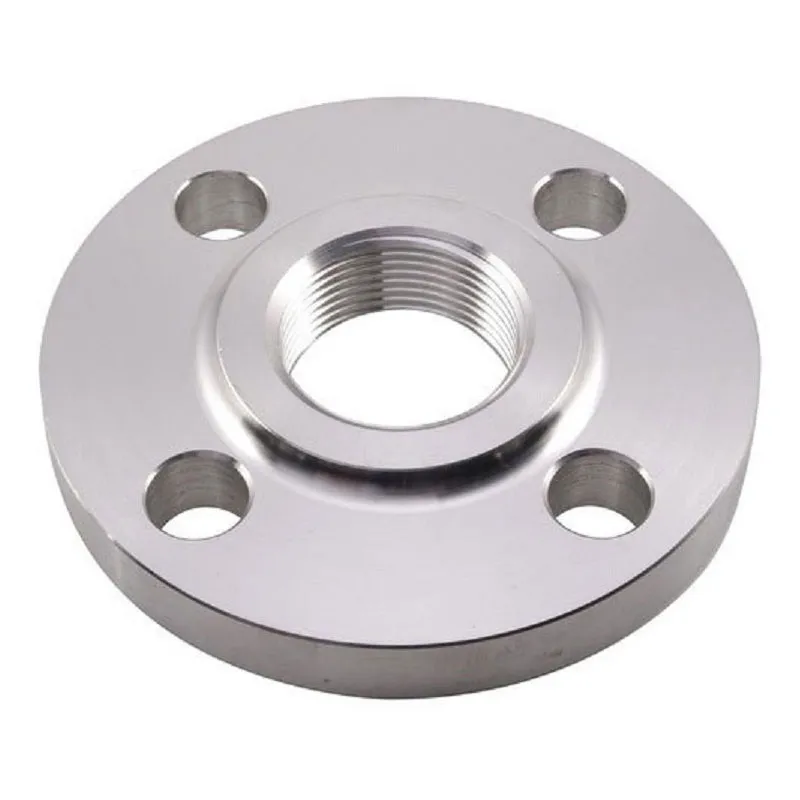 DIN 2565 Threaded flanges PN6
 -
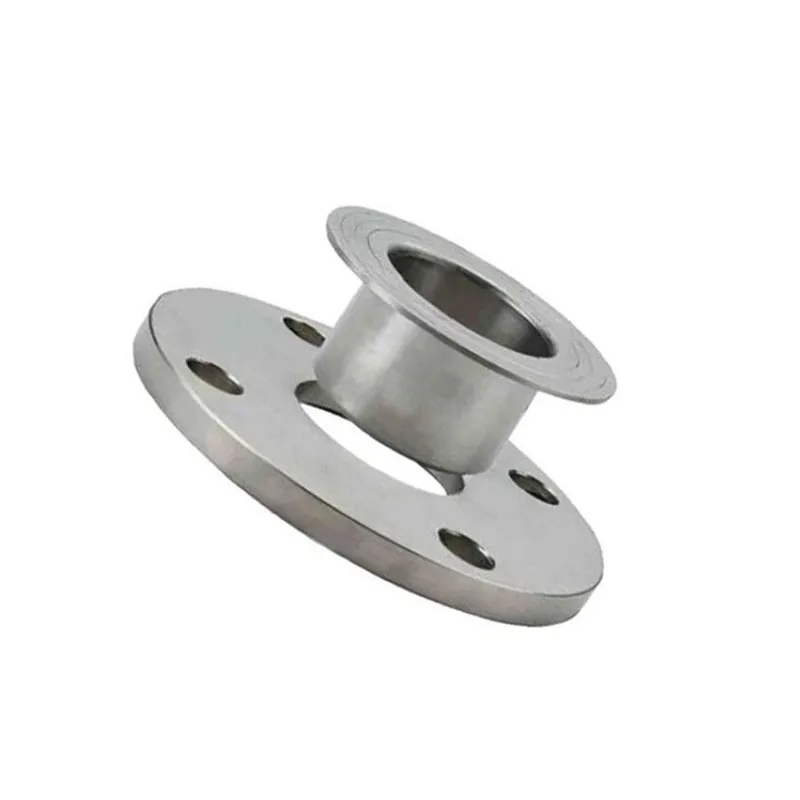 Free ring flanges Class 400
 -
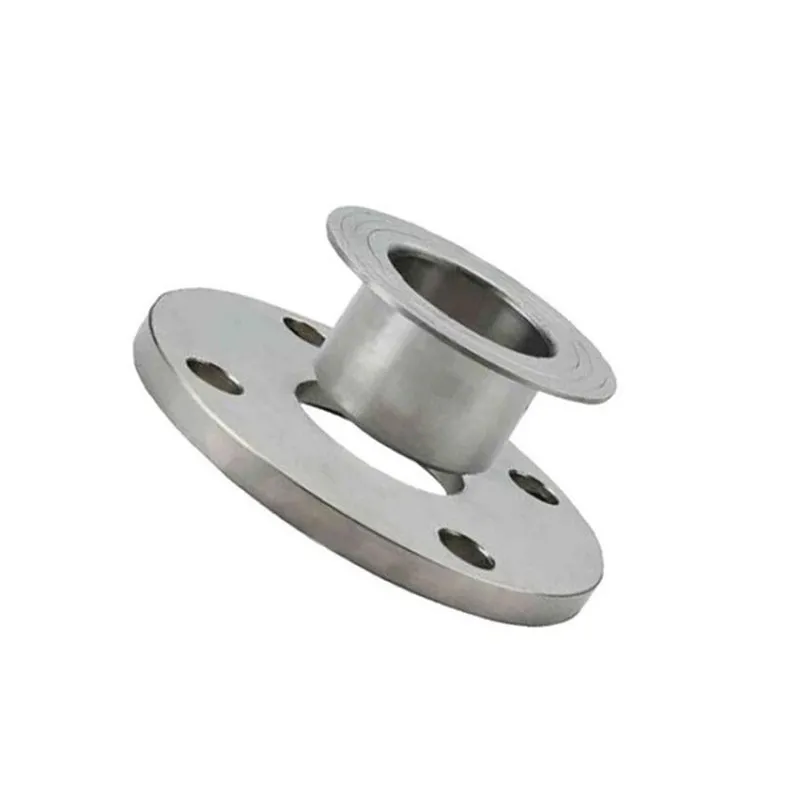 JIS 10K Loose Ring Flanges
 -
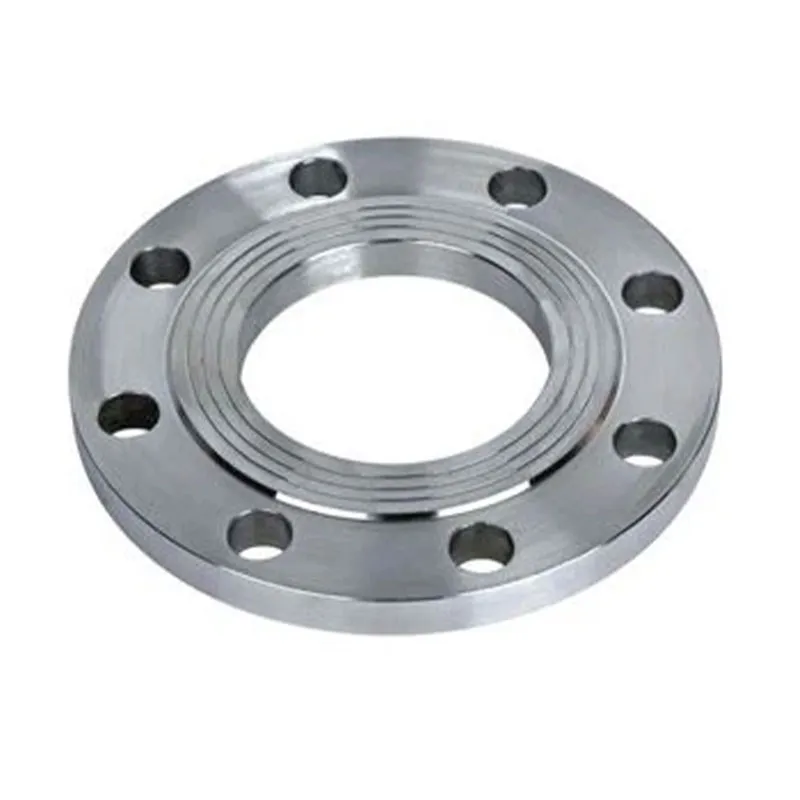 Butt weld flanges Class 150
 -
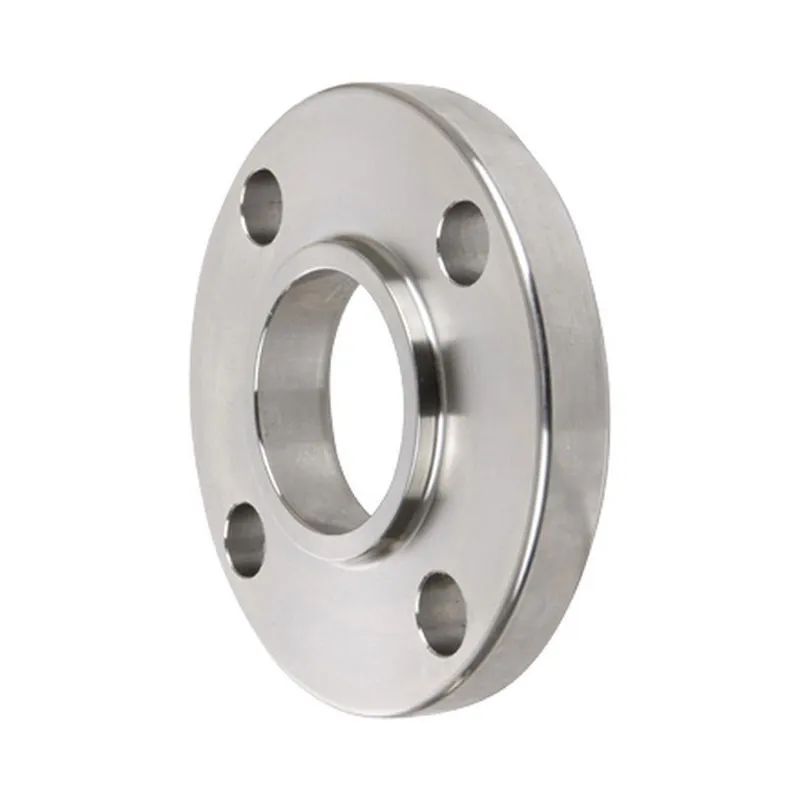 DIN 2501 Overlay flanges PN16