
-
-
Phone
+86-13623462298



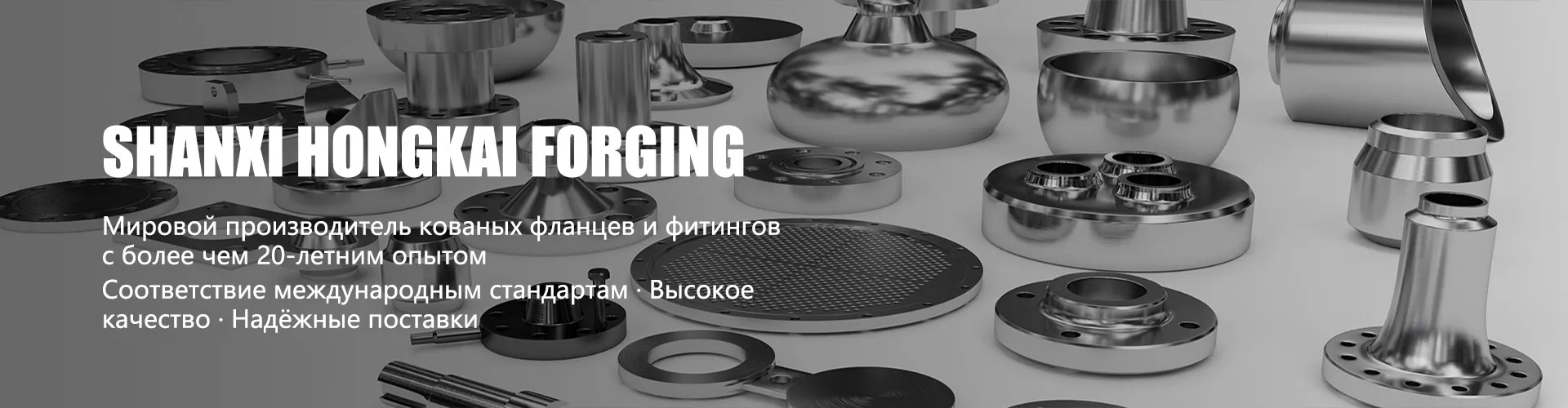
flange 72
When you hear “flange 72”, the first thing that comes to mind is most likely DN72, that is, nominal bore. But here lies the first pitfall, which many people forget about. In real orders and drawings, this figure may vary. There may be a passage of 70 mm, and along the flange you need to look at the outer diameter and the diameter of the bolt circle. I myself almost got into trouble three years ago when I ordered flanges for one old compressor according to the standard range, but it turned out that they had their own, still Soviet, specification, where 72 meant a slightly different mounting size. The client, fortunately, was experienced, called back and clarified. Since then, the first thing I ask is: ?72 - what standard is this? According to GOST 33259, ASME B16.5, or are these special conditions??. Such confusion especially often arises with transitions between different systems of standards.
From conditional passage to real metal
So, we take the most popular option - a steel butt-weld flange on DN 72 (sometimes they write DN70) according to GOST 33259. It would seem that what’s complicated here? Take it and do it. But if you dig into production, nuances begin to emerge. For example, for nominal pressure PN16 and PN40 the geometry will be different - the thickness, diameters, number and size of mounting holes will change. For PN16 on DN72 there are usually 8 holes for M16, and for PN40 there are already 8 holes for M20. Trifle? On paper - yes. But at the site, when flanges for one fastener have been delivered, and bolts have already been purchased for another, this is downtime and unnecessary expenses.
Material is a different story. Most often it goes St20 or 09G2S. But if the environment is aggressive or low temperatures, then 12Х18Н10Т or something similar is required. I remember an order for a chemical plant near Ufa - they just had a 72 stainless steel flange, but with special requirements for impact strength at -40°C. I had to sit with the technologists and select heat treatment modes after forging. Not every manufacturer will do this; many offer to simply cut it from a sheet, but for critical components - only forging. Forging produces better metal structure, especially for flanges that are subject to variable loads.
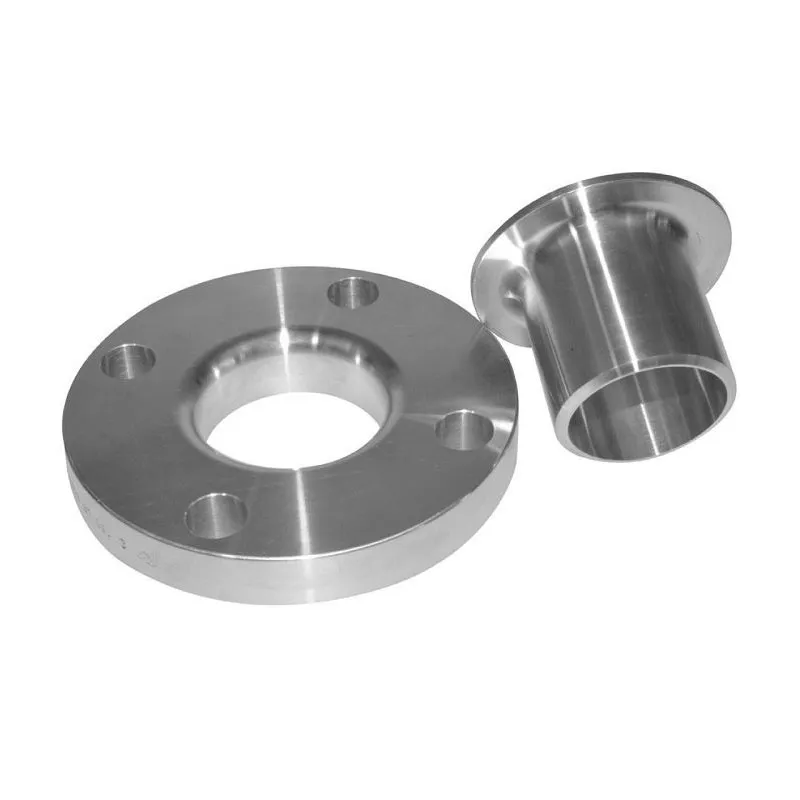
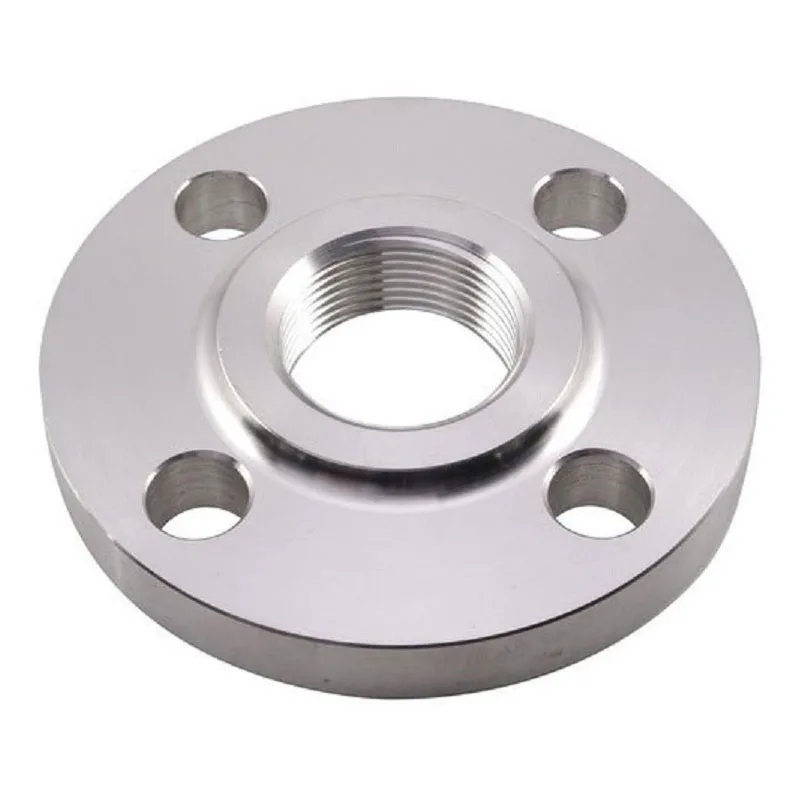
Here, by the way, you can clearly see the difference between just a workshop and a normal factory. Let's take for exampleShanxi Hongkai Forging Co.,Ltd(website -hkflange.ru). They are positioned as a manufacturer of forged flanges and forgings, and this is an important emphasis. When a company is located in one of the forging centers of China, this usually means access to powerful presses and an advanced metallurgical base. Their product range includes flanges in accordance with GOST, ASME, DIN and others, including non-standard products according to drawings. For size DN72 (in their line it is probably closer to DN65 or DN80, you need to look at the tables) they most likely offer butt, flat, and loose. But the main thing is that if it is forging, then you can be confident in the mechanical properties over the entire cross-section, and not just over the surface.
Costly installation mistakes
Let's say flange 72 is perfectly manufactured. But that's only half the battle. The most common mistake during installation is incorrect docking. Especially with butt welds. The end of the flange must be strictly perpendicular to the axis of the pipe, otherwise it will be skewed. And the misalignment leads to uneven tightening of the bolts, one-sided loads and, ultimately, to a leak during the first hydraulic test. I saw this at a thermal power plant - they installed a section with flanges on the 72nd pipe, they were in a hurry, and did not check the alignment. As a result, during crimping, the gasket was torn off and it was necessary to cut the welds and redo the entire assembly. Lost time - a week.
The second common problem is gaskets. For a DN72 flange at pressures up to PN40, paronite or fluoroplastic are often used. But if the medium is steam, then paronite can “float”. You need to look at the temperature. There are also cases when a gasket is mistakenly placed on a smaller internal diameter, which creates local narrowing and flow turbulence. For pumping equipment this can lead to cavitation and vibration.
And the third point is the tightening. A dynamic wrench is good, but critical flange connections now increasingly require a torque wrench with force control. Tightening sequence "crosswise" - this is the ABC, but it is still often violated, dragging it in a circle. As a result, flange 72, which should fit tightly, is deformed, and it becomes impossible to achieve tightness.
When the standard is not enough: non-standard solutions
It happens that the standard 72 flange is not suitable. For example, you need to connect equipment with a non-standard center-to-center distance of holes or with a special seat for a seal. Then production according to the customer’s drawings comes into play. This is where the manufacturer’s experience is critically important.
We had a project to modernize a pipeline at a pulp and paper mill. There were old-style valves there, still French, with flanges according to some kind of their own standard. The nominal diameter was about 70 mm, but the diameter of the bolt circle differed from GOST. I had to look for someone who would take on small-scale, essentially piece production. At that time we worked with several suppliers, including Chinese factories. The criterion was precisely the willingness to work with the drawing, and not refer to the catalog. CompanyShanxi Hongkai Forging Co.,Ltd, judging by the description, just points to such a possibility - “non-standard products according to customer drawings?”. This is an important phrase. It means that they have a design department that can read someone else’s drawing, and technologists who adapt it to their capabilities. To transition from the old valve to the new pipeline, these transition flanges were made.
There is one more nuance in non-standard - control. When you make a batch according to GOST, all parameters are checked according to well-known tables. And when the drawing is unique, you need to especially carefully check all the dimensions after machining: the bore for the seal, the alignment of the holes, and the cleanliness of the surface. Once we accepted a batch where two out of ten flanges had a small mark on the sealing surface. It would seem not scary. But with high steam pressure, this risk became a leak point. I had to remove it and take it for revision.
Selecting a supplier: price, timing and hidden factors
The price for flange 72 is a very variable value. Depends on the material, standard, circulation and, of course, the manufacturer. Chinese suppliers often win on price, but here you need to look not at the price tag in the catalog, but at the full picture.
Firstly, the timing. ?Out of stock? - This is rare for a specific size and material. Typically production takes 4-8 weeks. If the plant is likeHongkai Forging, is a manufacturer, and not just a trading company, the timing is usually more predictable, because the entire cycle - from preparation to painting - is under one control. If it is a reseller who is waiting for production itself, there may be delays.
Secondly, documents. Certificate of conformity, material certificate, test reports (ultrasonic testing, hardness tester) - this is a must-have for any responsible delivery. It happens that you are attracted by a low price, but then it turns out that the certificates are “general”? or their receipt is delayed for months, and without them the equipment cannot be put into operation.
Thirdly, logistics and packaging. DN72 flanges are not as heavy, but their faces and threaded rods need to be protected during transportation. A good sign is when each flange is wrapped in anti-corrosion paper and securely fastened to a wooden frame. The bad thing is when they were thrown into a common box, and upon receipt everything was covered in scratches and nicks.
And the last thing is technical support. Can the manager competently answer a question regarding tolerances or materials? Or is he just quoting the catalogue? This also says a lot about the company.
Instead of a conclusion: thinking out loud
So, flange 72... It would seem a simple part. But behind this simplicity there are a lot of technical solutions, potential errors and professional subtleties. From the choice between forging and casting (forging, in my opinion, is more reliable for dynamic loads) to the moment when the last bolt is tightened on site. This is not a part that you should thoughtlessly save on, because the cost of replacing it in the event of a leak will be many times greater than the money saved on the purchase.
Now the market is saturated with offers, from handicraft workshops to large factories, such as the one mentionedManufacturer of forged flanges and forgings Shanxi Hongkai Forging Co.,Ltd. The key is to understand your real needs: pressure, environment, standard, required certificates. And then the search from the abstract ?flange 72? will turn into a specific technical request to a trusted supplier. And experience, as always, is gained through successes and successful decisions.
Correspondingproducts
Related Products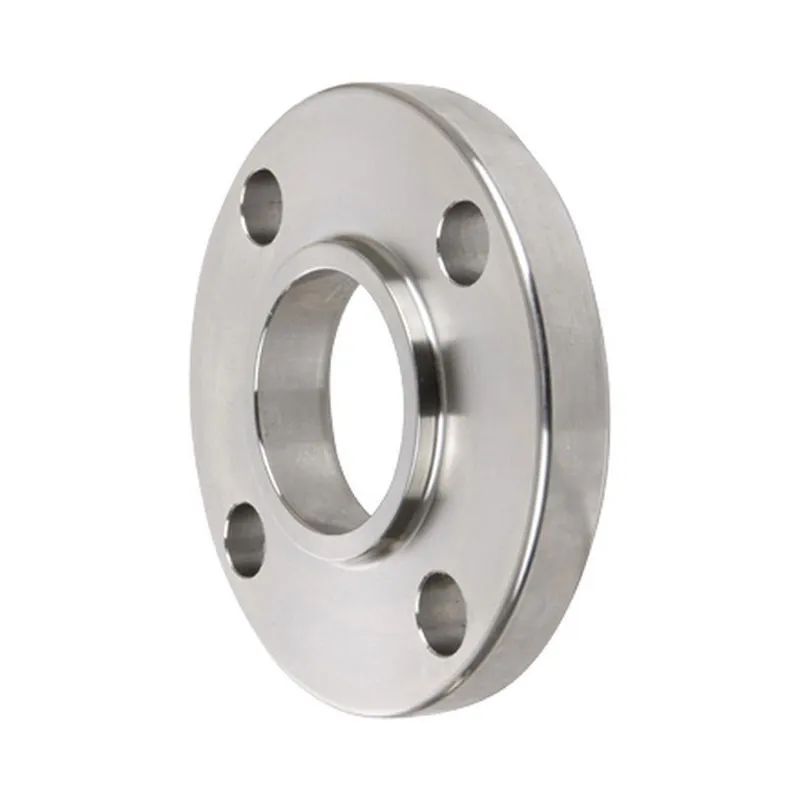
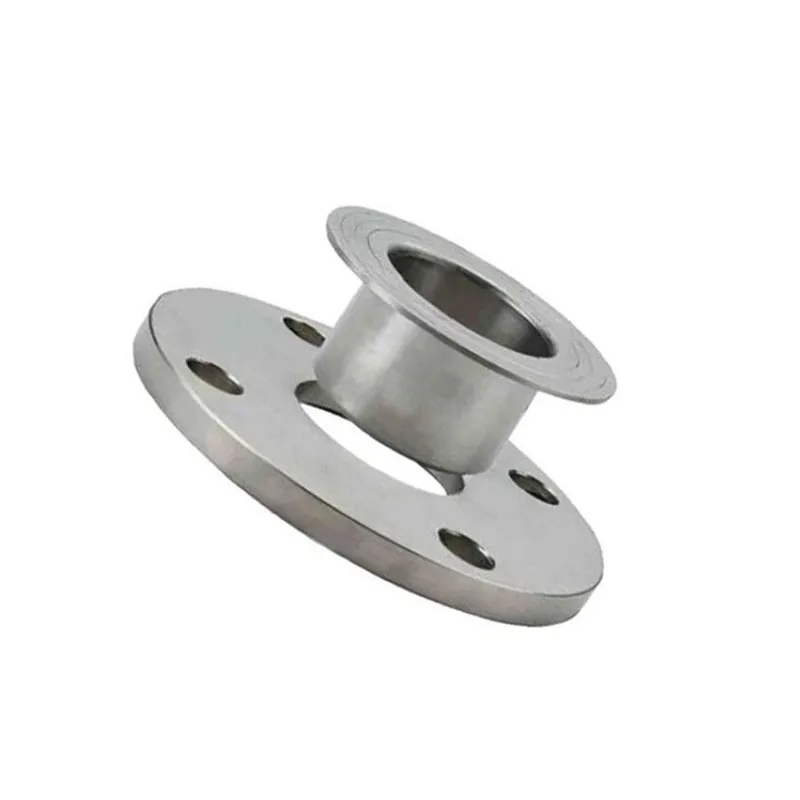
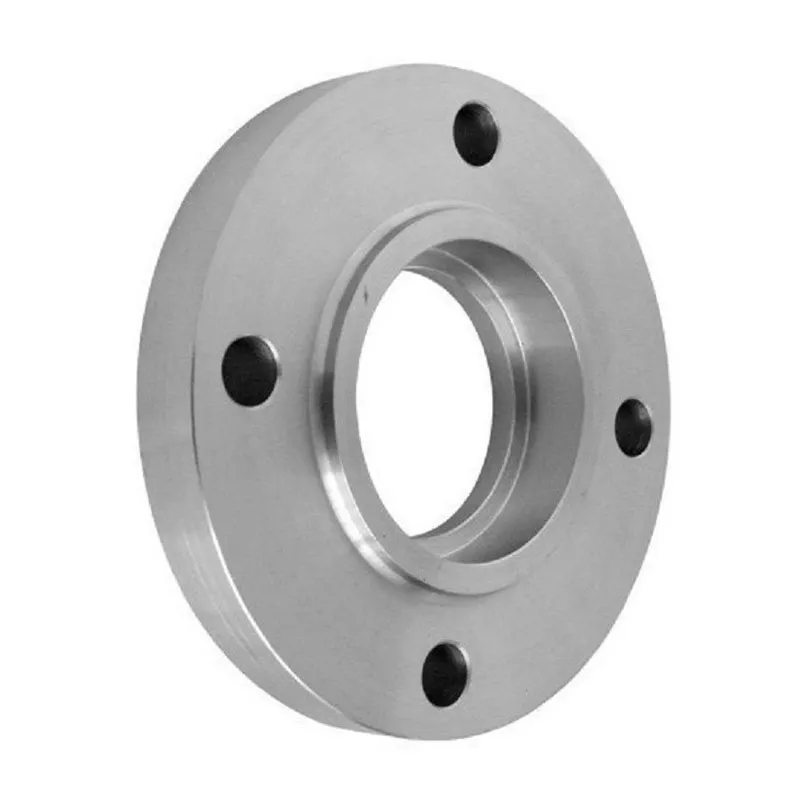
Best Sellingproducts
Best Selling Products-
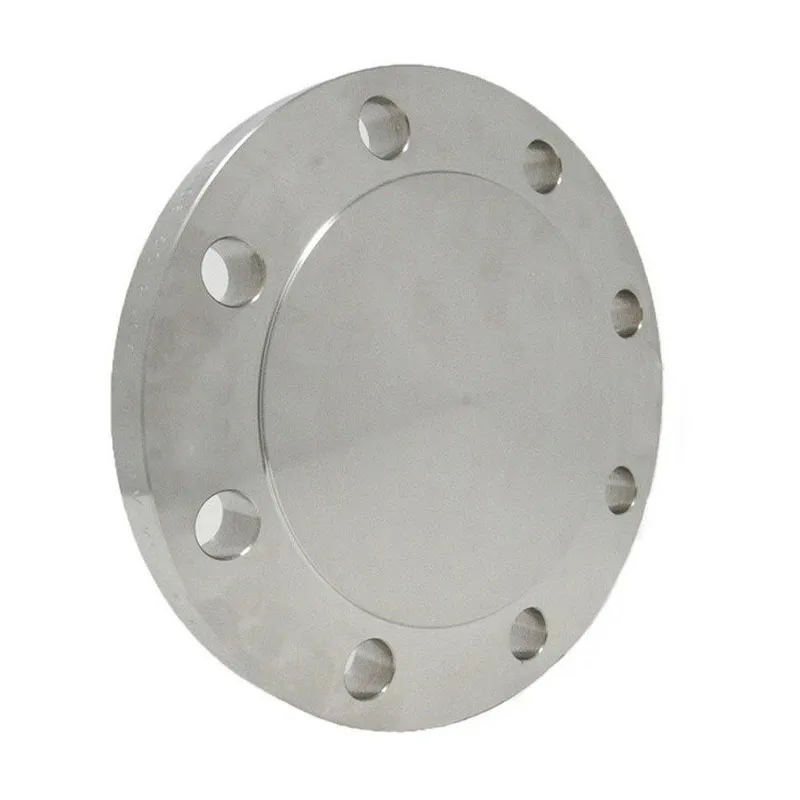 EN 1092-1 Blind flanges Type 05, PN10
 -
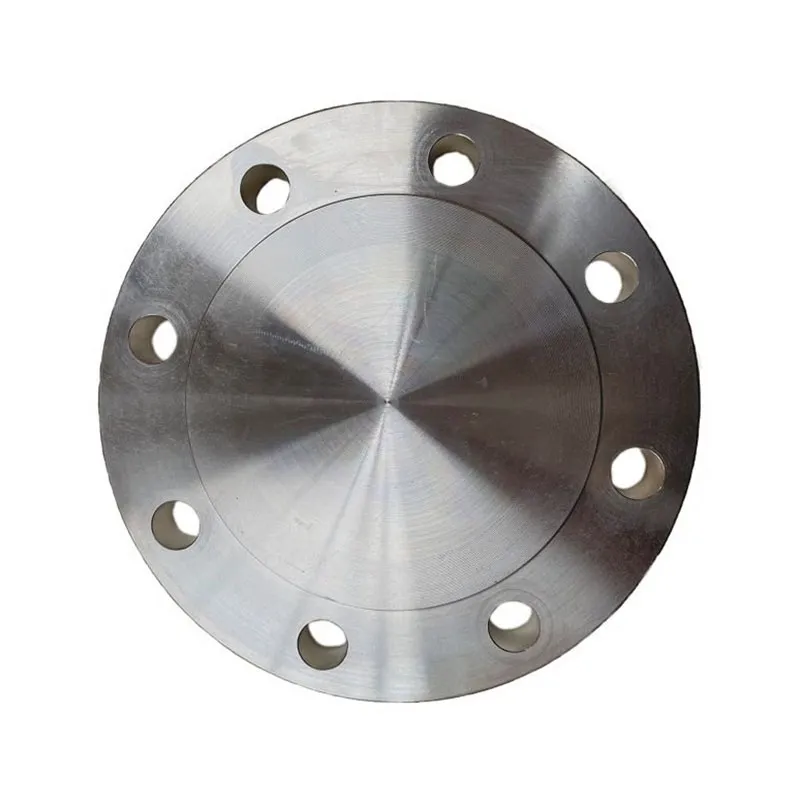 UNI 6092 Blind flanges PN10
 -
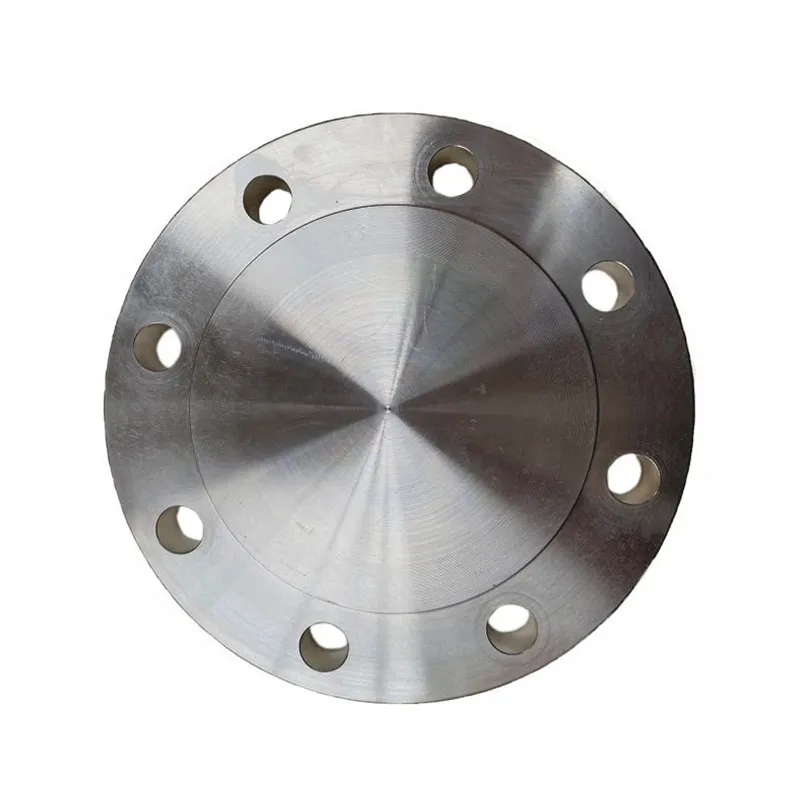 DIN 2527 Blind flanges PN10
 -
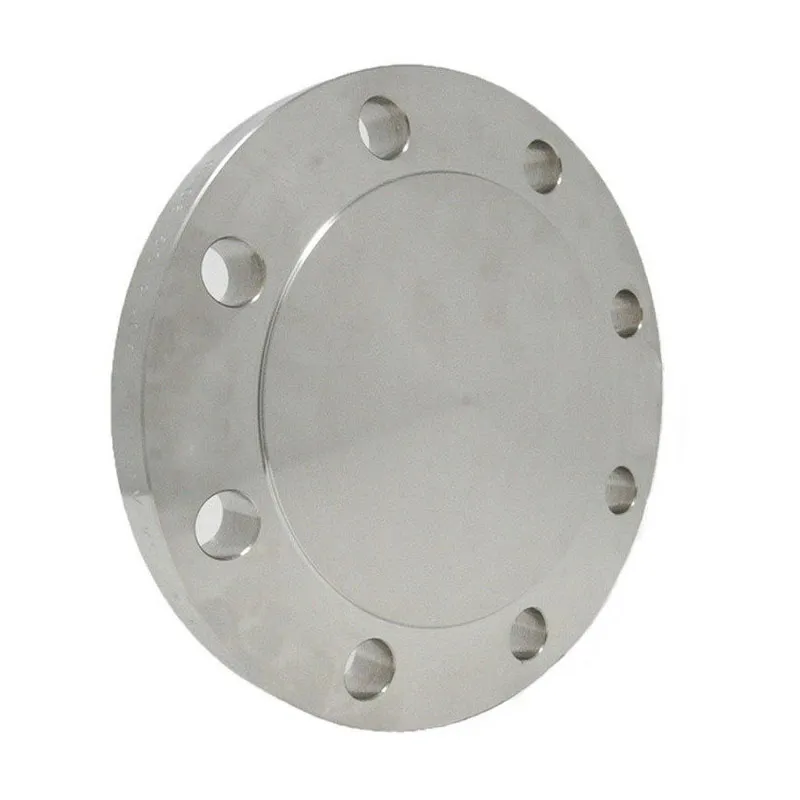 AWWA Blind Flanges Class D (Tables 1, 2, 3)
 -
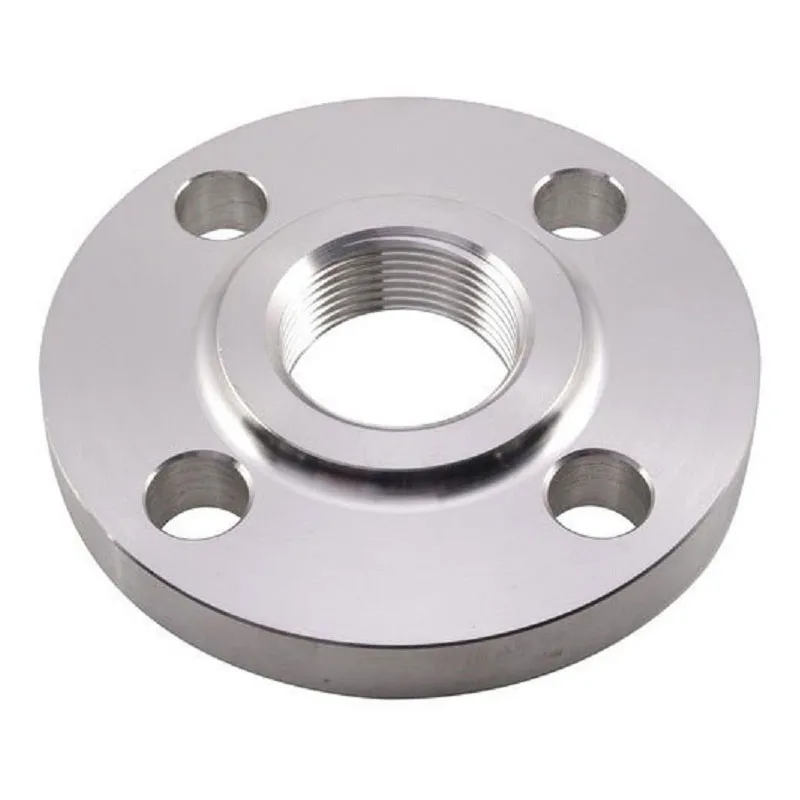 EN 1092-1 Threaded flanges Type 15, PN16
 -
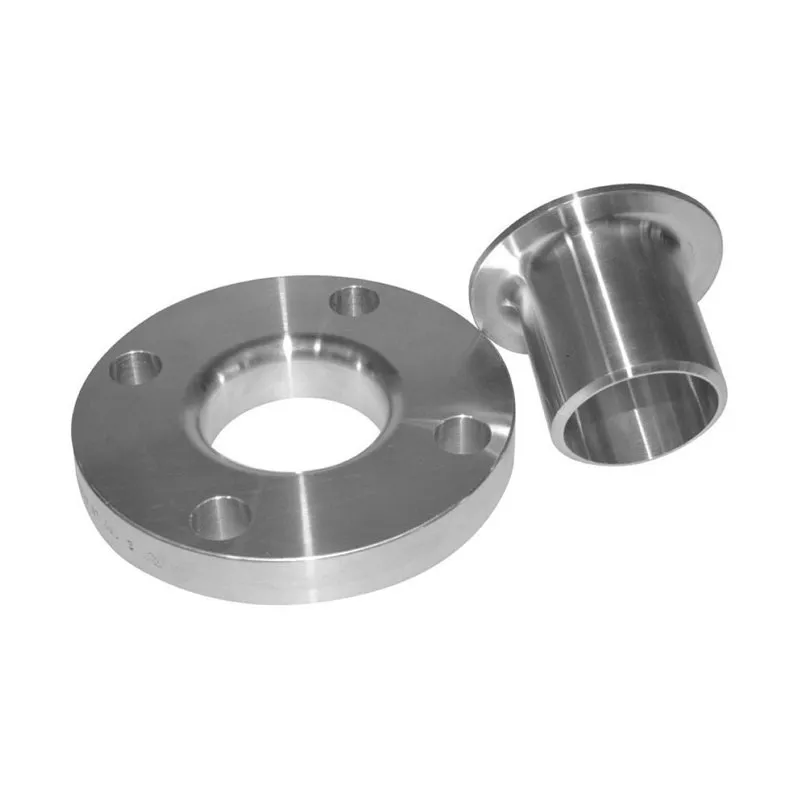 Free ring flanges Class 150
 -
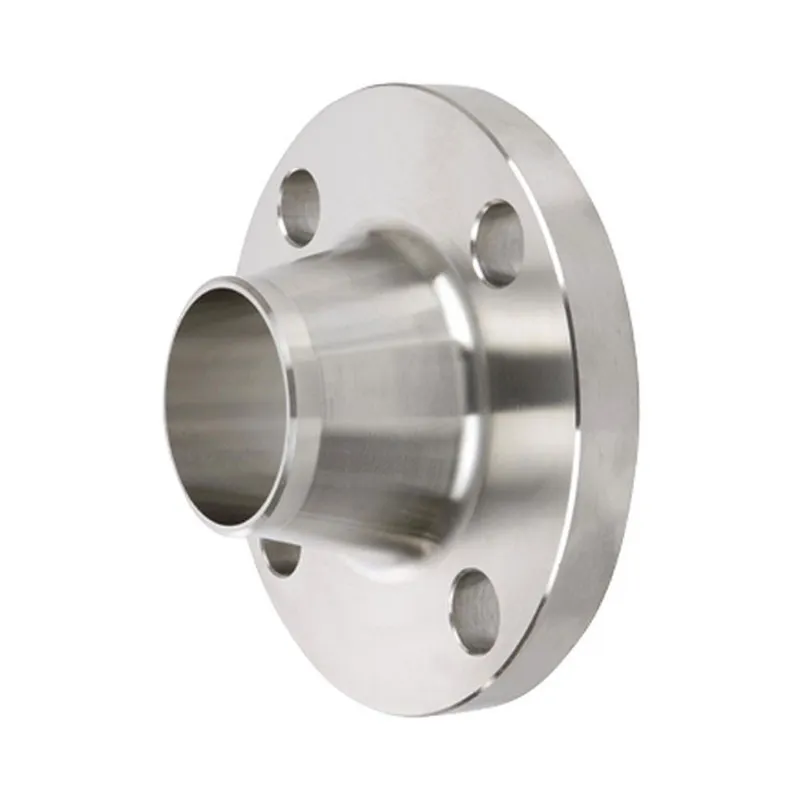 EN 1092-1 Butt weld flanges Type 11, PN25
 -
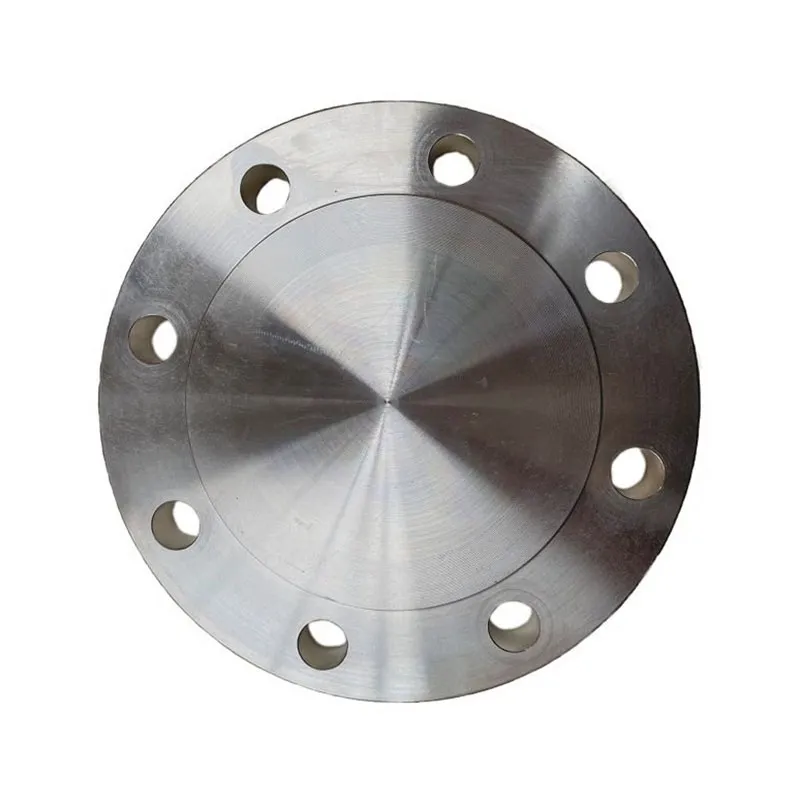 ASME B16.47 Ser.A Blind Flanges Class 400
 -
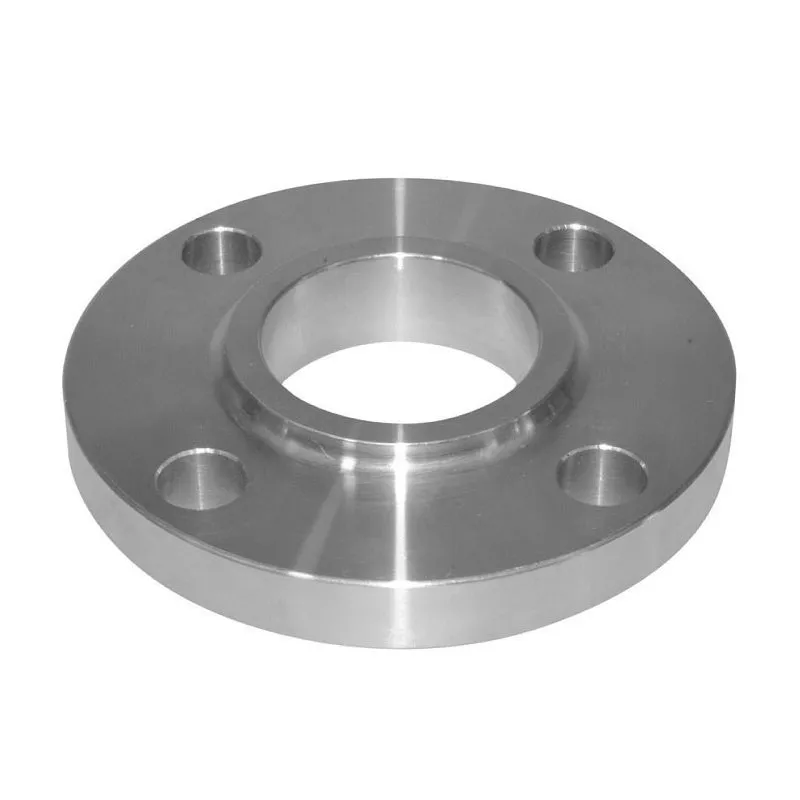 ANSI B16.5 Lap-on flanges Class 1500
 -
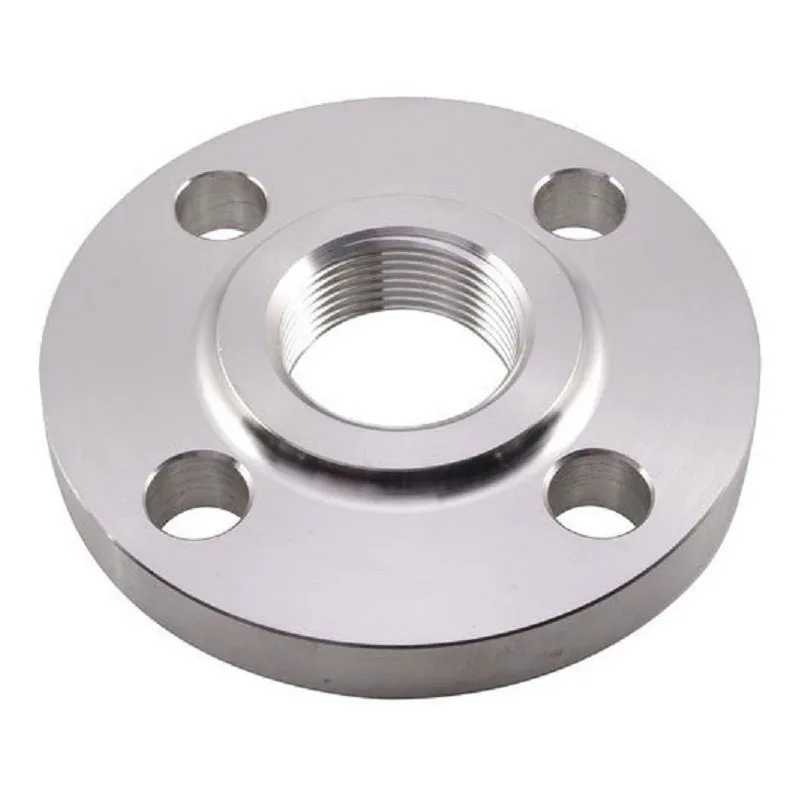 ANSI B16.5 Threaded Flanges Class 600
 -
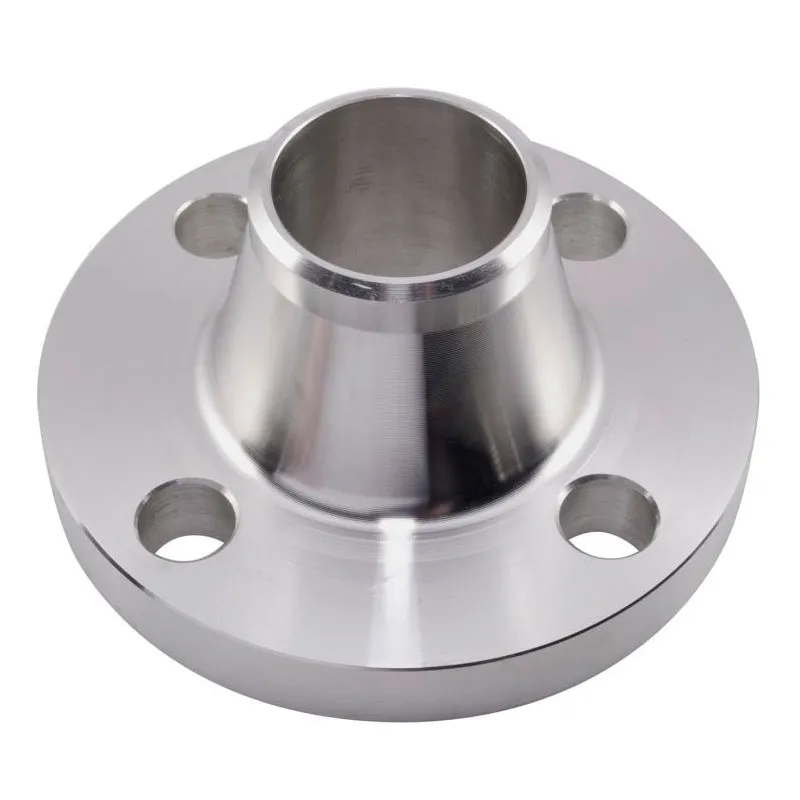 UNI 2281 Butt weld flanges PN10
 -
 JIS 10K Overlay flanges