
-
-
Phone
+86-13623462298



flange 80 40
When you see the request “flange 80 40?”, the first thought is that this is elementary, a standard transition. But here lies the first pitfall. Many, especially those who are just starting to work with pipeline fittings, think that it’s just an 80 mm flange, a transition to 40. In fact, if you dig deeper, questions begin: is this DN80 to DN40? What's the pressure? What standard? GOST, ASME, maybe EN? And most importantly, what type of flange is needed? Because ?flange 80 40? - this is, in fact, a technical task, and not a ready-made specification. I myself got burned by this when I hurriedly ordered a batch without specifying the performance according to GOST 12820-80 for the transition from a nominal diameter of 80 to 40, and the pressure in the system was 25 atmospheres. Then I had to urgently look for an option for 40 atmospheres, with other geometric parameters, which resulted in downtime and unnecessary expenses. That is why now I always require a drawing or at least full markings.
Let's get to the bottom of this: not just a transition, but a node
So what do we mean byflange 80 40? Most often we are talking about an adapter flange that connects pipelines or devices of different diameters. But geometry is critical here. For example, for a butt-welded flange (collar) in accordance with GOST 12821-80, the transition from DN80 to DN40 will have one configuration of mounting holes and thickness, and a flat welded flange in accordance with GOST 12820-80 will have another. A difference of several millimeters in the center-to-center distance of the holes for the studs can result in the assembly simply not being assembled. I once received a batch from one supplier, where the holes were drilled by eye? — it was impossible to assemble such a structure without eccentricity, so it had to be returned.
Another nuance is the material. For standard conditions, steel 20 or 09G2S is suitable. But if we are talking about the chemical industry or elevated temperatures, we need steel types 12Х18Н10Т or 15Х5М. And here the numbers are ?80 40? fade into the background, and it is the grade of steel and its mechanical properties at operating temperature that comes to the fore. We once installed an adapter flange from St3 on a steam line - after six months cracks appeared due to the creep of the metal. Dear lesson.
Therefore, in my practice, I now always clarify: an adapter flange is not just a piece of hardware. This is a design unit that operates under a pressure difference, often with an eccentric load. And its thickness in the smaller section (on the DN40 side) must be checked for strength, especially if there is a significant flow from the larger diameter. Underestimating this is a direct path to an emergency.
Experience in supplying and working with manufacturers
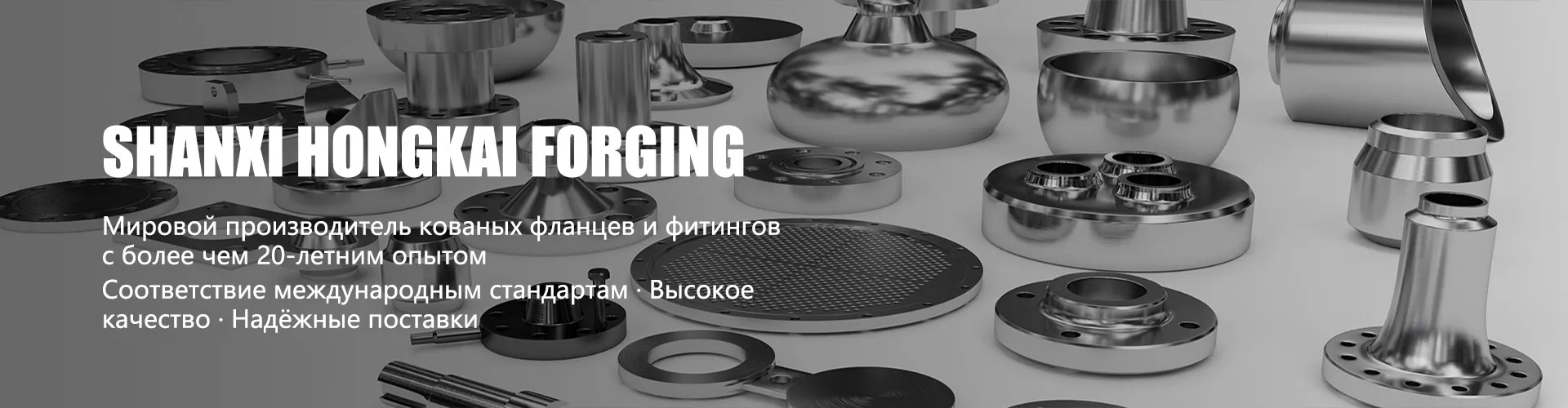
In search of reliable supplies for complex non-standard positions, such as the same adapter flanges for high parameters, I came across the siteShanxi Hongkai Forging Co.,Ltd. To be honest, I used to be prejudiced towards Chinese forging manufacturers; I thought they only produced the standard range. But here I saw that the company positions itself as a manufacturer of forged flanges, which is more serious than casting or stamping. Forging produces a better fine-grained metal structure. Went tohkflange.ru— and I liked the information: GOST, ASME, and EN are indicated, and the possibility of manufacturing according to drawings. This is an important signal.
We decided to make a trial order just at the transitionflange 80 40, but according to our technical specifications: material 15Х5М, design according to GOST 12821-80 on Ru 40. The drawing was sent. Communication was in Russian, which simplified the matter. They sent us a forging process sheet and confirmed the chemical composition of the steel. When we received the product, the first thing we did was check the dimensions - everything was within tolerances, the forging surface was free of holes. They sent it to an ultrasonic inspection and found no internal defects. They put it in the unit to replace the same cracked one - it has been working for more than two years without any complaints.
Since then, I often look in their direction for non-standard and responsible positions. Especially when large diameters or specific steels are needed. Their nomenclature states sizes up to DN4000, which is already a problem for many domestic workshops. Of course, not everything is perfect - logistics take time, the technical specifications need to be clearly formulated. But as an option for complex tasks, it’s very workable. The main thing is not to chase the lowest price, but to demand all supporting documents for the material and processing.
Typical mistakes during installation and selection
Returning to ourflange 80 40. Even if the product is of high quality, it can be damaged during installation. The most common mistake is uneven tightening of the studs. On the adapter flange this is critical, since misalignment may occur and the load on the smaller diameter will become undesigned. You should always tighten it crosswise with a torque wrench, according to the diagram. I saw how installers clamped it with a clamp and secured it with welding “for reliability?” - this is a gross violation that kills all the advantages of forging.
The second error is a mismatch between the materials of the flange and the attached pipes. If the flange is made of stainless steel and the pipe is made of carbon steel, a galvanic couple occurs at the junction, which accelerates corrosion. You need to either install insulating gaskets or select compatible materials. This seems obvious, but in the rush it is often forgotten.
And third - gasket. Transitions with different diameters often require a special concentric or eccentric gasket. Installing a standard gasket that does not seal the annulus properly will guarantee leakage. You have to either order it together with the flange, or manufacture it on site from the appropriate material (paronite, graphite, metal).
Instead of a conclusion: thinking out loud
So to summarize my experience, the request is ?flange 80 40? is the beginning of a conversation, not the end of it. It's like coming to a car service center and saying “I need a car?”. Details needed: working conditions, environment, pressure, temperature, standard, material. Only then can we talk about a specific product.
Now the market offers a lot, from handicrafts to high-quality forgings from manufacturers such asShanxi Hongkai Forging Co.,Ltd. The choice is always up to the engineer or supplier. For me personally, two points were key: the availability of a full package of documentation (from a material certificate to a control protocol) and the opportunity to dialogue with the manufacturer’s technologists to clarify details. If these two points are met, as in the case of that trial order, then you can work even with a geographically distant supplier.
And one last thing. Never hesitate to request a drawing for approval, even if you are told “yes, this is a standard thing?”. As practice shows, it is in the “standard” lies the most inconsistency. It is better to spend time on preliminary clarifications than to later deal with the consequences on an already installed line. Tested more than once.
Correspondingproducts
Related Products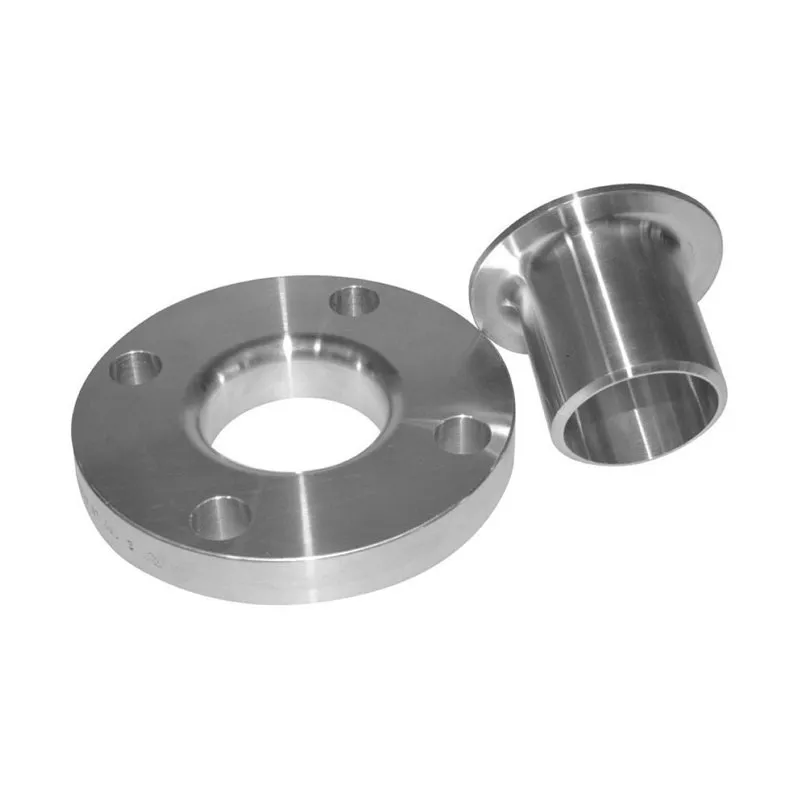
Best Sellingproducts
Best Selling Products-
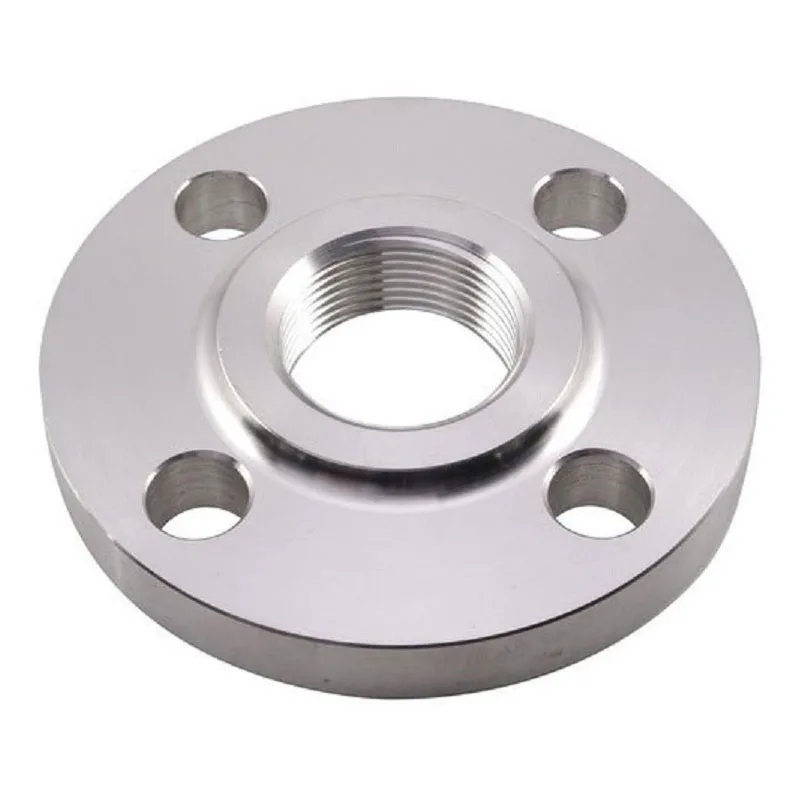 JIS 10K Threaded Flanges
 -
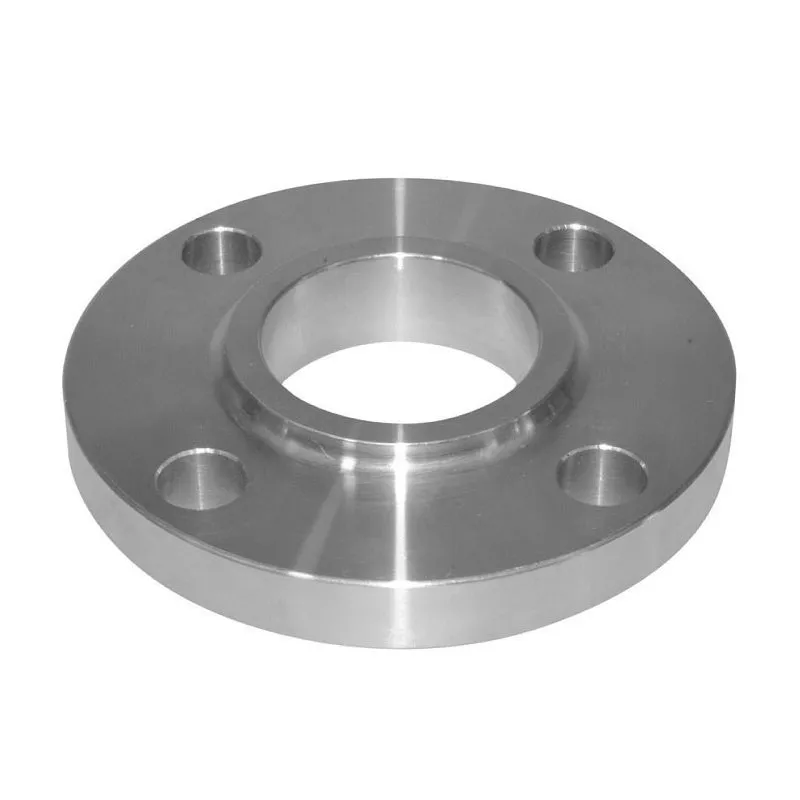 ANSI B16.5 Lap-on flanges Class 1500
 -
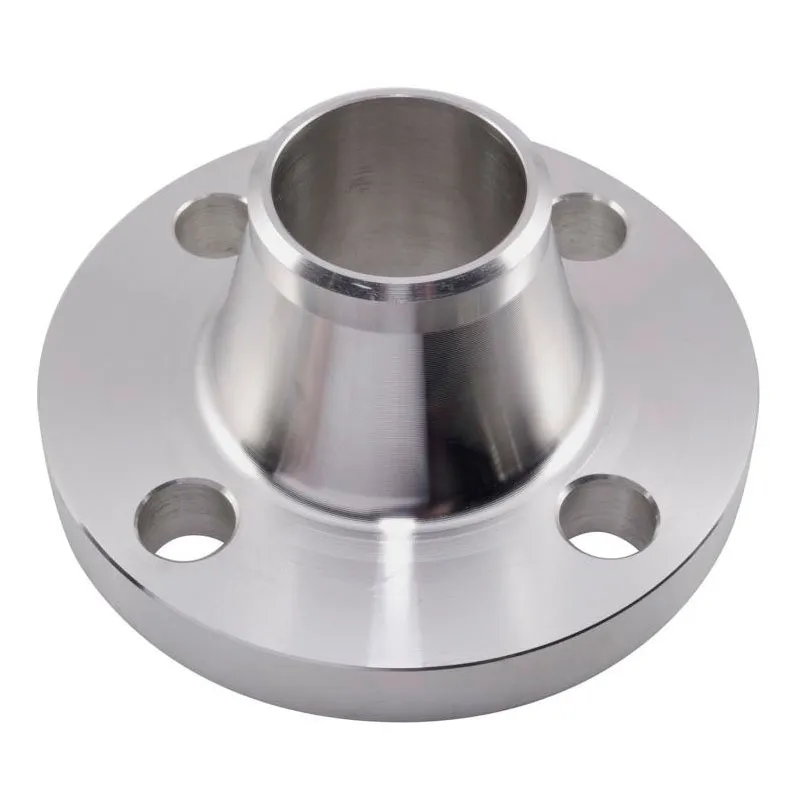 DIN Butt weld flanges PN10
 -
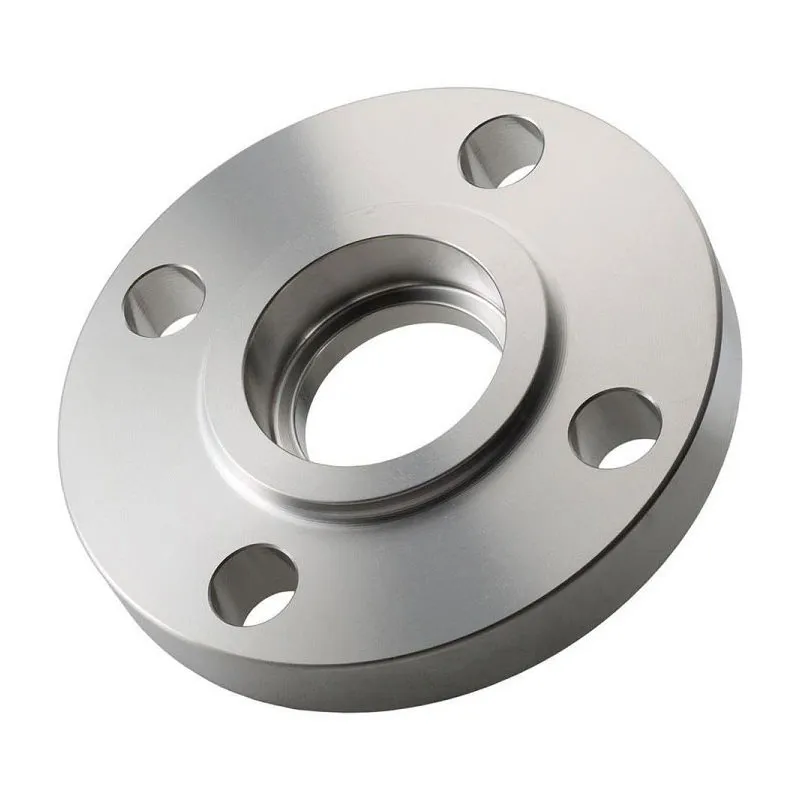 Flanges for socket welding
 -
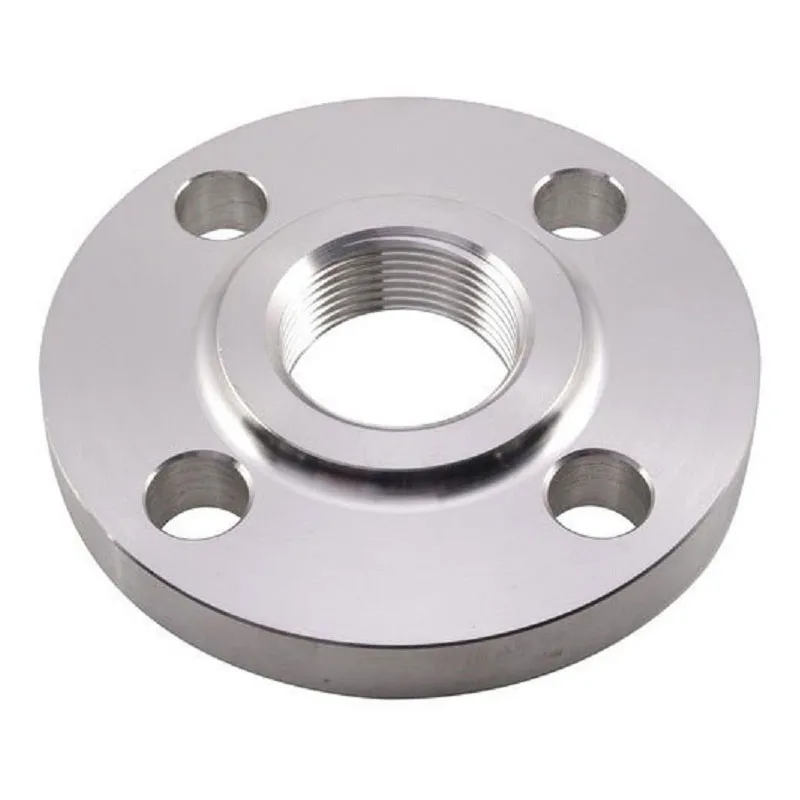 EN 1092-1 Threaded flanges Type 15, PN16
 -
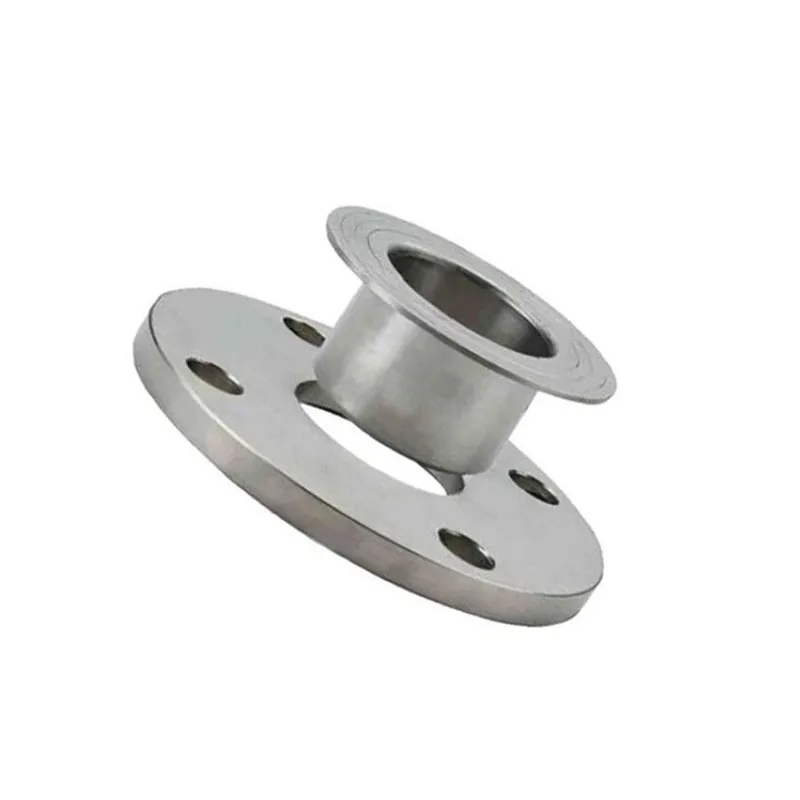 Free ring flanges Class 400
 -
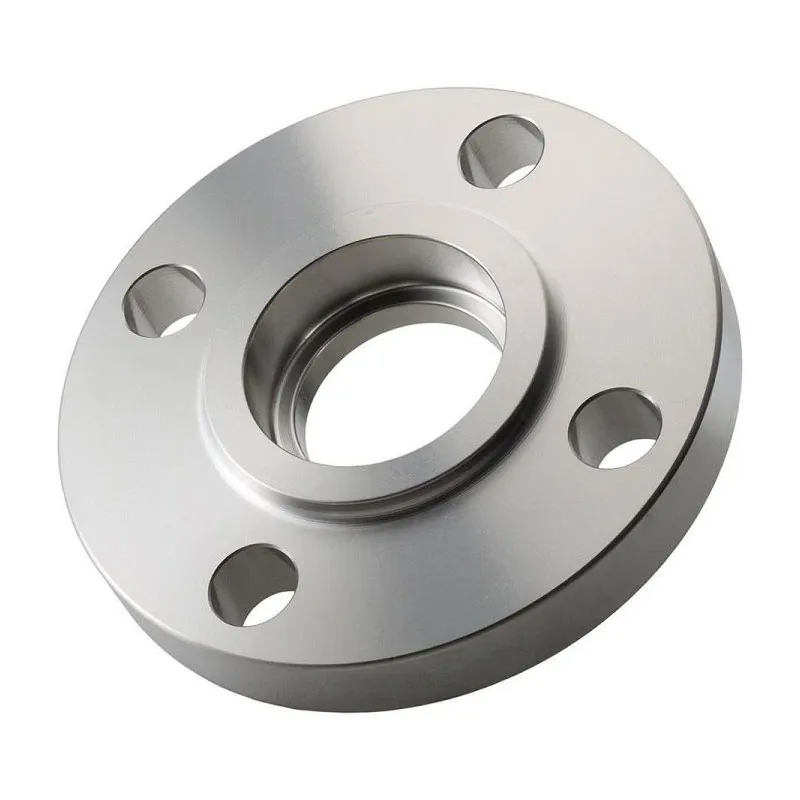 ANSI B16.5 Socket Weld Flanges Class 150
 -
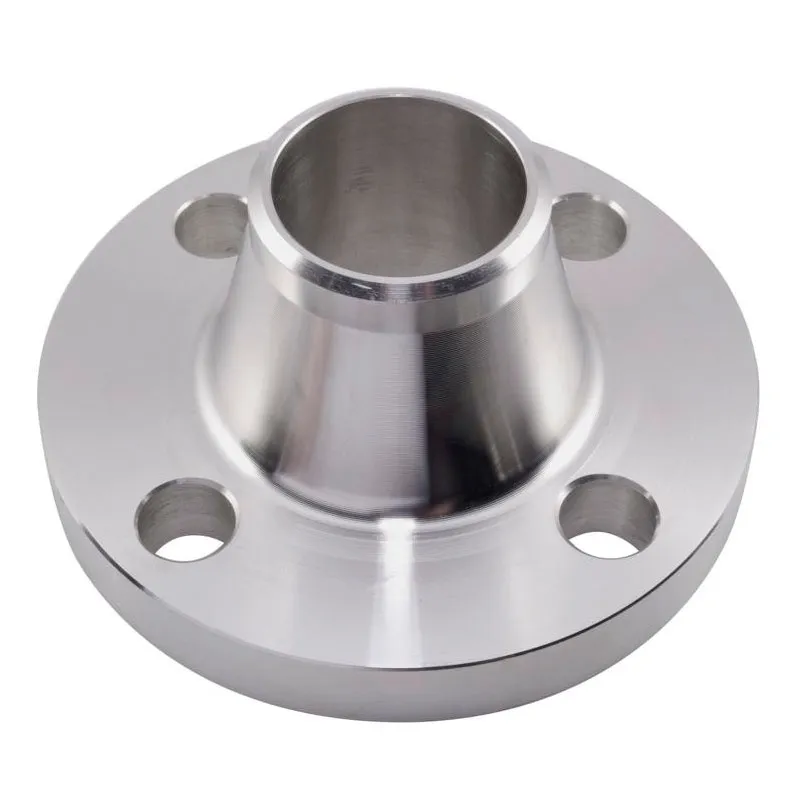 Butt weld flanges Class 900
 -
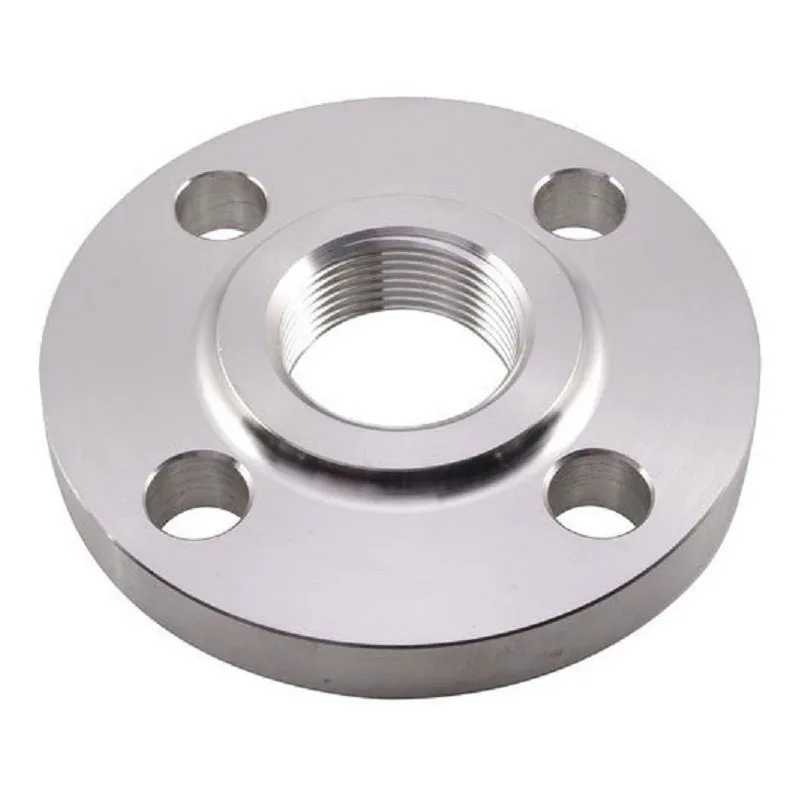 ANSI B16.5 Threaded Flanges Class 600
 -
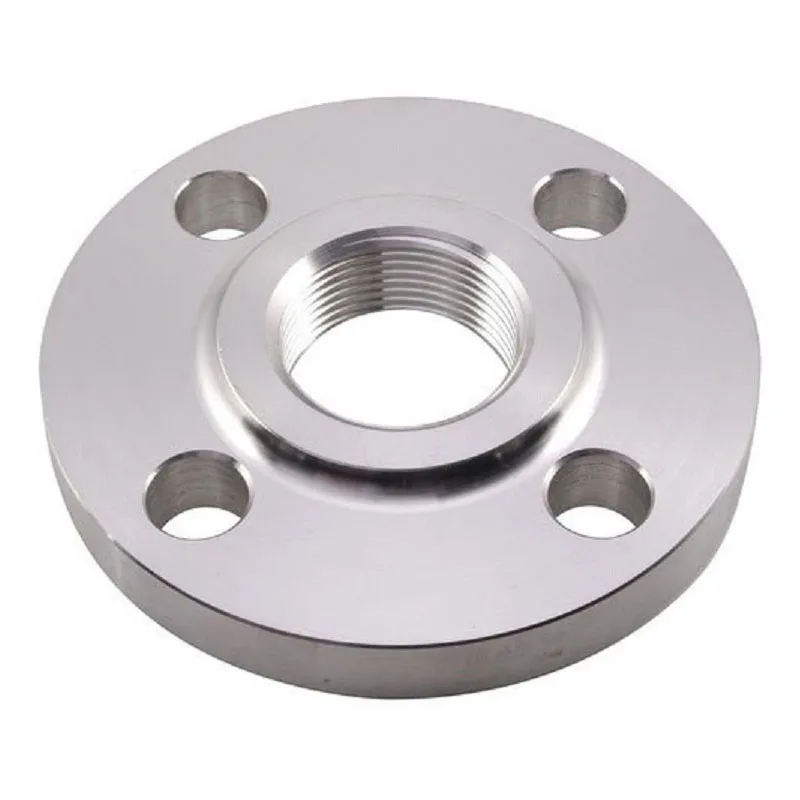 DIN 2566 Threaded flanges PN16
 -
 ASME B16.47 Ser.A Blind Flanges Class 400
 -
 DIN 2527 Blind flanges PN10