
-
-
Phone
+86-13623462298



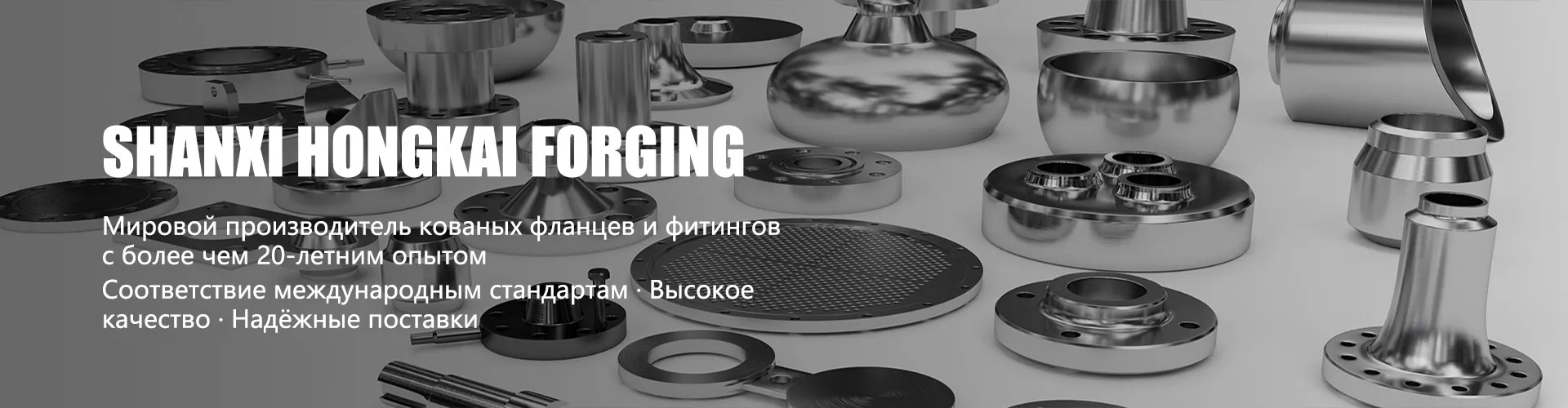
flange b5
When they say “B5 flange”, many people immediately think about one specific standard or type. In fact, this often leads to confusion at the request stage. In my practice, it has happened more than once that by this request the client could have in mind the connecting dimensions according to EN 1092-1, and the specific design of the surface for the gasket, or even just the general designation of the flange according to DIN. The main caveat is that B5 is not an independent standard, but rather an indication of a design or part of a designation within a more general standard, for example, the same DIN. And this is where the main pitfalls when ordering begin. If you simply indicate “B5 flange” in the specification, without reference to the full designation of the standard, pressure, material and type of seal, you can get something completely different from what is needed for the assembly.
We understand the details: from the drawing to the workshop
Let's take, for example, the situation with an order for one chemical enterprise. The terms of reference stated: “Steel flange, DN150, PN16, B5?”. The customer's engineer was confident that this was enough. However, when we requested clarification on the surface drawing (Ra, groove type), it turned out that it was the connection for the spiral wound gasket with a certain profile that was critical. The standard design B5 according to DIN EN 1092-1 (which is most often implied) implies a certain geometry of the sealing surface, but its details - groove depth, angle - may vary depending on the specific gasket standard (R, RX, BX). Without this clarification, it was possible to produce a flange that was absolutely correct from the point of view of the standard, but which would not ensure tightness in their particular system.
That is why when working with suppliers such as Shanxi Hongkai Forging LLC, it is important to provide the most complete data possible. On their websitehkflange.ruit is clear that the company works according to a wide range of standards - from GOST and ASME to EN and DIN. This means that their technologists are accustomed to different documentation. But the key point: they produce forgings and flanges, including non-standard ones according to customer drawings. That is, they are just one of those who can produce exactly that optionflange b5, which is needed, but for this they need either the entire reference standard (for example, DIN EN 1092-1 Type B, Form B5), or, even more reliable, a detailed sketch with the dimensions of the mounting surface.
This is where experience comes in. I have seen completely new flanges lying in a warehouse that did not fit due to just such a discrepancy. The order saved time on preparing technical specifications, but lost twice as much time on rework and downtime. This is especially critical for large diameters, for example, from the DN700 range and above, where the cost of forging and machining is significant. A manufacturer like Shanxi Hongkai Forging, being one of the centers of the forging and pressing industry, has the ability to produce large-sized forgings up to DN4000, but I repeat - the accuracy of the technical specifications is primary.
Material and pressure: non-obvious connection with performance B5
Another point that is often overlooked is the relationship between material, operating pressure and type of sealing surface, referred to as B5. The surface design is not just geometry, it is a design element that provides the necessary specific pressure on the gasket to create a tight connection under given environmental parameters. For different materials (carbon steel, stainless steel, duplex) at the same nominal pressure PN, there may be different recommendations for surface types.
In practice, this results in the following: you can orderflange b5from steel 20 according to GOST or from AISI 316 according to ASME B16.5, and these will be structurally different products, although the designation of the surface type may sound the same. A production technologist, seeing the full marking, understands what tolerances and roughness parameters to maintain. If the order specifies only “B5?”, he will be forced to either clarify or apply the most common option in his internal enterprise standard, which may not coincide with the customer’s expectations.
In the context of international deliveries, which are precisely the specialization of Shanxi Hongkai Forging LLC, this issue is especially acute. They declare production according to GOST, ASME, EN, DIN and other standards. Let's say the project is European, and the EN standard is used. A flange according to EN 1092-1 with version B5 will have clearly defined parameters. But if the procurement documentation is not drawn up correctly and does not refer to EN, but only uses a snippet of ?B5?, the manufacturer may interpret this through the prism of another standard that is more familiar to him at the moment. The result is a product that is formally suitable, but practically unsuitable for installation.
Experience of failure: when savings on technical specifications lead to costs
I'll tell you about an incident that I remember well. There was an order for a batch of flanges to modernize the pipeline. The customer, wanting to save money, provided a very concise technical specification, taking as a basis the old specification, which simply stated “DN200, B5?”. We, as supply contractors, passed this on to the manufacturer - one of the Chinese factories (not mentioned above). They made it and delivered it. During installation, it turned out that the holes for the studs did not match the markings with the mating flanges on the equipment. It turned out that the old equipment had connections according to an outdated standard, where B5 implied a different drilling radius and number of holes. We had to urgently look for the possibility of alteration - drilling new holes in ready-made forgings, which is expensive and risky from the point of view of the integrity of the product.
This lesson was costly. Now, when working with any supplier, be it a large manufacturer like Shanxi Hongkai Forging LLC? or a local factory, the first thing we do is require a complete decoding of the standard. It is better to spend a day agreeing on a drawing or full designation (for example, “Flange DIN EN 1092-1 Type 11, DN200, PN16, Form B5, Material 1.0460?”) than to spend weeks dealing with the problem of inconsistency. The website hkflange.ru shows that the company is ready to work according to drawings, and this is an ideal option for complex or ambiguous cases.
Practical advice on ordering and specification
Based on what I have accumulated, I can formulate several non-obvious, but important rules when working with such specifications. First, never use ?B5? as an independent term. Always link it to the full standard designation: DIN EN 1092-1 B5, ASME B16.5 Serrated Face, etc. Secondly, specify not only the nominal diameter (DN) and pressure (PN/Class), but also the material according to the standard (for example, P265GH according to EN or A105 according to ASME). This affects the mechanical properties and therefore the final surface finish.
Thirdly, if you have the slightest doubt, request or attach a sketch of the sealing surface. This is normal practice for a responsible manufacturer. As stated in the description of Shanxi Hongkai Forging LLC, they also produce non-standard products according to customer drawings. This means that their engineers will definitely study the provided documentation, and the presence of a detailed sketch will minimize the risks of interpretation errors. This is especially true for large and expensive forgings with large diameters.
Lastly, don’t hesitate to request inspection cards or quality reports from the supplier for critical applications. A good manufacturer, positioning itself as working according to international standards, is usually ready to provide documents confirming the compliance of the chemical composition, mechanical properties and geometry. This is the same “lice check” that separates just a factory from a reliable partner in the supply chain. In the case of flanges, where the cost of an error is a possible accident, such reinsurance is more than justified.
Instead of a conclusion: thinking out loud
So, going back to the original query ?B5 flange?. This is not a magic word that will guarantee you will get the part you need. Rather, it is a pointer that sends us deep into the vast world of standards, technical specifications and production nuances. The success of the order depends on how accurately we can decipher and transmit this pointer to the manufacturer. Working with trusted companies that have experience in manufacturing forgings according to different standards, such as Shanxi Hongkai Forging LLC, of course, reduces risks, but does not eliminate the need for competent technical specifications. Ultimately, it is the detailing in the technical specification that turns the abstractflange b5into a specific, reliable part on the pipeline that will serve its term without problems. And this, in fact, is the main goal of all our work.
Correspondingproducts
Related Products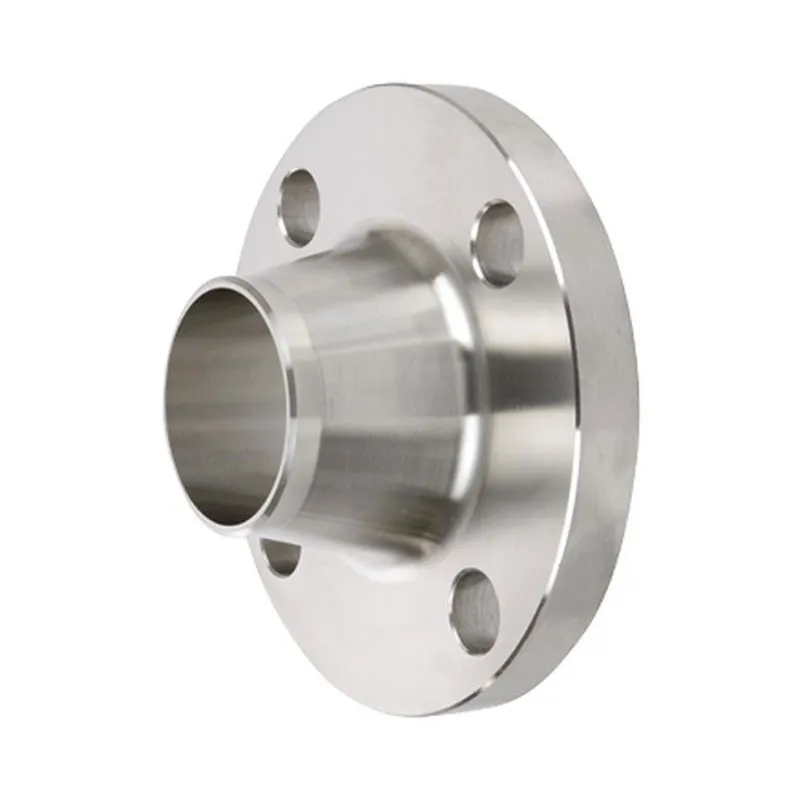
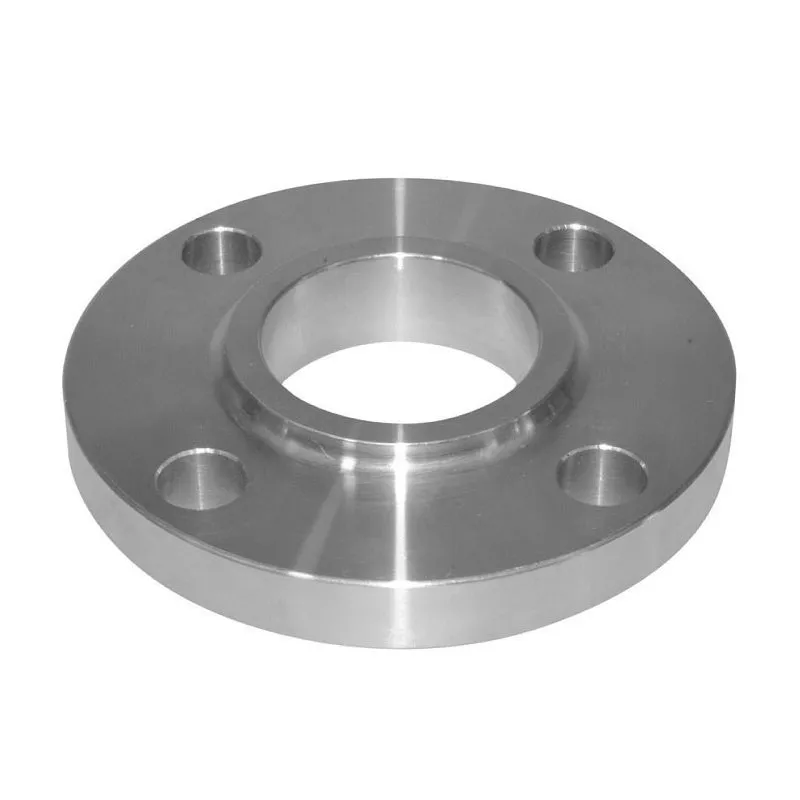
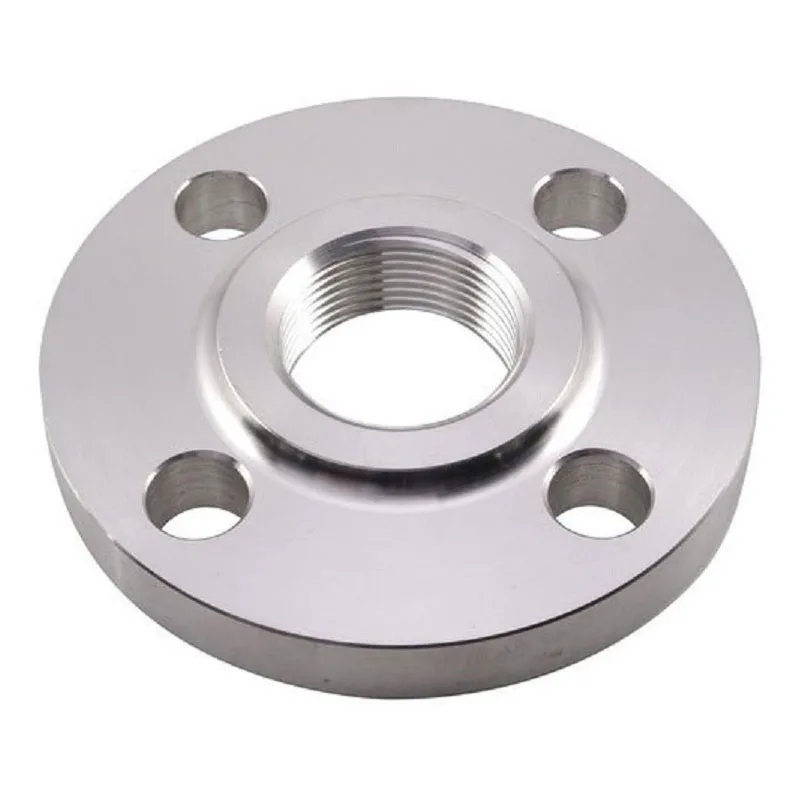
Best Sellingproducts
Best Selling Products-
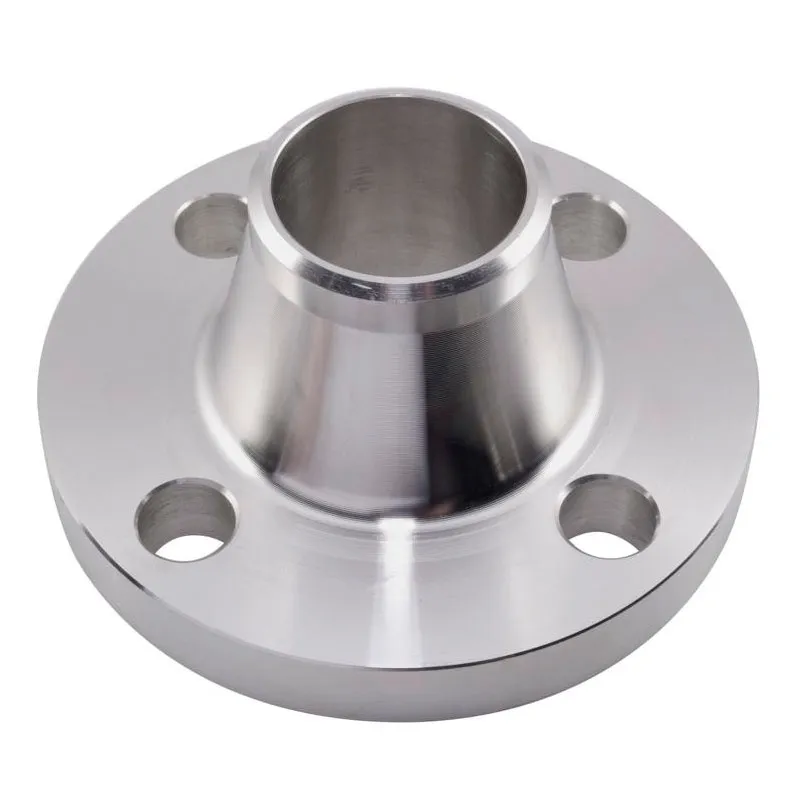 Butt weld flanges Class 900
 -
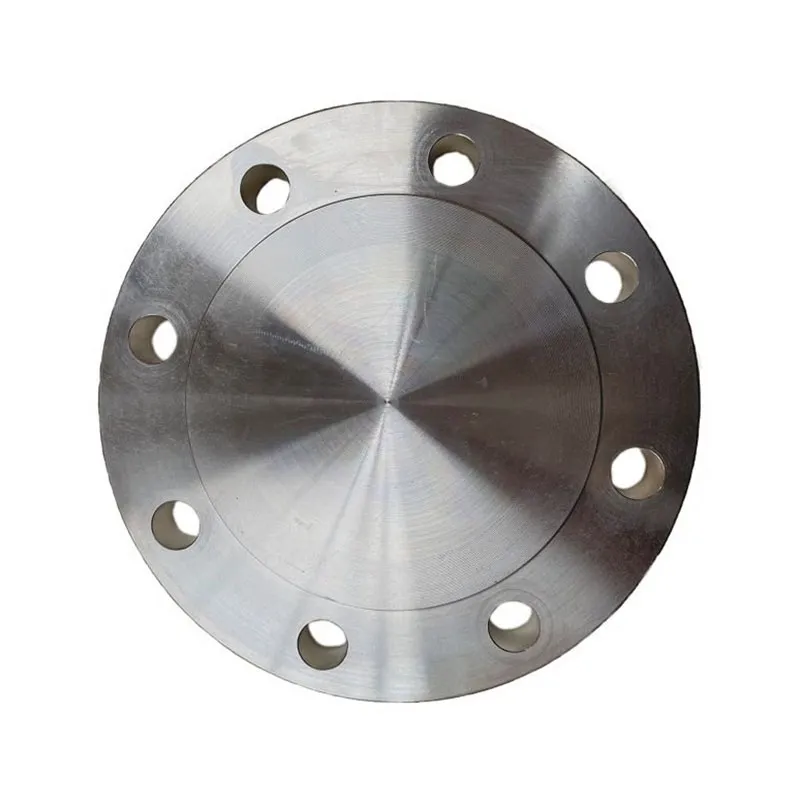 ASME B16.47 Ser.A Blind Flanges Class 400
 -
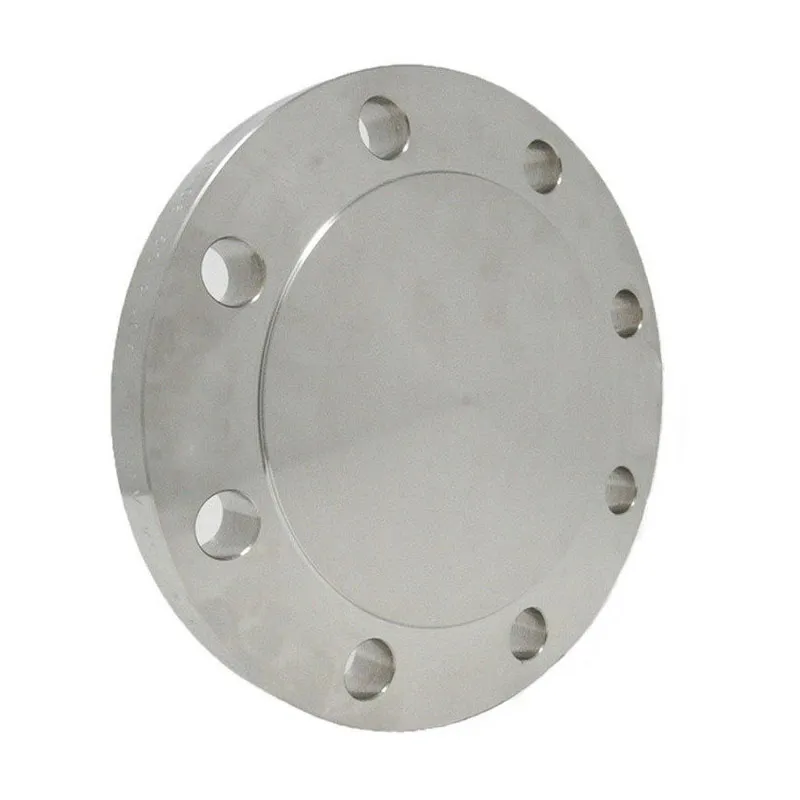 AWWA Blind Flanges Class D (Tables 1, 2, 3)
 -
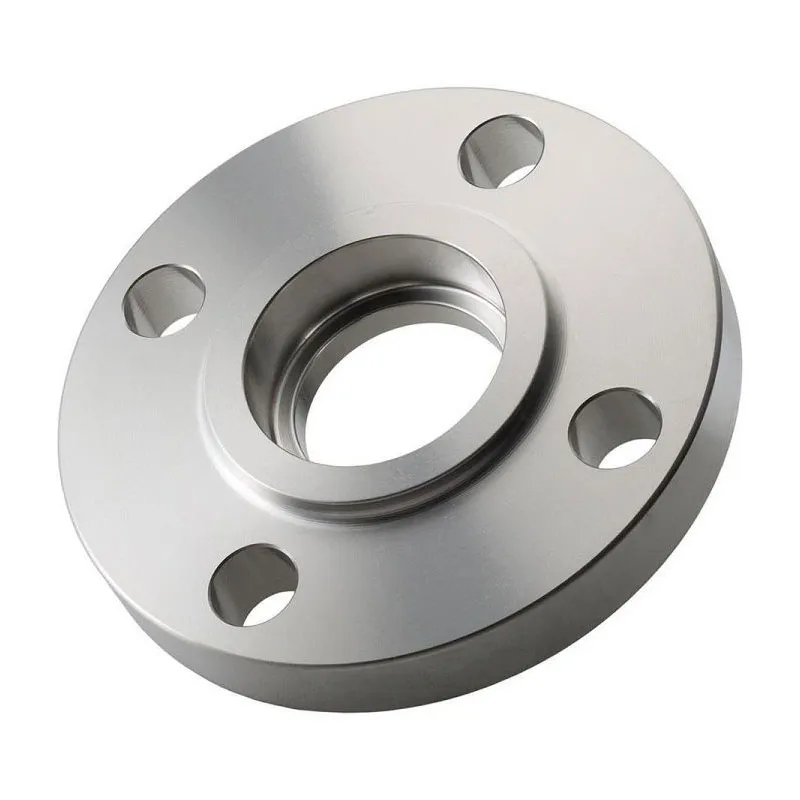 ANSI B16.5 Socket Weld Flanges Class 1500
 -
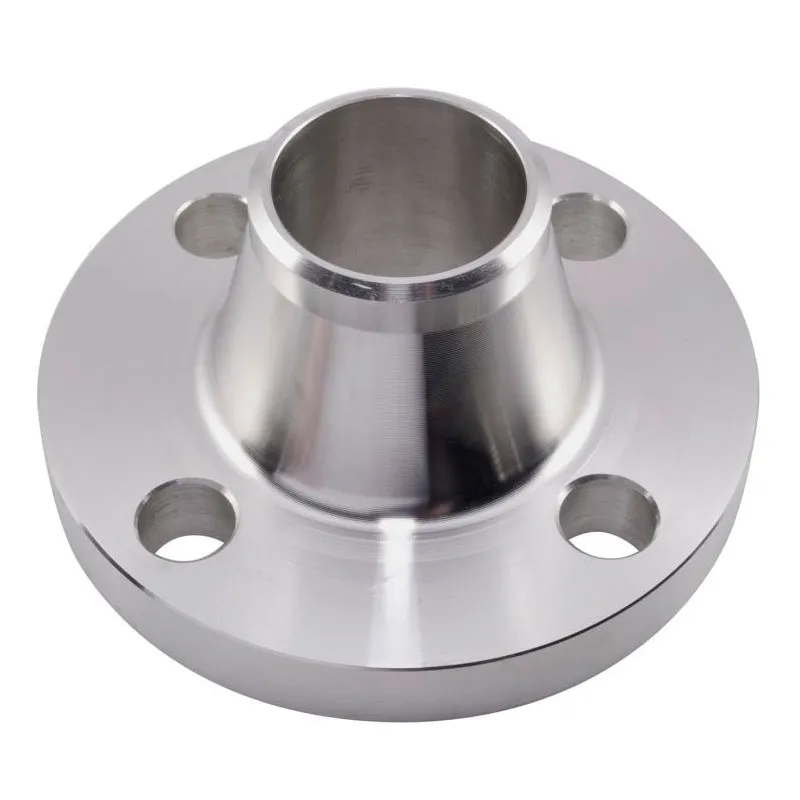 UNI 2281 Butt weld flanges PN10
 -
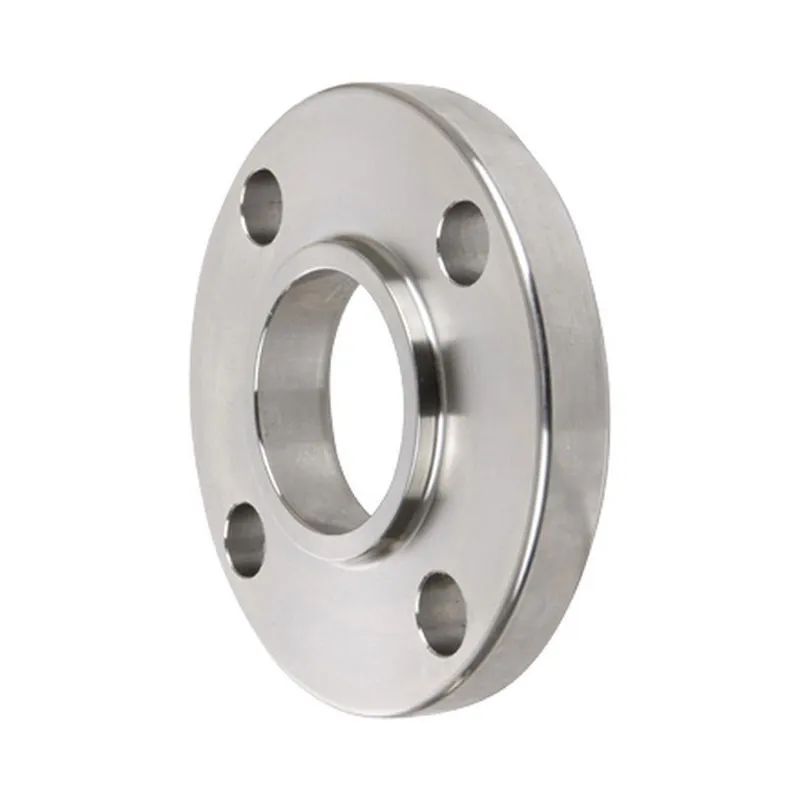 DIN 2501 Overlay flanges PN16
 -
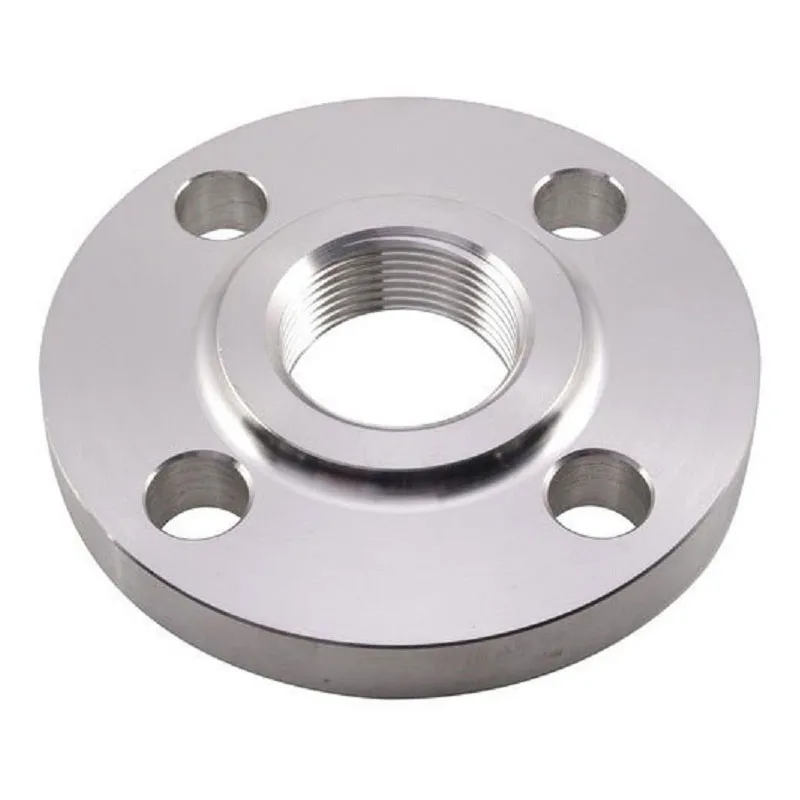 EN 1092-1 Threaded flanges Type 15, PN16
 -
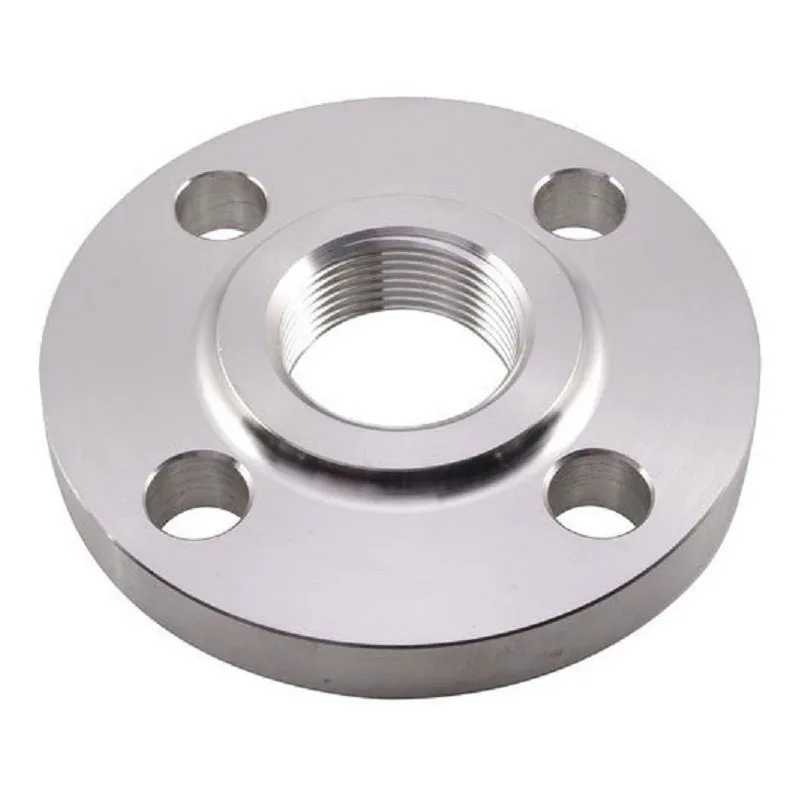 ANSI B16.5 Threaded Flanges Class 600
 -
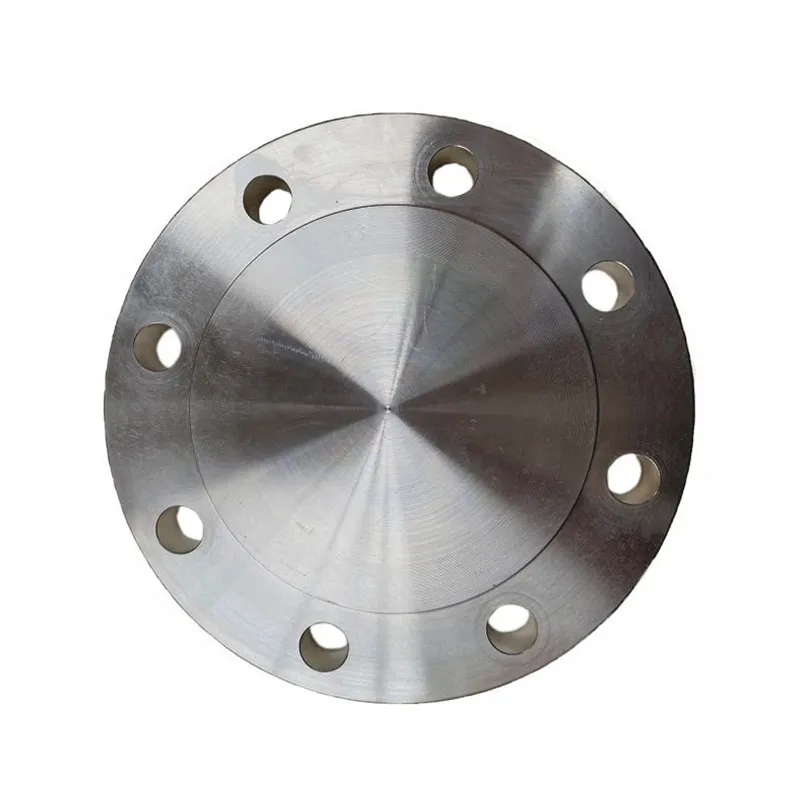 DIN 2527 Blind flanges PN10
 -
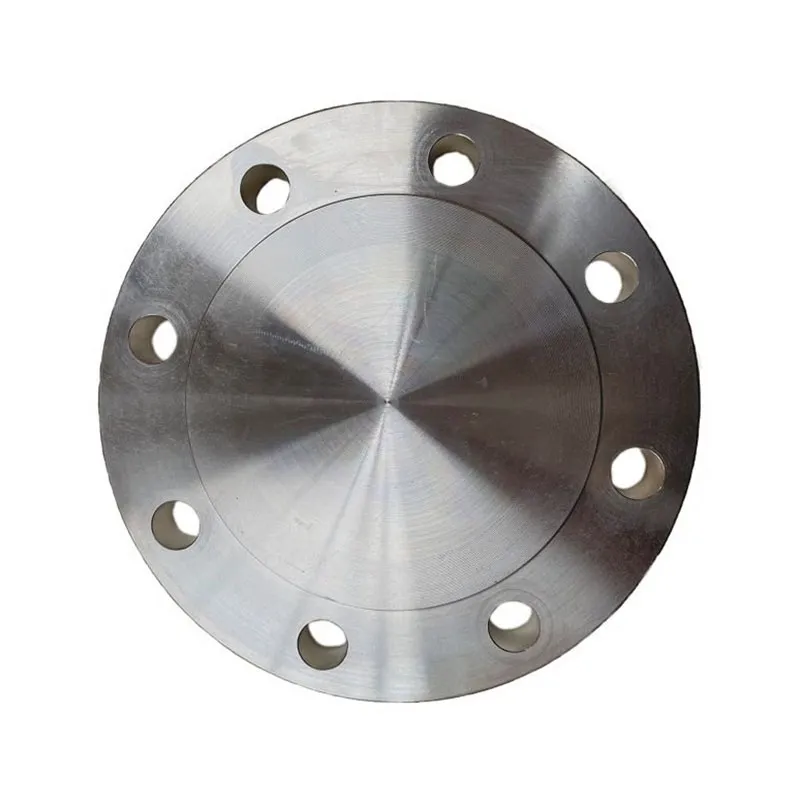 UNI 6092 Blind flanges PN10
 -
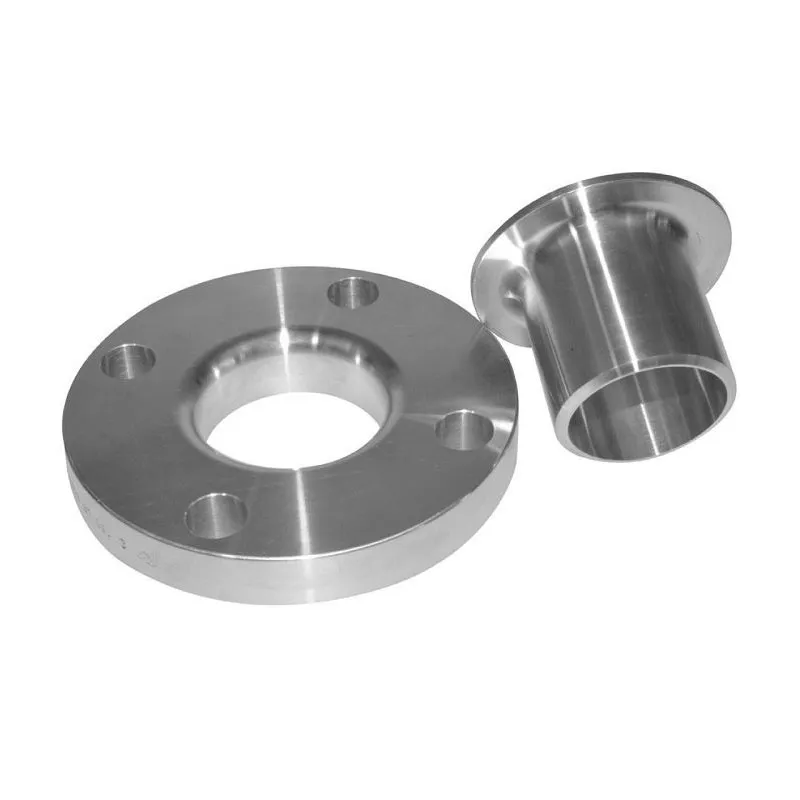 ANSI B16.5 Loose Ring Flanges Class 2500
 -
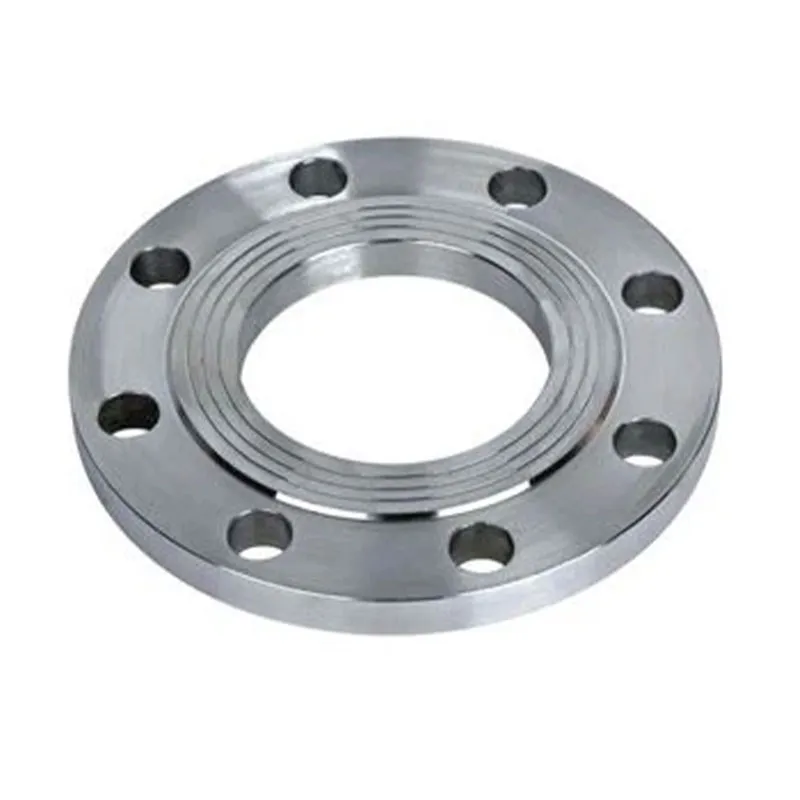 Butt weld flanges Class 150