
-
-
Phone
+86-13623462298



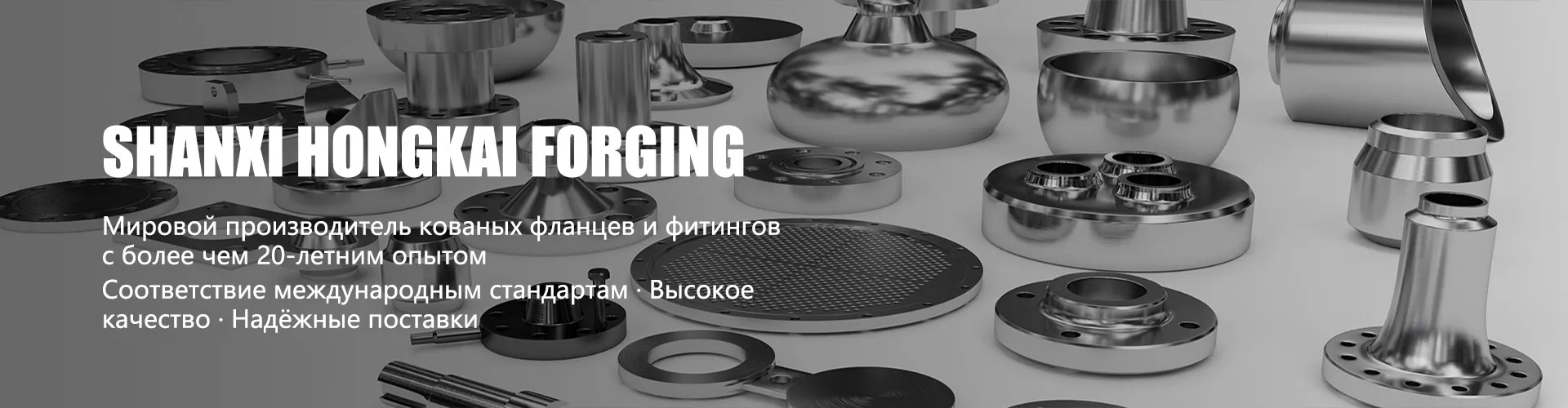
flange DN80 RU16
I’ll tell you right away - when you hear “flange DN80 RU16”, the first thing that comes to a beginner’s mind is simply “eighty by sixteen”, a standard thing, take it and put it on. But it is in this apparent simplicity that the bulk of errors on objects lie. Many people think that since the parameters are standard, the flange will be the same everywhere. But no - here the material, the quality of processing of the sealing surface, and even the geometry of the holes for fasteners play a huge role. I myself have encountered more than once when, it would seem, a knot made according to GOST began to “sweat?” during testing precisely because of little things that were not paid attention to when ordering.
Not just numbers: decoding markings and hidden nuances
Let's figure it out.DN80- this is a conditional passage. It would seem that everything is clear. But in practice, this passage can accommodate different outer diameters and thicknesses depending on the standard - GOST (aka EN 1092-1) or, say, ASME B16.5. And if you are installing a line where there are imported pumps and shut-off valves according to domestic standards, there may be a discrepancy in the distance between the holes. It was necessary to resolve such conflicts by selecting adapter flanges or ordering products with combined markings.
Ru16— this working pressure is 16 kgf/cm2. The key word is working. This does not mean that the flange will break at 17. No, there is a safety margin, but it depends on the material. For Ru16, steel 20 or 09G2S is often used. But if the environment is aggressive, or the operating temperature is high, you need to look at the standards and look at the durability of the material. I remember an incident at a thermal power plant, where ordinary Art. 20 flanges were installed for low-pressure steam, and then they were surprised at the cracks along the perimeter - the temperature was under 300°C, and for such conditions 12Х18Н10Т was needed.
And this is where it matters who you order from. I'm looking at the site nowShanxi Hongkai Forging Co.,Ltd (https://www.hkflange.ru) - they are positioned as a manufacturer of forged flanges and forgings from China. Their range includes products in accordance with GOST, ASME, EN. For our market, it is critical when the manufacturer understands the difference between the standards not only on paper, but in metal. Because, for example, the design of the sealing surface for a tongue-and-groove gasket according to EN and according to GOST - these are different depths and angles. If you screw it up, you won't get a seal.
Forging vs. Casting vs. Hot stamping: why it solves everything
It’s not for nothing that the company’s name contains the word “forging”. For critical applications, especially in the energy sector or chemical plants, a forged flange is often the only right choice. Its metal structure is more uniform, the fibers are directed, and there are no internal cavities, as is the case in casting. Forflange DN80 RU16operating under conditions of vibration or cyclic loads (for example, on a pipeline with a compressor), this is fundamental.
Hot stamped ones are also a good option for many tasks, they are cheaper. But when it comes to non-standard sizes or special requirements for mechanical properties, forging gives more freedom. At the sameShanxi Hongkai Forging Co.,LtdThe description indicates a range up to DN4000 and the possibility of manufacturing according to customer drawings. This indicates production flexibility. I myself ordered flanges from similar manufacturers to repair old equipment, where the drawings were already Soviet - I had to do forging according to individual technical specifications.
But I would install cast flanges on Ru16 with great caution, except for non-aggressive water at stable temperatures. And then you need to require certificates with ultrasonic control. Savings of a couple of thousand rubles can result in an accident and a week of downtime.
Editing: where mistakes are most often made
Let's say the flange is of high quality and the material is correct. But editing is a different story. The first and main mistake is uneven tightening of the studs. Forflange DN80 RU16usually 8 studs. You need to tighten it crosswise, using a torque wrench, in several passes. They often see that the crew is clamping in a circle - as a result, there is a misalignment, the load on the gasket is uneven, and a leak immediately appears on the hot line.
The second mistake is incorrect selection of gasket. For Ru16 and a nominal diameter of 80 mm, you can install paronite, fluoroplastic, and metal gaskets. But if the flange has a projection-recess design? (RF), and you come across a flat gasket - it won’t do any good. You need to look at the markings of the flange itself. Sometimes a designation is applied to the end with a laser - the same EN 1092-1 Type 01 (flat) or Type 02 (protrusion-recess).
And third, ignoring the condition of the threads of the studs and nuts. It seems like a no-brainer, but if the threads are torn or clogged with dirt, the tightening torque will be incorrect. The pin may not be reached enough, or you may break it off. Before assembly, you should always go over it with a tap and a die, and lubricate it with graphite lubricant. This is not paranoia, this is a practice that prevents subsequent repairs with a gas burner and grinder.
Case from practice: when is it ?standard? turned out to be problematic
I want to give an example. Ordered a batchflange DN80 RU16made of steel 09G2S for installation on an external pipeline with water. The flanges arrived, everything seemed to be according to the drawing. But when welding at the site, the welders began to complain that the seam was going normally in some places, but in other places the metal was “flowing”. and pores appear. They began to figure it out.
It turned out that in one batch there were flanges whose chemical composition of the metal was on the verge of tolerance for carbon and silicon. For forging this is critical - strict adherence to heat treatment regimes is required. The manufacturer apparently saved on annealing. As a result, weldability deteriorated. We had to change the welding mode and preheat the products, which increased the time and cost of the work. The conclusion is simple: even for a seemingly ordinary part, you need to request not only a certificate of conformity, but also chemical analysis and mechanical test reports for each heat. On the websitehttps://www.hkflange.ruThe manufacturer states that they work according to international standards - this precisely implies the presence of such documentation. You just need to not be shy to demand it.
Choosing a supplier: what to look for besides price
Price is, of course, an important factor. But when it comes to pipeline fittings, cheapness should alert you. When choosing a supplier, the sameShanxi Hongkai Forging Co.,Ltd, I would look at a few things. First, specialization. If the company is a manufacturer of forged flanges and forgings, as stated, it is better than just a trading house that resells just about anything. The manufacturer has more control over the process.
Secondly, nomenclature. The ability to make not only standardflange DN80 RU16, but also, say, with the transition to a different diameter or for a non-standard gasket - this is a huge plus. In real projects, ideal conditions are rare; adapters and adapters are constantly needed.
Thirdly, openness of information. Are there detailed catalogs on the site with drawings, tables of sizes and weights? Are steel grades and standards specified for each type? This speaks of a systematic approach. And of course, willingness to provide additional documents upon request. All this together gives you confidence that you are not just buying a piece of hardware, but a payment unit that will serve its purpose without problems.
In the end, what I want to say.Flange DN80 RU16is not just a line in the specification. This is the unit on which the tightness and safety of the entire system depends. Its selection, acceptance and installation is an area where there are no trifles. You need to understand the standards, understand the materials, know the pitfalls of installation and be able to work with documentation. And then even such a simple, at first glance, part will become a reliable element in any pipeline system.
Correspondingproducts
Related Products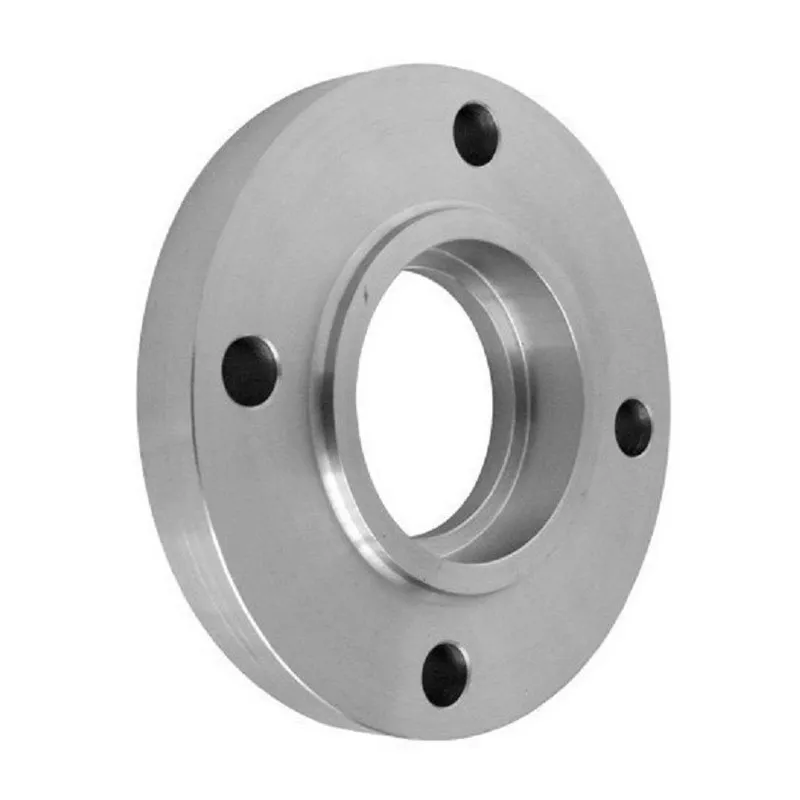
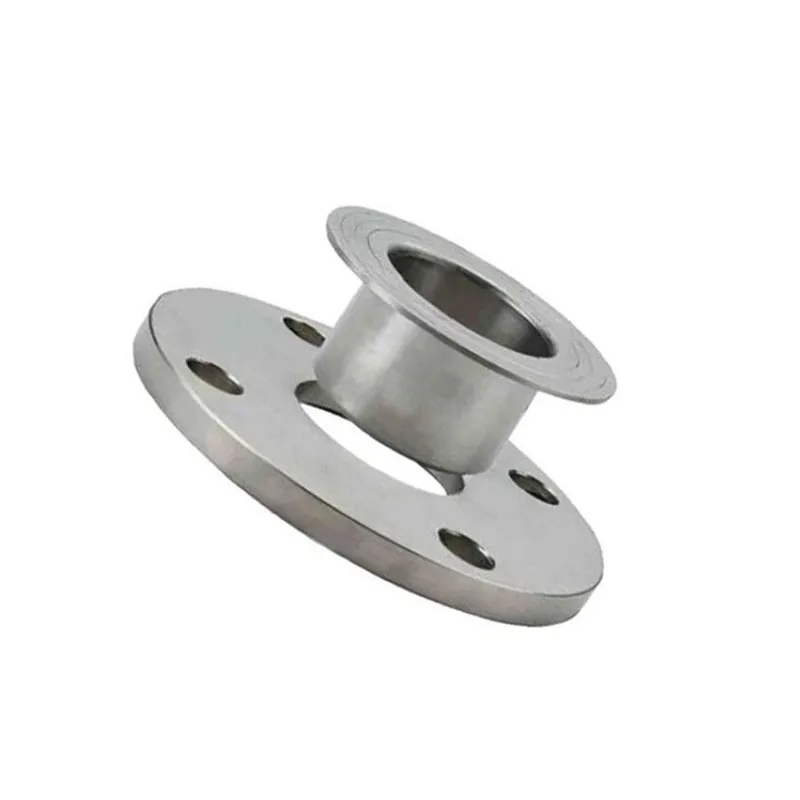
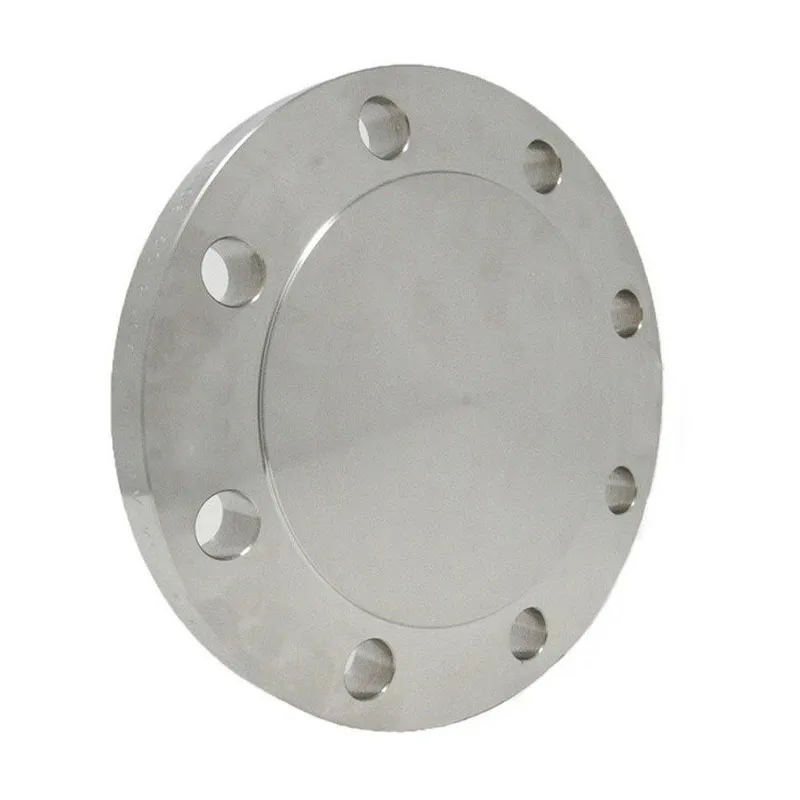
Best Sellingproducts
Best Selling Products-
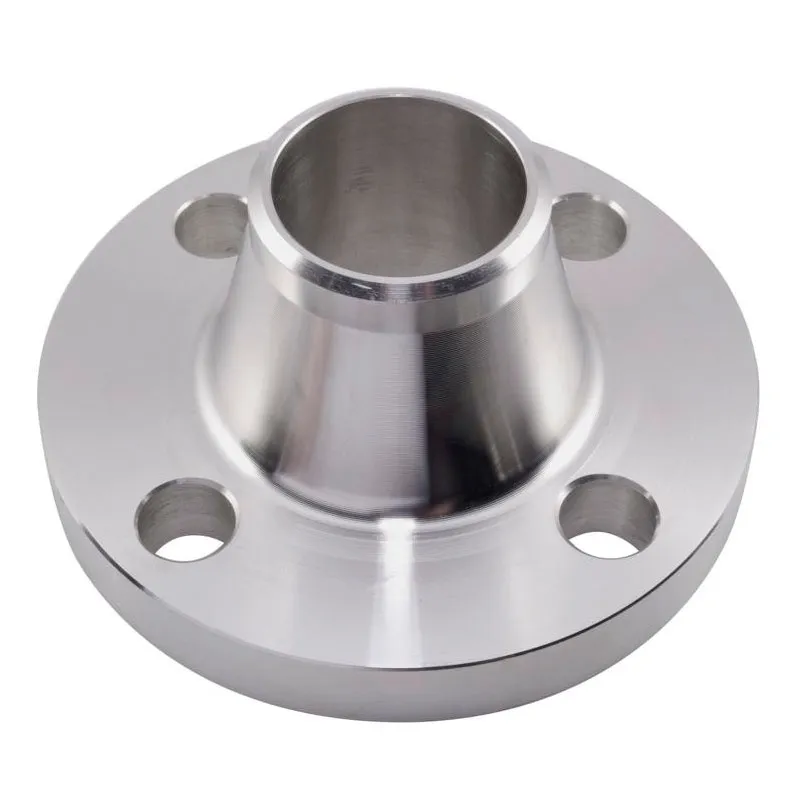 Butt weld flanges Class 900
 -
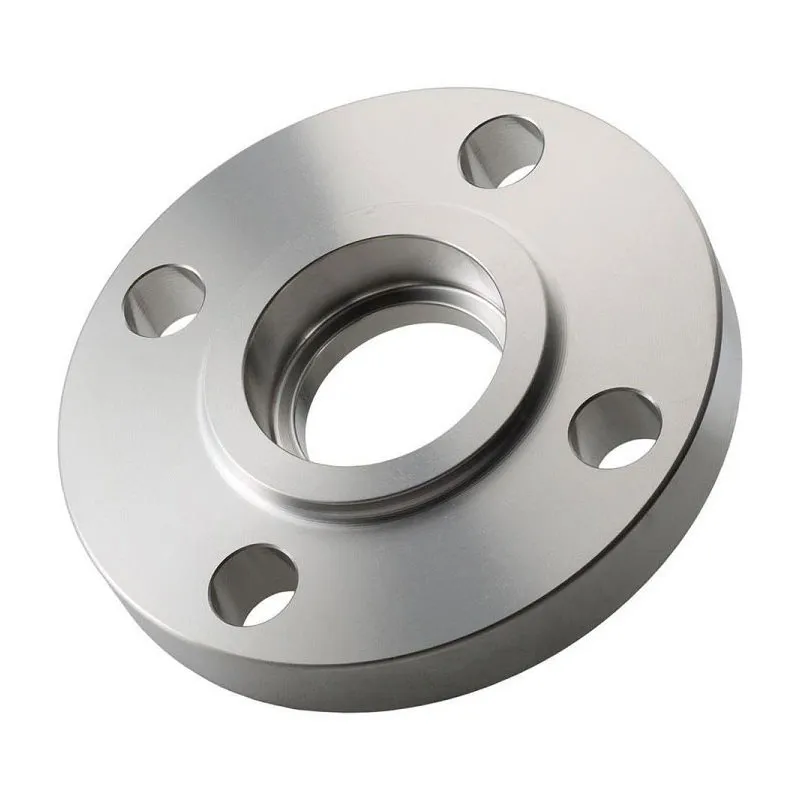 Flanges for socket welding
 -
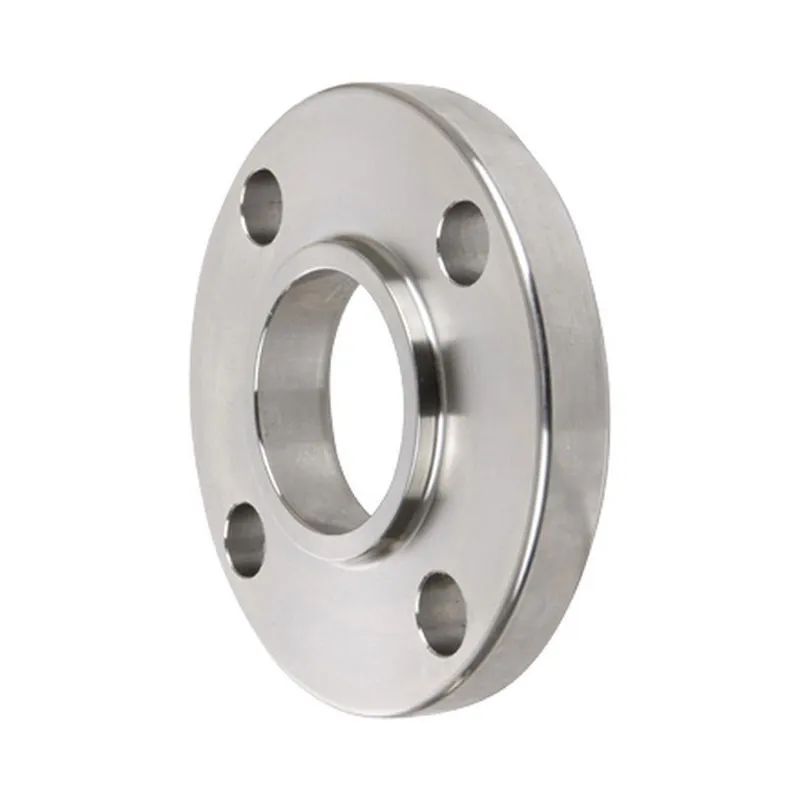 DIN 2501 Overlay flanges PN16
 -
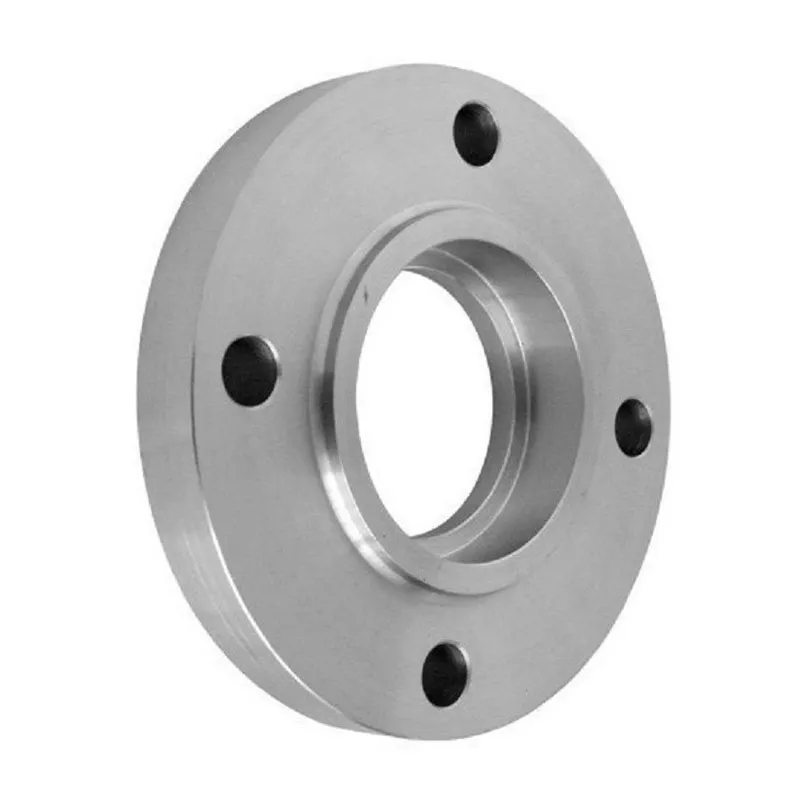 Socket Weld Flanges Class 300
 -
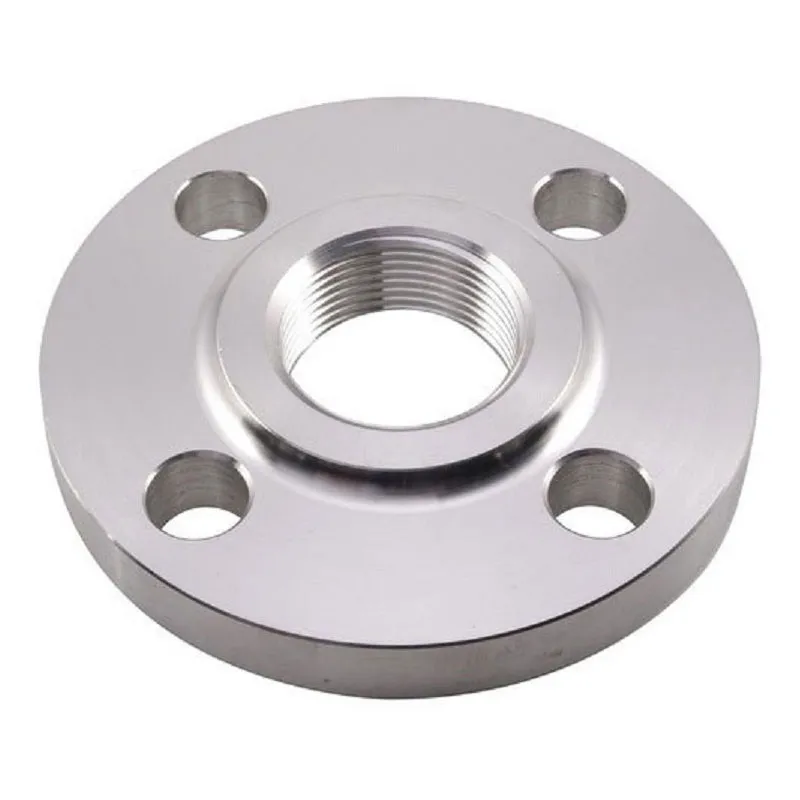 DIN 2565 Threaded flanges PN6
 -
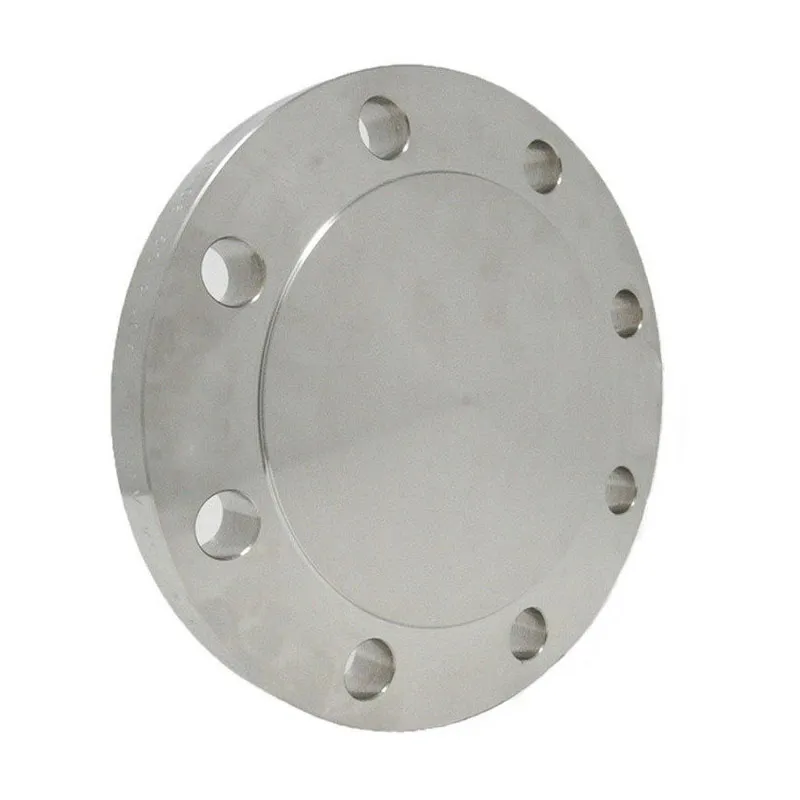 AWWA Blind Flanges Class D (Tables 1, 2, 3)
 -
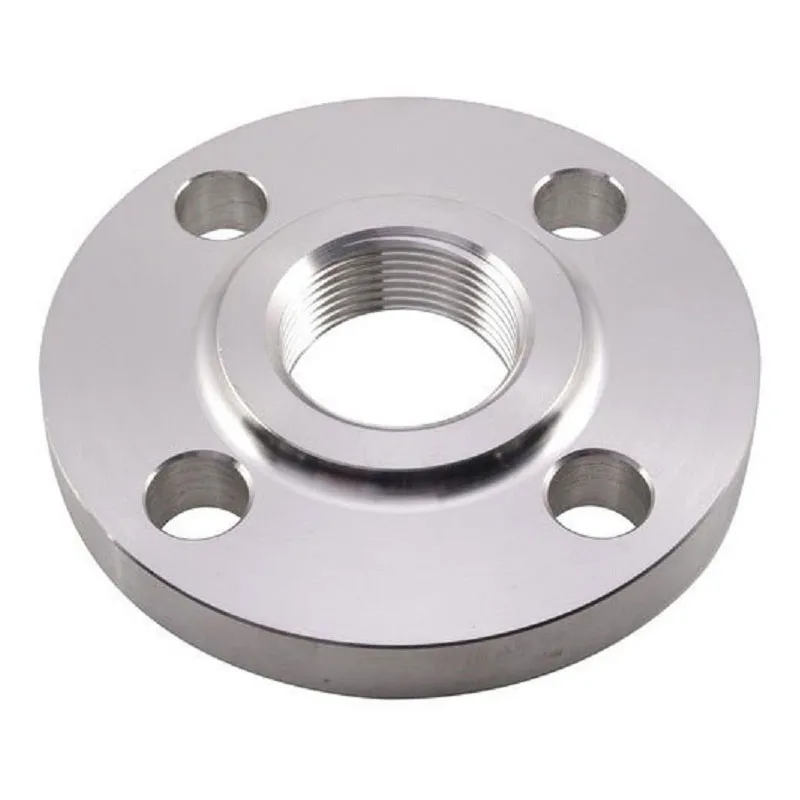 EN 1092-1 Threaded flanges Type 15, PN16
 -
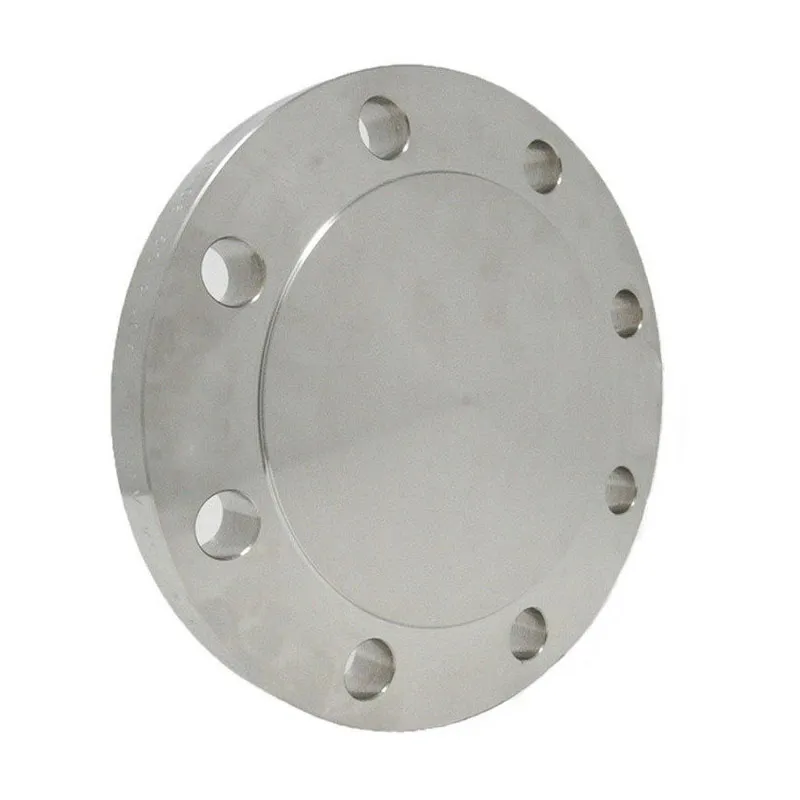 Blind flanges Class 150
 -
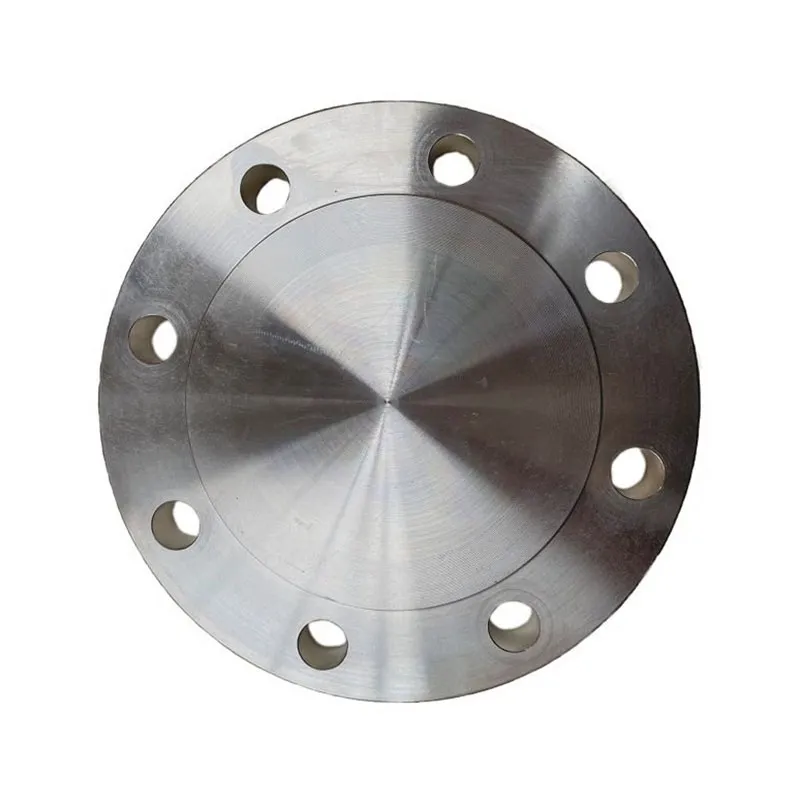 UNI 6092 Blind flanges PN10
 -
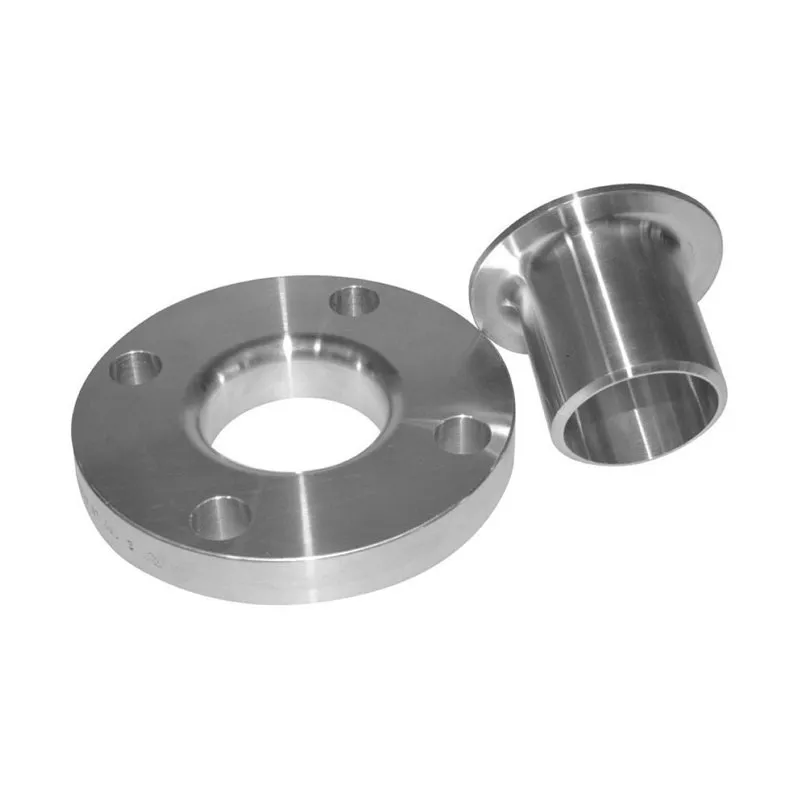 Free ring flanges Class 150
 -
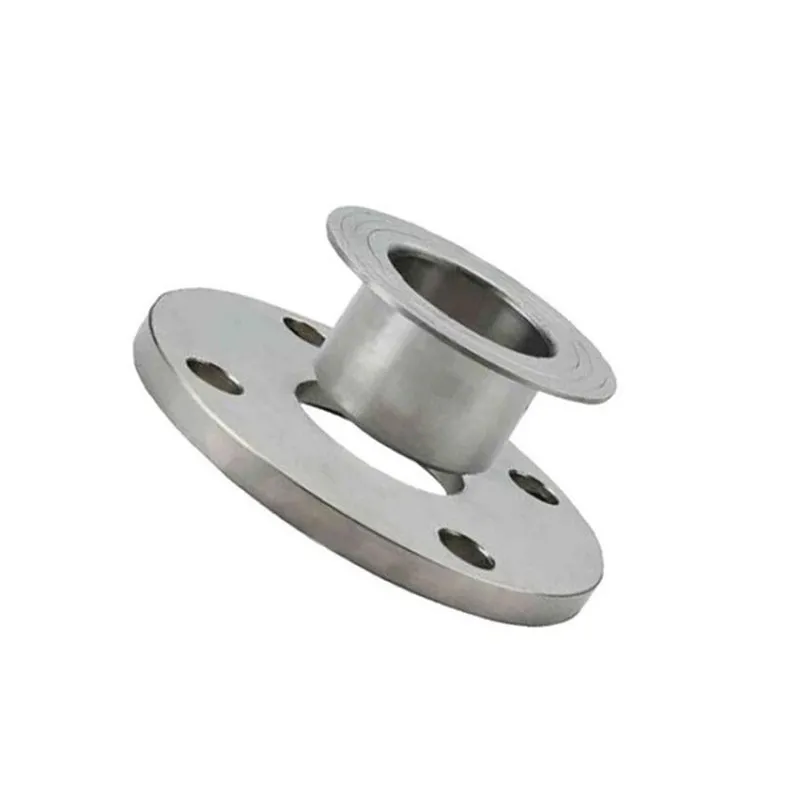 JIS 10K Loose Ring Flanges
 -
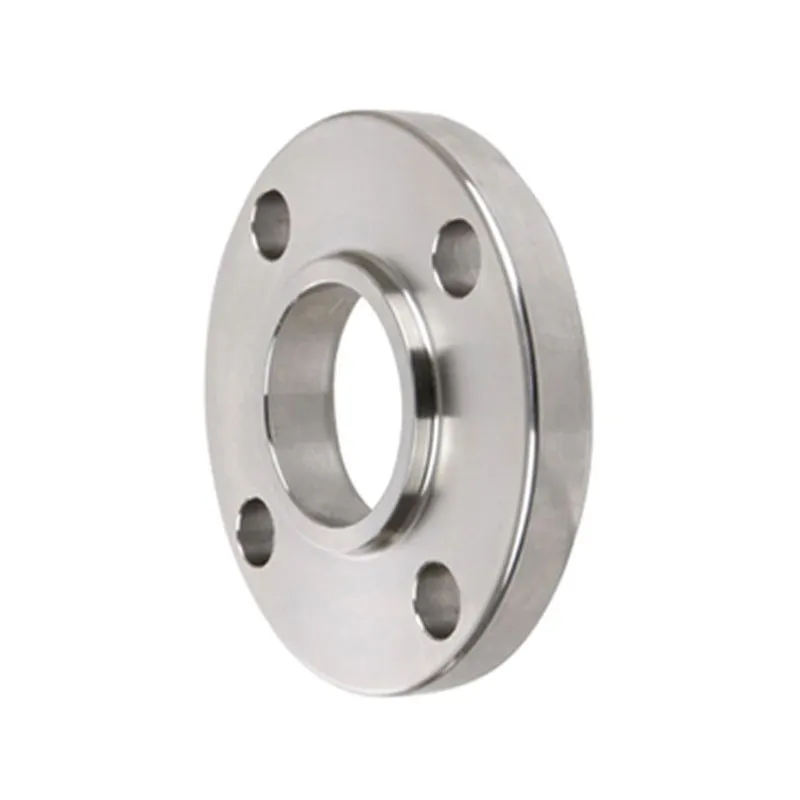 ANSI B16.5 Lap-on flanges Class 300