
-
-
Phone
+86-13623462298



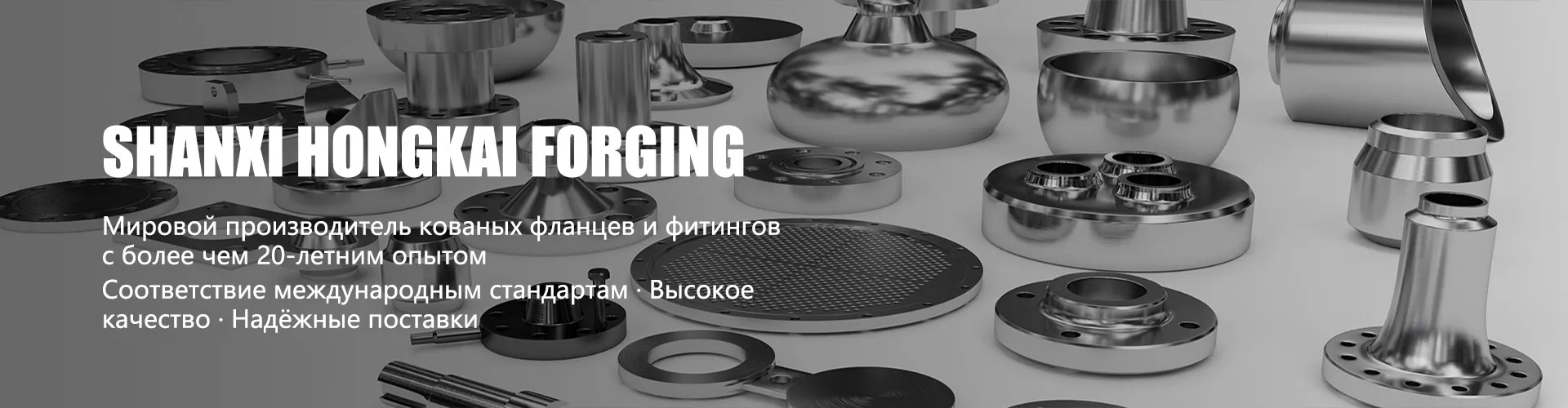
VChSHG flanges
When they talk aboutVChSHG flanges, many people immediately have an image of something heavy, reliable, “cast iron?” in a good way. But here is the main trap - to assume that since the material is ductile iron (high-strength cast iron with nodular graphite), then a flange made from it is automatically suitable for any conditions. In reality, it all comes down to casting, heat treatment and, critically, the geometry of the sealing surface. I myself saw how a site installed ductile iron flanges on a low-pressure steam line, and six months later fistulas appeared - it turned out that the supplier saved on machining, and the surface was with micro-sinks. The sealant didn't help. This is where I’ll probably start.
What is actually hidden behind the abbreviation VChShG
The ductile iron material is not just cast iron. This is an alloy where graphite has a spherical shape, which gives it ductility close to steel, and at the same time retains the casting properties of cast iron. This is key for flanges. They are less susceptible to brittle fracture and work well under cyclic loads. But here is the first nuance: the mechanical properties strongly depend on the chemical composition and annealing mode. If there is too much silicon in the casting or underheating during heat treatment, the flange may behave unpredictably during installation, especially when tightening the studs.
In practice, I often came across flanges from different manufacturers. Some, especially little-known workshops, sin by labeling them as ductile iron according to GOST 7293-85, but in fact the material does not pass impact tests. They just checked it at a facility in Tatarstan - the flanges at the input of the chemical-resistant medium developed cracks not along the body, but in the zone of transition of the hub to the disk. Upon opening, metallography showed a heterogeneous structure of graphite. So a certificate is not everything; sometimes you need to require factory test reports for a specific batch.
By the way, about standards. In addition to GOST, ductile iron flanges according to DIN EN 1092-2 or ASME B16.5 are often searched for. But it’s important not to get confused here: these standards may differ not only in the size range, but also in the tolerances on the thickness of the disk and the diameters of the holes for the studs. For example, the sameflange VChShGaccording to DIN, the radius of the fillet at the transition is often larger, which reduces the stress concentration, but requires checking compatibility with mating flanges made of other materials. Once I had to install adapter washers, because the Chinese flange according to GB and the German flange according to DIN had a discrepancy of 2 mm in the bolt pattern - a trifle, and the installation took a day.
Where and why they are placed, and where it is better not to risk it
Main nicheflanges VChShG- these are water supply pipelines, sewerage pipelines, fire extinguishing systems, and less often - technological lines with non-aggressive media at temperatures up to, conditionally, 300°C. High corrosion resistance to water and neutral media is a plus here. But for high-pressure steam or acids it’s already risky, despite its strength. I remember a project where they tried to save money and put a ductile iron on a weak nitric acid line. After a year, the flanges are “porous” steel, sealing surfaces are corroded. I had to change it to stainless steel.
Another subtle point is working at low temperatures. Ductile iron, unlike ordinary cast iron, retains impact strength down to -20...-30°C, but this is if the material is of high quality. In the conditions of the North, I was faced with the fact that the flanges on external pipelines cracked during the first freeze-thaw cycle. due to residual stresses in the casting. Therefore, for critical low-temperature applications, you need to look not only at the grade of the material, but also at the manufacturer’s cold resistance guarantees. Some suppliers likeShanxi Hongkai Forging Co.,Ltd, the technical data directly indicate the possibility of supplying flanges with additional control of impact strength at subzero temperatures - this is already a serious approach.
Separately, it is worth mentioning about the installation. Ductile iron flanges require careful tightening. Due to their higher modulus of elasticity than gray cast iron, they can withstand loads better, but uneven tightening of the studs can lead to misalignment and, as a result, leakage. It is recommended to use a torque wrench and a star circuit. In practice, especially at old enterprises, they pull “by eye”, and then they wonder why the gasket is pressed only on one side. I have re-tightened such knots myself more than once.
Production nuances: what to look for when choosing
The quality of a ductile iron flange begins with casting. It is optimal if the chill mold method or precision investment casting is used - there is less allowance for machining and higher homogeneity of the structure. Cheap options are often poured into earth molds, which results in greater roughness and possible slag inclusions. Visually, this is sometimes visible on a surface that has not undergone treatment - there are shells or color streaks.
Mechanical processing is the second key step. The treatment of the sealing surface is especially important. It must be clean, free of marks, with the required roughness (usually Ra ≤ 3.2 µm for connection with a soft gasket). A common problem with inexpensive suppliers is the end runout relative to the holes for the studs. Once we checked a batch - the runout was up to 0.5 mm, which is no longer acceptable for a PN16 flange. I had to return it.
Marking and control. On a good flange there is always a marking cast or impact applied: manufacturer's trademark, nominal diameter, pressure, material (for example, VChShG-400 according to GOST 7293), sometimes heat number. Lack of markings is a red flag. CompanyShanxi Hongkai Forging Co.,Ltd, as an experienced manufacturer, usually fully labels its forged and cast products, which simplifies both acceptance and further accounting in the warehouse. By the way, they position themselves as one of the main centers of the forging and pressing industry in China, and this is noticeable in their product range - they make flanges and forgings according to GOST, ASME, EN, DIN and other standards, right down to non-standard products according to drawings. The size range from DN15 to DN4000 is serious, especially for large projects.
Personal experience and unsuccessful attempts
I had a case about five years ago. There was an urgent need to replace the flanges on the process water main. The customer required ductile iron; the budget was limited. We chose a supplier at the lowest price and delivered boxes with flanges. Outwardly - normal. But during installation it began: on some of the flanges, the holes for the studs were shifted by a couple of millimeters; they had to be drilled out on site. For others, the thickness of the disc “varied” within minus 1.5 mm from the nominal value. They installed it with great grief, but there was no confidence in the assembly. Two years later, a leak appeared on one of the flanges, and the entire section had to be cut out. Since then, the principle has been not to chase the lowest price, but to require passports and, if possible, selectively check critical dimensions before installation.
Another incident is related to painting. Some people think that ductile iron flanges can be painted with anything for protection. But if the environment is hot, the poor-quality coating can peel off and clog, for example, shut-off valves. Standard practice is priming with epoxy compounds or, for aggressive environments, coating with zinc silicate. But this is a topic for another discussion.
Overall, to summarize:VChSHG flanges- an excellent solution for its tasks, but the material is not omnipotent. The success of the application depends 70% on the quality of manufacturing and production control, 20% on proper installation, and only 10% on the correct choice of standard and nominal pressure. Now there are many players on the market, including such reputable ones as the one mentionedShanxi Hongkai Forging Co.,Ltd, who produce flanges in accordance with international standards. At least there is a dialogue with them on technical conditions and you can request additional tests. And in our conditions this is already half the battle.
Instead of a conclusion: some practical advice
When ordering, always check whether we are talking about cast ductile iron flanges. Sometimes under this brand they may offer flanges made of 20L steel, which have different properties and price. Check the supplier’s drawing with yours, pay attention to the type of sealing surface (protrusion-recess, tongue-groove, smooth).
Do not hesitate to request the results of mechanical tests for the batch, especially if we are talking about critical objects. A self-respecting manufacturer likeShanxi Hongkai Forging Co.,Ltd, which specializes in forged flanges and forgings, typically has and provides such protocols.
And most importantly, take into account experience, but do not be afraid to apply new solutions. The sameVChSHG flangesfrom a trusted supplier, manufactured with a full cycle of control, can last for decades without problems, saving both money and time on repairs. You just need to approach the choice not as buying hardware, but as choosing a critical element of the system. Everything else is just details.
Correspondingproducts
Related Products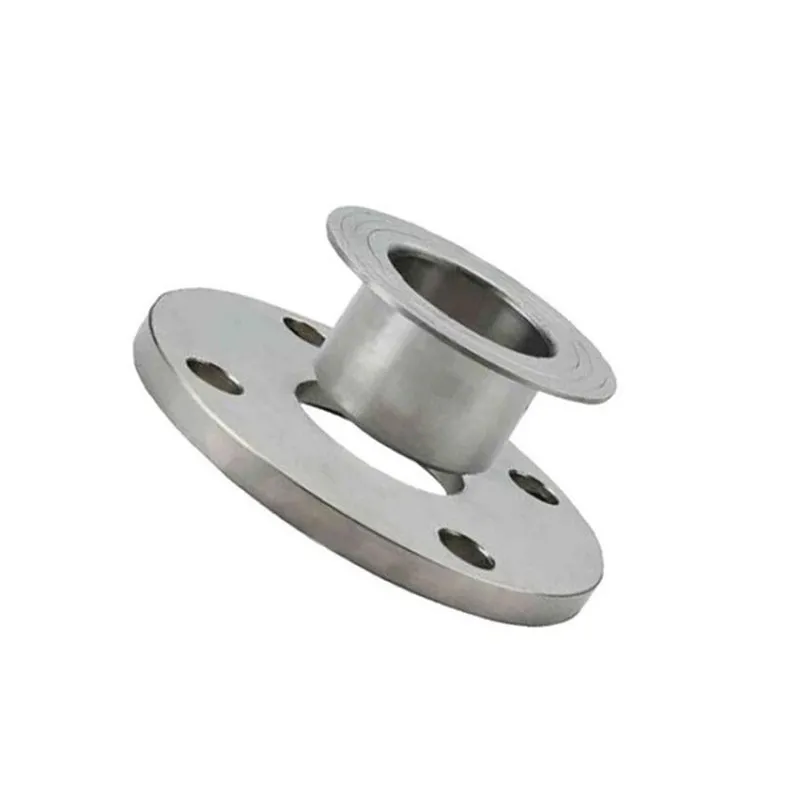
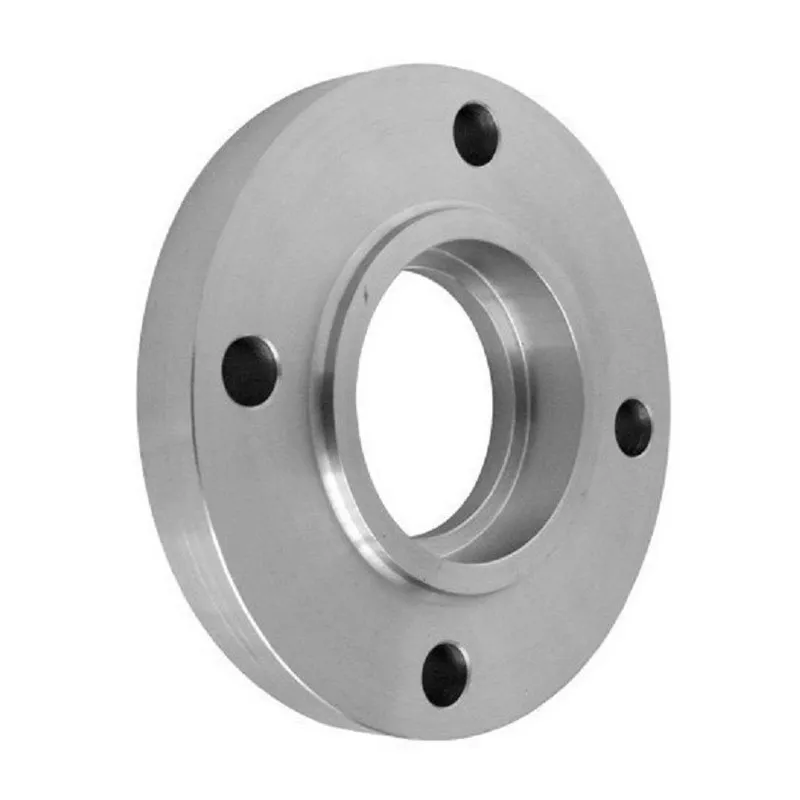
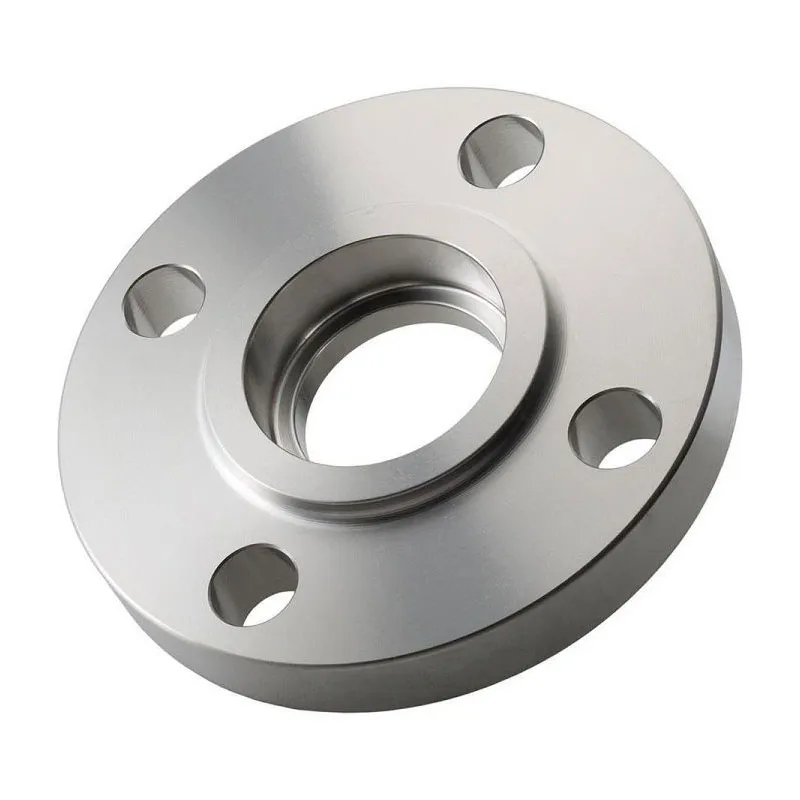
Best Sellingproducts
Best Selling Products-
 UNI 6092 Blind flanges PN10
 -
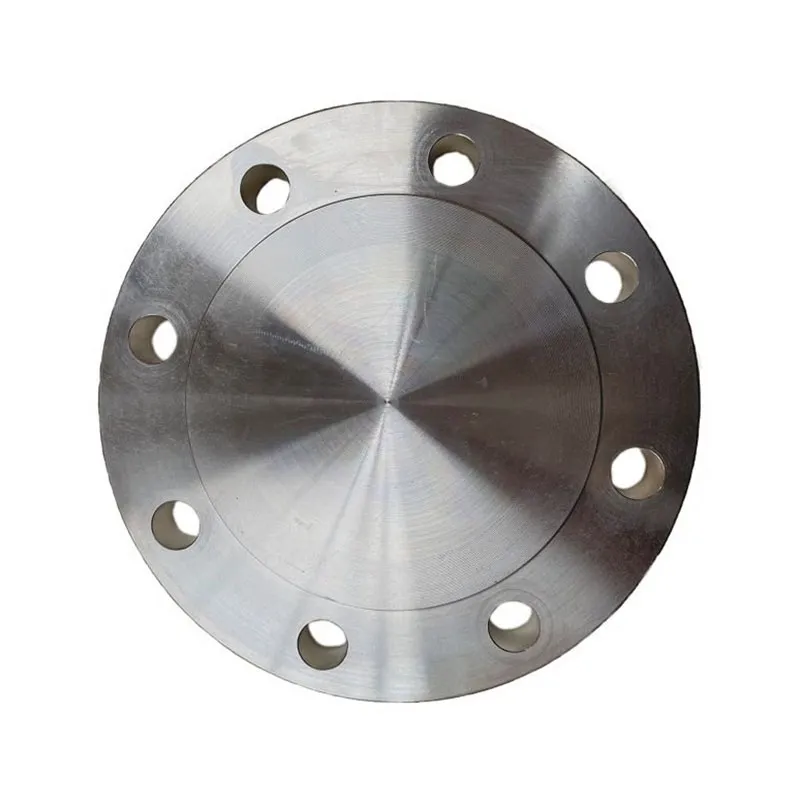 ASME B16.47 Ser.A Blind Flanges Class 400
 -
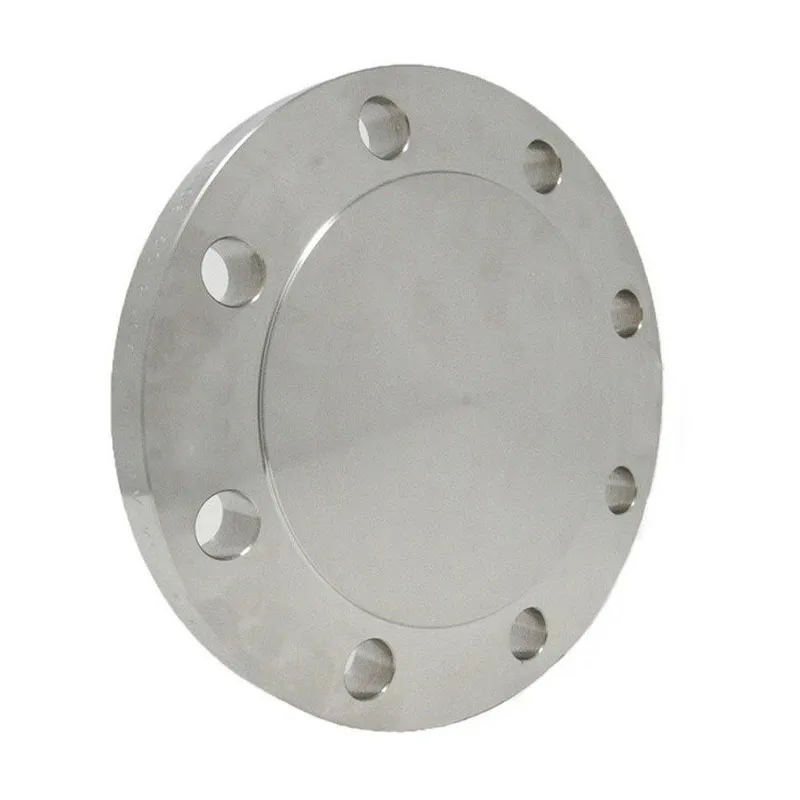 EN 1092-1 Blind flanges Type 05, PN10
 -
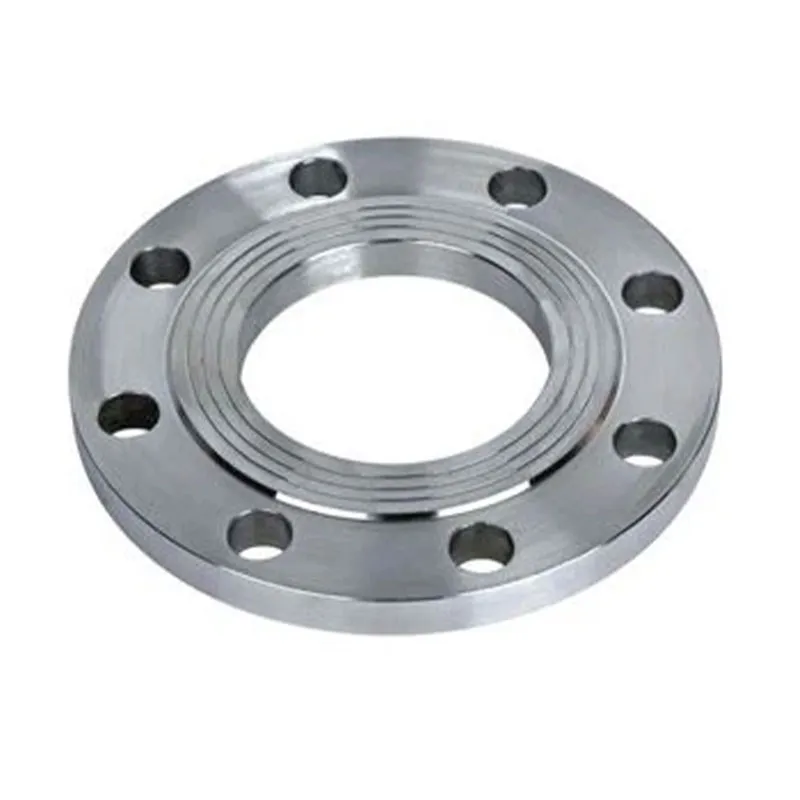 Butt weld flanges Class 150
 -
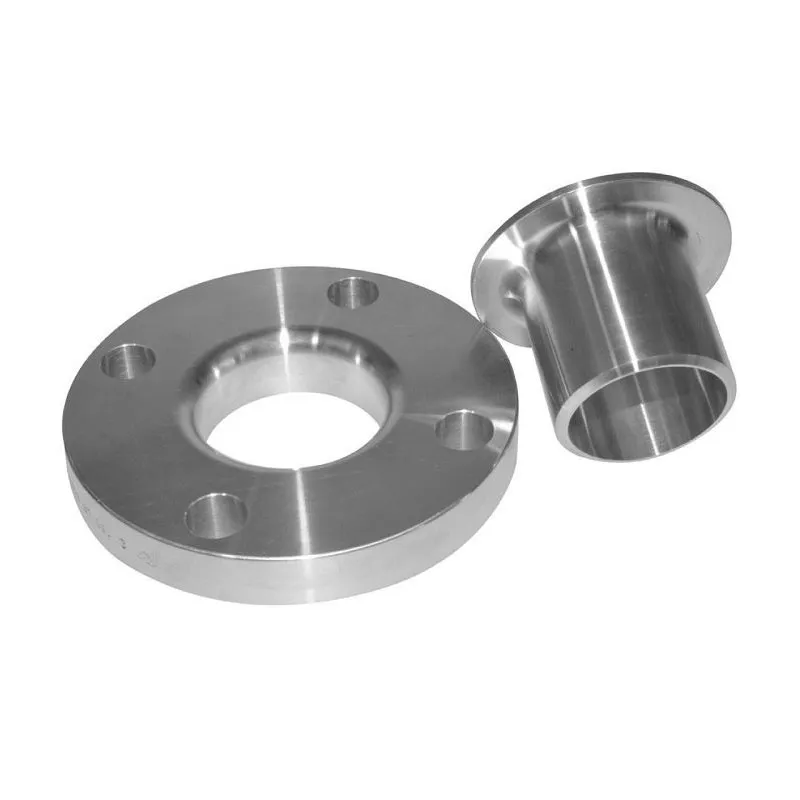 ANSI B16.5 Loose Ring Flanges Class 2500
 -
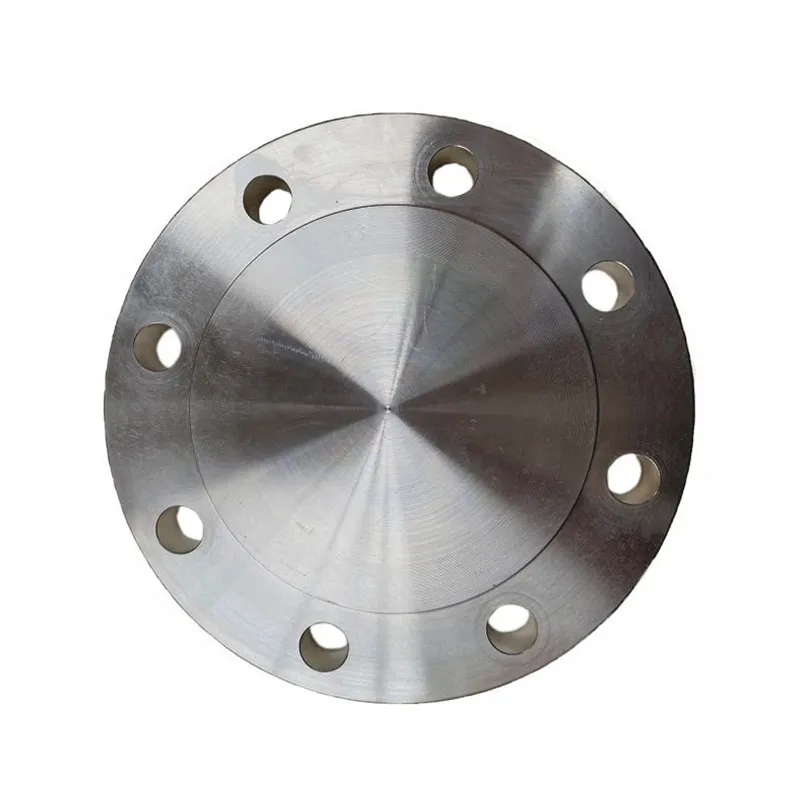 DIN 2527 Blind flanges PN10
 -
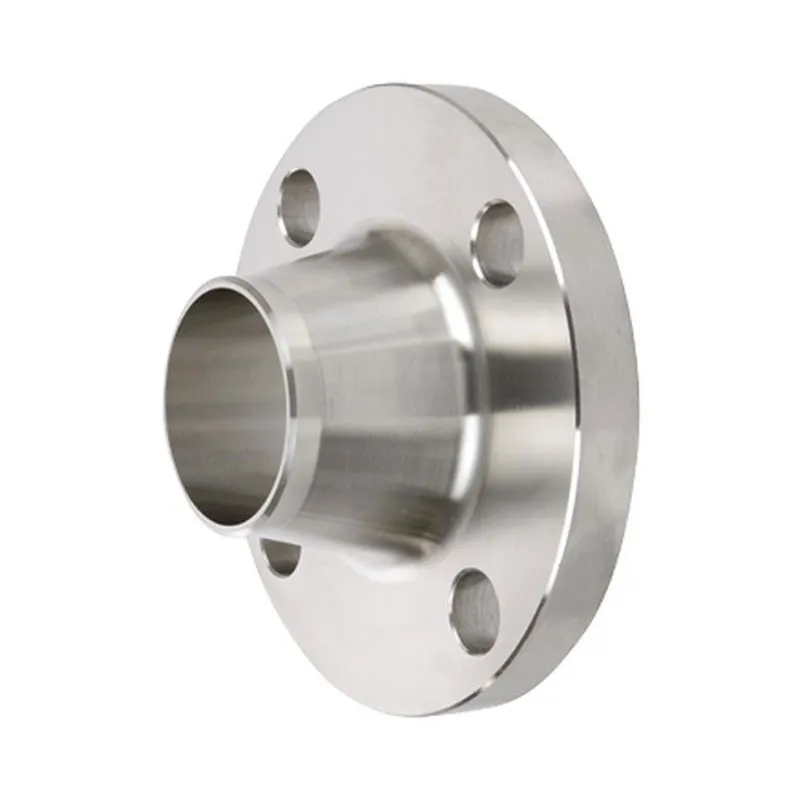 Ser.A Butt Weld Flanges Class 400
 -
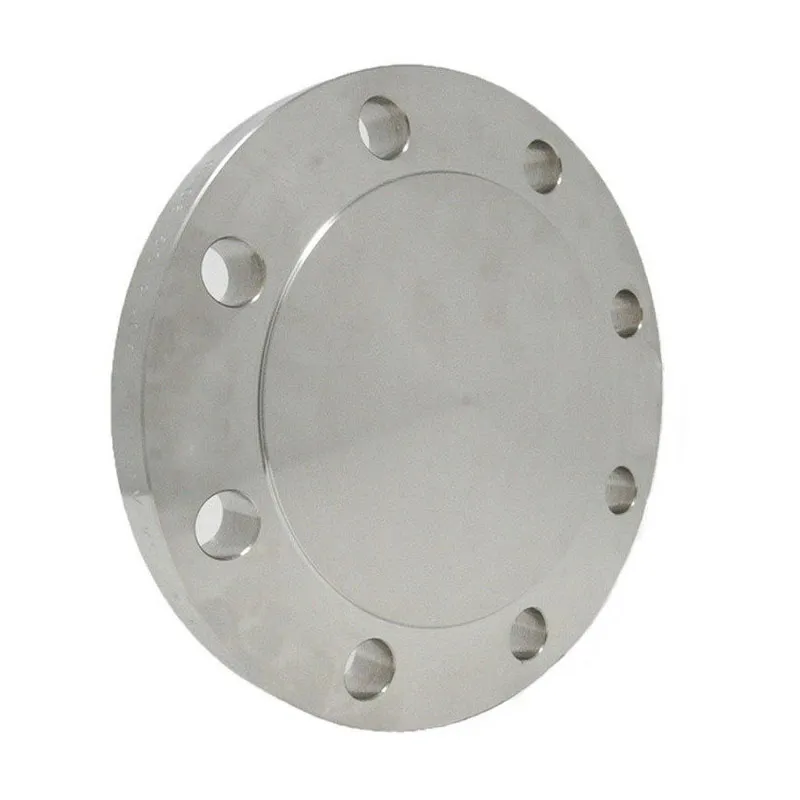 Blind flanges Class 150
 -
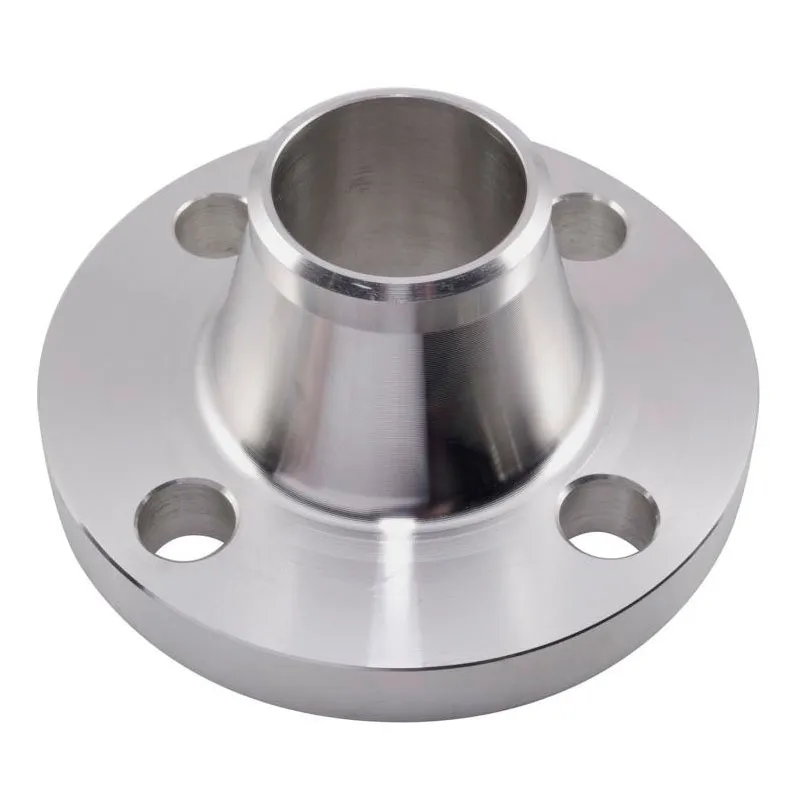 DIN Butt weld flanges PN10
 -
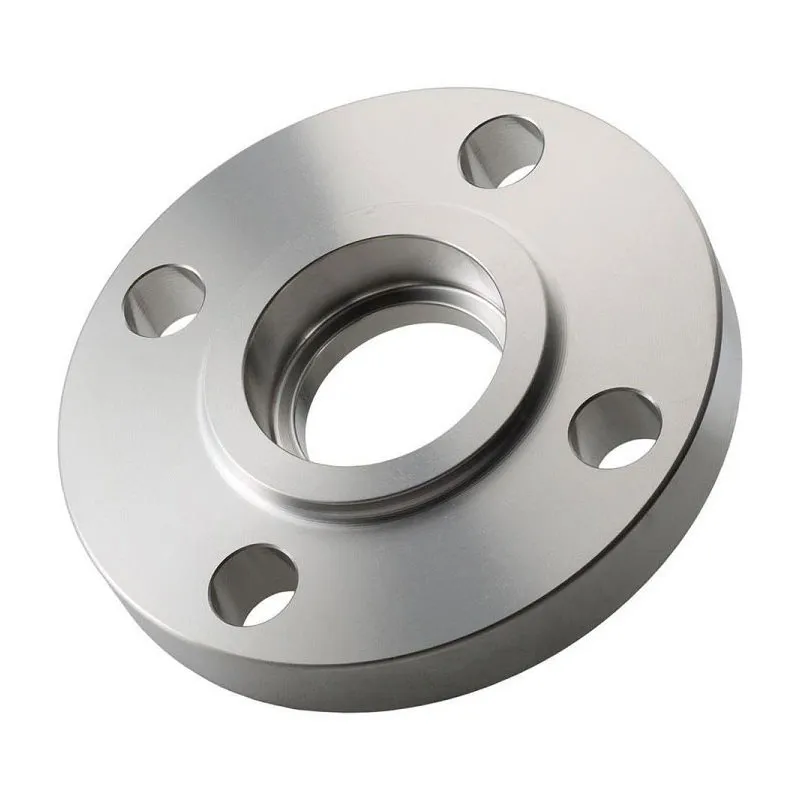 Flanges for socket welding
 -
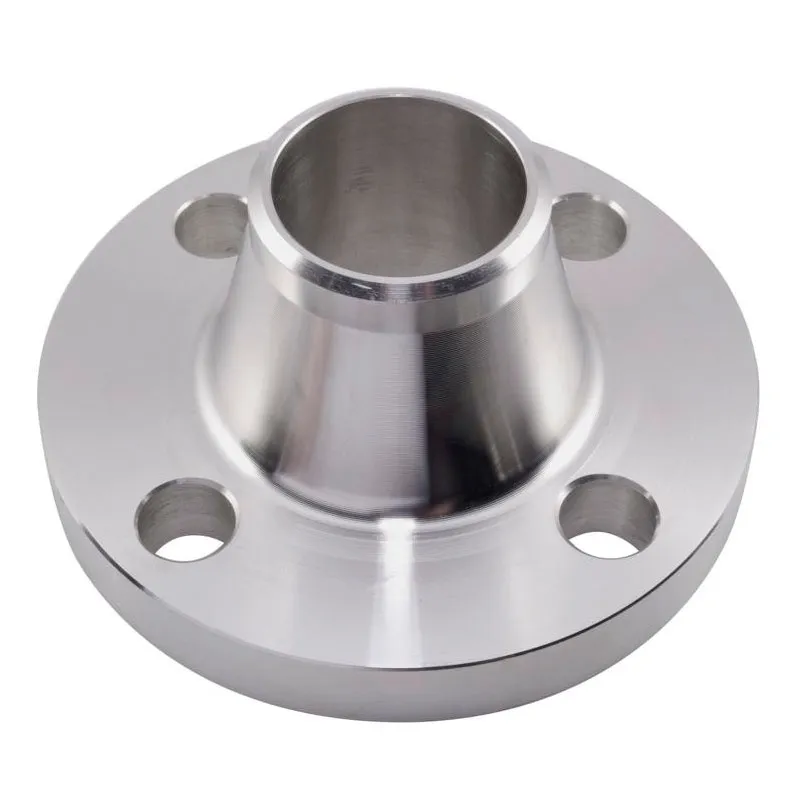 Butt weld flanges Class 900
 -
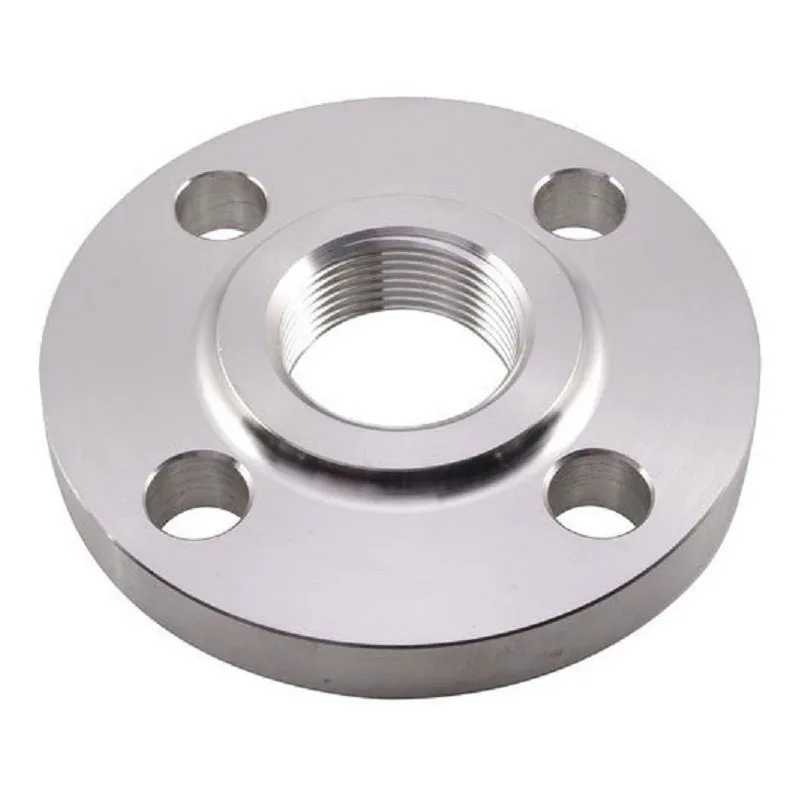 ANSI B16.5 Threaded Flanges Class 600