
-
-
Phone
+86-13623462298



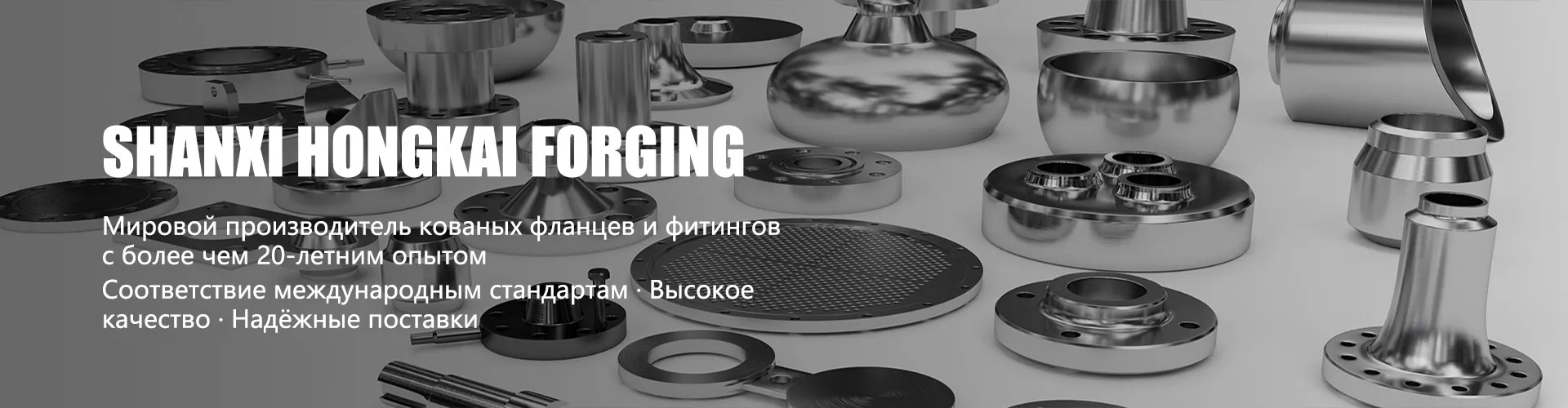
steel collar flanges 16
When you see “steel collar flanges 16” in the specification, the first thing that comes to mind is, of course, steel 20 or 09G2S, right? But here often lies the first pitfall. Many people, especially those who are just starting to work with medium pressure pipelines, think that ?16? - this is exclusively about PN16 pressure. And they order based only on this parameter. And then at the site it turns out that a flange was needed not just for 16 atmospheres, but for a specific ambient temperature or with a certain type of sealing surface. We had a case at one thermal power plant, when they brought a batch of supposedly suitable flanges, but the material did not withstand cyclic heating to 300°C - microcracks appeared along the neck. I had to urgently look for a replacement. Therefore it is ?16? - often only the starting point for a whole chain of questions: what grade of steel, what manufacturing standard, for what type of connection.
Understanding the basics: not only PN
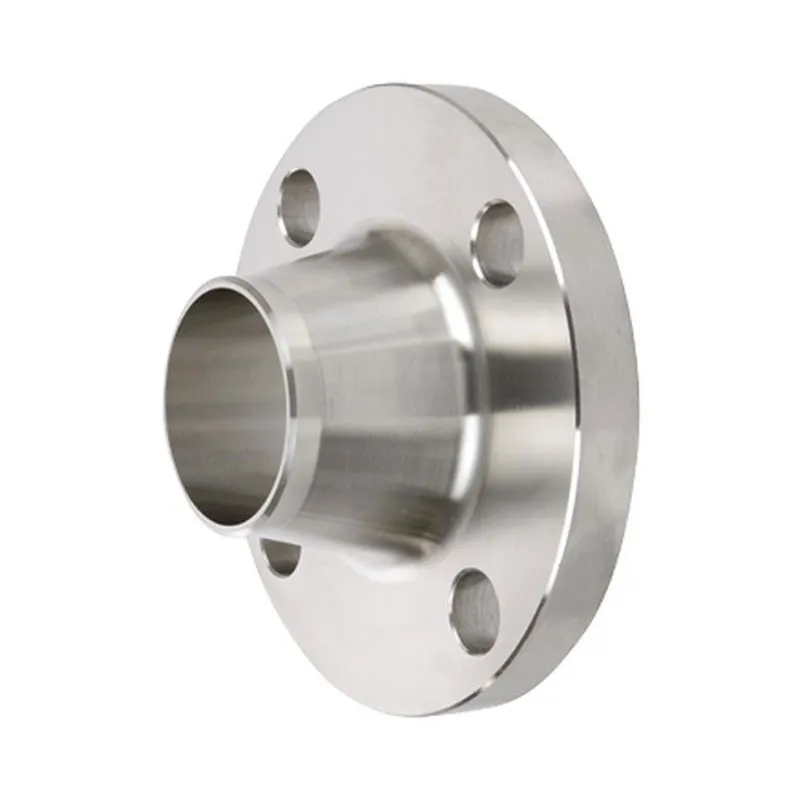
Let's go in order.Steel collar flanges- this is, in fact, the basis for detachable connections in critical areas. The key word is “collar”. This protrusion-collar (neck) allows for high-quality welding of the flange to the pipe, ensuring a smooth transition and reducing stress concentration. When they say “16?”, they most often mean the conditional pressure PN16 (16 bar). But here’s what’s important: according to GOST (which we often take as a basis), a PN16 flange can be designed for different temperature ranges depending on the steel grade. For steel 20, for example, this is up to +425°C, and for 09G2S it has its own nuances regarding sub-zero temperatures.
In practice, there is often confusion between standards. The customer can simply send a request for “flanges 16”, but the project actually includes ASME B16.5 Class 150. And this is not the same thing with PN16! Tolerances, dimensions, thickness - everything is different. Once we almost shipped a batch according to the Russian standard for an American project, it’s good that the cost estimate engineer dug deeper into the drawings in time and saw these ASMEs. Now we always clarify: “Sixteen is by what standard?”
And one more thing about the material. ?Steel? - that's too broad. Forsteel collar flangesin aggressive environments, alloy steel type 12Х18Н10Т or even coated may be required. But for most water and steam systems up to +400°C, high-quality carbon steel 20 is sufficient. It all depends on the technological map of the environment. On the websiteShanxi Hongkai Forging Co.,Ltd (https://www.hkflange.ru) I noticed that they clearly indicate compliance with standards - GOST, ASME, EN. This is a good sign when a manufacturer immediately shows its focus on different markets and its understanding of this difference.
Installation experience and common mistakes
Now from theory to practice, which you will not find in any textbook. The most pressing issue is welding. It would seem that I welded the collar flange to the pipe - and the job was done. But no. If the gap between the end of the pipe and the inner surface of the flange is not maintained, problems with tightness may arise. Especially with temperature expansions. We always recommend that welders first make tack welds at four points, check alignment, and then make the main weld. And definitely - multi-layered, with forging of each layer (if possible).
The second mistake is the selection of fasteners. Understeel collar flanges 16They often put in random bolts and nuts. But the load is serious. You need to look at the standard: for flange connections, bolts of a strength class of at least 5.6 are usually recommended, and for critical ones - 8.8. And washers are a must! Otherwise, when tightening, you may strip the threads or get an uneven seal. I remember that during the installation of a low-pressure gas pipeline (right around 16 bar), the acceptance team rejected the connections precisely because of the bolts - they were “black”, without markings. I had to go through everything.
And the third thing is compaction. Paronite gasket is a classic. But its thickness and inner/outer diameter must exactly match the flange surface. It happens that they put a gasket “about the same”, but when tightened, it either comes out inside, blocking the flow, or does not block the entire groove. The result is a leak at the very first tests. Forsteel collar flangesunder PN16 a 2-3 mm spacer is usually used. But again, look at the drawing. From the same manufacturerShanxi Hongkai Forging Co.,LtdThe nomenclature specifies flanges with different types of sealing surfaces (for example, lip-valley, tongue-groove), and each type has its own gasket. This is about the issue of attentiveness.
Case study and work with suppliers
I want to tell you about one of our projects, which featuredsteel collar flanges 16. It was necessary to replace a section of the hot water pipeline in the boiler room. Temperature - about 130°C, pressure - 12 bar, plus vibration from pumps. We ordered flanges according to GOST 33259, steel 20. They were installed. Six months later I got a call: on one of the flanges there was a very thin crack along the neck, barely noticeable. Let's figure it out. It turned out that in this place there was a sharp temperature drop due to improper operation of the valve - constant local overheating. Steel 20 did not cope with thermal cycling. Conclusion? The pressure was normal, but the factor of low-cycle fatigue from frequent temperature surges was not taken into account. I had to change it to flanges made of 13HFA steel, which is more resistant to such changes. More expensive, but more reliable.
This incident taught us to always request from the supplier not only a certificate of conformity, but also mechanical test reports, especially impact strength at operating temperature. Now many normal manufacturers, includingShanxi Hongkai Forging Co.,Ltd, which is positioned as a manufacturer of forged flanges and forgings in one of the main centers of the forging industry in China, provides such documents upon request. Forging, by the way, gives a better fine-grained metal structure compared to casting or cutting from sheet metal - higher resistance to dynamic loads.
When choosing a supplier, we now look at more than just the price per piece. The complete package is important: compliance with standards (GOST, ASME, EN), availability of a full range of sizes (the mentioned manufacturer, for example, states DN15–DN4000, which indicates the possibility of making non-standard products), manufacturing technology (hot stamping is preferable), and of course, packaging. It’s trite but true: flanges must arrive primed and individually packaged to protect the sealing surface from corrosion and chipping during transportation. It's a small thing, but it saves time on cleaning before installation.
Non-standard situations and pitfalls
Sometimes projects contain non-standard solutions. Let's say we need to putsteel collar flangesonto an existing pipe, but with a non-standard wall thickness. Or a flange with a transition to a different diameter or standard is required. There are two ways: look for a ready-made solution from manufacturers who work according to customer drawings, or try to adapt a standard one. The first way is usually more reliable. On the same website hkflange.ru it is directly stated that the company manufactures non-standard products according to drawings. This is an important option.
Another stumbling block is the anti-corrosion coating. For external piping or operation in aggressive atmospheric conditions, flanges often require additional protection. Galvanized, hot-dipped or galvanized? Painting? Here you need to look at compatibility with gaskets and media. For example, zinc coating may not withstand high temperatures. And the paint on the welded neck will simply burn off during welding. Therefore, an already mounted assembly is often protected, but then the fasteners also need to be covered. There are no small details.
One last thing that is rarely talked about is labeling. A high-quality flange must have clear, indelible markings: the manufacturer’s trademark (or its symbol), steel grade, nominal pressure (PN), nominal bore (DN), and sometimes heat or batch number. This is not just a formality. When investigating any incident or simply for traceability in a quality system, this information is invaluable. When you see a clear imprint on a product, rather than numbers written in paint, it inspires confidence.
Instead of a conclusion: simple selection rules
So, to summarize my experience withsteel collar flanges 16, then you can derive several simple but working rules. First, always spell out ?16?. Pressure, standard, material - three pillars. Secondly, do not skimp on the little things: fasteners, gaskets, proper welding. The flange may be perfect, but the connection will leak due to the nut. Third, ask for documents. The certificate and test reports are your insurance.
Working with trusted manufacturers who specialize specifically in forged flanges, such asShanxi Hongkai Forging Co.,Ltd, often removes many questions. Their experience with international standards (GOST, ASME, EN, DIN) means that they encounter and understand different technical requirements. And the ability to manufacture according to a drawing is a direct solution for non-standard tasks.
Ultimately, choosing a flange is more than just purchasing hardware. This is the selection of an element that must work in the system for decades, often without the possibility of quick access and repair. Therefore, here it is better to be on the safe side, clarify all the parameters of the environment and installation ten times, and only then make a decision. And then it's ?16? in the specification will no longer be just a number, but will become a clear and manageable characteristic of a reliable unit.
Correspondingproducts
Related Products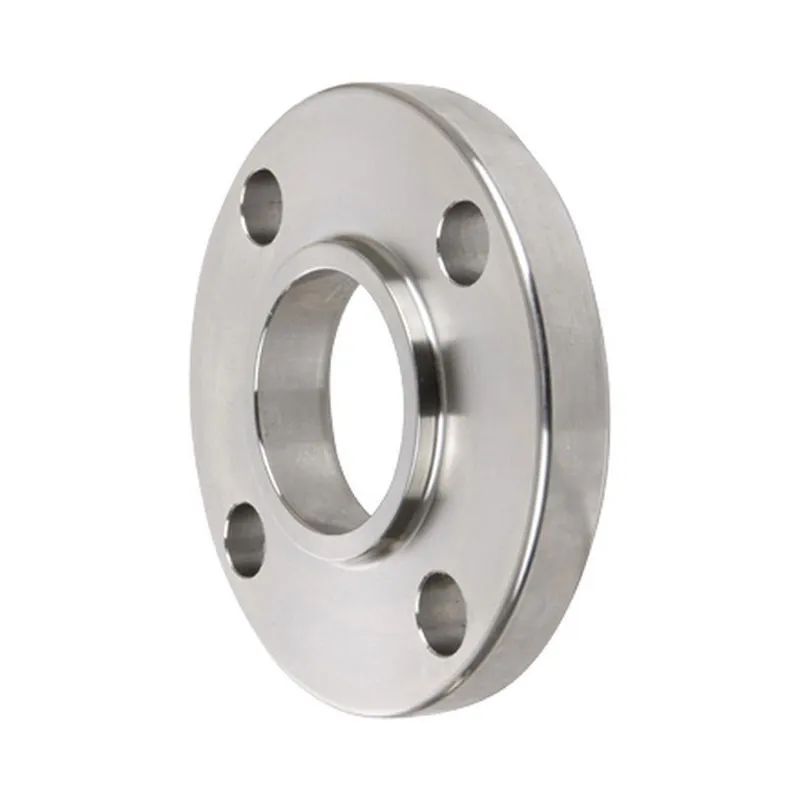
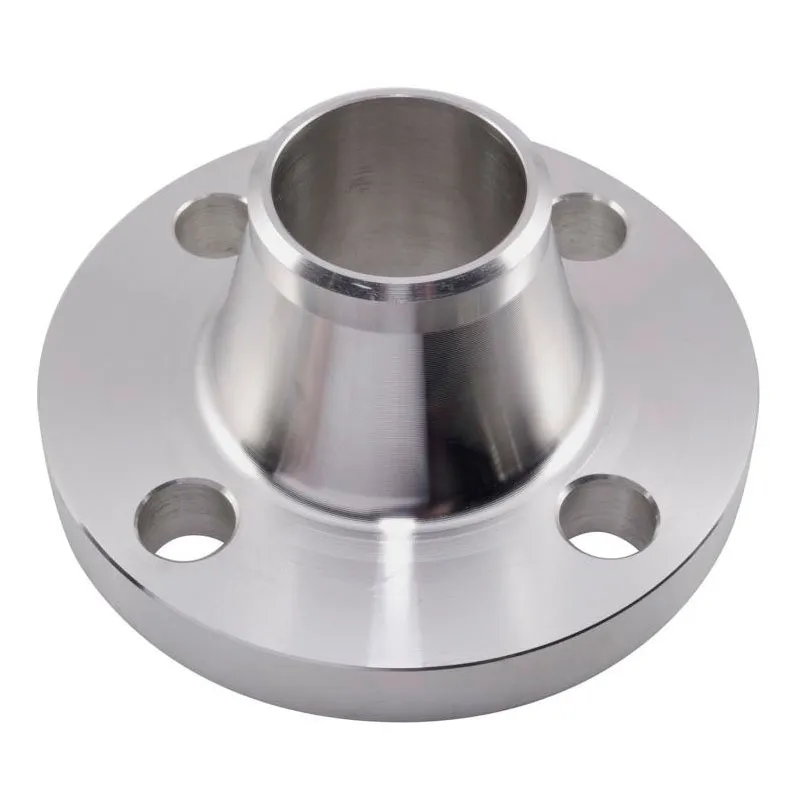
Best Sellingproducts
Best Selling Products-
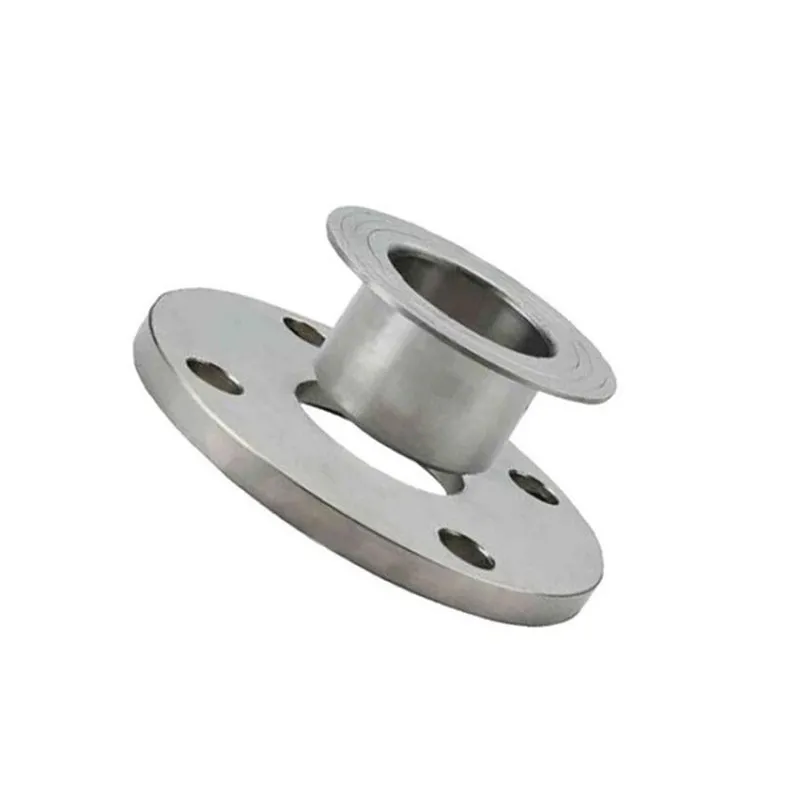 JIS 10K Loose Ring Flanges
 -
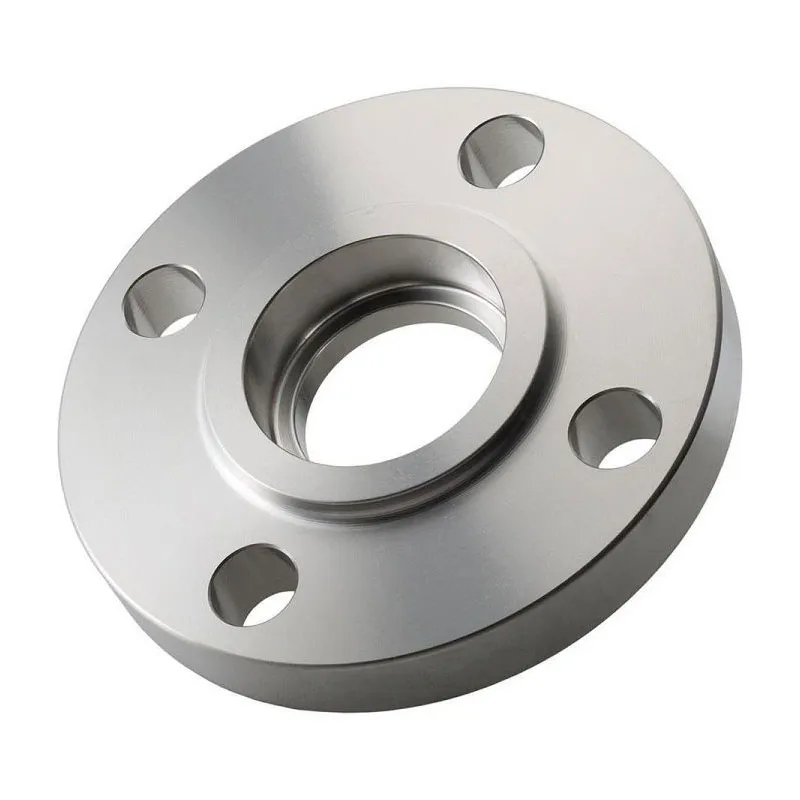 ANSI B16.5 Socket Weld Flanges Class 1500
 -
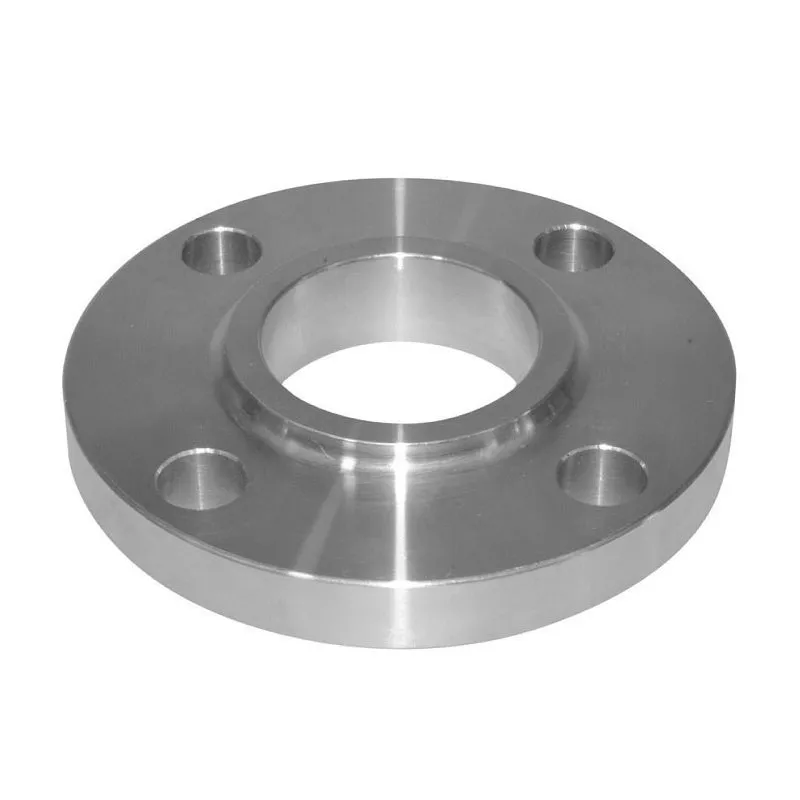 ANSI B16.5 Lap-on flanges Class 1500
 -
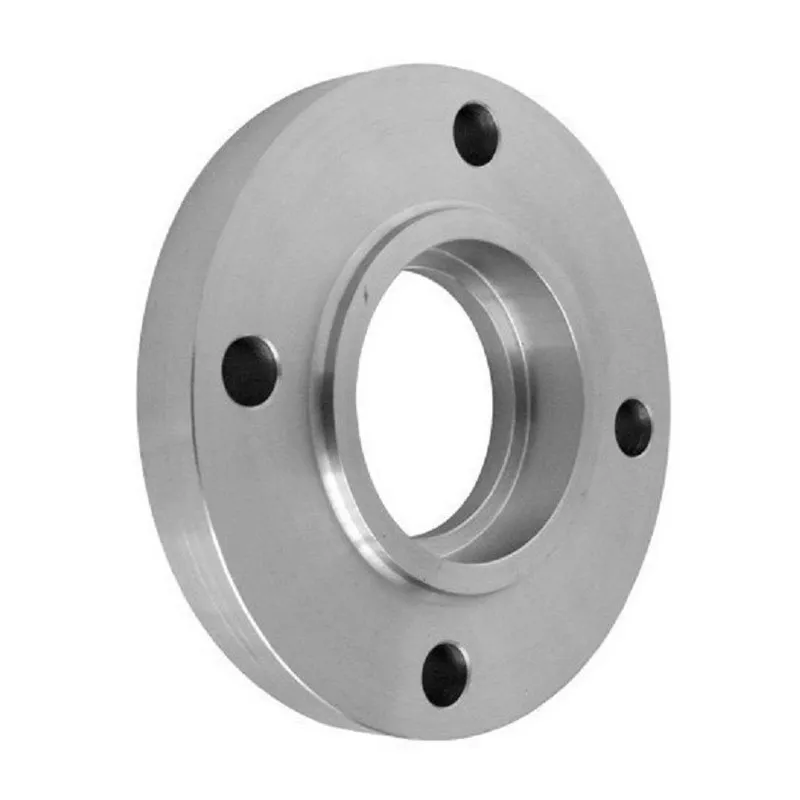 JIS 5K Socket Weld Flanges
 -
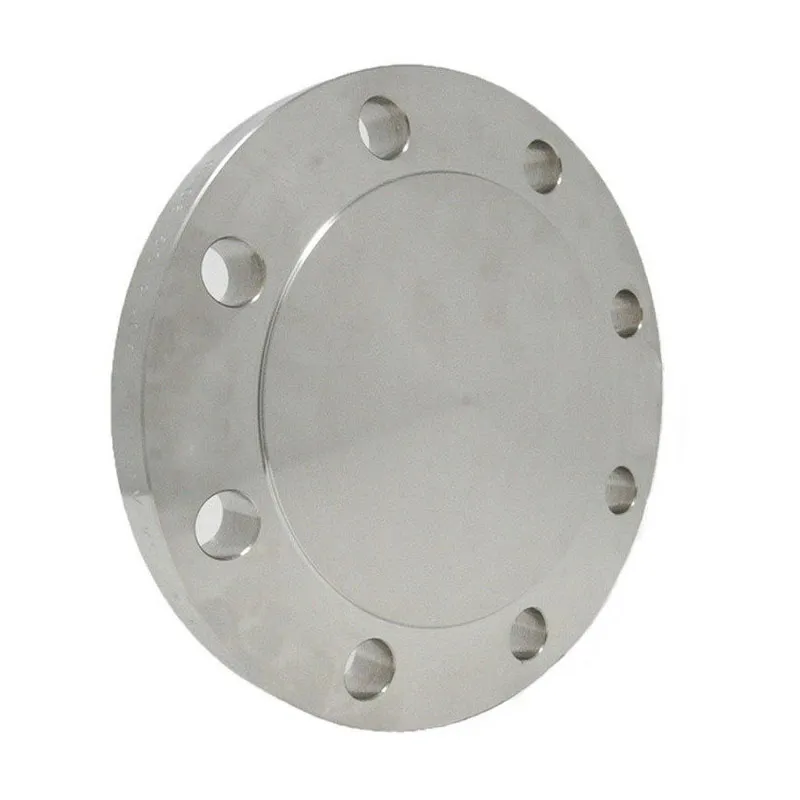
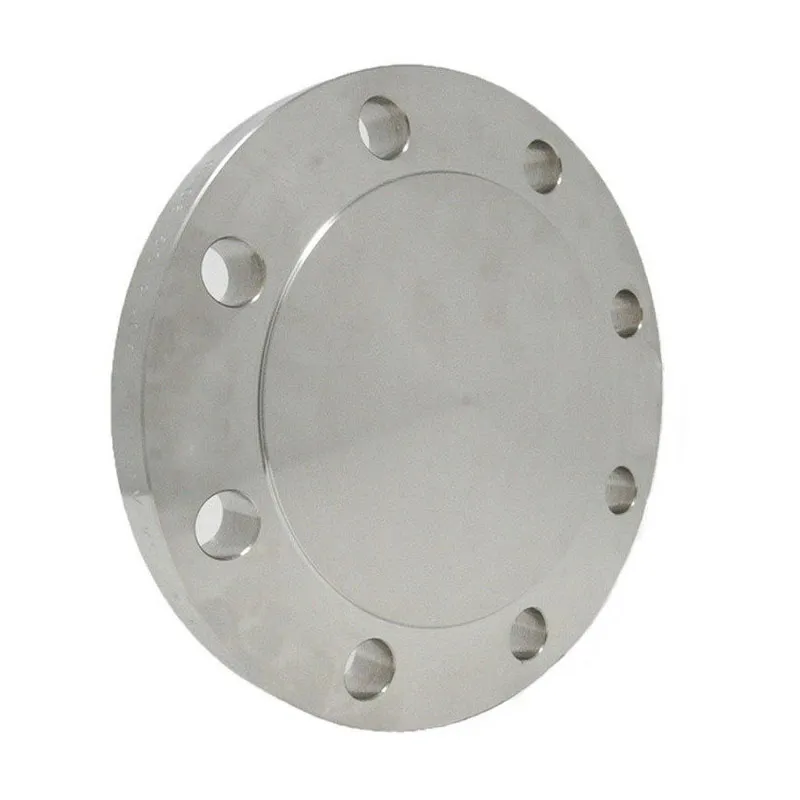 Blind flanges Class 150
 -
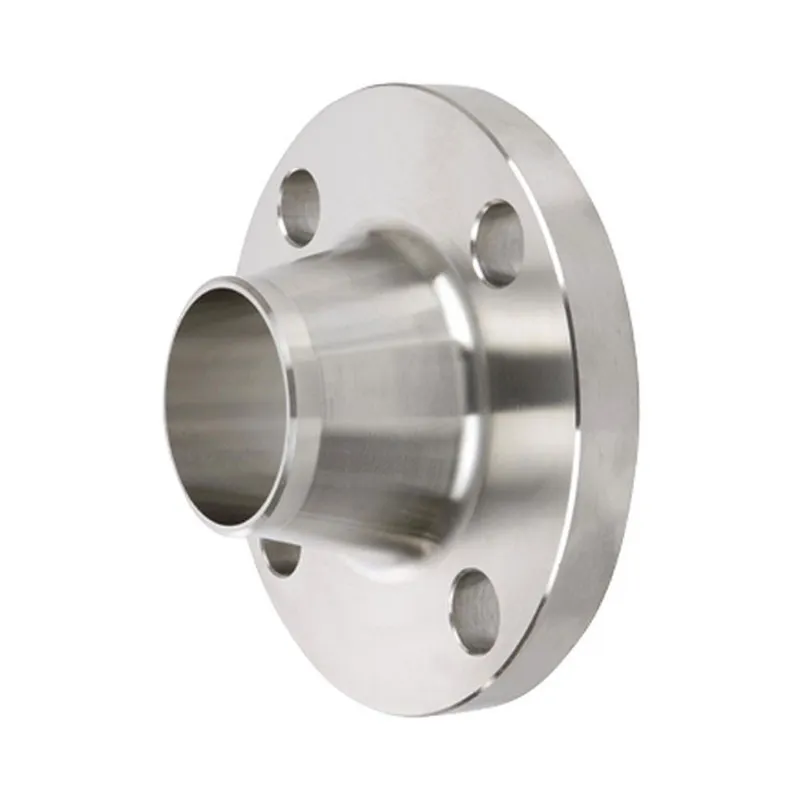 EN 1092-1 Butt weld flanges Type 11, PN25
 -
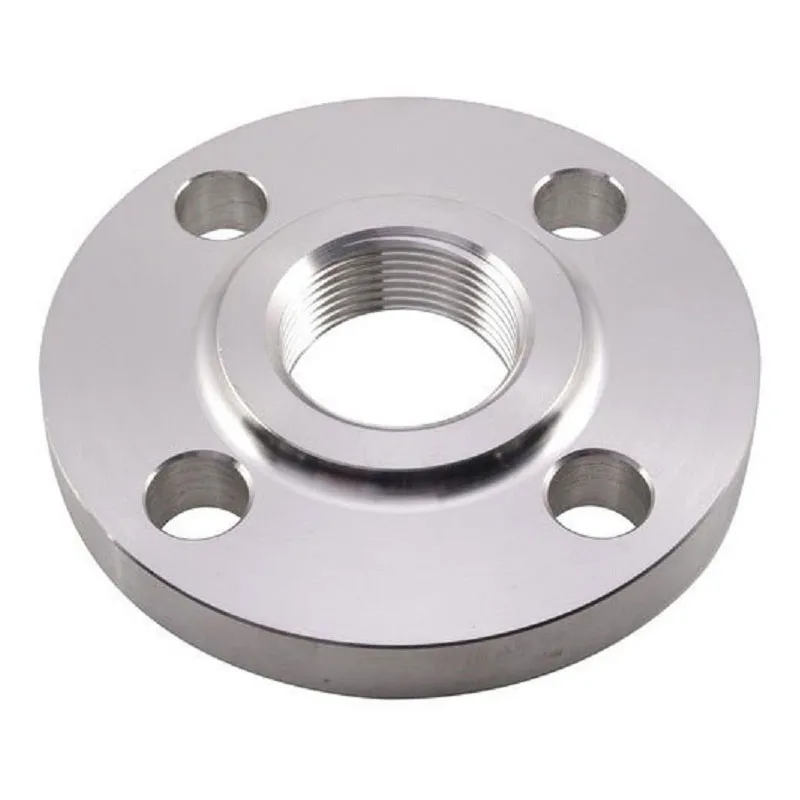 EN 1092-1 Threaded flanges Type 15, PN16
 -
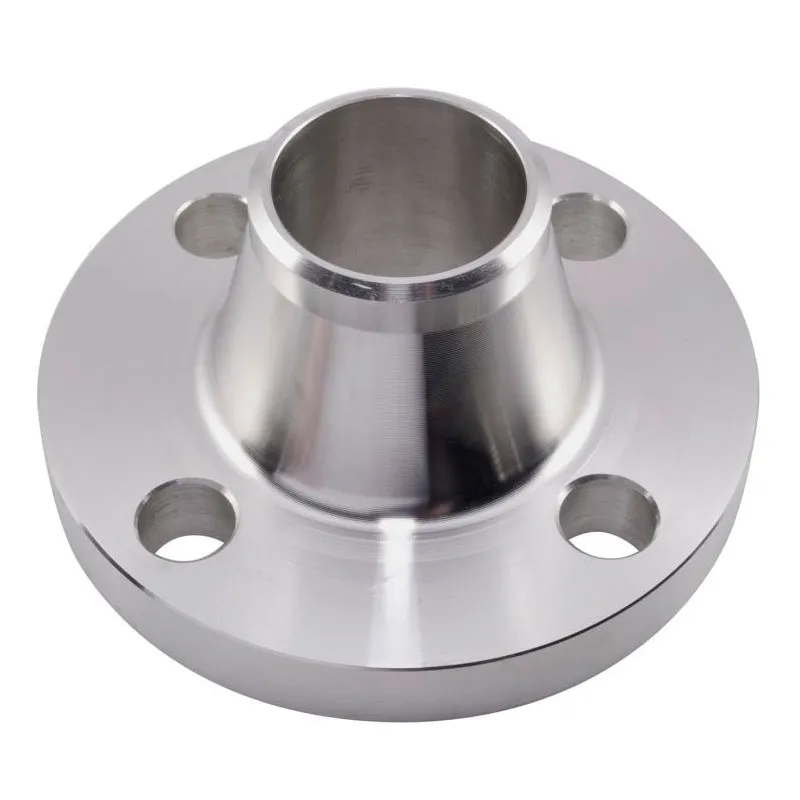 UNI 2281 Butt weld flanges PN10
 -
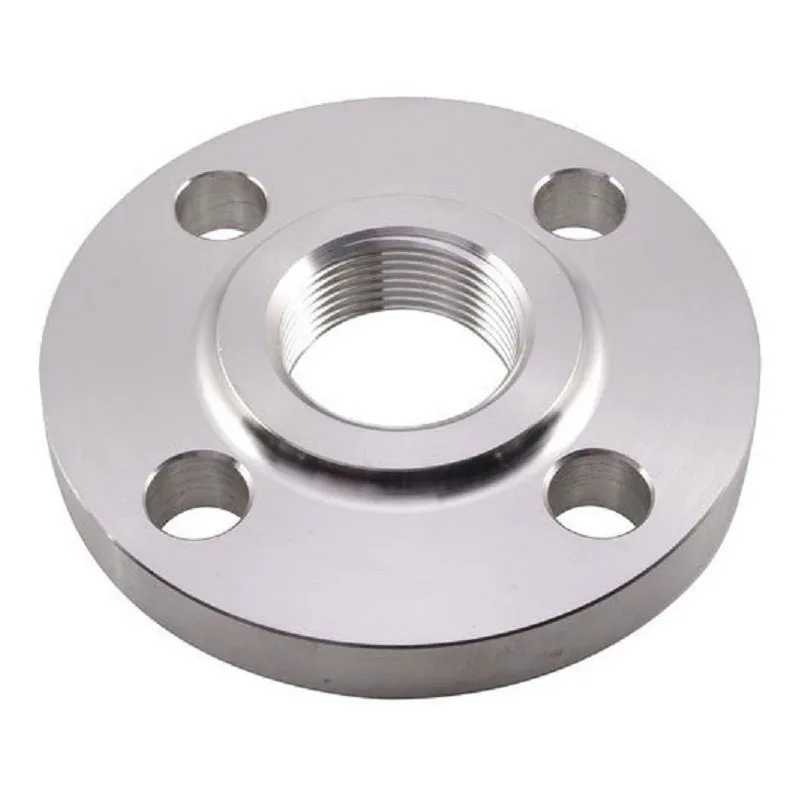 ANSI B16.5 Threaded Flanges Class 600
 -
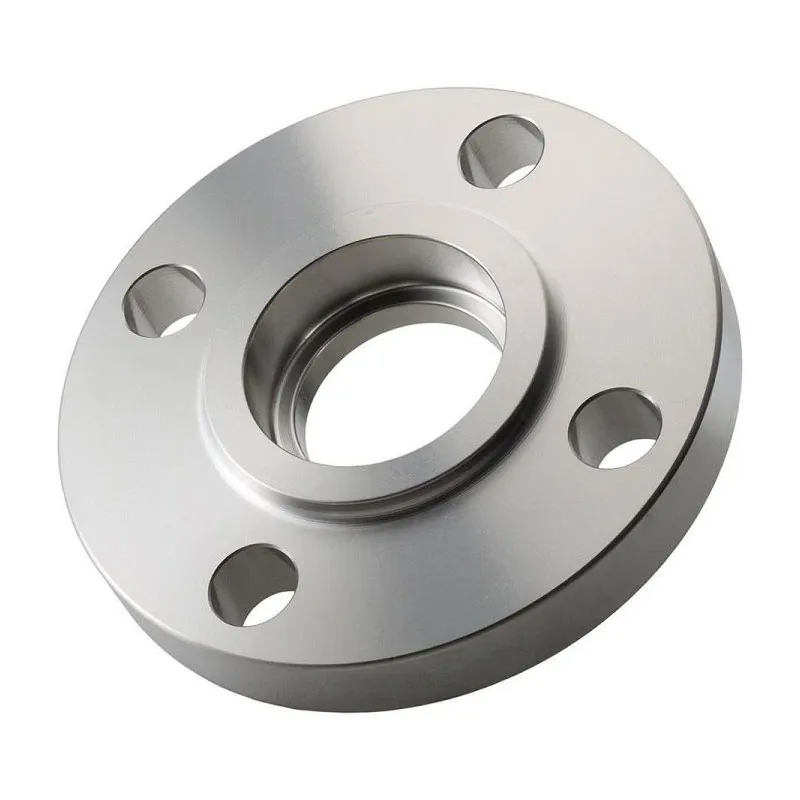 ANSI B16.5 Socket Weld Flanges Class 150
 -
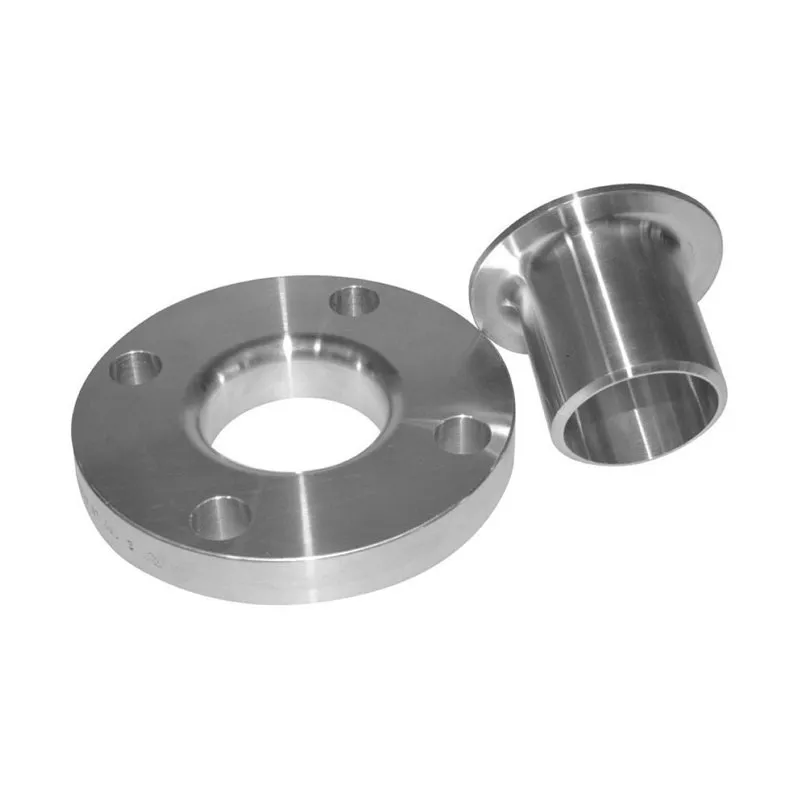 Free ring flanges Class 150
 -
 Ser.A Butt Weld Flanges Class 400