
-
-
Phone
+86-13623462298




flange 150 rf
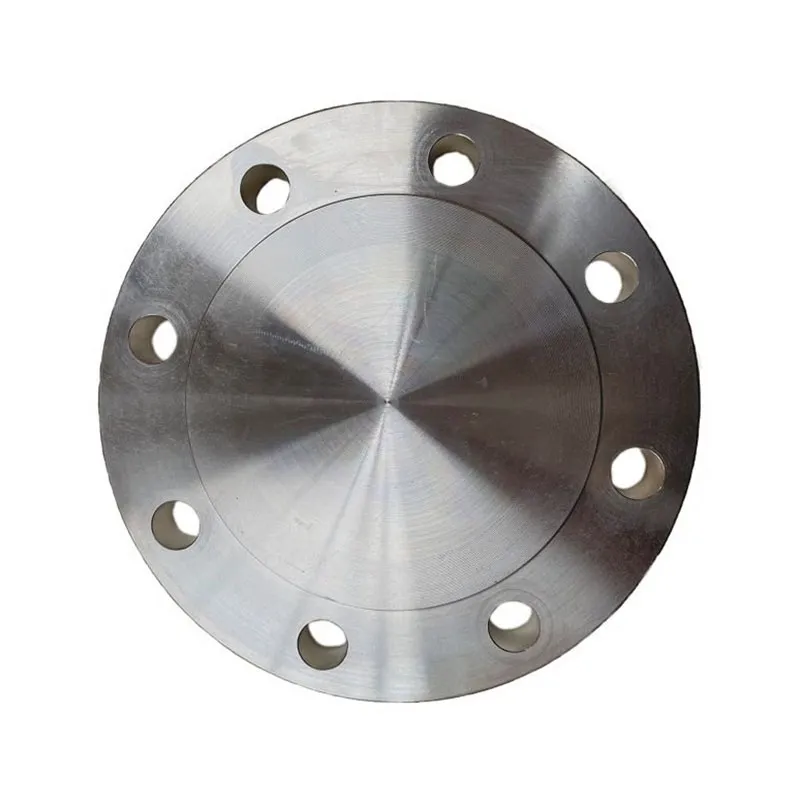
When you hear “150 rf flange”, many people immediately think of a simple ring with holes. But in practice, especially in pump piping or in areas with cyclic loads, this marking is revealed differently. RF is not just a “protrusion”, it is the geometry of the seal, which, if the pair is incorrectly selected or installed, will leak, no matter how you tighten the studs. And the size DN150 - here there is also a nuance in the outer diameter and thickness, depending on the standard. A common mistake is to assume that a flange according to GOST (also an analogue of ASME B16.5) and a flange according to EN 1092-1 are interchangeable for DN150 PN16/Class 150. It seems that the nominal pressure and diameter are similar, but the distance between the holes (PCD) and the diameter of the holes themselves for the studs may differ by a couple of millimeters. And these millimeters on the object turn into a headache.
What makes a reliable connection?
My experience is that the key is in the material and manufacturing method. Cast flanges for DN150, especially carbon steel, can sometimes have hidden cavities in the neck area. This is not always visible upon acceptance, but under load or vibration it can crack. Therefore, for critical areas we have always leaned towards forged products. Forging produces a more uniform metal structure. For example, when we were working with supplies for a petrochemical plant near Perm, the terms of reference strictly required forging. We used flanges made of steel 20Х13 in accordance with GOST 5632, because the environment was aggressive. And precisely forflange 150 rfultrasonic flaw detection of the flange body was required.
Here it is worth mentioning one of the suppliers we encountered -Shanxi Hongkai Forging Co.,Ltd. Their websitehttps://www.hkflange.ruI was initially attracted by the fact that they position themselves as a manufacturer of forged flanges and forgings, and not just a trading house. The company description states that they work according to ASME, EN, DIN standards, including GOST. This is important because many Chinese manufacturers make “conditionally according to GOST”, but in fact - with deviations. We asked them for mechanical properties testing certificates specifically forflange 150 rfClass 150 in A105 steel. They sent not just a quality certificate, but test reports from their own laboratory with graphs. This already inspired confidence.
But theory is theory, and practice puts everything in its place. We ordered a trial batch from them. The first thing they looked at upon receipt was the quality of the seal surface (Ra). For an RF protrusion it should be in the range of 3.2–6.3 µm, without marks along the radius. We examined it - the processing was done conscientiously, the marks from the cutter were concentric, which is correct to ensure tightness with soft gaskets. The second point is the accuracy of the holes. We took a template - all the holes for the studsflange 150 rfsat down without distortion.
Where installation difficulties lie
Even with a high-quality flange, you can have an assembly problem. I remember one incident: they were installing a unit withflange 150 rfto the hot water pipeline (approx. 120°C). Standard graphite gaskets were used. After starting it a week later, a slight leak appeared. We disassembled it and saw that the surface of the flange, especially the RF protrusion, had slight traces of corrosion, although the material was steel. 20. It turned out that the problem was a combination: the graphite gasket, high temperature and the presence of stray currents in the structure contributed to galvanic corrosion. I had to switch to spiral-wound gaskets with fluoroplastic filler and an outer restrictive ring. After replacement, the leak went away. Conclusion: the flange itself is only part of the system; the entire seal pair and the operating environment must be taken into account.
Another nuance is the tightening. DN150 Class 150 requires a specific tightening torque for the studs. If you overtighten, you can damage the RF protrusion and create microcracks. If you don't tighten it enough, there won't be the necessary pressure on the gasket. We typically use calibrated hydraulic tensioners, but many sites still use impact wrenches. This is a risk. I saw how at one thermal power plant, due to uneven tightening, “in a circle?” The 150 rf flange did not follow the diagram, a gap of a few tenths of a millimeter appeared on one side. I had to bleed the system, disassemble and change the gasket.
About non-standard situations and adaptation
Often standardflange 150 rfdoesn't fit. There was a project where it was necessary to connect a new pipeline with an old one, where there were Soviet-style flanges with a different PCD. We ordered adapter flanges or, as they are also called, adapter flanges. Here it was important not just to drill new holes, but to calculate that the weakening of the section due to the proximity of the new hole to the old one did not exceed the permissible limit. We contacted manufacturers who take on non-standard forgings. Including the one mentionedShanxi Hongkai Forging Co.,Ltd, which in its nomenclature also indicates production according to customer drawings. We sent them a sketch, they promptly made a strength calculation (sent a short report) and proposed an option made of 09G2S steel with an increased thickness of the plate to compensate for the weakening. The product was made, but supplied with a caveat regarding the maximum operating pressure - lower than the standard one. This is an honest approach.
More from practice: for large diameter flanges, close to the upper limit of their range (DN4000), but for pressure PN6, the RF projection is sometimes made not a solid ring, but segmented, in order to reduce stress during installation. For DN150 this, of course, is not required, but the principle itself is important - the geometry must correspond to the load. Sometimes you see beautiful pictures in catalogs, but when you receive the real product, you realize that the end is roughly processed. The same Hongkai Forging has a range of DN15–DN4000 in its description, and it’s interesting how they ensure the quality of the RF bump surface for such different sizes on the press. I think they use CNC turning for small runs of DN150, and probably hot stamping followed by calibration for mass production.
Thoughts on choosing a supplier
Today the market is flooded with offers. Criterion ?cheap? often leads to problems. For me, as a specialist, it is important that the manufacturer not only sells, but can provide technical advice. It's not "this meets the standard" but "for your H2S environment we recommend F304 with a harder seal." When you see it on the sitehttps://www.hkflange.ruinformation that the company is a manufacturer in one of the main forging centers of China and works according to international standards is one thing. But when in correspondence their engineer asks clarifying questions about operating conditions (temperature cycle, type of environment) for the sameflange 150 rfto offer the optimal material and type of testing is already a level. This indicates involvement in the process, and not just in the sale of metal products.
However, you should not idealize any supplier. Even with good manufacturers there are problems. Once we received a batch of flanges, where several pieces from the batch had threads in the holes for the studs that were a little “heavy”. I had to manually go through it with a tap. The supplier (not Hongkai) recognized the problem and compensated for it with additional gaskets in the next order. A trifle, but it shows how practical issues are solved. The main thing is that there is feedback and a willingness to take responsibility for the product.
In summary: what is the 150 RF flange really?
So what is itflange 150 rfultimately? This is not just a product item in a catalog with a price per kilogram. This is a critical unit, the reliability of which consists of three things: the correct material and manufacturing technology (where forging has an advantage), exact compliance of the geometry with the declared standard (be it ASME or GOST) and, no less important, an understanding of the conditions of its future operation. Will it stand on a static pipeline or compensate for pump vibration? Will it work with steam or a chemically active liquid?
Choosing a specialized manufacturer such asShanxi Hongkai Forging Co.,Ltd, which emphasizes forging and operates to a wide range of standards, is often warranted to reduce risk. But you can’t blindly trust anyone. Input control is always needed, even selective. Check hardness, measure the geometry of key surfaces, especially the RF protrusion itself and holes. This is the routine that insures against emergency situations later.
In general, experience suggests that there are no trifles here. Even such a seemingly simple and common element as a 150-diameter flange with a projection requires attention to all details - from the drawing in the catalog to the moment the last nut is tightened on site. And it is this attentive, slightly skeptical and practice-based approach that distinguishes a working specialist from just a rolled metal seller.
Correspondingproducts
Related Products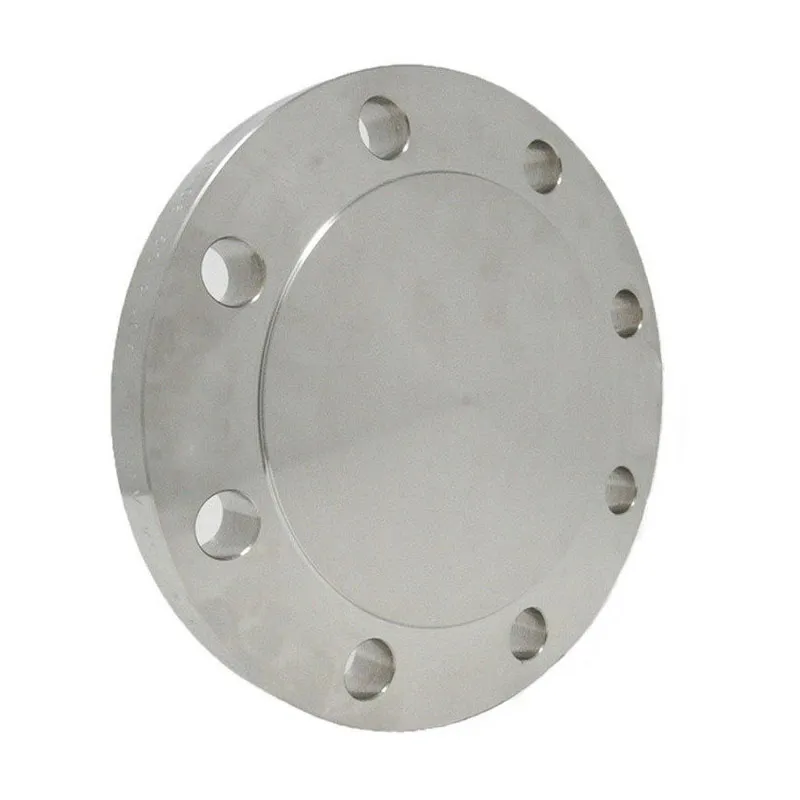
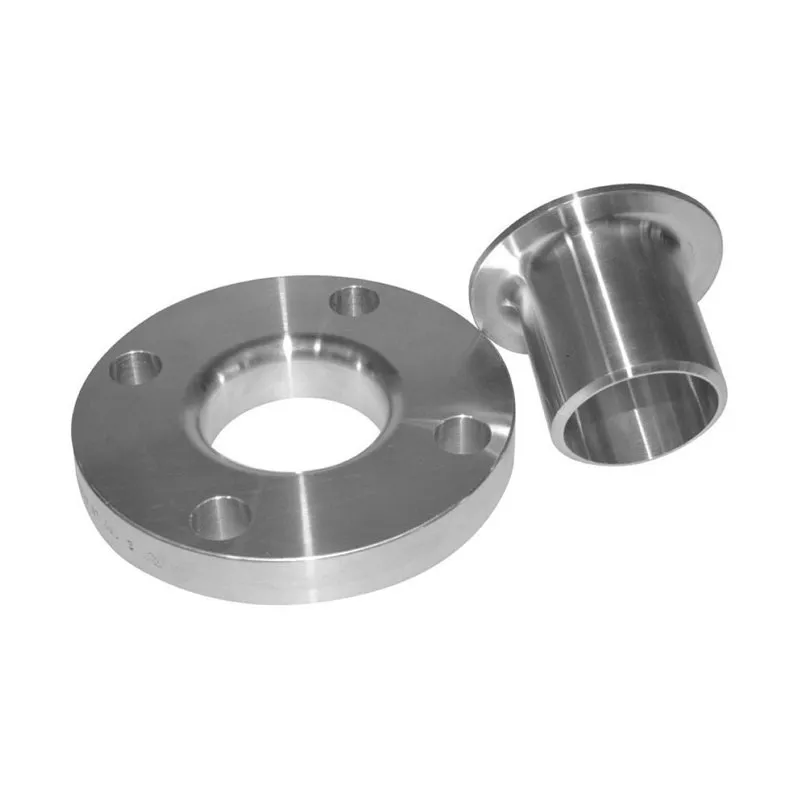

Best Sellingproducts
Best Selling Products-
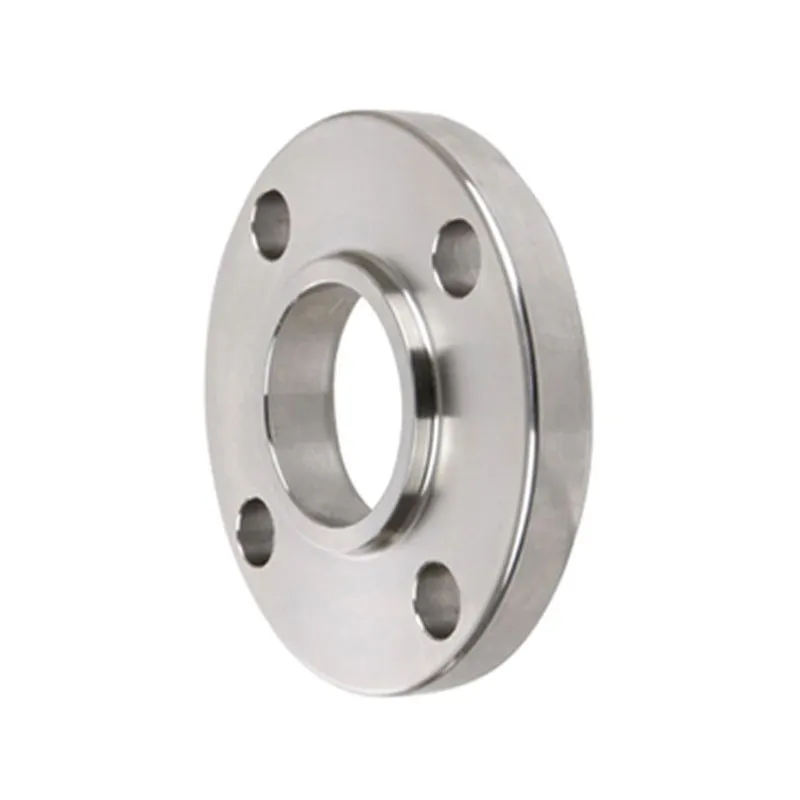 ANSI B16.5 Lap-on flanges Class 300
 -
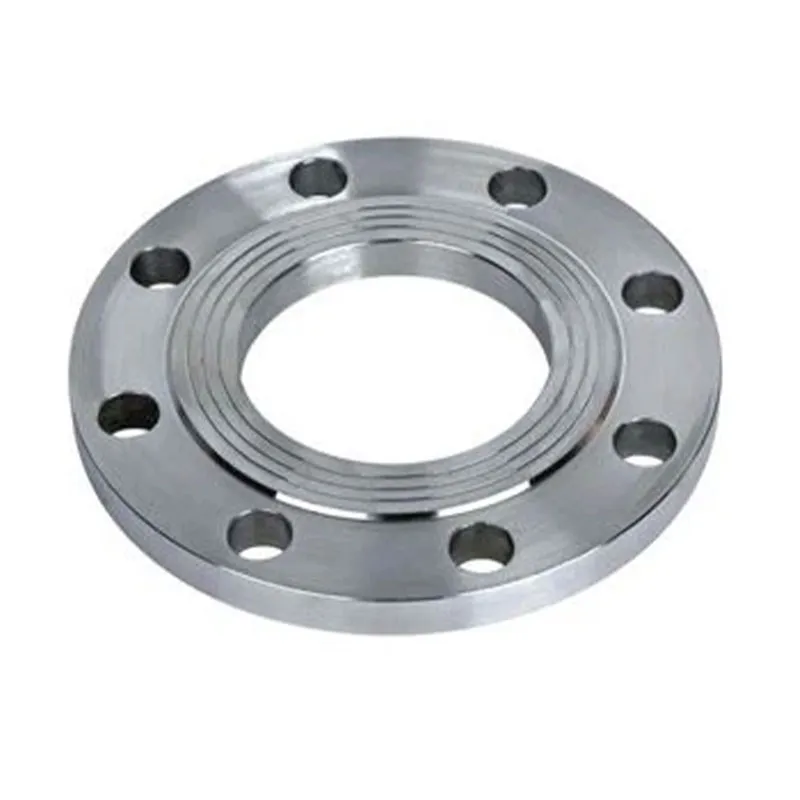 Butt weld flanges Class 150
 -
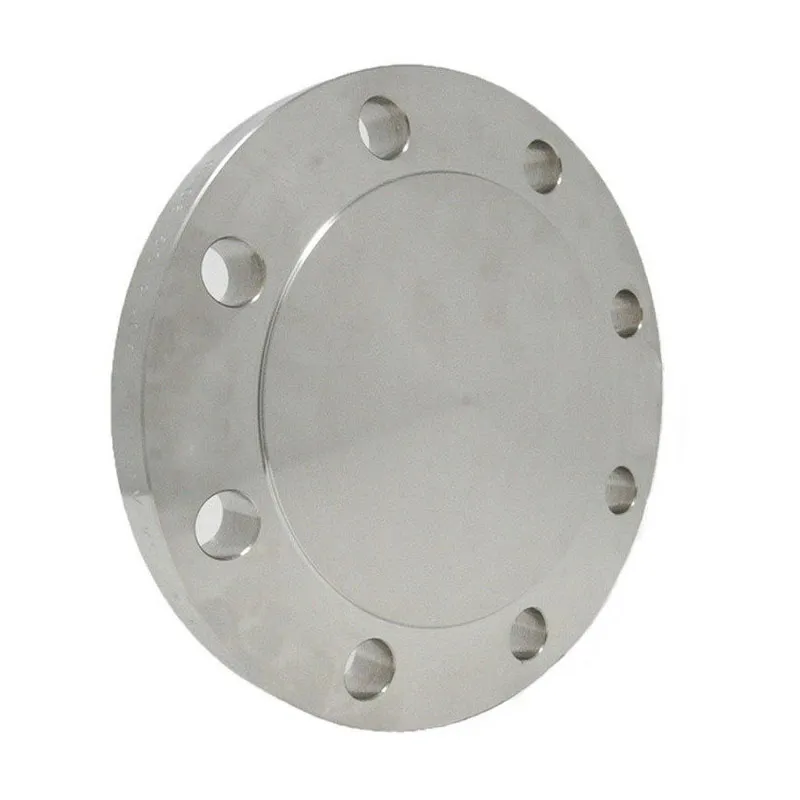 AWWA Blind Flanges Class D (Tables 1, 2, 3)
 -
 Ser.A Butt Weld Flanges Class 400
 -
 Socket Weld Flanges Class 300
 -
 JIS 5K Socket Weld Flanges
 -
 Flanges for socket welding
 -
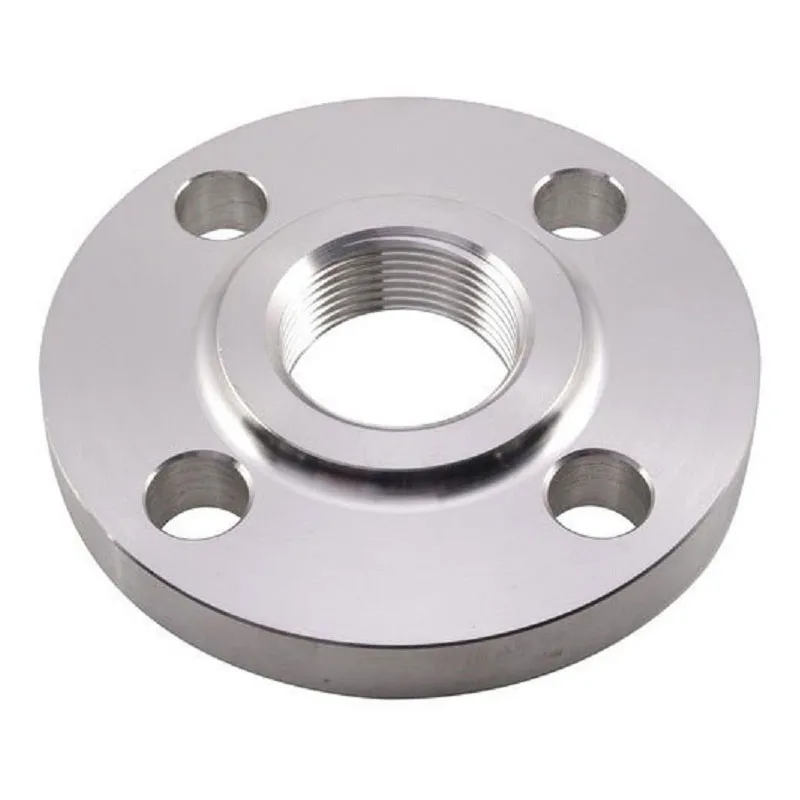 EN 1092-1 Threaded flanges Type 15, PN16
 -
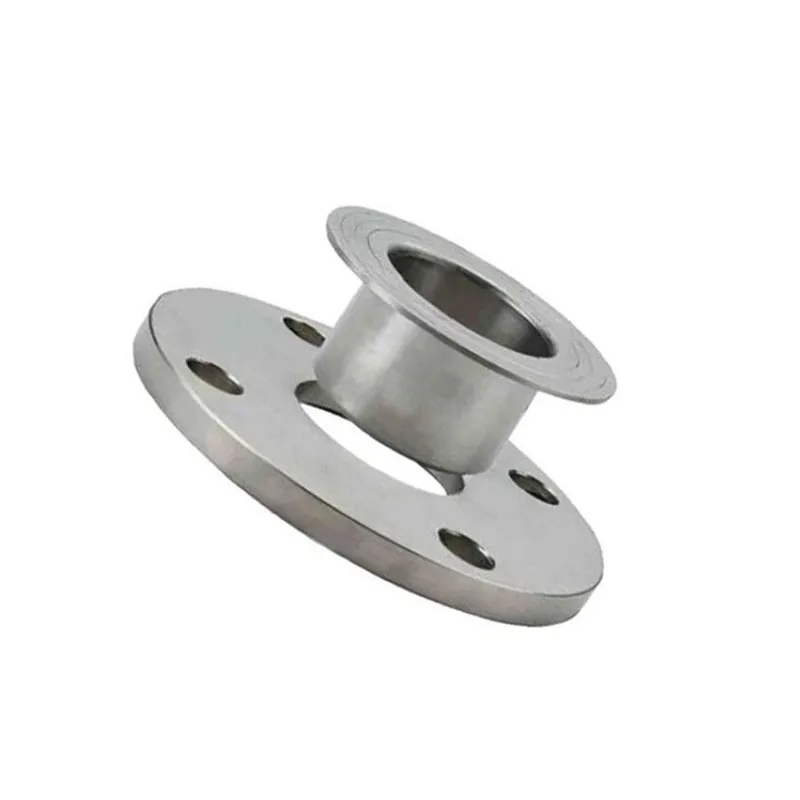 Free ring flanges Class 400
 -
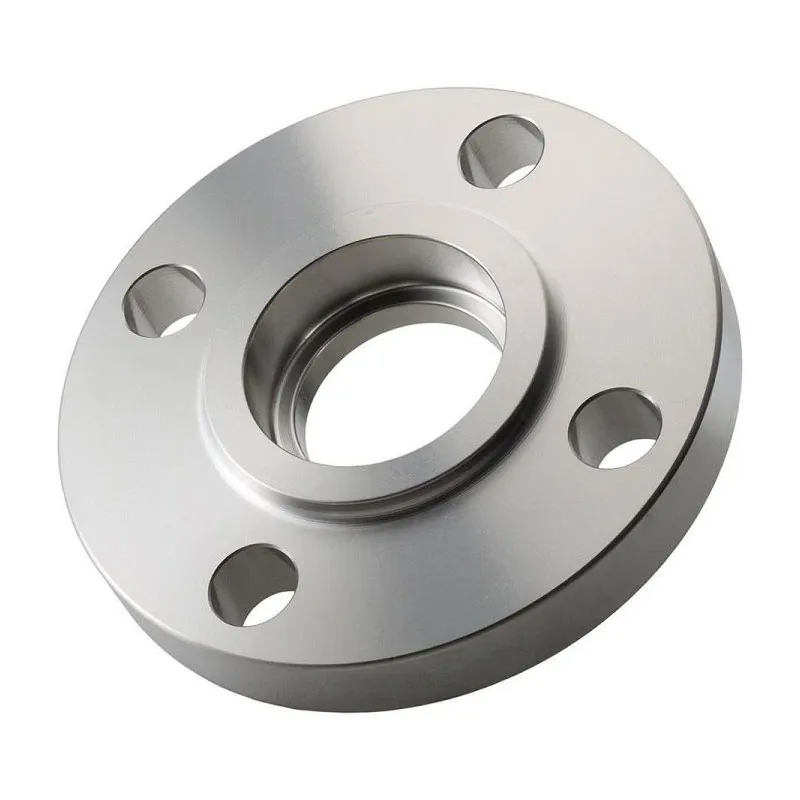 ANSI B16.5 Socket Weld Flanges Class 150
 -
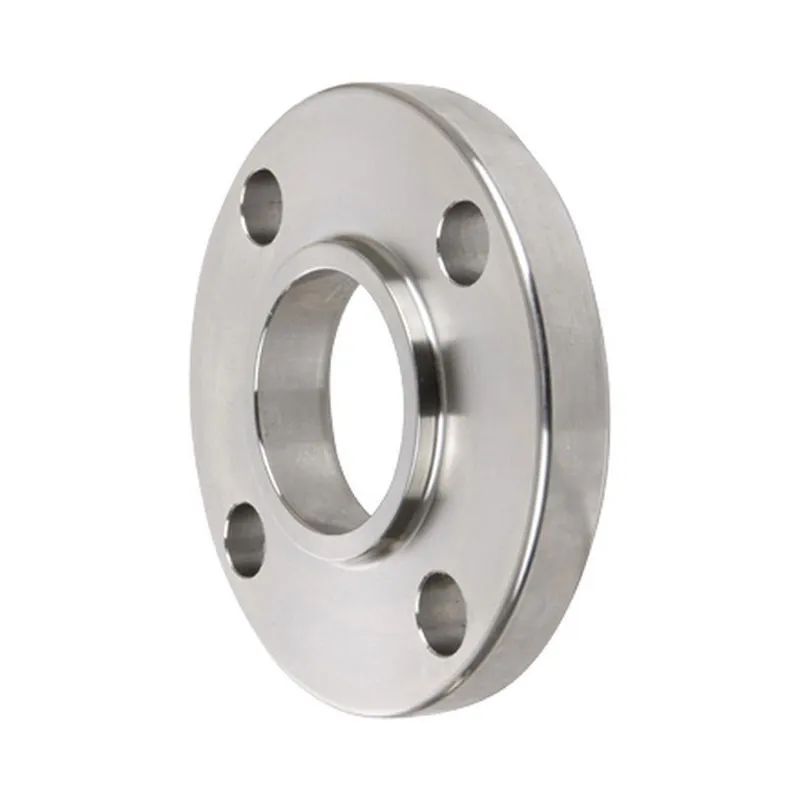 DIN 2501 Overlay flanges PN16
 -
 ANSI B16.5 Loose Ring Flanges Class 2500