
-
-
Phone
+86-13623462298



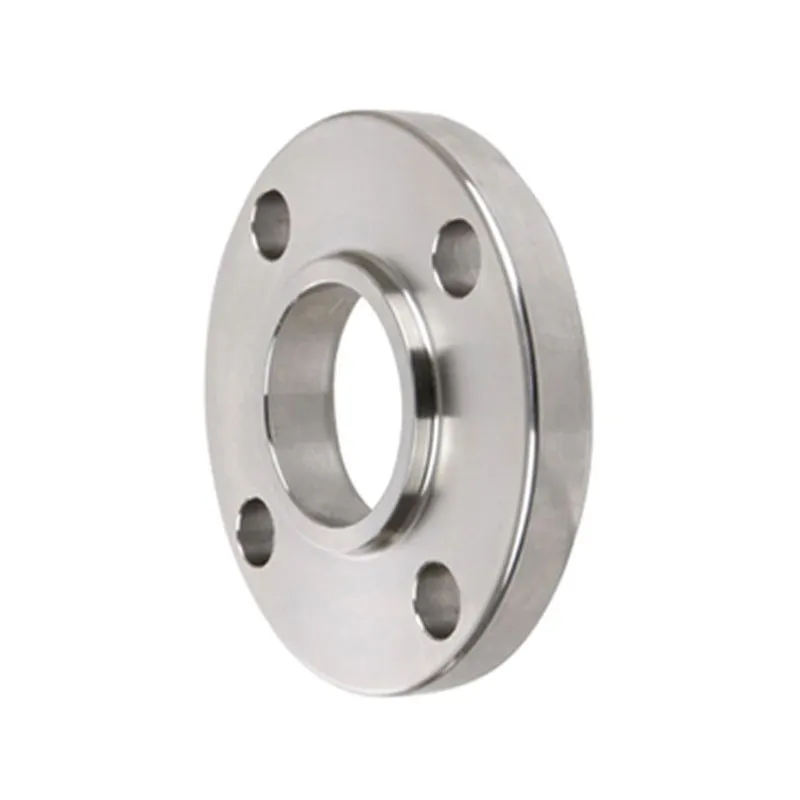
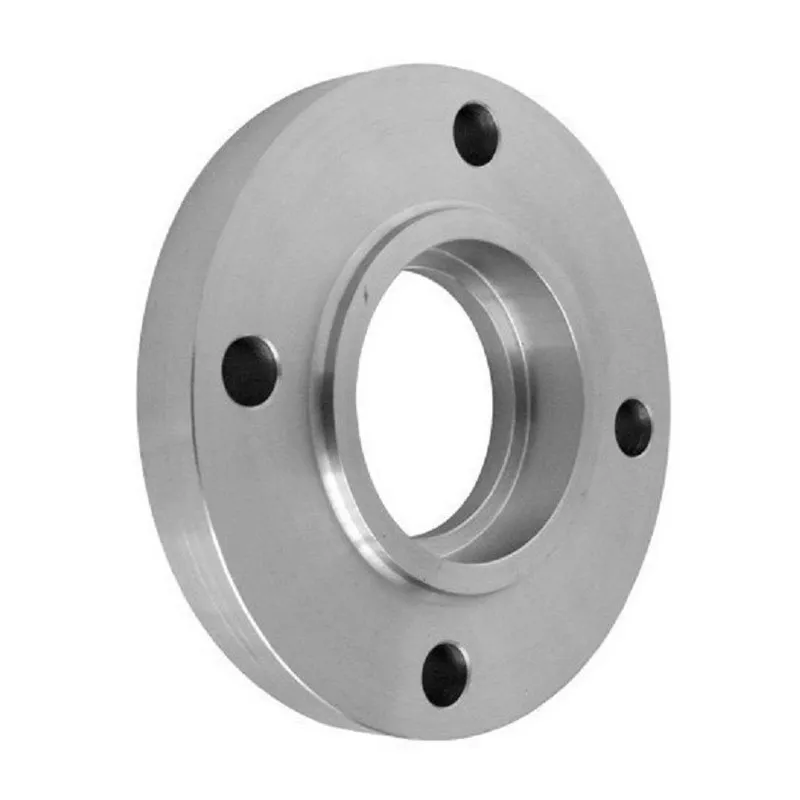
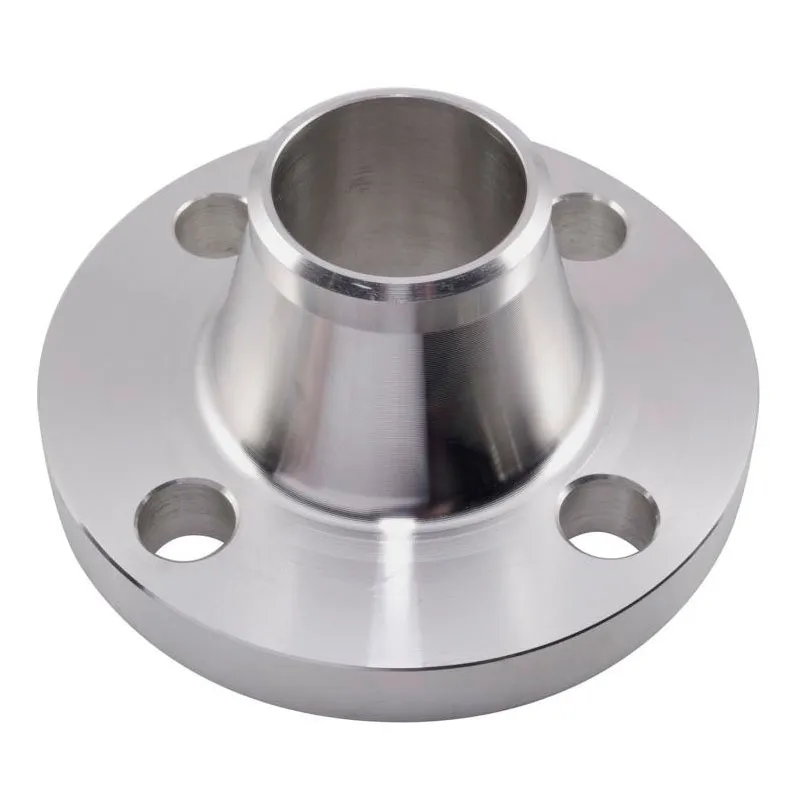
steel flanges DN 20
When they talk about steel flanges DN 20, many people immediately think - a trifle, nothing complicated. But in practice, it’s precisely on such “little things”. and major problems happen. I myself have come across more than once when a customer asks for “just DN 20 according to GOST”, and then at the site it turns out that the connecting dimensions are not suitable or the sealing surface is not the same. Or worse, the flange material does not match the environmental parameters. Therefore, I would like to share some observations that I have accumulated over the years of working with pipeline fittings, especially in the context of small diameters.
Why DU 20 is not such an easy choice
It would seem that a nominal bore diameter of 20 mm is one of the most common. It is used in piping devices, in branches from highways, in instrumentation and automation systems. But here lies the first trap: this value may hide different designs according to GOST (steel butt-welded flanges) or, say, GOST 12820-80 (flat welded). The difference is in thickness, in diameters of bolt holes, in design. If you take it for a repair replacement, you need to look not only at the number “20”, but also at the full designation.
I remember an incident at one of the petrochemical plants. Ordered a batchsteel flanges DN 20according to the old drawing, according to GOST 12820. They delivered it, began installation - but the M12 bolts that were available in the facility’s warehouse did not fit. It turned out that the specification indicated the ASME B16.5 Class 150 standard, where the holes for M10 bolts. Inconsistency in standards led to downtime. We had to urgently look for transitional solutions. This is a typical story when you're 20? is perceived as a universal code, but in reality you need to look deeply into the accompanying documentation.
Another point is the material. For DN 20 there is often a request for steel 20 or 09G2S. But if the environment is aggressive, even at such a small diameter alloy steel such as 12Х18Н10Т or even coated may be required. I saw how they tried to install ordinary carbon flanges in line with acid vapors - after six months, intense corrosion began along the perimeter of the seal. I had to change the entire batch. Therefore, our principle in selection is to always ask technologists for complete environmental parameters: pressure, temperature, chemical composition.
Production nuances and quality control
The production of flanges of small diameters, such as DN 20, has its own specifics. When forging or stamping, it is important to control defects specifically in the area of the sealing surface and in the neck. Due to the small size, it is easier to visually miss something. In production, we always pay special attention to ultrasonic testing (UT) of these particular zones, even if the order is for a large batch of “small things”. Because the risk is not justified.
By the way, about the parties. Often large design institutes, when creating specifications for large objects, includesteel flanges DN 20in huge quantities, but separately, according to different drawings. This is a challenge for the manufacturer: labeling and packaging must be clearly organized so that there is no confusion at the site. For example, we have introduced a system of color markings on packaging pallets depending on the standard and design. A trifle, but it saves installers time.
One of the key partners with whom we often work on such positions isShanxi Hongkai Forging Co.,Ltd. They specialize in forged flanges and forgings, and what is important is that they work according to a wide range of standards, from GOST and ASME to EN and DIN. For us, as suppliers of components for international projects, this is critically important. On their websitehttps://www.hkflange.ruYou can clarify the technical details for specific versions. Their practice of manufacturing flanges in the range from DN15, which includes our DN 20, to large diameters, allows us to be confident in the geometry of the product. I especially appreciate that they can make non-standard products according to drawings when a special configuration is required for existing fittings.
Installation subtleties and common mistakes
The installation of DN 20 flanges has its own “graphics”. The most common mistake is overtightening the bolts. Due to its small size, it seems that you need to tighten it “tighter” so as not to leak. The result is a broken thread, a deformed flange ring, or, even worse, a crack in the weld area. The tightening torque must be observed strictly according to the recommendations of the standard, using a torque wrench. Yes, even for such small flanges.
Another point is centering. When joining two DN 20 flanges, especially if they come from different devices or pipes, it can be difficult to achieve alignment. A gap of even a couple of millimeters can lead to a loose fit of the gasket and subsequent leakage. We always recommend using mounting templates or jigs for initial fixation before final tightening.
Gaskets are a separate issue. For DN 20, paronite is often installed by default. But for high temperatures or specific environments (for example, oxygen) this is unacceptable. We had to redo the units where the paronite simply “floated” in steam at 400°C. Now we always insist on agreeing on the gasket material at the same time as ordering the flanges themselves.
Standardization and supply issues
The market is now saturated with offers for flanges, including those for DN 20. But the quality is greatly lacking. I have seen samples where the holes for the bolts are drilled with a noticeable offset, or where the sealing surface has risks from processing. This is a defect that will only come out with pressure testing. Therefore, we work only with trusted manufacturers who provide a full package of certificates, including mechanical test reports and ultrasonic testing. Like, for example, the already mentioned companyShanxi Hongkai Forging Co.,Ltd. As one of the main centers of the forging industry in China, they provide consistent forging quality, which is the cornerstone of flange. Manufacturing according to international standards is not just words, it is a guarantee that a flange, say, according to ASME B16.5, will actually fit valves from an American manufacturer.
Logistics of small flanges is also a challenge. They can be lost or mixed up. We have worked out a scheme where each box or pallet has not only markings, but also a QR code leading to a page with complete data about the batch, including the steel heat number. This greatly simplifies life for both the receiving staff at the warehouse and the installers in the field.
Regarding the price issue,steel flanges DN 20Don't chase the lowest price. The difference of several tens of rubles per piece can ultimately turn into thousands in repairing leaks and downtime of the facility. Connection reliability is not something you can skimp on.
Final thoughts and personal experience
To sum it up, I want to say that working with any flanges, even the smallest ones, requires a systematic approach. You can’t just “buy DN 20”. You need to understand: for what system, according to what standard, from what steel, with what type of seal. It's like a puzzle that needs to fit perfectly.
From personal experience, the most invaluable tool is catalogs and technical documentation from the manufacturer. When you have accurate drawings with dimensions at hand, everything becomes easier. I recommend that you always request them from the supplier. Good supplier likehkflange.ru, always provides such data openly. Their description of the nomenclature, including butt weld flanges, flat flanges, loose flanges, threaded flanges and even non-standard flanges according to drawings, makes it clear that almost any problem can be solved.
And one last thing. Never neglect visual and measuring control when accepting a batch, even if it is juststeel flanges DN 20. A couple of minutes with a caliper and a careful eye on the surface can save weeks of rework. This is what professionalism is all about - paying attention to details that others consider insignificant.
Correspondingproducts
Related Products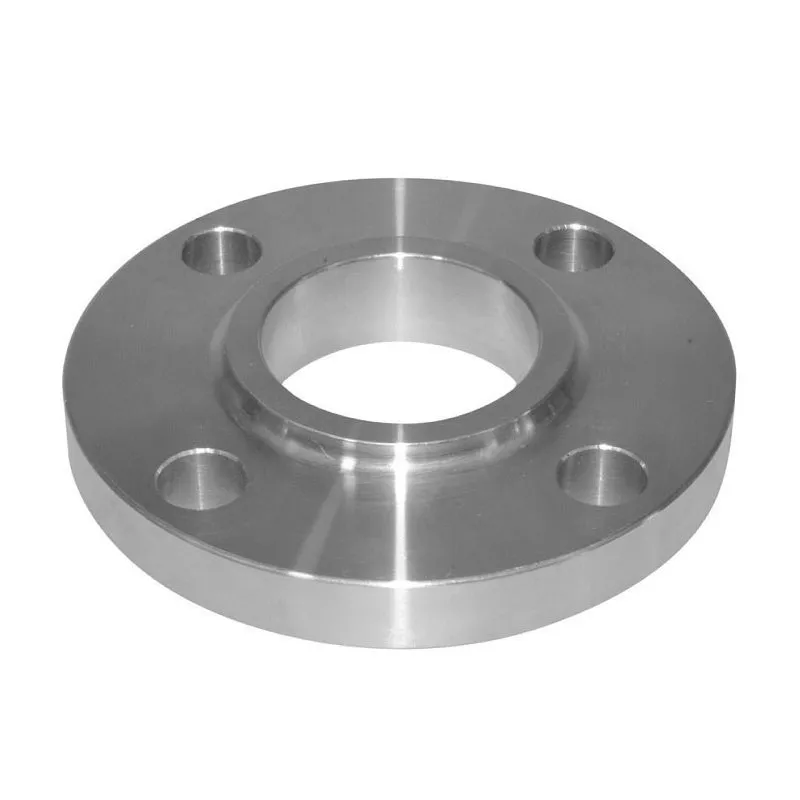
Best Sellingproducts
Best Selling Products-
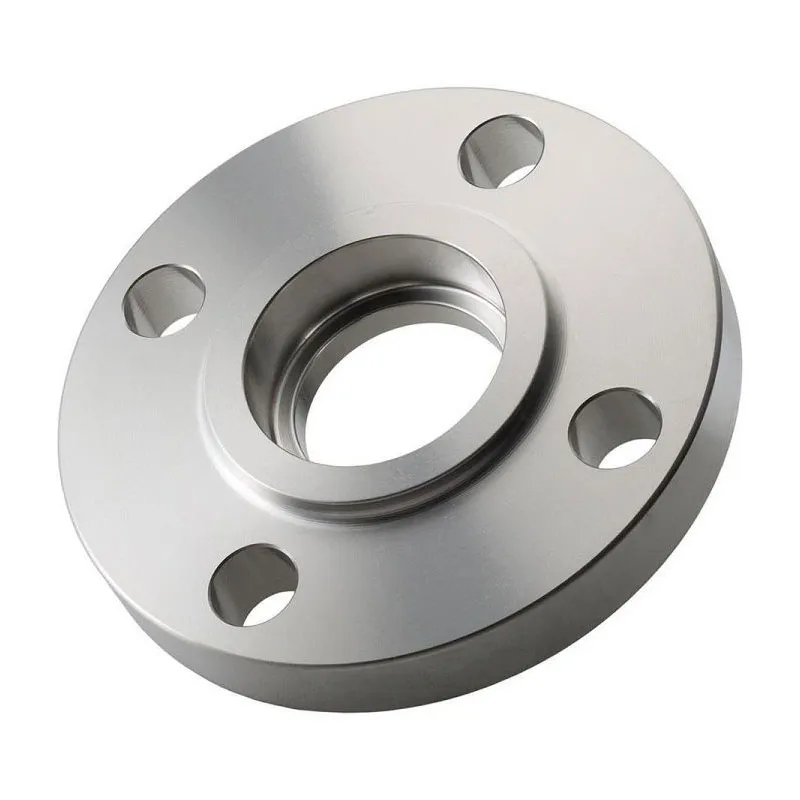 ANSI B16.5 Socket Weld Flanges Class 1500
 -
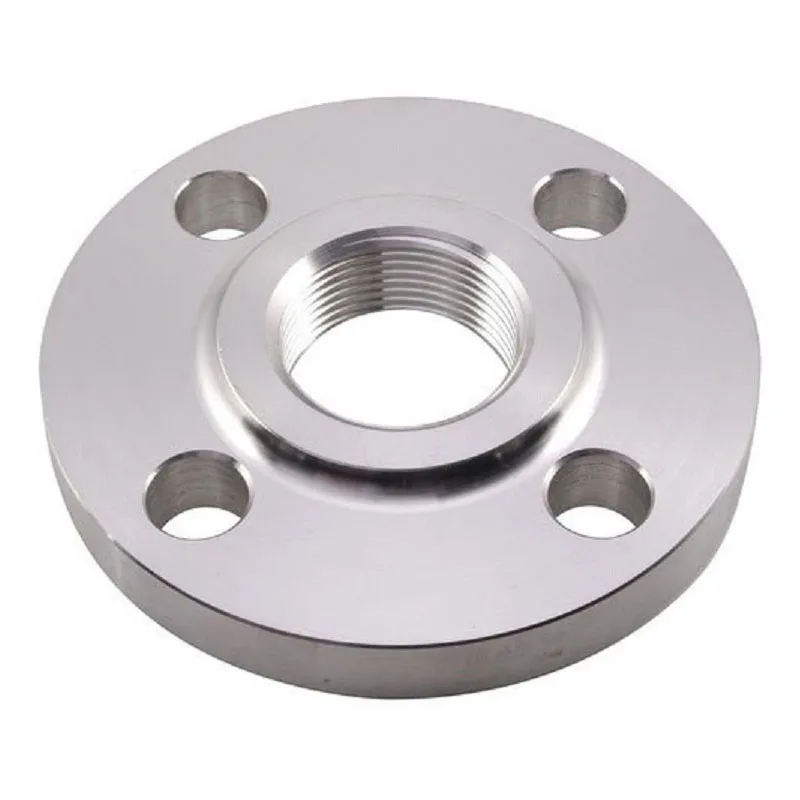 DIN 2566 Threaded flanges PN16
 -
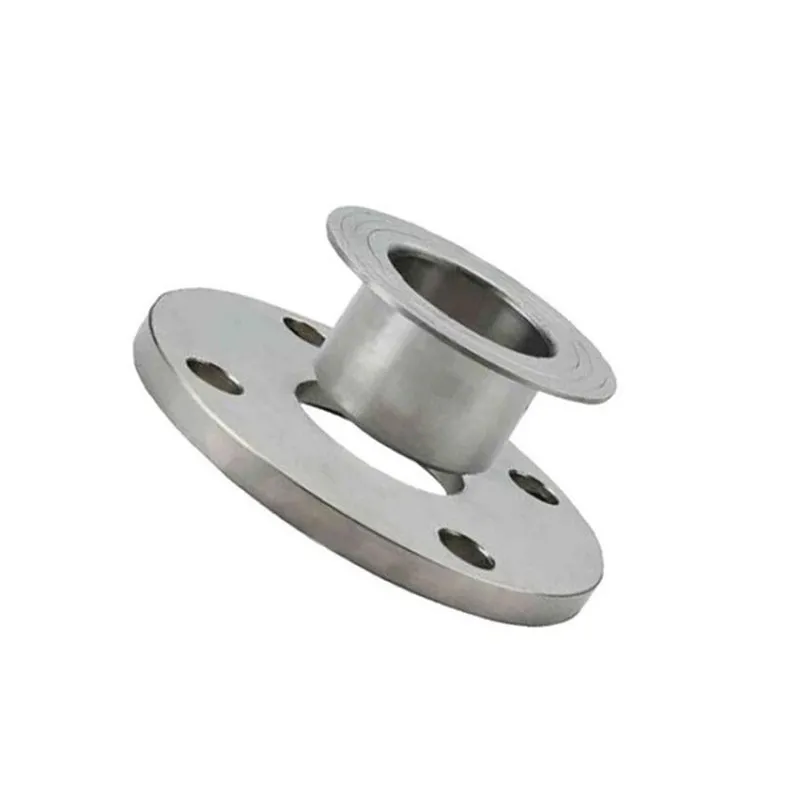 JIS 10K Loose Ring Flanges
 -
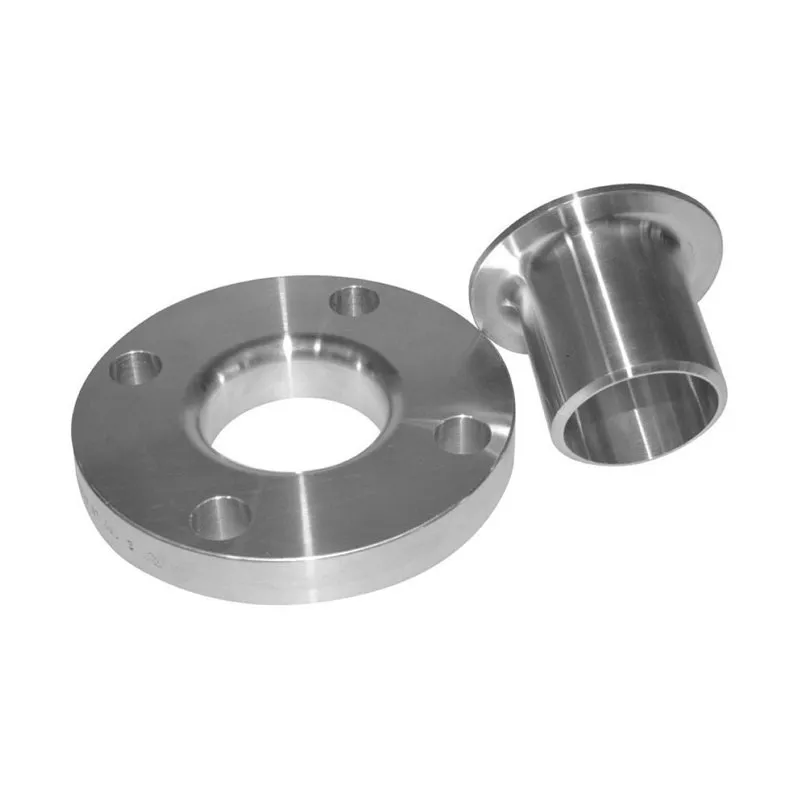 Free ring flanges Class 150
 -
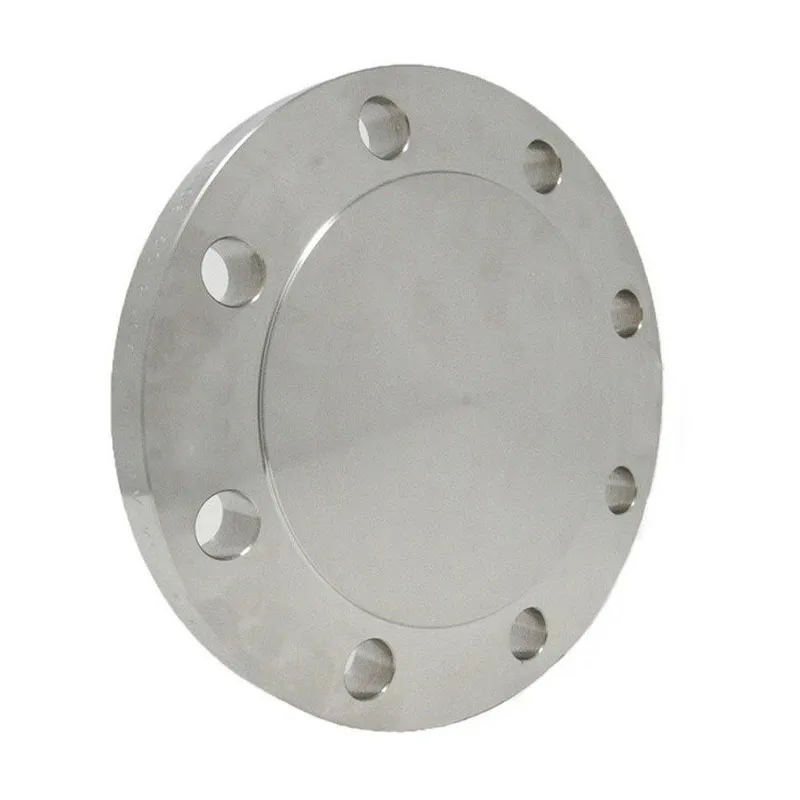 EN 1092-1 Blind flanges Type 05, PN10
 -
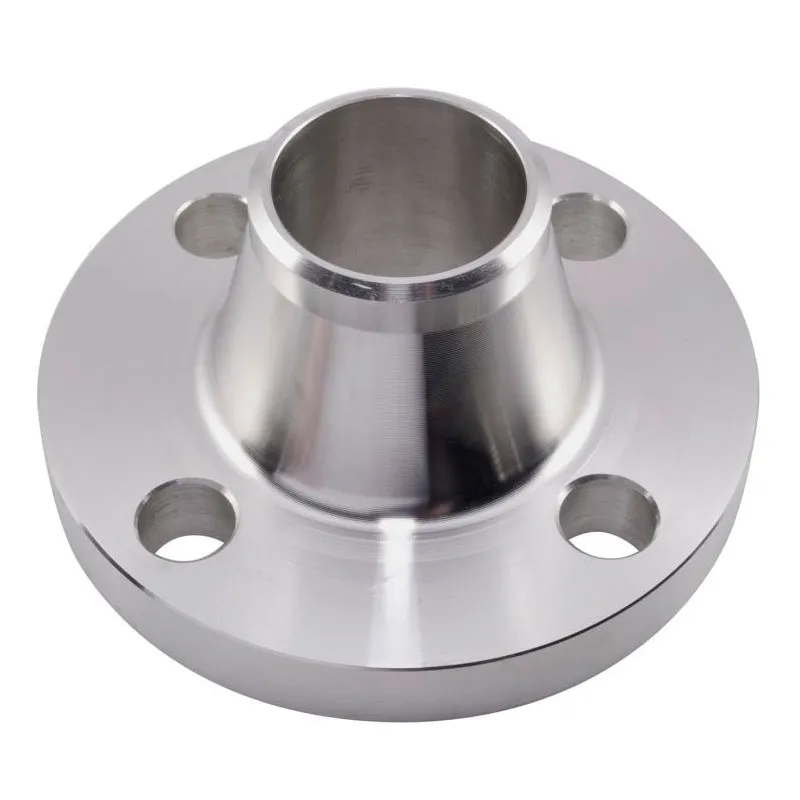 UNI 2281 Butt weld flanges PN10
 -
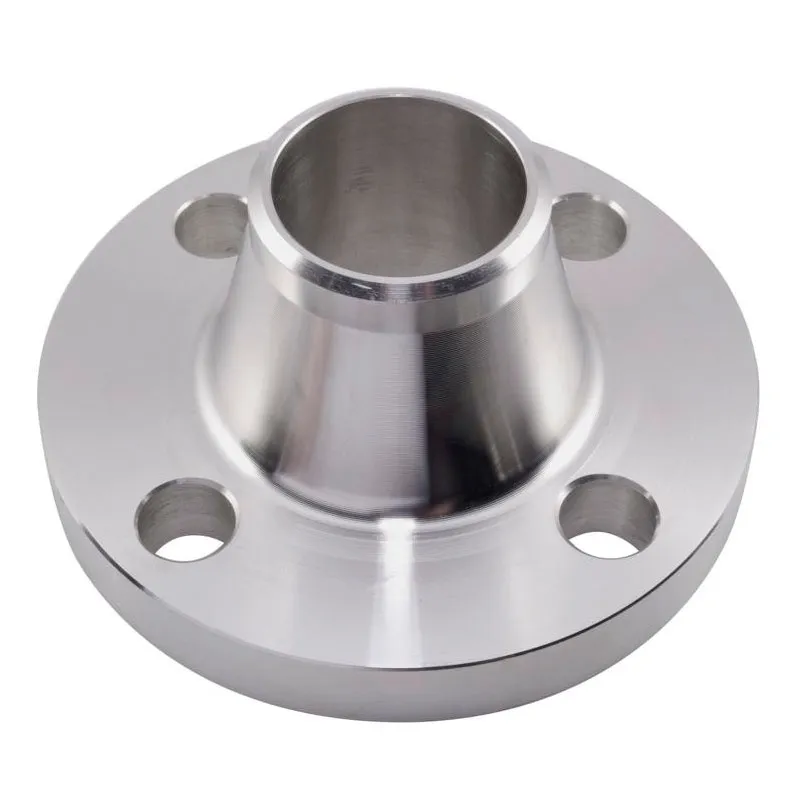 Butt weld flanges Class 900
 -
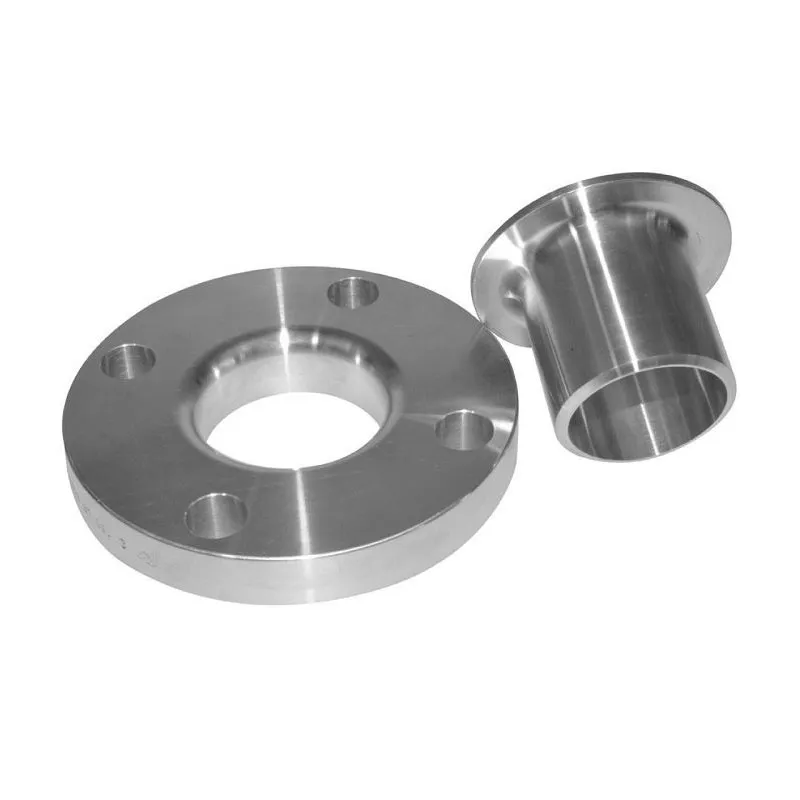 ANSI B16.5 Loose Ring Flanges Class 2500
 -
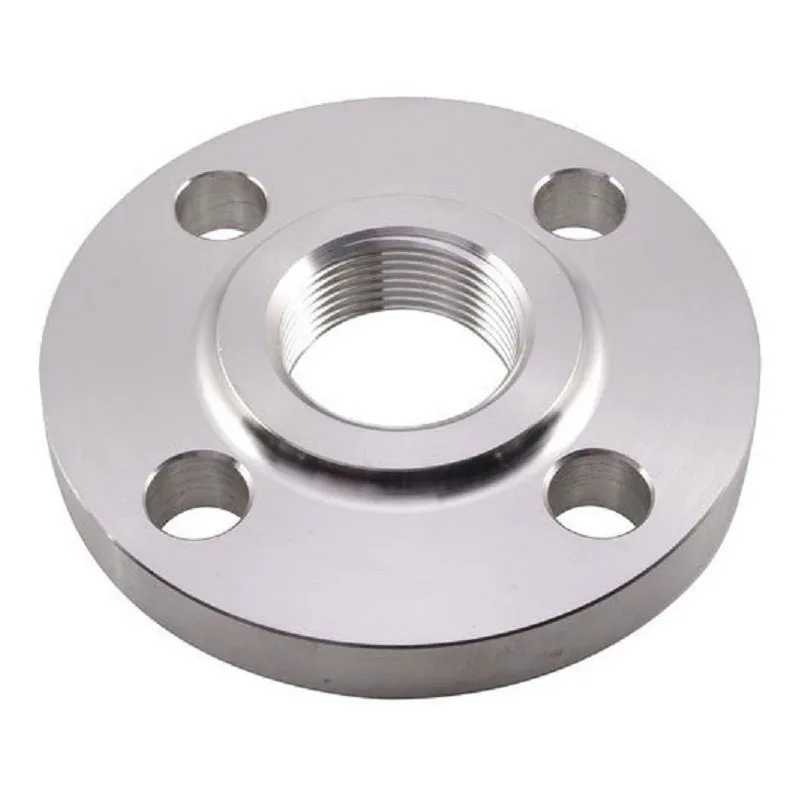 ANSI B16.5 Threaded Flanges Class 600
 -
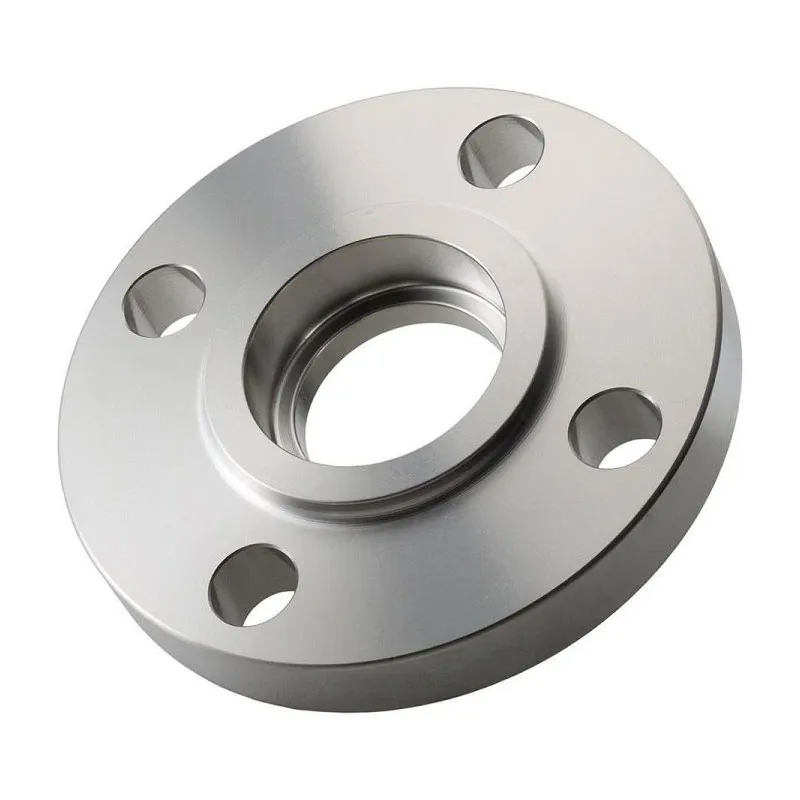 ANSI B16.5 Socket Weld Flanges Class 150
 -
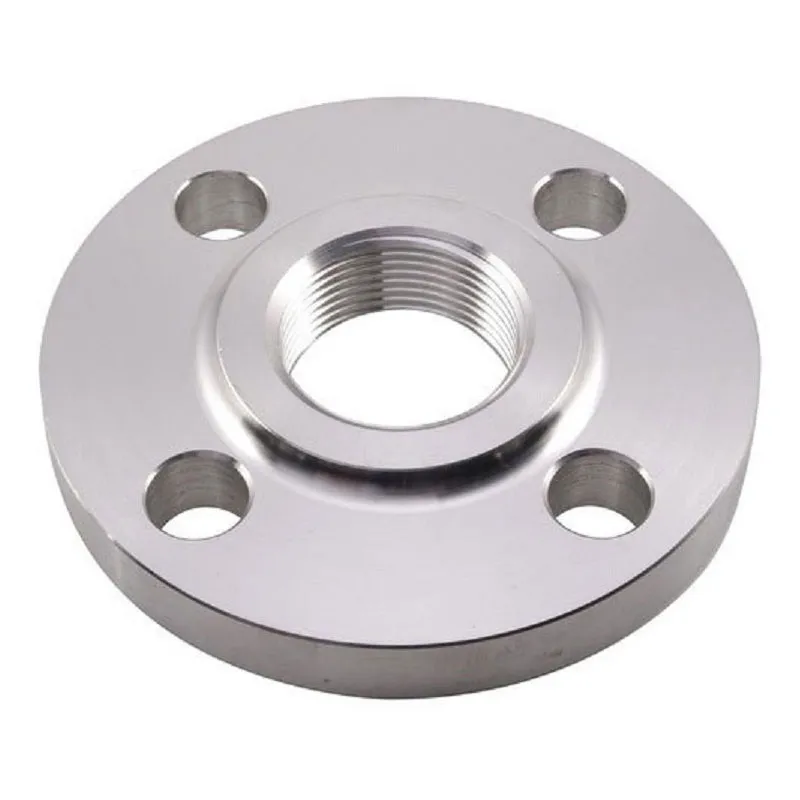 DIN 2565 Threaded flanges PN6
 -
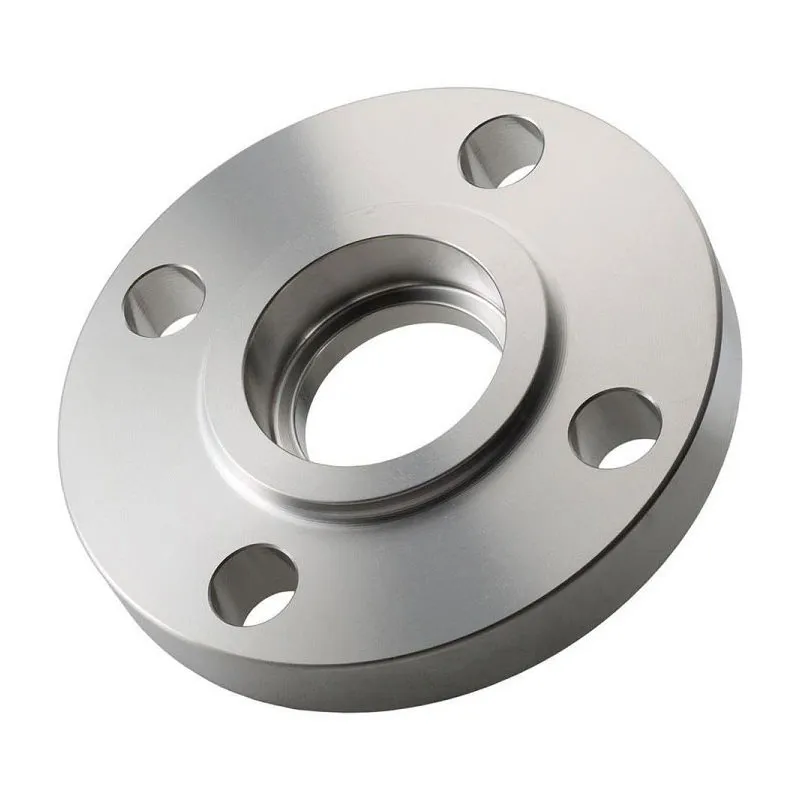 Flanges for socket welding