
-
-
Phone
+86-13623462298



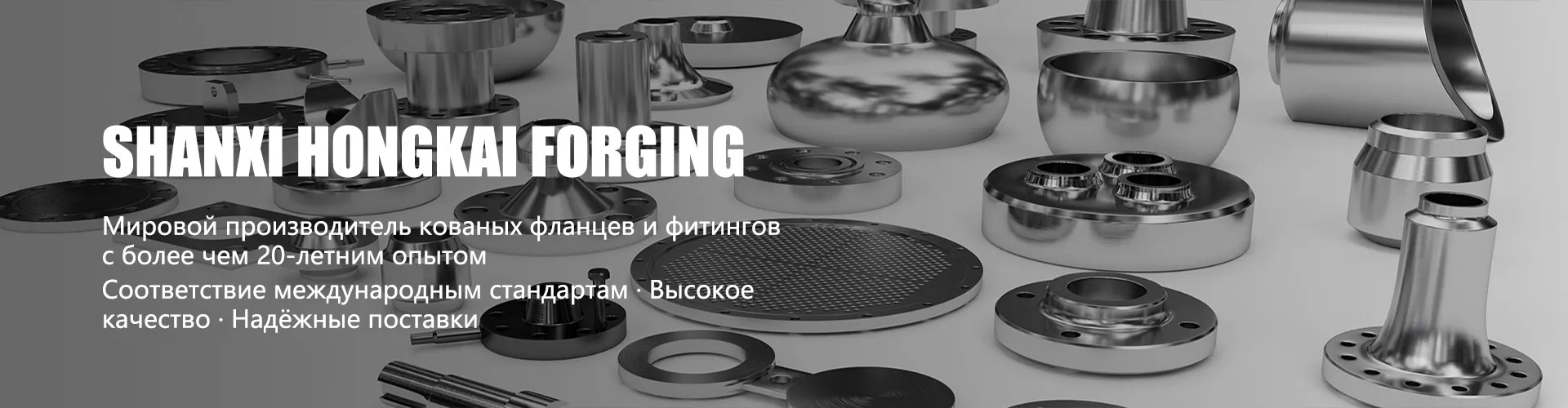
flange tn
When you hear “TN flange”, the first thing that comes to mind is, of course, the standard size, nominal diameter. But here’s the catch: many, especially those who are just starting to work with pipeline fittings, think that it’s enough to know DN and PN and they can order. In fact, if we talk about actual installation and, more importantly, long-term operation, especially in aggressive environments or at high pressures, the fun begins. TN is like a business card, but the product passport lies much deeper. Let's say, let's take a classic case: we needflange tn200 at 16 atmospheres. The catalog seems to have everything. And then it turns out that the material is not quite suitable for the temperature of the environment, or the geometry of the sealing surface does not correspond to the partner flange from another manufacturer. And now the installers at the site cannot achieve tightness. Sound familiar? This is why I always say that working with flanges does not start with a catalog, but with understanding the full picture of the application.
Behind the scenes of the standard: material and forging
So, the GOST, ASME or EN standard dictates the basic dimensions. But where does the flange itself come from? This is where 90% of success or future problems lie. A cast product, hot-stamped or forged - there is a colossal difference in the structure of the metal. For critical components where there are vibrations and thermal cycling, we always insist on forging. Why? During forging, the metal fibers are deformed to follow the shape of the product, which gives much higher fatigue strength and resistance to brittle fracture. This is not marketing, this is physics. I saw the consequences of installing cast flanges on a line with pulsating pressure - cracks appeared along the body of the flange much earlier than the estimated time. Therefore, when choosing a supplier, the first thing you look at is their core process. For example, a Chinese companyShanxi Hongkai Forging Co.,Ltd, as the name suggests, focuses specifically on forging. This is already a serious request. Their website -hkflange.ru- directly indicates specialization: manufacturer of forged flanges and forgings. The Shanxi region has a strong forging industry, which usually means access to good metal and mature technology.
But forging is different from forging. We are not talking about a blacksmith with a hammer, of course, but about modern press or hammer forging. It is important to control the heating temperature of the workpiece and the degree of compression. Insufficient heating - internal stresses will be poorly redistributed. Overheating - burning of grain, loss of strength. When you work with such suppliers, you always request not only a certificate for the material, but also a technological sheet for the forging. It's like a medical card for a product. The same ?Hunkai? The range includes sizes up to DN4000 - these are huge flanges. To produce a high-quality forging of this size is already aerobatics, requiring the appropriate equipment and experience.
Returning toflange tn. Let's say we have TN 300. According to the standard, we know all the installation dimensions. But if the flange is from a forging, and the mating flange is from a stamping, micro-distortion may occur due to different shrinkage during processing. Therefore, for critical pairs, both flanges are often ordered from the same manufacturer, in one batch, with one machine setting. This is a small thing that saves you from hours of unnecessary adjustment on site.
Surface execution: that “trifle” that decides everything
Let's talk about what is often not looked at in the specifications, but what the inspection engineer checks first on site - the sealing surface. B1 (smooth), D (tenon-groove), E (protrusion-groove), F, M... It would seem that everything is according to the standard. But the quality of processing of this surface is a different story. Roughness Ra, traces of processing, presence of microcracks or cavities. For high-pressure connections or for media where the slightest leakage is unacceptable (say, hydrogen or ammonia), this is critical.
We had a project where, according to the specification, there were flanges with an RF (Raised Face) surface. The flanges arrived, everything seems to be in accordance with GOST. But when installing with new spiral-wound gaskets, tightness was not achieved the first time. They began to figure it out. It turned out that the turning was carried out with an inappropriate cutting condition, leaving barely noticeable annular marks that were not parallel to the seal. They did not allow the gasket to compress evenly. I had to chamfer it and take it for additional machining. Waste of time and money. Now in the technical specifications we always write in a separate line the requirements for roughness and the absence of radial marks on the sealing surface. And we check this, as they say, “by eye and finger?” upon acceptance.
A manufacturer that operates on the international market, likeShanxi Hongkai Forging Co.,Ltd, is usually attentive to such things. Their description indicates compliance not only with GOST, but also with ASME, EN, DIN. This means that their technologists must understand the intricacies of different standards for surface performance. This is a plus for the buyer - there is less chance of getting a pig in a poke.
Non-standard and working from drawings: where the catalog ends and engineering begins
Classicflange tnfrom a catalog is good, but life is more complicated. Often a flange with a non-standard hole pattern, an additional fitting, a thicker neck, or made of an exotic material is required. Here you can see whether it is a real manufacturer or just a reseller of the standard assortment. Working according to customer drawings is the highest assessment of the plant’s competence.
We had an order for flanges to retrofit an old Italian installation. The drawings were to the UNI standard, plus a few modifications from local engineers. We sent inquiries to several suppliers. Most either refused or asked for exorbitant terms and prices. Those who agreed sent questions about the drawings, which showed that they did not even get into the essence: the questions were about basic things that were clearly indicated. But fromhkflange.ruI received a list of questions of a different kind: about dimensional tolerances not indicated on the drawing, about the preferred method of ultrasonic testing for such a configuration, about material recommendations for our operating conditions (there was elevated temperature and the presence of hydrogen sulfide). This was a dialogue between engineers, not sales managers. In the end they did it. The products arrived with a full package of documents, including an ultrasonic inspection report. During installation, the fit is “like a glove.”
It is the plant’s ability and readiness for such work that speaks of its maturity. The description of Shanxi Hongkai Forging LLC directly states: “non-standard products according to customer drawings?”. And this is not just a line on the list of services. As I understand from communication experience, they have their own design bureau and technologists who can lead such a project from drawing analysis to shipment.
Logistics and packaging: to ?TN 500? didn’t the ?TN 500 arrive with a dent?
It would seem that what is so difficult here? I shipped the flange and received the money. But for the buyer, the story ends only when the flange is installed and the system is working. And between the plant and the facility there are thousands of kilometers, overloads, possible corrosion. This is especially true for large flanges, such as DN1000-DN4000. You can't just throw them in a container. We need wooden spacers, rigid fastening, protection of the threads of the bolt holes and the sealing surface.
I had a sad experience with another supplier: TN 800 flanges were packed in regular stretch film and stacked on top of each other. While unloading with a forklift, one flange broke off and fell. The result is a bent flange ring that can no longer be straightened without losing its geometry. Disputes, complaints, missed deadlines. Now in the contract we always specify requirements for packaging and labeling as a separate appendix. Each flange must be individually protected andtnand the brand of material must be clearly applied with indelible paint on the body of the product, and not on a tag that can come off.
Serious manufacturers working for export usually have this in order. They understand the risks. On the website ?Hunkai? It is clear that they are focused on international deliveries, which means they must have proven logistics protocols. This is also part of the professional impression.
Instead of a conclusion: a flange is not a part, it is a unit of responsibility
So next time you chooseflange tn, don't stop at the numbers in the table. Look deeper. Who did it? How did you do it? From what? What else can it offer? Is the manufacturer capable of dialogue on technical specifications? How does he package and document his products? The answers to these questions will provide much more than just the price per kilogram.
Experience of working with different factories, including those like Shanxi Hongkai Forging LLC, shows that the market is divided not into Chinese and non-Chinese manufacturers, but into those who understand the essence of engineering in metalworking, and those who simply drive tons. A flange is essentially a connection element, a point of potential failure. And you need to trust its production to someone who is aware of this responsibility as much as you are. The number ?TN? is just a starting point for this conversation.
Therefore, my advice: do not be afraid to ask questions, request additional documents, technical maps, photos of processes. A real manufacturer, one that is located in an industrial center like Shanxi and specializes in forging, will not hide this. On the contrary, he will see you as a competent customer. And in our work, it is details such as the flange that ultimately determine the reliability of the entire system. There are no trifles here.
Correspondingproducts
Related Products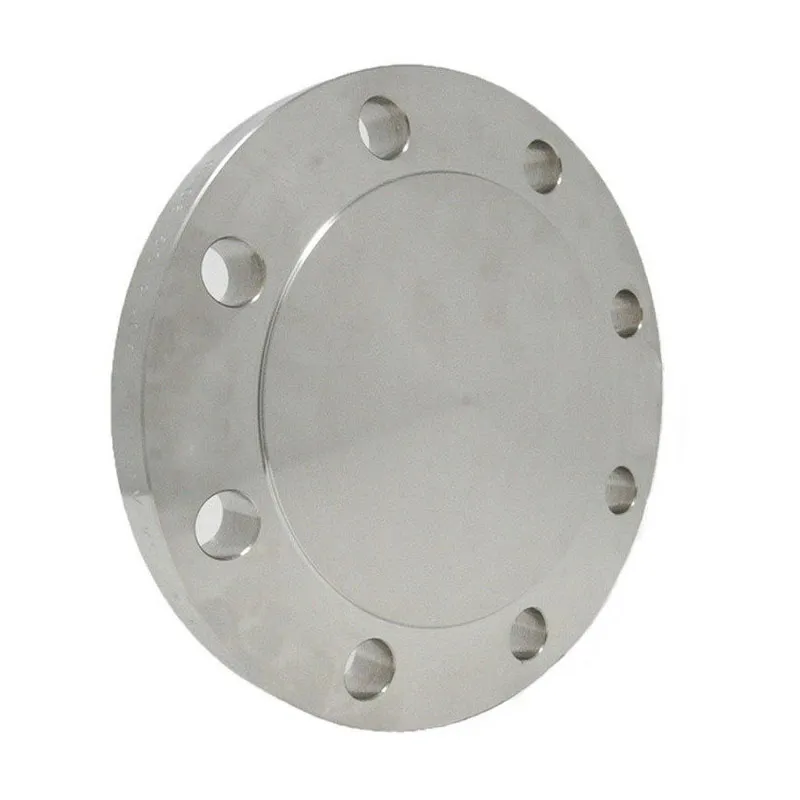
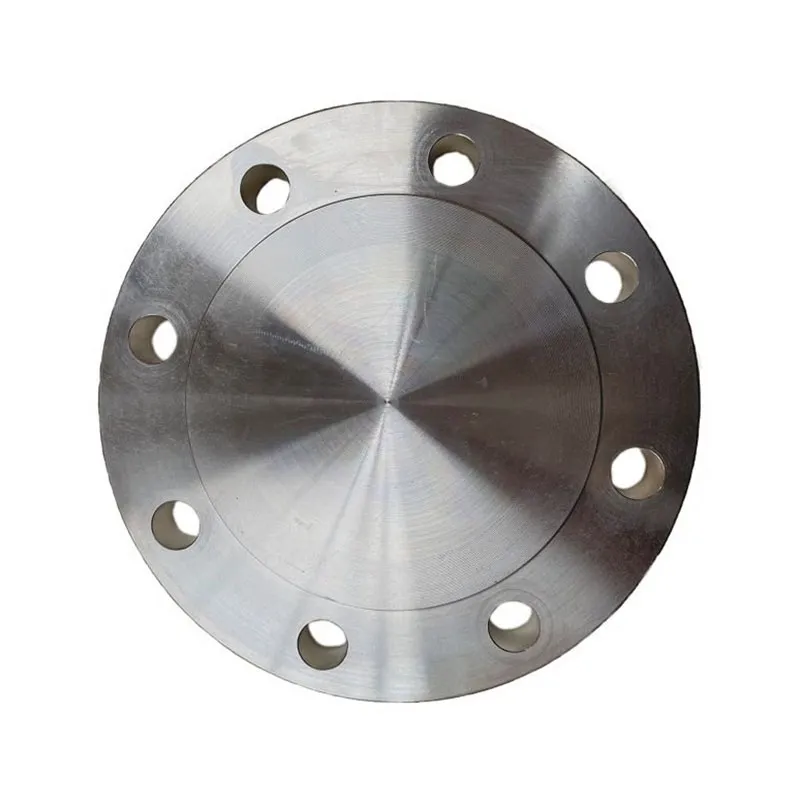
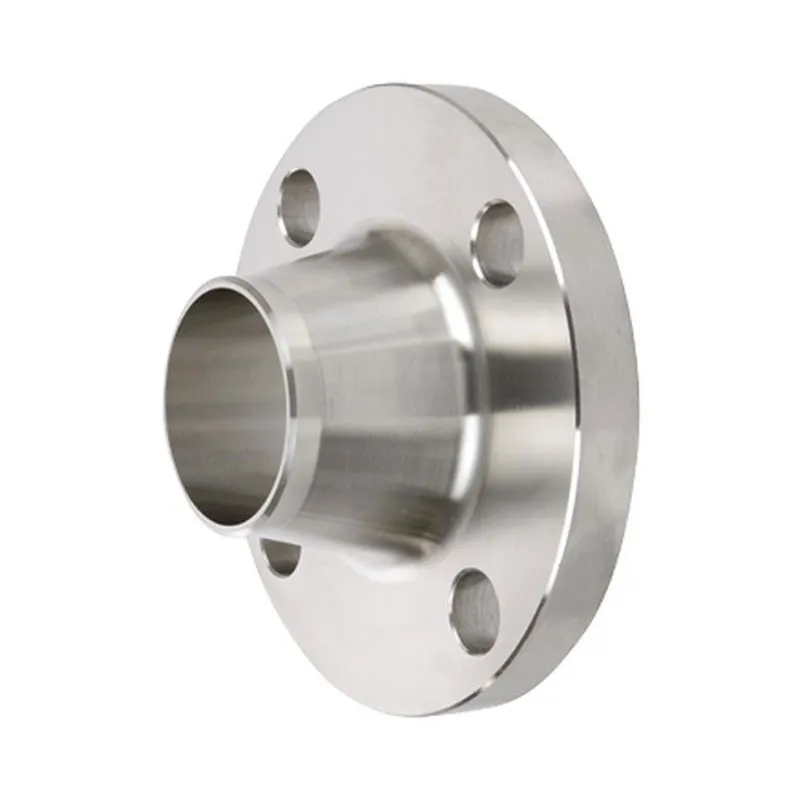
Best Sellingproducts
Best Selling Products-
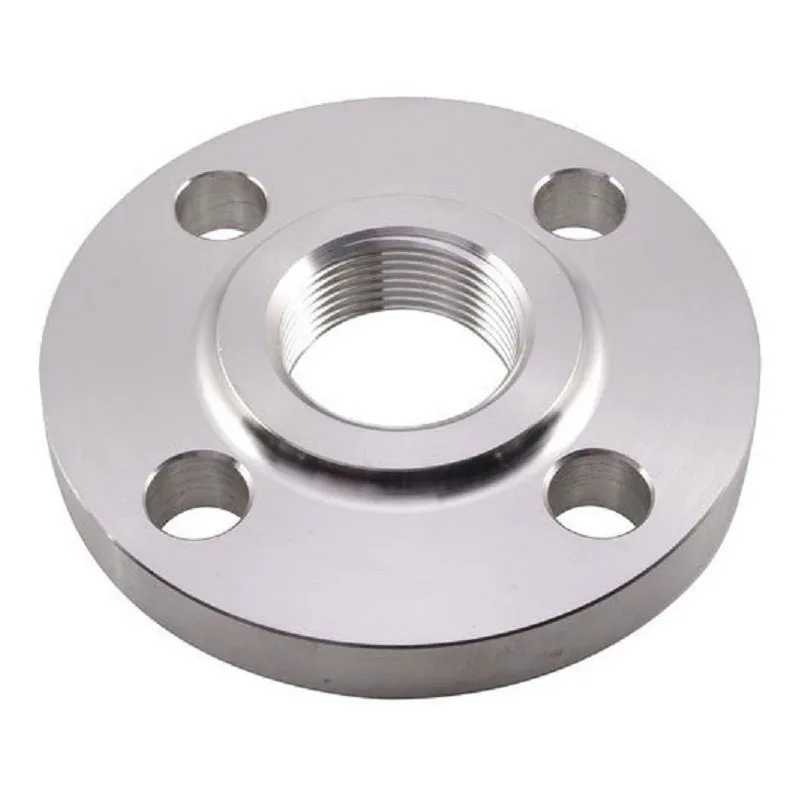 ANSI B16.5 Threaded Flanges Class 600
 -
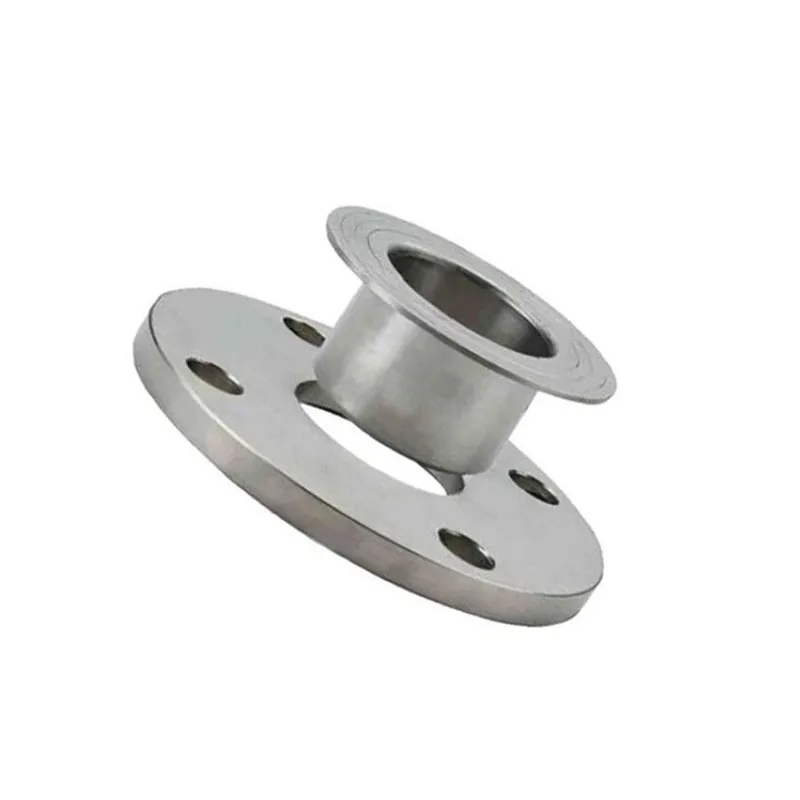 Free ring flanges Class 400
 -
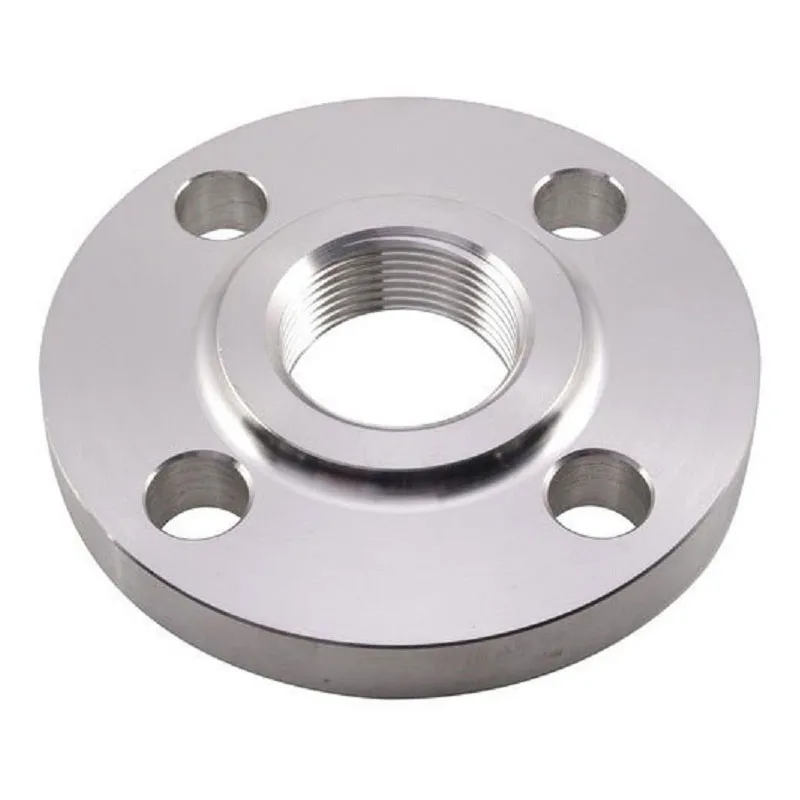 EN 1092-1 Threaded flanges Type 15, PN16
 -
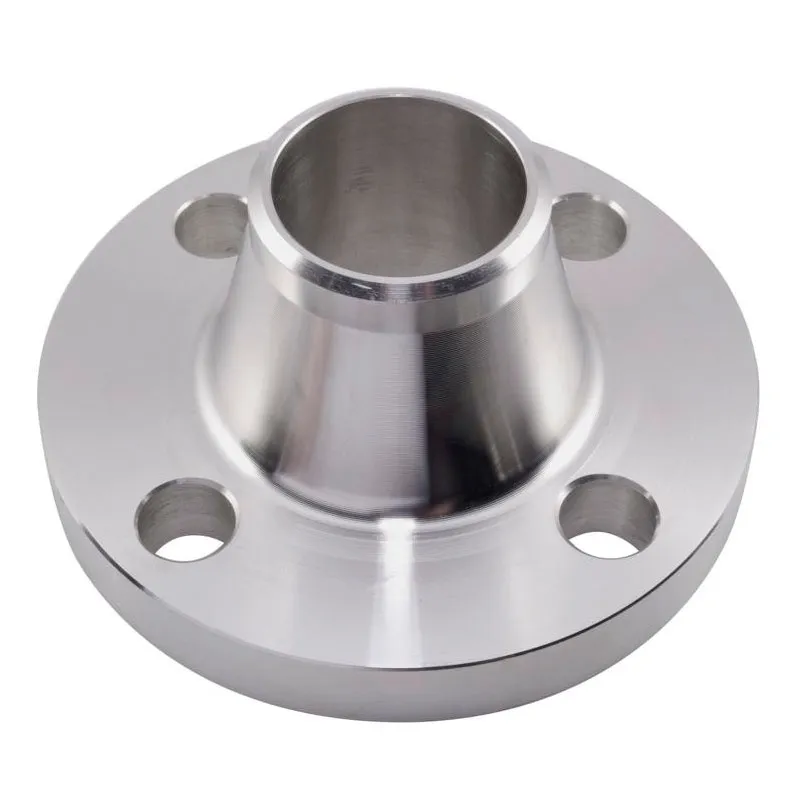 Butt weld flanges Class 900
 -
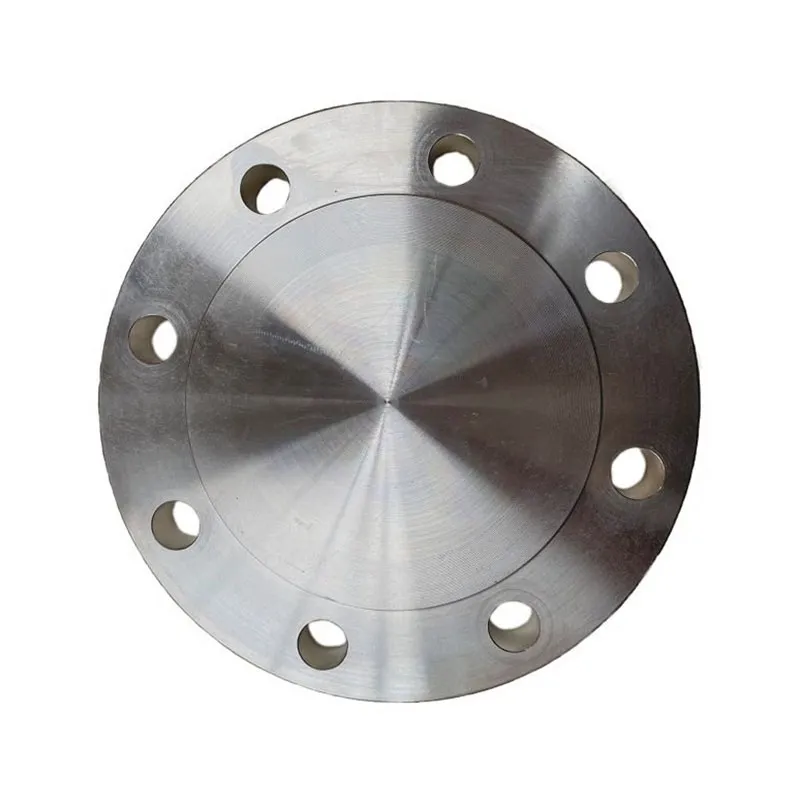 UNI 6092 Blind flanges PN10
 -
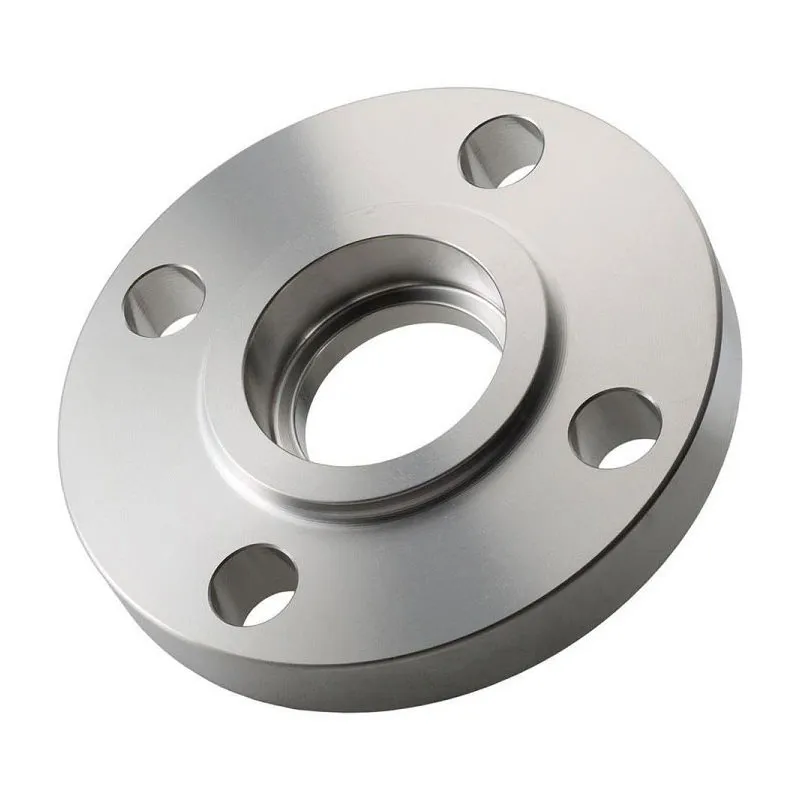 Flanges for socket welding
 -
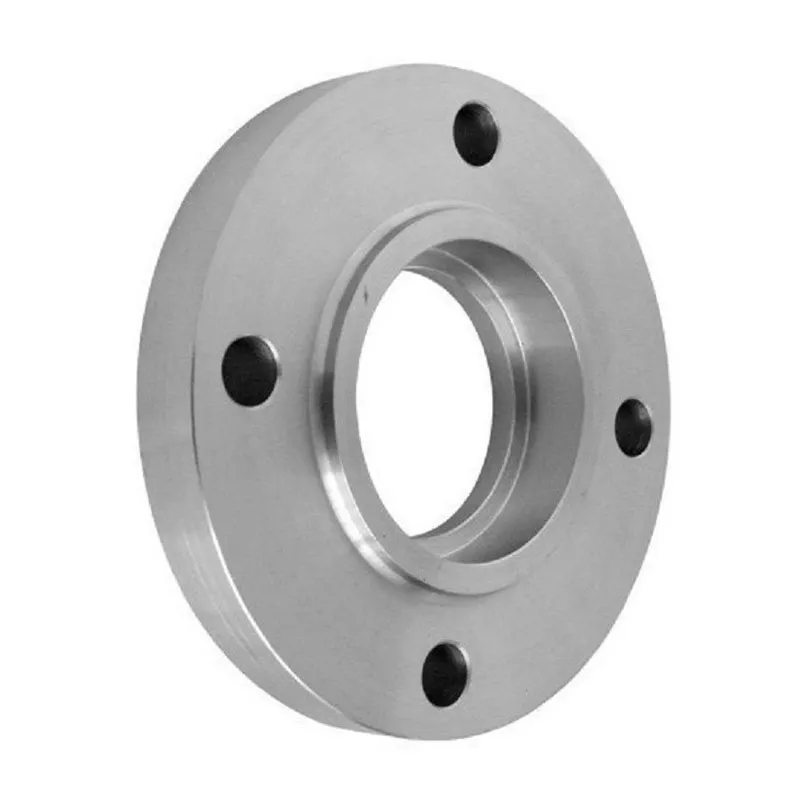 Socket Weld Flanges Class 300
 -
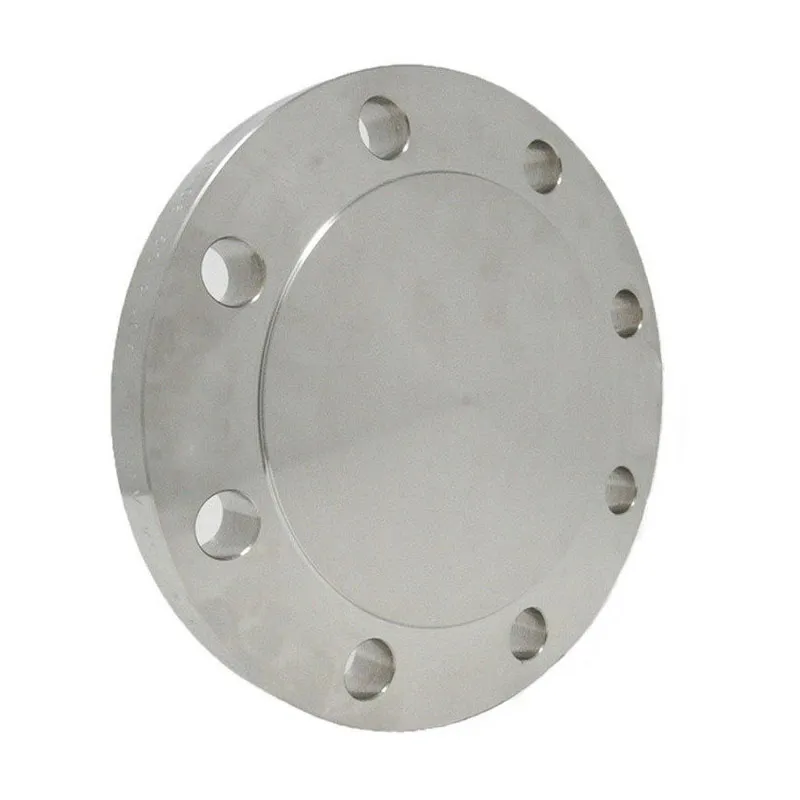 Blind flanges Class 150
 -
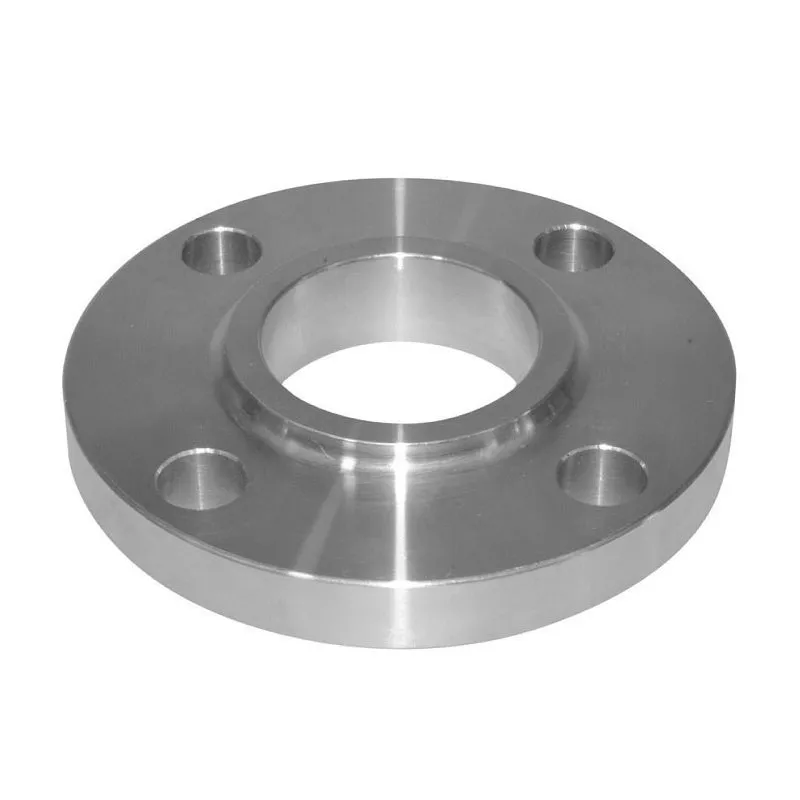 ANSI B16.5 Lap-on flanges Class 1500
 -
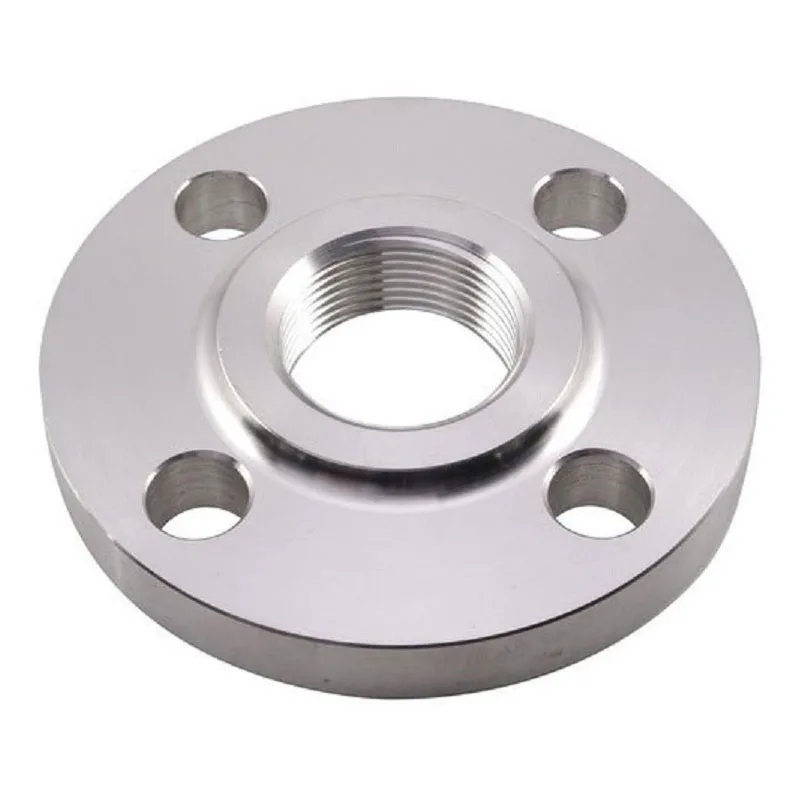 JIS 10K Threaded Flanges
 -
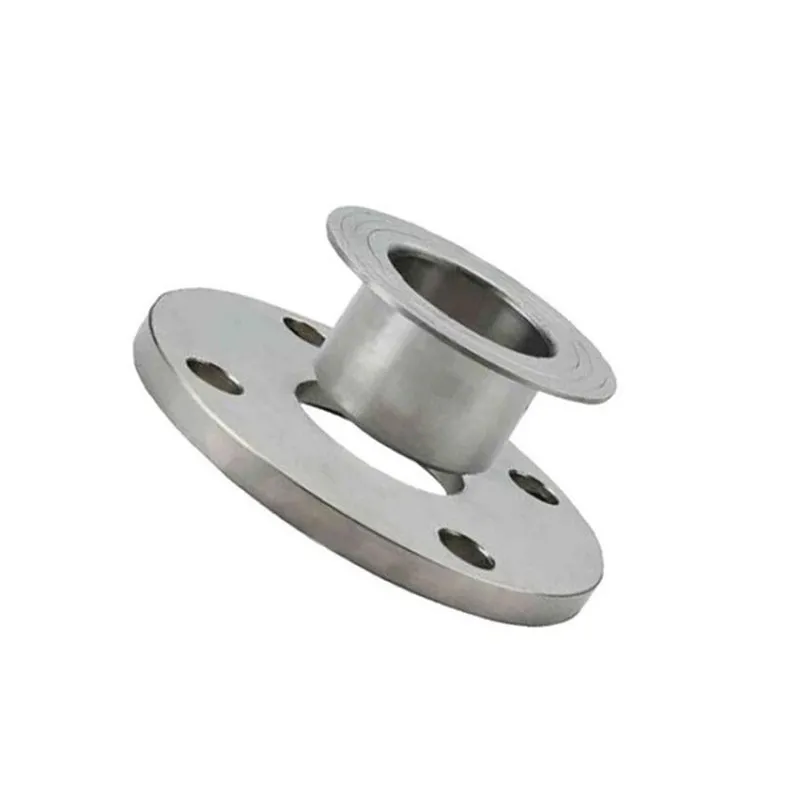 JIS 10K Loose Ring Flanges
 -
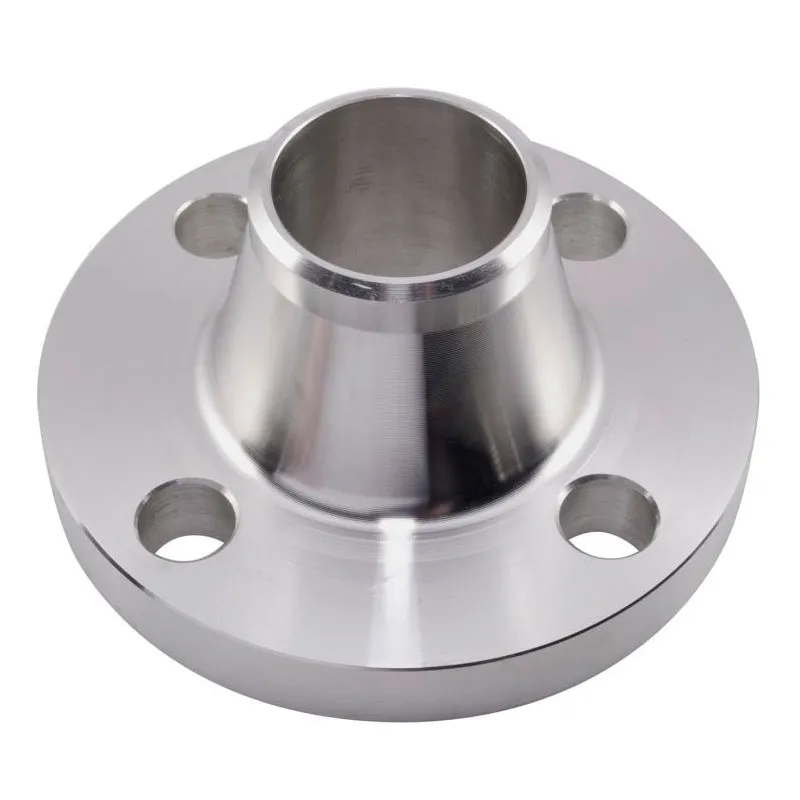 UNI 2281 Butt weld flanges PN10