
-
-
Phone
+86-13623462298



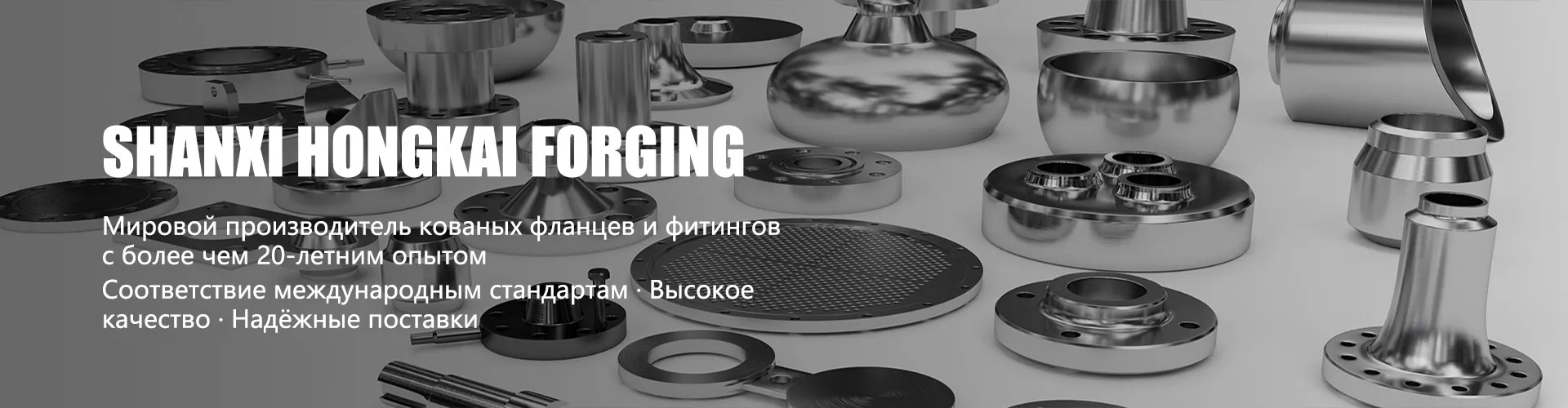
steel flanges ru 10
When they talk about steel flanges ru 10, many people immediately think about pressure - they say, since ru 10, that means 10 MPa. But here's the catch: in real work with pipelines, especially when it comes to replacement or installation on existing facilities, pressure alone is half the battle. I myself saw how flanges lay in the warehouse, marked just for RU 10, but the material was... let's say, not exactly the same as in the certificate. And this is not an isolated case. Therefore, when a customer, especially from the CIS, requests steel flanges RU 10, the first thing that comes to mind is what is behind this number? GOST, of course, gives basic requirements, but life makes its own adjustments. For example, for temperatures below -40°C, steels with impact strength are already needed, and here it’s just “steel?” - doesn't roll. Or a corrosive environment - here you need to look towards alloyed grades. I personally came across a situation where a contractor installed conventional st20 in an aggressive environment, thinking that the main thing was that it would withstand the pressure. Six months later, leaks began at the flange connections. So ru 10 is not just a number, it is a whole set of requirements for material, heat treatment, and control.
From drawing to detail: where the pitfalls lie
Let's take manufacturing for example. Many people think that forging a flange is a simple matter. But for ru 10, where reliability comes first, the manufacturing method is fundamental. Stamping or free forging? For critical applications, especially large diameters, free forging (forging) gives a more uniform metal structure; there are no internal stresses, as sometimes happens with stamping. At one of our sites we had a dn600 flange on ru 10, which cracked along the weld - upon opening it turned out that it was a stamping with an undetected internal defect. After this, for all pressures from ru 6 and above, we insist on forgings. By the way, here you can see what it looks like in real production -Shanxi Hongkai Forging Co.,Ltd (https://www.hkflange.ru), who specialize specifically in forged flanges, the process is organized with an emphasis on control at all stages. They don’t just drive tons of metal, but focus on critical products, which is critically important for RU 10.
There is also a problem with geometry. The taper of the hub, the thickness of the neck, the dimensions of the sealing surface - all this should not be “approximate”, but strictly according to the drawing. I remember we received a batch of flanges, everything seemed to be in accordance with GOST. But when connecting to imported fittings, a seal gap arose. It turned out that ?ours? flanges according to the old GOST had one rounding radius of the transition from the hub to the disk, while imported fittings had a different radius. I had to urgently look for a manufacturer who could make it exactly according to the provided sketch, taking into account this nuance. This is exactly the case when a standard is good, but dialogue with a plant that understands the essence of the problem is invaluable. Manufacturers such as the one mentionedShanxi Hongkai Forgingwho work according to GOST, ASME, and EN are often more flexible in such matters, because they are constantly faced with different standards.
And, of course, control. Ultrasound, color flaw detection, mechanical testing. For RU 10 this is not a luxury, but a necessity. But there is a nuance here: they often check randomly, one or two parts from a batch. Is it necessary to check each flange? For especially critical objects - yes. This increases the cost of products, but saves from accidents. We once ordered a batch of flanges for RU 10 for a boiler room, and the supplier, in order to save money, provided certificates only for selective inspection. It’s good that our supervisory engineer insisted on additional testing of random samples from the finished batch. Non-metallic inclusions were found on one of the flanges. The entire batch was rejected. The supplier has changed, and since then we have been working only with those who are ready to provide non-destructive testing protocols for each product or, at a minimum, for each steel melt.
Material: not all steel 20 is suitable for ru 10
This is perhaps the most common myth. “Steel 20 - it’s steel 20 in Africa too.” In fact, for RU 10 flanges, especially those operating in a wide temperature range or under conditions of alternating loads, steel grade alone is not enough. You need to look at the chemical composition of a particular melt and the mechanical properties after heat treatment. Steel 20 according to GOST 8479-70 for forgings is one thing, but the same grade, but with a high sulfur or phosphorus content, may no longer pass impact toughness. I had experience at a petrochemical plant: flanges made of steel 20, supplied according to all standards, after a year of work on the line with cyclic heating and cooling, a network of small cracks appeared around the studs. The analysis showed that the problem was that the carbon content in this batch was too high, which reduced the ductility. I had to change it to flanges made of 09G2S steel, which behaves better at low temperatures and cyclic loads.
Therefore, now, when ordering, we always specify not just “steel 20”, but require a certain group for the content of harmful impurities, and also, of course, normalization. Without heat treatment, a forging may have residual stresses, which will later come back to haunt you during installation or operation. Some manufacturers, especially those focused on exports and serious projects, understand this. On their websites, likehttps://www.hkflange.ru, it is explicitly stated that the products are manufactured in accordance with international standards, and this implies strict chemical control and mandatory heat treatment. For me this is always a plus - it means that they work not only for the domestic market, where sometimes you can cheat, but also for Western customers who simply won’t sign the certificate.
What to do if the environment is aggressive? Here you need to look towards steels like 12Х18Н10Т or even duplex steels. But here, too, with RU 10 flanges there is a peculiarity: alloy steels often have different mechanical properties, and strength calculations must be carried out based on their characteristics. Simply taking a drawing of a st20 flange and making it out of stainless steel is a mistake. The modulus of elasticity is different, the coefficient of linear expansion is different. This may cause the seal to become ineffective when the studs are tightened or due to thermal expansion. It was necessary to develop separate technical conditions for such flanges, changing, for example, the thickness of the disk or the configuration of the hub. A good manufacturer is always ready to discuss these points and offer engineering solutions, and not just say “let’s do it as in the drawing?”
Installation and operation: theory versus practice
Let's say the flange is perfect, the material is correct, the certificates are in order. But most of the problems with RU 10 flange connections arise precisely during installation. The most common mistake is incorrectly tightening the studs. They tighten it “heartily” with a wrench two meters, thinking that the stronger it is, the more airtight it is. The result is either a broken thread or excessive stress in the flange itself, which after some time will lead to metal creep and loss of tightness. Nowadays, many people use torque wrenches, but there is also a subtlety here: the tightening order. Crosswise, in several passes, with a gradual increase in torque. I saw how installers tightened in circles to save time. The result is distortion of the sealing surface and leakage during hydrotesting.
Another point is gaskets. For ru 10 it is no longer possible to install ordinary paronite ones for all occasions. For high temperatures, you need spiral-wound gaskets with graphite or asbestos filler (although with asbestos now everything is stricter), for aggressive environments - fluoroplastic or metal. But the main thing is to correctly select the width and thickness of the gasket for the specific type of sealing surface of the flange (ledge-recess, tongue-groove, etc.). Once I came across the fact that on flanges with a tongue-and-groove connection. The spiral wound gasket was installed too wide. It didn’t fit into the groove, the installers “cut it”... In general, the connection was leaking from the very first day. I had to stop the line, remove it, and order new gaskets of the exact size.
And, of course, visual inspection before installation. It would seem like a small thing. But how many times have I found nicks on the sealing surface on new flanges, residues of chips in the holes for the studs, or even traces of corrosion from improper storage. All this needs to be cleaned, sanded, and degreased. Ideally, the flange comes with a protective coating (such as varnish or preservative grease) on the sealing surfaces. Responsible suppliers who supply flanges and forgings for export have this practice. This suggests that they think not only before the moment of shipment from their warehouse, but also about the condition in which the product will reach final installation.
When standards are not enough: non-standard solutions
There are situations when a standard GOST or ASME flange is not suitable. For example, you need to connect a RU 10 pipeline to a device that has a non-standard pipe, or you need a flange with additional outlets for control devices. This is where the fun begins. The first thing you need to do is a competent strength calculation. You can't just draw ?looks like a standard one? and send it to production. Calculating pressure is one thing, but there are also moment loads from the weight of pipes, thermal expansion, and vibration. For one chemical reactor, we ordered a non-standard adapter flange from dn300 to dn250, but with an increased neck wall thickness precisely because of vibration loads from the stirrer. Of course, they did it not according to GOST, but according to their own technical specifications, agreed upon with the manufacturer.
In such cases, the choice of manufacturer is critical. We need not just a CNC lathe, but a plant with a forging and press production and its own design bureau. They must be able not only to forge a workpiece of the required shape, but also to conduct a force analysis of the design and offer options. Just on the siteShanxi Hongkai Forging Co.,LtdIt is clear that manufacturing according to customer drawings is one of their specializations. And the range of sizes up to dn4000 allows us to say that they can also make large-sized non-standard products, which is often required for the energy or petrochemical industries. It is important that such a manufacturer is ready to conduct a dialogue, request all the necessary data on working conditions and not be afraid of difficult tasks.
But there is a trap here too. Sometimes the customer, trying to “play it safe”, demands to make a flange with a huge margin of safety - twice as thick, with massive stiffeners. This leads to higher costs, increased weight, installation problems (adjacent flanges may not withstand such a neighbor) and, paradoxically, can create new problems. For example, due to a large difference in the thickness of the metal, cracks may occur during welding. Therefore, a good manufacturer does not just blindly execute the drawing, but if he sees an obvious waste of material or a design error, he must say so. This is a sign of professionalism. In my practice, there have been cases when it was precisely such comments from the manufacturer’s technologist that helped to avoid costly defects at the installation stage.
Instead of a conclusion: what to look for today
So what are steel flanges RU 10 in 2023? This is no longer just a piece of hardware with holes. This is a complex product where every detail is important: from steel chemistry and forging technology to control and installation conditions. When choosing a supplier, I now look not only at the price and availability of a GOST certificate, but also at how the plant approaches the process as a whole. Do they have modern non-destructive testing equipment? Do they perform mechanical tests on every heat? Are they ready to discuss non-standard tasks and delve into operating conditions?
Experience suggests that it is often more profitable to work with specialized manufacturers who make flanges and forgings their main specialization, rather than with resellers or general-purpose factories. The former, as a rule, have more experience and higher technological discipline. The same Chinese manufacturers, it seemsShanxi Hongkai Forging, which have been working on the international market for a long time and manufacture products in accordance with GOST, ASME, EN, are forced to set a very high bar in order to compete. And this benefits everyone - both them and the end customer, who receives a reliable product.
In general, to summarize my experience, the key for RU 10 flanges is dialogue. Dialogue between a design engineer, a manufacturing plant technologist and installers. When all the links in this chain understand what is behind the dry stitching “steel flange ru 10”, the problems at the site become an order of magnitude less. This means that the pipeline will operate for a long time, safely and without unexpected stops. That, in fact, is the whole point.
Correspondingproducts
Related Products
Best Sellingproducts
Best Selling Products-
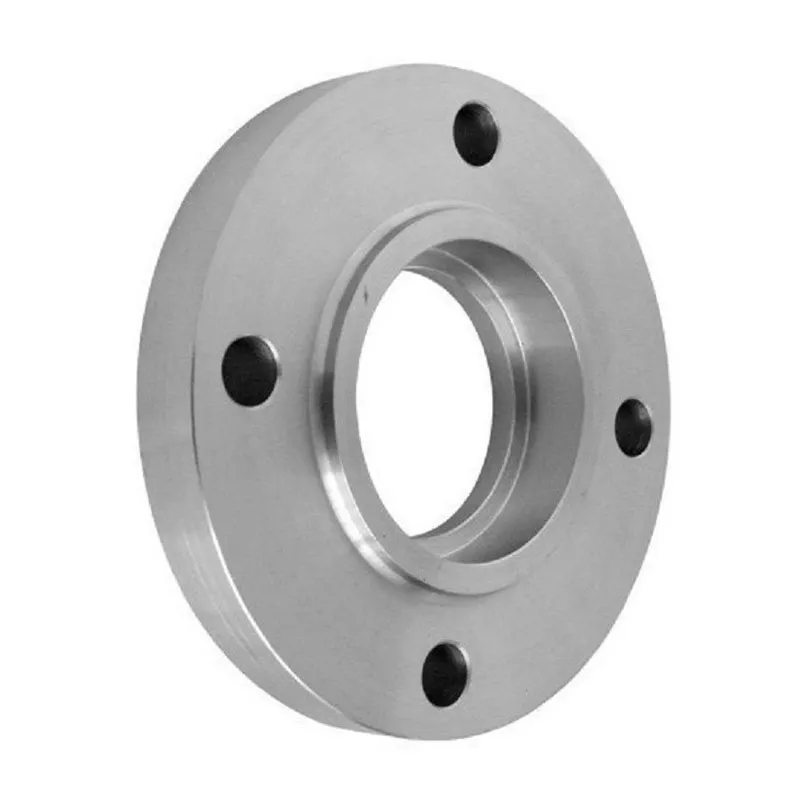 Socket Weld Flanges Class 300
 -
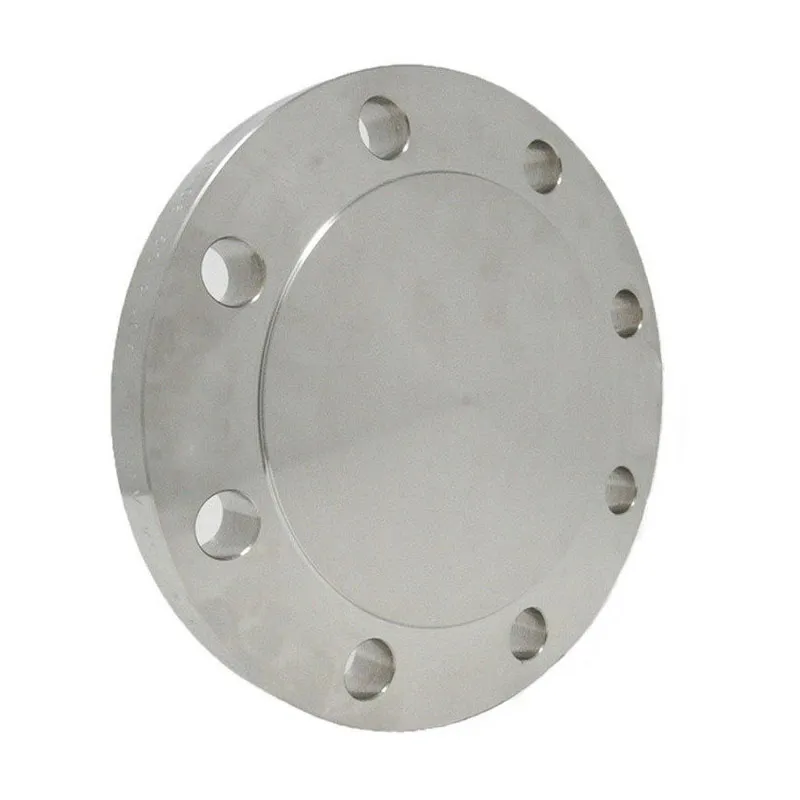 Blind flanges Class 150
 -
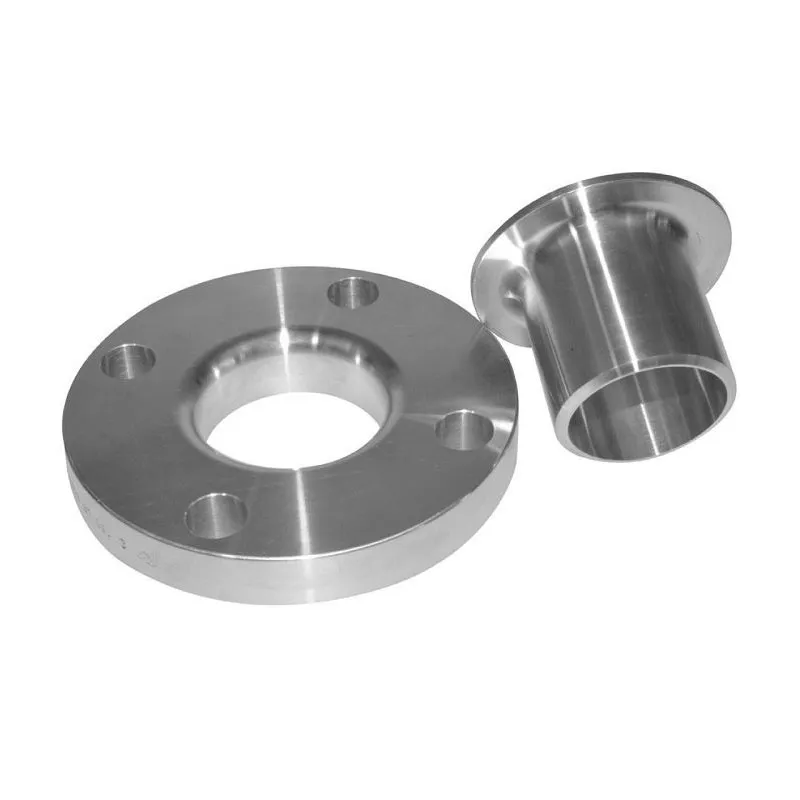 ANSI B16.5 Loose Ring Flanges Class 2500
 -
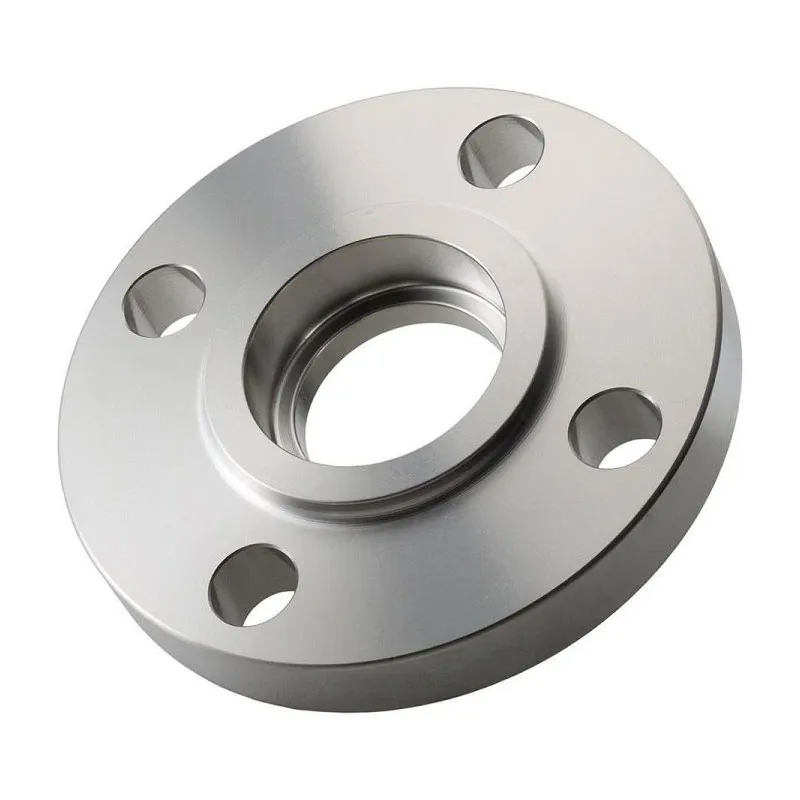 ANSI B16.5 Socket Weld Flanges Class 150
 -
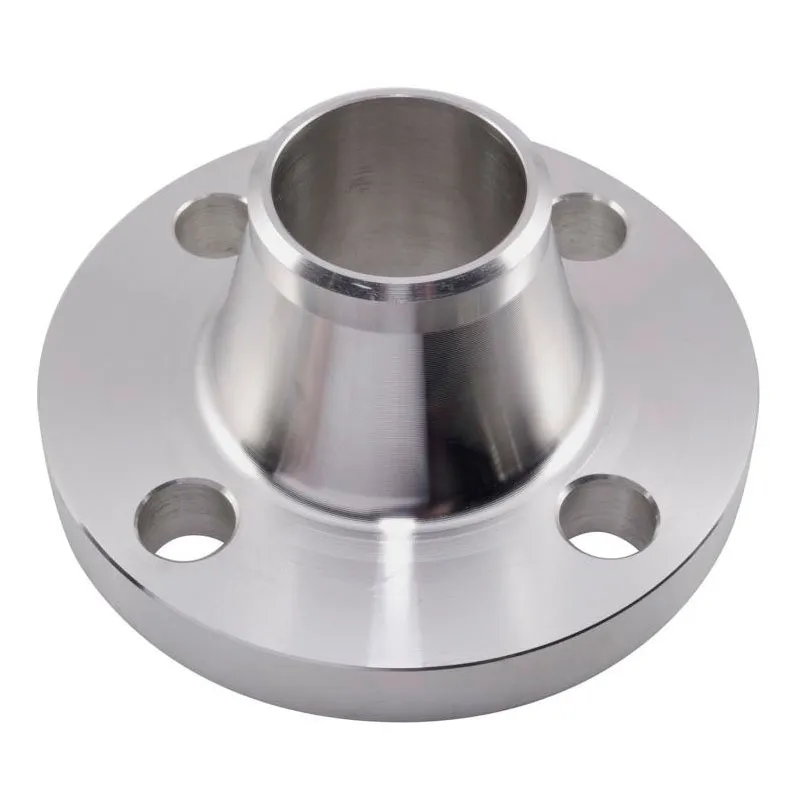 DIN Butt weld flanges PN10
 -
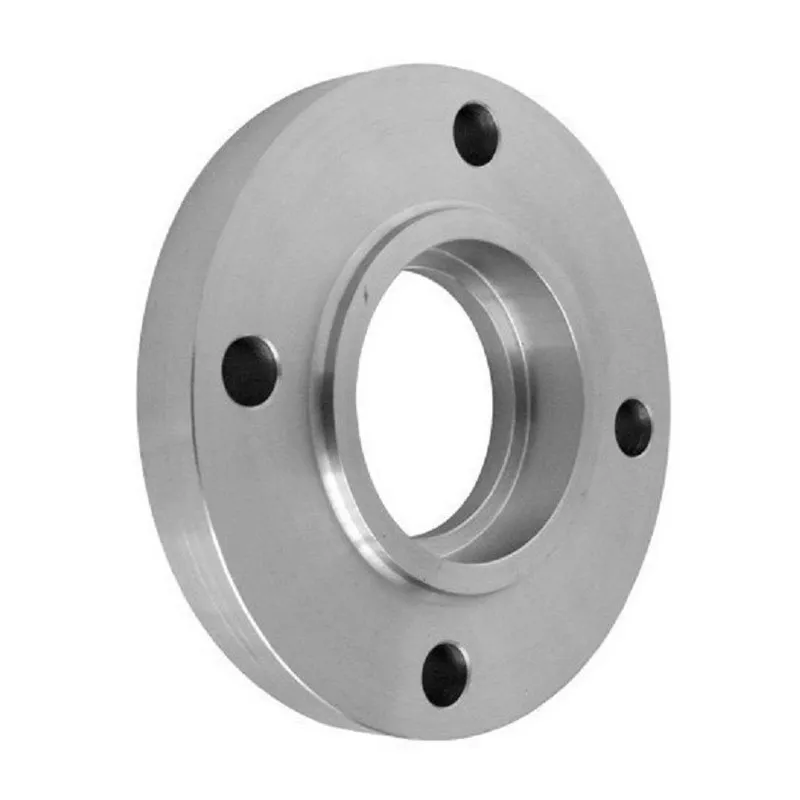 JIS 5K Socket Weld Flanges
 -
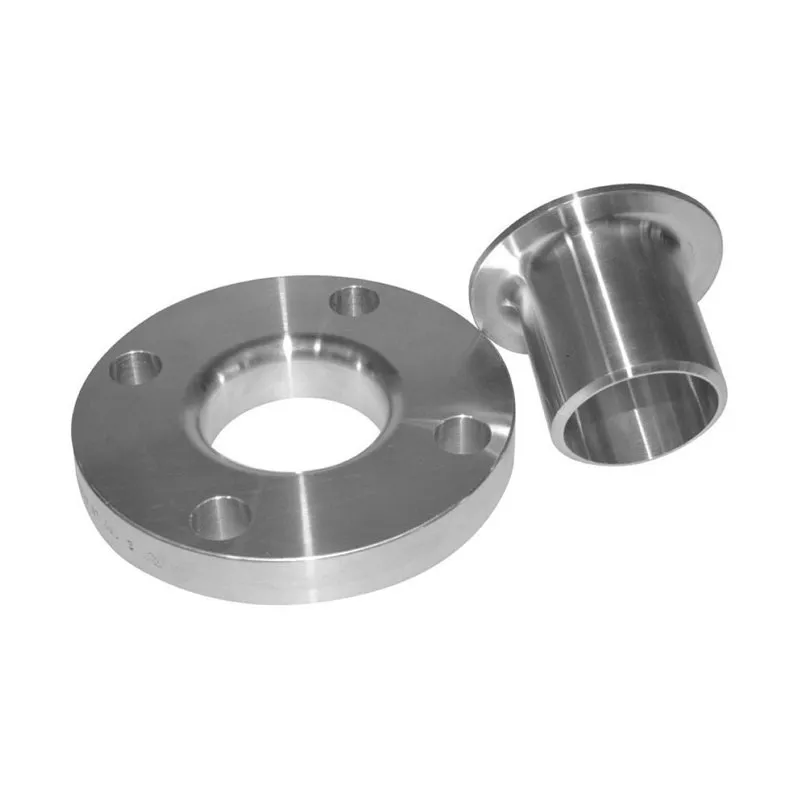 Free ring flanges Class 150
 -
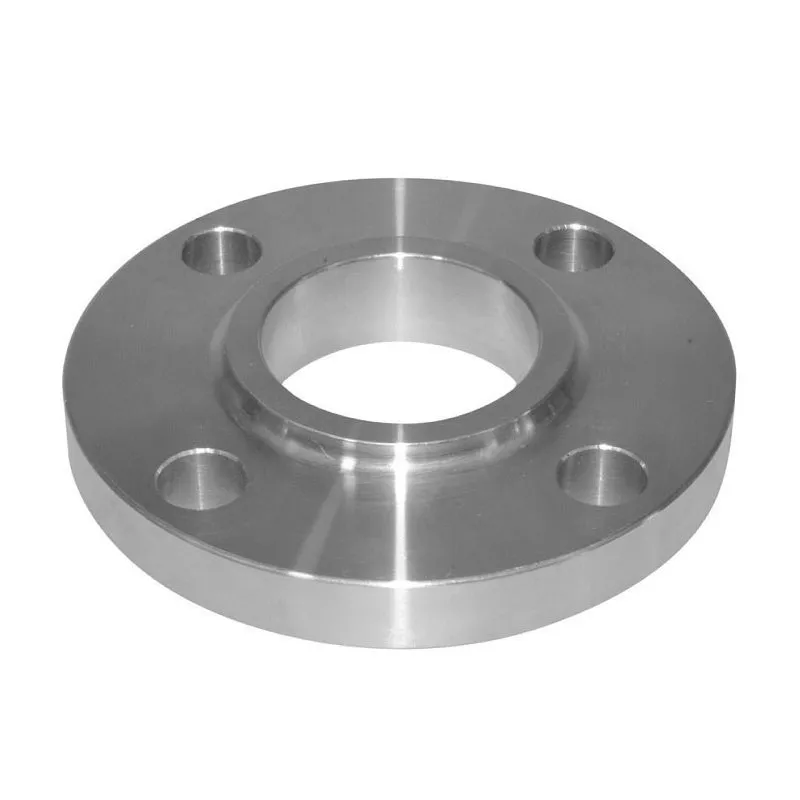 ANSI B16.5 Lap-on flanges Class 1500
 -
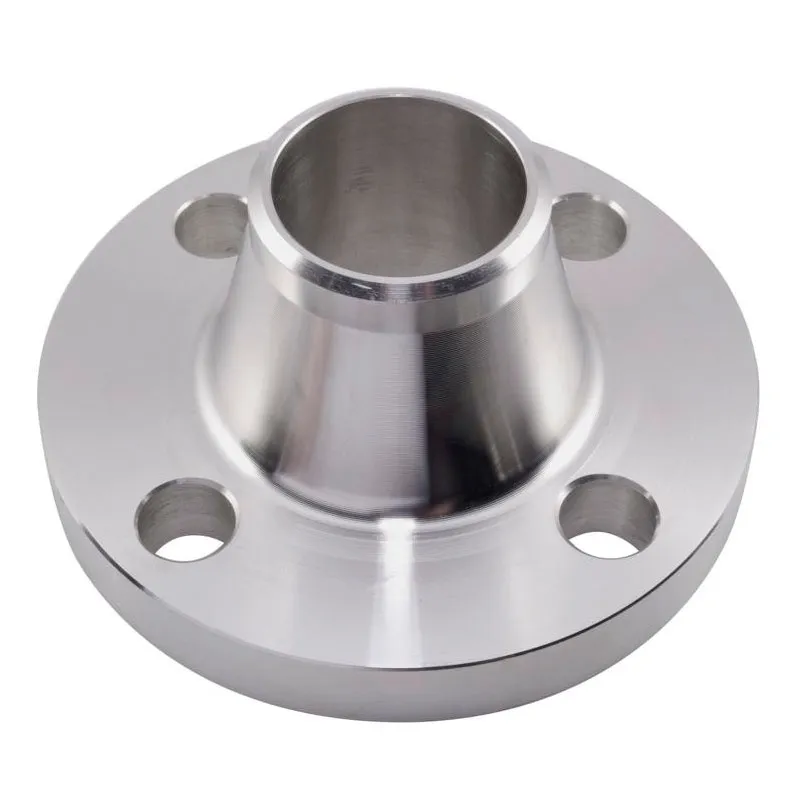 Butt weld flanges Class 900
 -
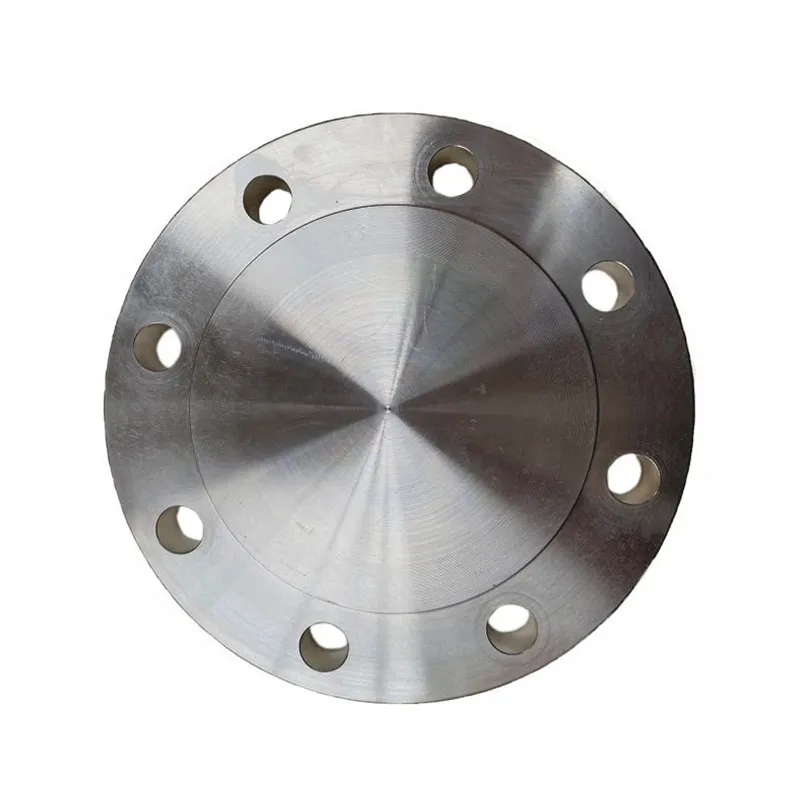 DIN 2527 Blind flanges PN10
 -
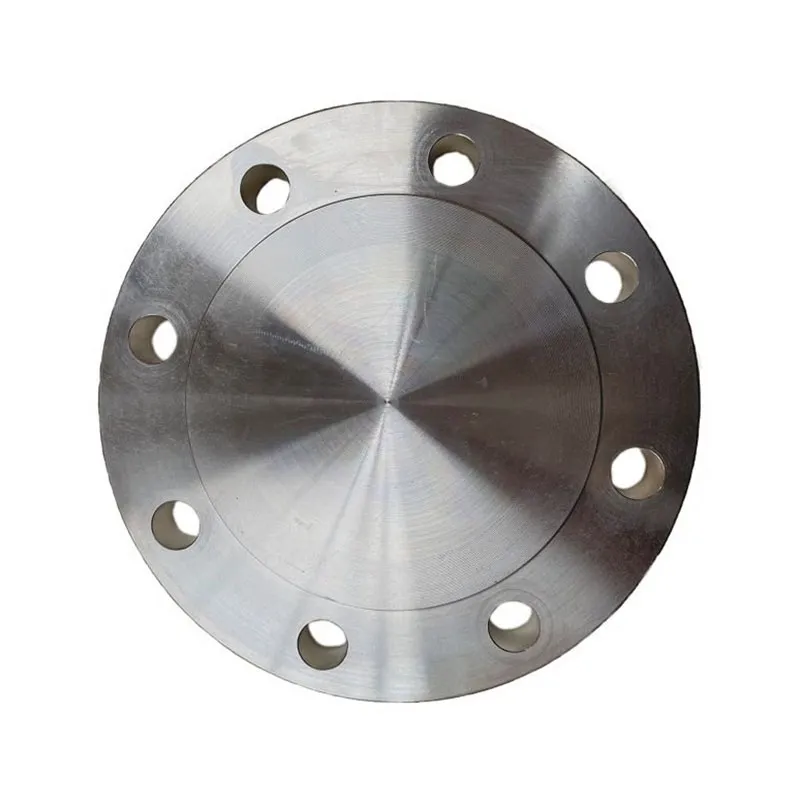 ASME B16.47 Ser.A Blind Flanges Class 400
 -
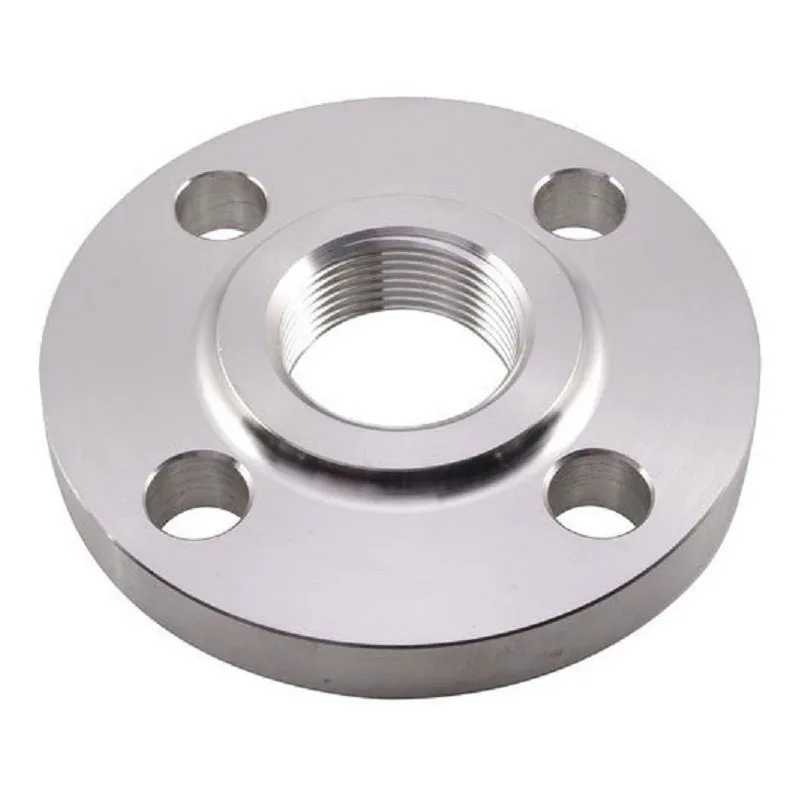 ANSI B16.5 Threaded Flanges Class 600