
-
-
Phone
+86-13623462298



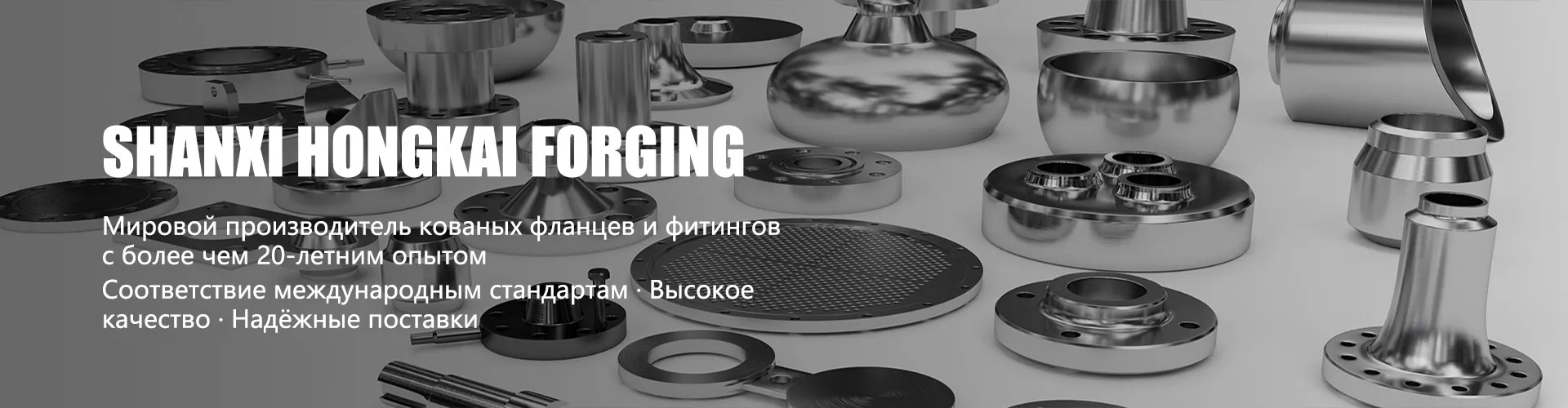
flange 50 16 20
When you see “flange 50 16 20” in a specification or request, the first thought is that everything is clear, it’s a standard thing. But this is where many, especially those who are just starting to work with pipeline fittings, fall into the trap. Numbers aren't everything. This marking can hide either a flat flange or a butt joint, and a pressure of 16 atmospheres (conditional, of course) and a nominal diameter of 50 mm are just the starting point. The most common mistake is to assume that a flange with such parameters will be the same everywhere. But no - the material, the type of sealing surface, the standard by which it is made decide everything. I myself once, about ten years ago, put a batch of such flanges on the water, took them according to GOST, it seems, and they began to leak at the parubin joints. It turned out that the material was wrong, it was not suitable for water, the surface was smooth, but it was needed with a protrusion. Since then I have had great respect for these numbers.
We analyze the markings: DN, PN and more
So, ?50? - this is DN, nominal diameter. In millimeters. It would seem that what is so difficult here? But here’s a nuance: if we are talking about an ASME flange, then there will be inches. And in our country, most likely, we mean the metric system, standards like GOST or, possibly, EN. ?16? - this is PN, conditional pressure. Also in bars. Now this is more interesting. PN 16 is for medium pressures, not for high-temperature steam, of course, but for many process lines and water supply it’s just right. But! This pressure is based on a temperature of 20°C. If the medium is hot, the permissible pressure drops. This is often forgotten when looking only at the number in the request.
What is ?20?? This is where the fun and often confusing part begins. In the classical sense of GOST 12820-80 or 12821-80, this most likely indicates the design of the sealing surface. Execution 1 is a protrusion, 2 is a depression, 3 is a tenon, 4 is a groove, 5 is for a lens gasket, 6 is for an oval gasket. How about 20? In old Soviet reference books you can find a mention, but now it is more often interpreted as the thickness of the flange or some specific modification. In practice, when such a request comes from a client, especially from the CIS, I always clarify: “Twenty—what is it?” Execution according to the old drawing or do you mean thickness??. It often turns out that this is a legacy of old design documentation, where ?20? could mean the material - steel 20. That's the whole answer. But without clarification, you can easily ship the wrong thing.
Therefore, my main advice is: never work only on numbers from the search bar. Request a drawing, specify the standard (GOST, DIN, ASME B16.5) and material. Save a lot of nerves and money. I once supplied a batch of flanges to a chemical plant based on this request, the material was standard St20, but their environment was aggressive, they needed stainless steel 12Х18Н10Т. It’s good that they intercepted it in time, otherwise the losses would have been colossal.
Types of flanges: which one? 50 16 20? do you need it?
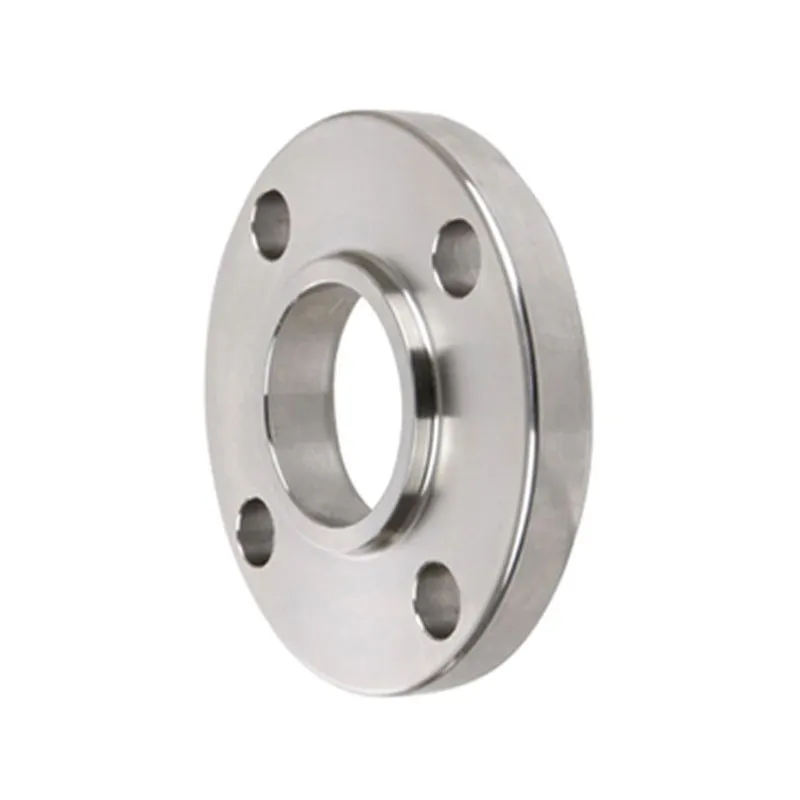
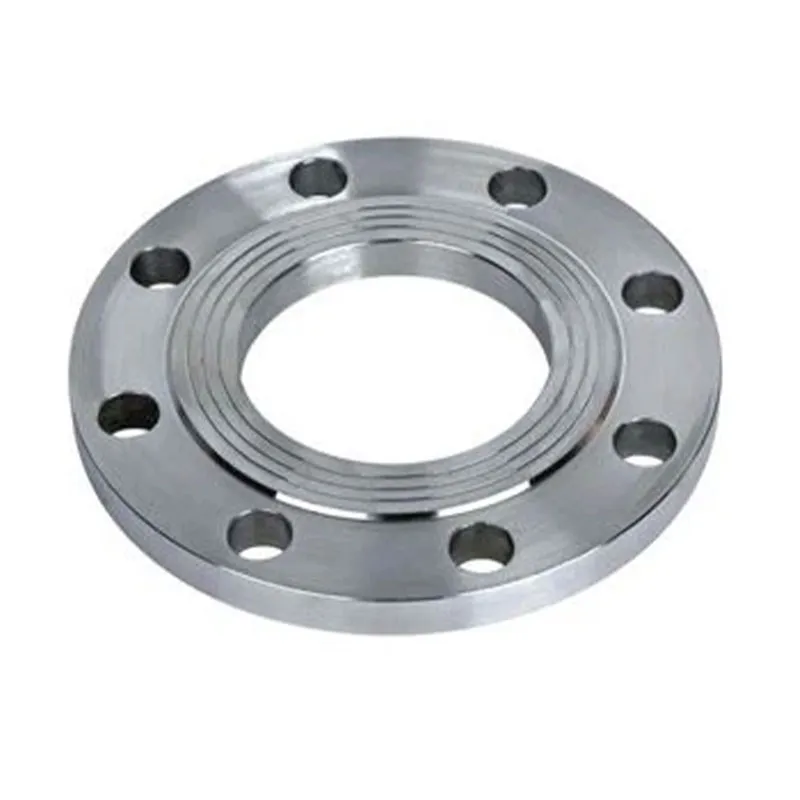
Based on the parameters, most often underflange 50 16 20imply butt welded (collar) or flat welded. For DN 50 and PN 16 both types are widely used. Butt welding (GOST 12821) is more expensive to manufacture, but it is easier to install - only one edge is butt welded to the pipe, there is no need for a second welding of the neck. And it is well suited for systems where bending moments are possible. Flat (GOST 12820) is cheaper, but requires two welds - to the pipe and to the flange itself. And if the installers are slapdash, alignment problems may arise.
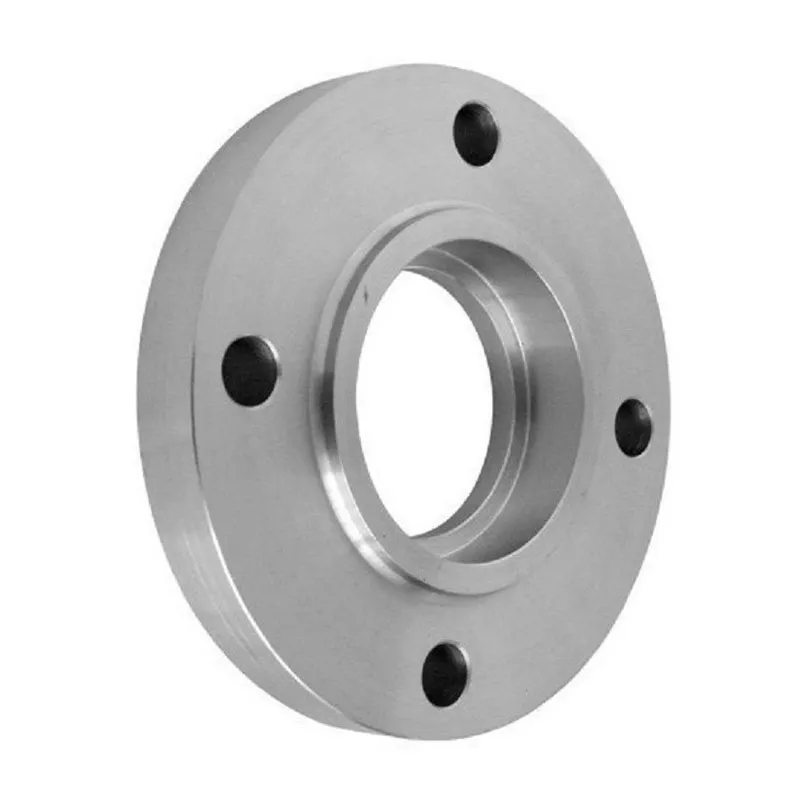
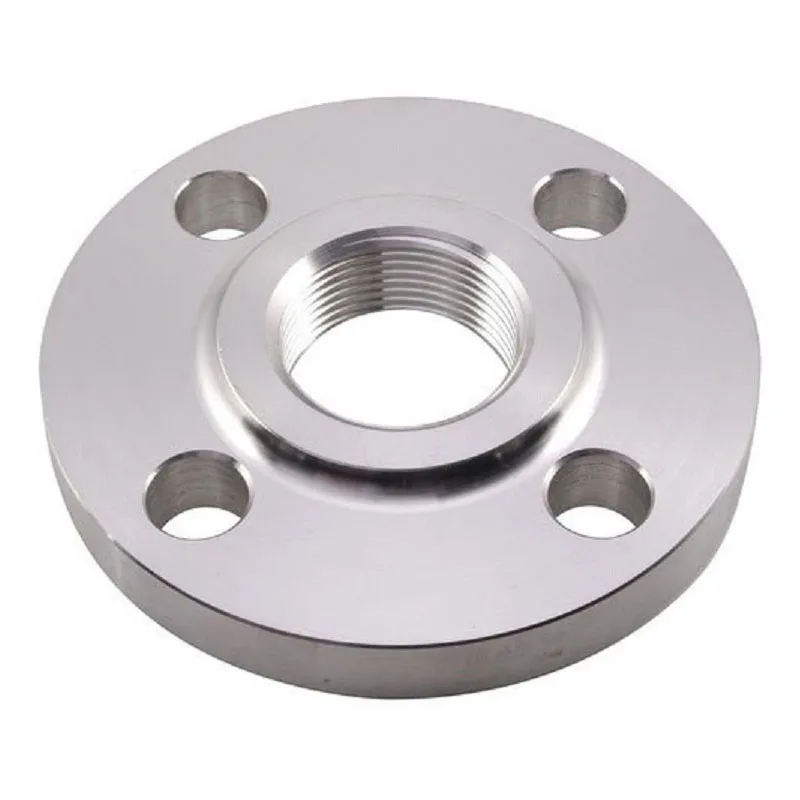
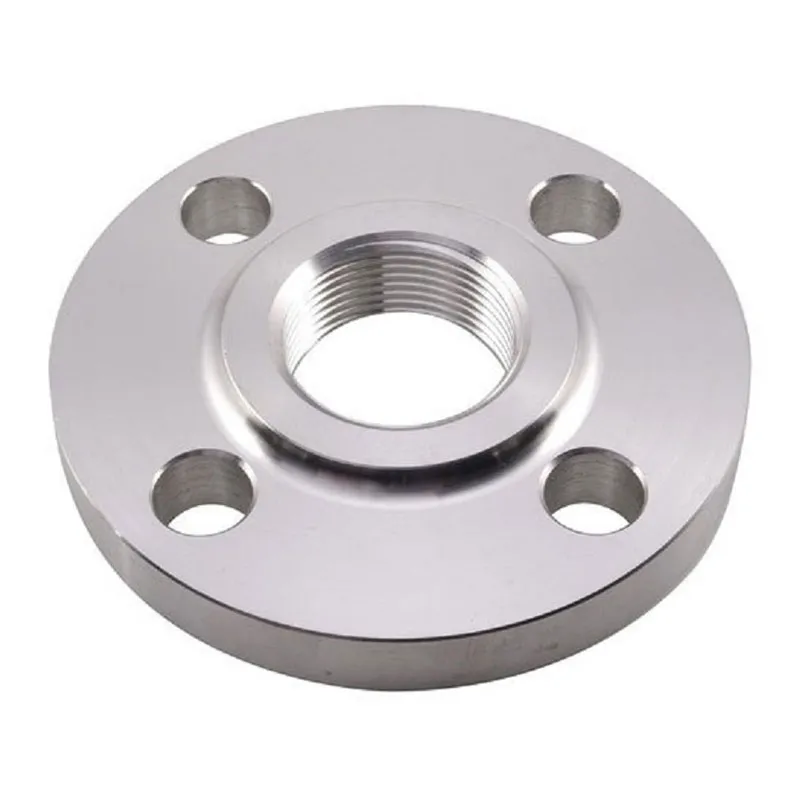
There is also a free flange on the welded ring - a very convenient thing for installation in hard-to-reach places or when you need to frequently disassemble the connection. But for PN 16 and DN 50 it is used less often, usually on larger diameters. A threaded flange for such parameters is already exotic, usually for special cases where welding is prohibited.
In my practice, I most often encounter the fact that flat flanges are ordered for a nominal bore of 50 mm and a pressure of 16 atm. They are universal, and the warehouse programs of most suppliers are tailored for them. But if the project is serious, with calculations for vibration, then engineers are still inclined to butt-end ones. By the way, Chinese manufacturers who work for our market, for example,Shanxi Hongkai Forging Co.,Ltd(their website ishkflange.ru), the range includes both types, and they are made according to both GOST and ASME, which is convenient. They position themselves as a manufacturer of forged flanges and forgings, and forging, especially for critical connections, produces better metal structure compared to casting or cutting from sheet metal.
Material is the basis of reliability
Here we come to the most important thing. The numbers are ?50 16 20? They don't say anything about the material. And this is critically important. For water, steam, air at low temperatures (up to 400°C), carbon steel is often used: St20, St3sp5. For higher temperatures or loads - alloy steels of type 09G2S. For aggressive environments - stainless steels: 12Х18Н10Т (analogous to AISI 321), 10Х17Н13М2Т (AISI 316Ti).
If the request contains ?20? as an indication of the material - steel 20, then this is structural carbon steel. Operates normally at temperatures from -40 to +450°C. But it cannot be used in highly aggressive environments. I remember an incident at one thermal power plant: they installed St20 flanges on the condensate line, the temperature seemed to be low. But there was a small admixture of some reagents, and after six months red streaks began to appear and corrosion began. I had to urgently change it to stainless steel.
Therefore, when ordering, you always need a technical specification or a passport of the environment. Manufacturers likeShanxi Hongkai Forging Co.,LtdThey are usually ready to manufacture according to the required material; in their description it is stated that they work according to international standards. This is important because the chemical composition of steel according to GOST and according to ASME may be slightly different, and for certified projects this matters.
Standards and geometry: subtleties that break systems
A flange according to GOST 12820-80 and a flange with the same DN 50 and PN 16 according to EN 1092-1 are not always interchangeable products. The holes for the bolts, their number, and the diameter of the bolt circle may vary by a couple of millimeters. And this is enough to prevent docking at the facility. It happens that you bring it for installation, and the bolts do not fit into the holes, or, conversely, the bolt circle is smaller and the studs do not fit. Emergency, simple, search for adapter plates.
You need to be especially careful with the old stock, where there are still flanges according to Soviet standards, which are no longer produced. Sometimes the request is ?50 16 20? - this is just an attempt to find an analogue to such a rarity. In this case, without a drawing - nowhere. You need to measure everything: thickness, outer diameter, diameter along the protrusions, dimensions of the sealing surface.
The sealing surface is a different matter. If this design is for an oval gasket? (the same thing that is sometimes hidden behind the number), then the geometry of the groove must be ideal, otherwise the seal will not ensure tightness. Not all manufacturers undertake this. We need to look for those who work with non-standards. On the same website hkflange.ru, the company description indicates that they also make non-standard products according to customer drawings - for such situations this is often the only way out.
Ordering and logistics practice: from request to installation
So, what does the ideal scenario for working with such a request look like? The client sends not just the line “flange 50 16 20?”, but a technical specification or a sketch. We, as a supplier (or manufacturer), look at: flange type, standard, material, design of the sealing surface, the need for heat treatment, anti-corrosion coating (primer, galvanizing). Let's clarify the deadlines. If it is a standard St3 flat flange, it may be in stock. If it is a butt joint made of stainless steel 316 with an RF (Raised Face) surface finish according to ASME, this is already made to order.
Here it is important to choose a manufacturer who will not just cut a blank from a sheet, but will make a forged flange if the pressure parameters and responsibility of the unit require it. Forging, like that of the Shanxi company mentioned above, ensures that the metal fibers are guided along the contour of the product, which increases tensile strength and fatigue resistance. For the same PN 16 this may not be critical, but for variable loads it is already important.
When receiving a batch, we make sure to do a spot check: we measure the geometry, drill into the material (if there is a spectrometer), and check the markings. Then everything is packed so that during transportation the sealing edge is not damaged - its scratches will later result in leaks. And only then sending. It seems like little things, but they make up a reputation. When the installers call and say: “Everything fits together, it fits together like it’s original?” - this is the best assessment of the work.
Instead of a conclusion: thinking out loud
As I write this, I understand that the topic is ?flange 50 16 20? - it's like a small universe in the world of pipelines. It would seem like a simple piece of iron with holes. But in reality it is a concentration of engineering, standards, materials science and practical experience. The main thing I have learned over the years of work is: never be shy to ask again and clarify. It’s better to spend ten minutes making a call than to deal with the consequences of a discrepancy for months later. And always look a little further than the numbers in the request. Behind them is a real system that should work for years without failure. And whether it will work depends on how correctly we, suppliers and manufacturers, understand this request.
As for these parameters specifically, today this is one of the most popular sizes for auxiliary lines, connections to devices, and instrumentation systems. The demand is constant. And having a good, trusted manufacturer who makes high-quality forgings and respects the geometry is half the success. Then it’s a matter of technique and attentiveness.
Correspondingproducts
Related Products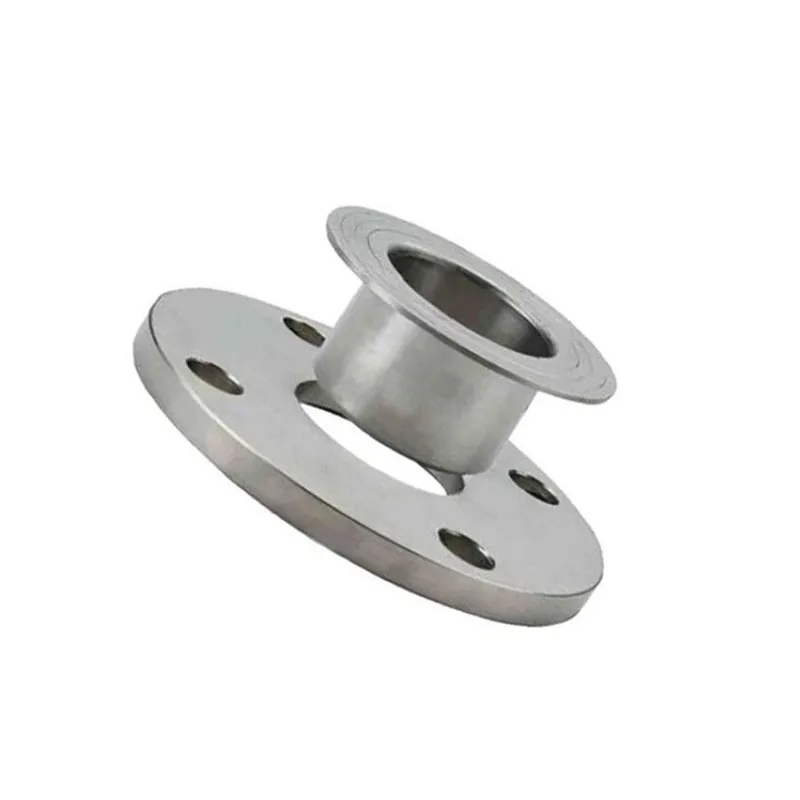
Best Sellingproducts
Best Selling Products-
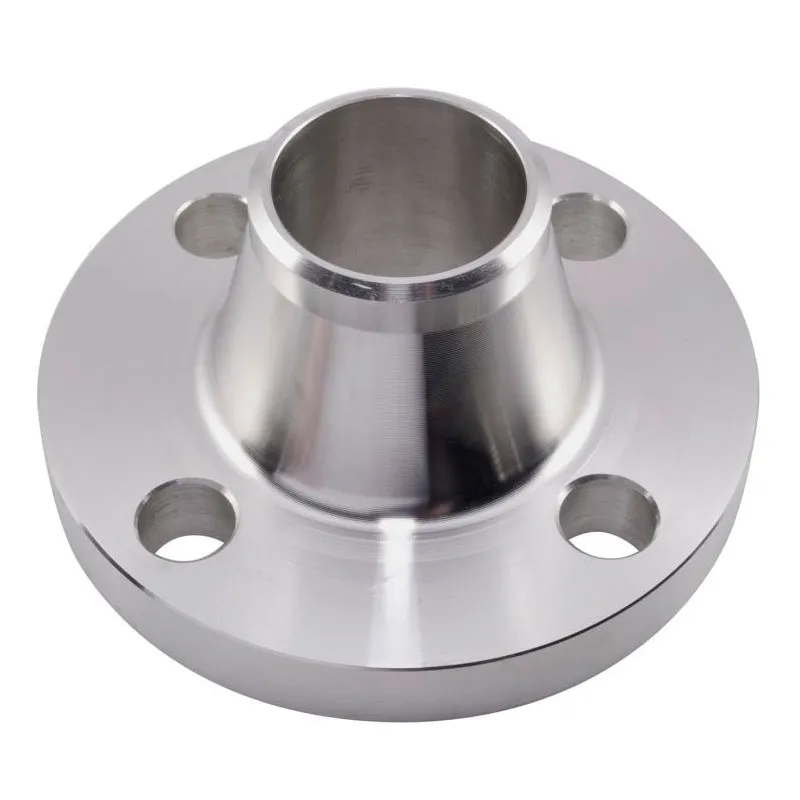 UNI 2281 Butt weld flanges PN10
 -
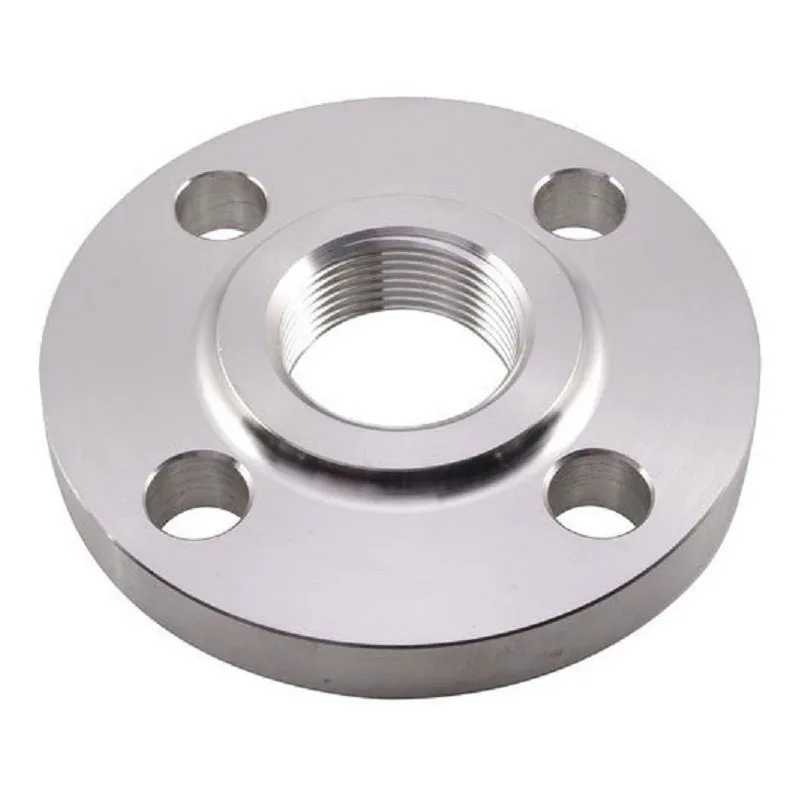 ANSI B16.5 Threaded Flanges Class 600
 -
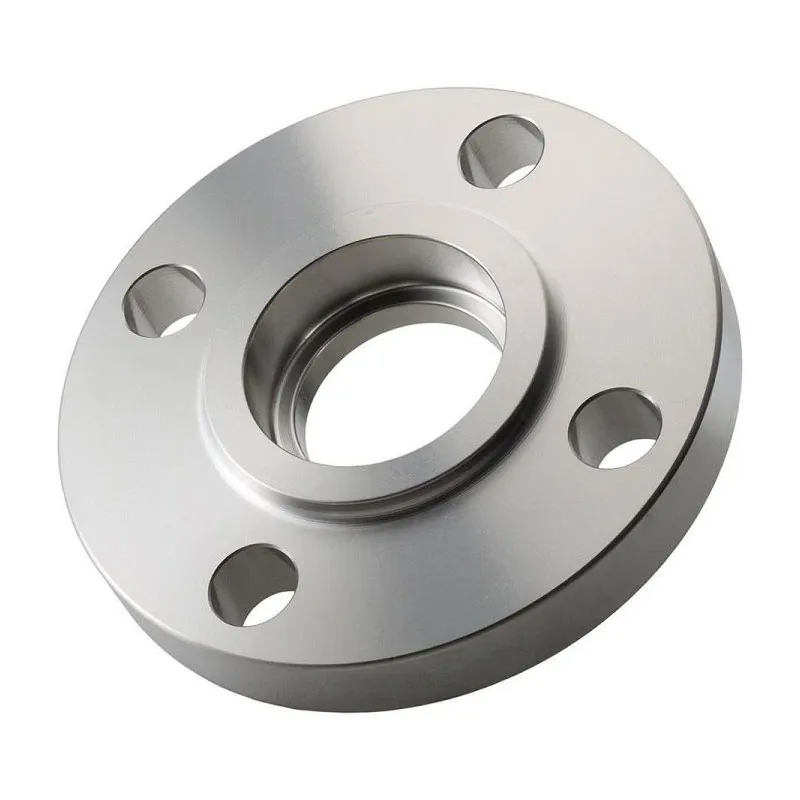 ANSI B16.5 Socket Weld Flanges Class 150
 -
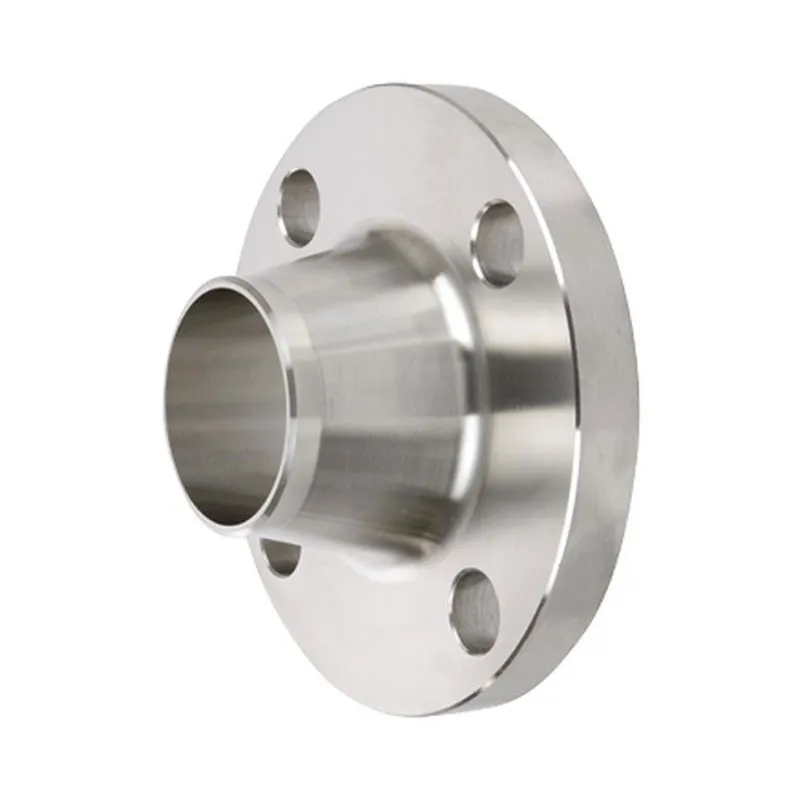 Ser.A Butt Weld Flanges Class 400
 -
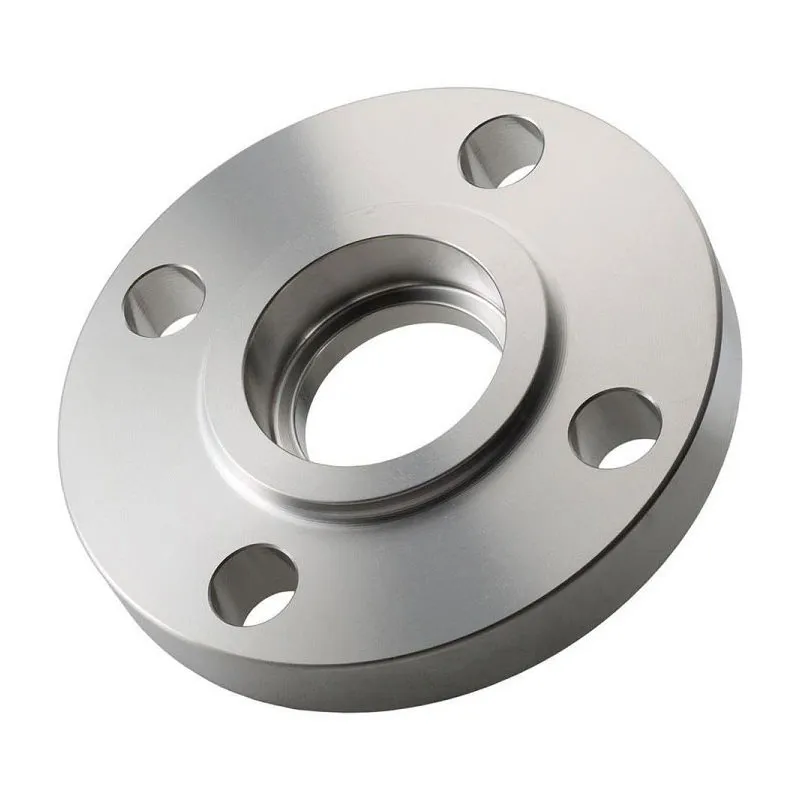 Flanges for socket welding
 -
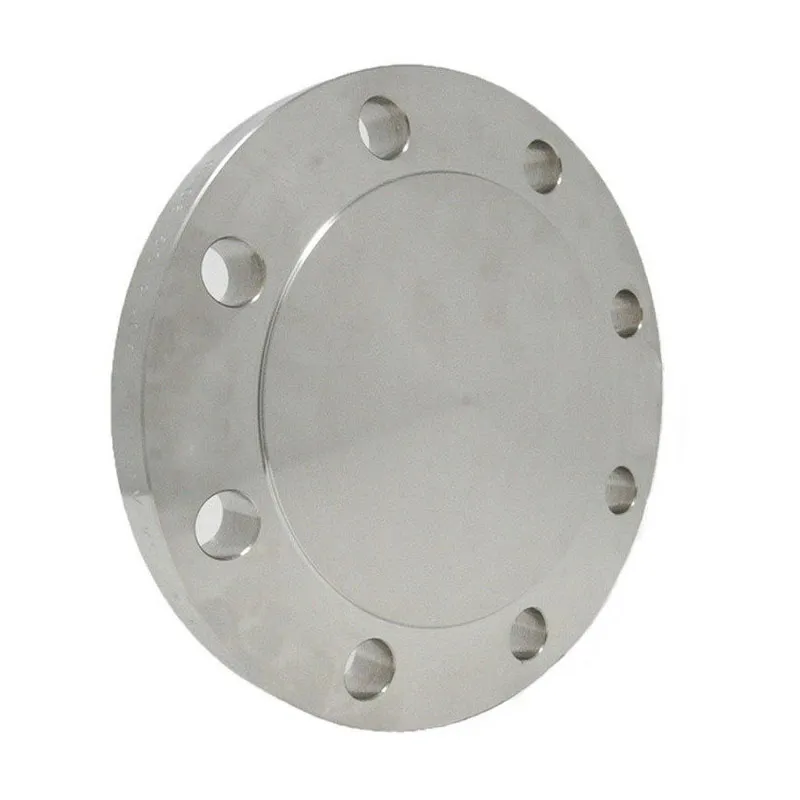 AWWA Blind Flanges Class D (Tables 1, 2, 3)
 -
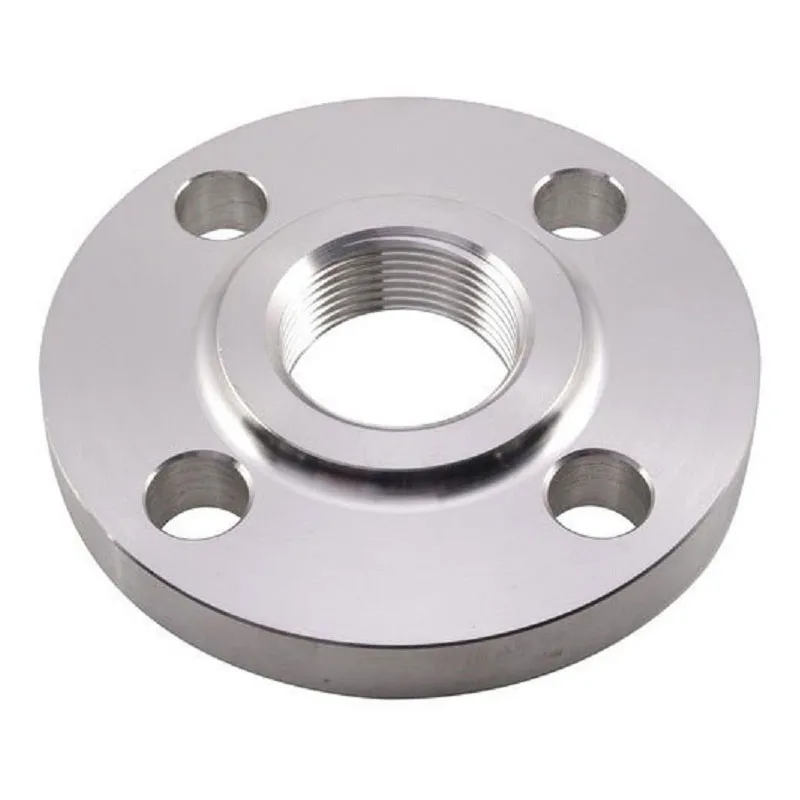 EN 1092-1 Threaded flanges Type 15, PN16
 -
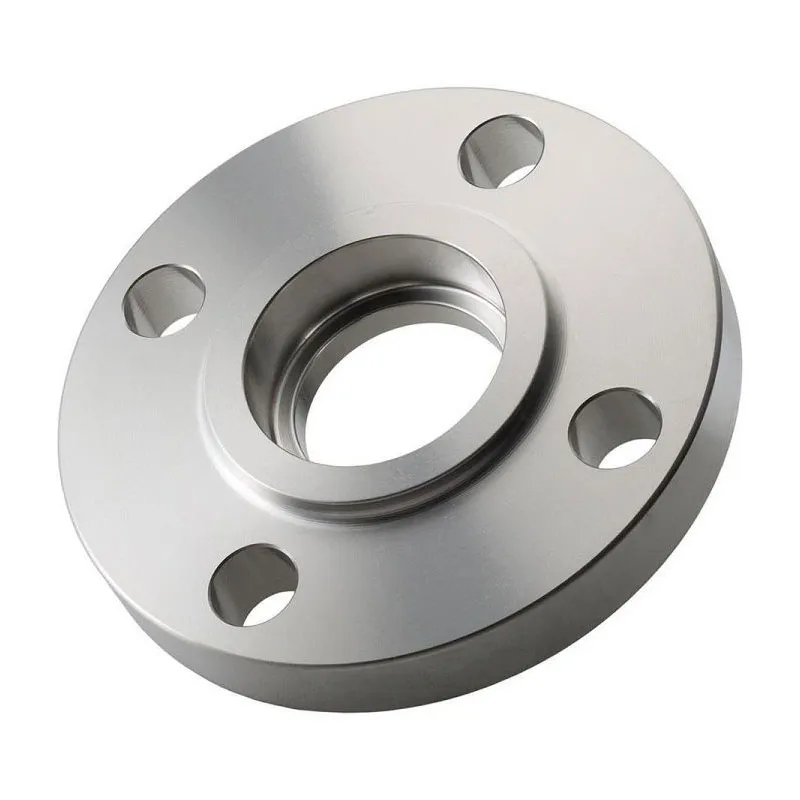 ANSI B16.5 Socket Weld Flanges Class 1500
 -
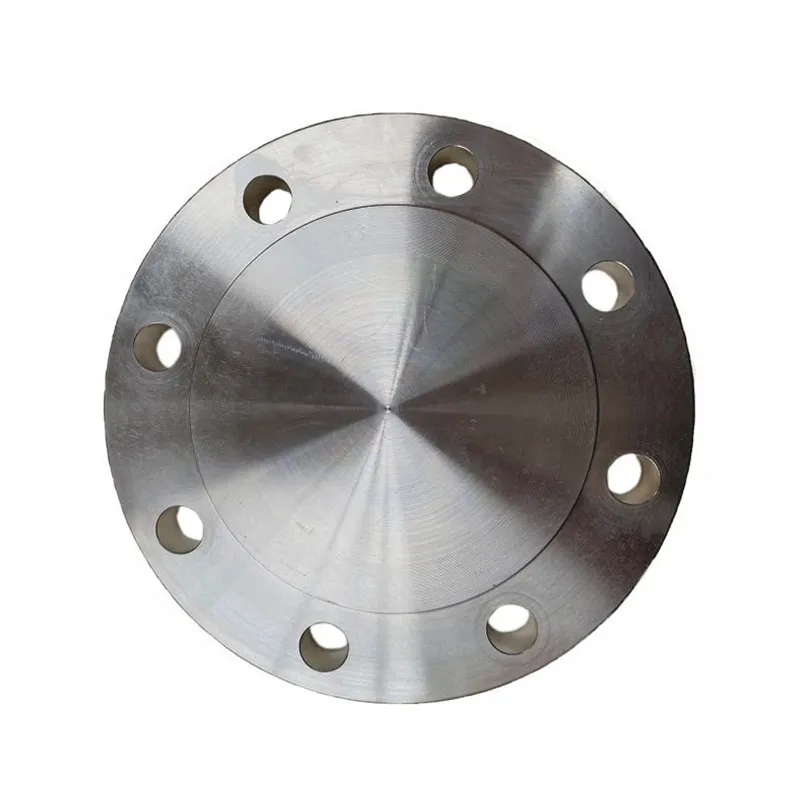 DIN 2527 Blind flanges PN10
 -
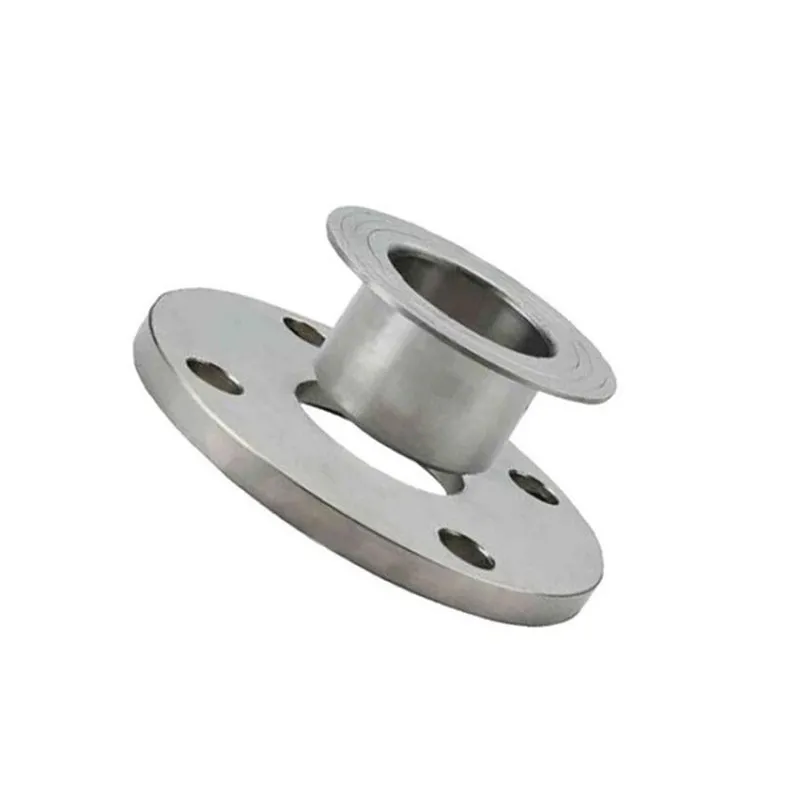 JIS 10K Loose Ring Flanges
 -
 DIN 2566 Threaded flanges PN16
 -
 JIS 10K Overlay flanges