
-
-
Phone
+86-13623462298



flange center
When they talk aboutflange centers, many immediately imagine simply the geometric center of the holes for the studs. In fact, if you dig deep into the manufacturing and installation technology, everything is much more interesting and... capricious. This is not an abstract point on the drawing, but a real basis for assembly, on which it depends whether the assembly will fit together without distortion and unnecessary stress. A common mistake is to assume that once the holes are drilled, the center is automatically determined. But marking errors, deformation during heat treatment, even the method of storing the workpiece - all this can “move” this very point. And then the same “file adjustment” that everyone hates so much begins at the site.
From drawing to workpiece: where precision is lost
Let's take, for example, the production of a large flange in accordance with GOST 33259 for the energy sector. The drawing is perfect, coordinatesflange centersand the holes are aligned. But now the forging begins. Massive forging, heating, deformation under pressure. After this, the workpiece is sent to cool - and here internal warping and residual stresses can occur. If the center of the future flange (the same basic axis) was not initially “fixed?” technologically (say, by grooving or core punching on a hot forging), then by the time of turning the workpiece may have a subtle but critical imbalance.
We had a case in production with a DN1200 flange. The order was urgent, we skipped the stage of control marking of centers after forging, straight to the machine. Everything was sharpened, it would seem, perfectly. But when they started drilling holes according to the template, it turned out that the mounting holes were shifted relative to the theoretical axis by 1.2 mm. Few? For high blood pressure - a disaster. I had to take another workpiece and start over, with the obligatory fixation of the center on the forging before all finishing operations. This is now an ironclad rule.
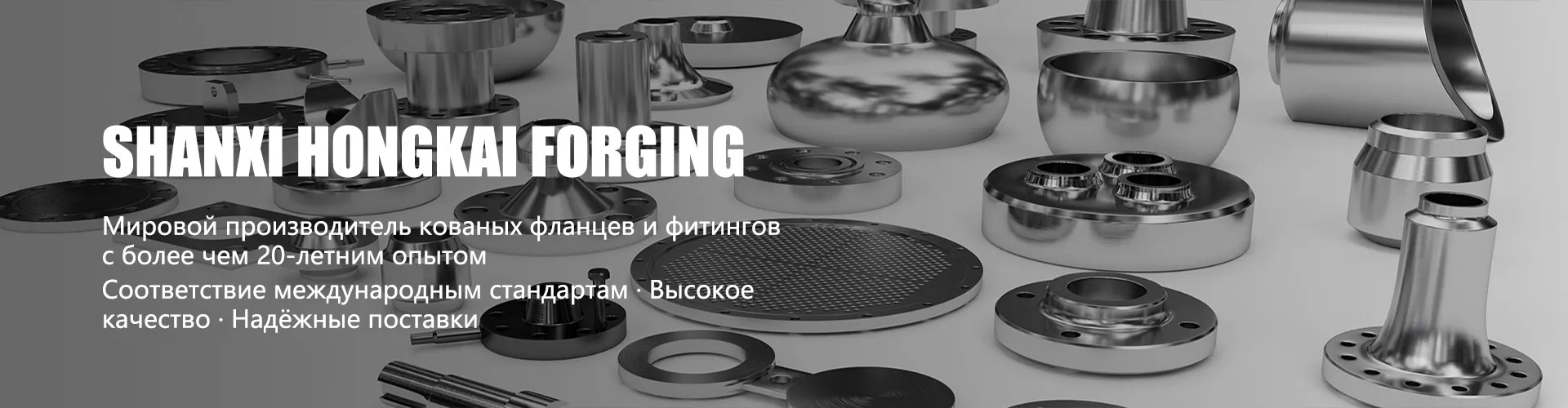
Therefore, on the manufacturer’s website it seemsShanxi Hongkai Forging Co.,Ltd(https://www.hkflange.ru) I always look not only at the range of sizes (they have up to DN4000), but also at the mention of geometry control at all stages. A manufacturer of forgings and forged flanges, which positions itself as one of the centers of the forging industry, is simply obliged to have this “linkage” in the technical process. center. Otherwise, you can forget about compliance with GOST, ASME or EN - the tolerances there are strict.
Montage: When theory meets pipeline reality
But editing is a different story. Let's say the flange is perfect. But the pipe to which it is welded may have its own “opinion”. The weld pulls the metal, causing displacement. Experienced installers always set the unit according to actualflange centerafter tack welding, before final welding. Sometimes they even use jigs to rigidly fix the position relative to the adjacent flange on the pipeline.
It is especially difficult with loose flanges (slip-on). There, the landing center should perfectly coincide with the center of the counter flange and the pipe neck. The slightest misalignment and the gasket will not seal and will leak. I remember a project where they installed European equipment, and the flanges were according to ASME B16.5. So, with the same nominal diameter (say, DN150), the difference in the location of the holes (PCD) was a fraction of a millimeter. And this “half-hearted” one? mismatch only came out when hanging. We had to drill holes on site, which, of course, is undesirable and requires approval. Now I always require clarification of the standard of not only the flange, but also the mating part.
The assortment is just right hereShanxi Hongkai Forging Co.,Ltd. They make flanges according to different standards - GOST, ASME, EN, DIN. It is important that the supplier understands these nuances and can provide the correct advice. Not just “we have DN150?”, but “under what standard and for what assembly?”. Because the center specified in DIN EN 1092-1 is not exactly the same as in ASME, especially when it comes to weld ring flanges.
Control and measuring tools: not everything is by eye
How do we check? Calipers and tape measure - for a rough estimate. For precise controlflange centerscoordinate measuring methods are needed. Previously, optical center finders were used, now more often laser trackers or CMMs are used in production. But the good old templates (calibers), which are made for a specific standard size and PCD, save the day at the facility.
One of the problems is the wear and tear of these very templates. They are metal, they are constantly inserted and removed, and nicks may appear. And now you are sure that you are checking, but in fact the template is “lying?” by the same half a millimeter. Therefore, their periodic verification is a must have. In large industries, I thinkShanxi Hongkai Forging Co.,Ltdstrictly with this, otherwise how to ensure compliance with international standards? But small workshops sometimes save on this.
Another point is to control not only the location of the holes, but also their perpendicularity to the flange axis. If the hole is drilled at an angle, the pin or bolt will create a moment and distort the flange when tightened. And again - imaginary alignment, but in reality there is misalignment and potential leakage. This is often overlooked when chasing drilling speed.
Non-standard products: there’s no way without a detailed dialogue
When you order a flange according to an individual drawing, the questionflange centerscomes to the fore. The drawing can be sent in PDF, where the dimensions are blurred, or only the main dimensions are indicated in it, and the location of the holes is given “as in the standard one”. It's a trap. Standard for whom? For DIN or for GOST? You have to clarify, sometimes you need to request a 3D model or at least a sketch with clearly marked dimensions from the base axes.
Working with suppliers who likeShanxi Hongkai Forging Co.,Ltd, they claim to produce non-standard products according to drawings, you expect this technical savvy from them. Don’t just accept the order, but ask clarifying questions: “What surface is the counting from?”, “What is the tolerance for alignment?”, “Will this be assembled with another unit for which there is data?”. This is a sign of a serious approach. Their description that they are a manufacturer of forged flanges and forgings in one of the main centers of the forging industry in China should imply such a technical culture.
I had experience ordering a non-standard adapter flange from one standard to another. So, the key in the technical specifications was precisely the indication of two systemsflange centers- for one side and for the other, with a rigid binding of their relative position. They produced it normally, but only after three clarifying letters. So dialogue is half the success.
Summary: the center is responsible at all stages
In the end, what I want to say.Flange centers- this is not a “given”, but a variable value for which everyone is responsible: the designer (by correctly setting the bases), the production technologist (by recording them during processing), the quality control control (by checking compliance) and the installer (by taking into account the realities of the assembly). Neglect at any stage leads to problems, the cost of eliminating which is many times higher than the cost of properly organizing the process from the very beginning.
When choosing a supplier, be it a large player like the mentioned company with its wide range from DN15 to DN4000, or a local workshop, you need to look at this systematic approach to geometry. Not on big words, but on the details in the technical description, on the willingness to discuss tolerances and provide control protocols. Because in our work there are no trifles, and the center of the flange is just one of those “little things” that holds the entire assembly on itself.
So, going back to the beginning, yes, this is the starting point. But the point that needs to be not found, but competently created and preserved all the way from the forge press to the main pipeline. Everything else is a consequence.
Correspondingproducts
Related Products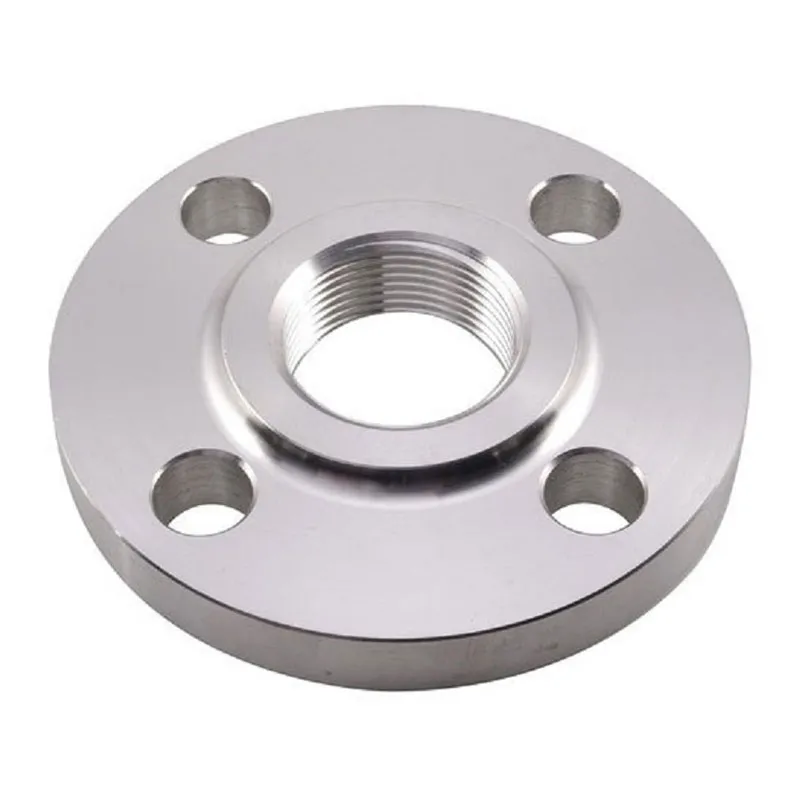
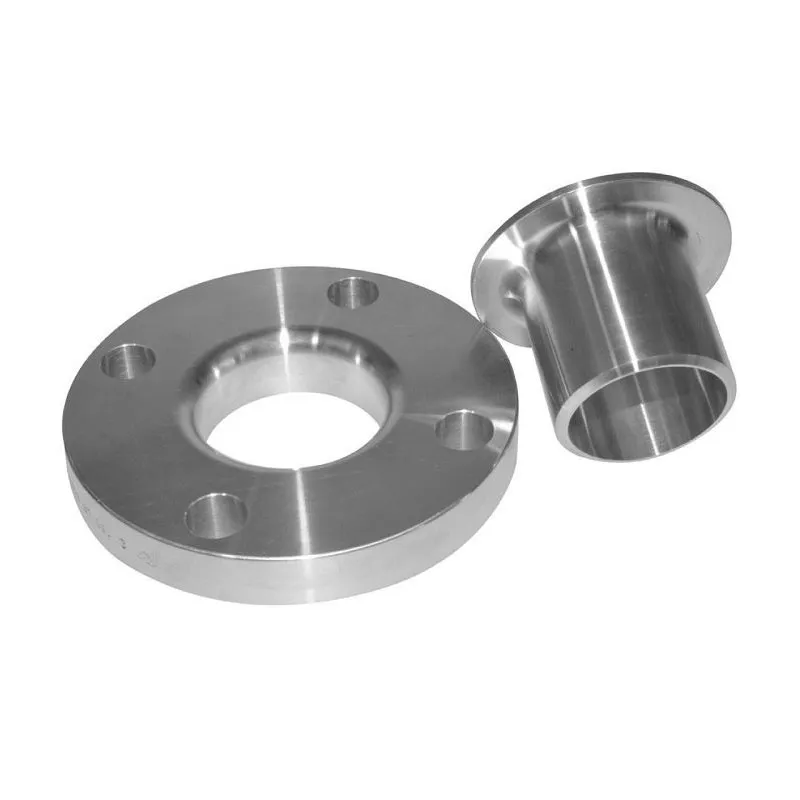
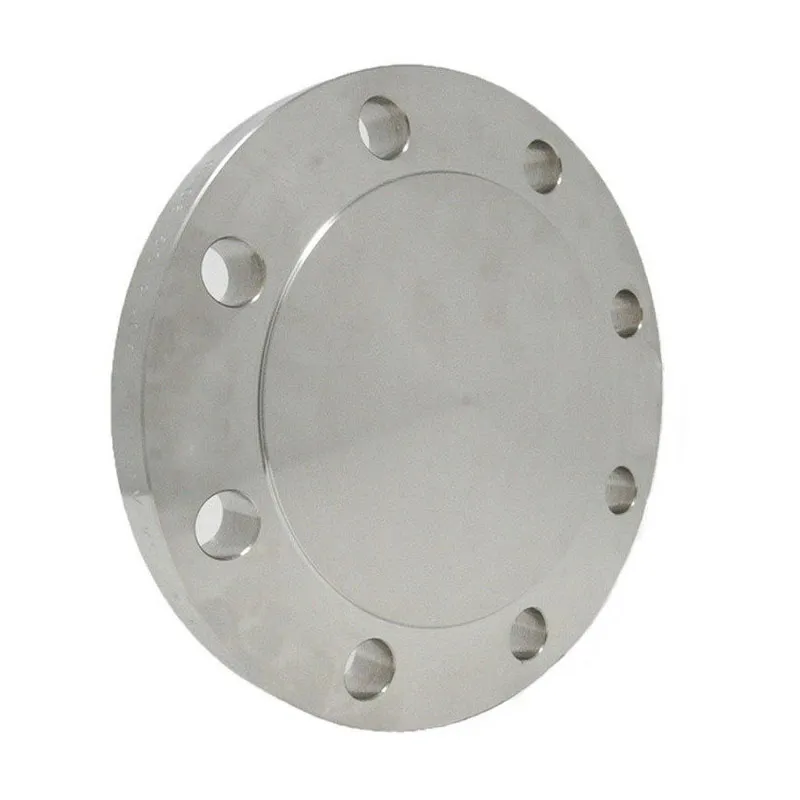
Best Sellingproducts
Best Selling Products-
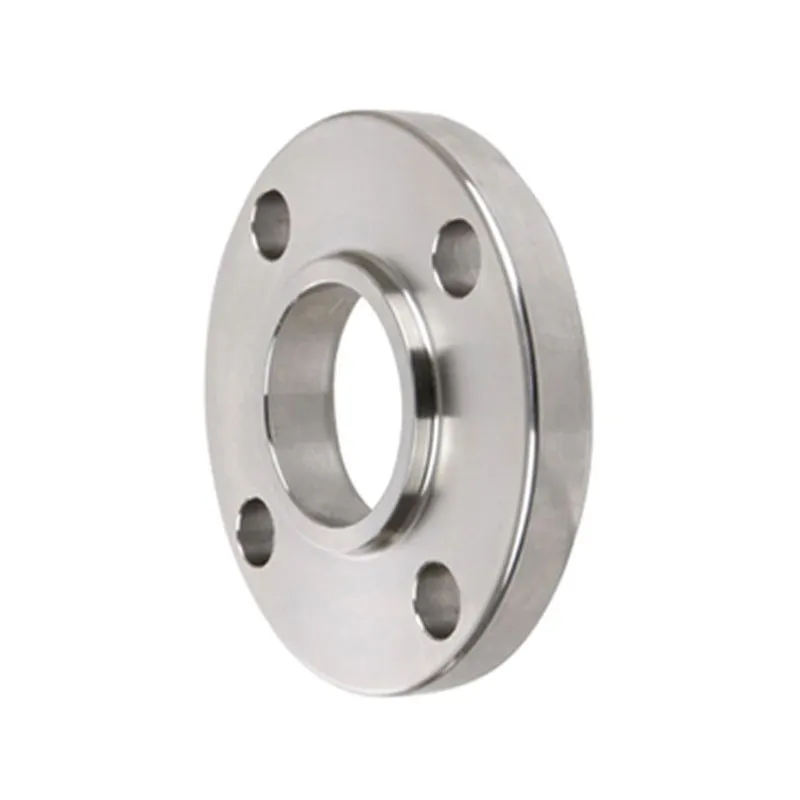 ANSI B16.5 Lap-on flanges Class 300
 -
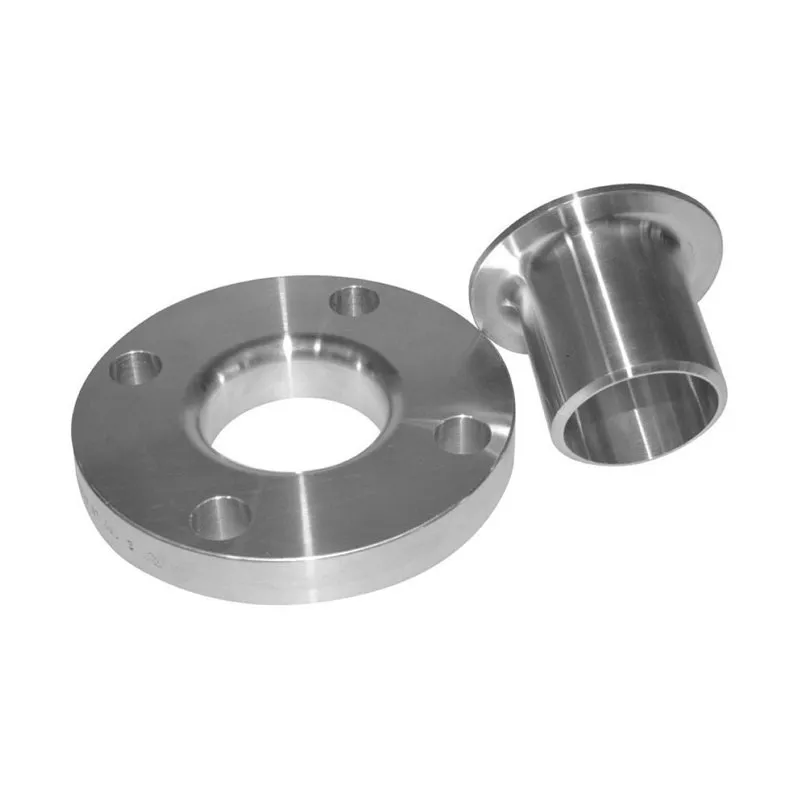 Free ring flanges Class 150
 -
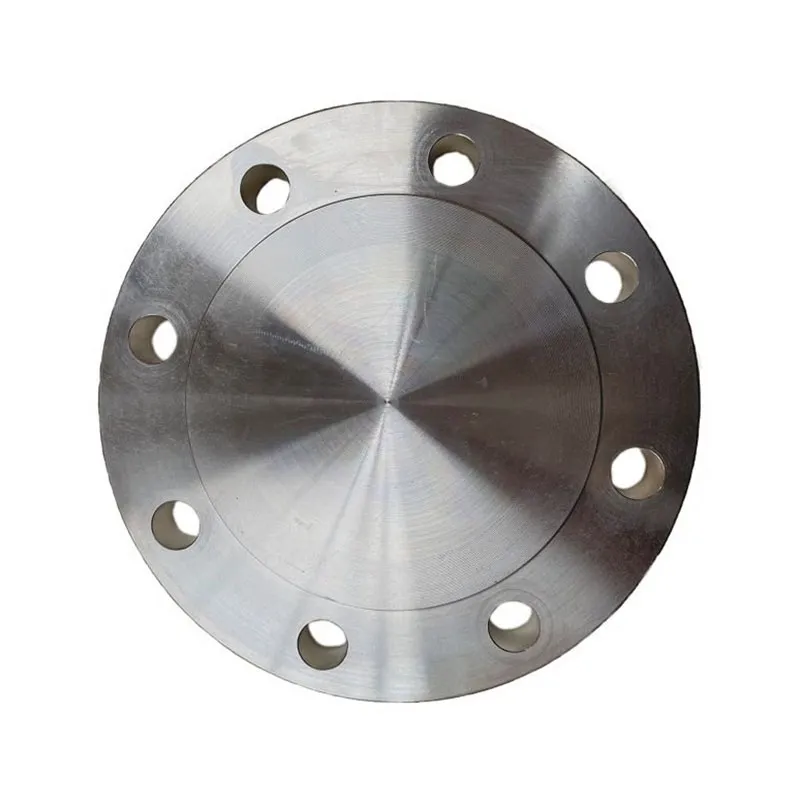
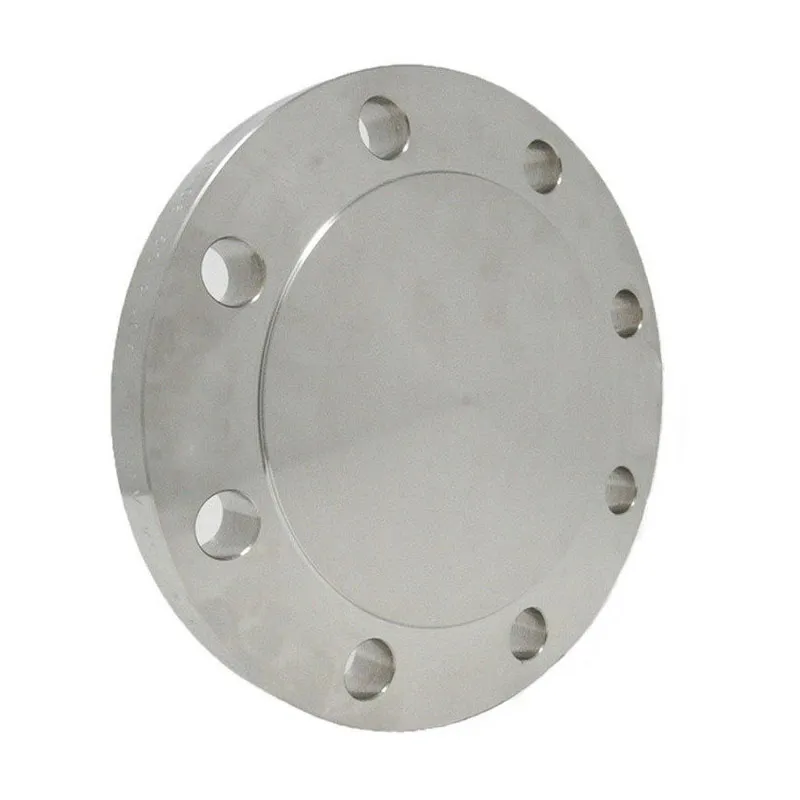 AWWA Blind Flanges Class D (Tables 1, 2, 3)
 -
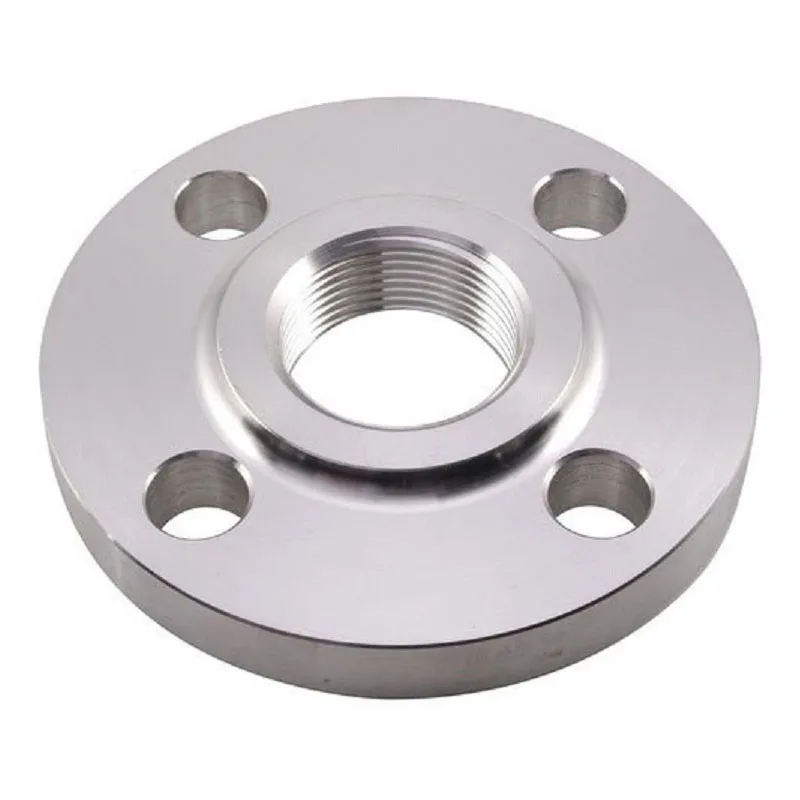 DIN 2566 Threaded flanges PN16
 -
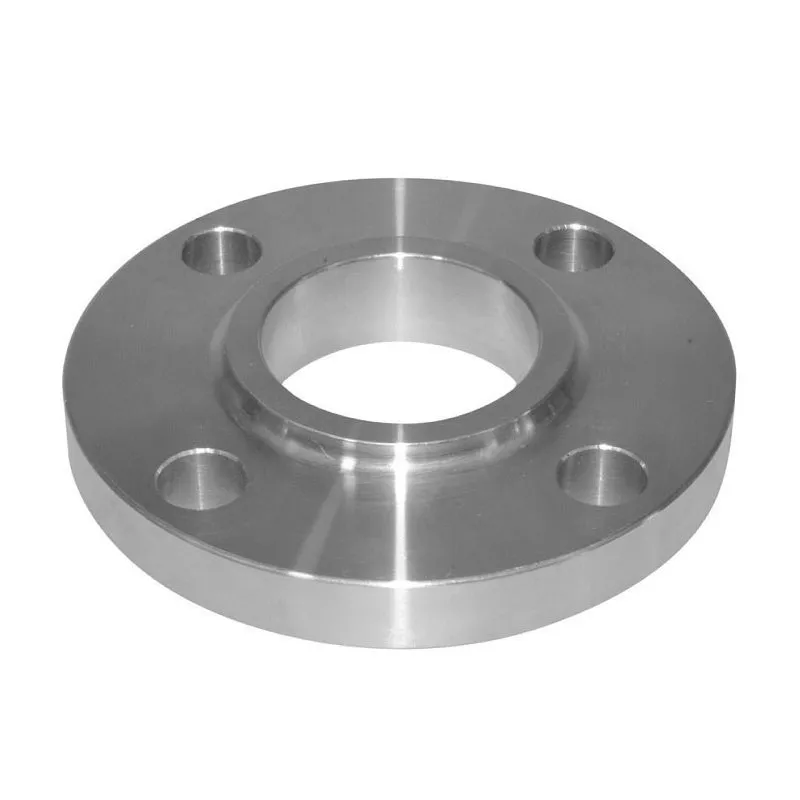 ANSI B16.5 Lap-on flanges Class 1500
 -
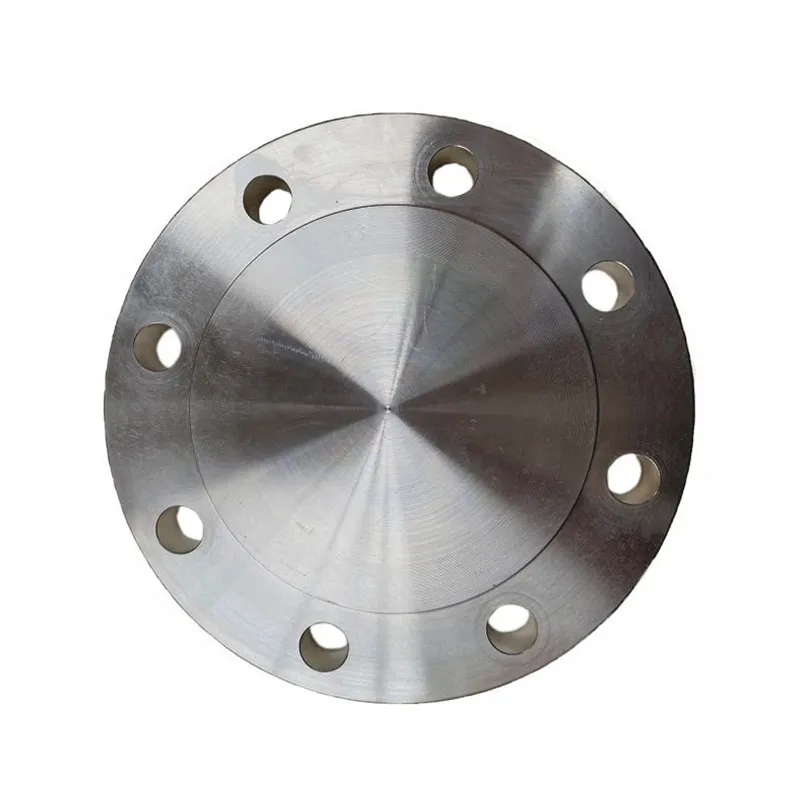 DIN 2527 Blind flanges PN10
 -
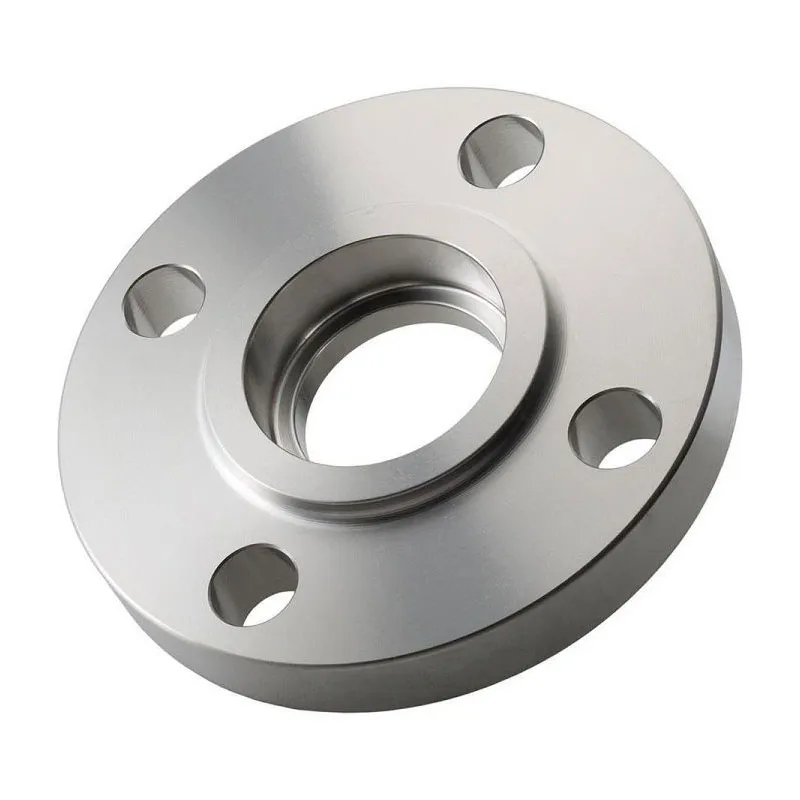 ANSI B16.5 Socket Weld Flanges Class 1500
 -
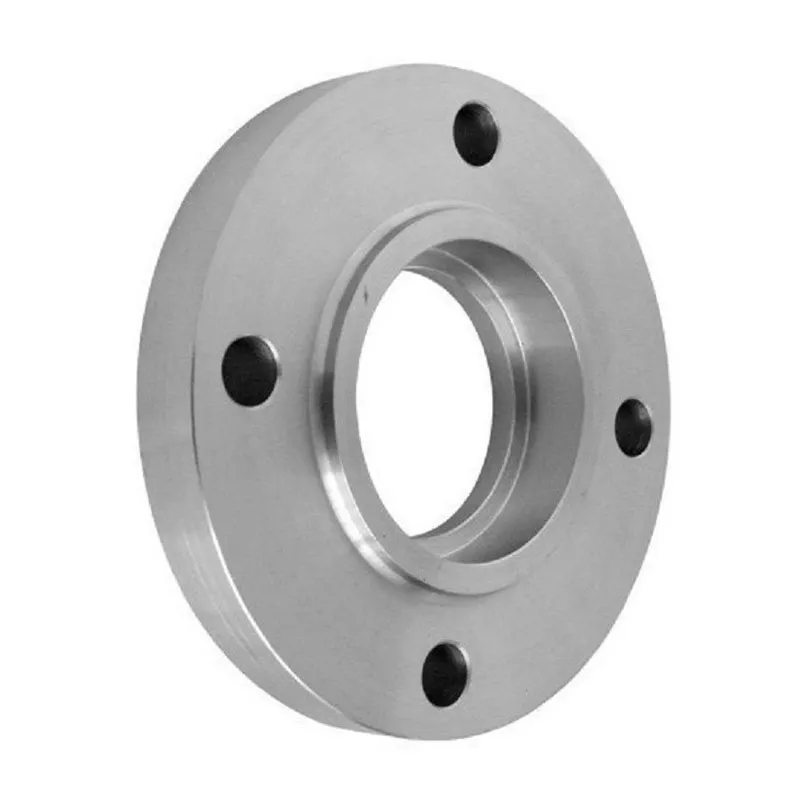 Socket Weld Flanges Class 300
 -
 JIS 5K Socket Weld Flanges
 -
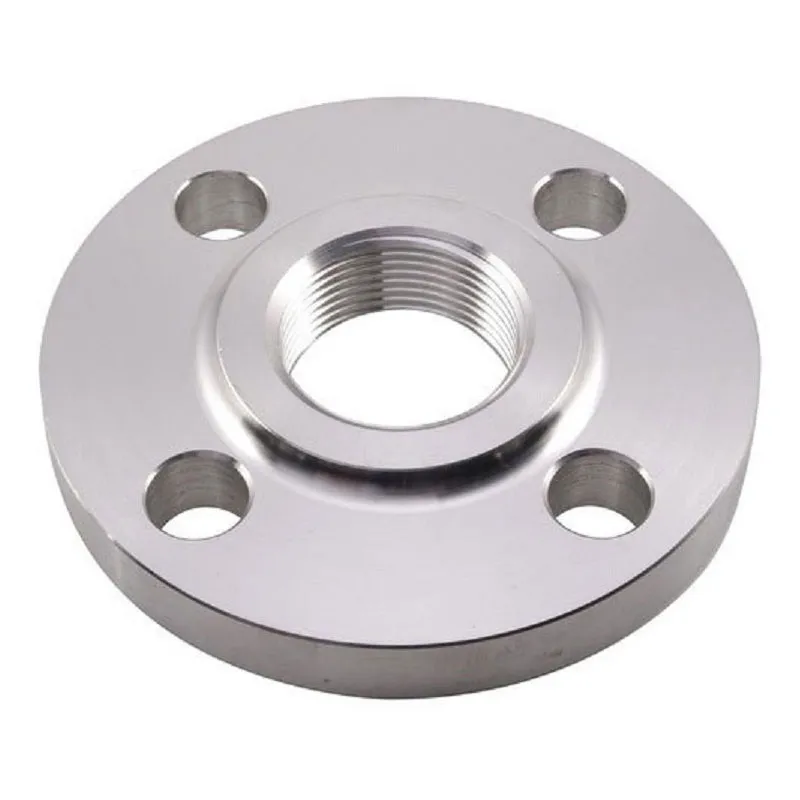 DIN 2565 Threaded flanges PN6
 -
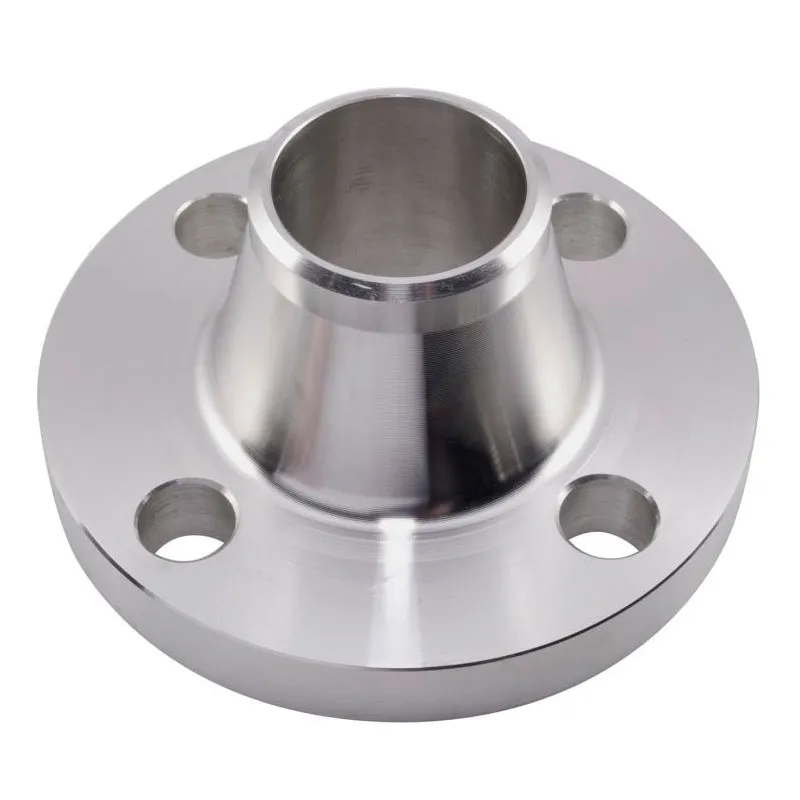
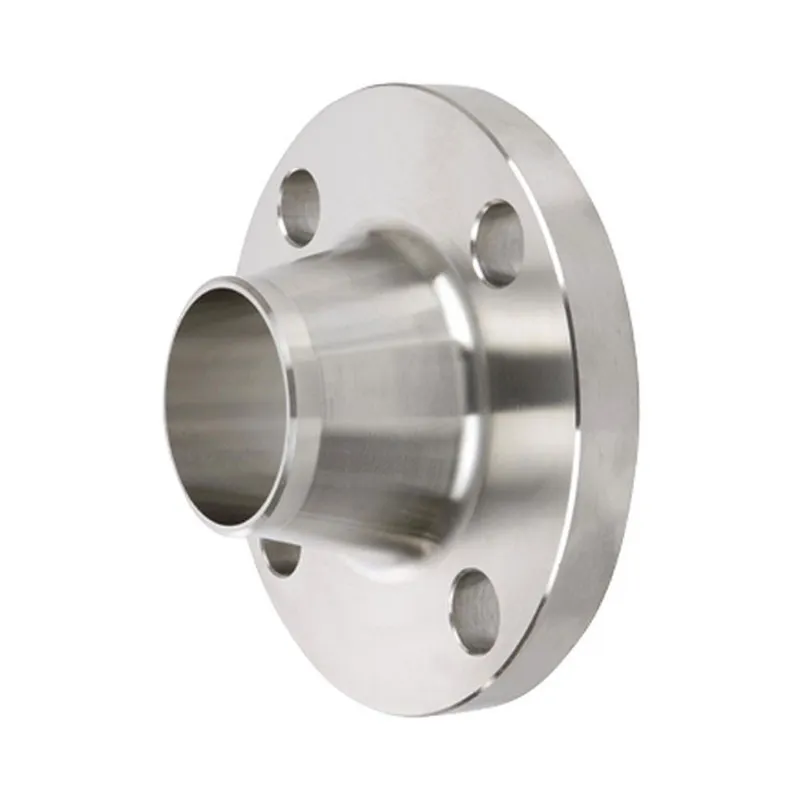 EN 1092-1 Butt weld flanges Type 11, PN25
 -
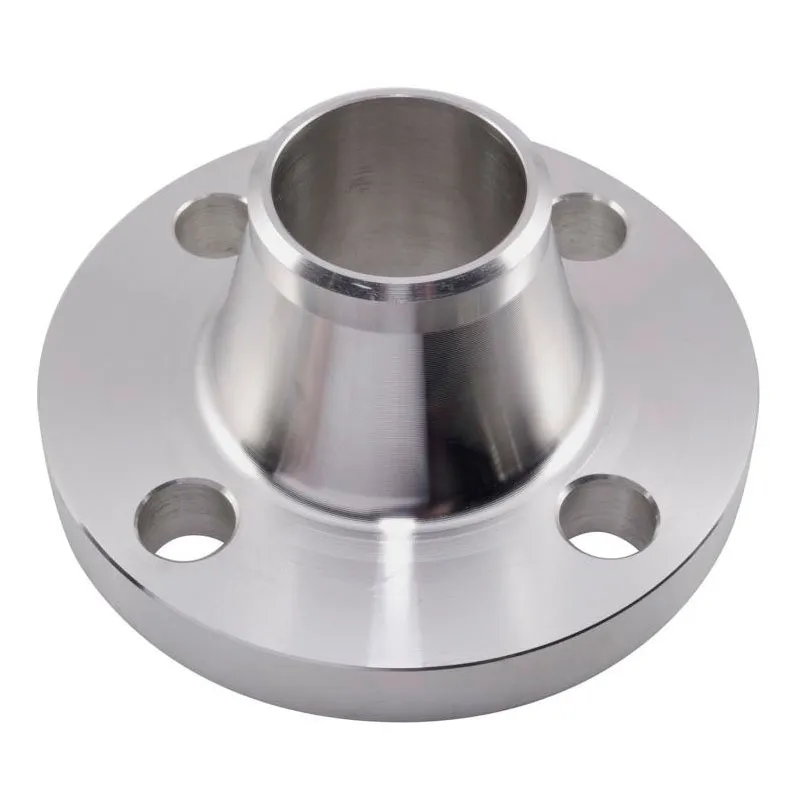 DIN Butt weld flanges PN10