
-
-
Phone
+86-13623462298



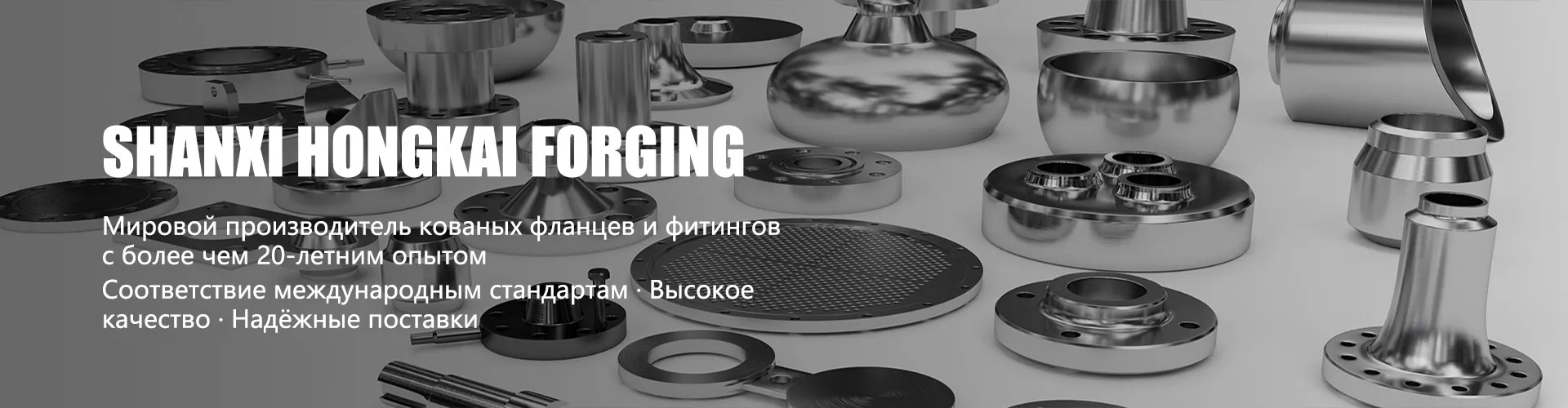
steel flanges 100 mm
When you see the request “steel flanges 100 mm?”, it seems that everything is simple - take it according to GOST or ASME B16.5, and it’s done. But in practice, it is with this conditional DN100 that a lot of nuances begin that a beginner or even an experienced buyer may miss. Many people think that the main thing is the pressure, say, Ru16 or Ru25, and the rest is a matter of technique. However, if we talk about steel flanges, especially forged ones, issues of material, type of sealing surface, quality of the forging itself and, importantly, compliance with the standard not only “on paper” already come into play. I have more than once encountered situations where a 100 mm flange, purchased at an attractive price, showed problems with the geometry during testing or during installation - either the holes for the studs do not match the tolerances, or the thickness of the weld neck “changes”. This then results in a rework of the unit, or even leaks. Therefore, for me, this nomenclature is a kind of litmus test for a supplier.
Why forged, and what does 100 mm have to do with it?
If we take steel flanges, especially for critical pipelines, then forging is not marketing, but a necessity. Rolling or casting, of course, is cheaper, but the metal structure of a forged product is more uniform, the fibers are directed along the contour, which gives better mechanical strength and resistance to impact loads. For the 100mm size, which is often used on transitions, branches or in front of shut-off valves, this is critical. The units experience not only static pressure, but also vibration and thermal expansion.
For example, we had a project on heating networks, which requiredsteel flangeson DN100 according to GOST (this is an analogue of EN 1092-1) on Ru25. The customer initially wanted to save money and considered options from rolled sheets. But after our conversation about how metal behaves under cyclic loads in the area of the neck weld, we finally settled on forged ones. We then worked withShanxi Hongkai Forging Co.,Ltd— their websitehkflange.ruwell known to those looking for a serious forging manufacturer. They are from a region with a strong blacksmith school. It was important not just to make it according to the drawing, but to ensure that the chemical composition of steel 20 or 09G2S matches exactly, and that the heat treatment is carried out correctly - weldability and durability depend on this.
And here is another point regarding the diameter of 100 mm. It is often confused with 4 inches (which is approximately 101.6 mm). If you have an ASME pipeline, then you need to clearly indicate NPS 4, not DN100, because the connecting dimensions will be different. I have seen flanges like this mixed together in a warehouse, and then a discrepancy arose during installation. Therefore, in the specifications now I always specify: ?DN100 (NPS 4) according to ASME B16.5, type WN? (butt weld), for example.Shanxi Hongkai Forging Co.,LtdAs a manufacturer working with international standards, we usually keep both options in the catalog, which is convenient.
Types of 100 mm flanges and pitfalls of choice
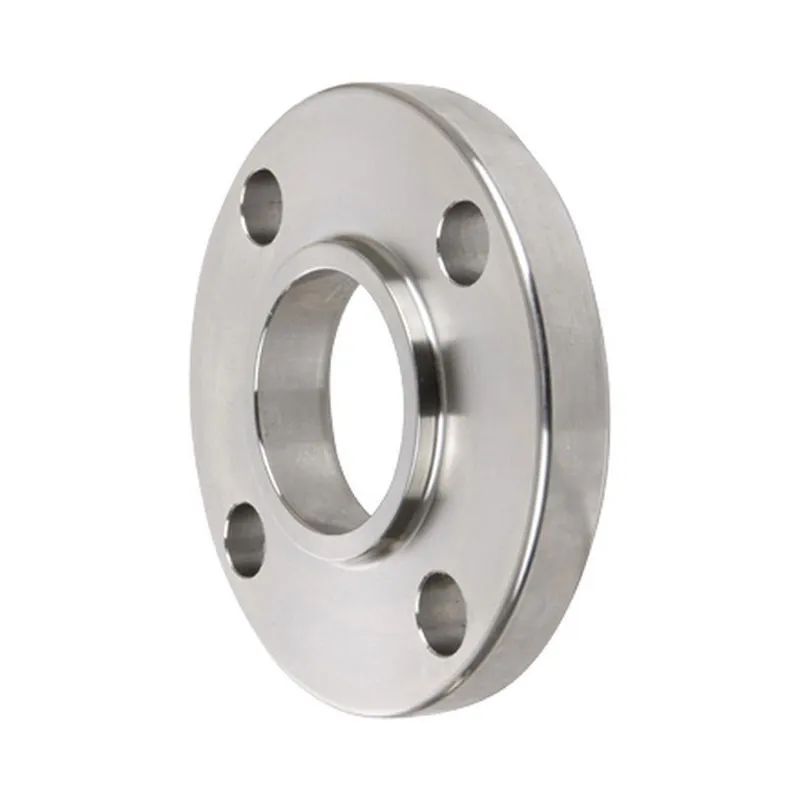
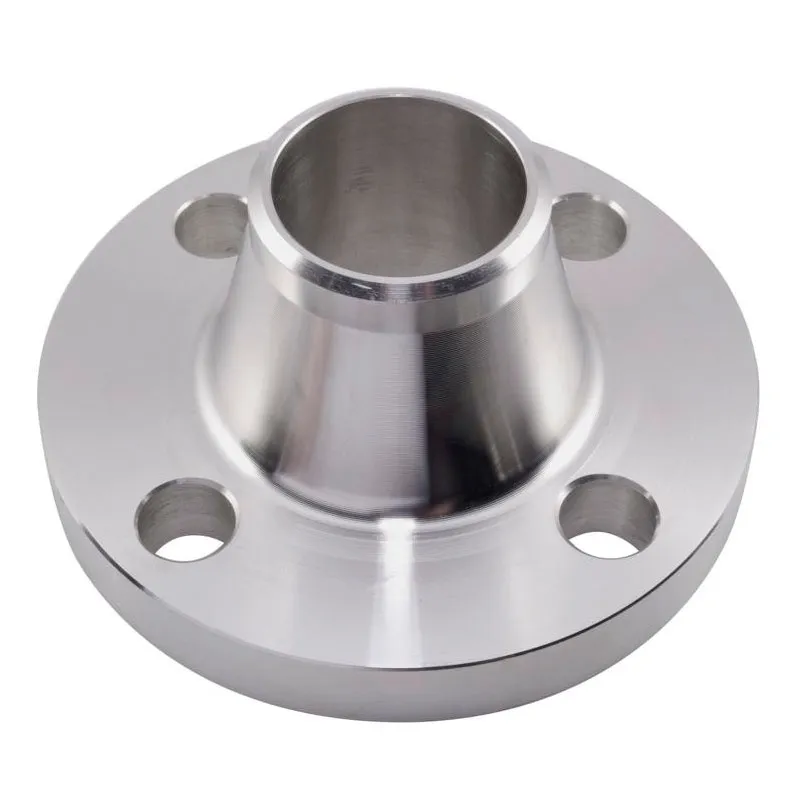
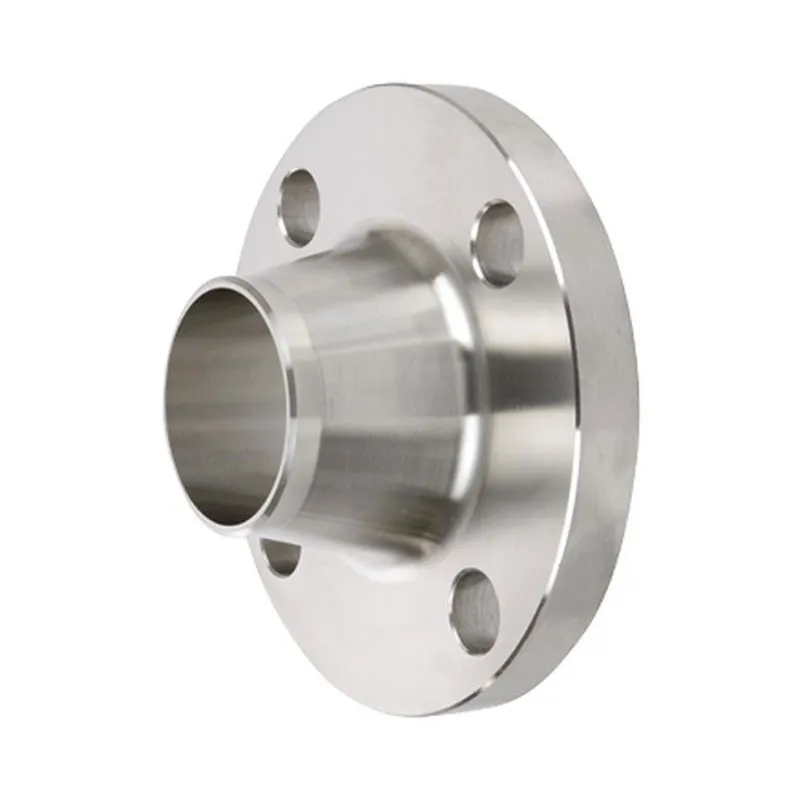
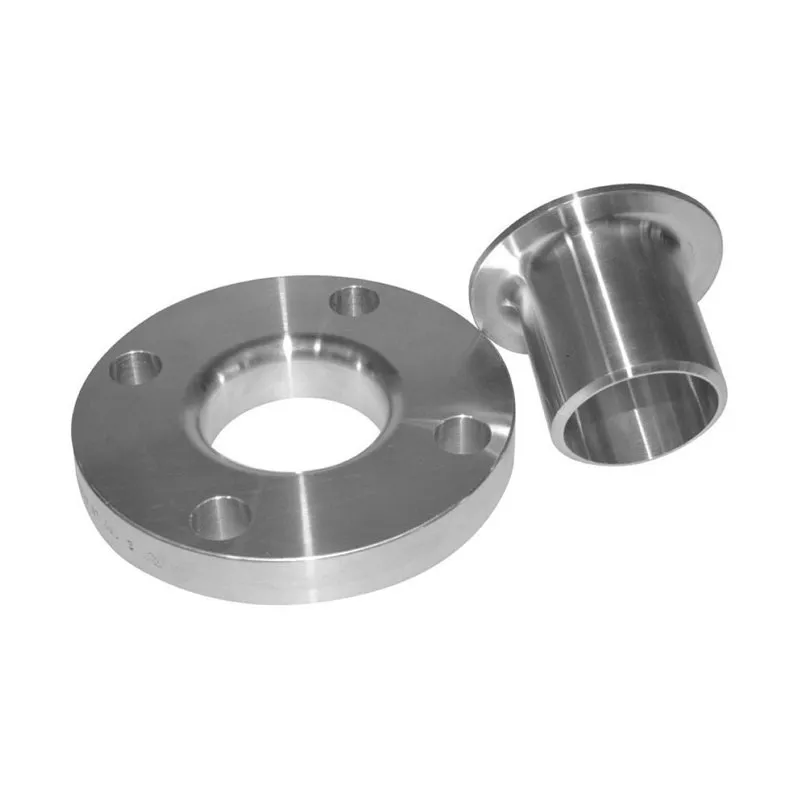
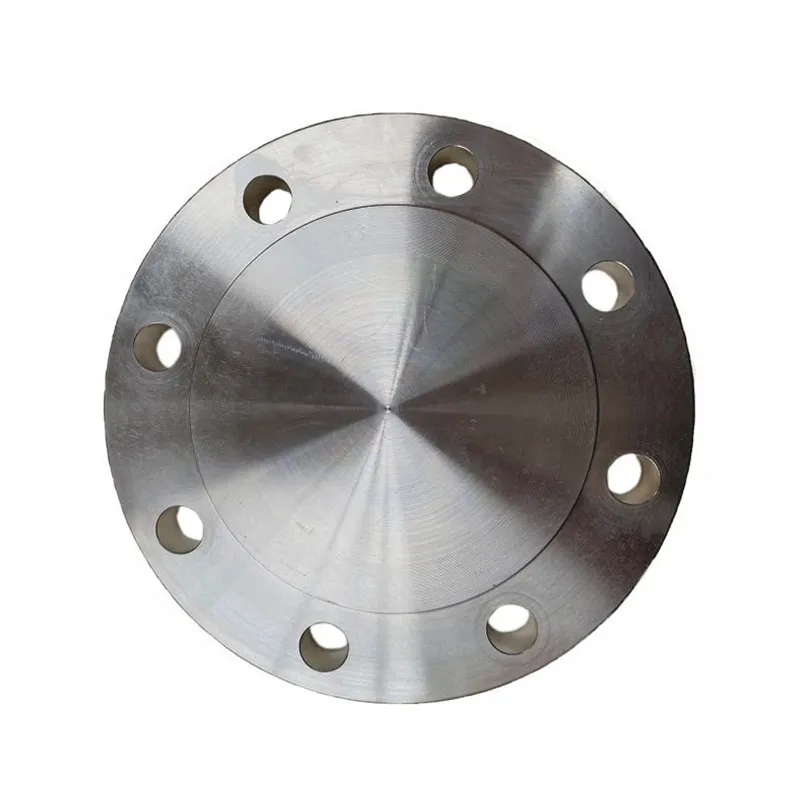
The main types that come in this size are butt weld (WN), flat (PL), loose (SO) with clamp and blind (BL). For 100 mm, I repeat, butt welding is very popular - its neck allows you to compensate for stress. But there is a detail here: the radius of the transition from the neck to the skirt. If it is too small (like some cheap supplies), stress concentration occurs. During hydrotesting or thermal shocks, a crack may originate from there. I had to order a thicker skirt upon special request.
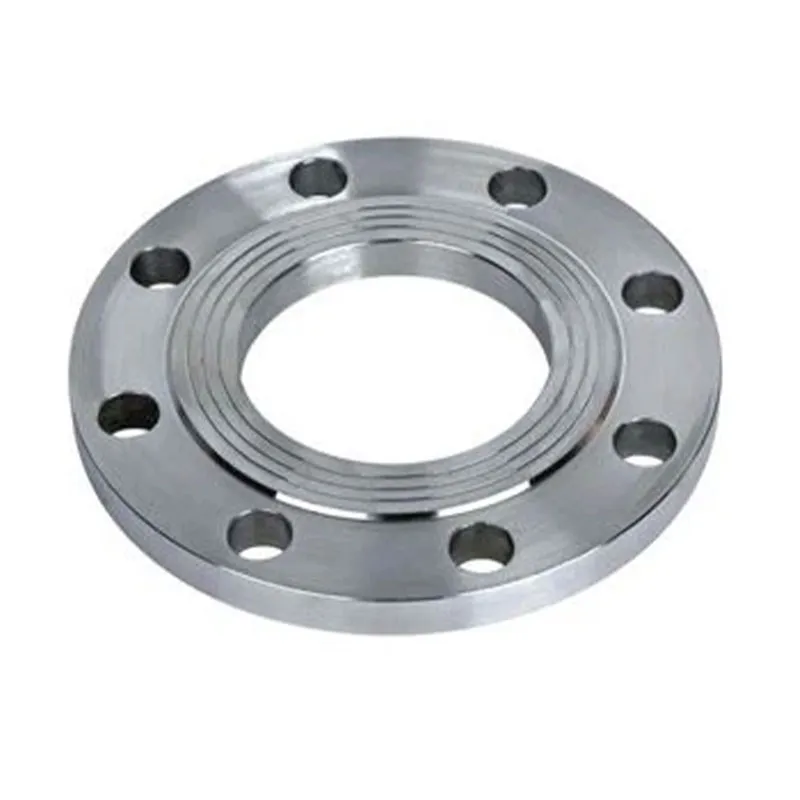
100 mm flat flanges are often used for low pressures and simple connections, but their installation requires perfect alignment of the pipes, otherwise there will be misalignment. And loose flanges are good for hard-to-reach places, but you need to monitor the quality of the clamp itself and the gasket material. Once we installed a loose flange on a hot water line, and the clamp was made of carbon steel without coating - after six months corrosion began in the gap, and the entire assembly had to be replaced.
As for standards, forsteel flanges 100 mmGOST is often requested (especially for the CIS), but more and more often - EN 1092-1 or ASME. UShanxi Hongkai Forging Co.,Ltdthe nomenclature, as indicated on their website, has a wide coverage: GOST, ASME, DIN, EN. This is important because, for example, according to GOST 33259, the sealing surface of type D (with a spike) for 100 mm has its own specific groove dimensions, which must exactly coincide with the mating flange. If the manufacturer does "roughly", the connection will not be airtight. I usually ask for certificates with control measurements of critical dimensions - diameter of the circle for the studs, thickness, seal roughness.
Material and design: what determines price and reliability
Steel is not just a word. For 100 mm flanges, depending on the medium and pressure, use St20, 09G2S, 12Х18Н10Т, A105, A350 LF2, F304, F316. Material selection is often a compromise between cost and corrosion resistance. For example, for water systems with inhibitors, carbon steel with paint is sometimes sufficient. But if we are talking about a chemical environment, even a slightly aggressive one, saving on material will backfire. There was a case in a food industry where they installed St20 flanges in line with a cleaning solution - after a year, pitting corrosion appeared and they had to urgently replace them with stainless steel.
Forging offeredShanxi Hongkai Forging Co.,Ltd, here gives an advantage - you can get a workpiece with minimal allowances for machining, which for stainless steels saves expensive metal. But it is important that the forging itself is free of internal defects - holes, delaminations. Therefore, a normal manufacturer carries out ultrasonic testing (UT) especially for critical products. In the company description onhkflange.ruit is indicated that they manufacture according to international standards - this also implies quality control at all stages.
Another point is heat treatment (normalization or tempering) to relieve internal stresses after forging and machining. For 100mm carbon steel flanges, this is often a mandatory step that some “makeshift?” workshops are skipped to reduce the cost of the process. As a result, the flange may “lead”. already after welding into the structure.
Non-standard situations and work according to drawings
Often the 100 mm size is not required in the standard version. For example, a flange with a non-standard arrangement of holes for fasteners (say, for joining with old-style equipment), or with increased thickness to compensate for corrosion, or with a special coating. This is where the ability of the manufacturer to work according to the customer’s drawings is important. In the descriptionShanxi Hongkai Forging Co.,Ltdexpressly mentions the production of custom products - this is a valuable option.
We had a project where we needed a transitionsteel flangeDN100 to DN80, but with a concentric transition and with additional stiffening ribs due to pump vibration. There are no standard ones. They sent us a drawing, discussed manufacturability - somewhere they suggested changing the radius to make forging easier. As a result, they made a forged blank, and not a welded assembly of two flanges, which would have been less reliable. Working from drawings requires the manufacturer to understand not only the machine, but also how the product will work in the system.
Another example is 100 mm flanges for vacuum systems. There, the requirements for surface cleanliness and tightness are completely different; special treatment of the sealing surface is required. Or flanges for cryogenics - the material must retain its properties at low temperatures. This is no longer a mass product, but a piece work, and the company’s experience in forgings up to DN4000, like the mentioned manufacturer, speaks about the capabilities of the equipment for such tasks.
Instead of a conclusion: what to look for when ordering
So, if we summarize the experience according tosteel flanges 100 mm. The first thing is not to chase the lowest price, especially if the node is responsible. The difference in cost between a conventionally ordinary and high-quality forged flange can be 20-30%, but the risks it covers are an order of magnitude higher. The second is to require documentation: a certificate for the material, ultrasonic testing protocols (if required), a certificate of compliance with the standard. Third, clearly indicate in the order: the standard (full designation, for example, EN 1092-1 Type 11, PN25), material, type of sealing surface (RF, FF, RTJ and its type), and if there are special requirements - coating, marking.
Manufacturers likeShanxi Hongkai Forging Co.,Ltd, which position themselves as specialized forging businesses, are often more suitable for such tasks than general trading companies. They have their own production, control over the process, and can usually provide technical advice. Their websitehkflange.ruis, in fact, a catalog of their capabilities: from standard sizes to non-standard forgings.
Ultimately, the 100mm flange is a small but critical detail. It's unnoticeable when everything is working. But when there is a problem, it becomes very noticeable and expensive to fix. Therefore, my approach is to choose not just a product, but a supplier who understands what it is for and how it will be used. And then even such a simple thing assteel flange 100 mm, will serve his term without surprises.
Correspondingproducts
Related Products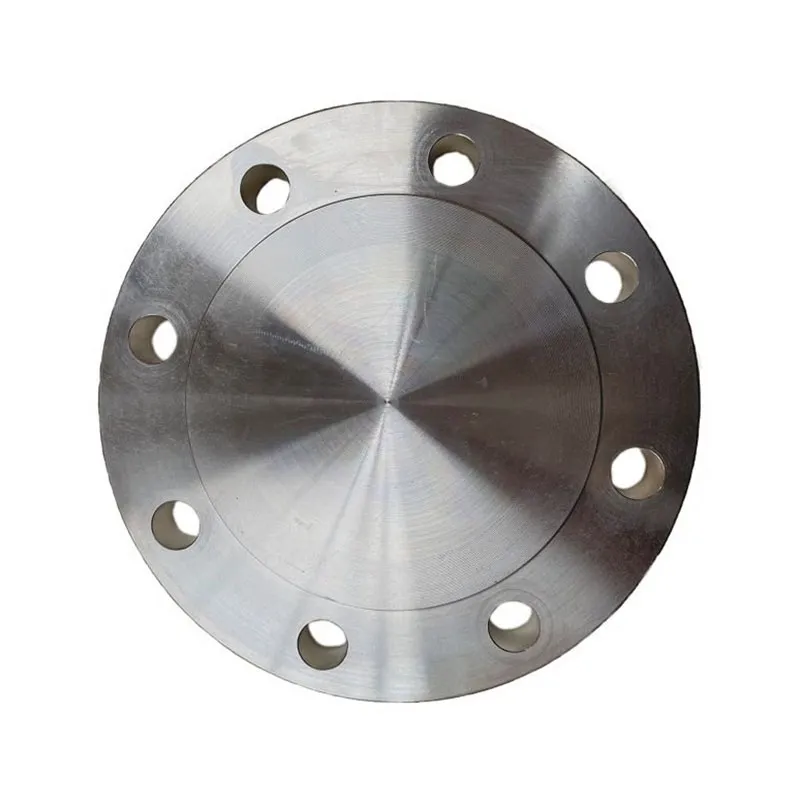
Best Sellingproducts
Best Selling Products-
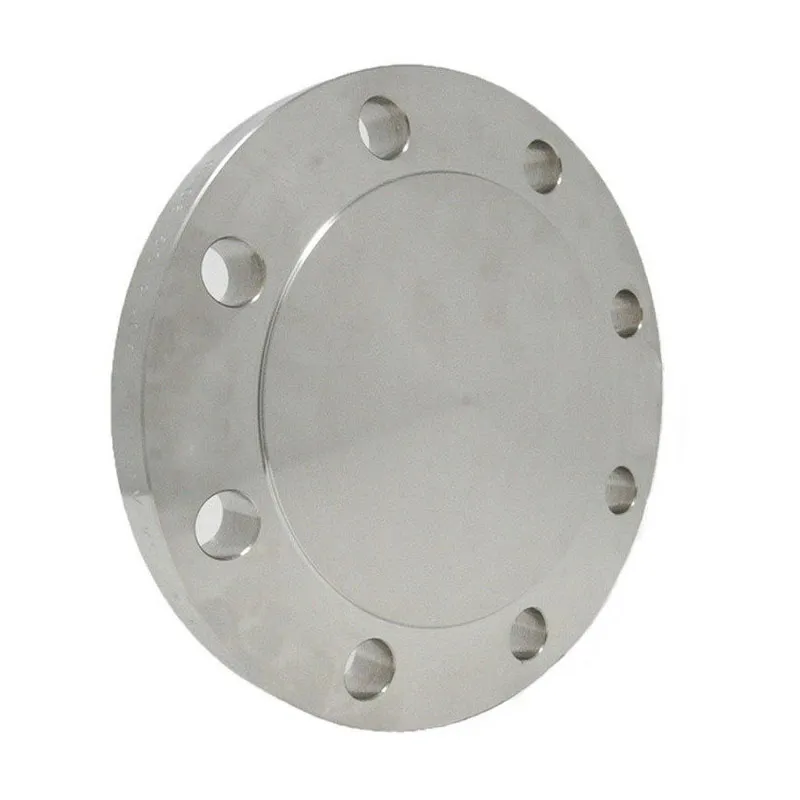 AWWA Blind Flanges Class D (Tables 1, 2, 3)
 -
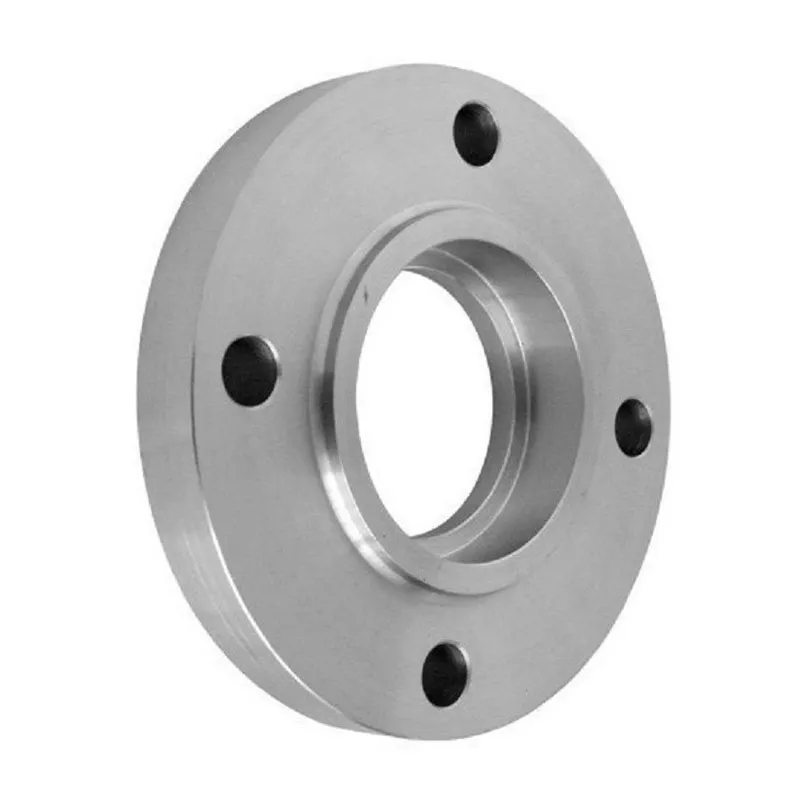 Socket Weld Flanges Class 300
 -
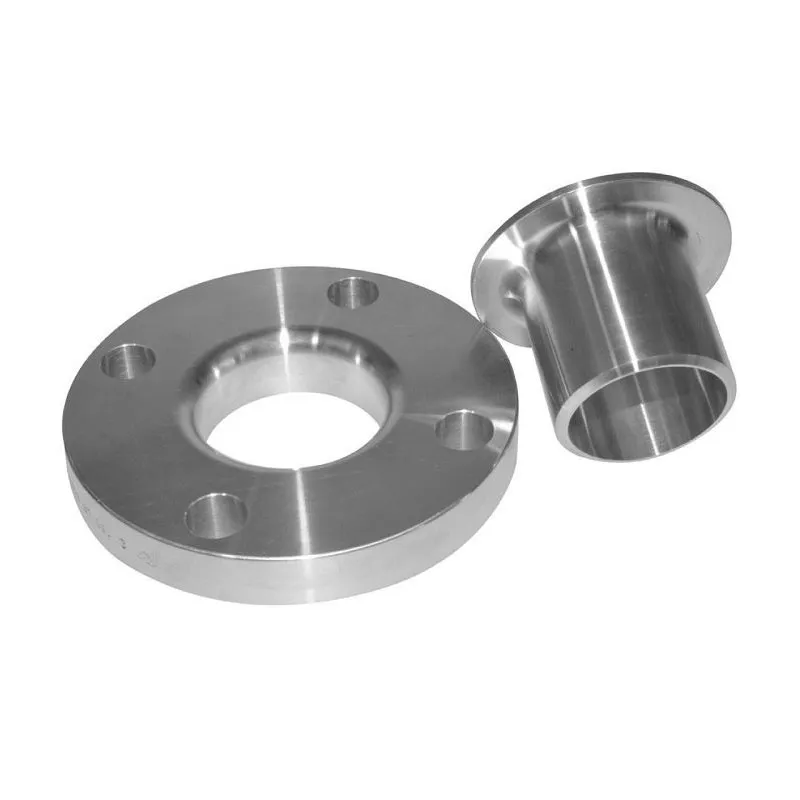 ANSI B16.5 Loose Ring Flanges Class 2500
 -
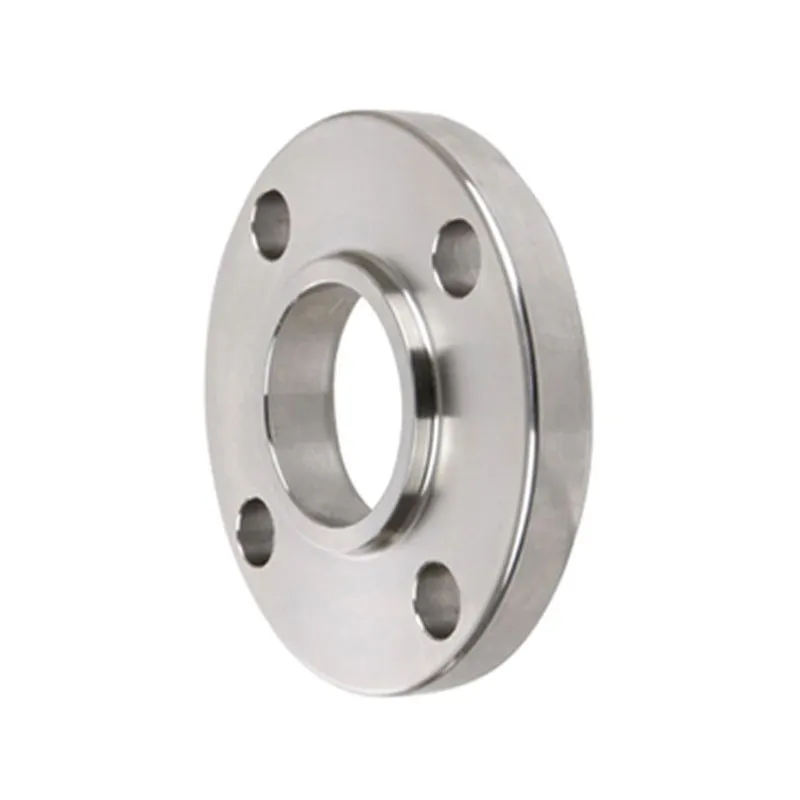 ANSI B16.5 Lap-on flanges Class 300
 -
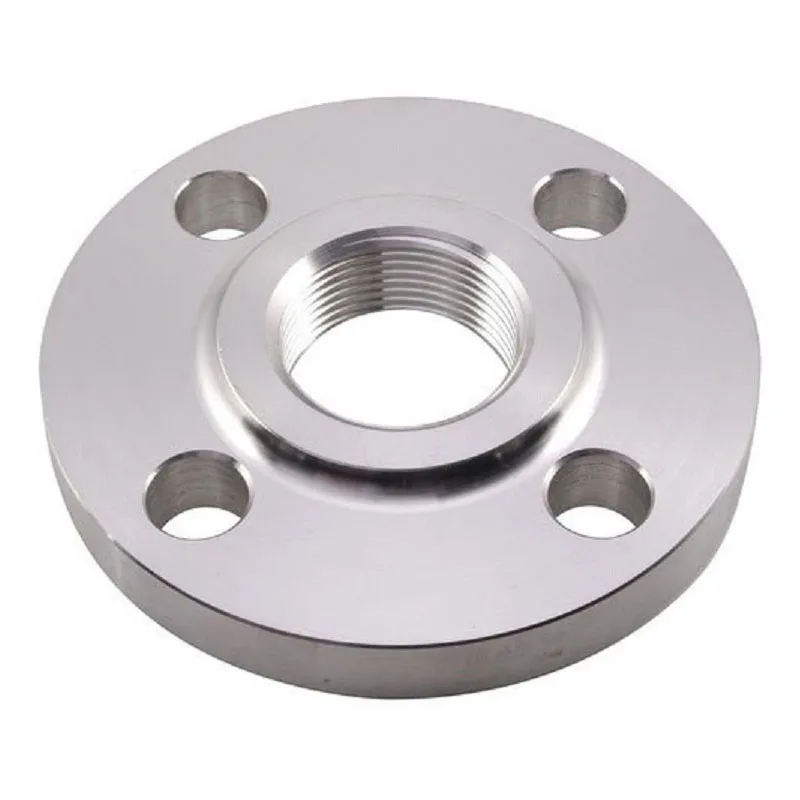 DIN 2566 Threaded flanges PN16
 -
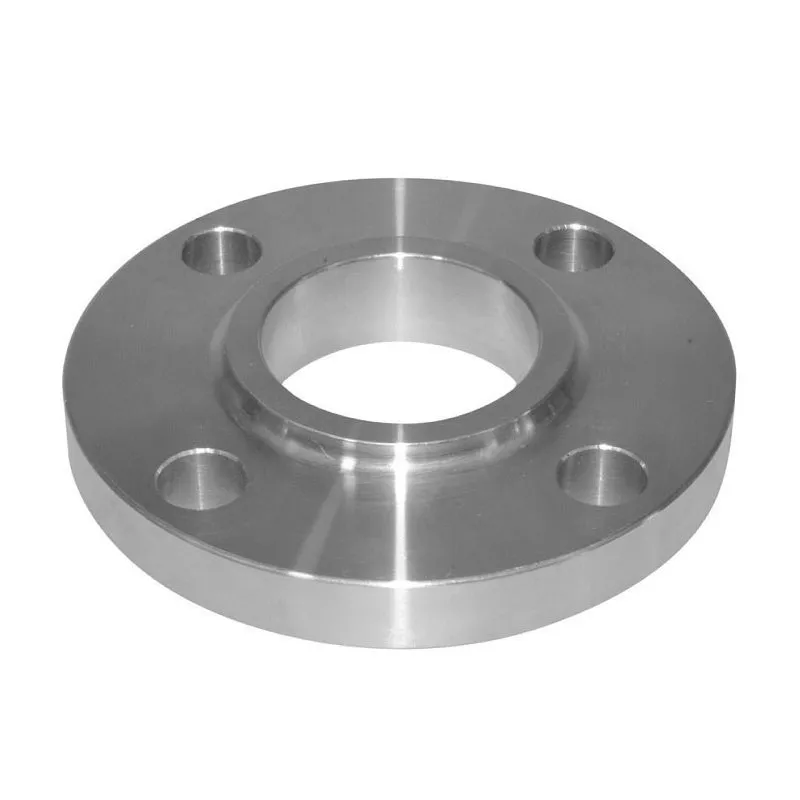 ANSI B16.5 Lap-on flanges Class 1500
 -
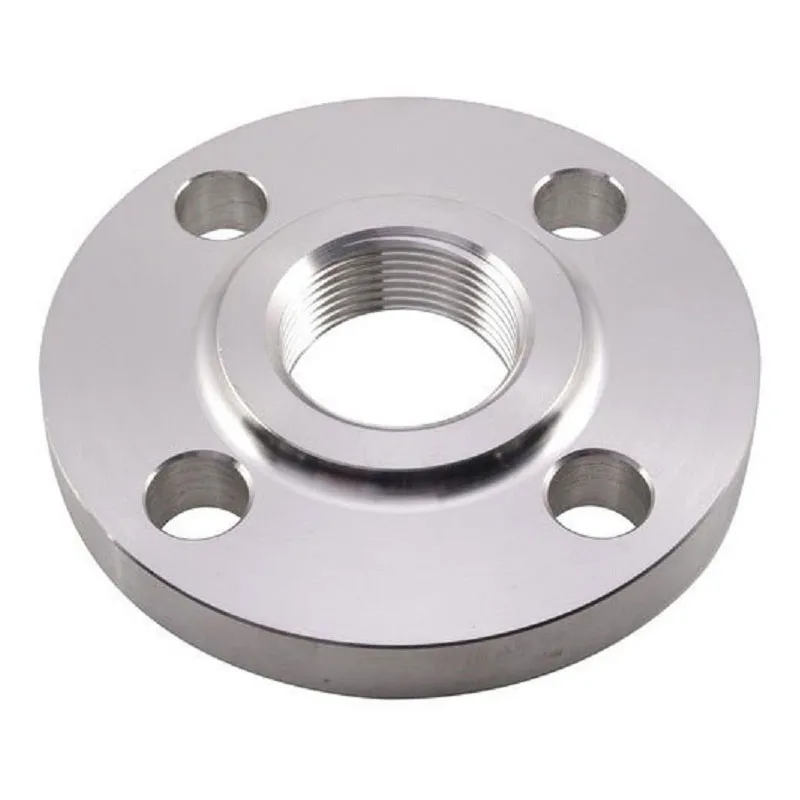 EN 1092-1 Threaded flanges Type 15, PN16
 -
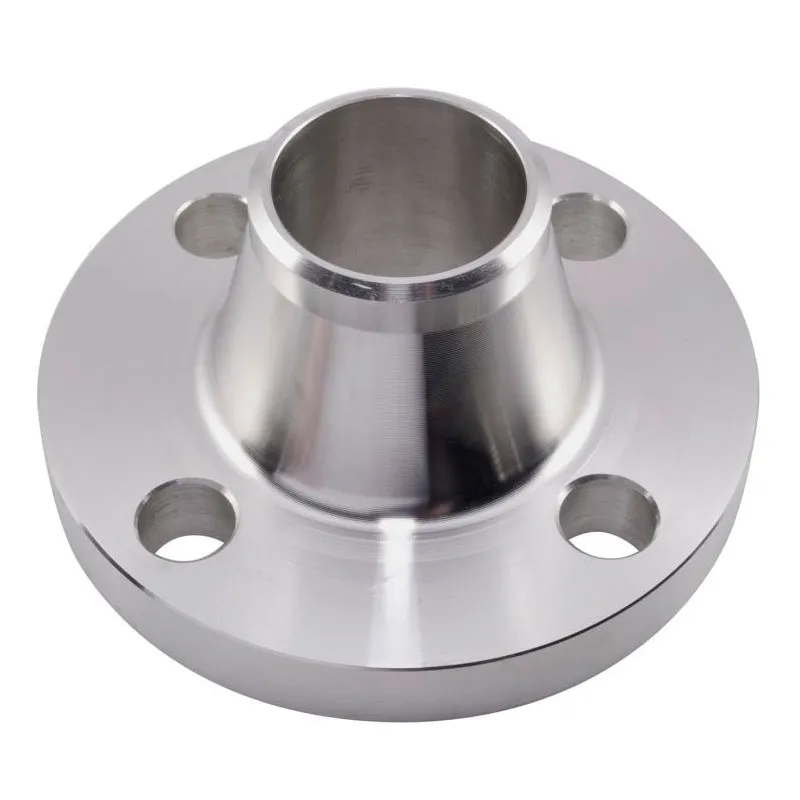 UNI 2281 Butt weld flanges PN10
 -
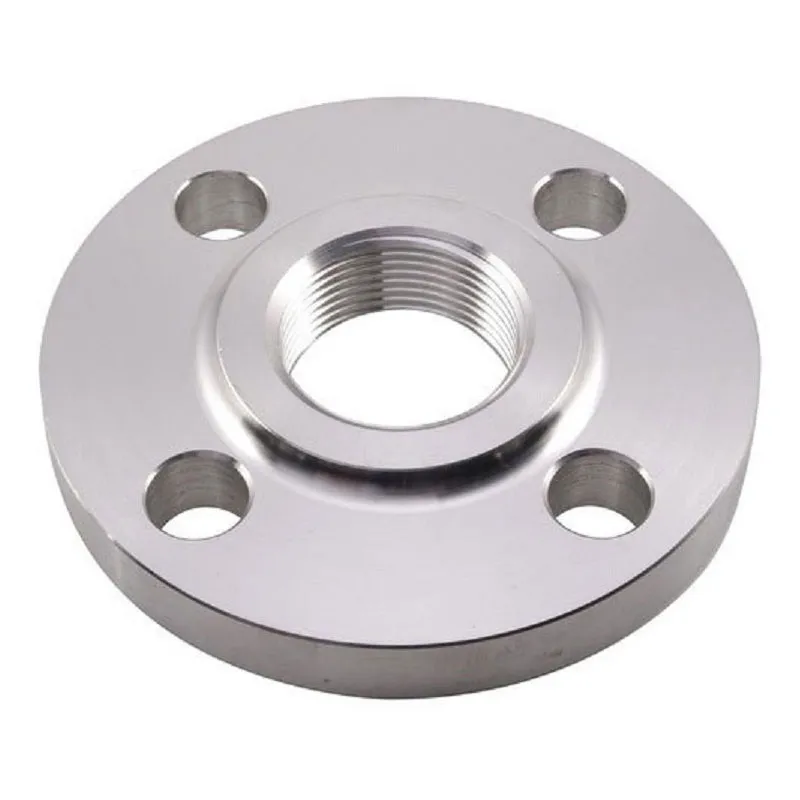 DIN 2565 Threaded flanges PN6
 -
 Ser.A Butt Weld Flanges Class 400
 -
 Free ring flanges Class 150
 -
 DIN 2527 Blind flanges PN10