
-
-
Phone
+86-13623462298




flanges dn 150
When you hear “dn 150 flanges”, many people immediately think of a standard part, almost a consumable. But in fact, this is one of the most capricious sizes in the line, where little things decide everything - from the tightness of the joint to the service life of the unit. A common mistake is to assume that any flange will fit this nominal bore, and then at the site problems arise with compatibility according to GOST versus ASME or with the thickness of the weld neck.
Why DN 150 is a point of special attention
In my practice, the size DN 150 (sometimes called DN 150 in the old way) is often the boundary between the so-called “ordinary” ones. and "responsible" connections. At pressures of 10 atmospheres and above, especially in heating networks or on technological lines, you can no longer simply take a flat flange according to GOST 12820-80 and hope for luck. A welded butt (collar) is required - GOST 12821-80. But here is a nuance: if the environment is aggressive or temperature changes are frequent, then even steel 20 may not be suitable; 09G2S or 12Х18Н10Т are needed. I have seen cases where a customer saved on material for flanges for a steam line, but after six months cracks appeared around the perimeter.
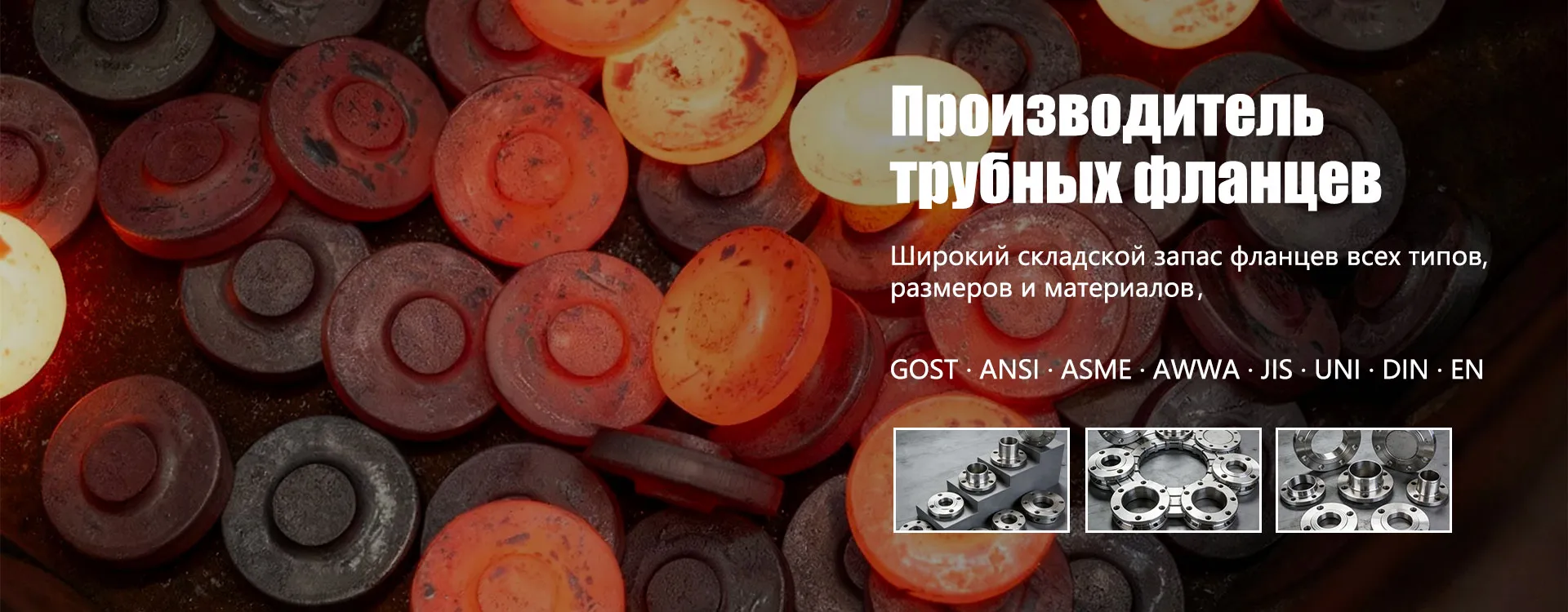
It is for such tasks where reliability is needed that we began working with the manufacturer several years agoShanxi Hongkai Forging Co.,Ltd. Their websitehkflange.ruAt one time I was attracted by the fact that they clearly stated: forging, not cutting from sheet metal. For DN 150 this is critical because the metal fibers are distributed correctly during forging, which relieves stress. Their product range includes standard flanges in accordance with GOST, ASME B16.5, and the ability to make according to a drawing - this came to the rescue when non-standard holes for studs or increased thickness were needed.
By the way, about thickness. For PN16 and PN25, DN 150 flanges have different disc thicknesses and neck heights. Confusion is common here. Once at a warehouse they supplied us with flanges for PN16, but according to the project it was PN25. The difference is a couple of millimeters in thickness, and the gasket did not fit properly. I had to urgently look for a replacement. Now I always check not only the DN, but also the nominal pressure and the performance standard.
Selection of material and standard: where the pitfalls lie
A standard is more than just letters in a specification. Take, for example, a request for flanges according to ASME B16.5 Class 150. Many people think that this is an analogue of our PN20. But no, this is approximately PN20 in pressure, but there are differences in geometry and tolerances. If installed in a system where the rest of the fittings are GOST, there may be inconsistencies in the center-to-center distance of the holes. Chinese manufacturers, the sameShanxi Hongkai Forging Co.,Ltd, often offer flanges certified to several standards at once. This is convenient, but you need to require test certificates for exactly the grade of steel you need. Their description on the website indicates a wide range: from carbon steels to stainless steels, which corresponds to practice.
Material. For water and steam up to 400°C, steel 20 is often sufficient. But when it comes to chemicals or sea water, even for DN 150 flanges on pump piping it is better to look towards alloy steels. I remember a project with sea water, where they installed ordinary steel flanges with a protective coating. After a season, corrosion began in the weld area. We converted it to flanges made of stainless steel 304 (analogous to 08Х18Н10) - the problem went away. The manufacturer I mentioned also has such options in its assortment, which is important for non-standard conditions.
Another point is the design of the surface for the gasket. For DN 150, tongue-and-groove or tongue-and-groove (RF, RTJ) are often used. It is important here that the finish of the processing is high, without scuffing. I had to deal with cheap flanges, where the surface seemed to be “hurriedly” processed, and the paronite gasket was quickly pressed through. High-quality forging and processing, as stated by the manufacturer from Shanxi, usually does not create such problems, because the technological process assumes this from the very beginning.
Installation and typical errors on site
The most common mistake when installing DN 150 flanges is uneven tightening of the studs. It seems that the size is not so big, you can use a wrench “from the heart”. But this leads to misalignment and, as a result, to leakage. It is necessary to use a torque wrench and a "crosswise" tightening pattern. This is especially important for connections that will operate in thermal cycling mode.
The second point is welding. For collar flanges (butt welds), the first root seam is important. If it is poorly welded, internal stress arises, which can cause a crack precisely in the transition zone from the neck to the pipe. I recommend visually checking the geometry of the flange before and after welding to see if it has moved. Quality forged flanges like those that makesShanxi Hongkai Forging Co.,Ltd, are less prone to deformation from thermal exposure because the forging has a more uniform structure.
And third - gaskets. For DN 150 at high pressures, paronite gaskets can “float”. It is often better to use metal finned or spiral wound. But here you need to look at the matching of the material of the gasket and the flange so that electrochemical corrosion does not occur. This is the part that we once “stumbled” on, saving a couple of thousand rubles on gaskets, and then redoing the entire assembly.
Non-standard situations and production according to drawings
It happens that the standard DN 150 flange is not suitable. For example, when you need a shifted arrangement of holes for existing equipment or increased thickness due to vibration loads. In such cases, the ability to order according to drawings helps. When working with forging manufacturers, it is important to provide them with not just a sketch, but a technical specification indicating all the loads. The companyShanxi Hongkai Forging Co.,Ltd, judging by the description on their websitehkflange.ru, there is just such a service - the production of non-standard products. This is logical, because they position themselves as a manufacturer in one of the forging centers of China, and not just a reseller.
From personal experience: a DN 150 flange was required with a transition to another standard size and with an additional fitting for the sensor. There is no such thing as standard. We sent the drawing, specified the material (09G2S) and received a product that, after machining, fit perfectly in place. The key was that the workpiece was forged - this gave a margin of safety for further milling.
When ordering non-standard flanges, you always need to allow more time. Making a forging, heat treatment, control - this is not a week, but at least several weeks. But for critical nodes it's worth it.
Inspection and acceptance issues
When receiving a batch of DN 150 flanges, even from a trusted supplier, incoming inspection must not be neglected. It is imperative to check: geometry (diameter, thickness, distances between holes), surface cleanliness, markings (DN, PN, material, standard, manufacturer's mark must be indicated). For critical applications, it would be a good idea to ask the manufacturer, e.g.Shanxi Hongkai Forging Co.,Ltd, certificates with the results of mechanical tests and chemical analysis. Their presence is a sign of a serious approach.
Ultrasonic testing (UT) or magnetic particle testing (MPT) of welds (if the flange is supplied already welded to the pipe) is often overlooked. For sizes from DN 150 and above, especially in the energy sector, this is already a standard requirement. I myself saw how ultrasonic testing revealed a lack of penetration on a seemingly ideal seam.
And the last thing is storage. It seems that nothing will be done to the piece of hardware. But if DN 150 flanges are stacked in a damp environment without backing, corrosion may appear on the threaded surfaces or on the sealing lips, which will then ruin the entire connection. It is better to store in the original packaging, with preservative lubricant. Responsible suppliers do this.
Correspondingproducts
Related Products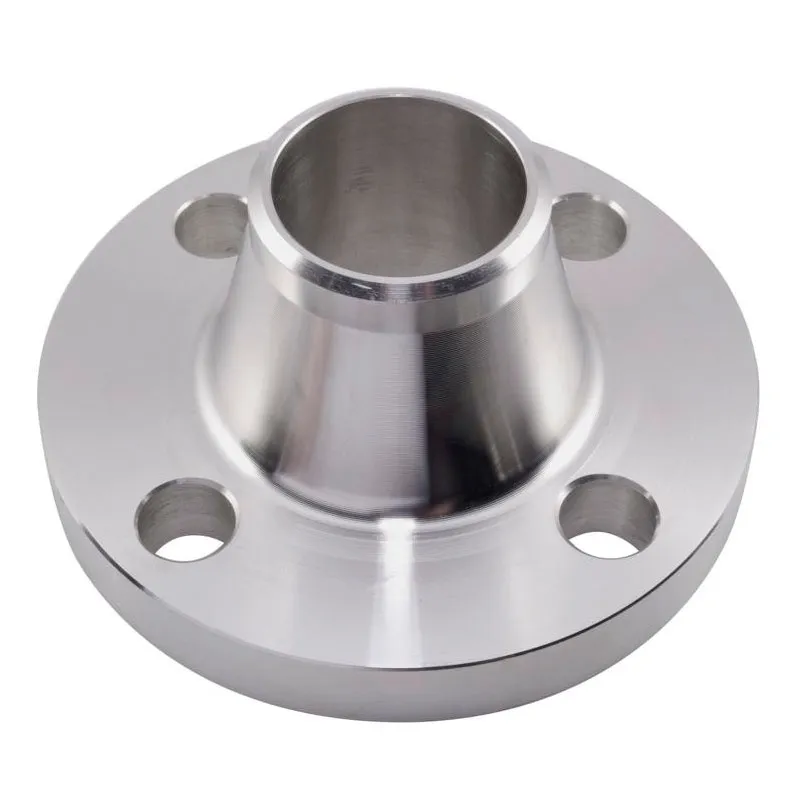
Best Sellingproducts
Best Selling Products-
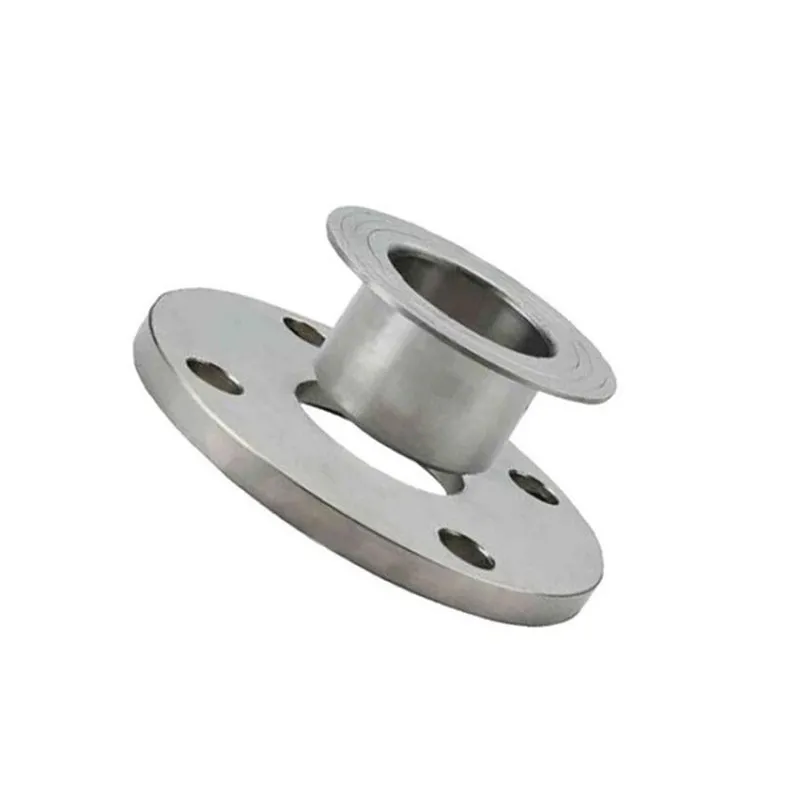 JIS 10K Loose Ring Flanges
 -
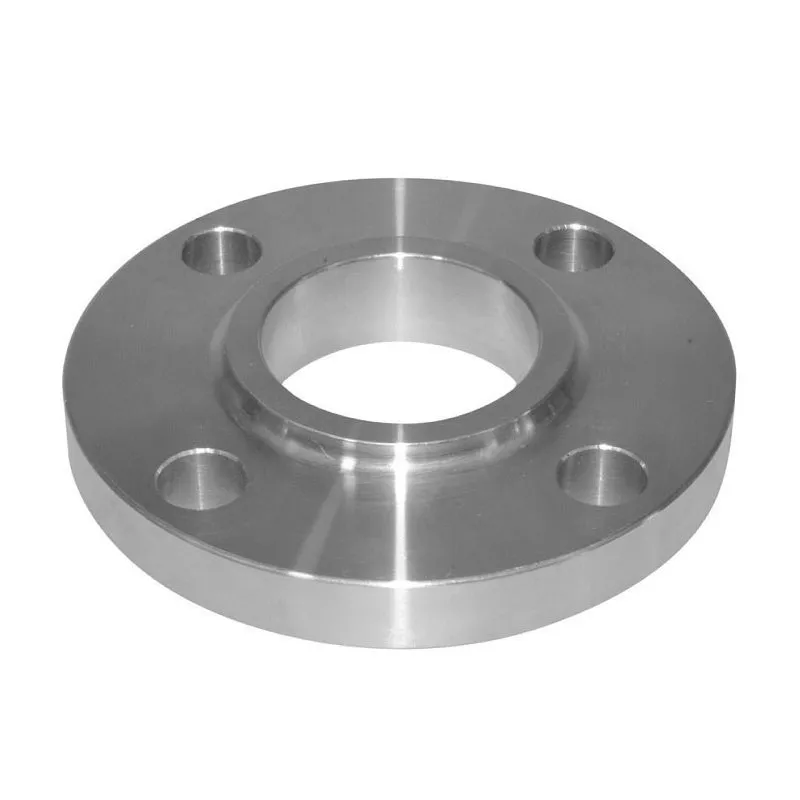 ANSI B16.5 Lap-on flanges Class 1500
 -
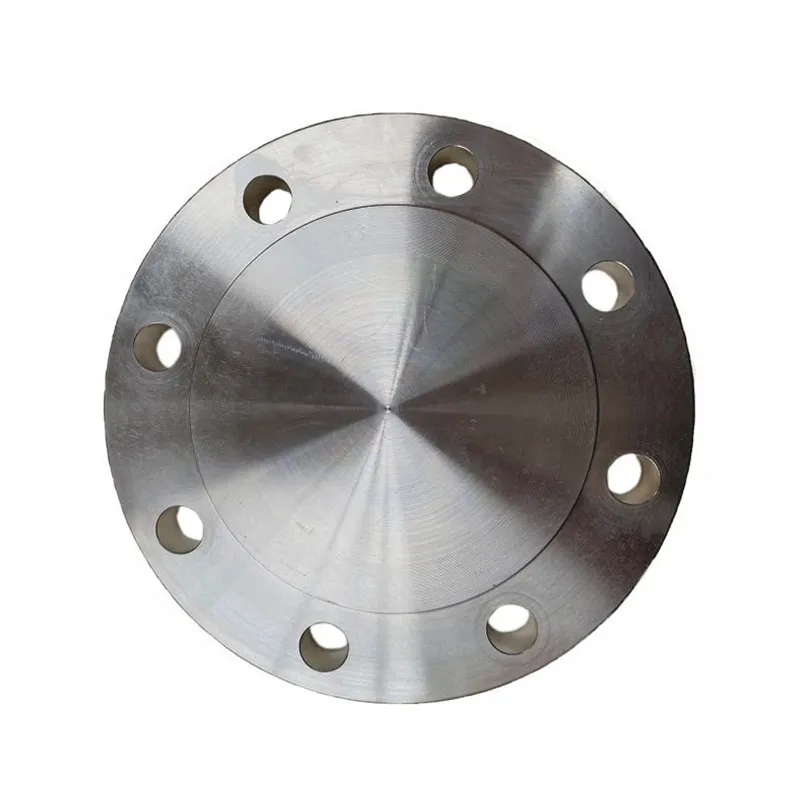 DIN 2527 Blind flanges PN10
 -
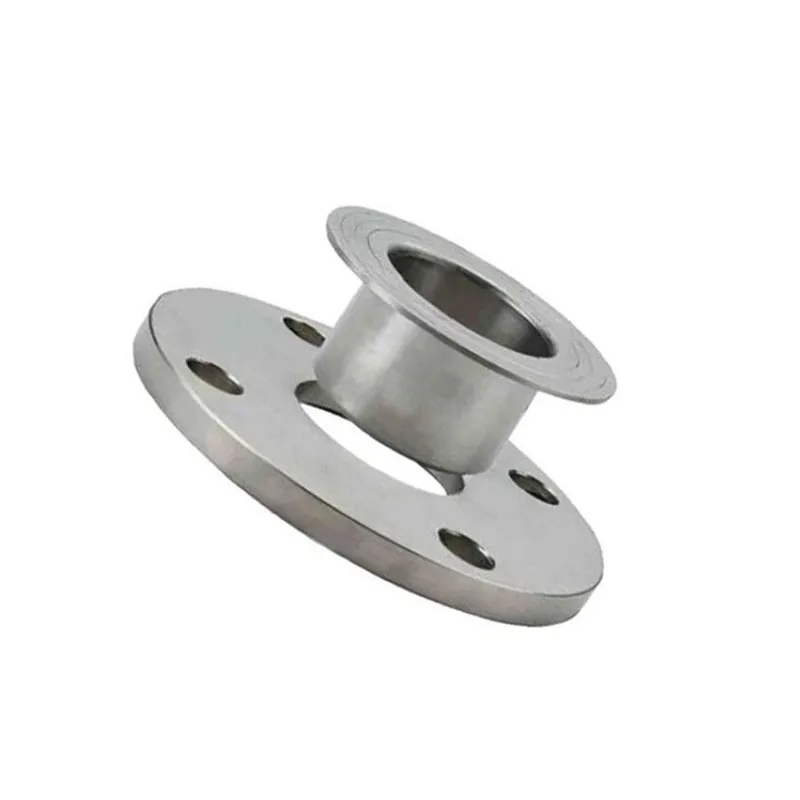 Free ring flanges Class 400
 -
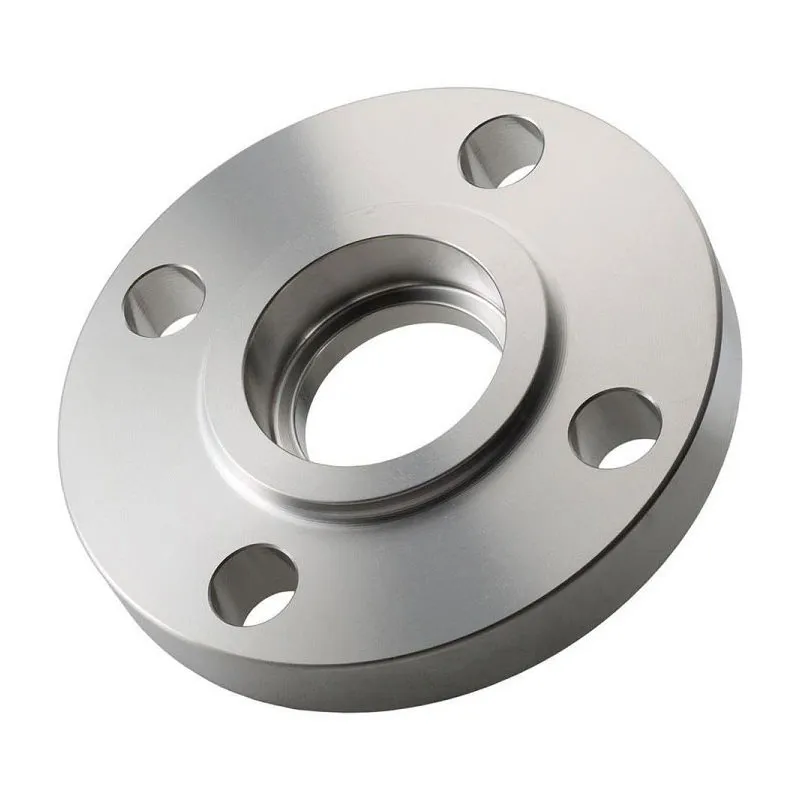 Flanges for socket welding
 -
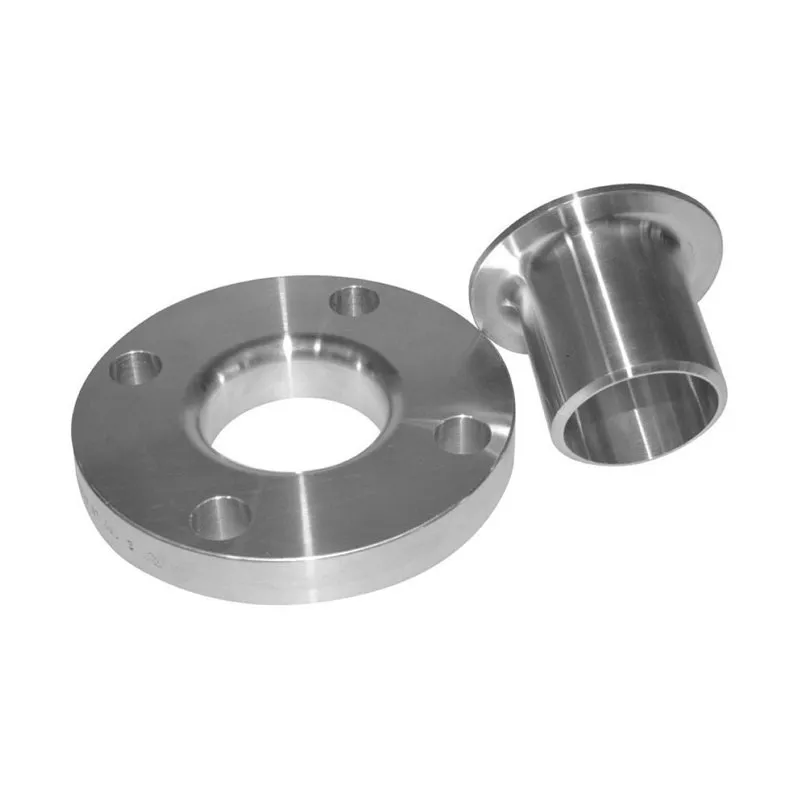 Free ring flanges Class 150
 -
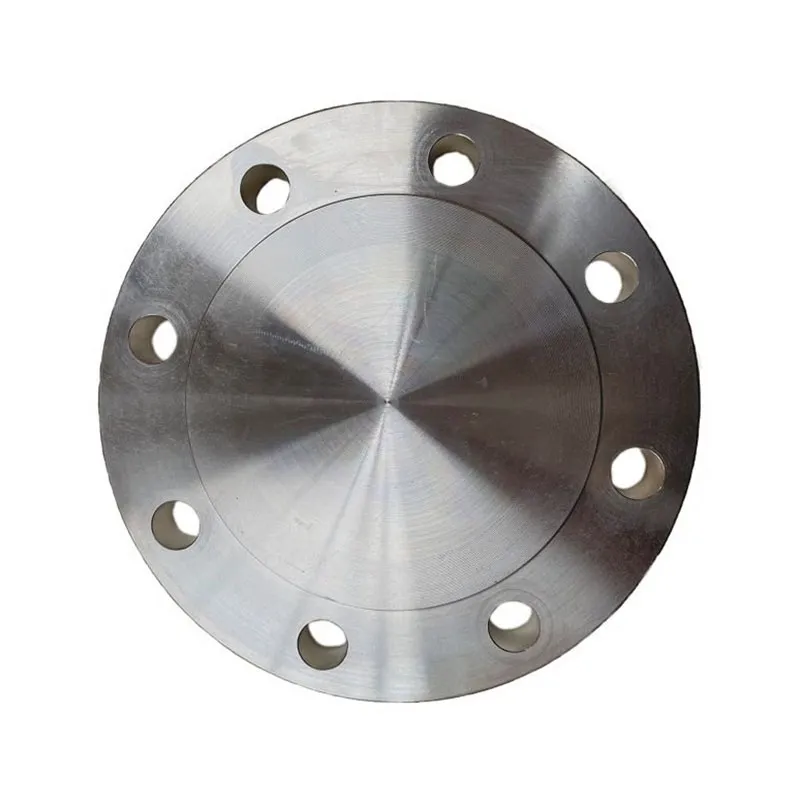 UNI 6092 Blind flanges PN10
 -
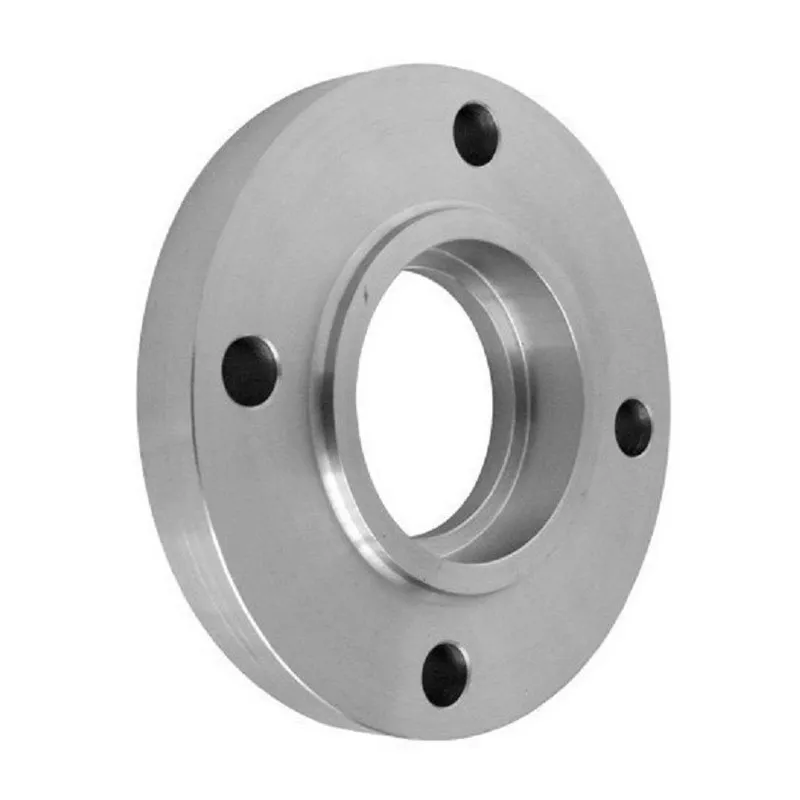 JIS 5K Socket Weld Flanges
 -
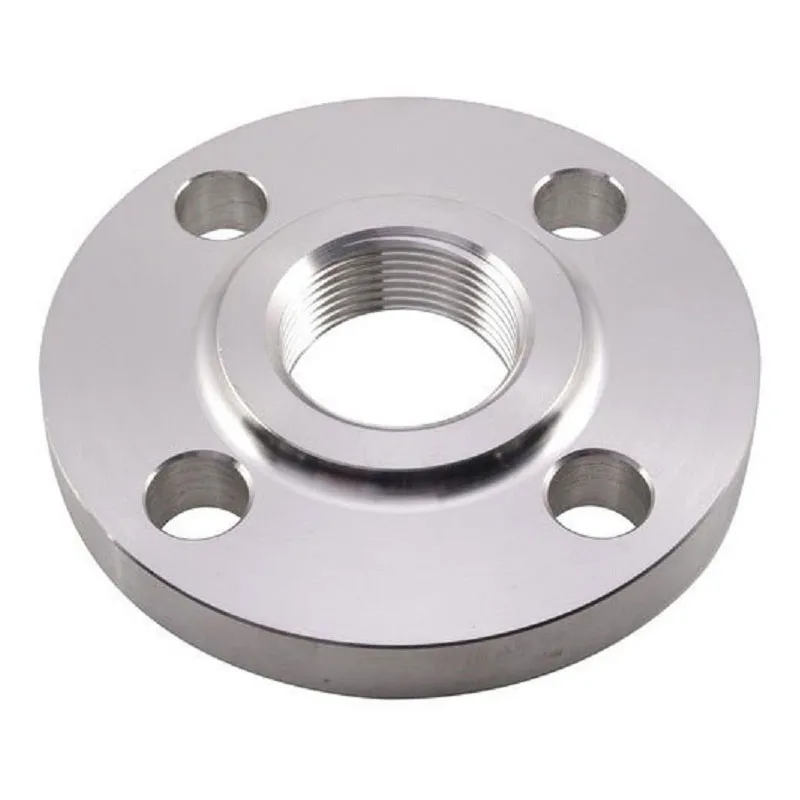 EN 1092-1 Threaded flanges Type 15, PN16
 -
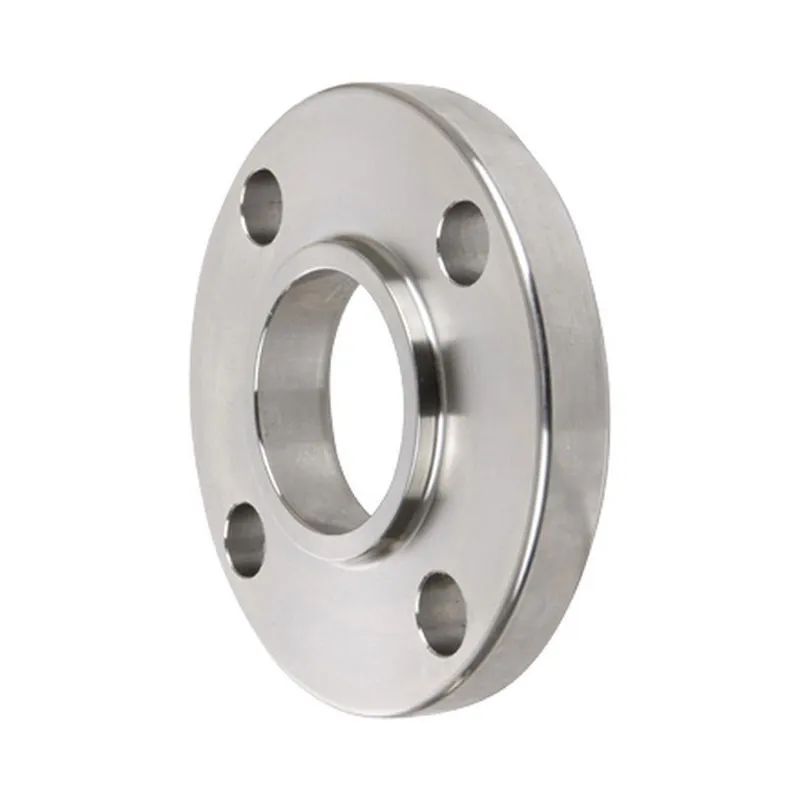 DIN 2501 Overlay flanges PN16
 -
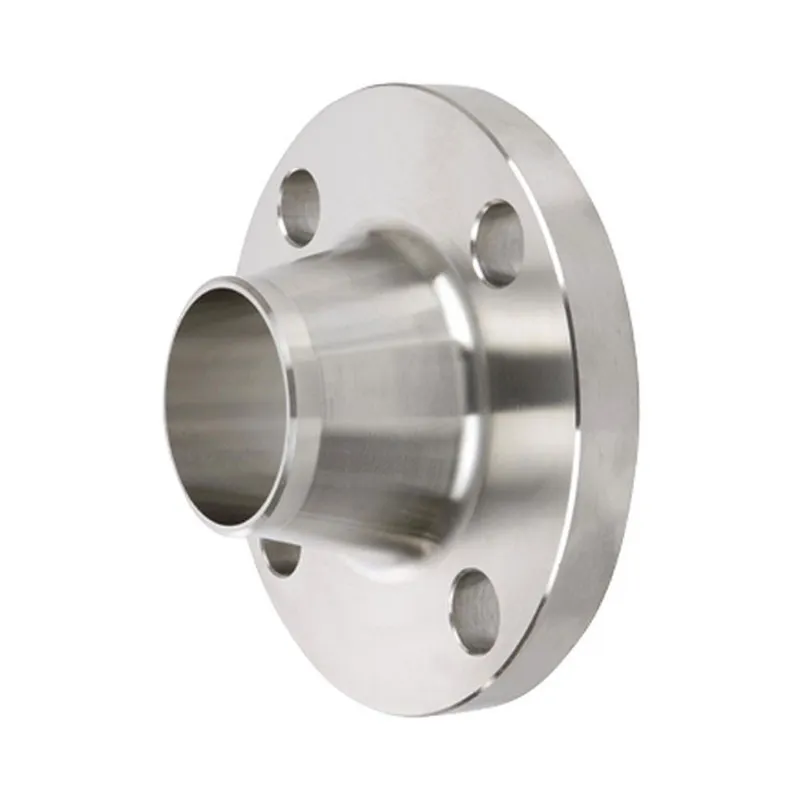 EN 1092-1 Butt weld flanges Type 11, PN25
 -
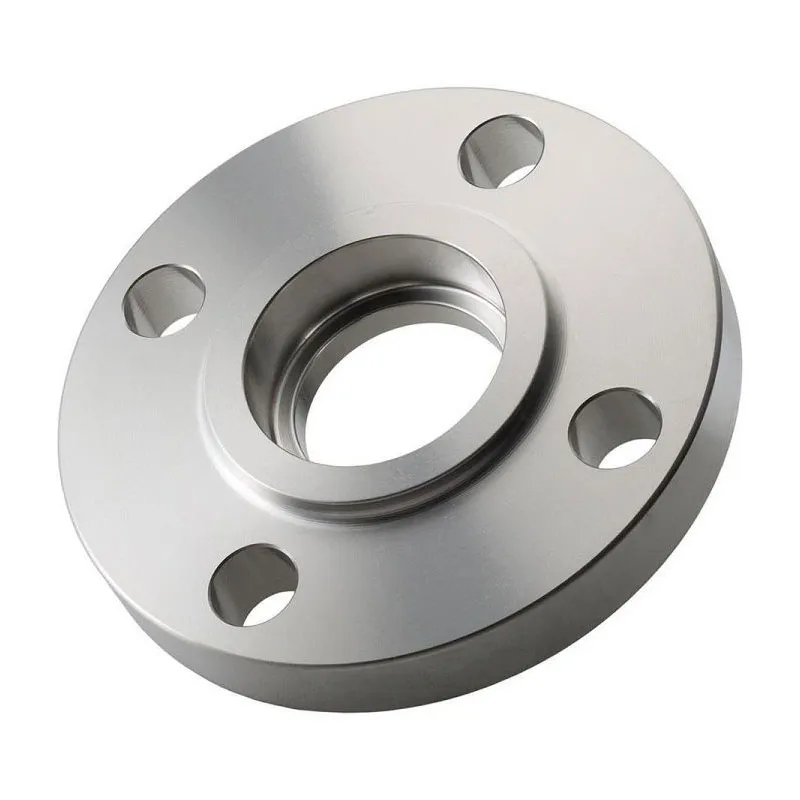 ANSI B16.5 Socket Weld Flanges Class 1500