
-
-
Phone
+86-13623462298



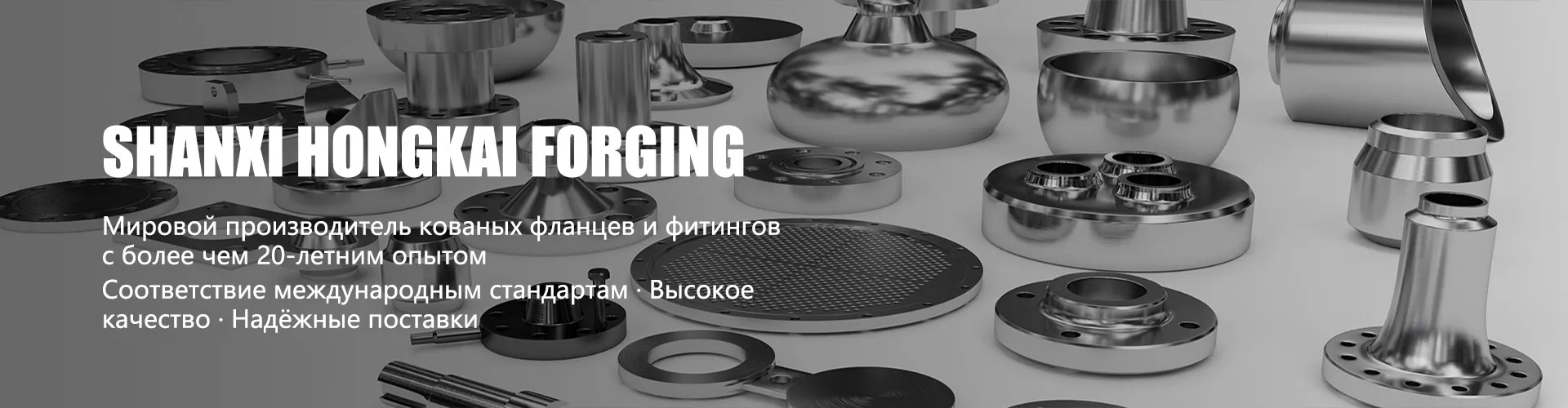
flanges 120 mm
When they talk aboutflanges 120 mm, many people immediately think about DN125 - and are often mistaken. In practice, I constantly come across the fact that people confuse the nominal diameter and the actual dimensions. The 120 mm size itself is not a special standard, but rather a working reality, often found in transitions, pump piping or in old Soviet projects, where drawings could be in millimeters without reference to DN. If we take according to GOST (this is an analogue of EN 1092-1), then the nearest row is DN125 with an outer flange diameter of about 240 mm for RU16, but if you need it specificallyflange 120 mmalong a hole or under a 120x6 pipe - those same “dances with a tambourine” begin.
From drawing to metal: where the catch lies
Recently there was an incident at one of the petrochemical facilities near Perm. The specification included a 120 mm steel flange for a pressure of 40 kgf/cm2. An order arrived - standard collar flanges according to ASME B16.5 by 5″ (this is 127 mm in the hole). The installers started installing it, but it didn’t fit. It turned out that the designer laid the 120 mm pipe according to the old GOST 8732-78. A difference of 7 millimeters means a rework, a delay. I had to urgently look for a manufacturer who would make a non-standard batch exactly for this size. That’s when I contacted the company Shanxi Hongkai Forging LLC. I saw in their catalog that they work with sizes from DN15 right up to DN4000, and what is important is that they openly indicate the possibility of manufacturing according to customer drawings. Not every plant will do this, especially if the batch is small.
It is in such situations that you understand that standards are good, but life often dictates its own conditions. Especially when you are dealing with the modernization of old production facilities, where the equipment could be German, Soviet, or Chinese - and all with different approaches to dimensions. A 120mm flange can be flat, collared, or loose with a ring - but the key parameter is often not the type, but the distance between the holes for the studs (PCD) and the diameter of these holes. If these parameters do not coincide with the mating part, that’s it, the connection is leaky and there is a risk of leakage.
By the way, about materials. For 120 mm, there is often a request for St20 or 09G2S, which is logical for most pipelines in non-aggressive environments. But I had a sad experience with ordering 12Х18Н10Т stainless steel flanges for food production. We ordered from standard catalogues, received them - everything seemed to be fine. But during installation it turned out that due to the specifics of surface treatment (polishing to a certain cleanliness was required), the standard flanges did not fit - they had to be modified manually. Now I always check not only the steel grade, but also the finishing treatment, especially if the environment is aggressive or there are sanitation requirements.
Manufacturers and market realities: why the approach is important
Here's the same oneShanxi Hongkai Forging Co., Ltd.. According to the information on their websitehttps://www.hkflange.ru, they position themselves as a manufacturer of forged flanges and forgings in one of the main centers of the forging industry in China. This is an important point. ?Forged? - not just a word. For critical applications (high pressure, variable loads, low temperatures), forging provides a better fine-grained metal structure compared to casting or gas cutting from sheet metal. For the sameflange 120 mm, operating, conditionally, on steam with a temperature of under 300°C, this is a question of reliability for years.
Their declared ability to work in accordance with GOST, ASME, EN, DIN is now almost a must-have for any serious supplier wishing to enter the CIS and European markets. But the devil is in details. I saw certificates from different factories. Some have just a piece of paper stating that the material meets such and such a standard. Others have a complete package with impact test results at -40°C, ultrasonic inspection reports, and chemical analysis of each heat. When it comes toflangeseven for such a seemingly small size as 120 mm, but for, for example, a process pipeline in the Far North, these documents are more important than the price. From experience, Chinese manufacturers like Hongkai often benefit from the fact that they are ready to provide such a complete package without long delays, unlike some domestic factories, where bureaucracy can delay the process for weeks.
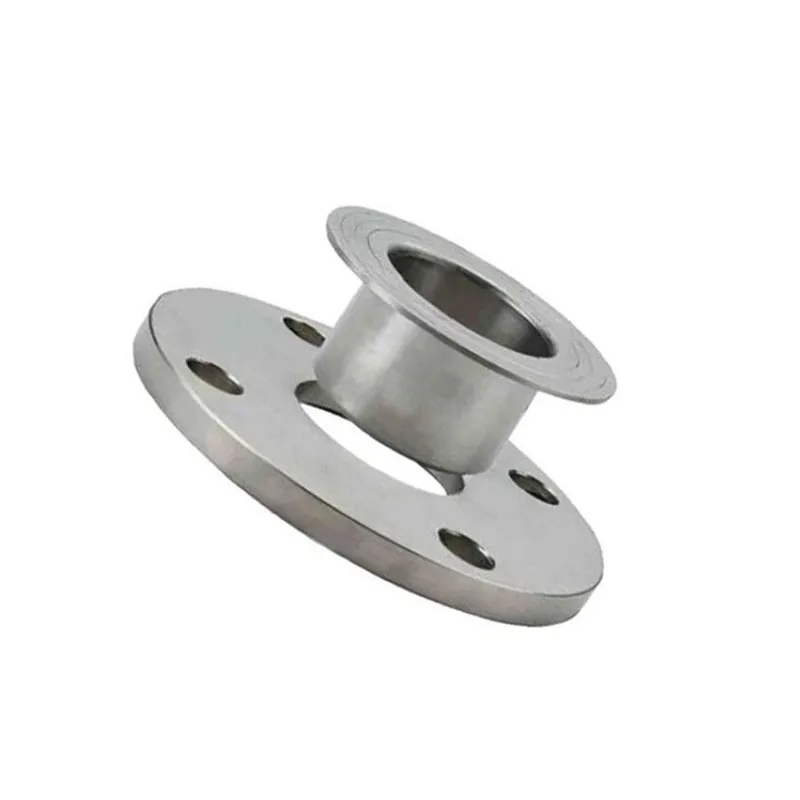
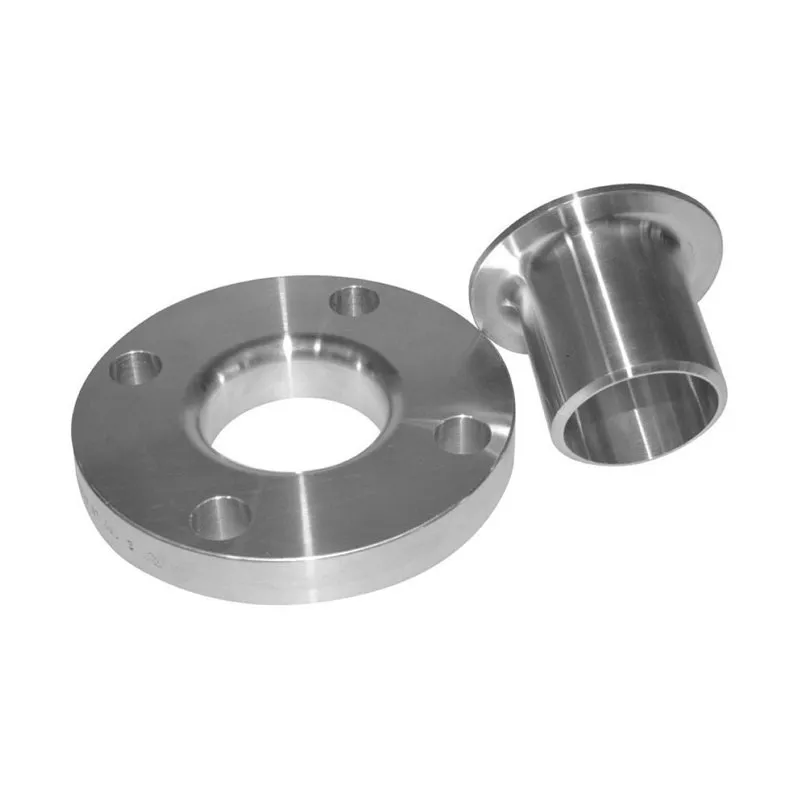
What else catches in their description is that the range includes both blind flanges and weld-on rings. For a size of 120 mm, a blind flange (plug) is a common item for cutting off sections of the pipeline or for future branches. And loose flanges with a ring are a real lifesaver when installing in hard-to-reach places where it is impossible to rotate the entire flange during assembly. More than once this has come to the rescue during repairs in cramped cells.
Practical nuances of installation and control
Let's say 120 mm flanges arrived at the site. The first thing we do is not install, but check. Vernier calipers in hand - measure the thickness of the plate, the diameter at the centers of the holes, check it with the drawing. Then - a visual inspection for the absence of cavities and burrs in the holes. Particular attention is paid to the quality of the weld chamfer for collar flanges. If the chamfer is not uniform or too sharp, there will be problems with penetration. I have already encountered microcracks appearing during welding precisely because of this.
Another point is the sealing surfaces. For 120 mm, the tongue and groove surface type is often used. or “protrusion-recess?”. Here the geometry must be perfect. A microscopic misalignment and the gasket will not press properly. Once the blame was placed on the gasket, supposedly it was defective, but after measurements it turned out that the groove at the flange itself was machined with an eccentricity of a couple of tenths of a millimeter. The manufacturer recognized the defect, but time has already been lost.
Welding. It would seem that what is so difficult here? But for a 120 mm collar flange made of 09G2S steel, the correct mode, preheating is needed, especially if the work is done in winter. Otherwise, residual stresses after welding and then during the first hydrotest can lead to barely noticeable warping - and the flange will no longer be flat. We check this with a measuring ruler against the light. It happens that the flange initially came from the factory with a slight “propeller”. If you do not notice and weld, the connection will be leaky, and the welder will be blamed, not the manufacturer.
Non-standard situations and conclusions
Often request forflanges 120 mmarises precisely in the context of non-standard solutions. For example, you need to make a transition from an old flange connection to a new pipe, or replace a section, but keep the old markings on the equipment. There is no way without an individual approach. The ability of the manufacturer, the same Shanxi Hongkai Forging LLC, to produce non-standard products according to drawings is not just an advertising phrase, but a real market necessity.
In the end, what can we say? The 120mm size is a good example of where standards theory meets practice. This is not the most popular size in its pure form, but that is why it requires more attention to detail when ordering and receiving. It is important to clearly understand what the flange is needed for: pressure, medium, temperature, installation conditions. And based on this, choose the type, material, standard and, no less important, a trusted manufacturer who will not just sell the product, but will be able to ensure full traceability and quality of the material. Because in our work there are no trifles - any, even small detail likeflange 120 mm, this is a link in the chain, and the operation of the entire system depends on its reliability.
Now the market offers many options, from artisanal workshops to large giants. My experience suggests that for critical applications it is better to work with those who specialize in forging and have experience working with international standards. This is not a 100% guarantee, but it seriously reduces the risks. And the risks in our work always mean time, money and, ultimately, reputation.
Correspondingproducts
Related Products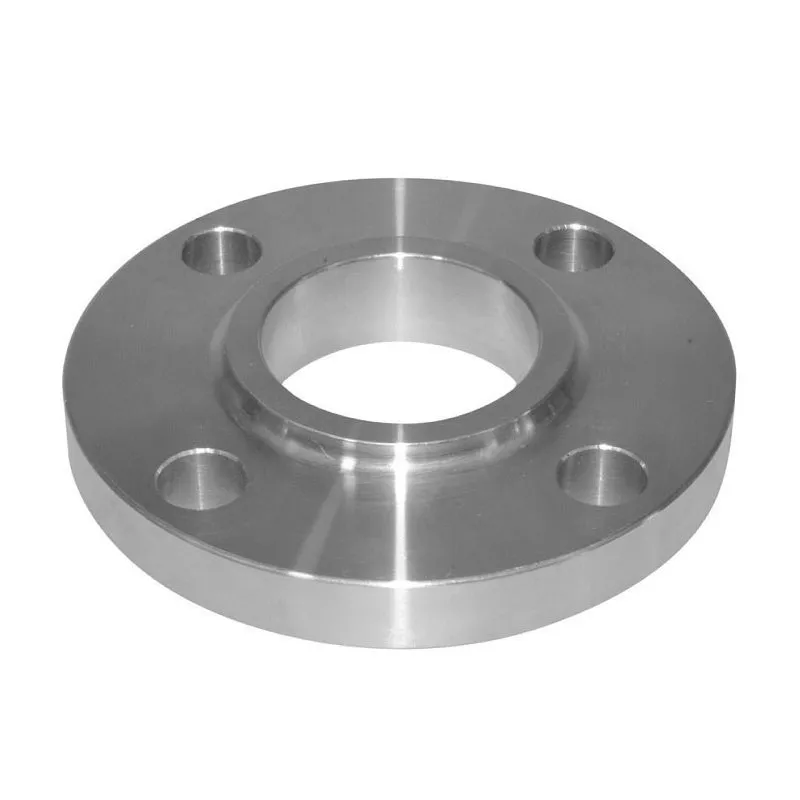
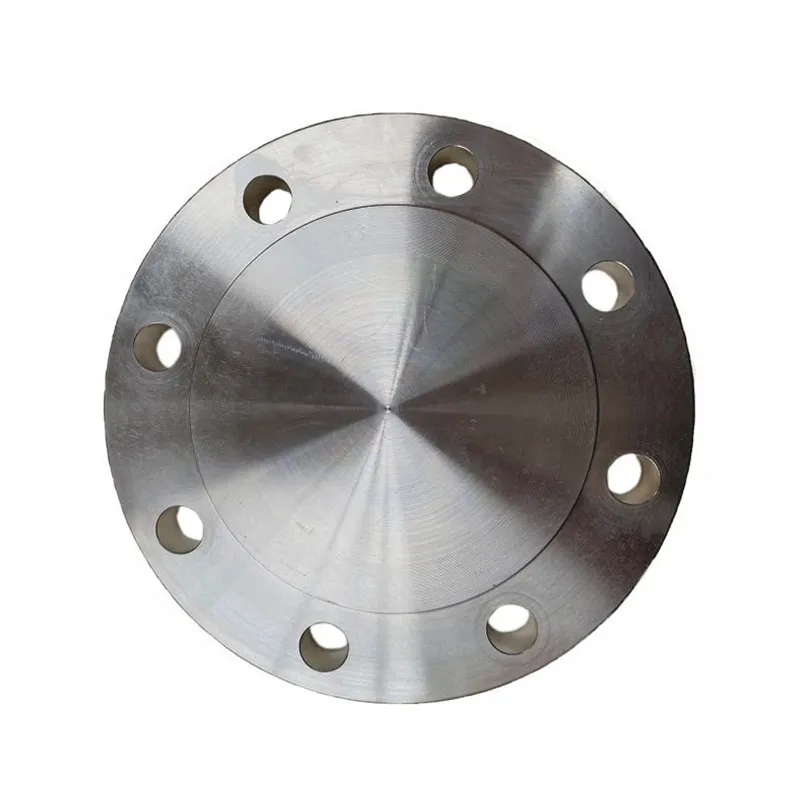
Best Sellingproducts
Best Selling Products-
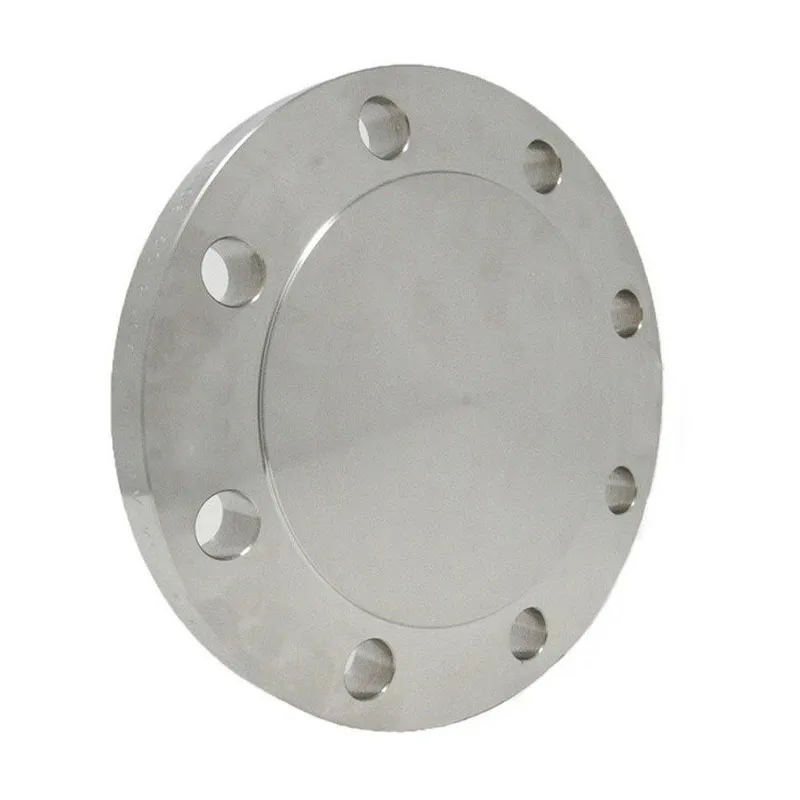 EN 1092-1 Blind flanges Type 05, PN10
 -
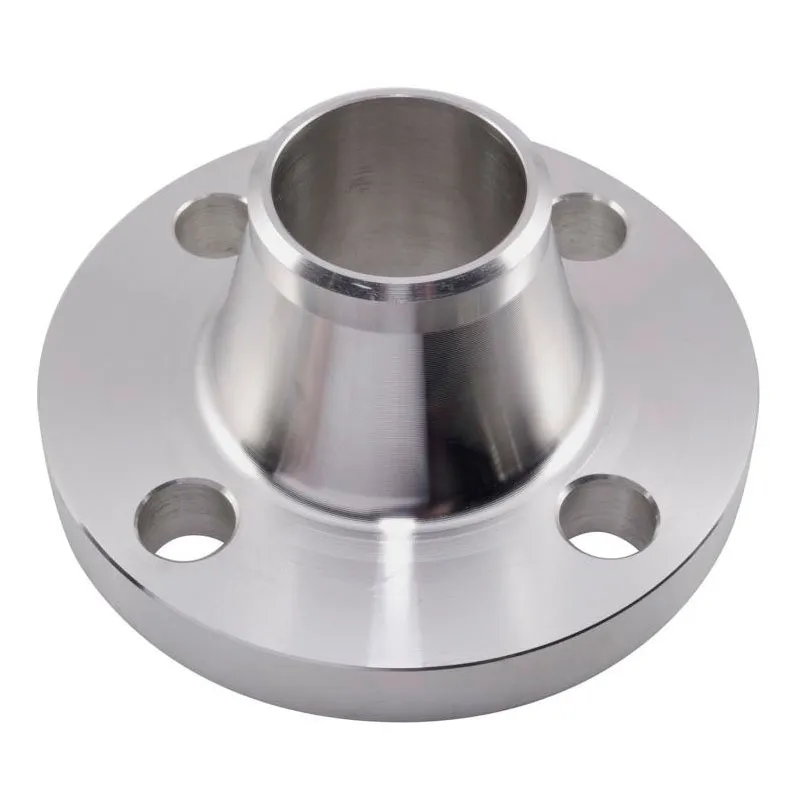 DIN Butt weld flanges PN10
 -
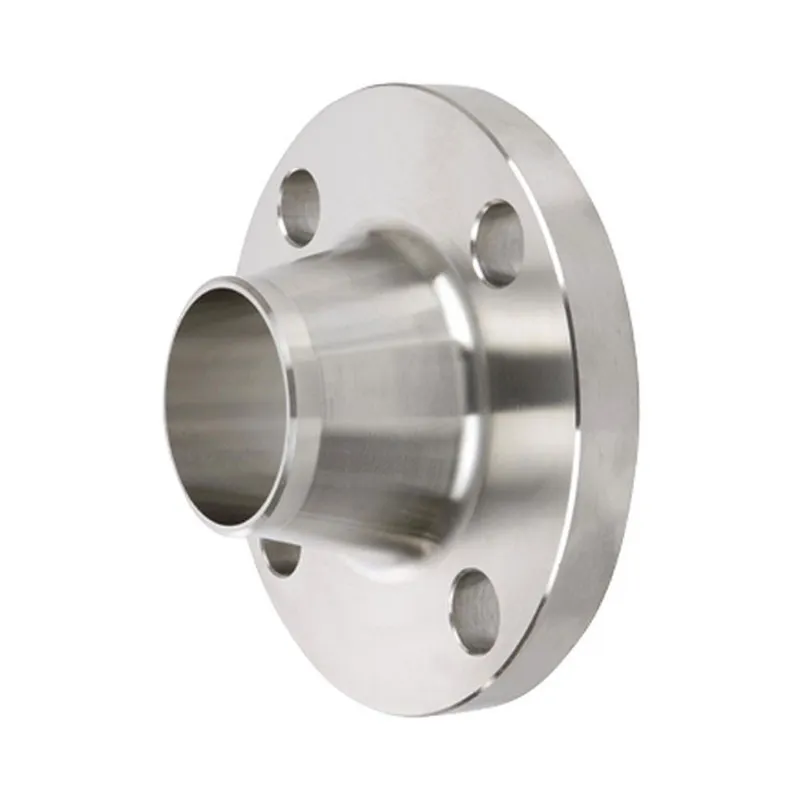 EN 1092-1 Butt weld flanges Type 11, PN25
 -
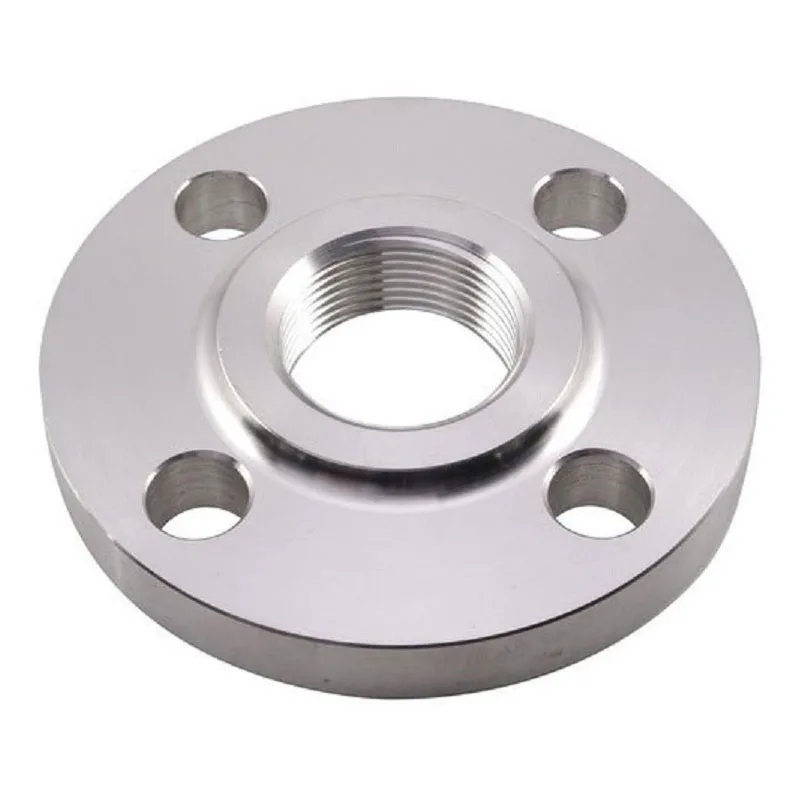 JIS 10K Threaded Flanges
 -
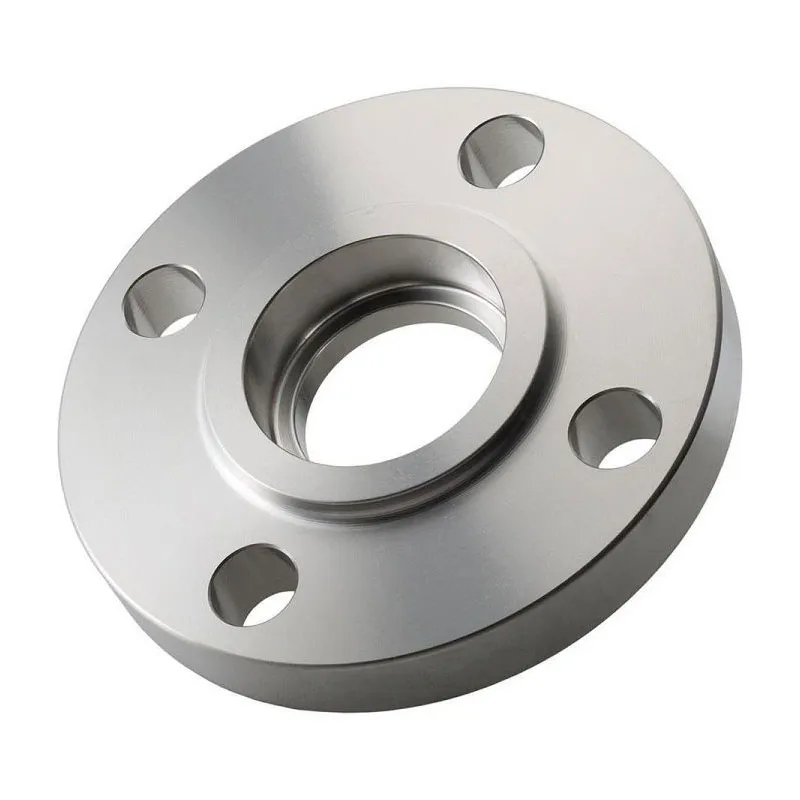 ANSI B16.5 Socket Weld Flanges Class 1500
 -
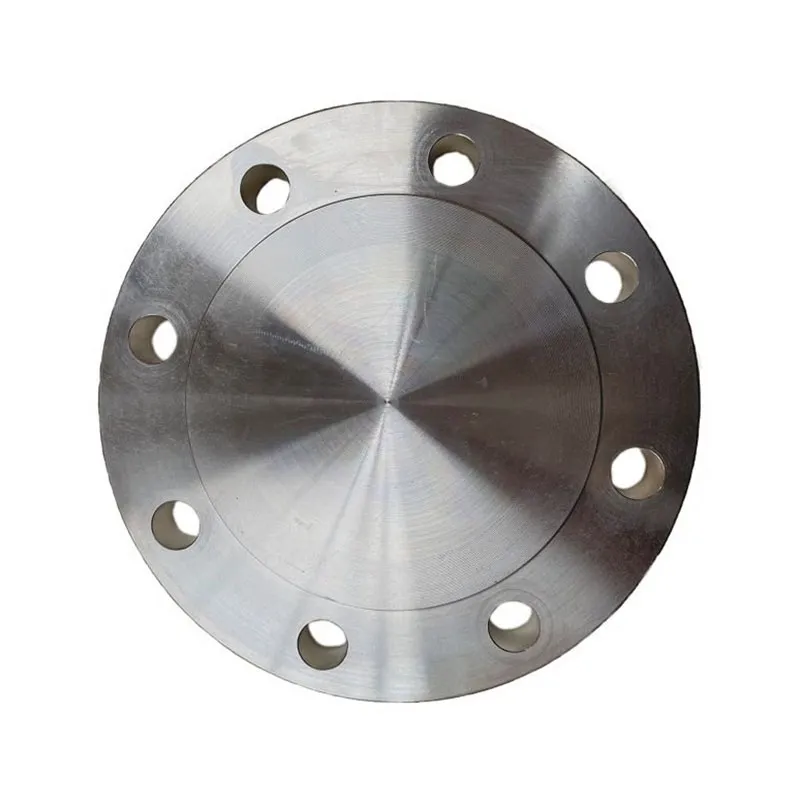 ASME B16.47 Ser.A Blind Flanges Class 400
 -
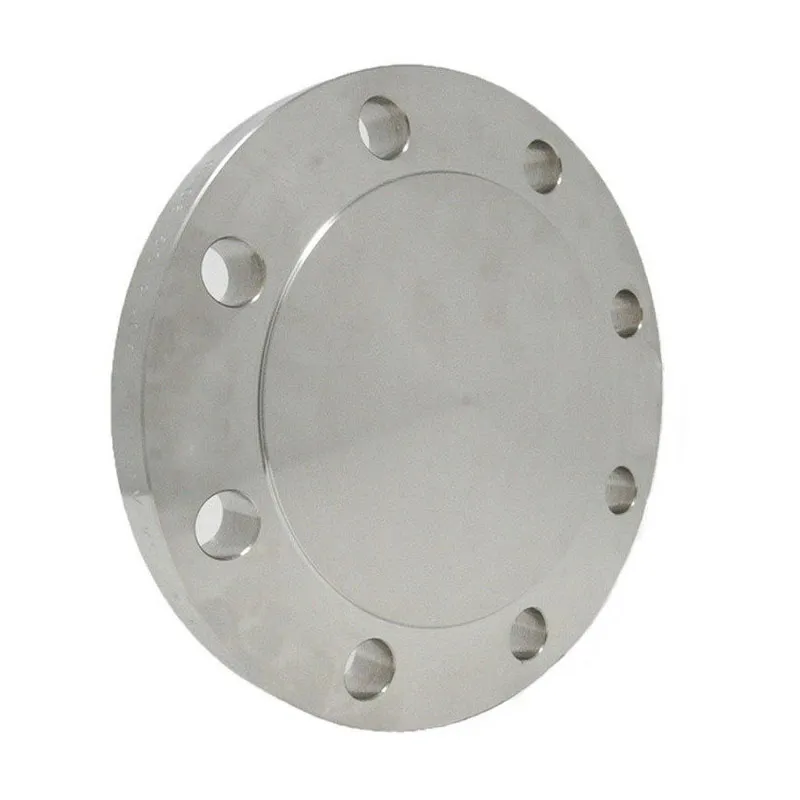 Blind flanges Class 150
 -
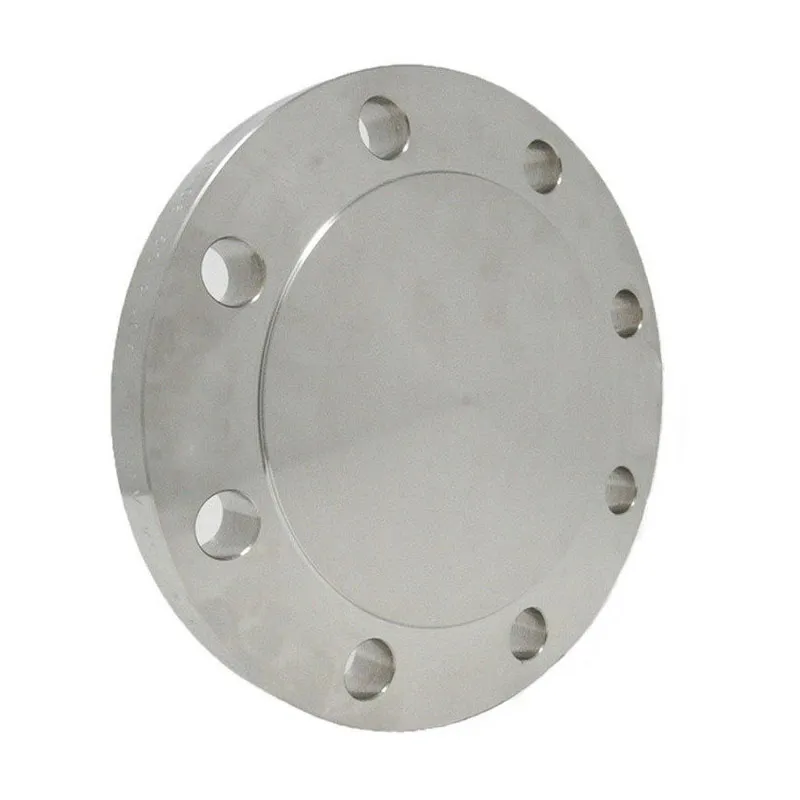 AWWA Blind Flanges Class D (Tables 1, 2, 3)
 -
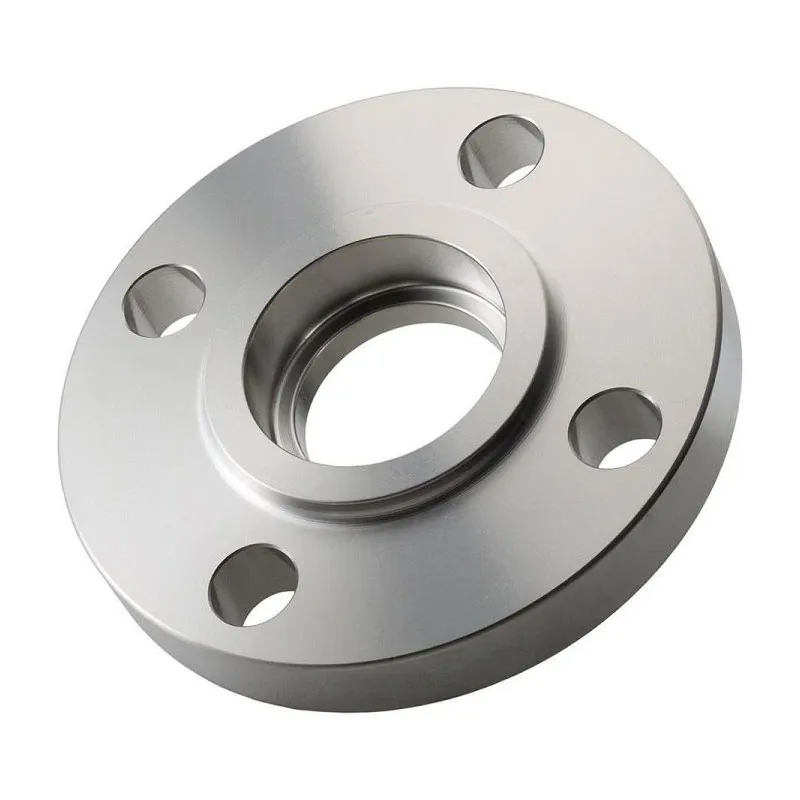 ANSI B16.5 Socket Weld Flanges Class 150
 -
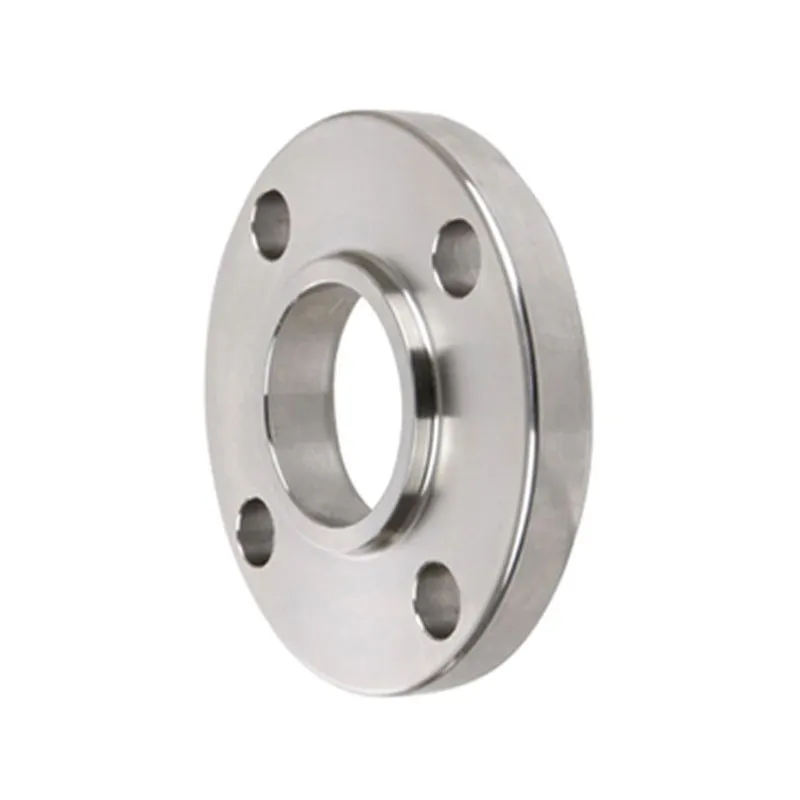 ANSI B16.5 Lap-on flanges Class 300
 -
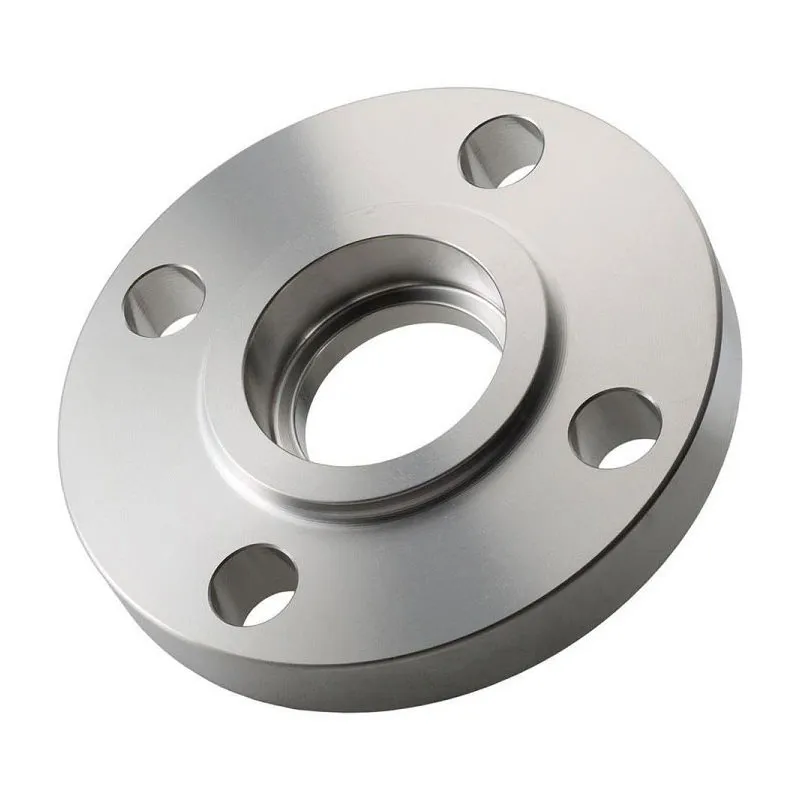 Flanges for socket welding
 -
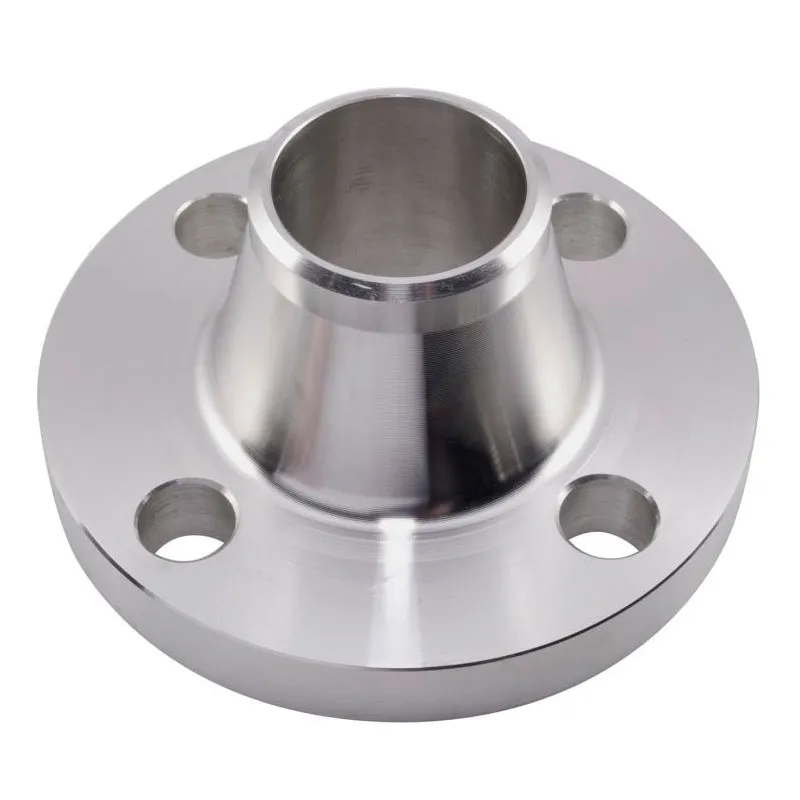 UNI 2281 Butt weld flanges PN10