
-
-
Phone
+86-13623462298




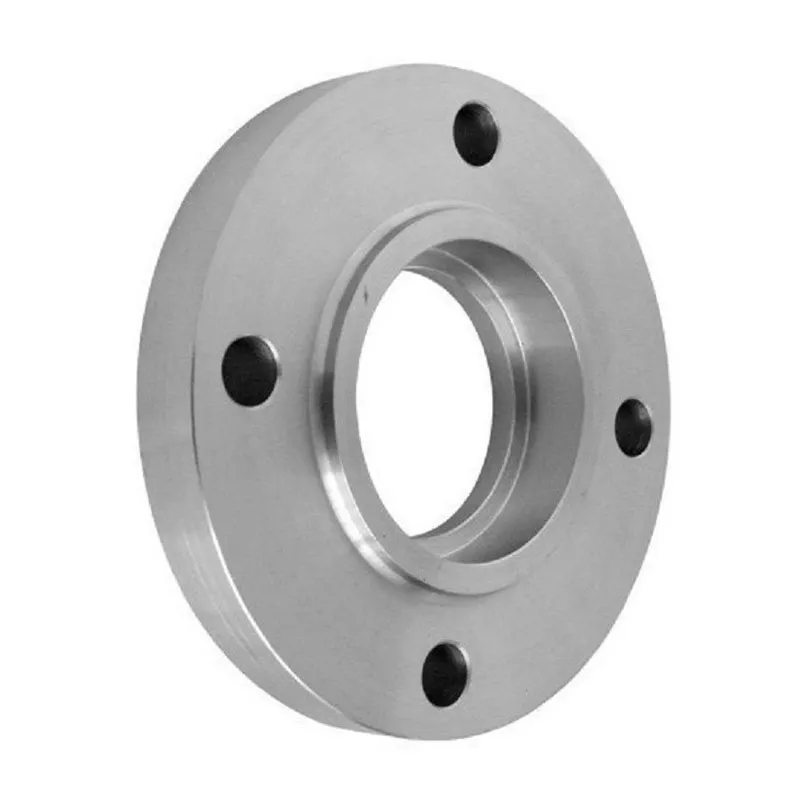
gost flanges 3
When you see “GOST flanges 3” in a search, the first thing that comes to mind is that a person is looking for either the third strength group, or, more often, just flanges according to GOST, and the number three is some kind of internal code or size. But in practice, especially in our workshop or when communicating with customers from the CIS, this often means flanges in accordance with GOST 12820-80, 12821-80 - those same flat and butt-welded ones that are used for a conditional pressure Ru of 0.1–2.5 MPa (that is, roughly speaking, 10, 16, 25 atmospheres). Although, to be honest, the term itself ?3? without context, the request is garbage. Maybe they meant flanges for PN 3 MPa? But according to the old GOST there is no such series, there are 2.5 and 4.0. So you start to puzzle over what the client needs. Many suppliers, especially those who work with China, like us inShanxi Hongkai Forging Co.,Ltd, they are faced with the fact that the request simply comes in for “GOST 3 flanges”, and in the terms of reference there is complete confusion. We have to clarify and explain that the standard is not just a number, but a whole package of parameters: surface design, type of seal, material. And this is where the real work begins.
Why ?GOST 3? - this is often a sign of misunderstanding of the standard
Working with orders through our websitehkflange.ru, I noticed one pattern: when a client from Kazakhstan or Russia writes “we need flanges according to GOST, group 3?”, in 70% of cases he cannot immediately say what kind of design according to GOST 12820-80 he requires - with a connecting projection, with a recess, with a tenon? But this is critical for assembly. It happened that a batch of flat flanges of execution 1 was shipped, but on site it turned out that execution 2 was needed for the lens gasket. To bring it back - transportation costs eat up all the margin. Now we have made a rule: for any request with an unclear indication of the standard, we send a clarification questionnaire. Yes, this slows down the process, but it reduces the risks. By the way, our company, as a manufacturer of forged flanges in China, manufactures products precisely according to international and national standards, includingGOST, so we are familiar with this moment from the inside.
Another nuance is the material. In the same request ?GOST flanges 3? steel is rarely specified. And according to GOST 12816-80 (this is for flanges of fittings and connecting parts of pipelines), for flanges up to 2.5 MPa, steels St20, 09G2S, 12Х18Н10Т can be used - and these are already three different price categories and areas of application. We are inShanxi Hongkai Forging Co.,LtdWe usually recommend steel 20 for non-aggressive environments at temperatures up to 425°C, but if the environment contains hydrogen sulfide, 09G2S is already needed. The client often doesn’t know this, and if you just make it from the cheapest material, it can end up backfire. You have to act as a consultant.
And here I always remember one incident. An order came from a contractor for an oil pipeline - “flanges GOST 12821-80 for Ru 1.6 MPa, DN200, material - as usual?”. We made it from St20 and shipped it. And a month later - a complaint: traces of corrosion appeared on the flanges in the weld area. They began to figure it out. It turned out that although the pipeline was for oil, the product had a high water content with salt impurities, plus the cycle temperature rose to 150°C. For such conditions, St20 was at the limit; at a minimum, steel with additives like 09G2S was needed. The client saved on consultation, and we saved on clarification. The result is mutual claims. Since then, for any energy and oil and gas facilities we require technical conditions or operating environment. Even if the request is simply ?gost flanges?.
How we at Hunkai Forging interpret and produce flanges according to GOST
Our production is located in Shanxi, one of the main centers of the forging industry in China. This gives access to good steel grades and experienced personnel. When we receive a request for flanges in accordance with GOST, the first thing the engineer does is not open the drawing, but checks it with our internal compliance matrix. We compiled a table a long time ago where we compared Russian GOST standards with our technological maps and even with the closest analogues according to ASME or EN. This is not for replacement, but for understanding: for example, the requirements for the mechanical properties of steel 20 according to GOST 8479-70 and ASTM A105 are not identical, but close. This means that when preparing a melt, adjustments must be made to a more stringent parameter.
The forging process itself for GOST flanges is a different story. Especially for larger diameters, say DN1000 and above. According to GOST 12821-80, butt flanges require a certain macrostructure of the metal - the fibers must be directed along the axis of the product to ensure resistance to cyclic loads. We use press forging, rather than stamping, precisely for this purpose. It happened that they set up the production of a DN1500 flange for Ru 1.0 MPa. The customer required full compliance with GOST 12820-80 for geometry and ultrasonic testing. There were no problems with geometry, but with ultrasonic testing - yes. According to our internal standard, the presence of individual small inclusions was acceptable, and according to GOST, more stringent standards were allowed. We had to revise the heat treatment regime - we increased the holding time during normalization in order to achieve a more uniform structure. As a result, the batch was accepted, but the deadlines shifted by two weeks.
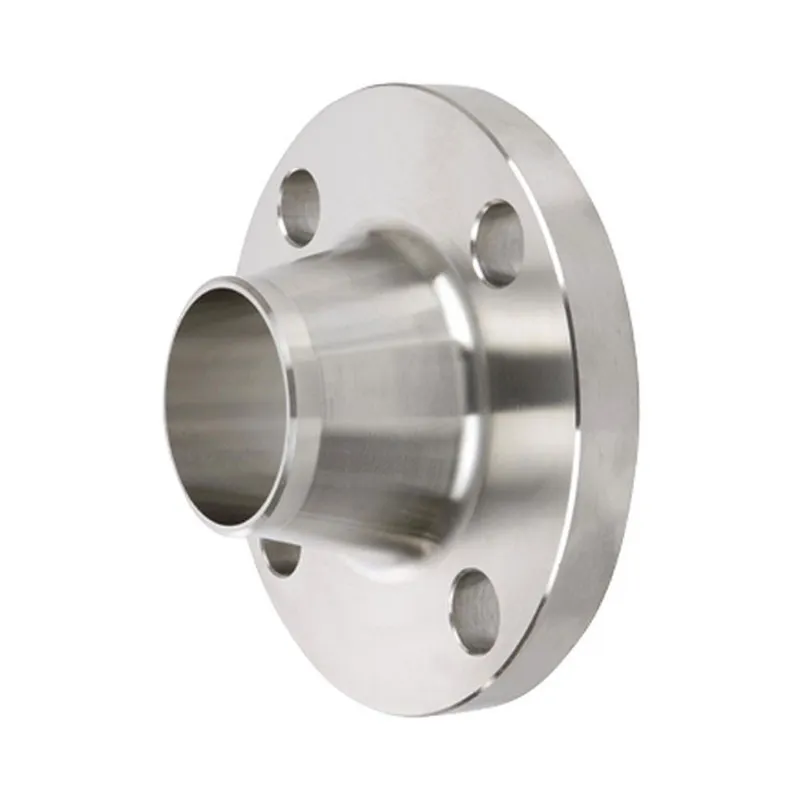
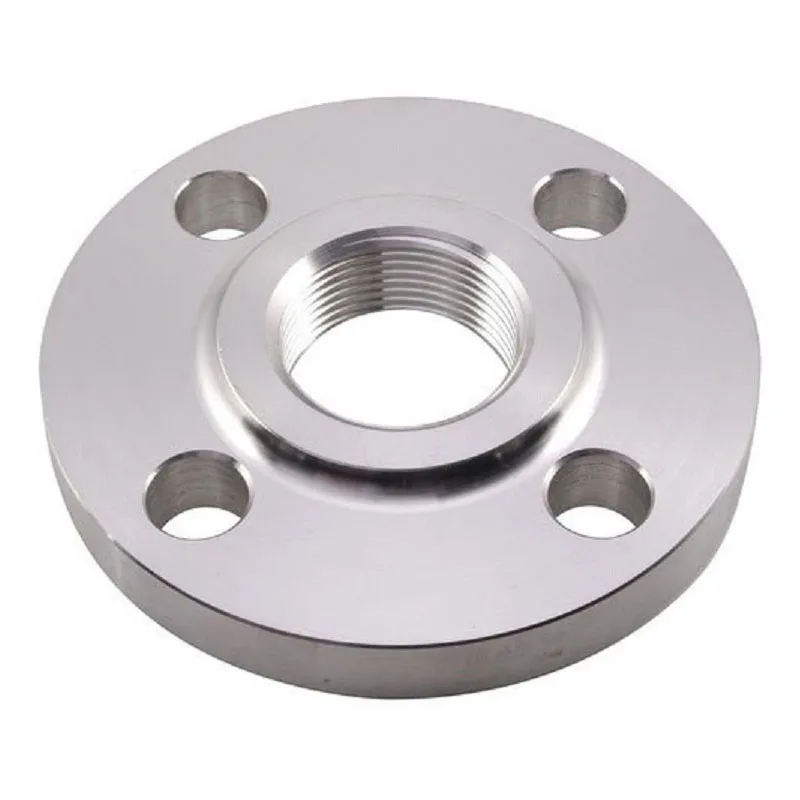
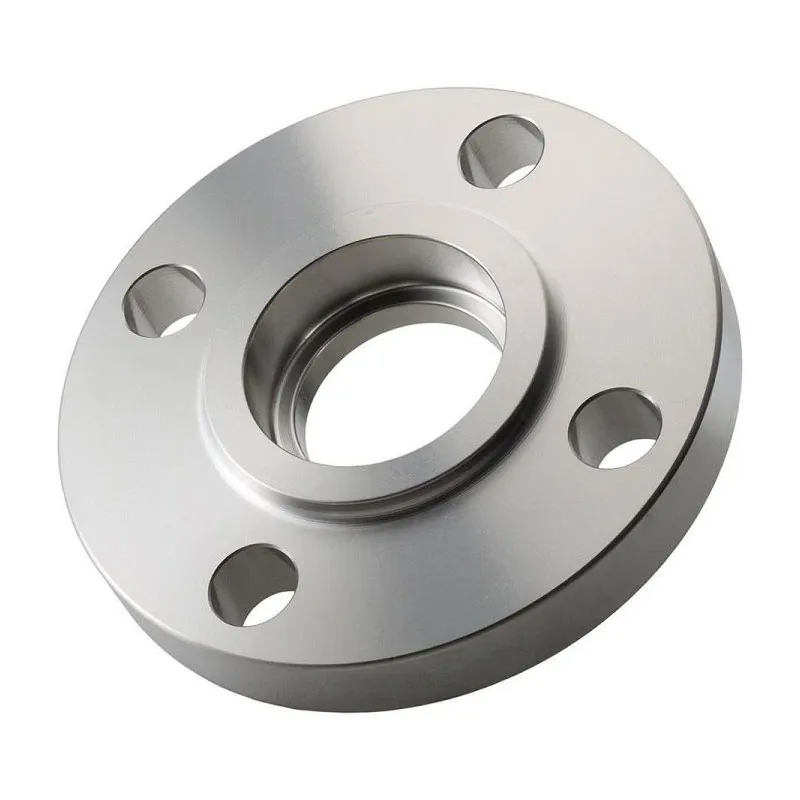
As for the nomenclature, on the websitehkflange.ruwe indicate that we make butt-welded, flat, loose, threaded, blind flanges - all in accordance with GOST. But from experience, the most popular are butt welded (GOST 12821-80) and flat (GOST 12820-80) for pressures of 1.6 and 2.5 MPa. We can produce them practically from wheels, since the equipment and technological maps have been worked out. But with loose flanges (on a welded ring) according to GOST 12822-80 it is more difficult. They require high precision mating of the ring and flange, plus they are often made of stainless steel. For such orders, we prepare a complete set of drawings in advance for approval with the client in order to avoid discrepancies. And here the request problem comes up again?gost flanges 3? — it’s never clear what type is needed.
Quality control and acceptance issues
One of the main headaches when producing flanges according to GOST for the CIS markets is acceptance. We have our own laboratory, we do chemical analysis, mechanical testing, ultrasonic testing. But many customers, especially state-owned enterprises, require the presence of a representative or testing in accredited laboratories on site. This is logical, but creates delays. For example, for a batch of flanges made of steel 12Х18Н10Т (stainless steel) according to GOST 12821-80, we needed to provide not only a certificate with mechanical properties, but also test results for intergranular corrosion (ICC) using the AM method. We carry out such tests, but the customer had his own, longer method. As a result, the products were already ready, but they waited almost a month for permission to ship.
Another point is labeling. According to GOST 12815-80 (general technical specifications for flanges), the marking must include the manufacturer's mark, steel grade, nominal pressure, nominal bore and QI mark. We laser engrave it all. But one day a complaint came: the markings were erased after sandblasting at the site. The client said that according to GOST it should be durable. I had to explain that sandblasting is an abrasive treatment; it erases any surface markings. Now, in commercial offers for critical objects, we separately stipulate the possibility of applying branding using a deeper method or on a permanent tag.
And of course, geometric control. Flanges, especially large diameters (we have a range of DN15–DN4000), can “lead?” after heat treatment. We control the flatness, parallelism, and deflection of the stud holes. For GOST this is critical, because the tightness of the joint depends on it. There were cases when the DN800 flange was ideal by visual inspection, but when checked on the surface plate, a deflection of 0.5 mm was revealed. According to GOST, 0.3 mm is acceptable for such a diameter. I had to edit in a cold state followed by a vacation. We wasted time, but gained quality.
Non-standard products and work according to customer drawings
As stated in the company description, we also produce non-standard products according to customer drawings. And here the requests related to GOST take on a special character. Often you receive a drawing where the basic design is a flange in accordance with GOST 12821-80, but with changes: increased neck thickness, non-standard arrangement of holes, additional technological collar. And the specification says: “manufactured according to GOST, with changes?”. This is the most difficult option. Because formally, if changes concern basic parameters, these are no longer GOST, but technical conditions. But the client wants the documentation to say “manufactured in accordance with GOST...?”. We meet halfway, but always include a deviation from the standard, signed by both parties.
One of the memorable projects was flanges for connecting old Soviet equipment to the new European line. At the inlet there was a flange in accordance with GOST 12820-80, DN500, Ru 2.5 MPa, version 1, but with a seat diameter for the seal not in accordance with GOST, but in accordance with DIN. The client sent his sketch. We needed to combine two systems. We made a blank according to GOST, and then CNC machined a groove for a seal type R65 according to DIN 2696. It was important to maintain not only the geometry, but also the roughness of the seal surface. According to GOST it should be no rougher than Ra 2.5, and according to DIN the requirements are even stricter. I had to do the finishing with a special tool. We worked almost to the limit of tolerance. As a result, the flanges came together the first time, which the customer was very surprised by. This was a good experience for us in integrating standards.
In such non-standard cases, we always use our main profile - forging. This allows you to obtain a workpiece with the best mechanical properties, which can then be quite freely processed to unique dimensions. If we took ready-made steel and simply cut out the flange, then there could be problems with non-standard loads. Forging gives a margin of safety. And this, by the way, is what we are inShanxi Hongkai Forging Co.,LtdWe differ from many suppliers who work with casting or stamping. Especially for parameters where the request includesgost flanges— reliability and durability are often meant, and not just geometry.
Instead of a conclusion: so what are they looking for on request? GOST flanges 3??
Back to the beginning. After all these cases and reflections, I believe that the request ?GOST flanges 3? - this is most often either an attempt to find flanges for a nominal pressure of 3 MPa (although it is not in the GOST line, there are 2.5 and 4.0), or, more likely, simply an inaccurate input, behind which there is a need for standard flanges for medium pressures. As a manufacturer, we have learned to decipher such requests. First of all, we ask clarifying questions. Secondly, we offer options from our standard line, which fully covers GOST in the range DN15–DN4000. And thirdly, we are always ready to make it for a specific task, even if the drawing is a hybrid of standards.
Working with flanges in accordance with GOST is not just production according to a drawing. This is an understanding of the history of the standard, knowledge of typical installation errors and the requirements of inspecting authorities. When a client comes to us with such a request, we try to extract as much context as possible from it: for what object, what environment, who the installer is. This helps avoid problems in the future. And even if the request contains only three words - ?gost flanges 3? — we know that behind them there may be a serious project that requires our experience and attention to detail. In the end, this is exactly what they come to us for.hkflange.ru- not just buy a piece of hardware, but get a reliable unit for the pipeline that will last for decades.
And the number ?3?... Let it remain a mystery to search engines. For us, professionals, what is important is not the numbers in the request, but clear parameters in the technical specifications. But we are always ready to help formulate them.
Correspondingproducts
Related Products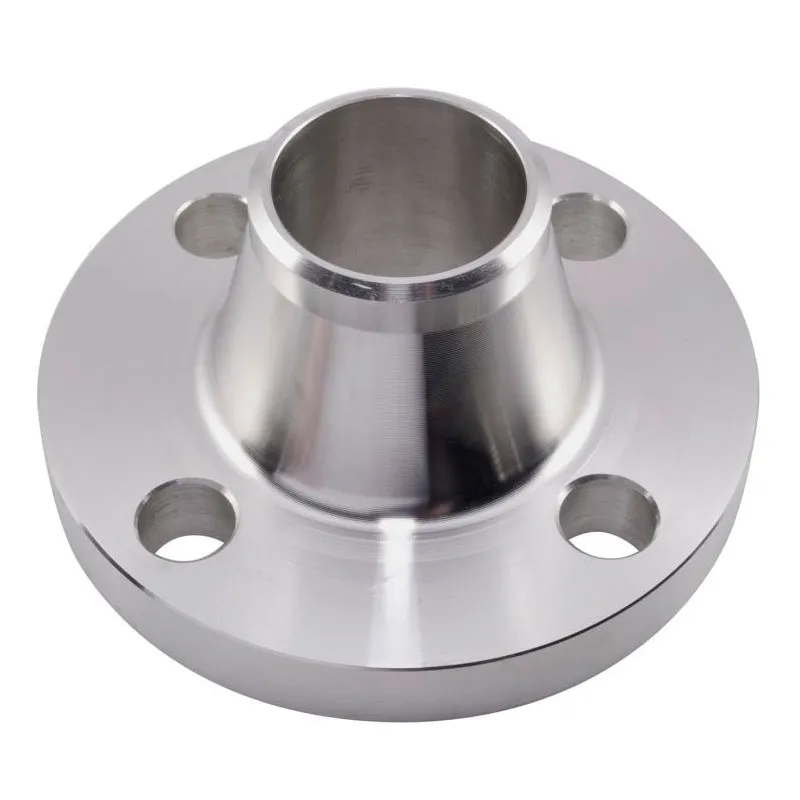
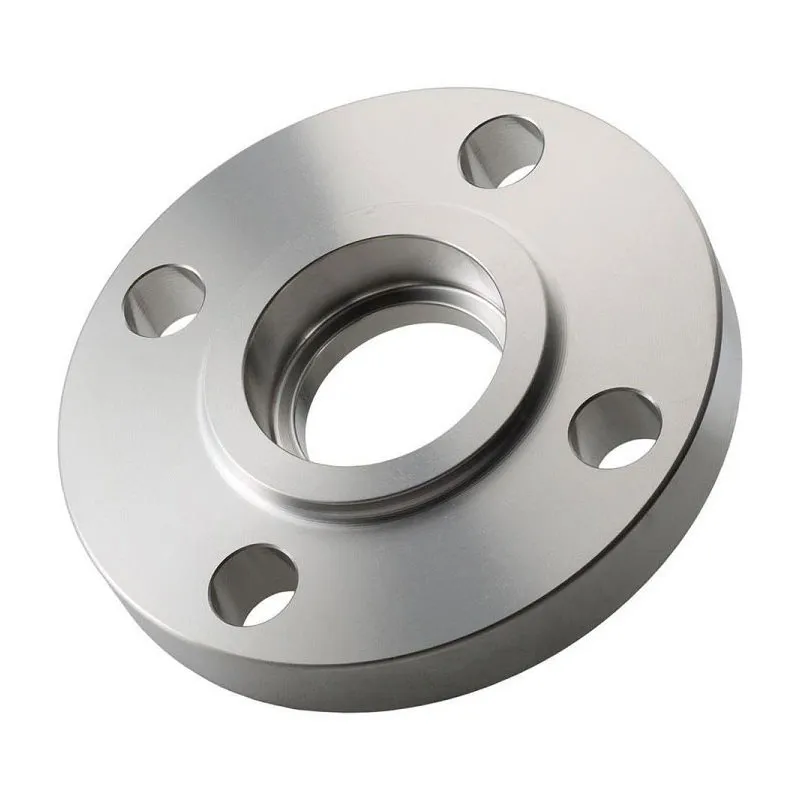

Best Sellingproducts
Best Selling Products-
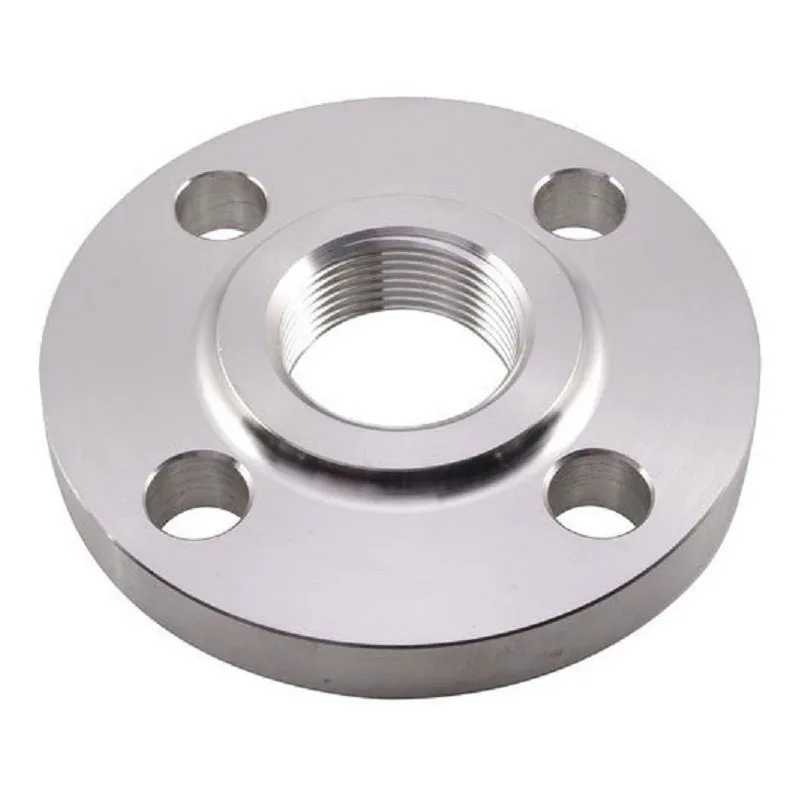 ANSI B16.5 Threaded Flanges Class 600
 -
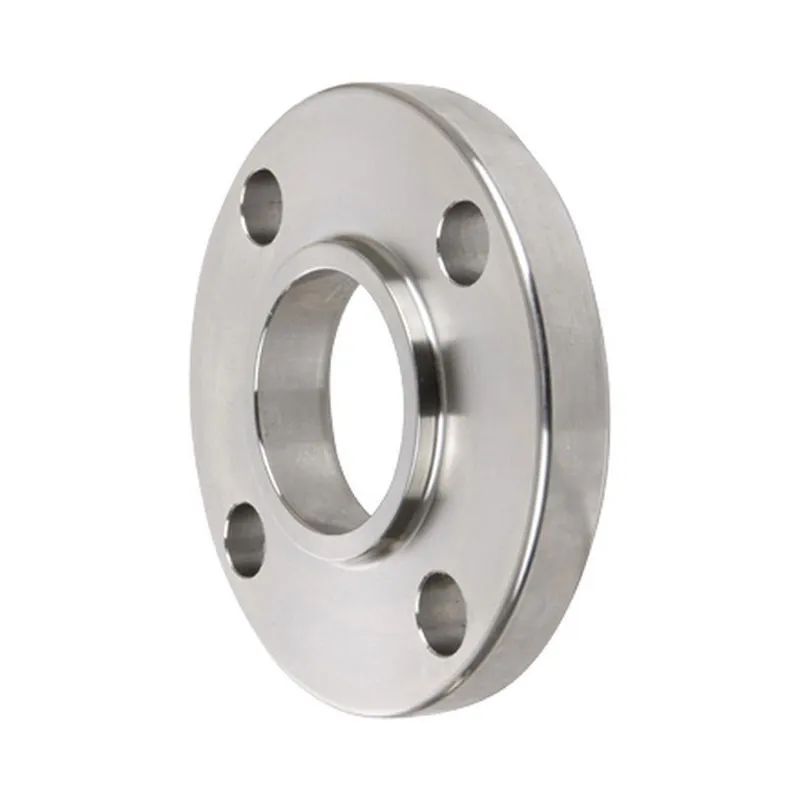 DIN 2501 Overlay flanges PN16
 -
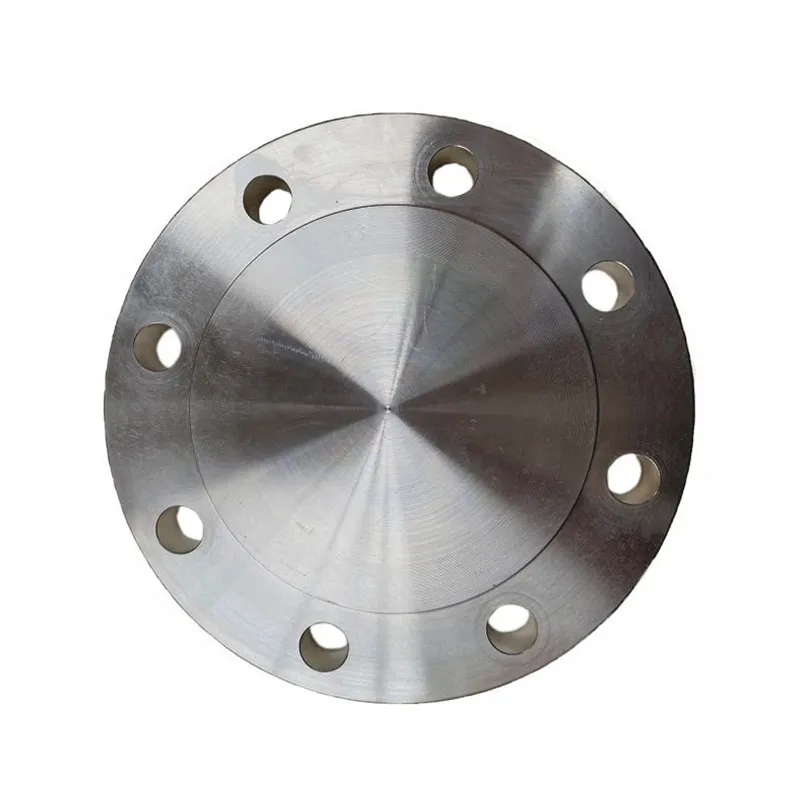 DIN 2527 Blind flanges PN10
 -
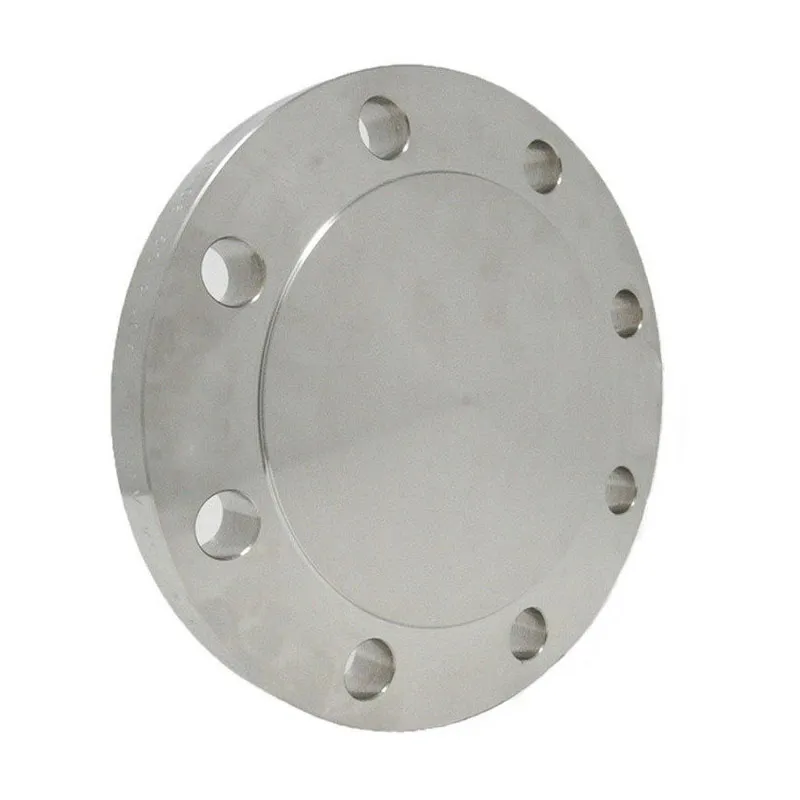 AWWA Blind Flanges Class D (Tables 1, 2, 3)
 -
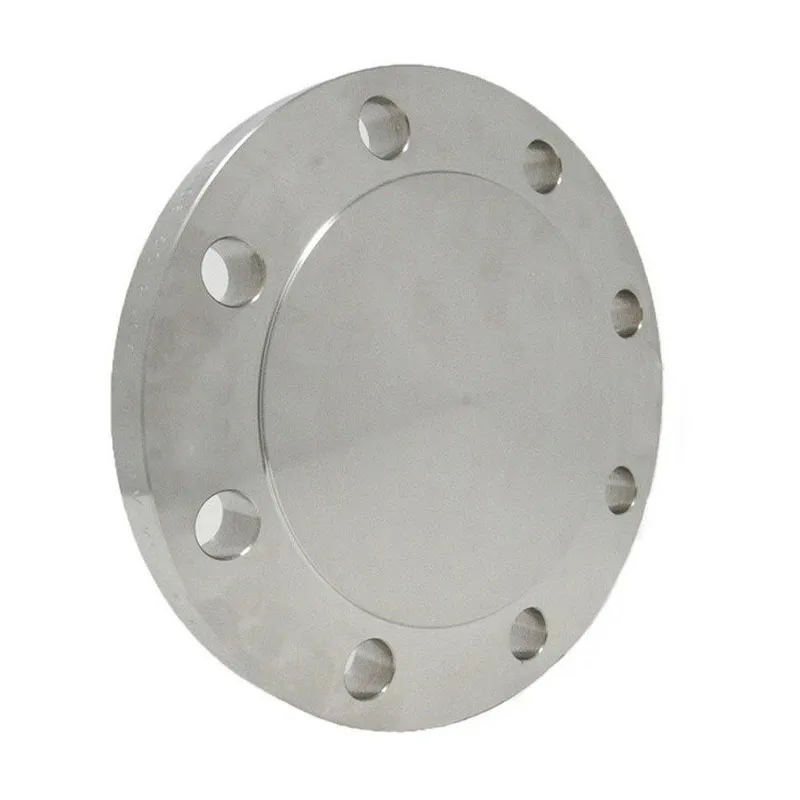 EN 1092-1 Blind flanges Type 05, PN10
 -
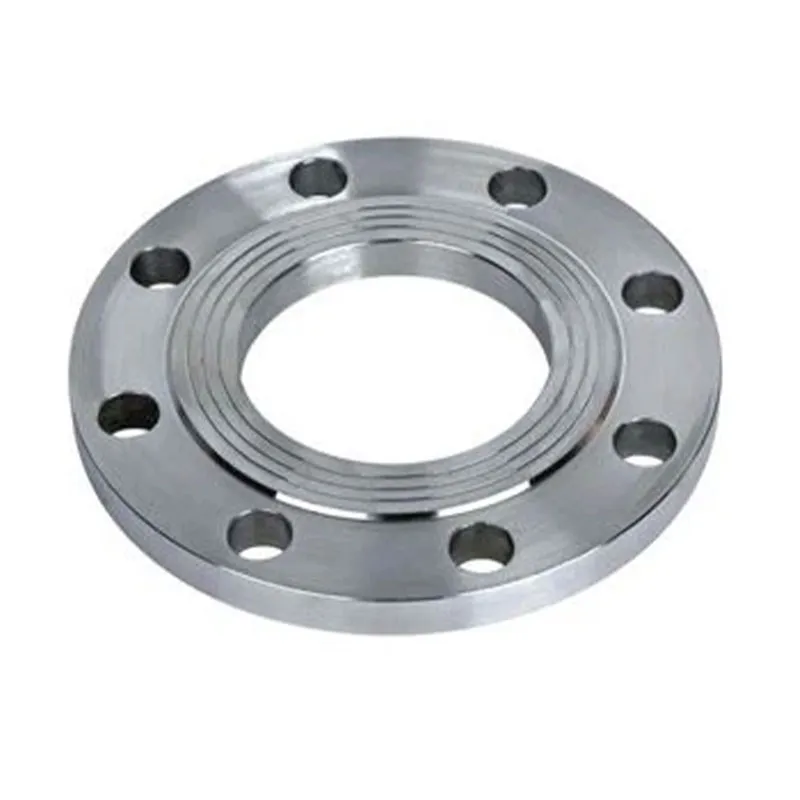 Butt weld flanges Class 150
 -
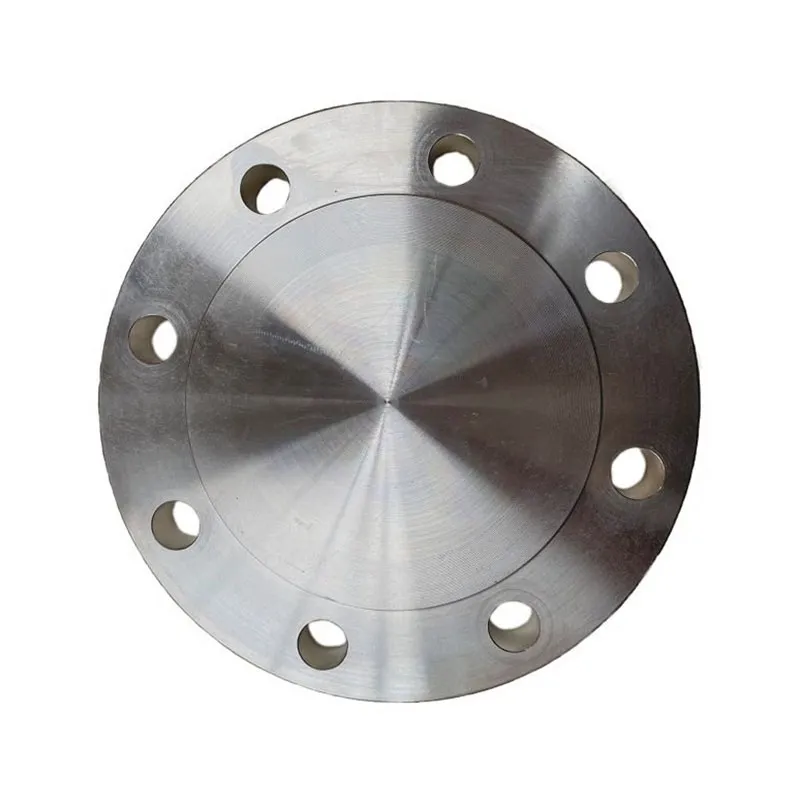 UNI 6092 Blind flanges PN10
 -
 DIN 2565 Threaded flanges PN6
 -
 ANSI B16.5 Lap-on flanges Class 300
 -
 Blind flanges Class 150
 -
 JIS 10K Threaded Flanges
 -
 Socket Weld Flanges Class 300