
-
-
Phone
+86-13623462298



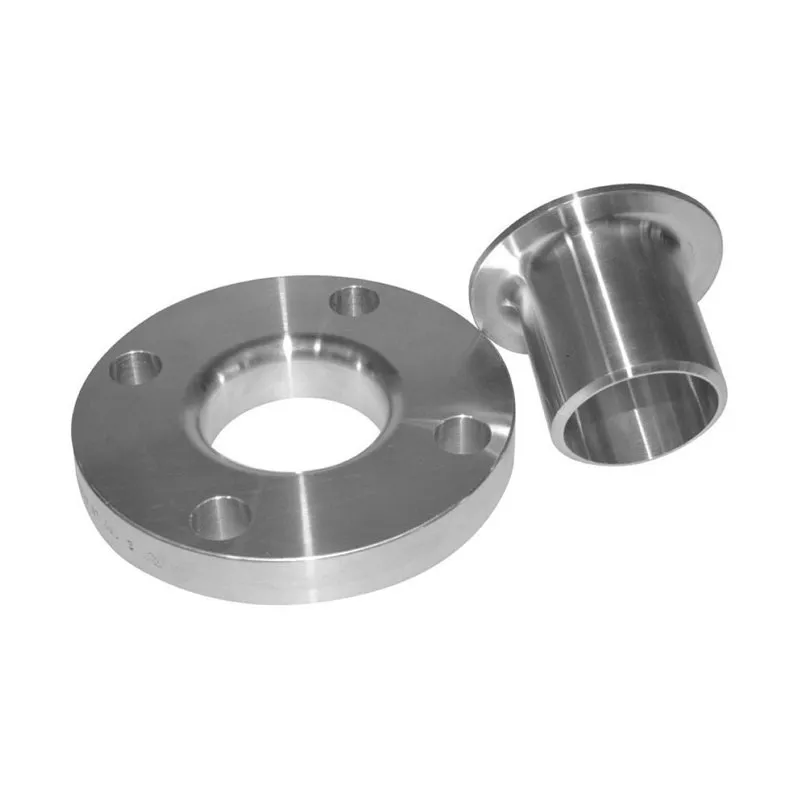
flange spare part
When you hear “flange spare part,” the first thing that comes to mind for many is just a piece of metal with holes, a standard unit for connecting pipes. But this is where the main mistake lies: underestimating it as a spare part, that is, an element on which the performance and safety of the entire system directly depends. In repair or installation, this is not just a “part”, but a critical component, whose parameters must be adjusted down to the millimeter and to the unit of pressure. Too often I came across situations where the customer, trying to save money, took the first available size, and then we had leaks on the main line within six months. Or, worse, the material did not meet the standard, when the flange, declared as resistant to aggressive environments, began to corrode. So what is the ?spare part? here is the word responsible.
Standards and reality: GOST, ASME and more
When working with flanges, you constantly deal with a bunch of standards: GOST, ASME, DIN, EN. It would seem that you take it from the catalog and that’s it. But life makes adjustments. For example, a classic case: you need a flange in accordance with GOST (this is an analogue of EN 1092-1) for pressure PN40. You find a manufacturer, everything seems to fit. But a batch arrives and you begin to notice differences in the thickness of the welded end or in the diameter of the centers of the holes for the studs by a couple of millimeters. For the uninitiated, this is nonsense. For an installer who sets up a pipeline using a laser, it means disaster, downtime, and rework. Therefore, now I have made a rule for myself: even when ordering according to the standard, I always request control drawings with maximum deviations and an emphasis on certificates, which indicate not just the steel grade, but the results of mechanical tests of this particular heat.
This is especially true for transitional situations when the system was designed according to mixed standards. Let's say the old part of the pipeline is Soviet pipes with GOST 12820-80 flanges, and the new section needs to be cut in according to ASME B16.5. The nominal diameter may be the same, but the geometry of the sealing surface (protrusion/recess, tongue/groove) is no longer the same. You have to either look for adapter flanges, which few people keep in stock, or order production for a specific joint. This is where manufacturers who work with non-standard products come to the rescue, likeShanxi Hongkai Forging Co.,Ltd. Several times I worked with them to resolve issues regarding individual forgings, when I needed a flange with a special arrangement of holes for non-standard fittings. It is important that they make forged flanges, not cast ones - this is important for critical areas.
By the way, about their websitehttps://www.hkflange.ru— noticed that they are clearly positioning themselves as a manufacturer in one of the key forging centers in China. These are not just words. When I was at their production site, I saw this press park - it’s impressive. For spare parts such as high-pressure flanges (for example, for energy), it is forging that gives the homogeneity of the metal structure, which eliminates the hidden holes inherent in casting. Their nomenclature clearly shows an understanding of the market: from standard butt welded and flat to loose on a welded ring and blind, and in a huge range of sizes - from DN15 right up to DN4000. The latter is already serious stuff; for such sizes the issue of manufacturing quality and control is especially acute.
Material: not just “steel”, but what kind exactly
In specifications they often write “steel 20”. or ?steel 09G2S?. But for a flange as a spare part operating in specific conditions, this is not enough. I had a bad experience with 20 steel flanges that were installed on a hot water pipeline (about 120°C). The material seems to be suitable. However, after a year, several flanges developed microcracks in the weld area. We looked into it - it turned out that the problem was the high sulfur content in this batch of metal, which caused red brittleness during thermal cycling. Since then, I always look not only at the brand, but also at the chemical analysis from the certificate, especially the S and P content.
Harsh environments have their own nuances. For example, flanges are made of AISI 304 stainless steel (analogue 08Х18Н10). Seems to be corrosion resistant. But if the environment contains chlorides (for example, sea water or some technological solutions), then pitting corrosion or corrosion cracking may begin. For such cases, you need 316L (03Х17Н14М2) with molybdenum. But this is not a panacea - it all depends on the concentration, temperature, pH. Once it was necessary to replace flanges at a chemical production site precisely because the technologists slightly changed the reagent by adding fluorine compounds to it. Standard stainless steel couldn't handle it. Then we ordered flanges made of duplex steel - expensive, but the system still works.
Here, by the way, returning to manufacturers likeShanxi Hongkai Forging Co.,Ltd, it is important that they declare work according to international and national standards. This is not just marketing. When a manufacturer indicates compliance with GOST, ASME, EN, DIN, this means that it has technical conditions that regulate not only geometry, but also requirements for material, heat treatment, and control. On the same website you can see that they make products according to GB (Chinese) standards, but also according to GOST, ASME. This is critically important for our market - many contractors require GOST certificates, especially for government projects or fuel and energy facilities. The plant's ability to operate within this system is a big plus.
Installation and operation: where the pitfalls lie
Even a perfectly manufactured flange can be damaged during installation. The most common mistake is uneven tightening of the studs. It seems that you just need to “hold on?” the key is tighter. As a result, local distortions are created, the sealing surface is deformed, and the gasket is not pressed evenly along the entire contour. The result is a leak during the first hydrotest. Nowadays, many people use torque wrenches with a sequential tightening pattern (star), but on small objects they still often save on this, relying on “gut feeling”. installer
Compatibility with gaskets is a different story. For flanges with a tongue-and-groove seal. or ?protrusion-recess? The gasket must fit exactly into the groove. It happened that flanges were supplied with one groove geometry (for example, according to EN), and gaskets were purchased separately, according to another standard (for example, ASME). Visually, the difference is a fraction of a millimeter, but when tightened, the gasket either does not fill the entire volume or squeezes it out. You have to either mill a groove, which weakens the flange, or urgently look for “original” ones. gaskets Now, when ordering flanges, I always include a recommendation on the type/size of the gasket, or better yet, a complete supply with them.
Thermal cycling is a separate topic for flanged connections on steam lines or in furnaces. The metal expands and contracts, the bolted connection loses tension. The standard solution is to use disc springs (grovers) under the nuts or special tension control systems. But the flange itself must be designed for such loads. Forged flanges, precisely because of their better mechanical properties, are preferable here. I remember at one boiler room after several cycles of “warm-up-stop” residual deformations appeared on the cast flanges in the neck area. We replaced them with forged ones of the same size and pressure - the problem went away. This is the case when savings on the spare parts themselves result in constant repairs and downtime.
Non-standard solutions: when the catalog is powerless
In practice, situations constantly arise when a flange is needed that is not in standard catalogs. For example, for repairing old imported equipment where the original manufacturer no longer exists. Or for a unique technological device designed “for yourself?”. This is where the fun begins - working according to the customer’s drawings. It would seem that if you give the drawing, you get the part. But a good manufacturer will always enter into dialogue.
There was a case: a massive blind flange (plug) was needed for a test bench, with non-standard channels for supplying sensors and with special requirements for surface cleanliness in the sealing area. They sent me the drawing. EngineersShanxi Hongkai Forging Co.,Ltd(with whom we were then collaborating on another project) returned him with a request: to clarify exactly how the channels will be supplied - by drilling or milling a groove, because the choice of workpiece and forging method depend on this. They also suggested changing the radius of the rounding in one place to avoid stress concentration under cyclic pressure. This is a sign of understanding the process: they think not only how to make a mold, but also how this spare part will work in reality.
It is for such non-standard tasks that their approach, as stated on the website, is “production according to customer drawings?” - becomes key. It is important that they work with forgings. For a custom flange with a large diameter or a complex shape (for example, with side bends), forging produces a blank close to the final shape, which minimizes metal waste and, most importantly, preserves the fibers of the material, increasing strength. For a critical spare part that will operate under pressure, these are not just nice words, but a technological necessity.
Bottom line: a flange is not just a piece of hardware
So, back to the beginning. ?Flange spare part? - this is a whole story. The story is about standards that you need not only to know, but also to understand their tolerances and pitfalls. About materials whose properties must correspond not only to the passport, but also to the real environment. About editing, where little things make all the difference. And, finally, about choosing a supplier who is able not only to sell a standard product from the catalog, but also to delve into the problem, offer a solution, and take responsibility for the quality of the forging.
For me, the indicator has always been that the manufacturer has not just machines, but a full cycle: from smelting and forging (or control of the input workpiece) to machining and non-destructive testing (ultrasonic testing, color flaw detection). When you see that on the site, likehkflange.ru, the company positions itself as a manufacturer of forged flanges and forgings in the main industrial center, it is more credible than just a “metal products supplier”. Because there is a specific technological base behind it.
After all, on a high-pressure pipeline or on a reactor in a chemical plant, a flange is more than just a connecting element. This is a spare part that determines whether the entire system will be sealed, safe and operational. And you need to approach your choice accordingly - without illusions, with an understanding of the details and with a clear knowledge of what you are buying and from whom. A mistake here costs too much - not in money, but in consequences.
Correspondingproducts
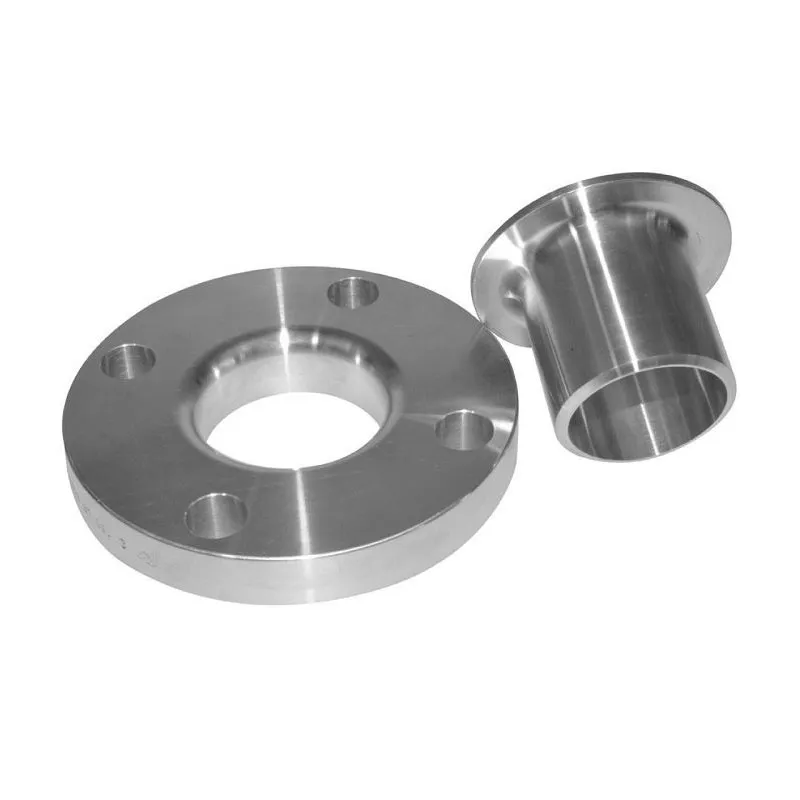
Related Products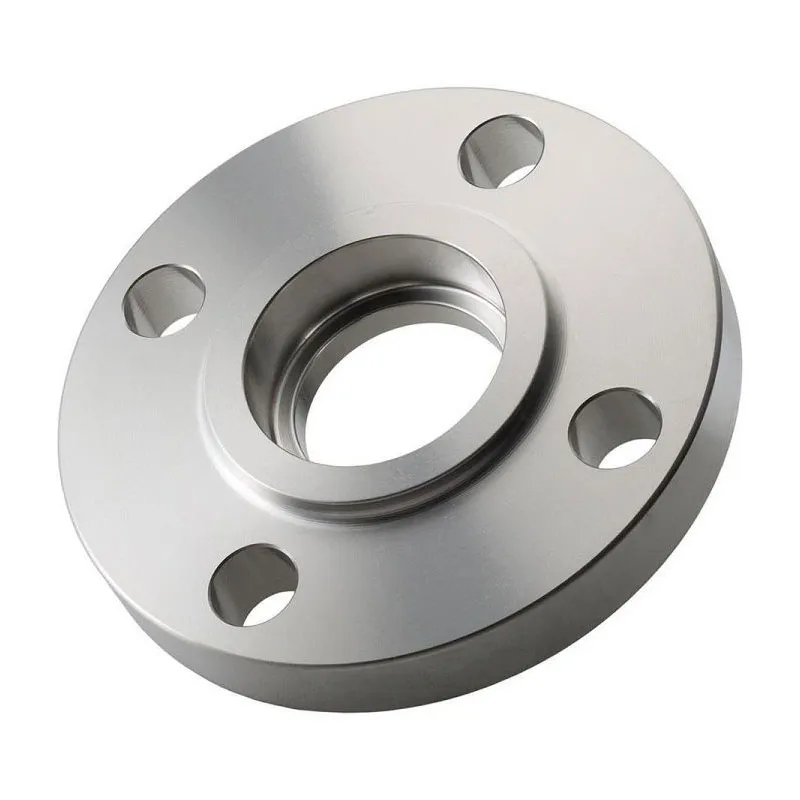
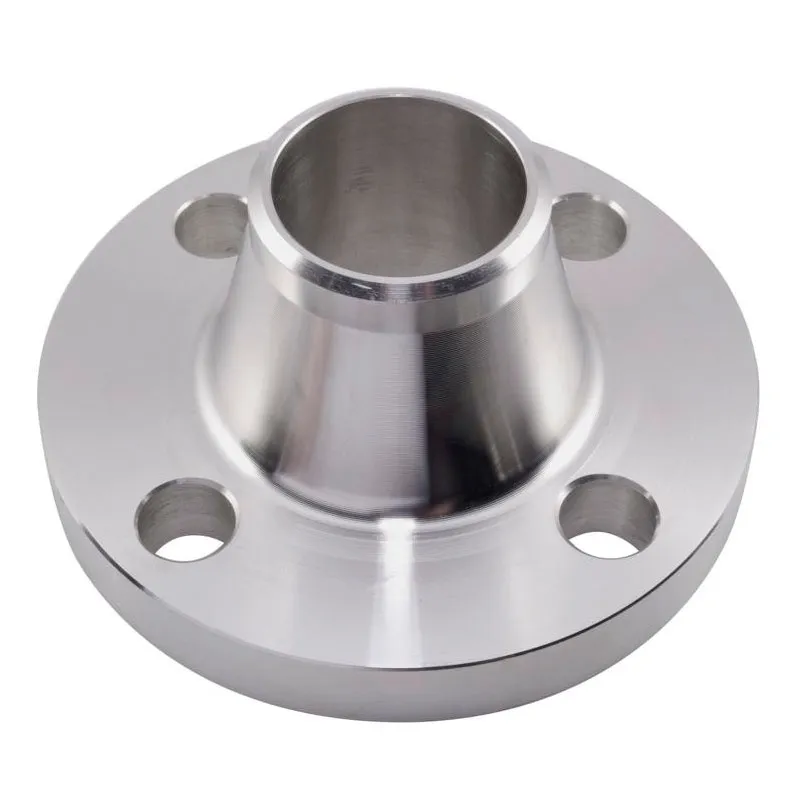
Best Sellingproducts
Best Selling Products-
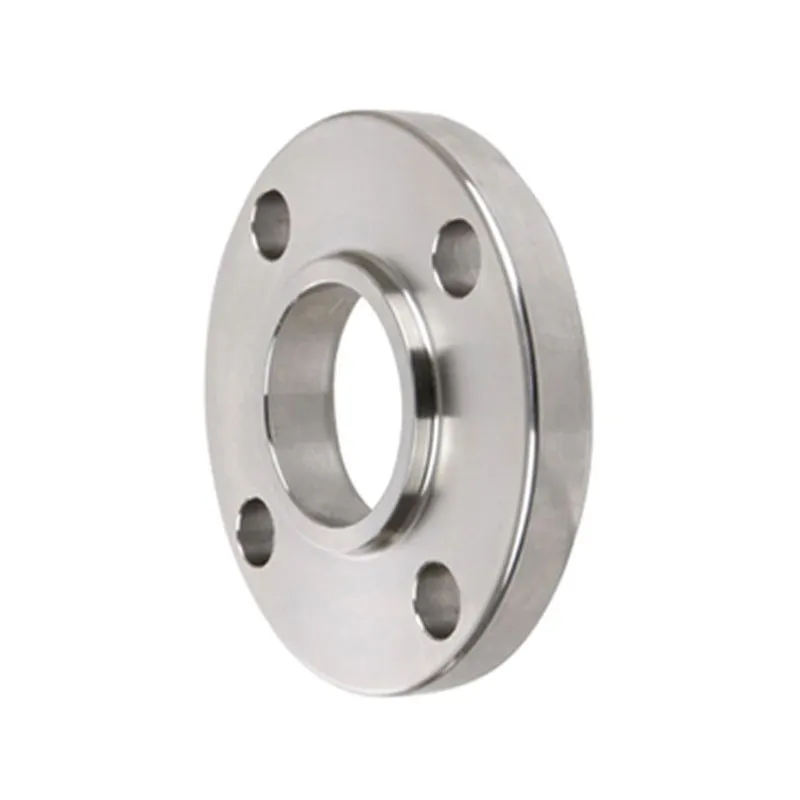 ANSI B16.5 Lap-on flanges Class 300
 -
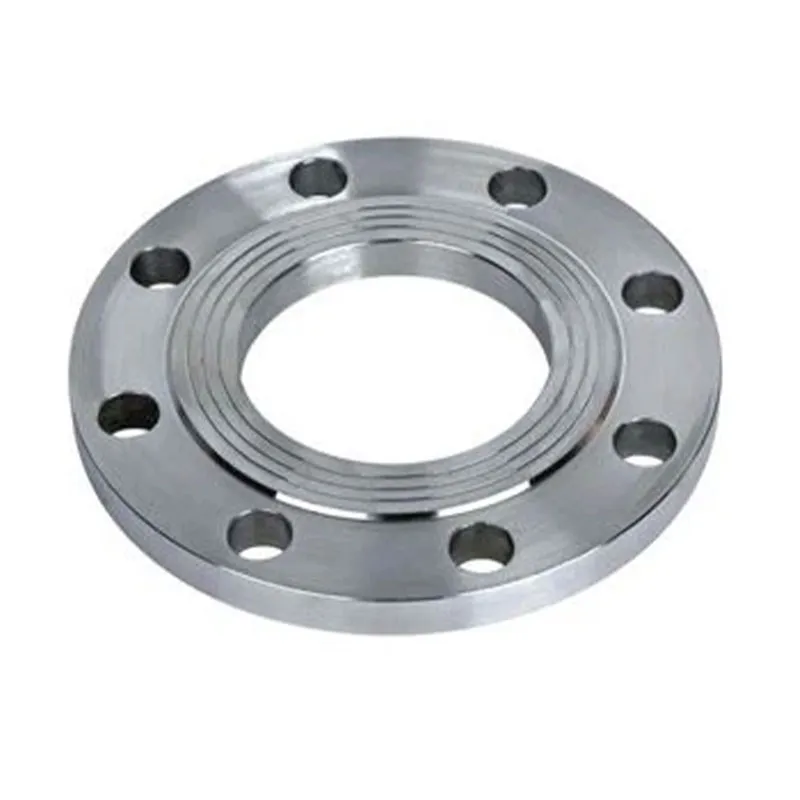 Butt weld flanges Class 150
 -
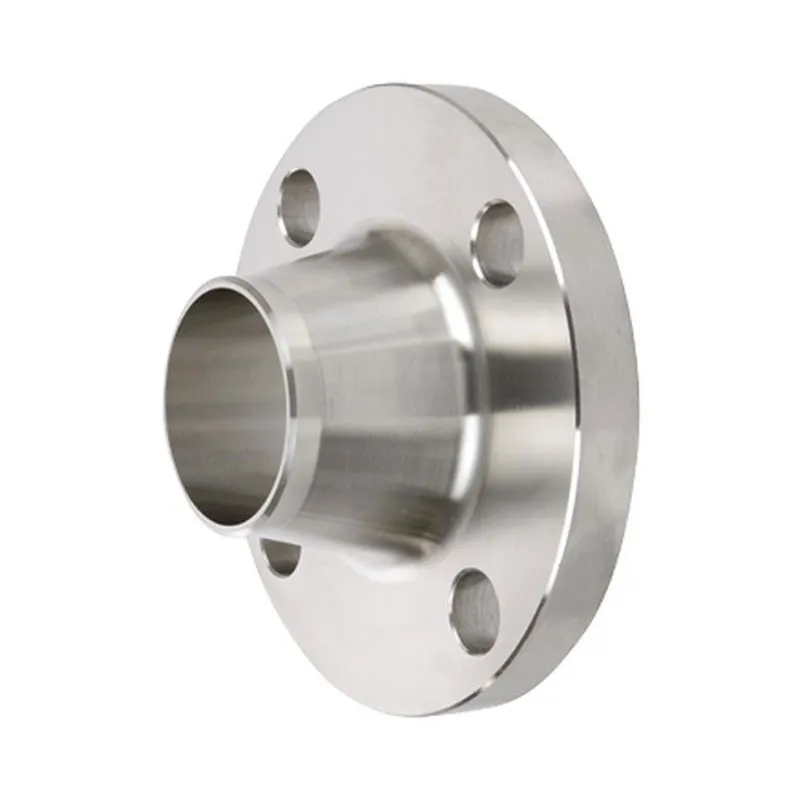 Ser.A Butt Weld Flanges Class 400
 -
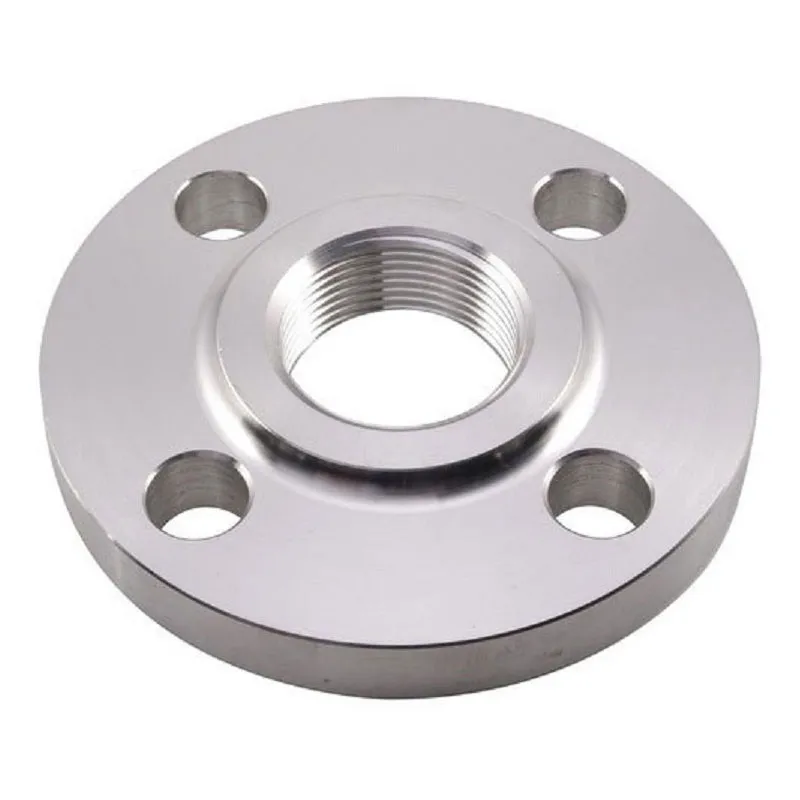 DIN 2565 Threaded flanges PN6
 -
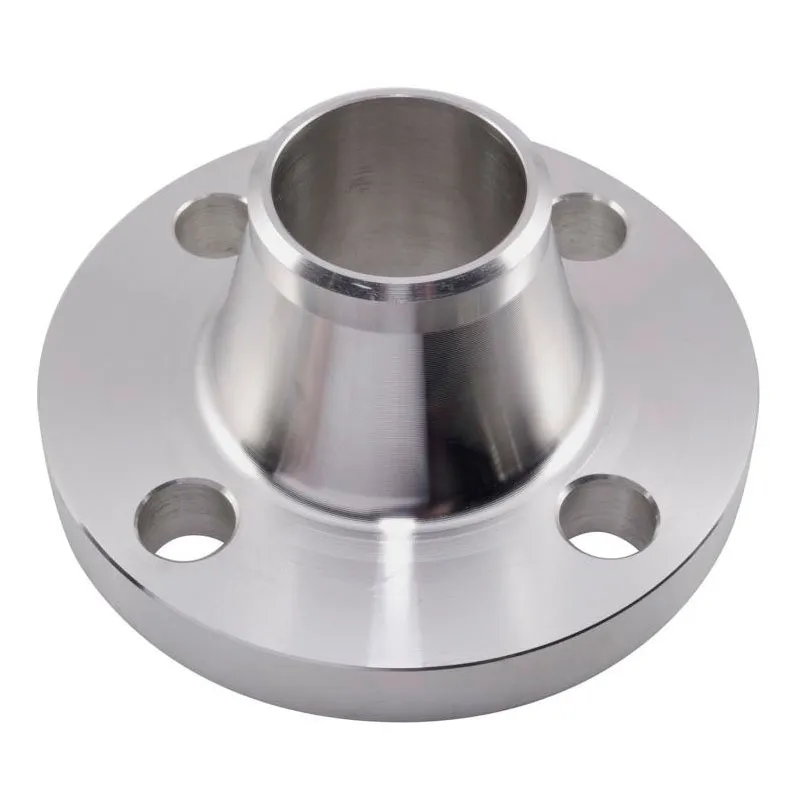 DIN Butt weld flanges PN10
 -
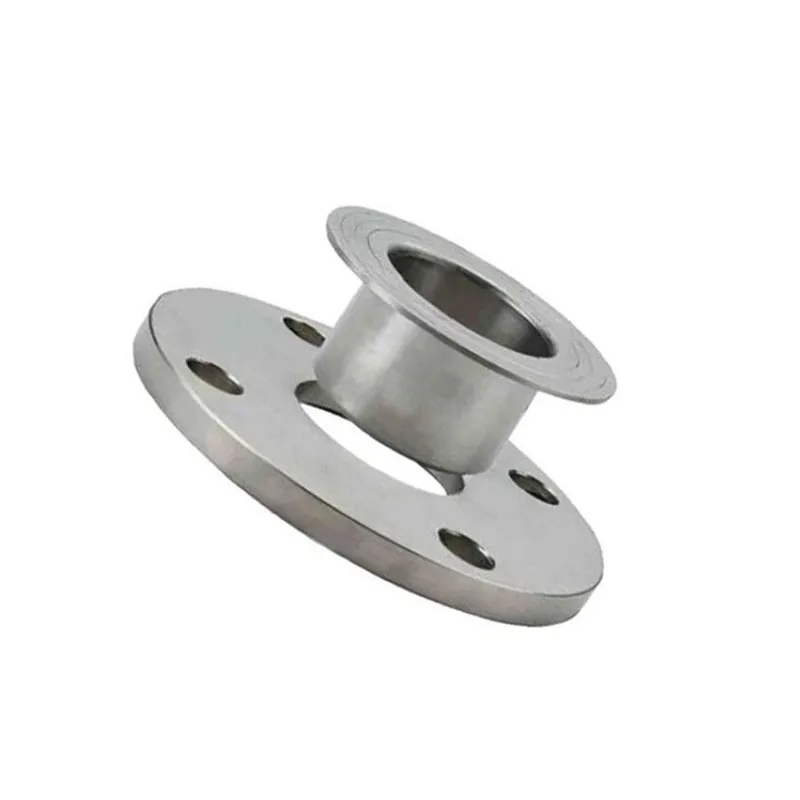 Free ring flanges Class 400
 -
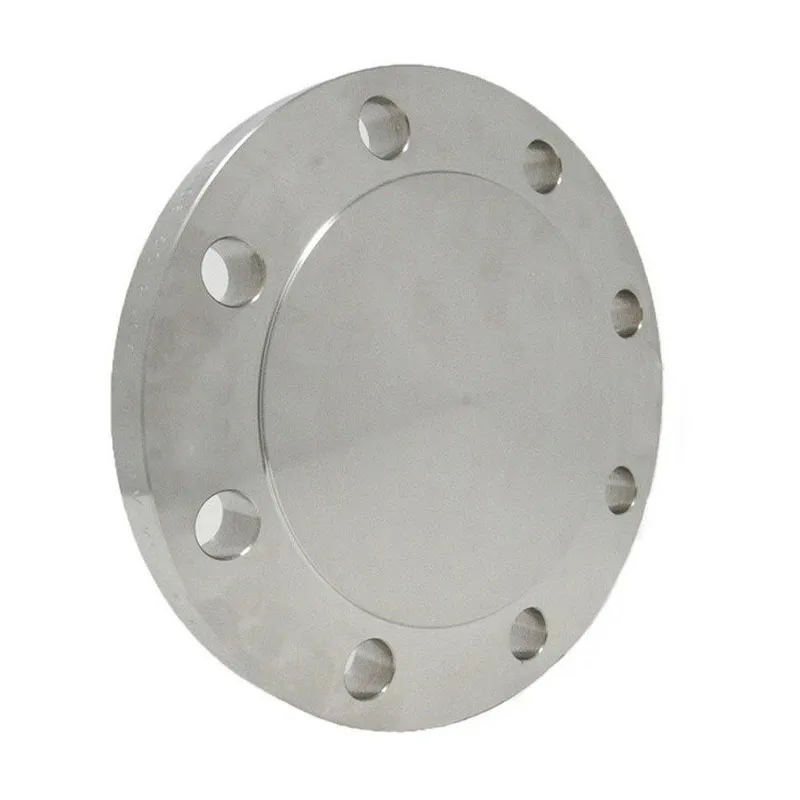 EN 1092-1 Blind flanges Type 05, PN10
 -
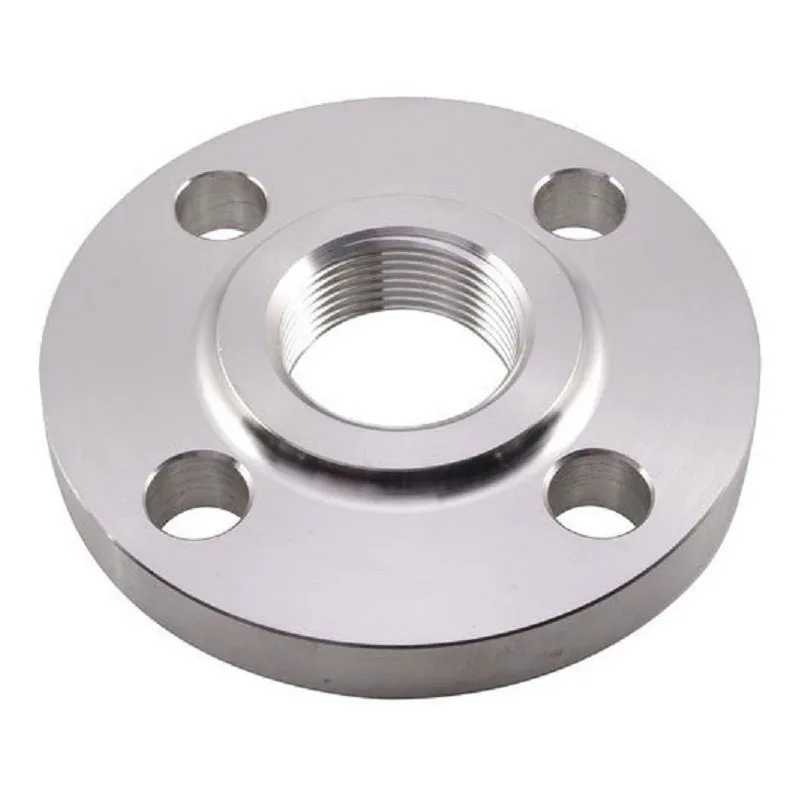 ANSI B16.5 Threaded Flanges Class 600
 -
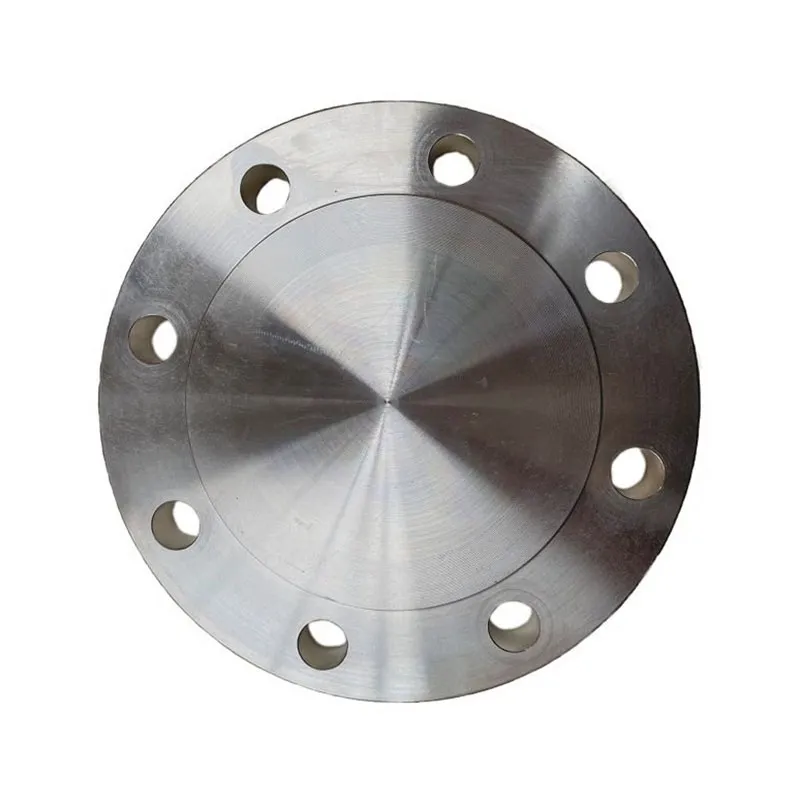 ASME B16.47 Ser.A Blind Flanges Class 400
 -
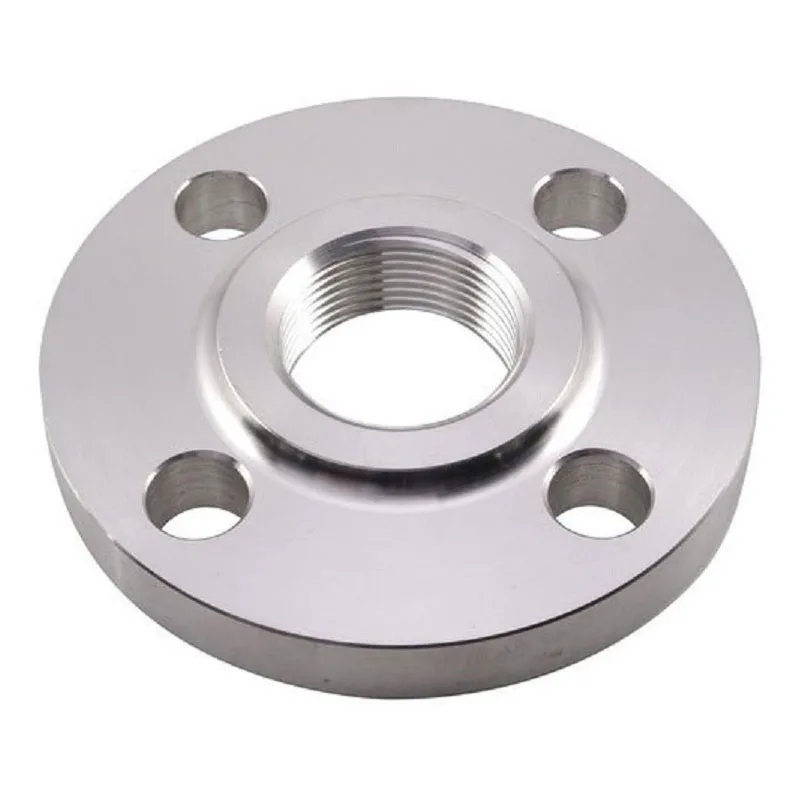 JIS 10K Threaded Flanges
 -
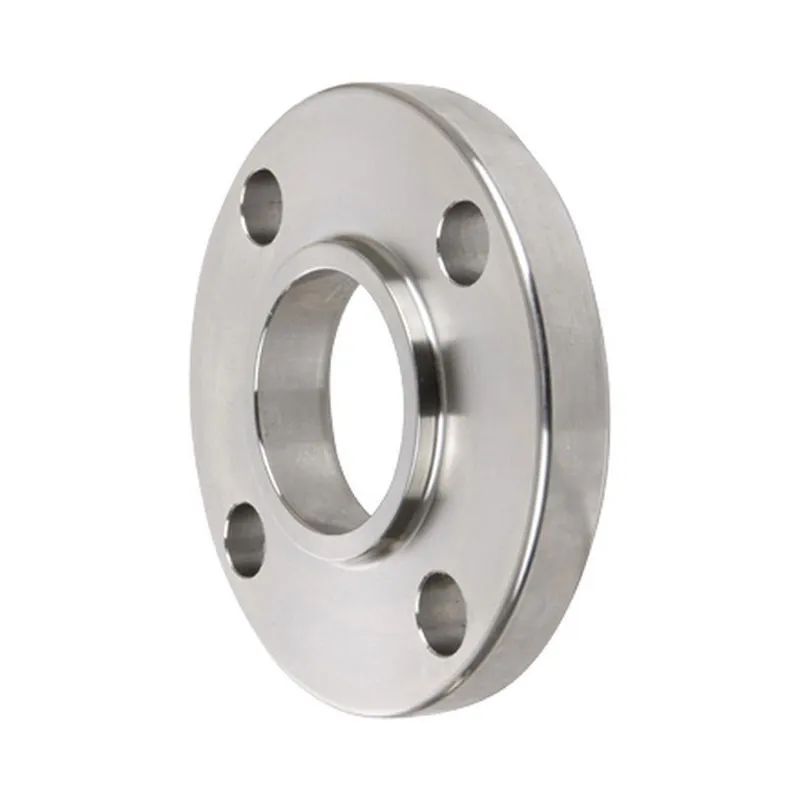 DIN 2501 Overlay flanges PN16
 -
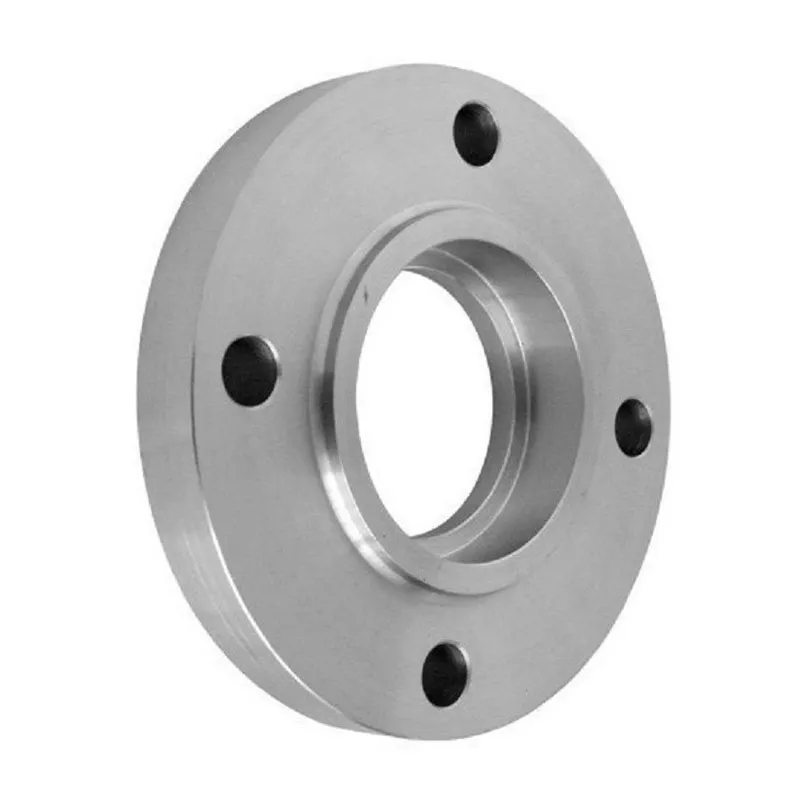 Socket Weld Flanges Class 300