
-
-
Phone
+86-13623462298




flanges 150 25
When you see it in an application or specificationflanges 150 25, the first thought for many is about pressure and diameter, and that’s all. But in practice, especially with imported supplies, this is where the fun begins. The numbers 150 and 25 are like a business card, but behind it lies a whole world of nuances, from the material of execution to the geometry of the sealing surface. A common mistake is to assume that a PN25 (or Class 150) flange is a universal part. Already at the stage of checking the drawings, differences emerge in the thickness, height of the hub, and the diameter of the bolt circle between GOST, ASME and EN. And if there is something else for the domestic market, then for projects where equipment of different origins is mixed, there is a discrepancy in these “non-main” ones. parameters may stop installation. I personally encountered this when a batch was delivered according to DIN, but at the site the pipe and pump were ASME - the holes did not line up, I had to urgently look for adapter rings, which resulted in downtime and cost overruns.
Let's look at the numbers: DN150 and PN25/Class 150 - not only about size and pressure
So let's takeflanges 150 25. DN150 is a nominal diameter of approximately 150 mm, but the outer diameter of the flange itself will be significantly larger for a bolted connection. But PN25 (nominal pressure 25 bar) or its analogue Class 150 is already a story about design parameters. It is important to understand that this pressure refers to a specific ambient temperature, usually 20°C for water. If you have steam of 300°C, then the permissible operating pressure for the same PN25 flange will be lower; this should always be looked at in the material and temperature correspondence tables. Many designers, especially young ones, do not take this into account; they simply lay at face value, and then questions arise from the supervisory services at the site.
The material is where the main price and quality differences lie. You can make a 150 25 flange from steel 20 (St20), and it will fit on many water systems. But if the environment is aggressive, or low temperatures (North), steel types 09G2S, 12Х18Н10Т or even duplex steels are needed. Chinese manufacturers, for example, are the sameShanxi Hongkai Forging Co.,Ltd(their website ishttps://www.hkflange.ru), they work well with a wide range of materials. They don’t just stamp, they do it by forging, which is critically important for critical applications - the metal fibers are preserved and the mechanical properties are higher. I saw their forgings for flanges for high parameters - the macrostructure after etching was clean, without delamination.
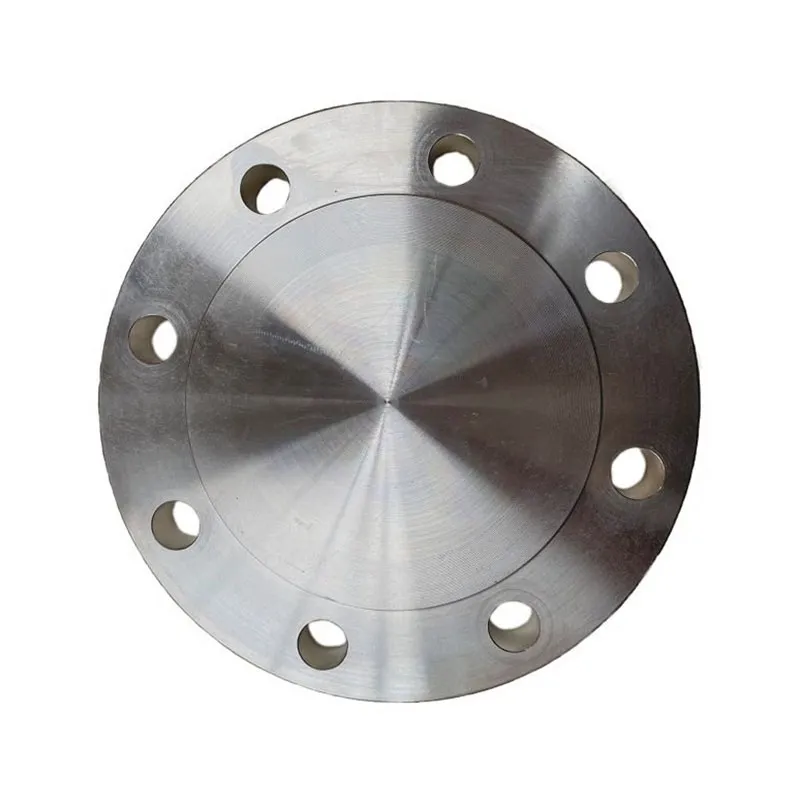
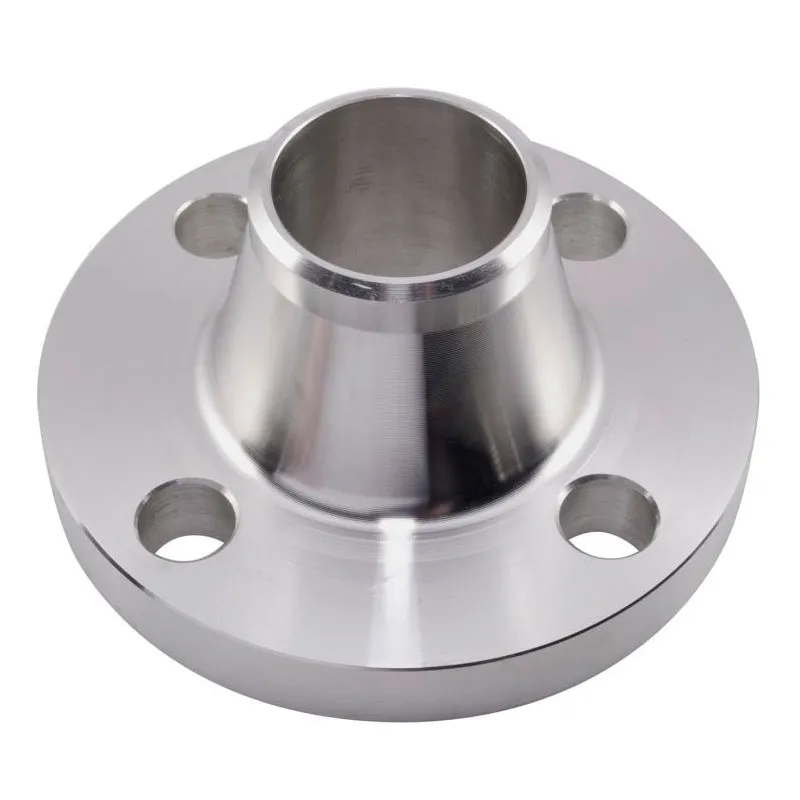
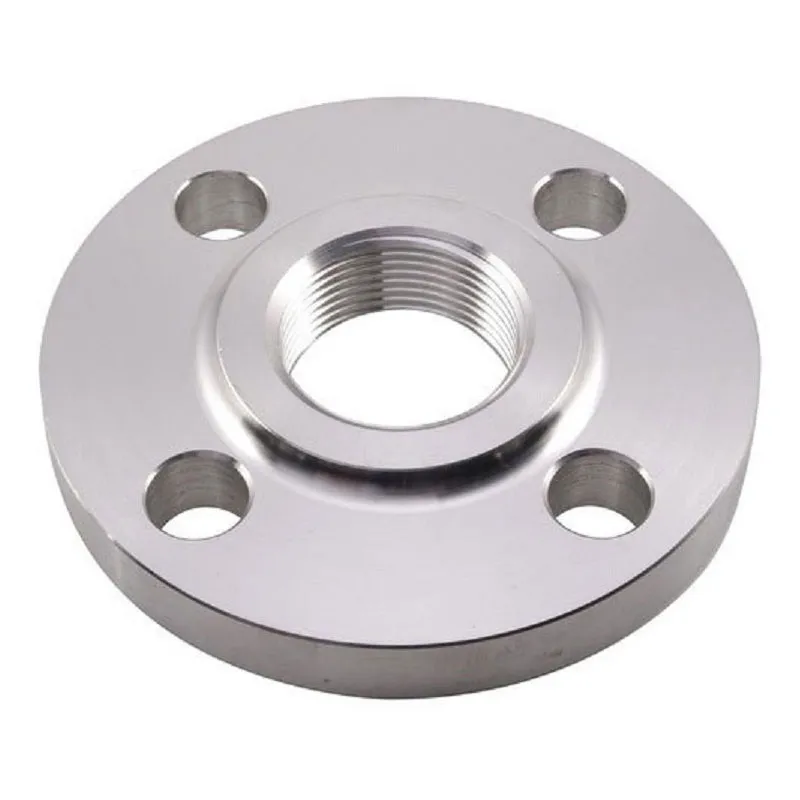
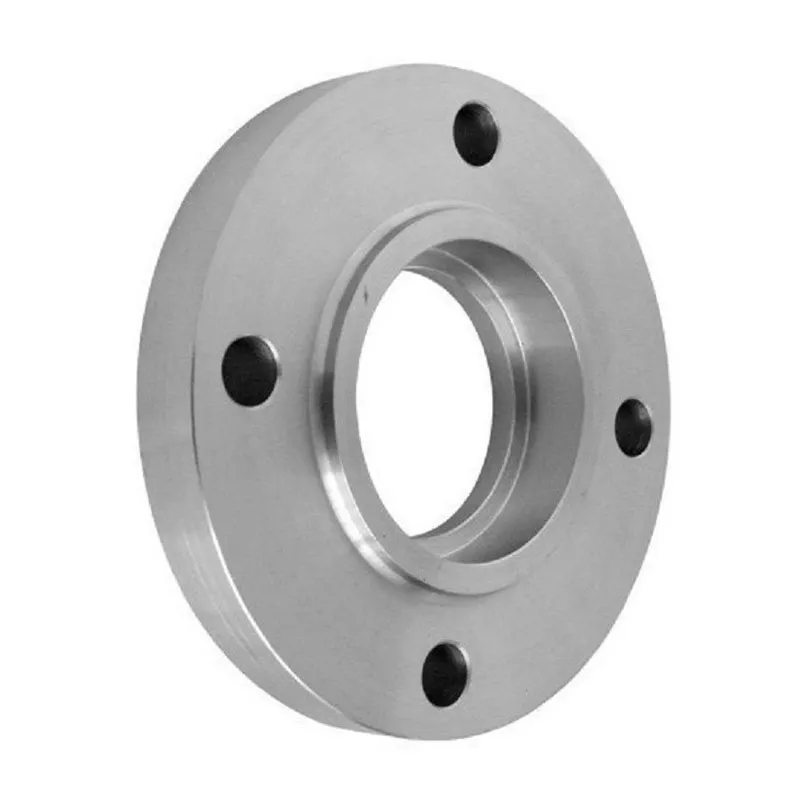
And one more thing about execution. Flat welded (GOST 12820), butt welded (GOST 12821), free on a welded ring - these are all flanges for the same DN150 and PN25, but the designs and areas of application are different. Welding neck is the most reliable for high pressures and vibrations, but also the most metal-intensive. Flat is easier to install, but requires perfect alignment of the pipes. The loose one with a ring is good for hard-to-reach places or non-ferrous metals - the flange itself is made of stainless steel, and the ring is made of carbon steel, saving money. By the way, their range includes all this, up to DN4000, which indicates serious power.
Delivery experience and pitfalls in ordering
Working with positions such asflanges 150 25, I have already learned how to check not only certificates, but also specific parameters for a specific project. Once there was an incident: we ordered end-to-end flanges according to ASME B16.5 Class 150, material A105. The shipment arrived, everything seems to be fine. But upon acceptance, we measured the height of the hub (hub length) - it turned out to be a couple of millimeters less than in our control drawing. The supplier referred to the standard tolerances. But for our case, where precise coupling with a ready-made manifold was required, this was critical. As a result, we agreed on modifications - sharpening the opposite flange, but this is time-consuming and risky. Now I always include in the technical specifications our drawing with the dimensions circled in red, which must be strictly observed.
This is precisely the advantage of working with specialized factories, and not with resellers. When there is direct contact with a production engineer, as happened when discussing orders withShanxi Hongkai Forging Co.,Ltd, you can quickly clarify: “Can we make for this flange 150 25 an increased thickness of the plate by 2 mm due to the design loads?” And if this is forging, and not cutting from a sheet, then they do such non-standard things relatively easily, in fact, by simply adjusting the equipment. Their profile is just forged flanges and forgings according to customer drawings, which is a life saver for non-standard projects.
Logistics and packaging are also part of the experience. Flanges, especially steel ones, are heavy and during transportation can damage the threads in the holes for the studs or mounting surfaces. It’s a good sign when the manufacturer doesn’t dump everything into a common box, but wraps each flange in anti-corrosion paper and protects the holes with plastic plugs. This is a small thing, but it speaks volumes about the attitude towards the product and saves you from trouble when unpacking at the customer’s warehouse.
Standards and compliance: GOST, ASME, EN - how not to get confused
Forflanges 150 25the standard is the law. But there are many laws. Russian projects often require GOST (12820, 12821), especially for government orders and fuel and energy facilities. European - EN 1092-1. American - ASME B16.5. And then there are DIN, BS, JIS... The main overall dimensions and pressures are often interchangeable, but, as I already mentioned, there are always differences in details. For example, the number of holes for studs: for DN150/PN25 according to GOST there will be 8, and according to ASME B16.5 Class 150 - also 8, but the diameter of the bolt circle (PCD) may differ by fractions of a millimeter. And these shares may not allow you to assemble the knot.
Therefore, when you see that a manufacturer claims to work according to all these standards, likeShanxi Hongkai Forging Co.,Ltd, this immediately reduces the risks. This means that they not only have a fleet of equipment, but also a base of regulatory documentation and an understanding of these differences. When requesting a commercial proposal, they usually immediately clarify: “What standard should we use?” Will you send me the drawing??. It's professional. For critical applications, in addition to the plant’s quality certificate, it would be good to obtain test reports of mechanical properties specifically from the melt from which the batch was made, and ultrasonic testing of forgings.
Interesting point about the labeling. On a high-quality flange, according to the standard, the following information must be stamped (not paint!): manufacturer’s trademark, nominal pressure (PN or Class), size (DN), material grade, standard designation. If the markings are unclear or are applied with paint that wears off, this is a reason to be wary. This is the basic rule of acceptance control.
Practical aspects of installation and operation
Even perfectly made onesflanges 150 25can be damaged during installation. Basic mistakes: overtightening the bolts, incorrect tightening sequence, incorrect choice of gasket. For PN25, spiral wound gaskets or paronite are usually used. It is important that the gasket is the correct size - not only in the inner diameter, but also in the outer diameter, so that it does not block the flow and fits correctly into the groove (if there is one).
It is better to tighten with a torque wrench in a “crosswise” pattern, especially on large diameters. Otherwise, a misalignment is created, the sealing surface is pressed unevenly, and there will be leakage during operation. I myself saw how the flange on a Class 150 on a steam pipeline began to “sweat” after improper installation. at the junction. I had to relieve the pressure, cool it, and rebuild everything with a new gasket and calibrated tightening torque.
Another practical tip is the condition of the sealing surfaces. They are different: smooth (flat face), with a protrusion (raised face), with a groove and ridge (tongue and groove). For 150 25 flanges, the most common type is the raised part (RF). During transportation and storage, this surface must be protected from nicks and corrosion. A small scratch can cause a leak. If the flange has been stored in a warehouse for a long time, before installation it is worth going over this surface with fine sandpaper (not a file!) to remove possible scale or light rust.
Instead of a conclusion: what to look for when choosing a supplier today
So, if we summarize the experience of working with such seemingly standard products asflanges 150 25, then the choice of supplier comes down not to the minimum price, but to predictable quality and technical competence. We need a manufacturer who understands that he is making not just hardware, but elements of critical connections. The ability to do forging, and not cutting, like the one mentionedShanxi Hongkai Forging Co.,Ltd, is a big plus for busy applications.
Transparency is important: availability of up-to-date certificates, willingness to provide additional tests, clear answers to technical questions. And, of course, meeting deadlines. It’s better to pay a little more, but get exactly what is specified in the drawing, in the correct packaging and on time, than to later deal with the consequences of non-compliance at a critical site.
Ultimately, the numbers ?150 25? is just a starting point for dialogue between the engineer, supplier and manufacturer. And the more professional this dialogue is, the more reliably the assembled unit will work for many years. The rest is just details, but, as you know, in our business it is in the details that either reliability or an accident lies.
Correspondingproducts
Related Products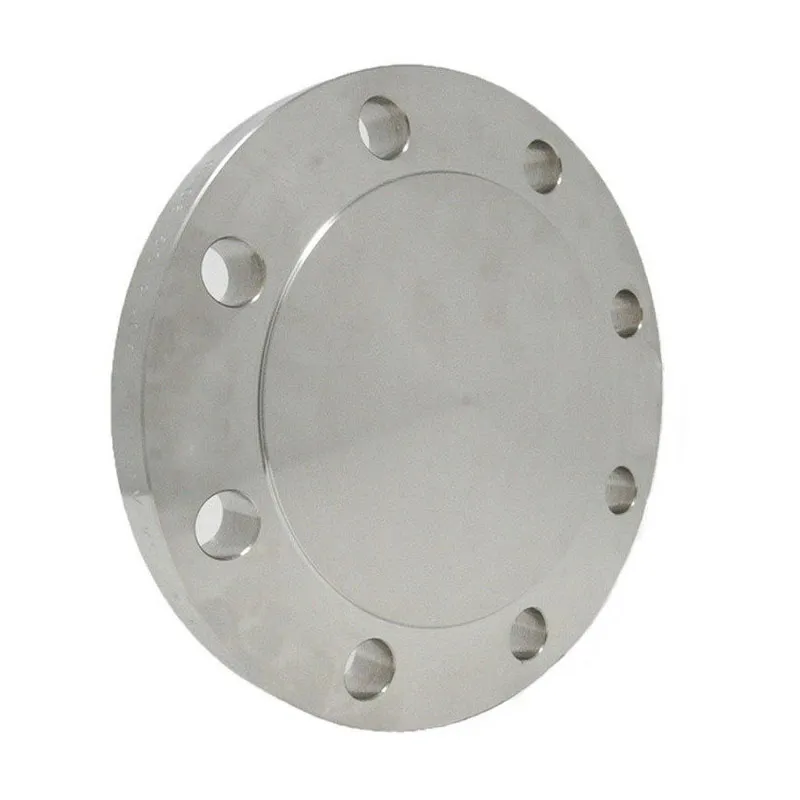
Best Sellingproducts
Best Selling Products-
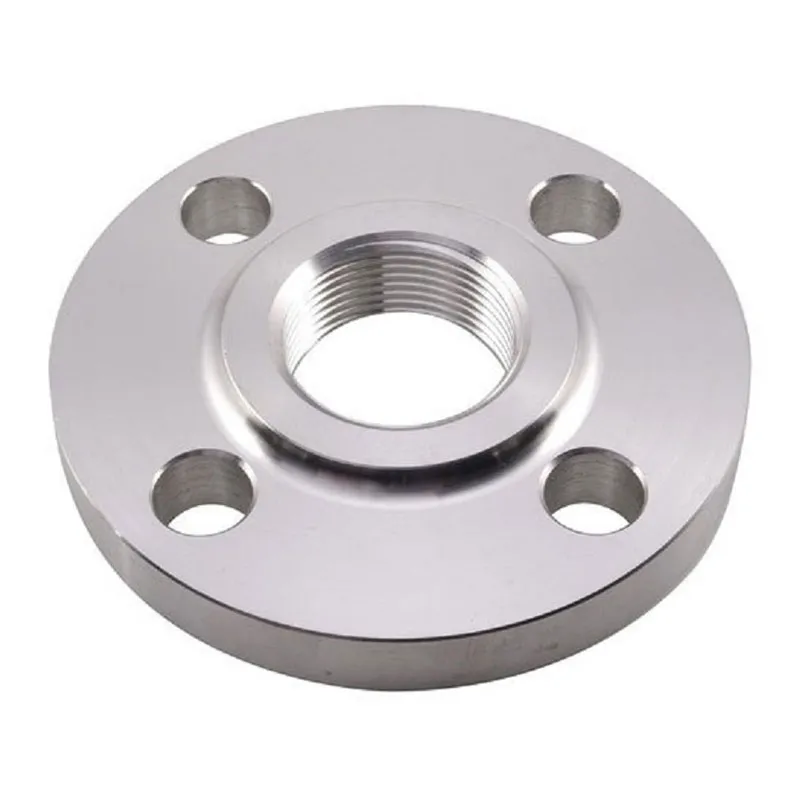 JIS 10K Overlay flanges
 -
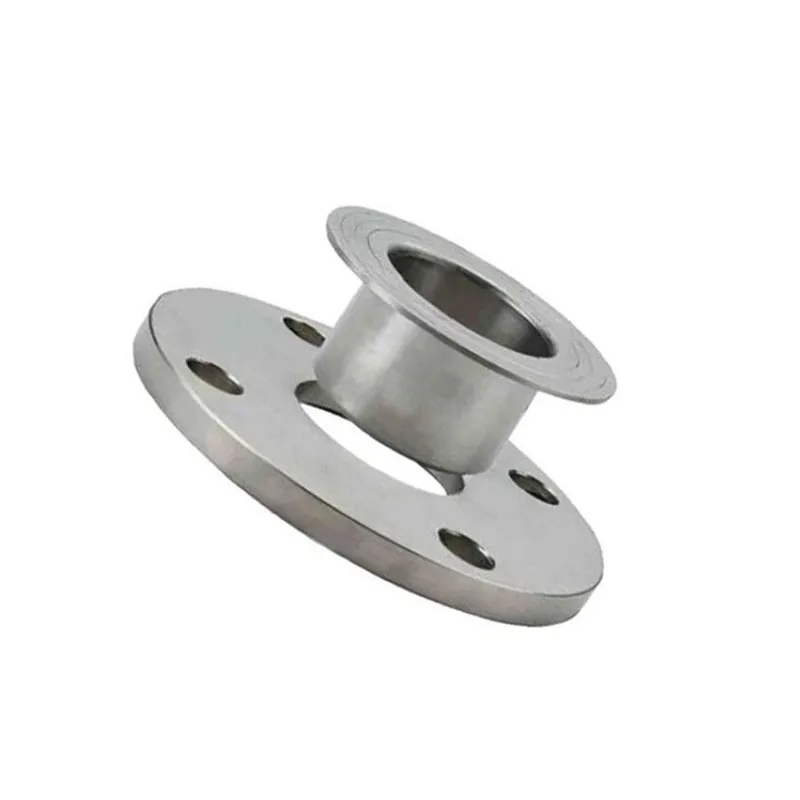 Free ring flanges Class 400
 -
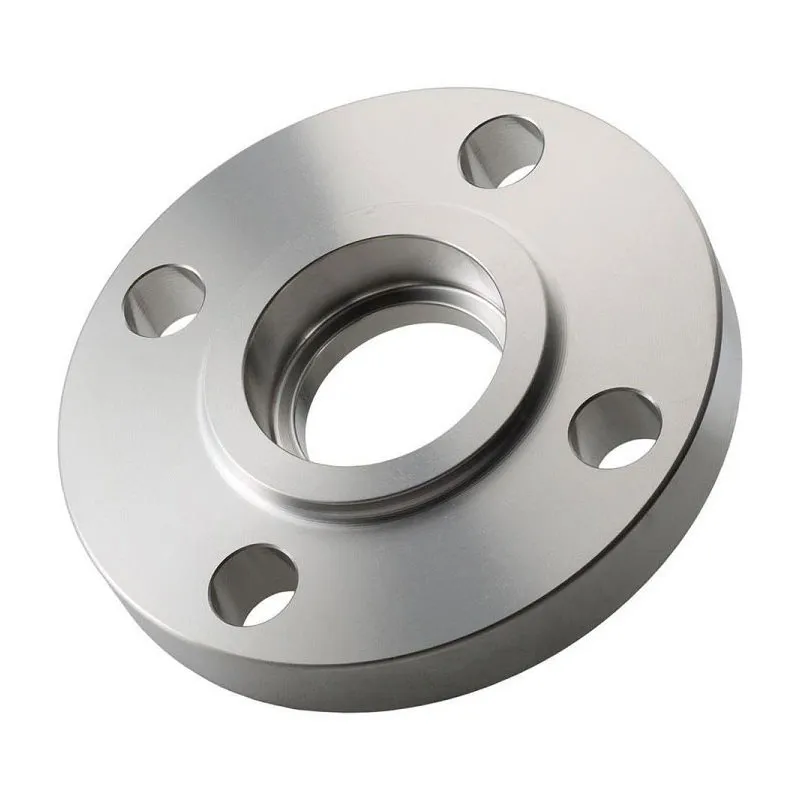 Flanges for socket welding
 -
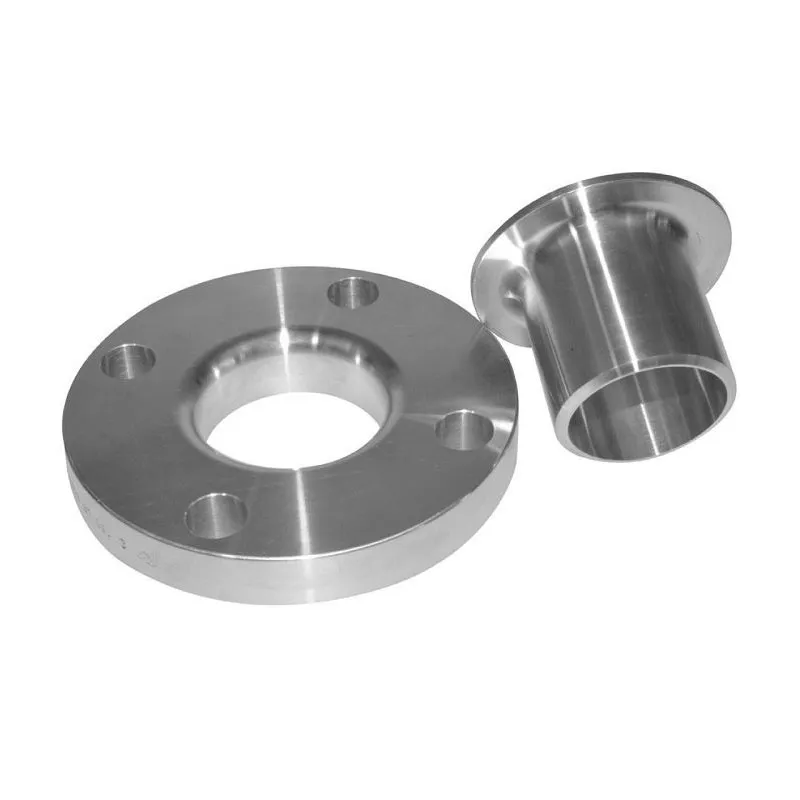 ANSI B16.5 Loose Ring Flanges Class 2500
 -
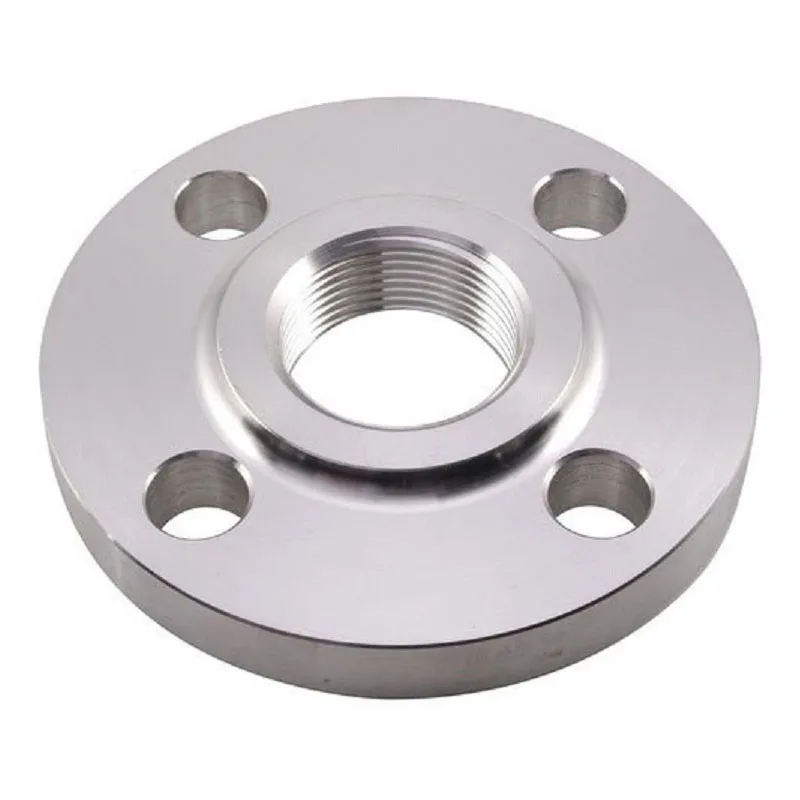 DIN 2566 Threaded flanges PN16
 -
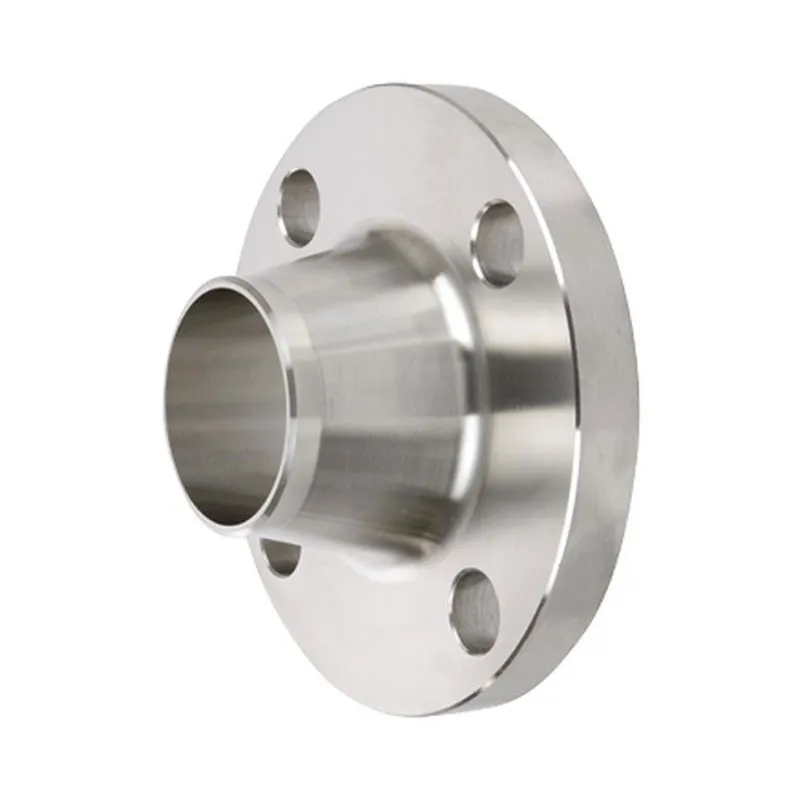 Ser.A Butt Weld Flanges Class 400
 -
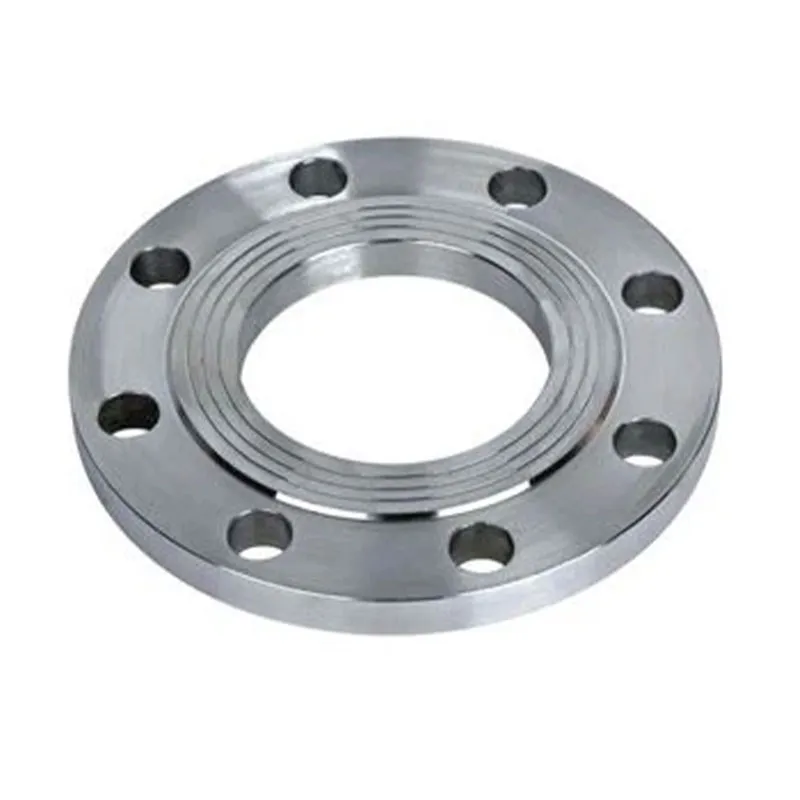 Butt weld flanges Class 150
 -
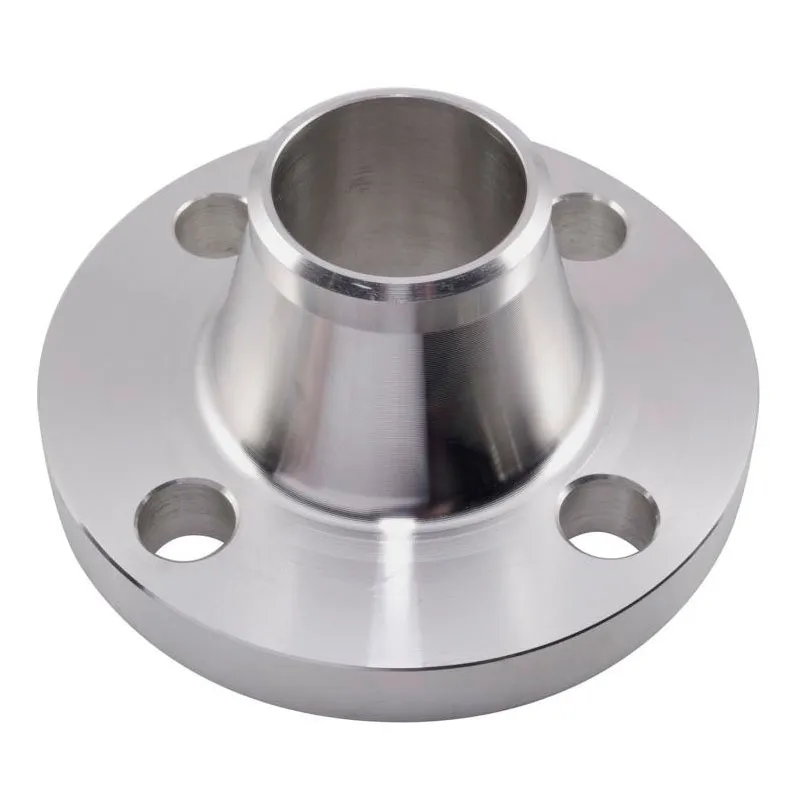 DIN Butt weld flanges PN10
 -
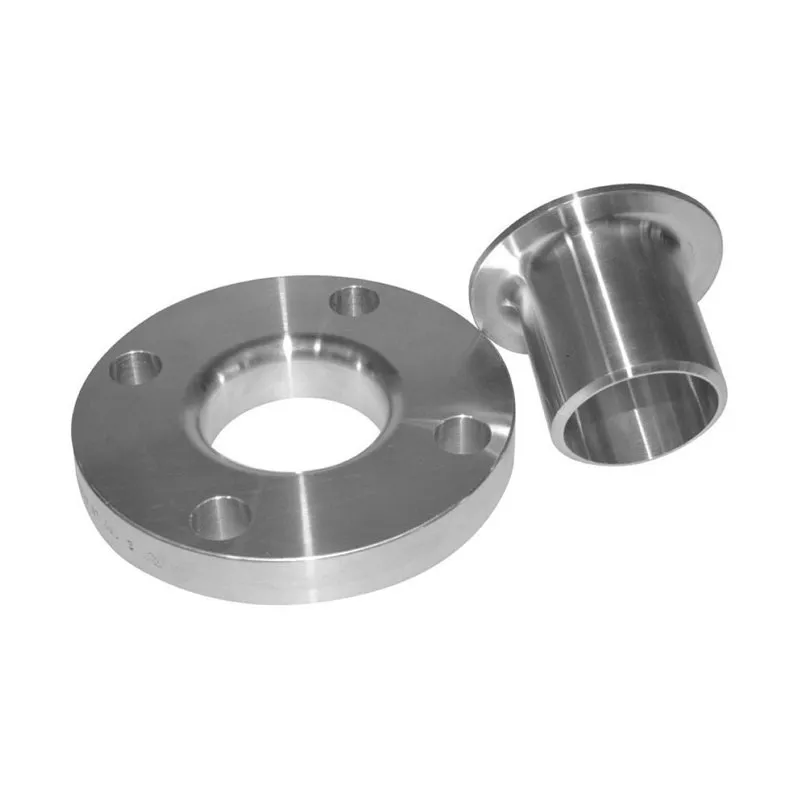 Free ring flanges Class 150
 -
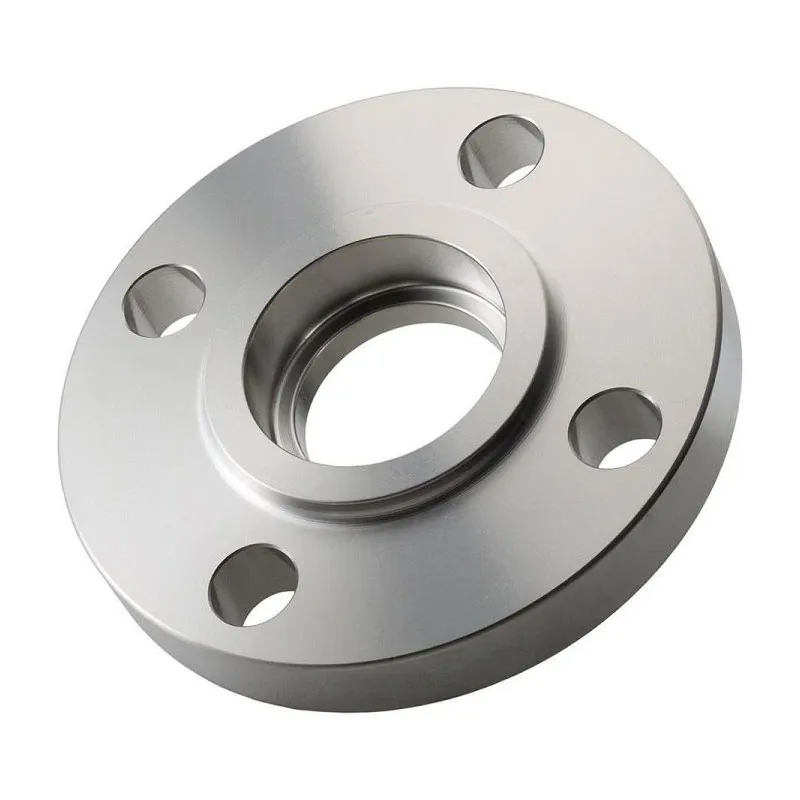 ANSI B16.5 Socket Weld Flanges Class 150
 -
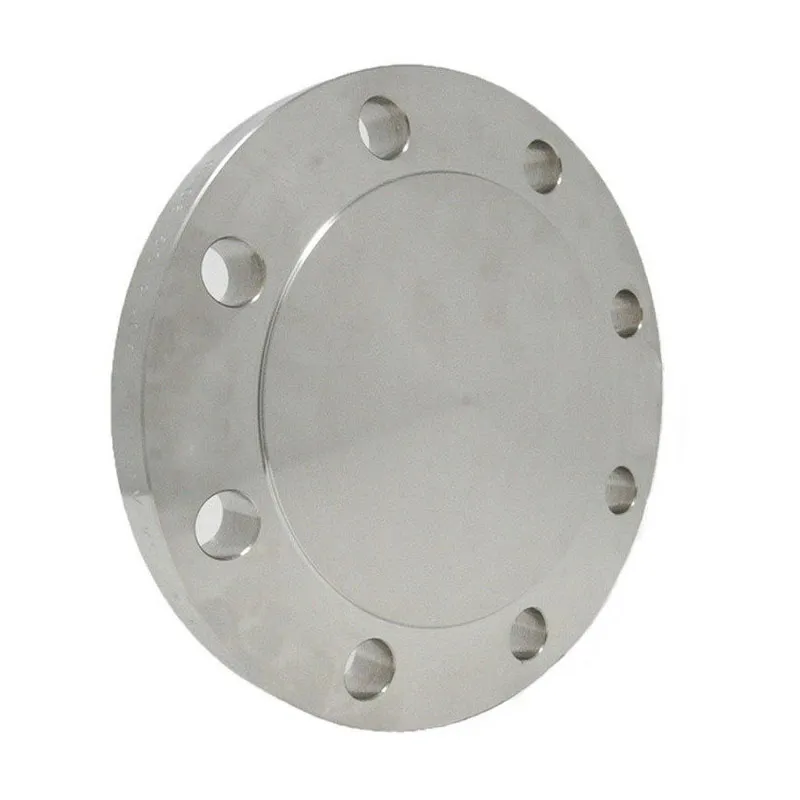 AWWA Blind Flanges Class D (Tables 1, 2, 3)
 -
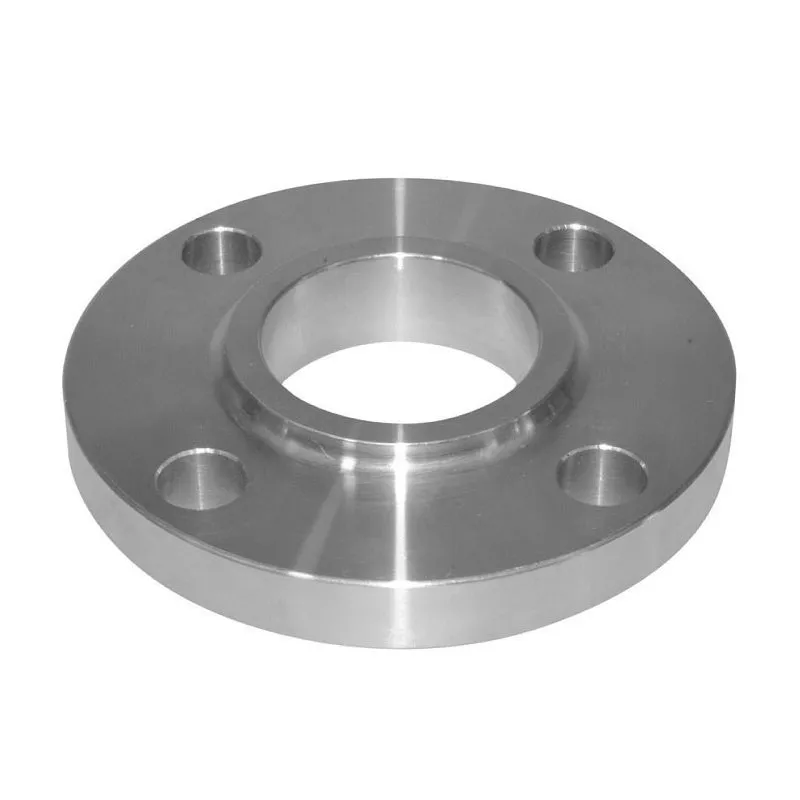 ANSI B16.5 Lap-on flanges Class 1500