
-
-
Phone
+86-13623462298



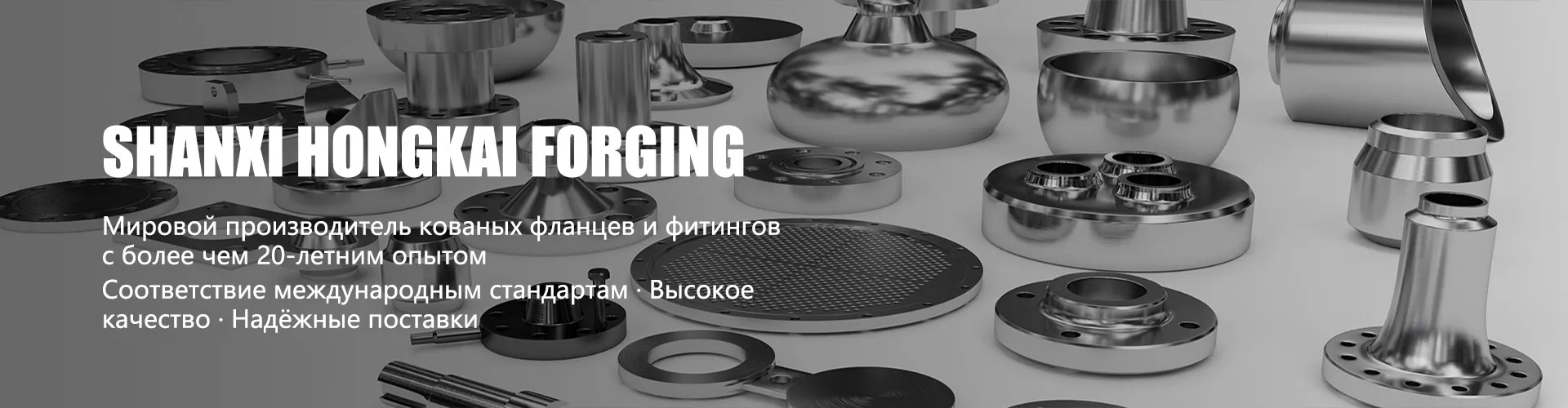
flanges pn 40
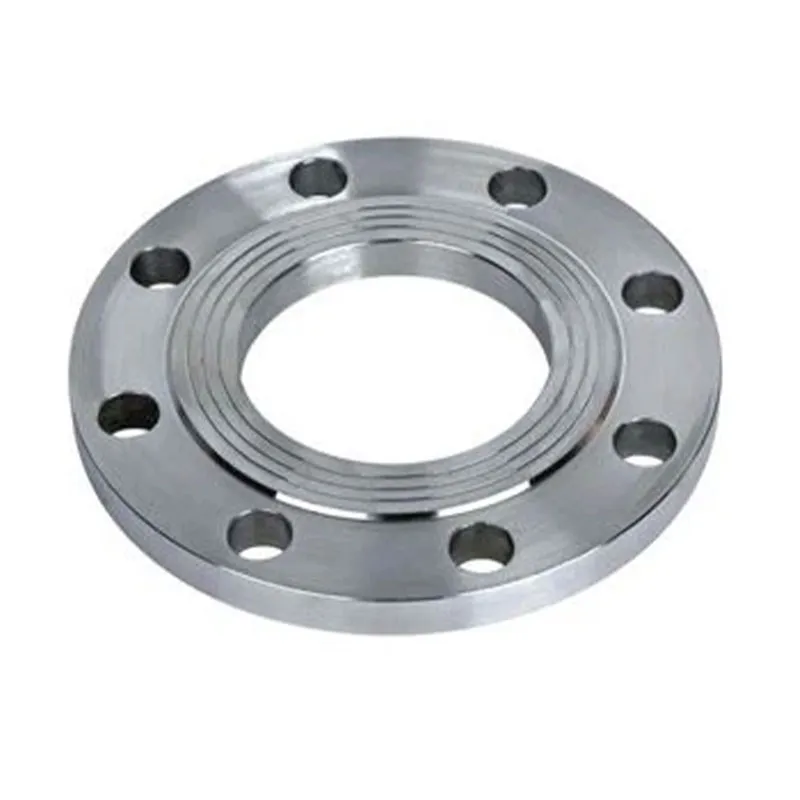
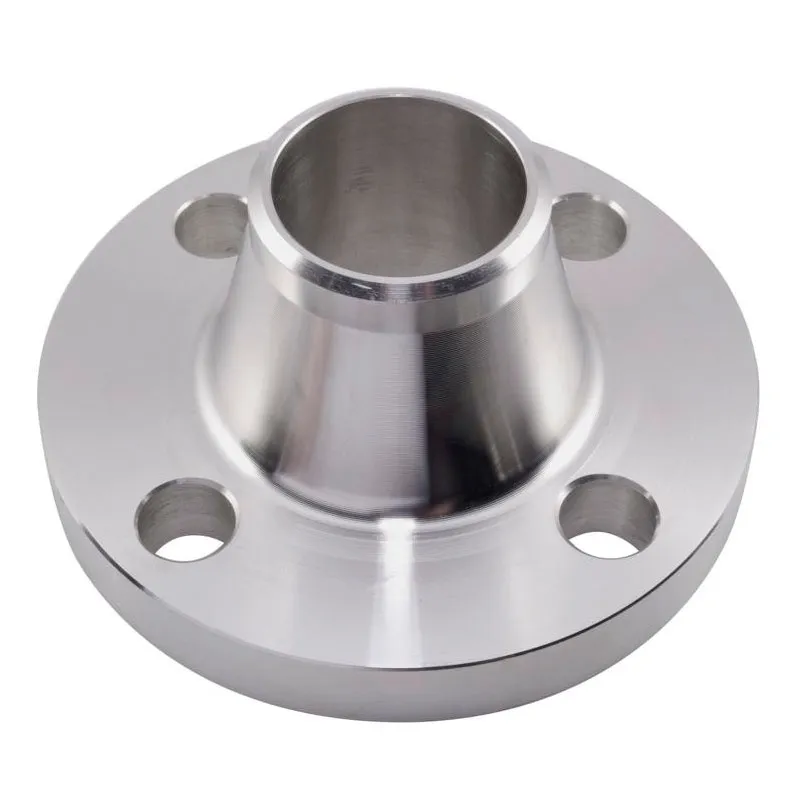
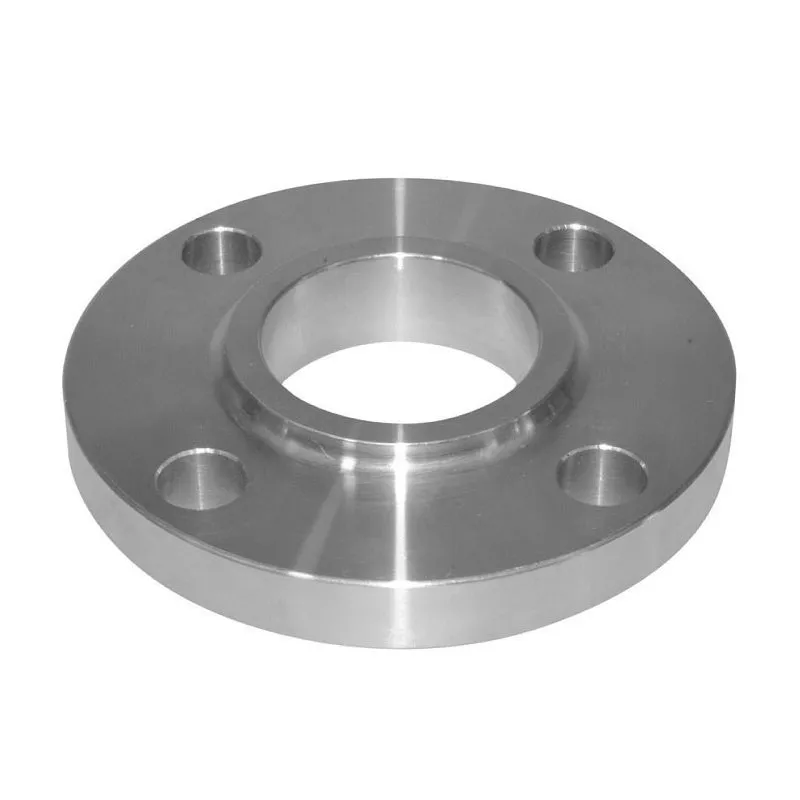
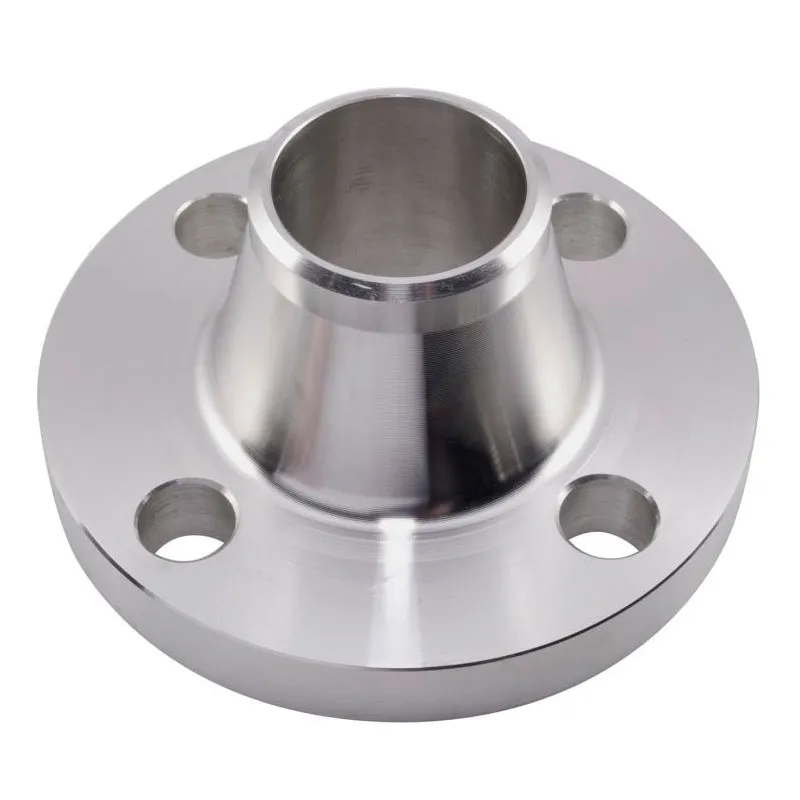
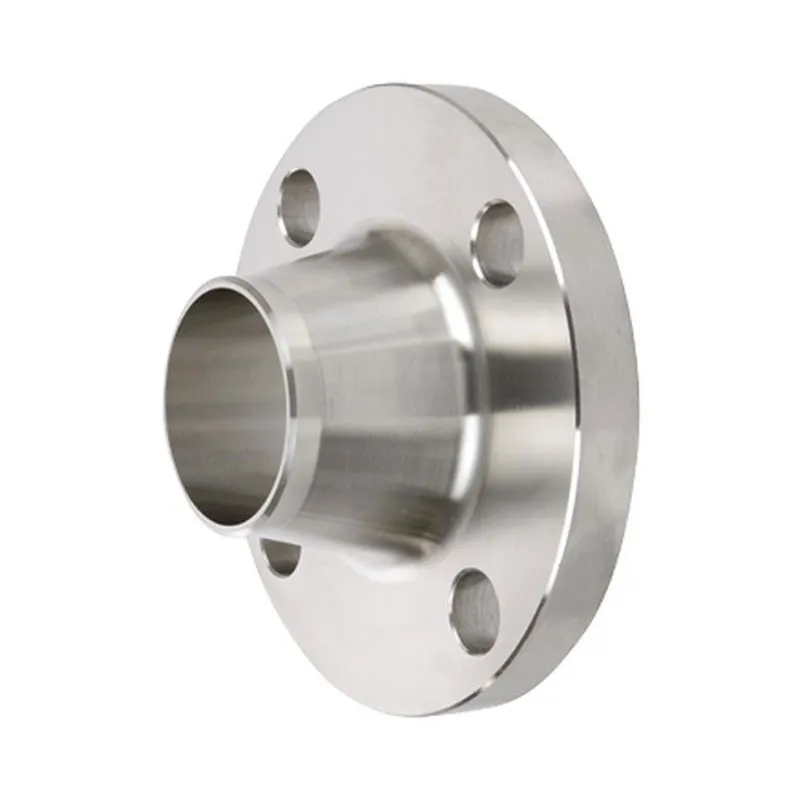
When they talk aboutflanges pn 40, many people immediately think about a pressure of 40 bar. And this, in general, is true, but only at first glance. In practice, this marking is a whole story about the conditions of use, the material and, most importantly, about the geometry of the sealing surface. A common mistake is to assume that a PN 40 flange with the same nominal diameter DN100 from any manufacturer will be absolutely identical. Already at the installation stage, differences in the thickness, height of the hub or the diameter of the bolt circle may emerge. I encountered this myself when they tried to join our forged flange with a European cast one - it seems that the standard is the same, ASME B16.5, but the seats for the bolts were half a millimeter apart. I had to drill. So PN 40 is not a passport, but rather a technical specification for an engineer and manufacturer.
From the forge to the pipeline: why forging?
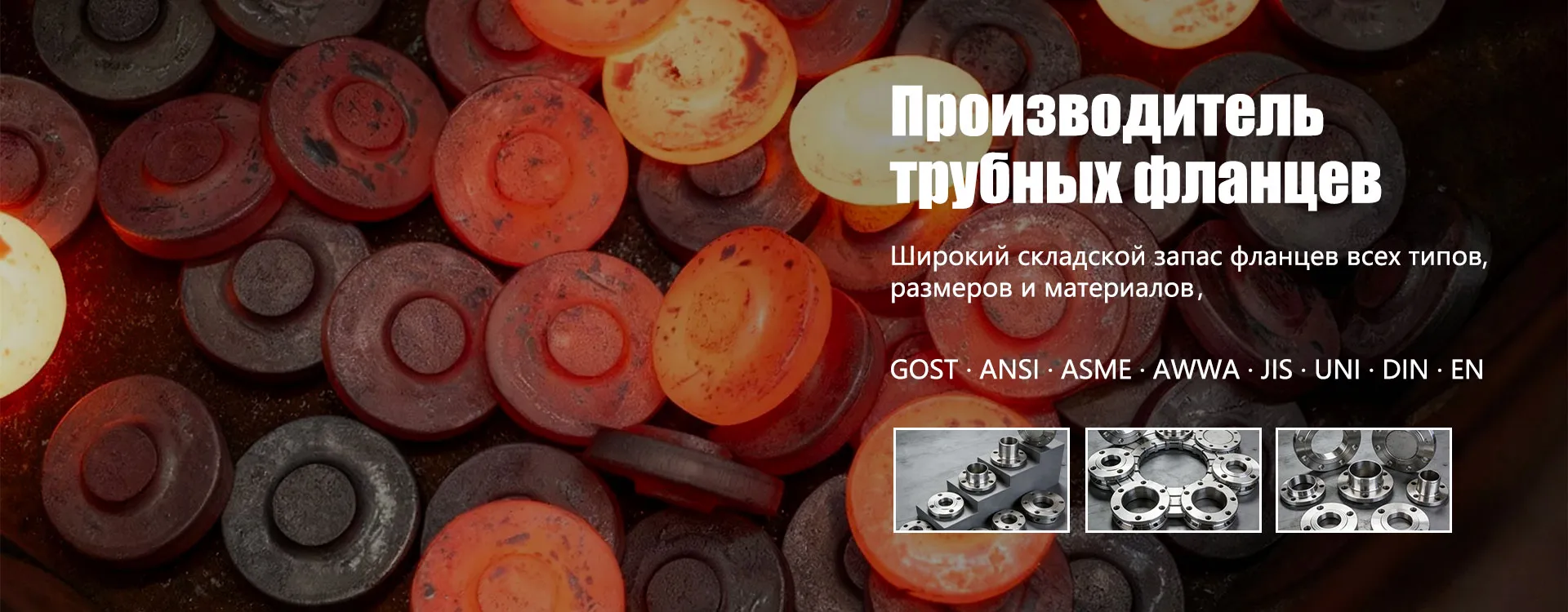
In our business, in production at Shanxi Hongkai Forging LLC, forflanges pn 40and above, forging is almost always used. Not casting, not stamping from sheets, but forging. Why? Metal microstructure. When forged, the fibers are deformed to follow the contour of the product, resulting in much better toughness and fatigue resistance. For pressures of 40 bar and operating environments with temperature changes or vibration, this is critical. I remember a project for a chemical plant near Perm - they just needed flanges for ammonia lines. Temperature range from -30 to +50, plus cyclic loads. The cast ones might fail, and a fatigue crack would appear somewhere in the flange body. And the forged ones shipped from our plant have worked for more than eight years without any problems. Checked during a planned shutdown - perfect condition.
But the approach to forging is different. For example, we are for those responsibleflanges pn 40from steel 09G2S or A105 we use closed dies on hydraulic presses. This results in more accurate geometry and less machining. Although, to be honest, this is not always economically justified for small parties. It happened that for a non-standard size, say, DN2500 on PN 40, they did free forging (forging in backing rings), and then intensive machining. More expensive, but it produces a monolithic workpiece without welds - exactly what is needed for high pressure.
It is also worth mentioning control here. After forging, heat treatment is required - normalization to relieve internal stresses. And this is where many people sin. It would seem like a routine operation. But if you do not maintain the temperature or time, you can get uneven hardness across the cross section. Then, during processing, the flange may fail, or, worse, become brittle during operation. On our websitehkflange.ruThis may not be described in detail in the product description, but in the technical documentation for each batch for PN 40 there is a full test report, including ultrasonic testing and Brinell hardness testing at several points. This is not for show, but a necessity.
Standards and reality: ASME, DIN, GOST
When working with international orders, you constantly maneuver between standards.Flange pn 40according to DIN EN 1092-1 and the Class 300 flange according to ASME B16.5 are, in fact, pressure neighbors, but not twin brothers. The main difference that constantly comes up is the size of the sealing surfaces (Raised Face, Ring Type Joint) and the number of mounting holes. For example, for DN150 PN 40 according to DIN there will be 8 holes, and for Class 300 ASME there will also be 8, but the bolt circle diameter (PCD) may differ by the same 1-2 mm, which leads to installation problems.
In our production, we often place orders specifically according to GOST (this is an analogue of DIN PN 40). Russian designers love him. But when a request comes from a service company servicing an installation with American equipment, ASME is needed. It’s good that Shanxi Hongkai Forging LLC has flexible production, and they learned how to quickly change equipment to different standards. The workshop has CNC machines that can be easily reprogrammed to fit a new drawing. The main thing is to correctly read the technical specifications from the client. There was a curious case: they ordered PN 40/16 flanges according to the old GOST 12820-80, but with the requirement of material 12Х18Н10Т. And this material has good impact strength for cryogenic temperatures, but its tensile strength is lower than that of ordinary carbon steel for the same pressure. We had to consult the customer and recalculate the thickness - they increased it by 2 mm to compensate for the difference in characteristics. We did it, shipped it, everything works.
But with flanges for a welded ring (Loose Flanges) for PN 40 there is a separate story. They are often taken for installation in hard-to-reach places or from different materials (the ring is made of stainless steel, and the flange itself is made of carbon steel). Here the accuracy of machining the landing cone for this very ring is critical. If the angle is not maintained, the ring will “dangle” or, conversely, it won’t fit. When assembling the unit, this will result in misalignment and potential leakage. For such products, we always do a test assembly at the factory with a reference ring - an extra hour of work, but the installers don’t have any problems on site.
Where and why it can “shoot”: practical traps
Experience is often a collection of mistakes that were avoided next time. Cflanges pn 40One of the most insidious pitfalls is stress corrosion cracking (SCC). Especially for stainless steel grades operating in environments with chlorides. A beautifully machined AISI 304 flange installed on a seawater pipeline may develop cracks in the weld heat affected zone. Solution? Either use more resistant alloys like 316L, or ensure perfect passivation of the surface after machining. After turning such flanges, we always do etching and passivation in a special bath. This is not required by all standards, but we include it in the process as a mandatory step for responsible environments.
Another common problem is flange connections for high temperatures (say 300°C and above). PN 40 at room temperature is one thing, but at +400°C the strength of the material decreases. And here it is important to look not at the nominal pressure, but at the calculated one for a specific temperature according to the corresponding tables of ASME B16.5 or EN 12516. It happened that the customer sent a request simply “PN 40 flanges, steel 20”. And in the technical specifications, in small notes, the operating temperature is indicated at 450°C. For steel 20 this is already beyond the realm of possibility, it’s starting to creep up. It was necessary to propose a transition to alloy steel such as 15X5M or even stainless steel. The price is, of course, different, but it is safe.
And of course, bolts. It would seem that this is not about a flange, but the connection is a flange. For PN 40 you can no longer put just anything. You need bolts with a strength class of at least 8.8, and preferably 10.9, and always with correct tightening with a torque wrench in a “crosswise” pattern. I saw the consequences when installers tightened the bolts with a screwdriver on a pair of DN200 PN 40 flanges “all the way?” The result is misalignment, uneven load on the gasket, and after a month it began to leak around the entire perimeter. I had to cut the bolts, change the gasket and install new ones. Now we always include an installation instruction in the documentation for high-pressure flanges.
Non-standard as the norm: when the catalog is powerless
Often the core competence of a manufacturer is tested not on standard dimensions, but on non-standard tasks. In ourShanxi Hongkai Forging Co.,LtdThe entire workshop is designed to work according to customer drawings.Flange pn 40- but with additional drainage or control holes, with a non-standard arrangement of fasteners, or even an adapter flange from DN150 to DN200, but with one common sealing surface under PN 40. You will not find such things in catalogs.
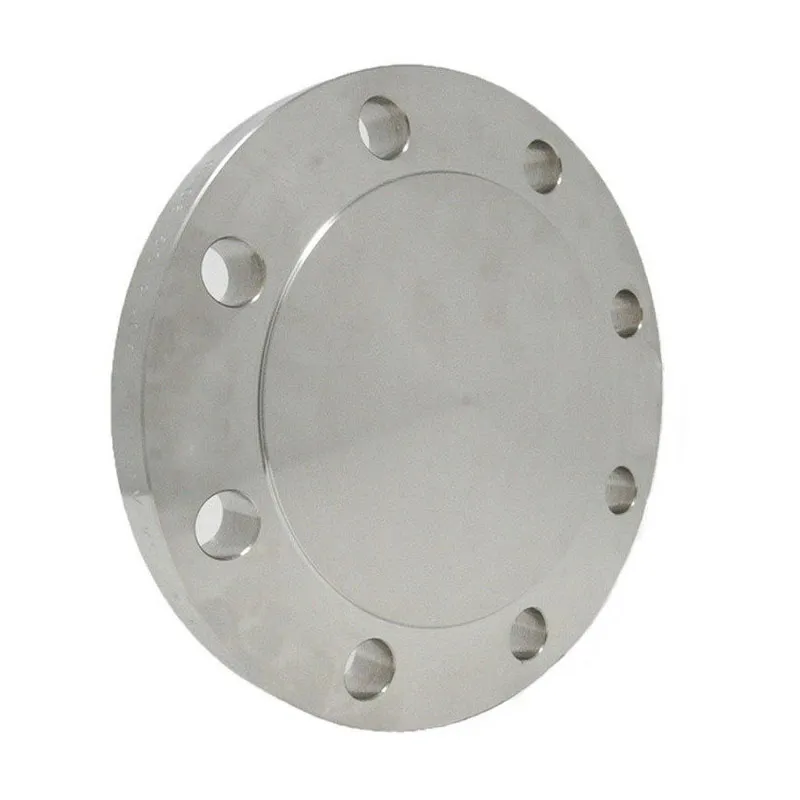
I remember one order for modernizing a pipeline at a thermal power plant. We needed a Blind Flange DN500 PN 40, but with a pipe-fitting for the sensor welded on the inside. And all this had to be done as a single forging, rather than a welded assembly, according to the customer’s requirements for reliability. We did it. First, they forged a massive blank under a blind flange, and then on a press they pulled out a “boss” from the same material. under the future fitting. Mechanical processing according to a complex drawing. It turned out monolithic and durable. The client was satisfied, the pressure monitoring system is still working.
Working with non-standard solutions requires close dialogue with the customer’s engineers. Sometimes they indicate parameters in the drawing that, from the point of view of manufacturing technology, conflict with each other. For example, high hardness combined with a thin wall. Or a complex shape that does not allow the forging to be removed from the die. This is not just production, but consultations. We offer alternative options: change the transition radius, move the hole, offer a different material with similar properties. The goal is to make a workable and reliable product, and not just blindly follow the drawing. This is the added value that regular customers value.
Instead of a conclusion: a thought afterward
So, back to the beginning.Flanges pn 40- this is far from a product item from an online catalog that you can simply add to your cart. It is always a dialogue: between pressure and material, between the standard and real conditions at the site, between the drawing and the capabilities of the forge shop. When choosing a manufacturer, look not at the pretty pictures on the website, but at his willingness to immerse himself in your task, the presence of his own forging and pressing production, like we have in Shanxi Hongkai Forging, and his openness in providing complete technical documentation. Because in the world of pipeline fittings there are no trifles, and the inscription PN 40 on the end of the flange is his responsibility, and not just a number.
And yes, never skimp on gaskets and fasteners. The most perfect forged flange can be ruined by the wrong assembly kit. But this is a topic for another discussion.
Correspondingproducts
Related Products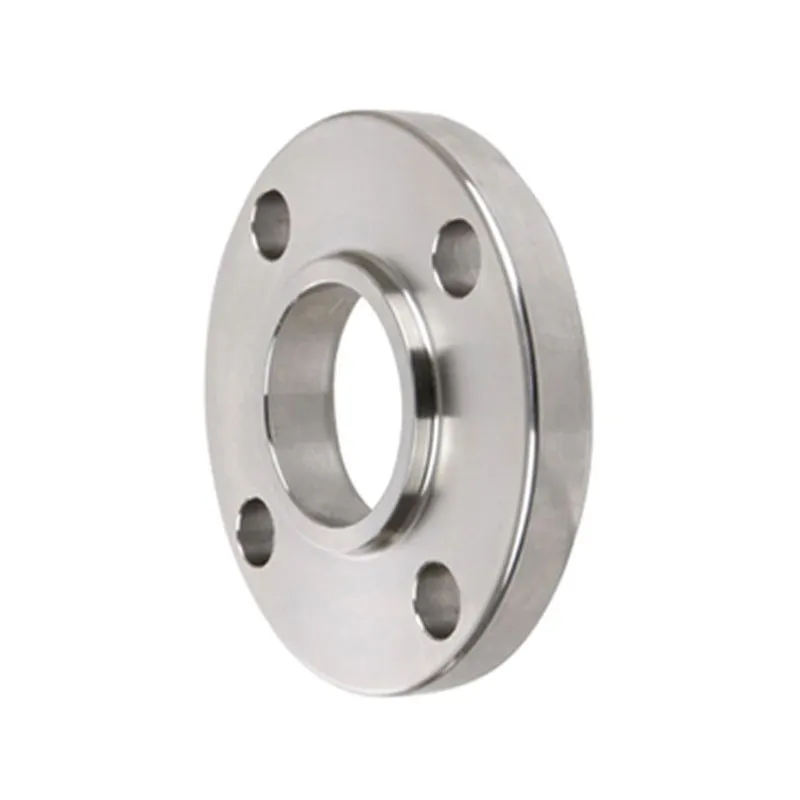
Best Sellingproducts
Best Selling Products-
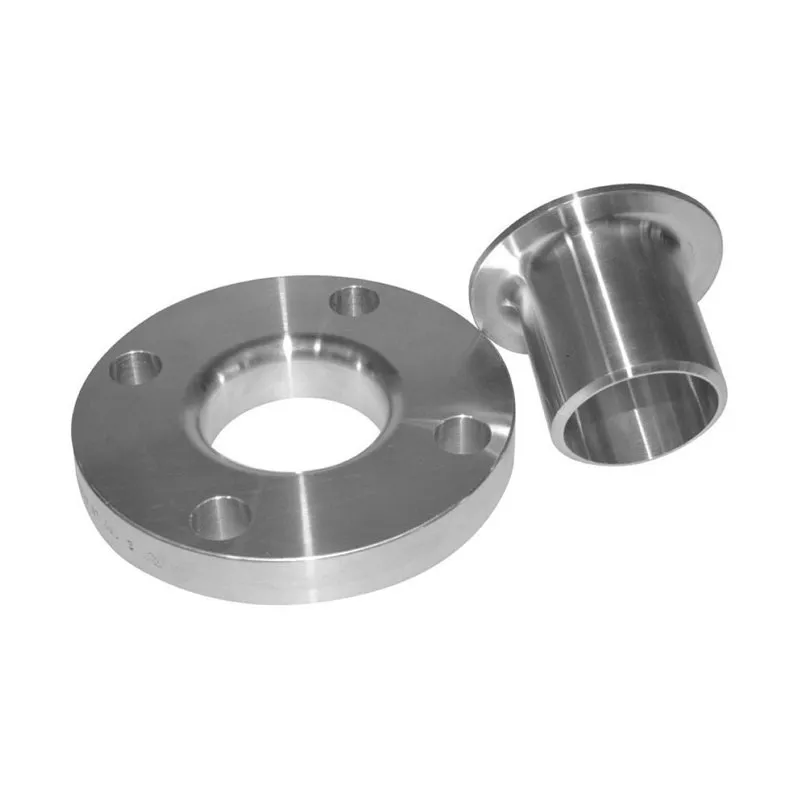 Free ring flanges Class 150
 -
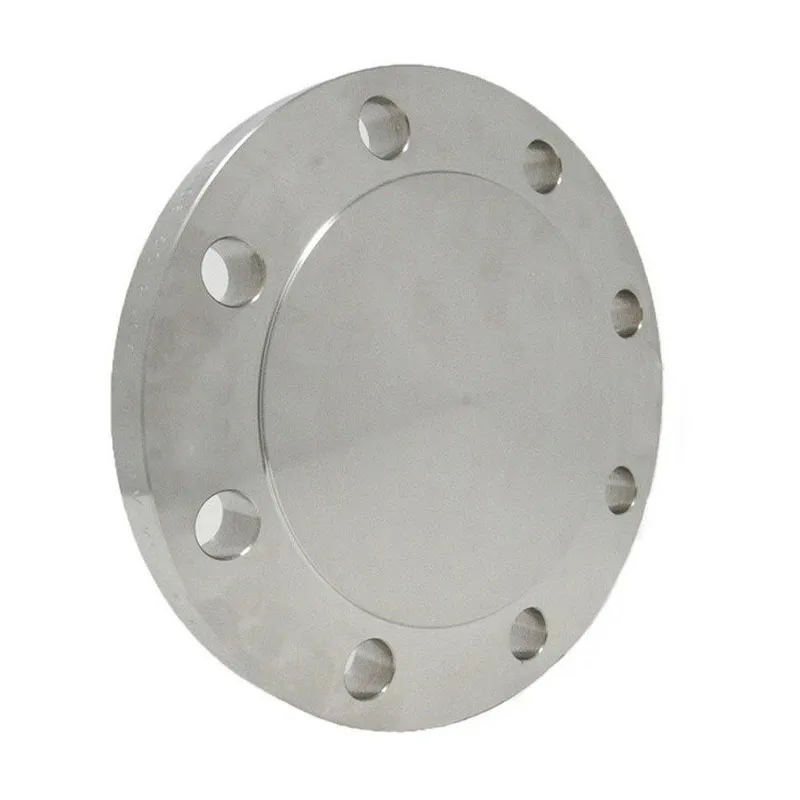 EN 1092-1 Blind flanges Type 05, PN10
 -
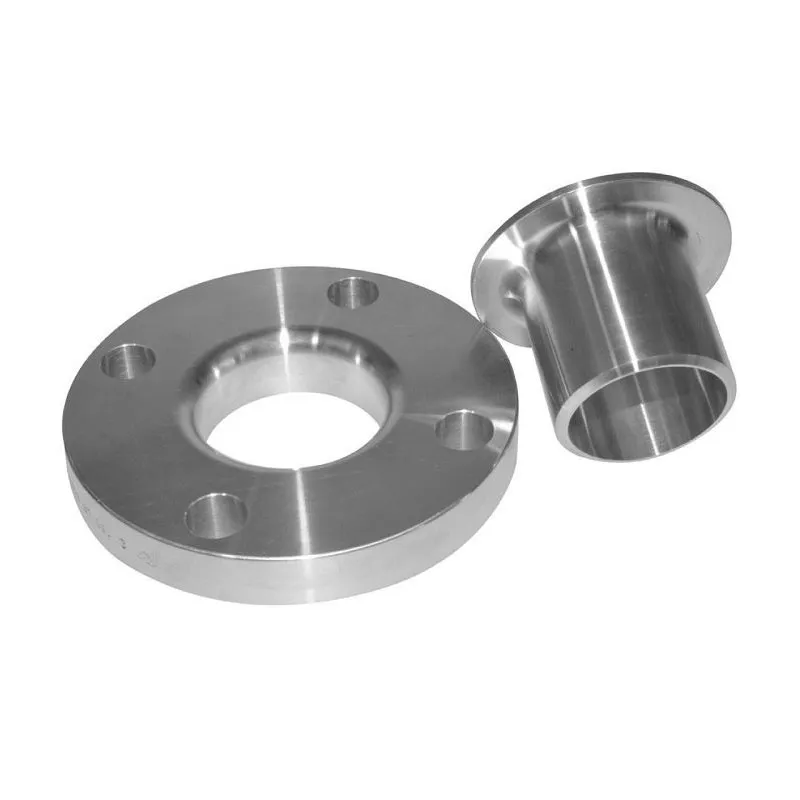 ANSI B16.5 Loose Ring Flanges Class 2500
 -
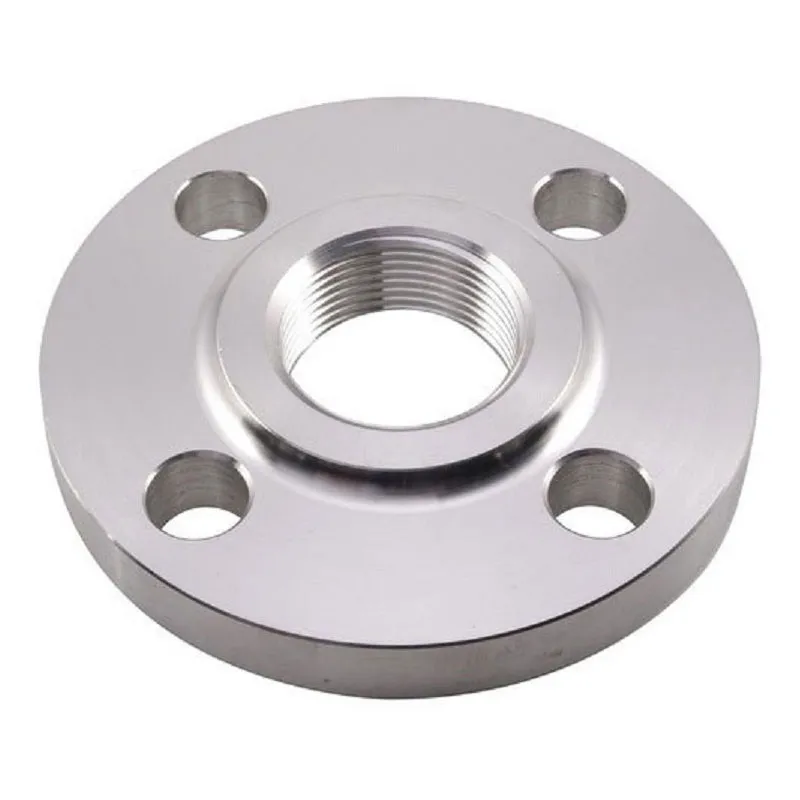 DIN 2565 Threaded flanges PN6
 -
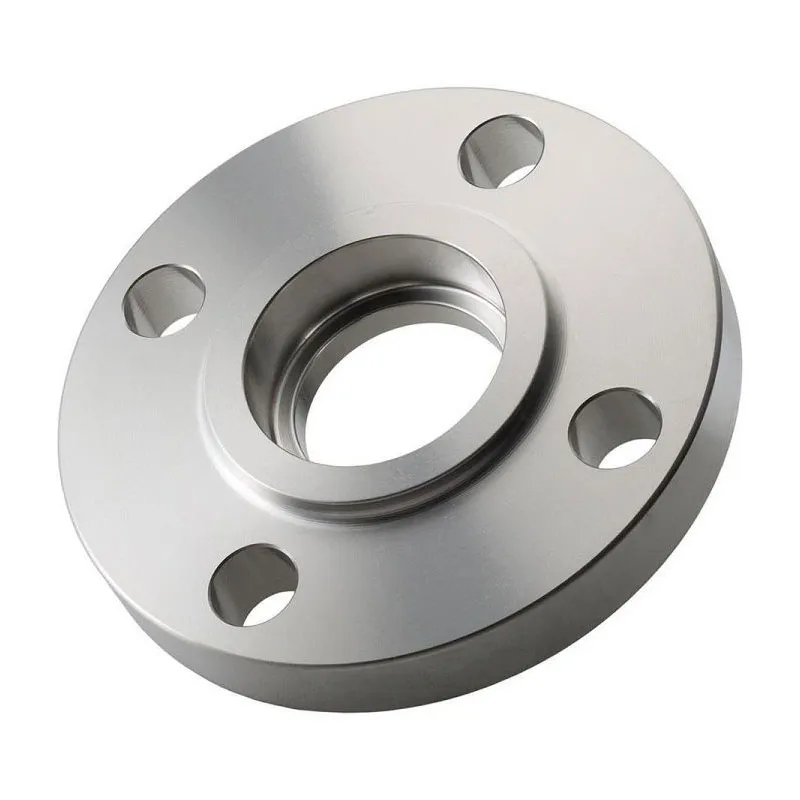 ANSI B16.5 Socket Weld Flanges Class 1500
 -
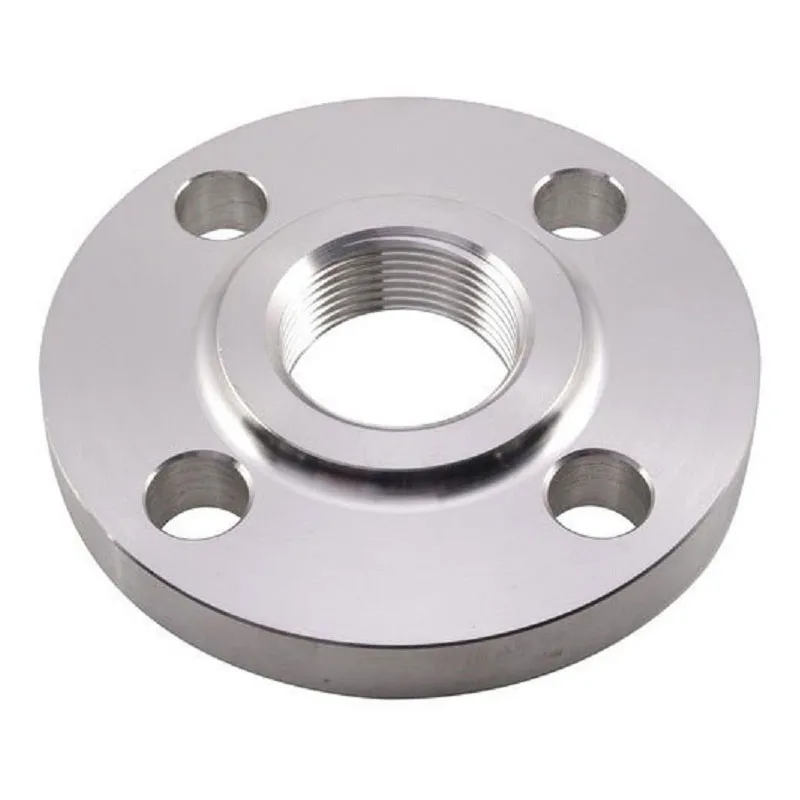 EN 1092-1 Threaded flanges Type 15, PN16
 -
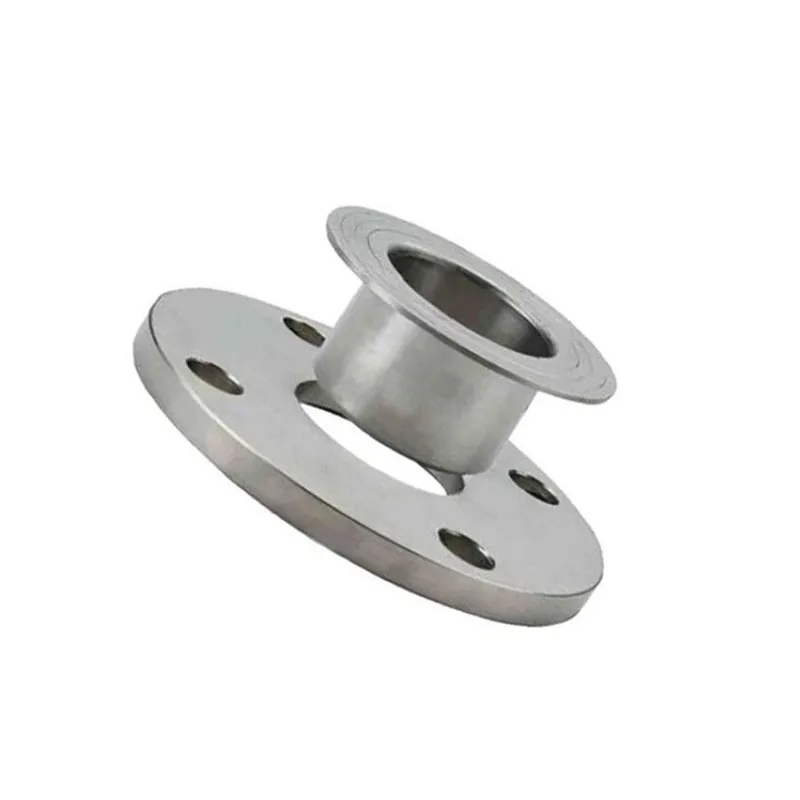 Free ring flanges Class 400
 -
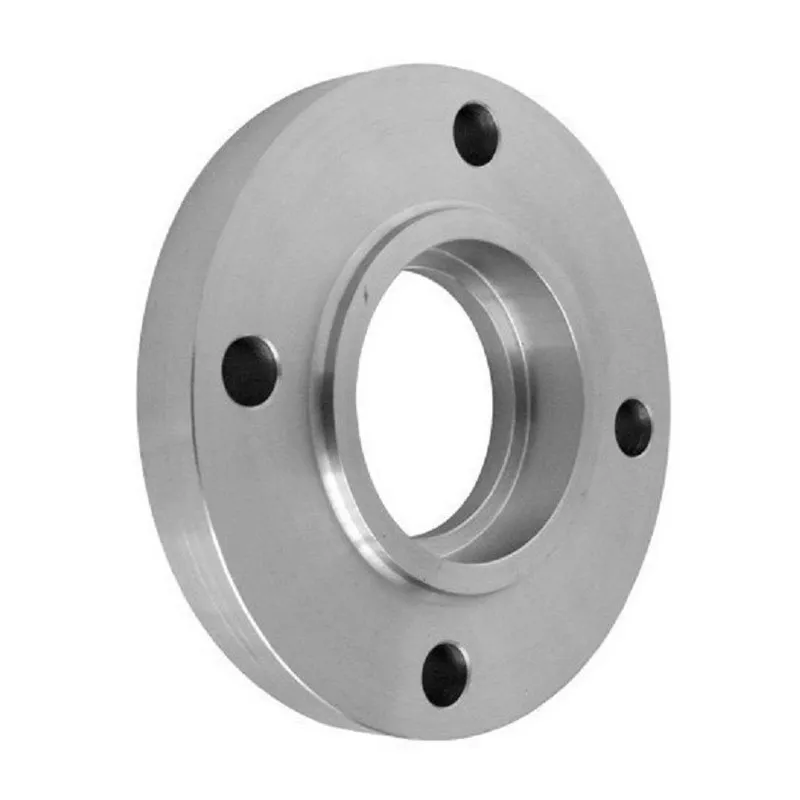 JIS 5K Socket Weld Flanges
 -
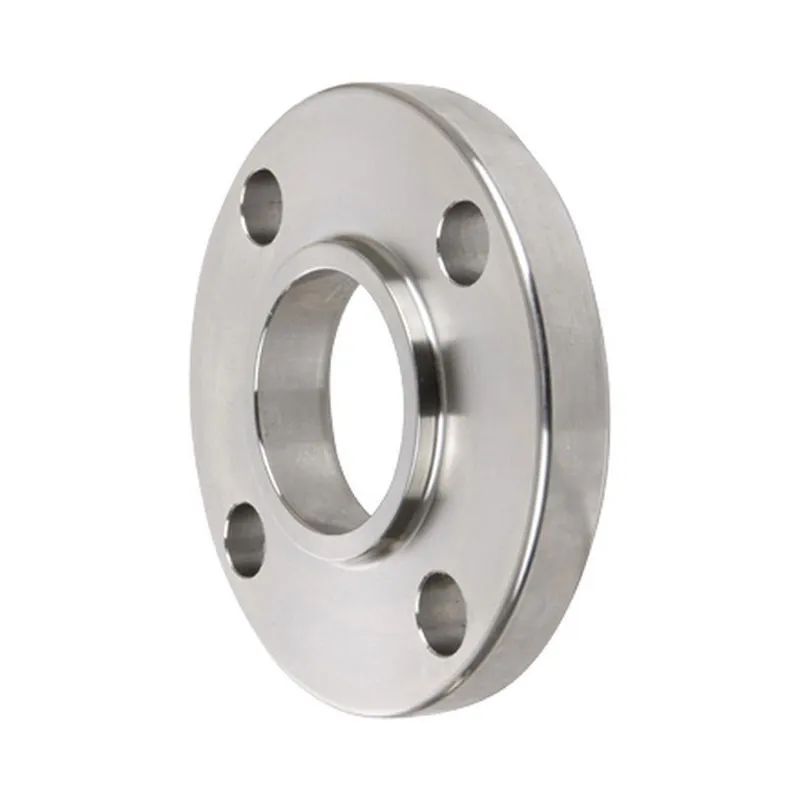 DIN 2501 Overlay flanges PN16
 -
 UNI 2281 Butt weld flanges PN10
 -
 Ser.A Butt Weld Flanges Class 400
 -
 ANSI B16.5 Socket Weld Flanges Class 150