
-
-
Phone
+86-13623462298



Flanges
When people talk about flanges, many people imagine a banal steel washer. In fact, this is a unit on which the integrity of the entire system depends, be it a high-pressure steam pipeline or a process line at a refinery. The main mistake of beginners is to chase the price, losing sight of the material, heat treatment and, critically, the quality of the sealing surface. I've encountered this more than once.
Standards and reality on site
Everything is beautiful in the specifications: GOST, ASME, EN. But when the party arrives at the site, the fun begins. For example, according to ASME B16.5, bolt hole offset tolerances are a delicate matter. There was a case with a supply for one of the petrochemical projects: the flanges seemed to be according to the standard, but when mating with imported fittings, the holes did not converge by half a millimeter. We had to urgently modify it on site, mark it out and drill it out. Time, money, hassle. Conclusion: the standard is not only the numbers in the certificate, but also an understanding of what this flange will be connected to in reality.
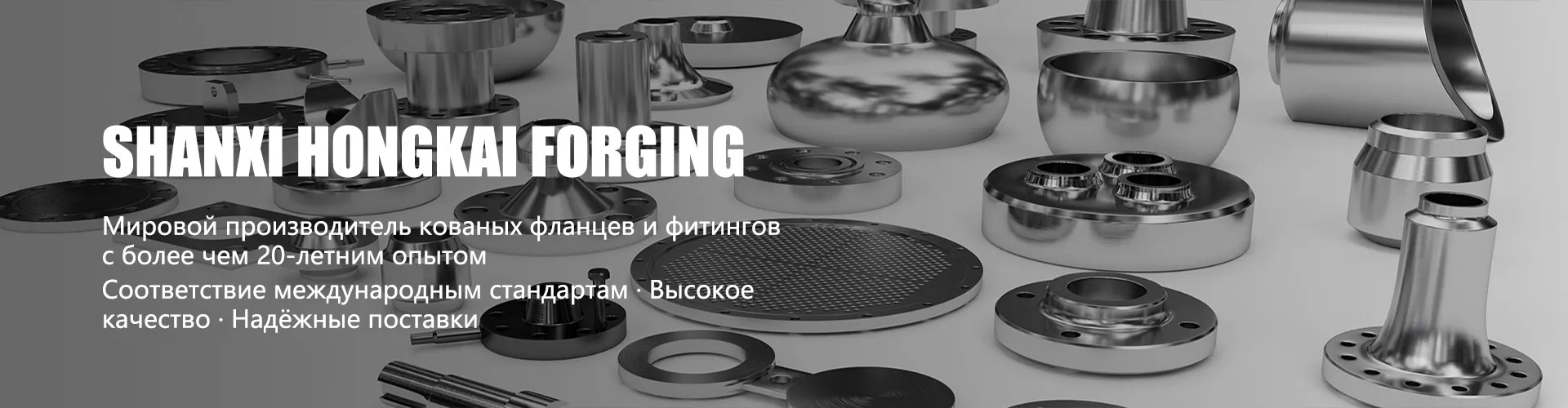
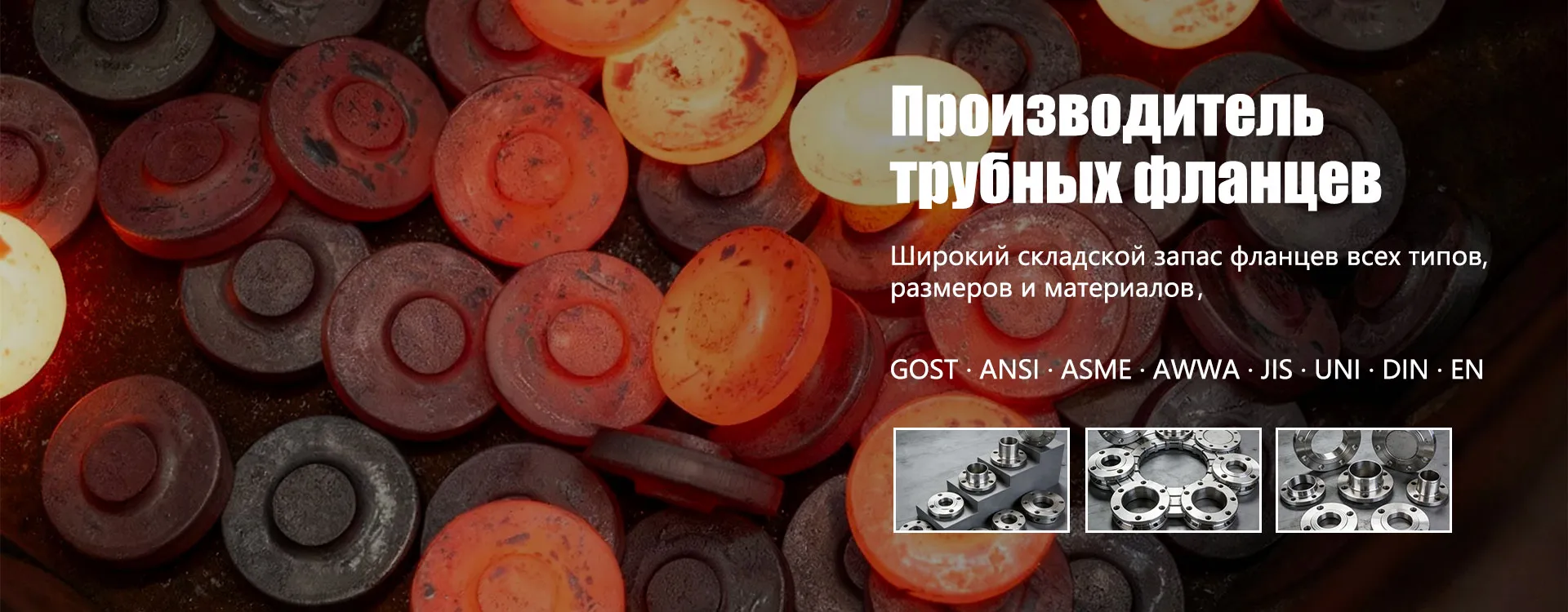
Here it is important to note manufacturers who initially focus on complex deliveries. Here, for example,Shanxi Hongkai Forging Co.,Ltd— their websitehkflange.ruoften appears in professional discussions. They position themselves as a manufacturer of forged flanges and forgings from one of the key industrial regions of China. What is valuable is that they declare work according to a wide range of standards: from GOST and ASME to EN, DIN and, what is important for us, Russian technical specifications. This is not a guarantee, but it is already a hint that they are in tune with global requirements.
Forging, rather than casting or cutting from sheet metal, is often the key to critical applications. The metal fibers in the forging are deformed, following the contour of the product, which gives better mechanical properties. This is especially felt at low temperatures, when the material becomes brittle. Cast flanges may have hidden pitfalls, while cut flanges may have suboptimal grain structure near the bolt holes where the load is greatest.
The devil is in the details: compaction and roughness
You can make a flange that is ideal in geometry, but ruin everything during the finishing operation - processing the sealing surface. Roughness (Ra, Rz) is not just a number. A surface that is too smooth, paradoxically, may cause worse grip. gasket Too rough - it will tear the soft gasket material when tightened. There are different types of execution: spiral-helical notch, concentric grooves (phonographic ring groove).
One of our early mistakes was ordering flanges with a surface for soft gaskets (type RF) for a system with paronite gaskets. They didn’t take into account that paronitis requires a completely different, rougher treatment. As a result, the very first hydrotests showed a leak. I had to remove it and send it for mechanical modification. Now I always check with the technologists what type of gasket will be used before approving the drawing.
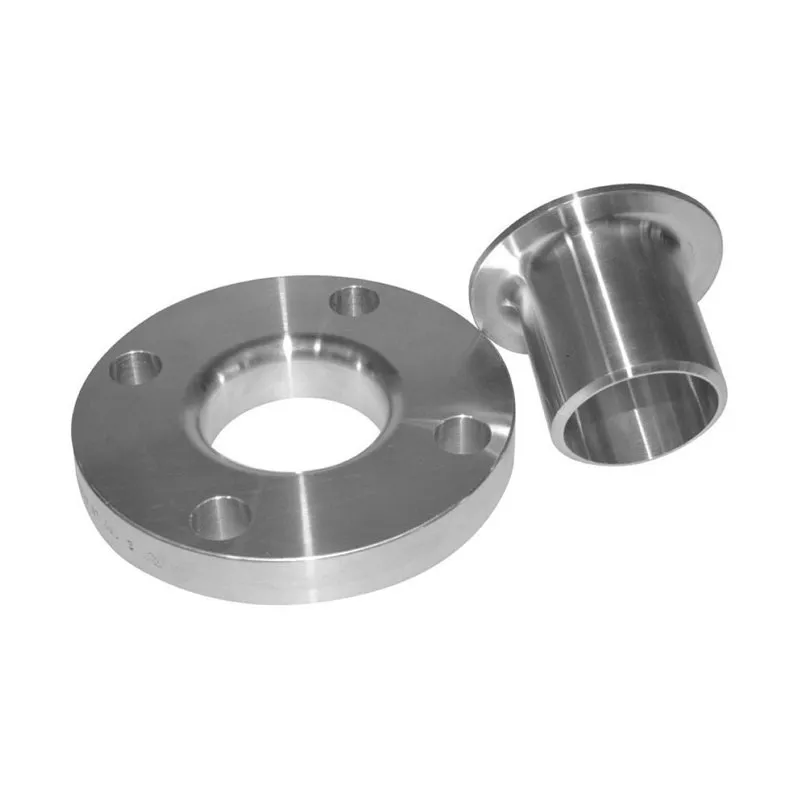
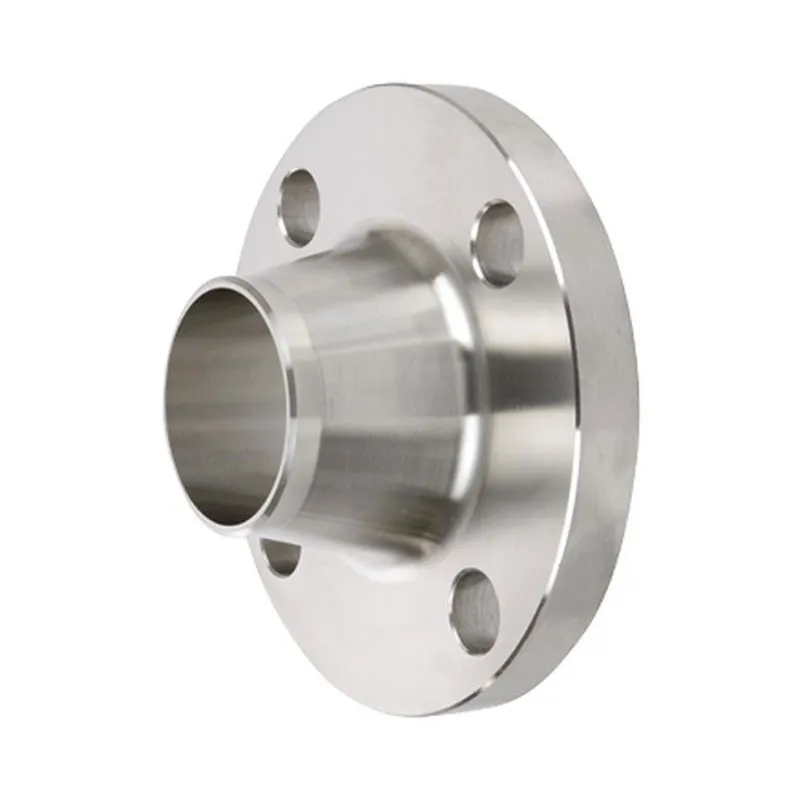
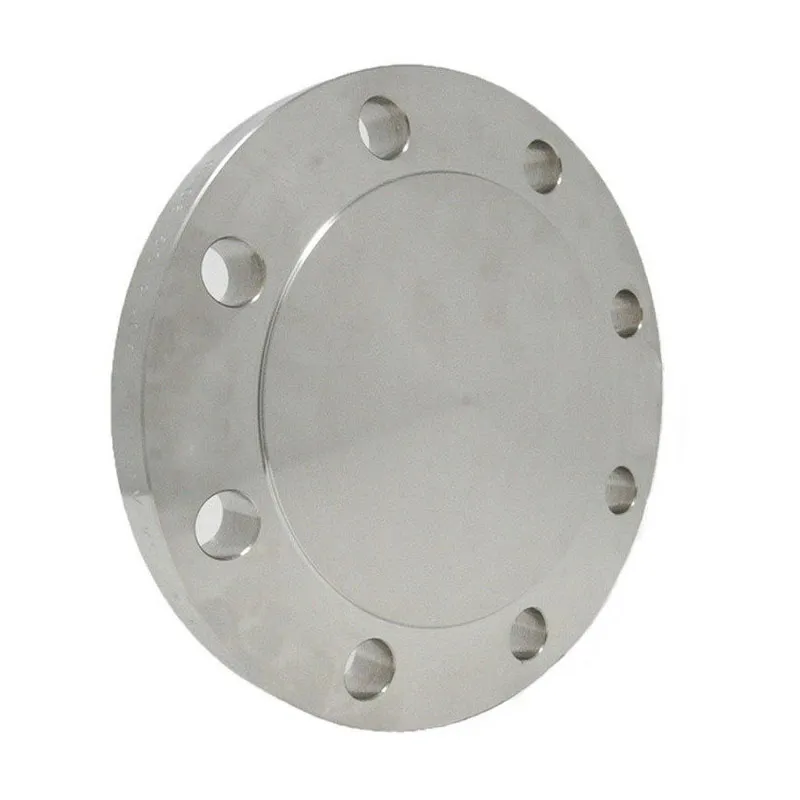
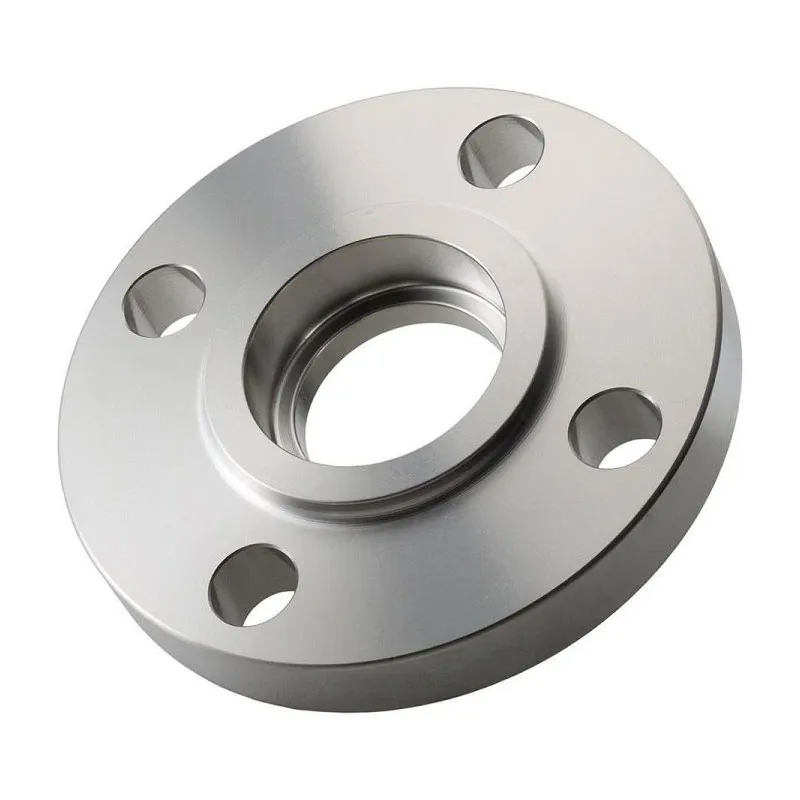
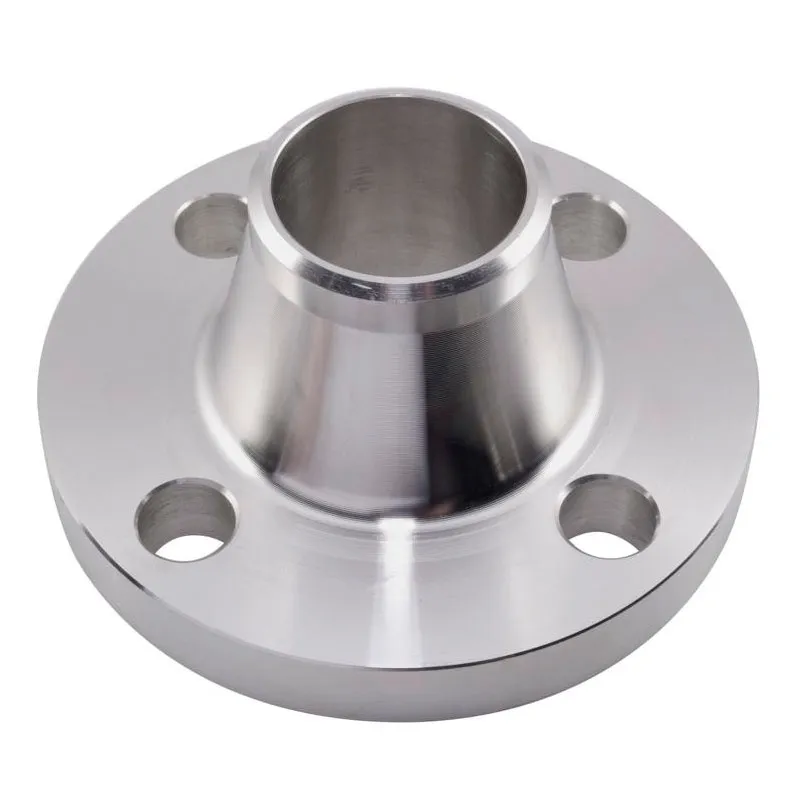
On the websiteShanxi Hongkai Forging Co.,Ltdthe nomenclature indicates all the main types: butt welded (WN), flat (SO), loose (Loose), blind (BL). This suggests that they likely face different challenges and understand the differences in application. For example, a loose flange with a welded ring is an excellent solution for frequent dismantling or complex installation, but its cost is higher, and not every customer is ready to accept it.
Non-standard and work according to drawings
Standard sizes are good, but life is more complicated. Often a flange with a non-standard hole pattern, thicker neck, special material or additional technological elements is required. Working according to customer drawings is a litmus test for the manufacturer. Here you can see whether he has his own design bureau, technologists, and the ability to dialogue.
I remember the story with the flange for connecting old Soviet equipment to the new German line. An adapter flange was needed on one side in accordance with GOST 12820-80, on the other - in accordance with DIN 2635, and even taking into account the difference in the temperature expansion of materials. We drew together with the supplier’s engineers and made several iterations of strength calculations. In the end, they did it, and the unit has been working for seven years without any complaints. This is the case when the price faded into the background, and the main thing was to find an adequate contractor.
In the descriptionChinese companyit is expressly stated: “non-standard products according to customer drawings?”. And the size range DN15–DN4000 is a serious application, covering both small pipeline fittings and main entries. The ability to produce a flange 4 meters in diameter is already a matter of the availability of pressing equipment, furnaces for heat treatment of such dimensions, and quality control throughout the entire volume of the product.
Material and heat treatment: what the certificate hides
Steel is not just ?steel 20? or ?steel 09G2S?. These are the chemical composition, smelting, casting, subsequent deformation and, finally, heat treatment. When ordering flanges for low temperatures (say, for the Far North), you require impact strength KCU at -40 or -60. The certificate may be beautiful, but we have always selectively sent samples to an independent laboratory. A couple of times there were discrepancies, especially in the content of phosphorus and sulfur - harmful impurities that affect cold brittleness.
The forging he doesflange manufacturer, is itself part of the heat treatment - hot deformation improves the structure. But it is often followed by normalization or hardening with tempering. It is important that this process is controlled, with temperature graphs recorded. Ideally, the manufacturer can provide not only a certificate of conformity, but also a protocol of heat treatment.
Here again their stated location in the main center of the forging industry comes to mind. This usually means having a full cycle and access to a high-quality metallurgical base, which reduces risks for the end customer.
Logistics, packaging and the “little things” that make all the difference
It would seem that they did it and shipped it. But how? A flange weighing a couple of tons, loaded without wooden spacers directly onto a steel body, will arrive with a deformed sealing surface from impacts on the road. Small flanges thrown into one box will receive nicks and chips on the edges, which will then complicate alignment. Labeling is another sore point. It must be clear, indelible, and correspond to the drawing. It happens that you receive a pallet, and on half of the products the markings are erased or printed on the wrong side.
It’s a good sign when the manufacturer pays attention to packaging - each flange is in individual anti-corrosion packaging, with gaskets between them, and a rigid wooden sheathing. This speaks volumes about the attitude towards the product as a whole. On the websitehkflange.ruin the section with product photographs you can sometimes see such details - flanges neatly stacked in stacks, often already with a protective coating. This is an indirect but important signal.
Bottom line, choosing a flange supplier is not about finding the lowest price per ton. This is an assessment of his ability to understand the task, his technological base, quality control at all stages and attention to seemingly small things. This is a story about reliability, which consists of hundreds of such nuances, and not of big words in a catalogue.
Correspondingproducts
Related Products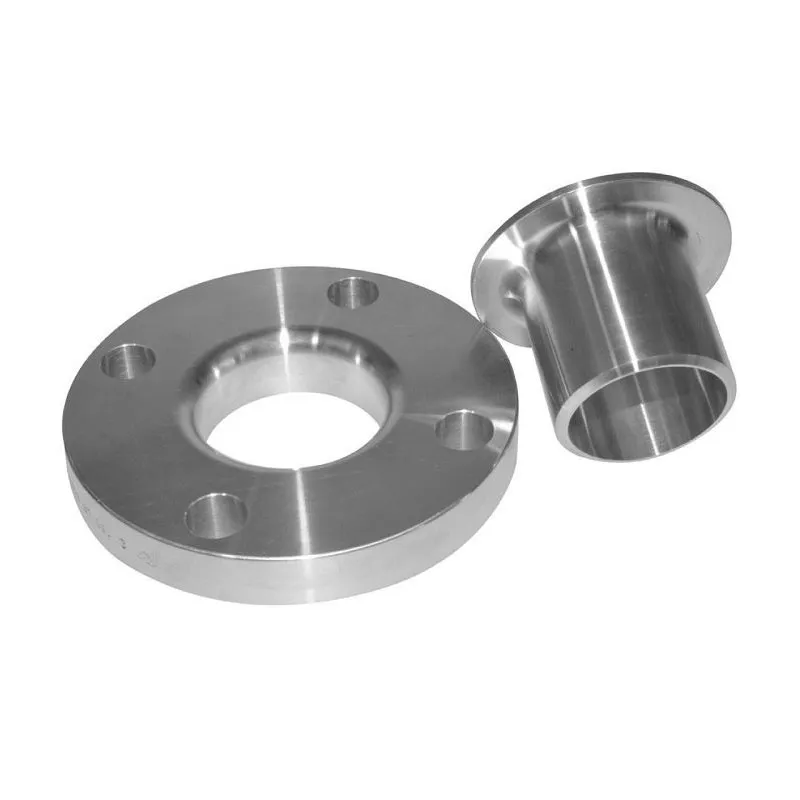
Best Sellingproducts
Best Selling Products-
 Butt weld flanges Class 900
 -
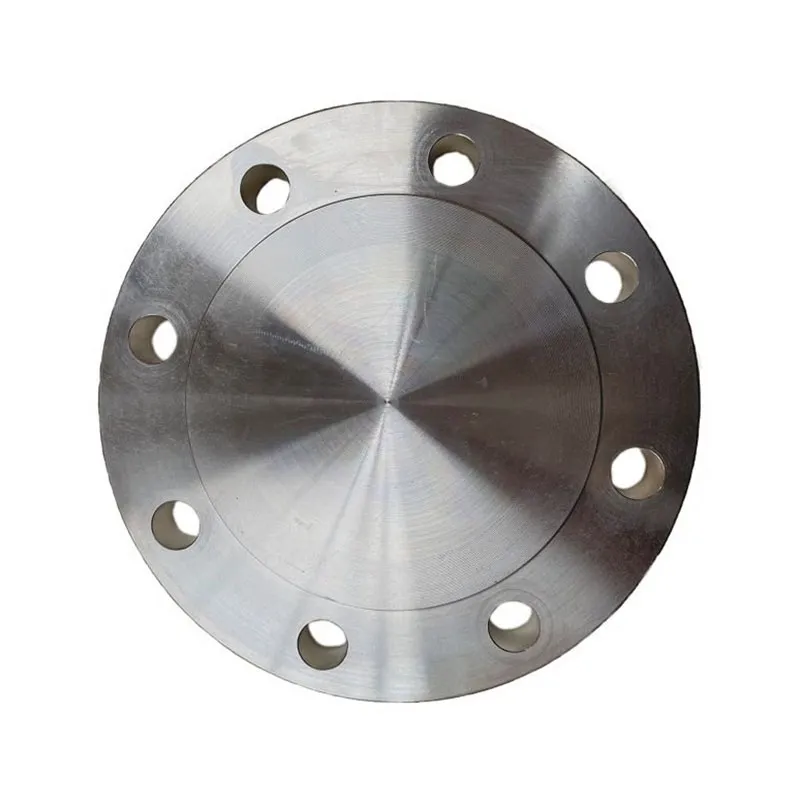 ASME B16.47 Ser.A Blind Flanges Class 400
 -
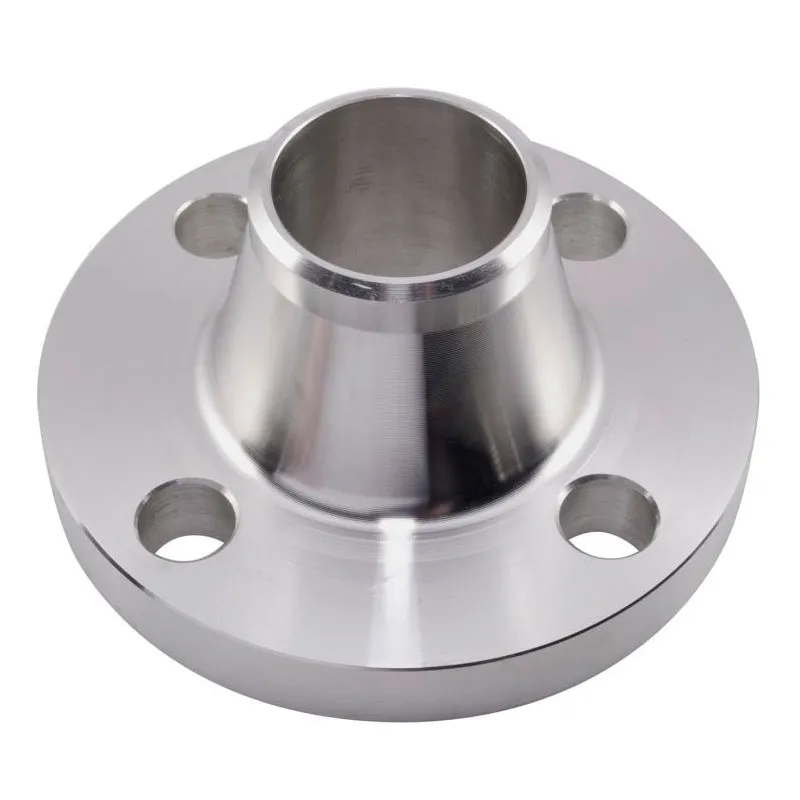 UNI 2281 Butt weld flanges PN10
 -
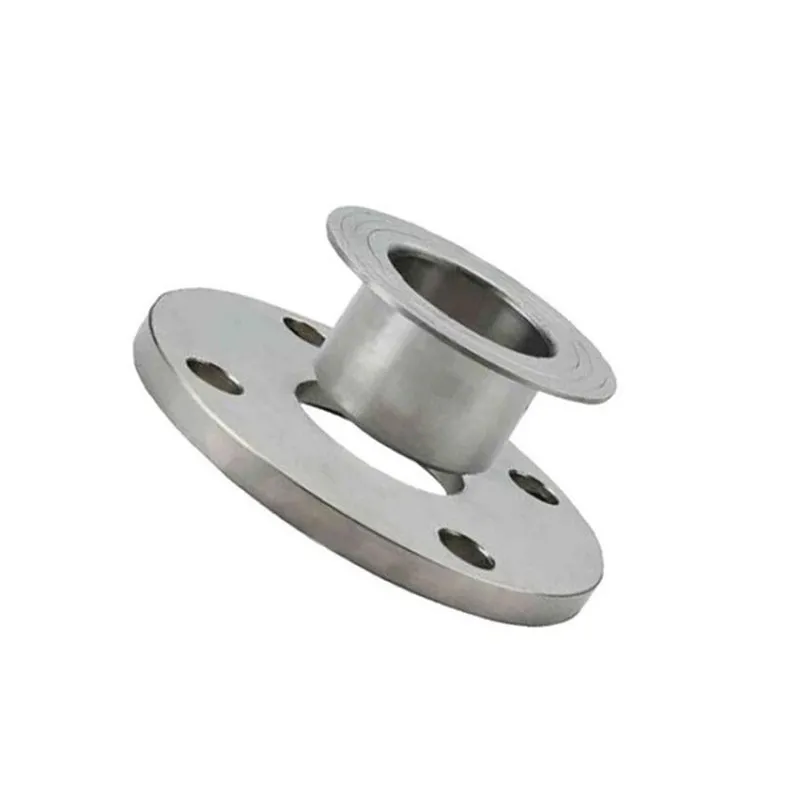 JIS 10K Loose Ring Flanges
 -
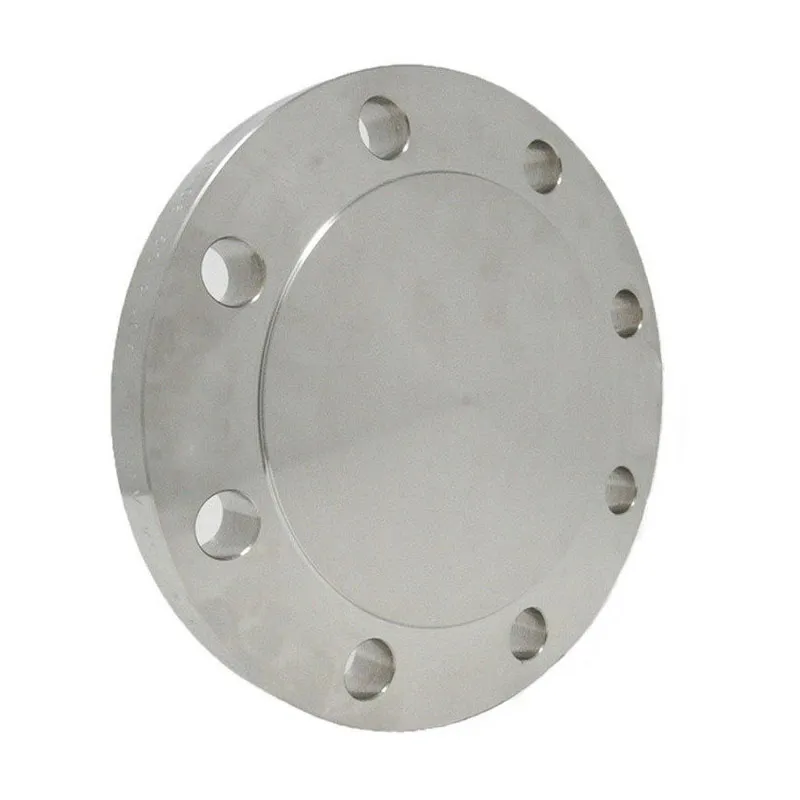 Blind flanges Class 150
 -
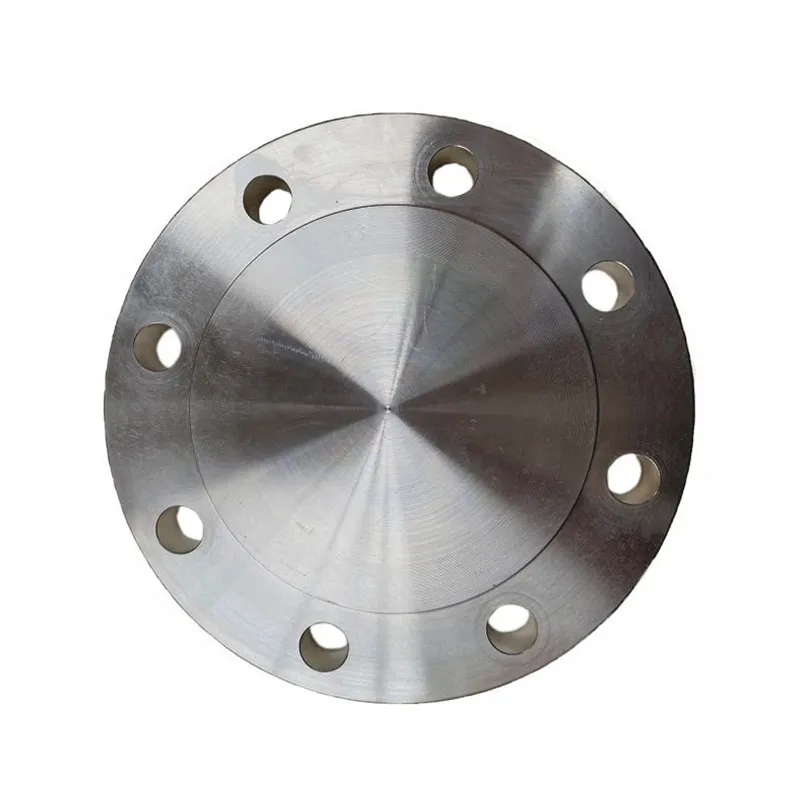 DIN 2527 Blind flanges PN10
 -
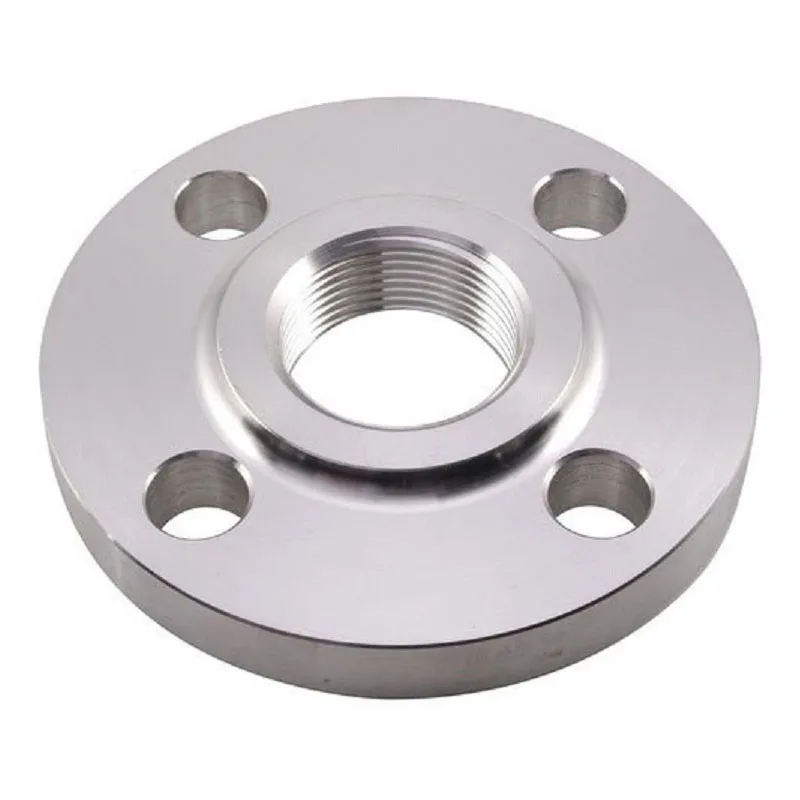 DIN 2566 Threaded flanges PN16
 -
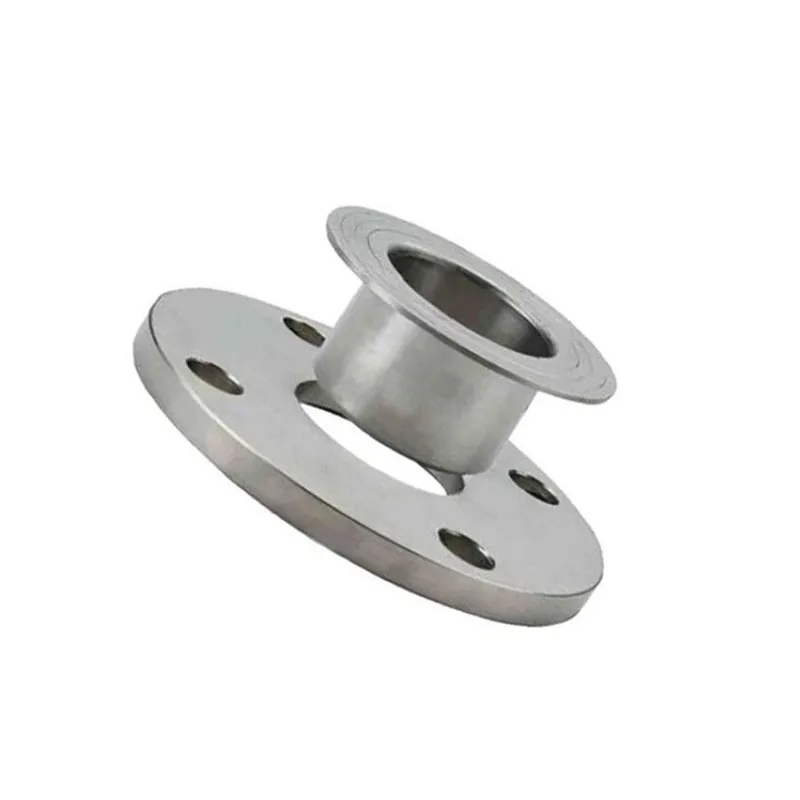 Free ring flanges Class 400
 -
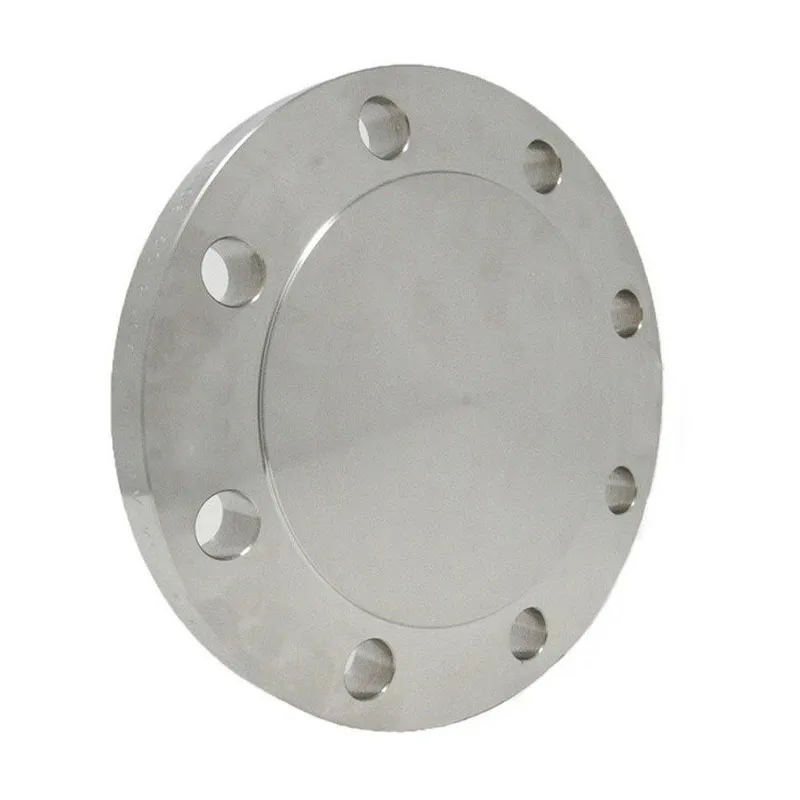 EN 1092-1 Blind flanges Type 05, PN10
 -
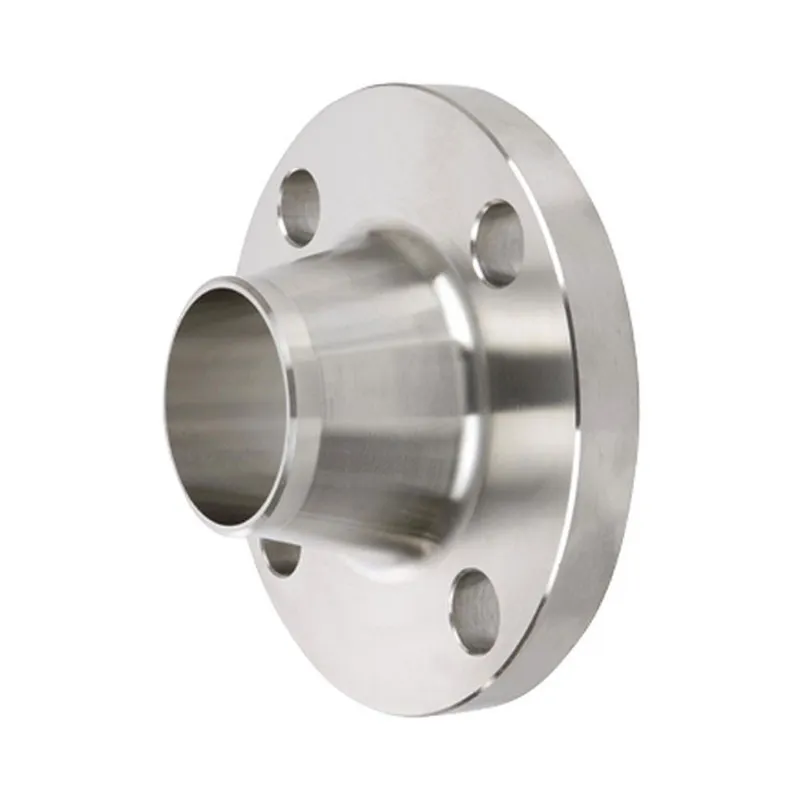 EN 1092-1 Butt weld flanges Type 11, PN25
 -
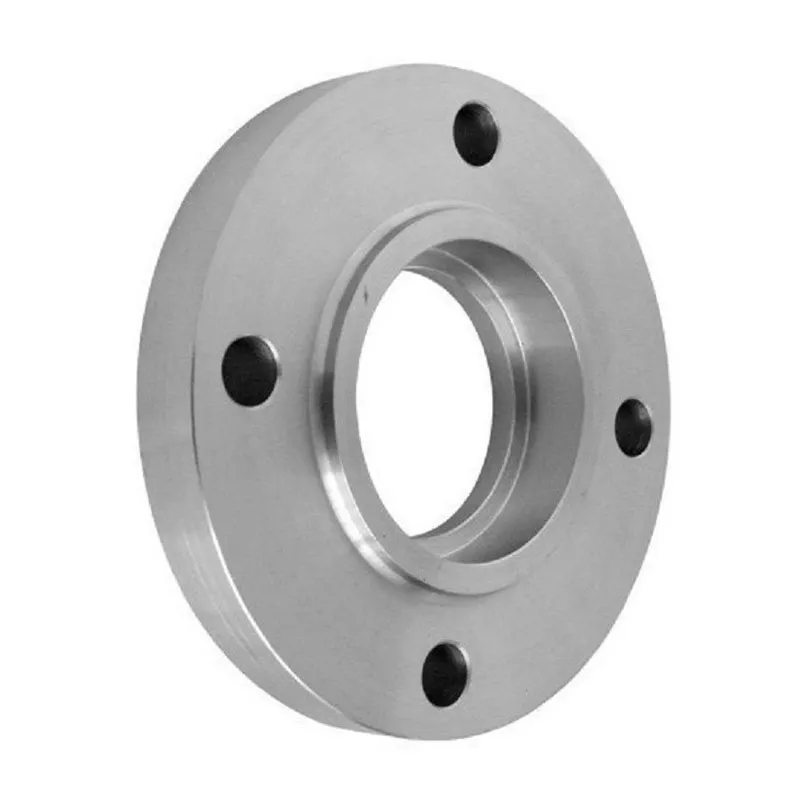 Socket Weld Flanges Class 300
 -
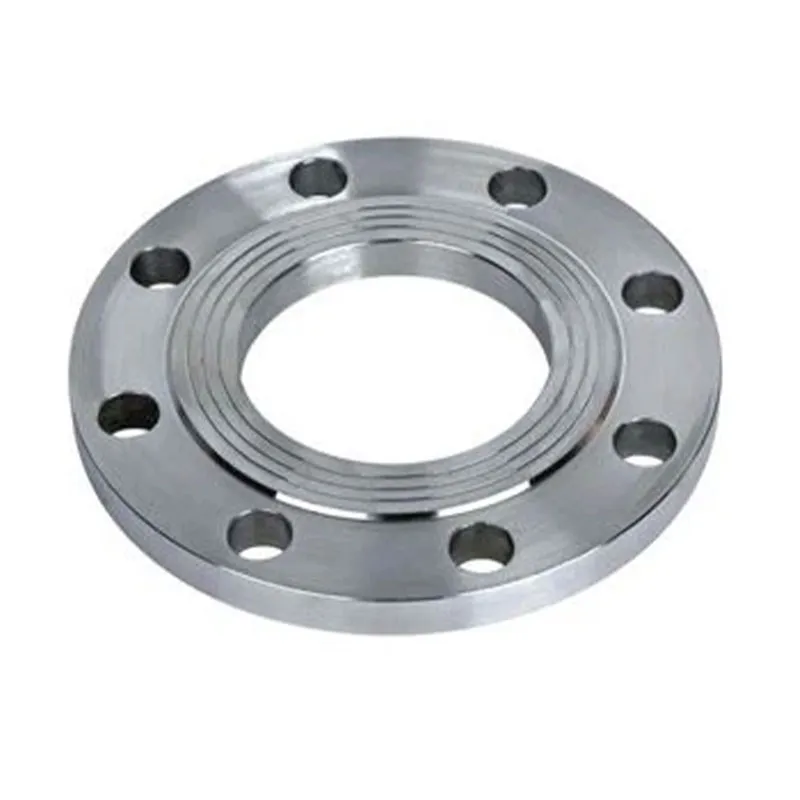 Butt weld flanges Class 150