
-
-
Phone
+86-13623462298



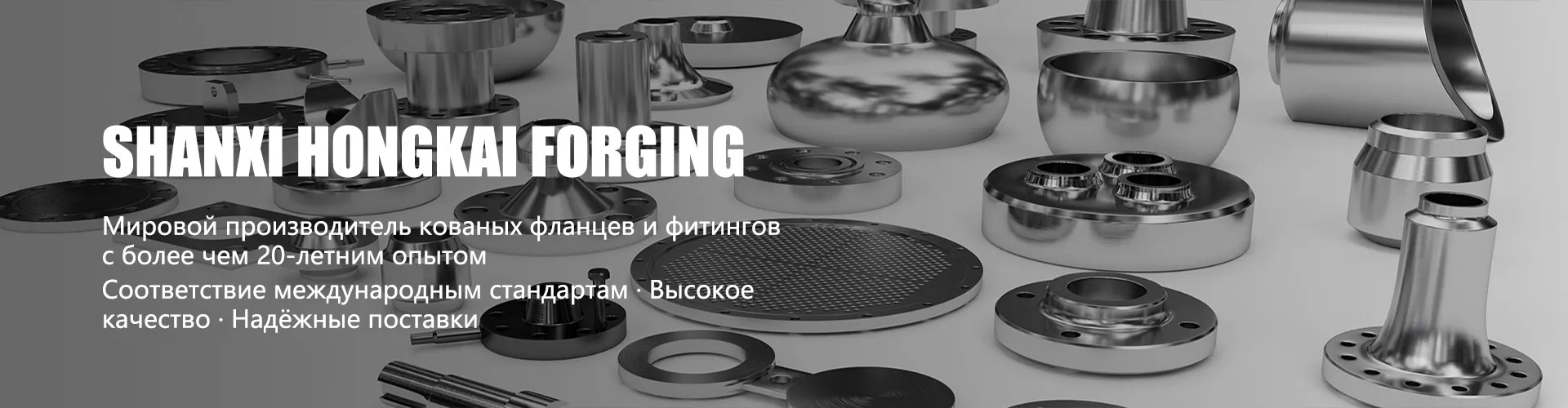
asme flanges class
When you hear 'ASME Class flanges', the first thing that comes to mind is pressure. But if you dig deeper, as happens in practice, you understand that Class is not just a number after the standard designation, but a whole story about materials, geometry and, critically, about the real behavior of the flange in the circuit under load. Many people, especially at the start, think that Class 150 is always the same, regardless of the manufacturer. Then you are faced with the fact that the flange from one factory fits perfectly, and from another - problems begin with the alignment of the holes for the studs, although there seem to be certificates. This is where the real understanding of the specification begins.
Let's understand the details: from numbers to metal
Take ASME B16.5 for example. Class 150, 300, 600 are not just about PSI rating. This is about the structural height, neck thickness, transition radii. There are no small details when working with pipelines for the energy or petrochemical industries. I remember a case where ASME B16.47 Series B Class 900 flanges were required for renovation work at one of the sites. The customer sent drawings indicating the material A105, but in fact the working fluid contained hydrogen sulfide. Without additional discussion and recalculation according to NACE MR0175, one could get into a big problem. A standard is a standard, but the environment dictates its own conditions.
That is why in our work we always request not only an ASME certificate of conformity, but also mechanical test and chemical analysis reports for each heat. This is especially true for supplies from abroad, where control may be formal. The company seemsShanxi Hongkai Forging Co.,Ltd(their website ishttps://www.hkflange.ru) positions itself as a manufacturer according to international standards, including ASME. From their description it is clear that they work with a range up to DN4000 and have an emphasis on forging. This is an important point—forged flanges, especially for high pressure classes (Class 600 and above), typically have better structural integrity than cast or cut sheet flanges.
But there is a nuance here. 'ASME Compliance' is not just about being able to manufacture. This is also a quality control system at all stages: from input raw materials to packaging. When you see in the specifications from such a manufacturer that they also make non-standard products according to drawings, this suggests flexibility. However, flexibility should not come at the expense of strict adherence to the basic parameters of the standard - thickness, dimensional tolerances, quality of the seal surface.
Experience from projects: where mistakes are most often made
One of the common mistakes when ordering is incorrect pairing of the pressure class with the temperature regime. ASME B16.5 gives tables giving each Class the maximum operating pressure at a specific temperature. Many engineers, in a hurry, look only at pressure at room temperature. And then, when the system reaches operating temperatures of 300-400°C, the design pressure drops, and the Class 150 flange may no longer be suitable. We have to urgently look for a replacement for Class 300. Such stories are all over the place.
Another point is the fasteners. The Class 600 flange is one thing, but the studs and nuts for it are a completely different story. They must comply with the same temperature and load conditions. You often see how a beautiful forged flange is installed on a site, but the fasteners are of unknown origin, without markings. This is a ticking time bomb. During pressure testing or thermal expansion, it may leak along the fasteners.
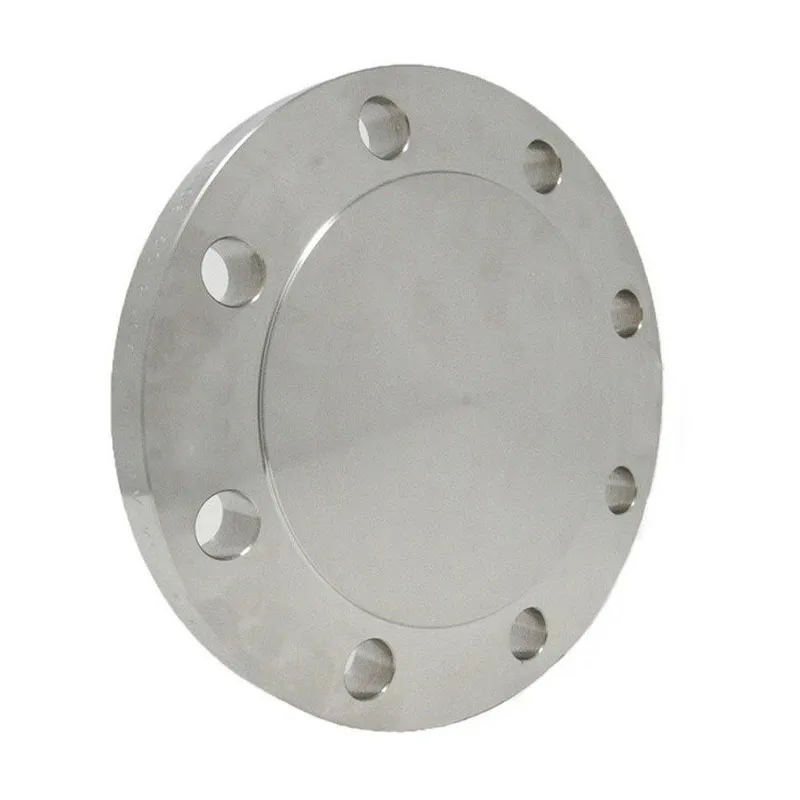
Working with suppliers like the one mentionedShanxi Hongkai Forging Co.,Ltd, which produces a full range from butt welds to loose and blind flanges, it is important to check whether they supply a complete mounting kit that is compliant with the same ASME. This saves a lot of time and reduces risks. Their website indicates compliance not only with ASME, but also GOST, EN, DIN. This suggests that they are probably accustomed to different customer requirements, which is a plus for the project executor.
Non-standard situations and adaptation
There are projects, especially modernization ones, where not just an ASME B16.5 flange is required, but something transitional. Let's say you need to connect a new pipeline according to ASME Class 300 with an old one according to GOST 33259. The geometry of the holes for the studs is different, the diameters of the circles are different. There are two ways: look for an adapter flange or order production according to an individual drawing. The first option often leads to an increase in the number of joints and potential leak points.
The second option is custom-made. This is where the manufacturer’s stated capability is important.Shanxi Hongkai Forging Co.,Ltd- 'non-standard products according to customer drawings'. But in this case, the responsibility of the design engineer increases sharply. It is necessary not only to combine two standards in a drawing, but to perform a strength calculation of such a hybrid, especially if the environment is aggressive or cyclic loads. I was involved in a project where such a transition flange was calculated using finite element analysis (FEA) to ensure that there were no stress risers.
At the same time, the manufacturer himself, if he is serious, should be ready to provide comments on the manufacturing technology specifically for this calculation. Will it be able to provide the required mechanical properties in the transition zone from one standard contour to another? How will the heat treatment of such an asymmetrical forging be carried out? These questions should be asked at the time of requesting a quote, not after the order has been placed.
Quality control: what to look for upon acceptance
Let's say ASME Class 600 flanges have arrived at the warehouse. The first thing we do is check the markings. The following must be clearly marked on the shank or on the outer surface: manufacturer's trademark, nominal size, pressure class, material (for example, A105 or F304), heat number or heat number. The absence of any of these marks is a red flag. Even if the certificates are ideal, the marking itself is the first sign of production culture.
Next - visual and measuring control. The sealing surface (working face of the flange and chamfer for welding) should be free of nicks, holes, and scale. Especially for high classes. We check the thickness and diameters with a caliper - they must be within the tolerances specified in ASME B16.5. Sometimes, especially with large-sized flanges (remember the range up to DN4000 from Hunkai), slight ellipticality is possible. But it must be within normal limits, otherwise butt welding will become a pain.
I highly recommend that, if the project is important, you selectively send flanges for your own testing to an accredited laboratory. Check impact strength (Charpy) at operating temperature, repeat chemical analysis. We did this for one batch of Class 1500 flanges for a compressor station. Everything was fine in the manufacturer’s certificate, but our analysis showed a slightly overestimated sulfur content, which was unacceptable for a particular environment. I had to return it. Trust, but verify.
Final thoughts: don't go cheap
The choice of ASME flanges of a particular Class is always a balance between cost, delivery time and reliability. The cheapest option from an unverified supplier can result in multiple costs for downtime, repairs and rework. The key is to find a manufacturer who doesn’t just churn out products, but understands their function in the system.
Studying offers on the market, such as fromShanxi Hongkai Forging Co.,Ltd, you see that they focus on forging and a wide range of standards. For a potential customer, this is a signal of opportunity. But opportunity is one thing, and consistent quality from batch to batch is another. Here it is important to request a reference list, if possible, communicate with the plant technologist, understand how they structure their non-destructive testing process (ultrasonic testing, magnetic particle testing).
After all, a flange is not just a piece of hardware. This is the element on which the tightness and safety of the entire circuit depends. And his class is not an abstraction, but a guide to action for the engineer, purchaser and installer. The approach must be systematic: from calculation and selection of material through production control to proper installation. Only then will the inscription 'ASME B16.5 Class 900' be not just an engraving on the metal, but a guarantee.
Correspondingproducts
Related Products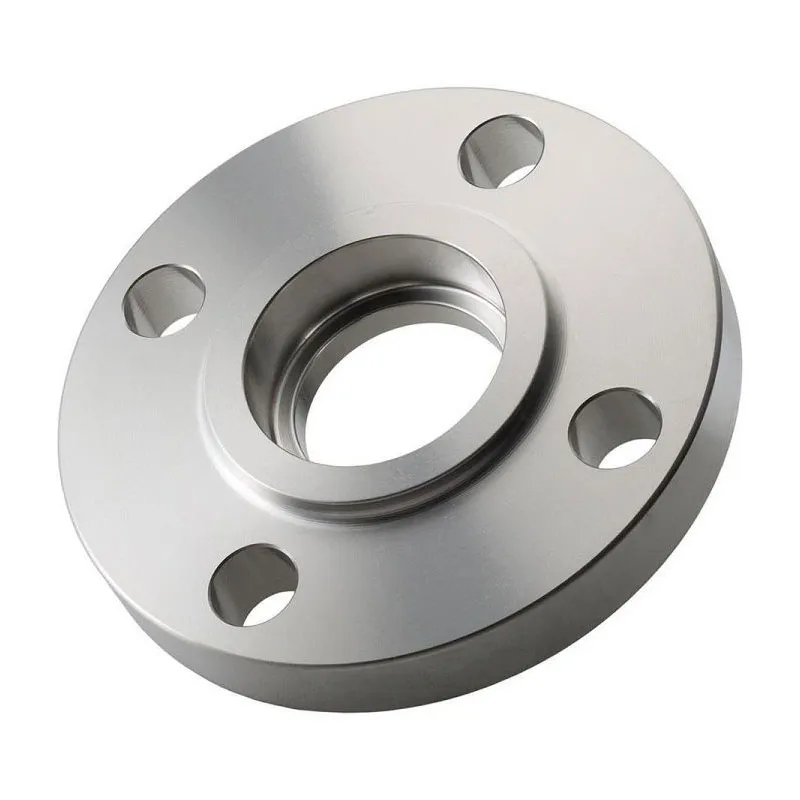
Best Sellingproducts
Best Selling Products-
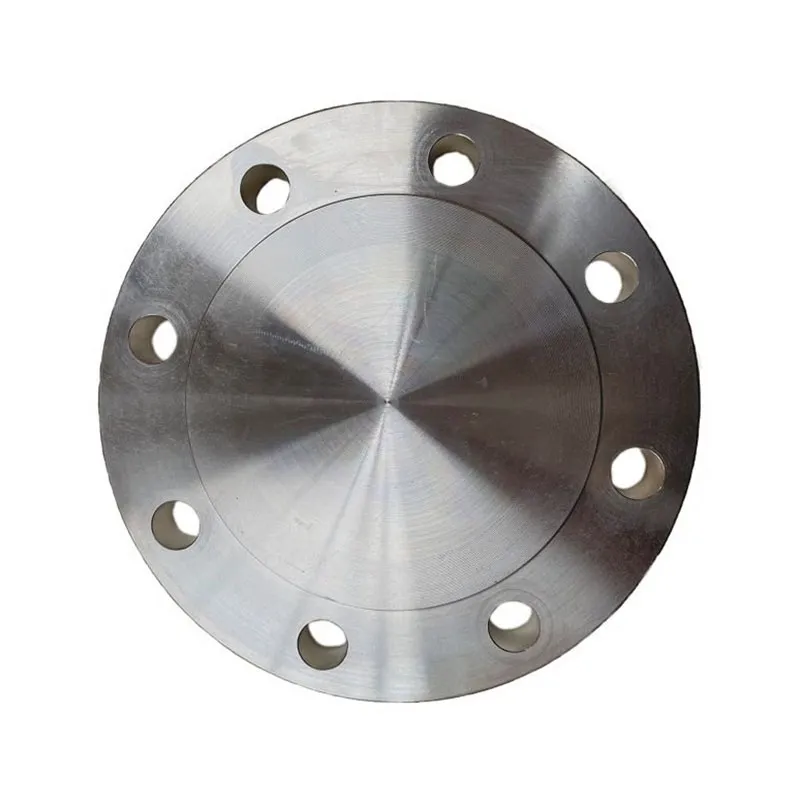 UNI 6092 Blind flanges PN10
 -
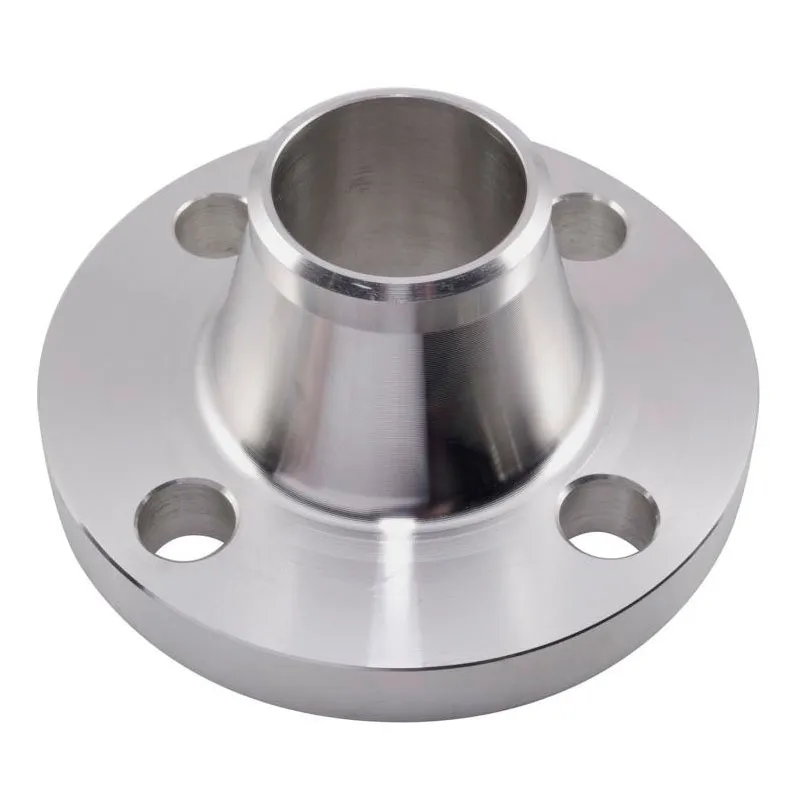 DIN Butt weld flanges PN10
 -
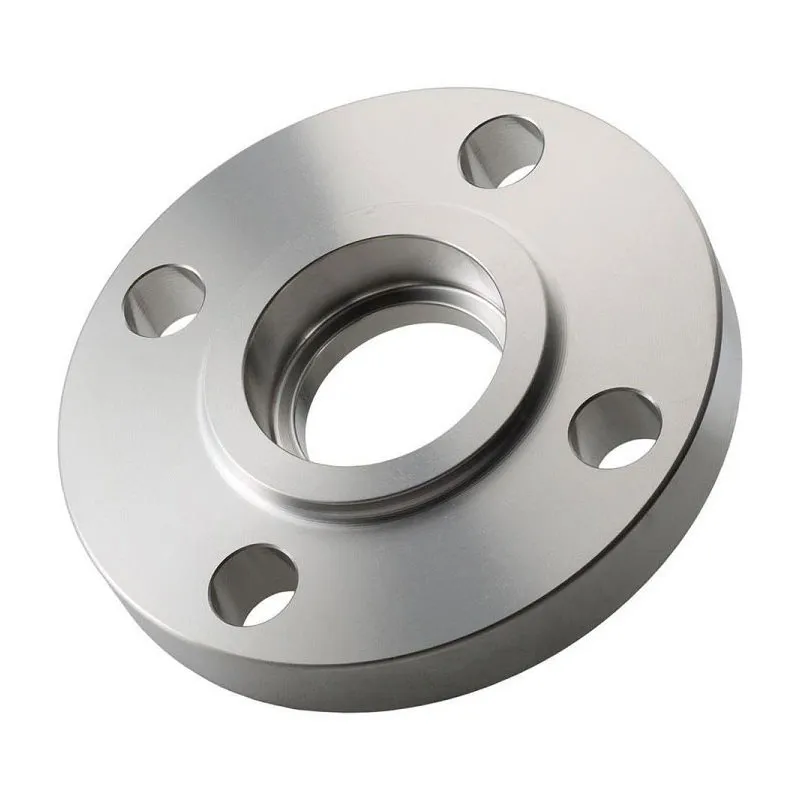 Flanges for socket welding
 -
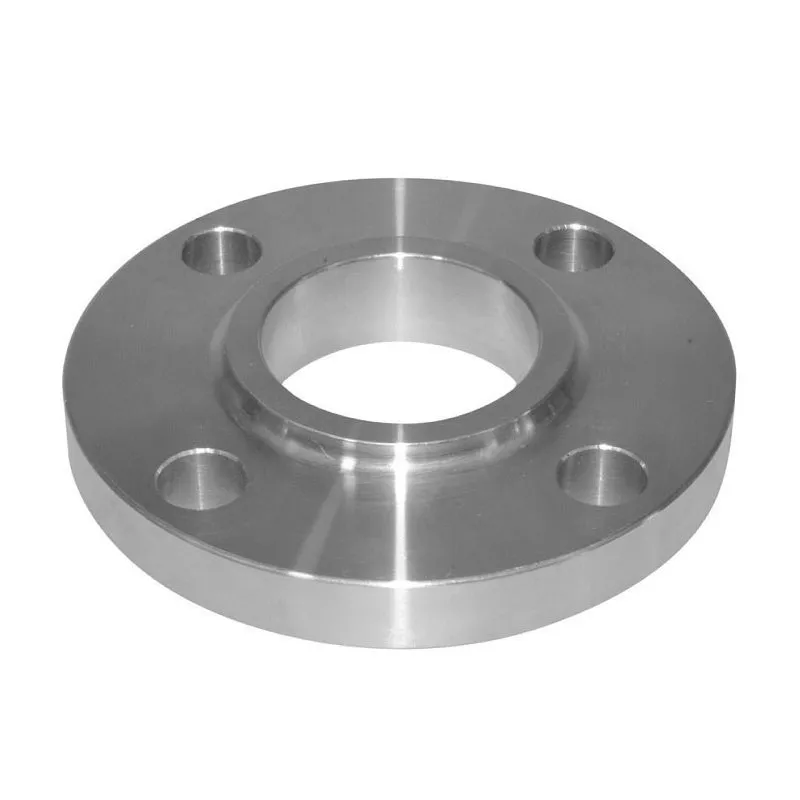 ANSI B16.5 Lap-on flanges Class 1500
 -
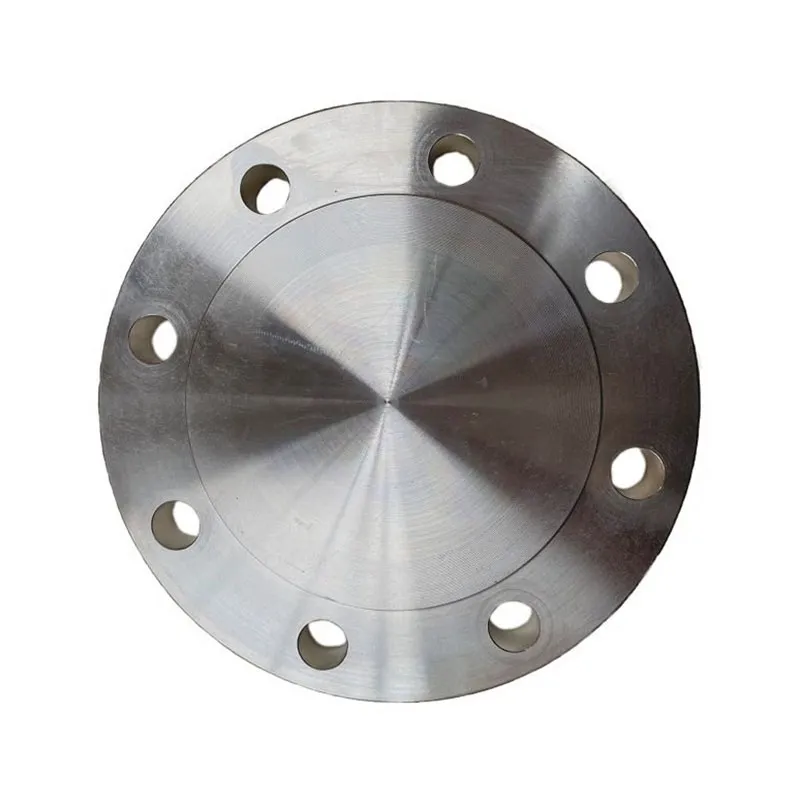 ASME B16.47 Ser.A Blind Flanges Class 400
 -
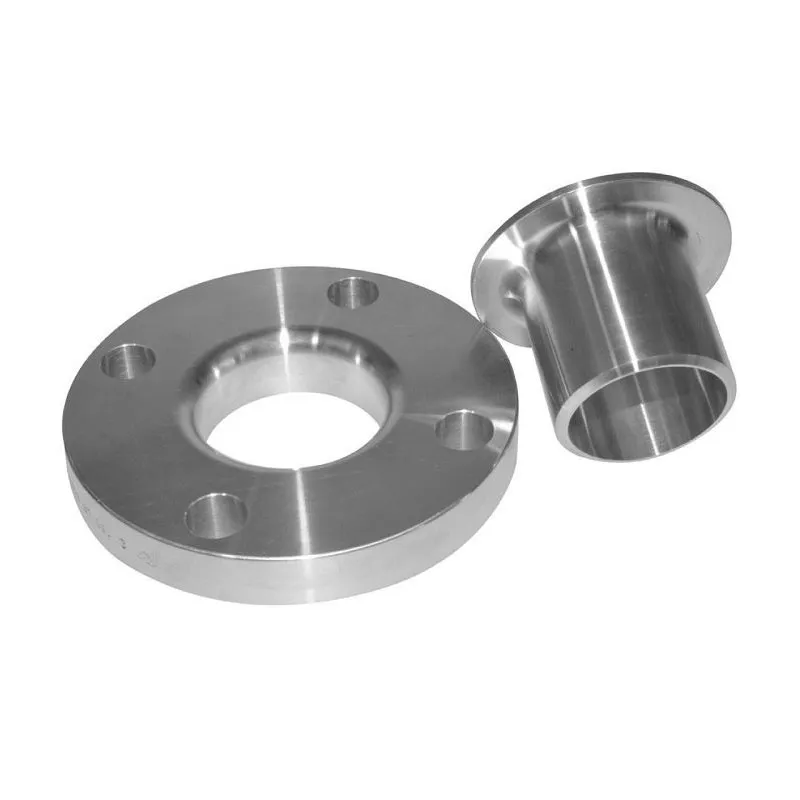 ANSI B16.5 Loose Ring Flanges Class 2500
 -
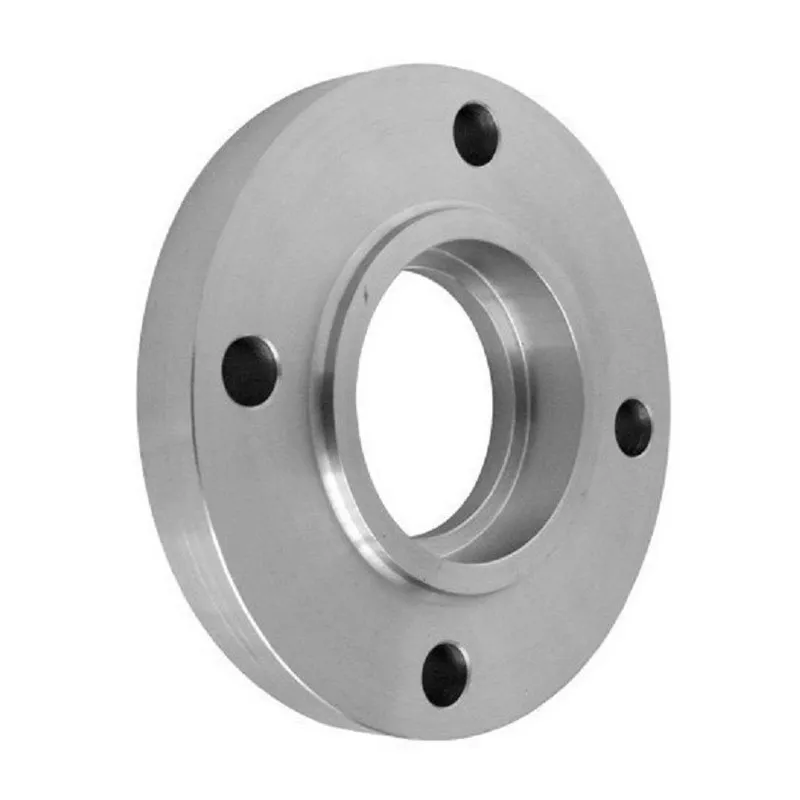 JIS 5K Socket Weld Flanges
 -
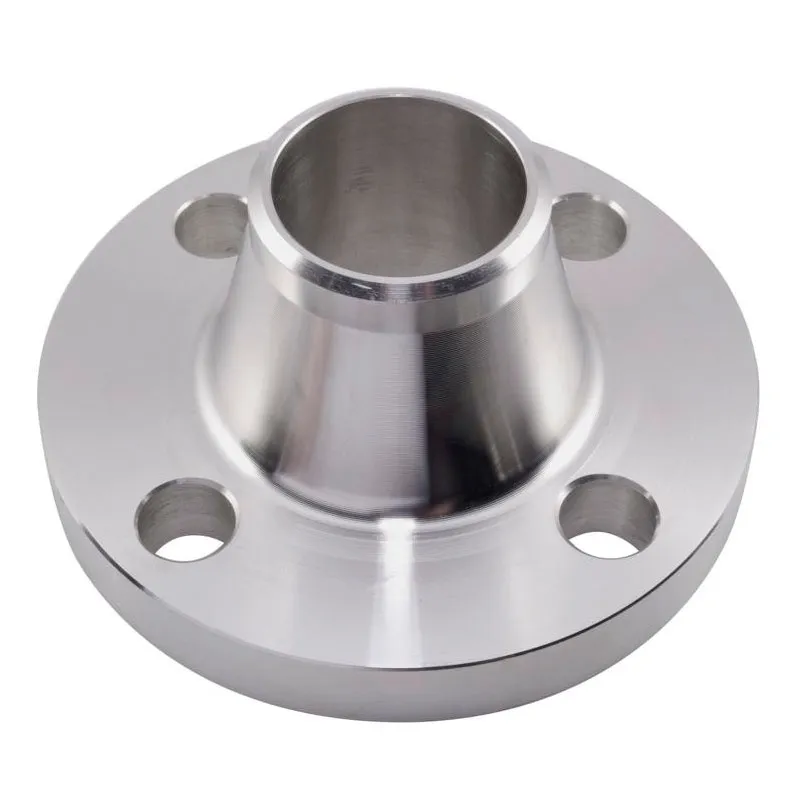 Butt weld flanges Class 900
 -
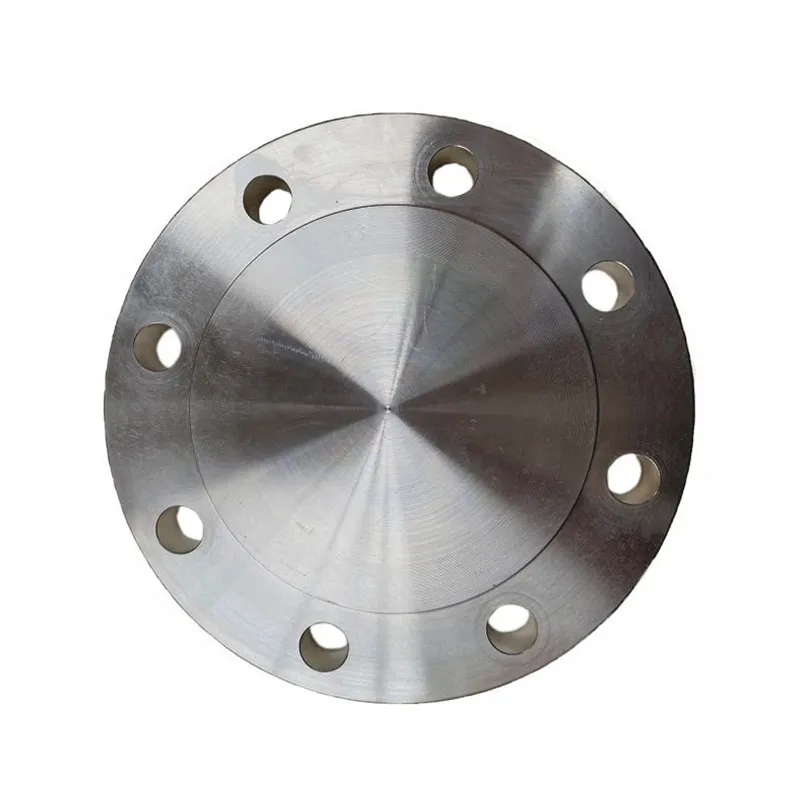 DIN 2527 Blind flanges PN10
 -
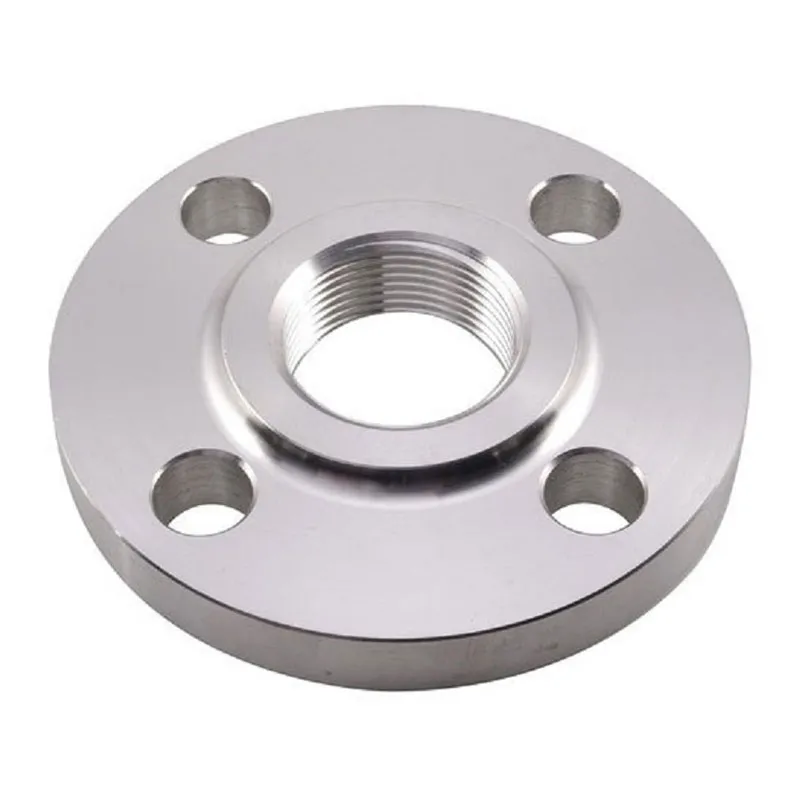
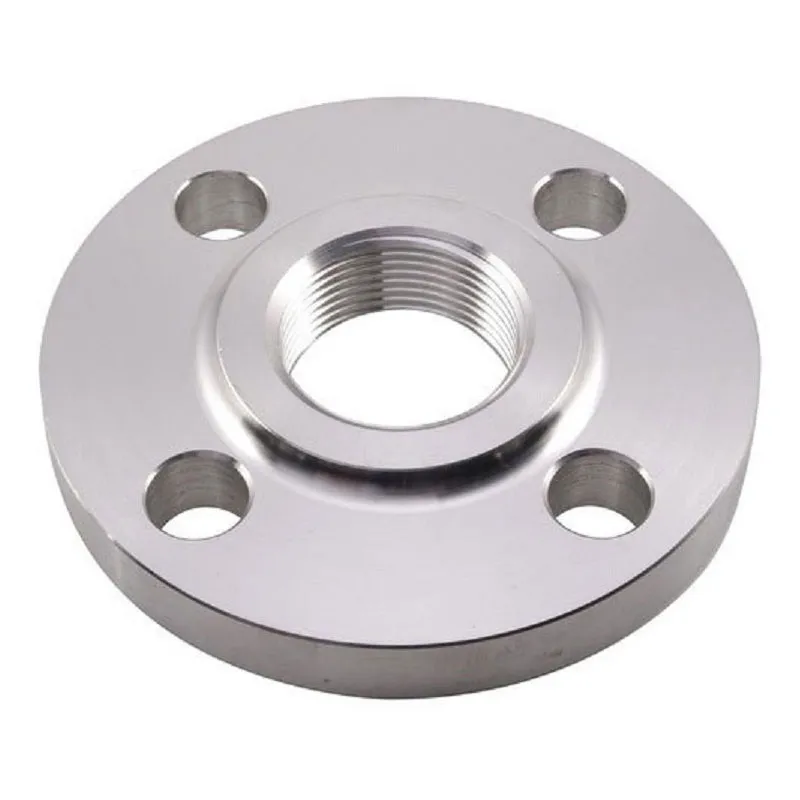 DIN 2565 Threaded flanges PN6
 -
 Free ring flanges Class 150
 -
 DIN 2566 Threaded flanges PN16