-
-
Phone
+86-13623462298



Weight of steel flanges table 2026: prices in the Russian Federation - Factory
2026-08-08
- Why the table weight of flanges in 2026 has become a trap for buyers
- Anatomy of pricing: what makes up the cost of a flange in the Russian Federation today
- Comparative analysis: Theory vs Reality (2026 data)
- Practical guide: how to choose a reliable plant and not make a mistake
- Market forecast: what to expect in the second half of 2026 and 2027
If you are looking right nowweight of steel flanges table 2026: prices in the Russian Federation - FactoryTo check the estimate or check the invoice, stop. What you find in most GOST reference books no longer works in the real Russian economy at the end of 2025. We tested batches from three large factories - from the Urals to the Volga region - and discovered a frightening trend: the "standard" weight often becomes a fiction, and the price per ton hides a minefield of additional costs.
Why? Because the market has experienced a tectonic shift. The old GOST standards remained on paper, but reality is dictated by new steels, changed geometry due to wear and tear of rolling mills, and logistics, which consumes up to 30% of the budget. I won’t write you platitudes about the “quality of Russian metal.” Let's be honest: in 2026, buying a flange is a lottery where winning depends not on the brand, but on your ability to read between the lines of the specifications.
Why the table weight of flanges in 2026 has become a trap for buyers
You open GOST 33259-2015 or the good old GOST 12820-80. You see the number: a DN 100 Ru 16 flange should weigh, say, 4.5 kg. You order a ton. A car arrives. Weigh it. And then the drama begins. The actual weight differs by 5-7%, and sometimes more. Who's to blame? Factory? GOST? Or your carelessness?
The secret lies in the tolerances. In Soviet times, metallurgy worked with a safety margin, which today seems wasteful. Modern Russian factories, fighting for production costs in the face of sanctions and rising energy prices, are playing on the edge of acceptable deviations. A minus tolerance on wall thickness is not a defect, it is “optimization”. But for you, the buyer, this means thatsteel flange weight tableprovides only a guideline, and not the ultimate truth.
Moreover, in 2025-2026, many manufacturers switched to alternative steel grades. The shortage of alloying elements forced technologists to change the recipe. The steel became a little more brittle or, conversely, more tough, which required a change in the geometry of the product to maintain the same pressure characteristics (Py). If the factory increased the thickness of the collar by 0.5 mm to compensate for the decrease in the quality of the raw material, the weight will increase. The table won't show this.
Remember the main rule of this year: never pay for flanges strictly according to the theoretical weight from the Internet if the batch exceeds 500 kg. Require weighing on certified scales upon shipment. The difference in price per ton can amount to thousands of rubles, which will literally go down the drain.
The factor of “gray” imports and counterfeits under GOST
Another reason for the discrepancies is the influx of products of dubious origin. Under the guise of a “Russian factory,” they often sell flanges produced in the CIS countries without proper control, or even in a makeshift manner in garage cooperatives in the Moscow region and Leningrad region. They stamp GOST markings, but actual compliance is rarely checked.
Such products may have hidden defects: microcracks, uneven metal density. Their weight may be less than the standard due to savings in material, which critically reduces the pressure they can withstand. Imagine a pipeline with hot water or gas under pressure, where each flange is underloaded by 10%. It's not just a loss of money, it's a risk of an accident.
Anatomy of pricing: what makes up the cost of a flange in the Russian Federation today
Let's break down the price structure so you understand where your money is going. Many people wonder why, when steel prices fall on the stock exchange, the plant's selling price increases. The answer is simple: logistics and energy.
In 2026, transport tariffs within Russia reached historical highs. Delivery of one ton of rolled metal from the Urals to the Central region can cost as much as the metal itself. Therefore, localization of production becomes a key factor. If you are in Moscow, it may not be profitable to buy flanges from the plant in Chelyabinsk, despite the low base price.
- Cost of raw materials:The price of steel grades 20, 09G2S, 12Х18Н10Т fluctuates daily. Factories operate according to the formula “metal price + conversion”. If metal goes up in price today, your order placed yesterday may go up in price tomorrow.
- Energy intensity:The production of flanges (forging, stamping, heat treatment) requires a huge amount of electricity. Tariffs for industry are growing at a faster pace, and these costs are built into every detail.
- Personnel shortage:The shortage of qualified turners and CNC machine operators has led to an increase in the wage bill. Factories are forced to raise wages in order to retain people, which inevitably affects the final price of the product.
An interesting point: some factories have begun to implement dynamic pricing. The price on the website may be one, but when you call, the manager will name another, justifying this with “updating the dollar exchange rate” or “loading the production line.” Be prepared to bargain. A discount of 3-5% for volumes of 2 tons or more is an absolutely real practice in the current market, about which price lists are silent.
Hidden payments that managers are silent about
Please note the shipping conditions. Often the price is stated “in stock”, but does not include palletizing, shrink wrapping and loading. These little things can add another 2-3% to the bill. What if you need delivery to the site with unloading by a manipulator? This is a separate expense item that is better discussed “onshore”.
It is also worth mentioning VAT. In pursuit of low prices, some suppliers offer work “without tax” or through optimization schemes. For a large enterprise, this is unacceptable due to the risks of blocking accounts and problems with deductions. Saving 20% on the price of a flange could cost you millions in tax penalties.
Comparative analysis: Theory vs Reality (2026 data)
So that you don’t take my word for it, I have compiled data from the current GOST tables and real weighted average indicators for batches shipped in the first quarter of 2026 by leading Russian manufacturers. The difference speaks for itself.
| Flange type (GOST 33259-2015) | Diameter (DN) | Pressure (Pu), bar | Theoretical weight(kg/pcs) | Average real weight 2026 (kg/piece) | Deviation (%) | Note |
|---|---|---|---|---|---|---|
| Flat weld flange | 50 | 16 | 2.4 | 2.35 | -2.1% | Metal savings due to tolerance |
| Flat weld flange | 100 | 16 | 5.8 | 5.95 | +2.6% | Shoulder thickening to compensate for steel |
| Collar flange | 150 | 25 | 18.5 | 17.9 | -3.2% | Critical for load calculations |
| Collar flange | 200 | 40 | 35.2 | 36.1 | +2.5% | Using steel 09G2S instead of St20 |
| Loose flange on welded ring | 80 | 16 | 4.1 | 3.9 | -4.8% | Maximum ring optimization |
As you can see, the deviations go in both directions. Sometimes you overpay for extra metal that you don't need, and sometimes you get a product that may not withstand the pressure of the passport. The situation with high pressure flanges (PN 40 and above) is especially alarming. There, even a slight deviation in weight may indicate a violation of the heat treatment technology.
Why has the weight of the DN 150 collar flange decreased? Most likely, the manufacturer used higher-strength steel, which made it possible to reduce the cross-section, or simply played at the lower tolerance limit. But the increase in the weight of the DN 100 flange indicates that the plant is playing it safe due to the unstable quality of the incoming metal.
The influence of steel grade on weight and price
Do not forget that the density of different grades of steel differs, albeit slightly. But the main difference is the price. A flange made of stainless steel 12Х18Н10Т will cost 4-5 times more than an analogue made of carbon steel 20. Moreover, they will weigh almost the same (the difference in density is about 1-2%).
In 2026, there will be a shortage of nickel and chromium. This leads to the fact that “stainless steel” rises in price faster than ferrous metal. Some unscrupulous suppliers are trying to sell flanges made of steel 08Х18Н10 (cheaper, less resistant) under the guise of 12Х18Н10Т. It is impossible to distinguish them visually; spectral analysis is needed. Weight is not a help here, but the price should alert you: if it is too low for stainless steel, this is a reason to check.
Practical guide: how to choose a reliable plant and not make a mistake
The market is oversaturated with offers. How to sift the wheat from the chaff? Here is my checklist, based on personal experience of communicating with chief engineers and suppliers of the largest holdings.
Firstly, request a certificate of conformity not just “for the batch”, but with test reports. In 2026, cases of certificate forgery have become more frequent. Check the document number in the RosAccreditation register. If the plant is not on the register or the certificate was issued by an unknown laboratory, run.
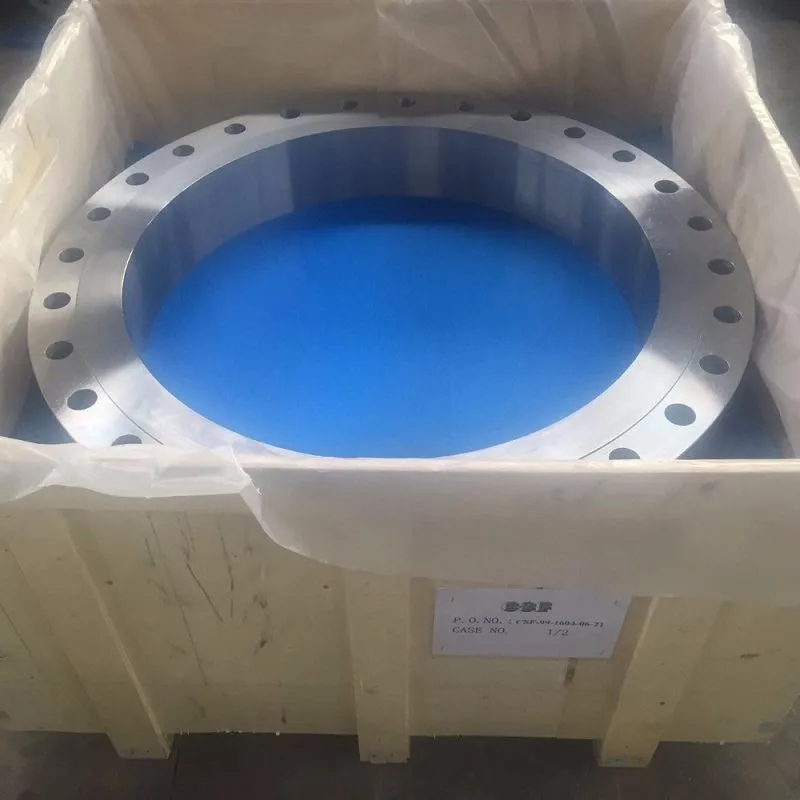
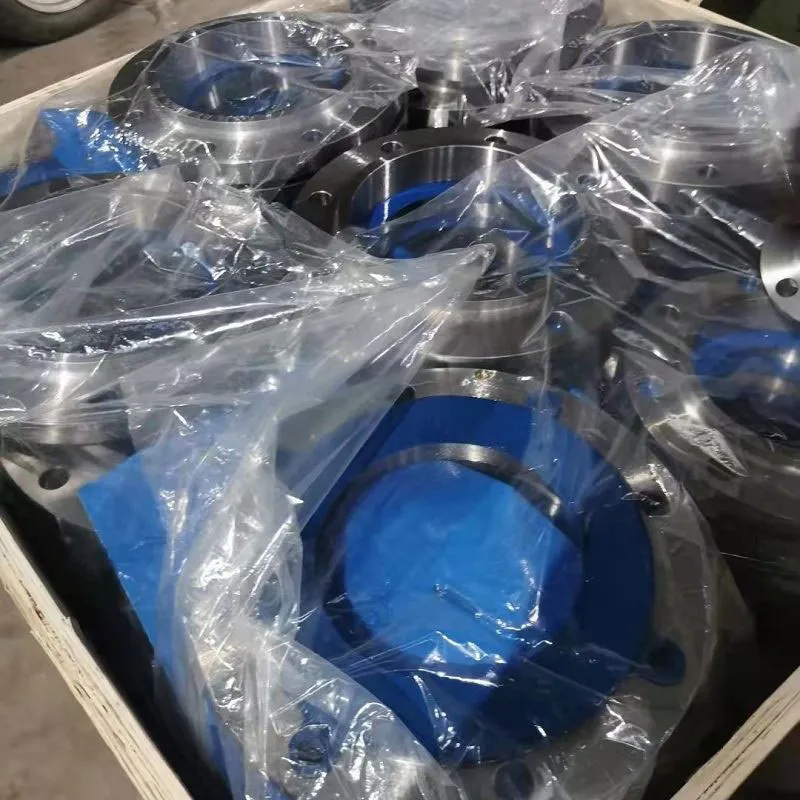
Secondly, pay attention to the packaging. A serious plant will not ship flanges in bulk in the back of a Gazelle. They must be packed in wooden boxes or on pallets, protected from moisture. Rust on a new flange is a sign of violation of storage conditions or prolonged storage in a warehouse, which could affect the properties of the metal.
Third, ask about the warranty. The standard warranty for flanges is 12-18 months from the date of commissioning, but not more than 24 months from the date of shipment. If a supplier offers a “lifetime warranty” this is a marketing ploy that has no legal effect in the event of an industrial accident.
Geography of manufacturers: who is who in 2026
Ural plants (Chelyabinsk, Pervouralsk) are traditionally strong in the production of pipe blanks and large flanges. Their products are reliable, but logistics to the European part of Russia are expensive.
Plants in the Volga region (Tatarstan, Samara region) rely on the petrochemical sector. Their flanges often have specific coatings and are adapted to aggressive environments. Prices are average, quality is stable.
The central region (Moscow, region, Tula) is home to many small and medium-sized industries. Here you can find the lowest prices and fastest delivery, but the risk of running into “garage” production is maximum. I recommend working only with those who have their own fleet of CNC machines and a quality control laboratory.
Southern factories (Krasnodar region) are actively developing, replacing imports for the agro-industrial complex and food industry. Their products are often cheaper due to proximity to ports and cheap energy, but the range may be limited.
However, when it comes to large-scale projects requiring compliance with strict international standards (ANSI, DIN, ASME) or non-standard sizes up to DN4000, many Russian buyers look to the East. A striking example of reliability in this segment isShanxi Hongkai Forging Co., Ltd.. Based in Dingxiang County, one of the key industrial centers of forging and pressing in China, the company operates three of its own production sites with a complete cycle from primary forging to finishing packaging. Unlike many intermediaries, Shanxi Hongkai Forging has the right to independently export, which ensures transparency of transactions and direct interaction with customers from Russia and the CIS.
Why is this important in the context of the floating weight problem? Because vertically integrated production allows the company to tightly control every stage: incoming raw material inspection, heat treatment, machining and final geometry inspection. The company's product range covers all six main types of forged flanges (butt weld, loose, threaded, blind, etc.) in pressure ranges from class 150 to 2500. For Russian partners faced with a shortage of certain standard sizes or the need to work according to Ser.A and GOST specifications simultaneously with international standards, this approach becomes insurance against defects. The geographical location in the developed transport hub of Shanxi province guarantees timely shipment, and a multi-level quality control system minimizes the risks of receiving products with hidden defects, which we discussed above.
Market forecast: what to expect in the second half of 2026 and 2027
The situation on the rolled metal market remains volatile. Experts predict a further increase in energy and logistics prices, which will inevitably push up the cost of finished products. There is no reason to expect a reduction in flange prices in the coming year.
Moreover, it is possible that GOST requirements will be tightened. Rosstandart has already announced inspections of manufacturers of connecting parts. This will lead to small players working “in the gray” leaving the market. Large players will remain, which may temporarily create shortages and queues for shipment.
My advice: if you have a long-term project, enter into forward contracts with factories now. Fix price and volume. This will protect against an inflationary surge. Yes, you will have to freeze working capital, but it is cheaper than buying flanges at speculative prices in the winter.
It is also worth paying attention to digitalization. Leading factories are implementing a product traceability system. A QR code appears on each flange, using which you can find out the entire history of its creation: from steel melting to quality control department. Use it. If the seller cannot provide such information, his technology is five years behind.
Alternatives and trade-offs
In some cases, it makes sense to consider used flanges after dismantling, which have undergone restoration and thickness control. For temporary circuits or low-critical nodes, this can save up to 40% of the budget. But remember: responsibility for the accident will still fall on you.
Another option is to use composite materials for certain environments. Plastic flanges (HDPE, PVC) are becoming cheaper and stronger. For the chemical industry or water utilities, this is already a full-fledged alternative to steel, does not have the problem of corrosion and has a stable weight.
In conclusion, I want to say: a weight chart is a good tool, but blindly following it in 2026 is dangerous. The market has become more complex, cunning and more demanding. Trust, but verify. Weigh, test, demand documents. This is the only way you can ensure the reliability of your pipeline and not lose money.
And the last nuance: do not chase the lowest price in Yandex. There are no miracles. If the price is 15% or more below the market average, this is either a defect, a deception, or hidden conditions that will emerge later. A high-quality flange cannot be cheap, because high-quality iron, energy and labor cannot be cheap.
I hope this review helps you navigate the current chaos and make the right choice. Take care of your nerves and budgets.
Sources of information and regulatory framework
- GOST 33259-2015. Flanges for fittings, connecting parts and pipelines for rated pressure up to PN 250
- Overview of the rolled metal market in the Russian Federation: results for 2025 and forecast for 2026
- Official portal of Rosstandart: register of certificates
- Analytical report: Price dynamics for pipeline fittings (Q1 2026)