-
-
Phone
+86-13623462298




Insulating flange connection (IFS): what it is, what it consists of and how the price is calculated
2026-02-06
Insulating flange connection (IFS): what is it and how is the cost calculated
An insulating flange connection (IFJ) is used in pipeline systems for electrical insulation of individual sections of the pipeline and protection against electrochemical corrosion. Such connections are widely used in the oil and gas industry, energy and utility networks.
When choosing equipment and drawing up estimates, it is important to understand that an insulating flange connection is a complex unit, the cost of which depends on several factors.
What is an insulating flange connection
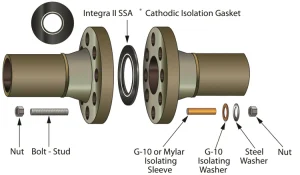
The insulating flange connection consists of:
-
two flanges;
-
dielectric gasket;
-
insulating bushings;
-
insulating washers;
-
fastening kit.
The main task of the connection is to ensure the tightness of the pipeline while maintaining electrical insulation.
What is the price of an insulating flange connection?
The cost of the IFS is formed by the following elements:
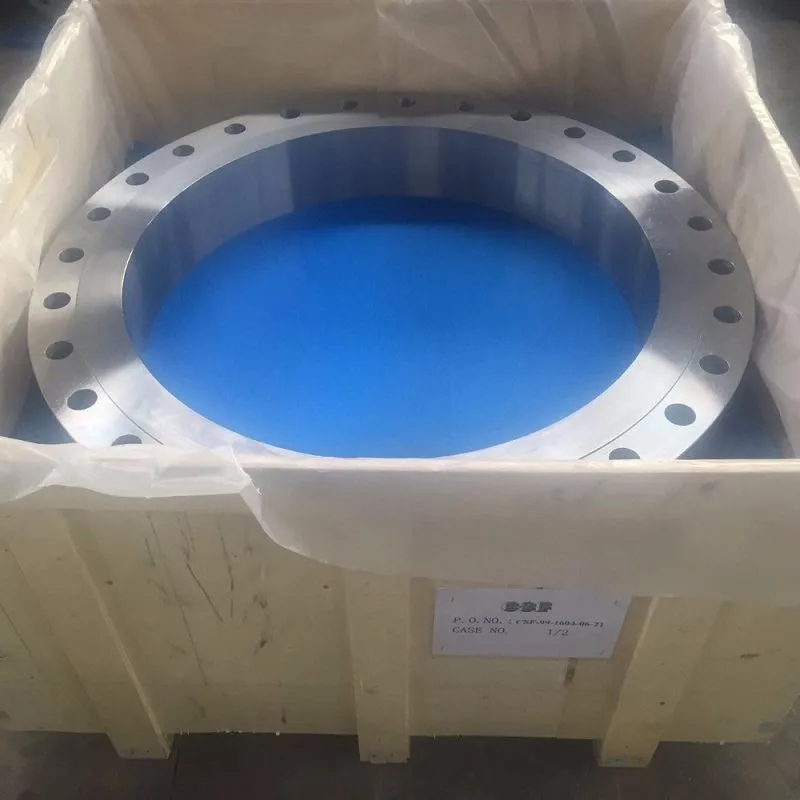
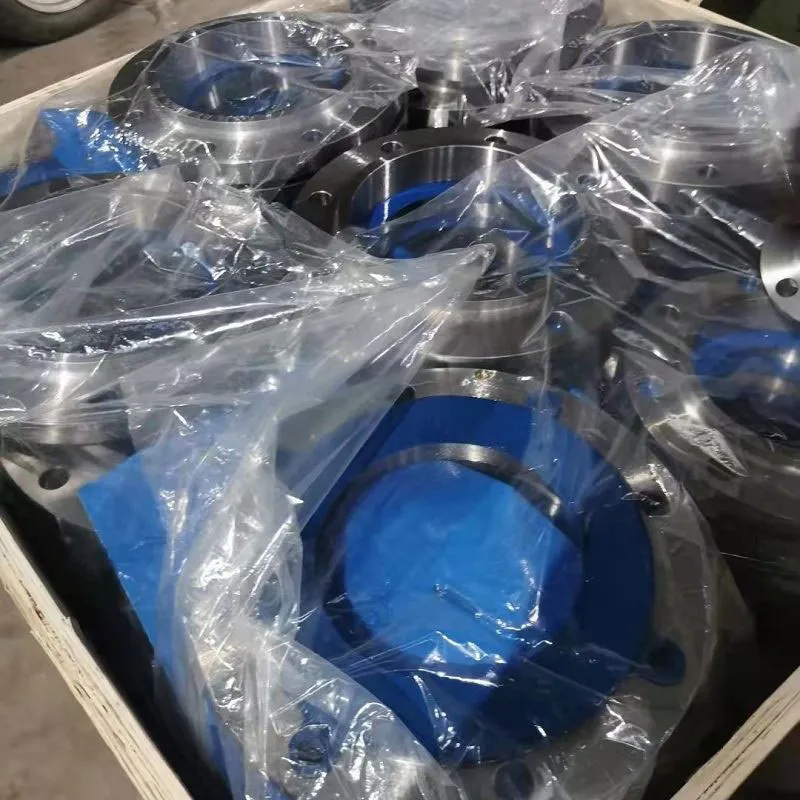
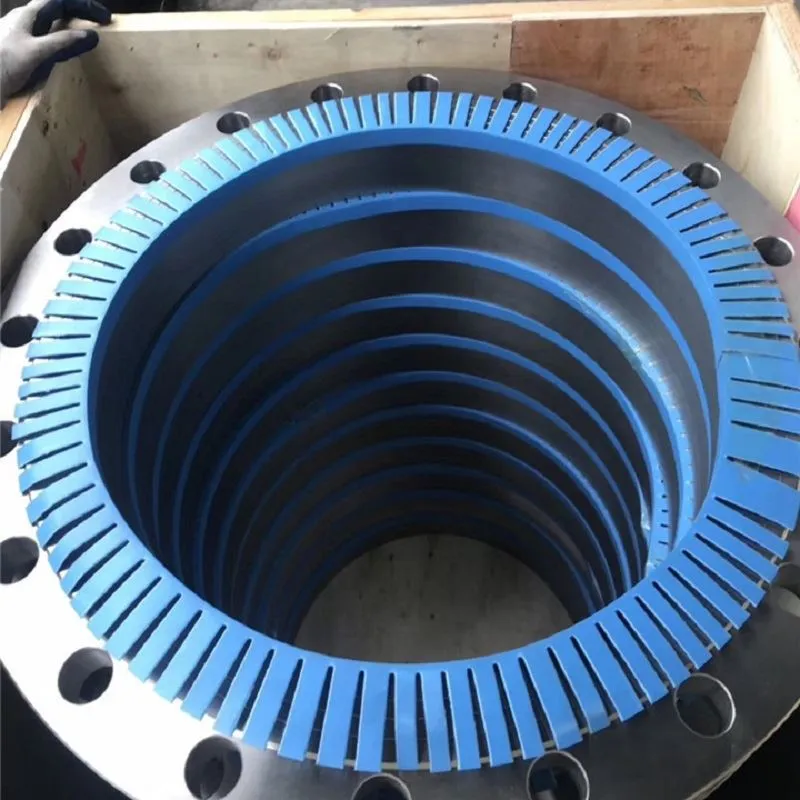
Flanges.The price depends on the diameter, pressure class, material (A105, F304, F316L) and quality control requirements. For insulating connections, the quality of forging and the precision of processing of the sealing surfaces are especially important.
Insulation kit.The gasket material is selected depending on the operating environment. For standard conditions, paronite is used, for aggressive environments - PTFE or specialized composite materials.
FastenersDue to the increased thickness of the insulating gasket, increased tightening torque is required, which often leads to the use of bolts of a higher strength class.
Installation and testing.Installation includes preparing surfaces, checking alignment, tightening fasteners according to the established pattern and checking insulation resistance after installation.
Requirements for flanges for insulating connections
In an insulating connection, the flanges are the load-bearing element. Poor geometry or forging defects can cause the gasket to compress unevenly and reduce sealing performance. Therefore, industrial projects typically use forged flanges manufactured to ASME, EN or GOST standards.
Conclusion
An insulating flange connection is an engineering unit, the cost of which depends on the diameter, pressure, operating conditions and quality of components. The correct choice of flanges and insulating materials ensures the longevity of the pipeline and reduces operational risks.