-
-
Phone
+86-13623462298



Common mistakes when choosing flanges and how to avoid them in an industrial project
2026-02-09
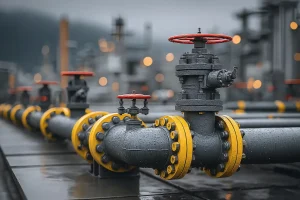
Flange connections are widely used in pipeline systems in the oil and gas, chemical and energy industries. However, in practice, most problems with pipeline leaks and damage are not related to the quality of the flange, but to errors in its selection or application.
Let's look at the most common mistakes and ways to prevent them.
Mistake #1: Wrong choice of flange type
One of the most common problems is using the wrong type of flange. For example, flat weld flanges are sometimes installed in high pressure systems where weld neck flanges must be used.
This leads to increased stress on the weld and reduced service life of the joint.
Before choosing, you need to consider:
-
working pressure
-
ambient temperature
-
vibration loads
-
operating conditions
Mistake No. 2: material does not match the working environment
The flange material must be suitable for the transported medium. Using carbon steel in a hostile or corrosive environment can result in accelerated wear and leakage.
For example:
-
For corrosive environments, stainless steels are more often used
-
for high temperatures - alloy steels
-
for standard conditions - A105
Mistake #3: ignoring standards and tolerances
Failure to comply with ANSI, DIN or GOST standards may cause installation problems. Even small variations in hole thickness or diameter may result in inability to assemble on site.
Therefore, it is important to choose a manufacturer that strictly adheres to international standards.
Mistake #4: Wrong choice of gasket and bolts
Even a high-quality flange will not provide a tight seal without a properly selected gasket and fasteners. The type of gasket must be appropriate for the pressure, temperature and flange surface type.
Mistake #5: Selecting a supplier based only on price
The most common mistake is choosing a supplier solely based on the minimum price. Low cost often means lack of full quality control or the use of raw materials with unstable characteristics.
In the long term, this leads to additional repair costs and production shutdowns.
Conclusion
Choosing the right flanges is a combination of technical requirements, manufacturing quality and supplier experience. Taking these factors into account allows you to avoid leaks, emergency stops and additional costs during operation.