-
-
Phone
+86-13623462298



Buy SI 50F insulating connection: price 2026 – Factory
2026-08-08
- Why exactly SI 50F became a stumbling block for designers in 2026
- Price analysis: how much does a high-quality SI 50F really cost in 2026
- Geography of production: which plant to choose?
- Installation and operation problems: a view from the trenches
- Comparison table: what to look for when choosing
- Market prospects and hidden threats 2026-2027
- Final summary: how not to make a mistake when ordering
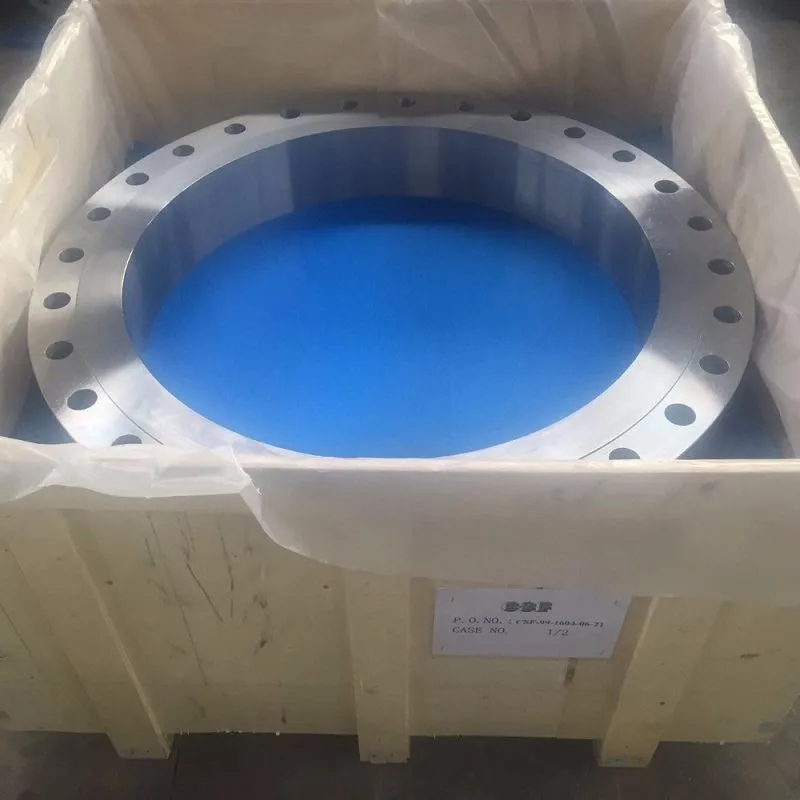
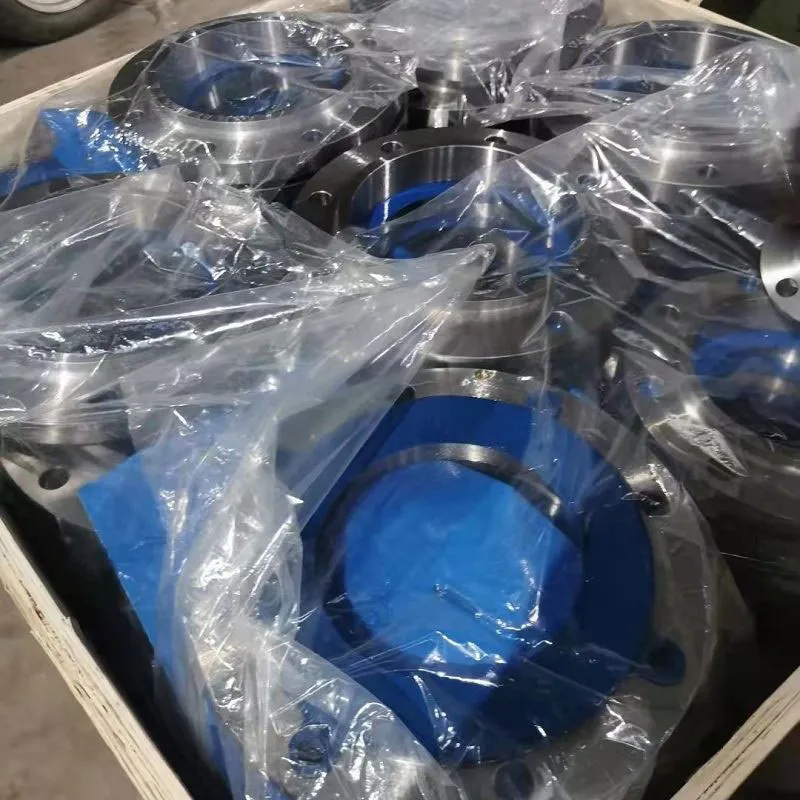
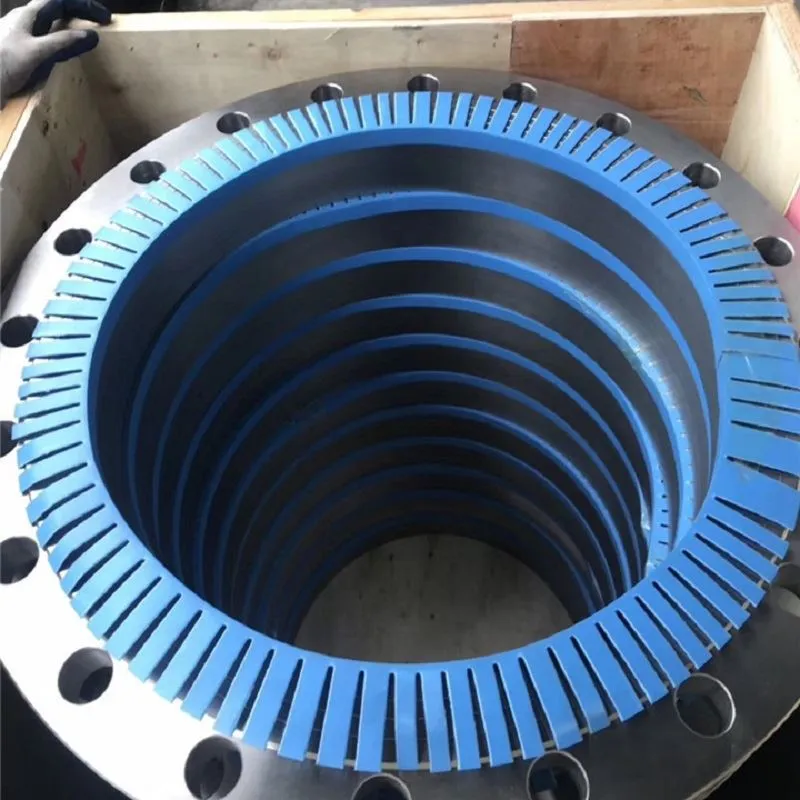
If you are looking for wherebuy SI 50F insulating connectionat an adequate price in 2026 directly from the factory, then get ready: the market has changed beyond recognition. A couple of years ago the choice was simple - a German brand or a Chinese equivalent. Today, standing in front of a rack with pipeline fittings in any large warehouse from Krasnodar to Vladivostok, an engineer is faced with a dilemma that he had never even thought about before. It's not just about buying a flange. It's about whether it will hold upsi 50f insulating permanent flange connectionthe real loads of our winters and pressure surges in worn-out networks, or it will turn into an expensive headache after six months of operation.
Let's be honest. Most articles on the Internet are written by copywriters who have never held a ratchet wrench in their hands. They write about “high quality” and “durability”. I, who worked for ten years in the field of industrial safety and am now observing the transformation of the Russian market of shut-off valves, see a much more motley picture. In 2026, the price for SI 50F ceased to be just a number in the estimate. It has become an indicator of how deeply a manufacturer is willing to dive into the problems of corrosion and stray currents.
Why exactly SI 50F became a stumbling block for designers in 2026
It would seem that what could be difficult about an insulating connection? Metal, dielectric gasket, fasteners. But the devil, as always, is in the execution details. Model 50F is designed for pipes with a diameter of 50 millimeters. This is not a high-pressure main, it is often branches, input into a building, connection of gas equipment or water metering units. This is where the most unpleasant accidents occur.
Why? Because on small diameters, installation errors are less often forgiven. I overtightened the bolt and crushed the insulating sleeve. Didn't do it enough and got a whistling leak. And if we add here the fact that in 2025-2026 the supply chain for raw materials for dielectrics has undergone major changes, the picture becomes alarming.
Many factories, trying to replace outdated European components, began experimenting with polymers. And this is where the fun begins. Externallysi 50f insulating permanent flange connectionlooks identical to what was installed five years ago. The same gray cast iron or steel, the same bolts. But start digging deeper.
I personally saw test reports where new batches of connections at a temperature of minus 40 degrees (standard winter for Siberia or the Urals) showed the fragility of the insulating element. This is not a marketing ploy, this is the physics of materials. If the manufacturer skimped on modifiers for rubber or fluoroplastic, your assembly will turn into glass at the first serious frost.
Therefore, when you see a tempting offer to “buy SI 50F” at a price 20% lower than the market price, ask yourself: are you ready to risk the tightness of the entire circuit in order to save three thousand rubles? In the context of 2026, where logistics burdens have grown and quality control in some new production facilities has not yet been established, this question sounds rhetorical.
Technical nuances that catalogs are silent about
Pay attention to the markings. A real permanent connection must have the manufacturer's mark, the date of issue and, what is critically important, a certificate of compliance with current GOSTs or specifications. The problem is that some “factories” today are simply assembly shops that buy components from third parties. They do not control the chemical composition of the hull steel.
For the 50F model this is critical. The diameter is small, the wall thickness is also small. If the steel has a high sulfur or phosphorus content (which happens when using low-quality scrap), then over time the body will begin to corrode from the inside, even if the outer coating is perfect. The insulating connection is designed to protect the pipeline from electrochemical corrosion, but what will protect the connection itself?
This year we are seeing a trend towards a return to Soviet metal quality standards, but using modern coating technologies. This is a good sign. Plants that invest in their own steelmaking capacity or tightly control incoming metal survive. The rest are dumping, selling potential problems.
Price analysis: how much does a high-quality SI 50F really cost in 2026
Let's move on to the most painful part - money. The market has stabilized after the shocks of previous years, but prices are still dependent on many factors. If you are looking for wherebuy SI 50F insulating connection, you will see a price range from 1500 to 6000 rubles per unit. Why is there such a difference? Is the difference only in the brand?
No. The difference is in design and materials. Cheap options (up to 2000 rubles) most often use a regular paronite gasket and standard bolts without special head insulation. This is an “economy class”, which is suitable only for temporary schemes or systems with low responsibility.
The middle segment (2500–4000 rubles) already offers full protection: fluoroplastic bushings for bolts, multi-layer gaskets, powder coating of the body. This is a working option for most housing and communal services and industrial gas supply tasks.
The premium segment (from 4,500 rubles and above) are products that have passed additional tests, often with a lifetime warranty from the manufacturer. Here you pay not for metal, but for confidence. In conditions where replacing a failed unit may require stopping the technological process or shutting off the gas in a residential building, this overpayment seems quite justified.
But there is a nuance. In 2026, many factories offer “wholesale” prices for purchases of 10 or more pieces. Be careful. Often, under the guise of wholesale, they sell illiquid stock from previous years. Always ask for a quality certificate with the current date. The shelf life of some types of seals is limited, and stale goods may lose their properties even before installation.
Factors influencing the final cost
- Case material:Steel 20 is cheaper than stainless steel 12Х18Н10Т, but for aggressive environments the latter is required. Check your operating environment.
- Insulator type: Fluoroplast-4 is more durable and more expensive than composite materials based on epoxy resins.
- Contents: The presence of counter flanges, studs and nuts in the kit increases the price, but saves you from problems with selecting fasteners on site.
- Certification: Products with a full package of documents for Rostekhnadzor are always more expensive than “gray” analogues.
And one more point that is rarely talked about out loud. Ruble exchange rate. Yes, we seem to have substituted imports, but equipment for the production of the same fluoroplastic or CNC machines for processing flanges often have imported components. Any currency fluctuation is instantly reflected in the price of the finished product. Therefore, fixing the price in the supply contract is not an accountant’s whim, but a necessity.
Geography of production: which plant to choose?
Previously, the question was: “Europe or China?” Now the map has changed. Russian factories occupy the main market share. But which ones are actually produced and which ones are just packaged?
Market leaders, such as enterprises in the Chelyabinsk region, Tatarstan and Krasnodar region, show stable quality. They have their own laboratories and are not afraid of inspections. Buying from themsi 50f insulating permanent flange connection, you get a predictable result.
However, we cannot discount proven foreign partners who were able to adapt to new realities and maintain the highest quality standards. A striking example of this approach isShanxi Hongkai Forging Co., Ltd.. It is a professional manufacturer based in Dingxiang County, Shanxi Province, one of the key industrial centers of forging and pressing in China. Unlike many intermediaries, this company acts as an independent legal entity with the right to export operations, which provides direct and transparent channels of interaction with Russian partners.
What makes manufacturers like Shanxi Hongkai Forging interesting for the Russian market in 2026? First of all, a complete vertically integrated cycle. The company operates three in-house facilities covering the entire process from primary forging to final packaging and quality control. Their core range includes six types of forged flanges (overhead, socket weld, threaded, butt weld, loose ring and blind) manufactured strictly to international standards DIN, ANSI B16.5, ASME, EN, as well as GOST specifications. The range of nominal diameters from DN15 to DN4000 allows us to meet the needs of both compact solutions such as SI 50F and large-scale industrial projects.
The geographical location in Dingxiang County provides serious logistics advantages: proximity to railways and port areas ensures reliability of supplies, which is critically important in the context of lengthened logistics distances. The implemented multi-level quality control system - from input raw materials to checking mechanical properties - ensures that you receive a product with predictable characteristics, and not a “pig in a poke”. For an engineer choosing between dubious dumping and a reliable partner with his own laboratory and a history of supplies to the oil and gas sector, this choice becomes obvious.
The Chinese factor has not gone away, but it has transformed. Direct deliveries from players such as Shanxi Hongkai Forging often turn out to be 20-30% more profitable compared to local resellers, while the quality remains at a level above the average Chinese standard. This is the very balanced option: modern equipment, Russian quality control department at acceptance and a price that allows you not to skimp on safety.
Installation and operation problems: a view from the trenches
Theory is good, but practice makes its own adjustments. The most common reason for the failure of insulating connections is not a defect in the plant, but the crooked hands of the installers. It would seem that what is difficult about tightening the flange?
Mistake number one: using an impact tool without controlling the force. The impact wrench is convenient, but it does not sense the moment when the insulating sleeve begins to crack. For SI 50F, where the diameters of the studs are small, this is fatal. I recommend using torque wrenches. Yes, it takes longer. Yes, it's more expensive. But this ensures that the connection remains sealed and insulating.
Mistake number two: ignoring alignment. If the pipes are skewed, a bending moment occurs during tightening. The SI flange is not designed to work as an expansion joint. It should stand perfectly straight. Any misalignment will cause one side of the gasket to be compressed more than the other, and sooner or later a leak will appear there.
And most importantly - protection from the external environment. Even the best insulating connection is susceptible to moisture if it is installed outdoors. The bolts rust, the threads “stick”. After a year, you will have to cut them off with a grinder, risking damage to the flange itself. Be sure to use thread grease and install protective caps.
In the conditions of the Russian winter, I strongly recommend insulating the units of the SI installation, especially if they are located outdoors. Temperature changes from daytime sun to nighttime frost create thermal stresses that can destroy the adhesive joints inside the insulating insert.
Checklist before accepting work
- Checking the presence of a passport for each product.
- Visual inspection for absence of enamel chips and deformations.
- Measuring the insulation resistance with a megohmmeter (must be at least 5 MOhm, and preferably higher).
- Checking the bolt tightening force.
- Checking the absence of electrical contact between the parts of the flange with a multimeter.
Remember: the insulating connection is the last line of defense of your pipeline against stray currents. If it is pierced, the entire cathodic protection system works in vain. You pay for electricity, but the pipe rusts.
Comparison table: what to look for when choosing
To make it easier for you to navigate the sea of offers, I have compiled a summary table of parameters that are really important when choosing SI 50F in the current realities.
| Parameter | Budget option (up to 2000 rub.) | Optimal choice (2500-4000 rub.) | Premium / Special version (from RUB 4,500) |
|---|---|---|---|
| Insulator material | Paronite, composite | Ftoroplast-4, reinforced textolite | Special polymers with high resistance |
| Housing coating | Primer enamel (one layer) | Powder coating (polyester) | Hot-dip galvanizing + polymer |
| Fasteners | Plain steel, no insulation | Steel with insulating bushings and washers | Stainless steel or full insulation kit |
| Operating temperature | -20 to +80 °C | -40 to +150 °C | -60 to +200 °C |
| Warranty | 6-12 months | 24 months | 36 months or more |
| Documentation | Certificate of Conformity (basic) | Passport, certificate, test report | Full package, including permission from Rostechnadzor |
As can be seen from the table, savings at the initial stage can lead to a multiple increase in maintenance costs in the future. The choice is obvious to any sane chief engineer.
Market prospects and hidden threats 2026-2027
What awaits us in the near future? It is difficult to predict, but the trends are clearly visible. A further increase in energy prices is expected, which will inevitably push up the cost of rolled metal and polymers. Factories will be forced to either raise prices or look for ways to reduce costs.
My main concern is the possible simplification of designs. There are already rumors about the development of “lightweight” versions of SI, where the thickness of the insulating layer is reduced in order to save expensive fluoroplastic. This is unacceptable for gas networks. But for low pressure water supply such solutions can penetrate unnoticed.
We should also expect tougher requirements from supervisory authorities. After several high-profile corrosion accidents, inspections will become more frequent and more thorough. Having a properly installed and certified isolation joint will be one of the first items on an inspector's checklist.
Don't forget about your digital footprint. Leading manufacturers are beginning to implement labeling systems. QR code on the case leading to a page with the product passport and test history. This is an excellent tool for combating counterfeiting. If you buy SI 50F and there is no such marking on it (or it leads to a “left” site), this is a reason to be wary.
Alternative solutions: do they exist?
Is it possible to do without flanged measuring instruments? Theoretically yes. There are coupling insulating connections and welded inserts. But for 50 mm diameter, the flanged version remains the gold standard due to the possibility of quick disassembly and visual inspection.
Some try to use threaded dielectric adapters. It's cheaper, but less reliable. Threads are a point of stress concentration and a potential point of current leakage if the thread insulation is of poor quality. The flange distributes the load more evenly.
Therefore, despite the development of new technologies, classicalsi 50f insulating permanent flange connectionremains the uncontested leader for his tasks. The only question is which manufacturer you choose.
Final summary: how not to make a mistake when ordering
To sum it up, I want to say the following. The market for insulating compounds in 2026 is a minefield, where next to a quality product lies an outright defect. Your task is not to step on a mine.
Don't chase the lowest price. There are no miracles. If a plant sells SI 50F cheaper than the cost of raw materials, it means it is saving on something critically important. Most likely for your safety.
Ask for samples. Carry out entrance control. Don't believe what managers say, believe the numbers in test reports. And most importantly, trust only those suppliers who are not afraid to provide an extended warranty, have real reviews from large industrial facilities and, as is the case with reliable international partners, have their own full production cycle.
Purchasing an isolation joint is an investment in the long life of your pipeline. By saving now, you could end up with a bill for millions of rubles in a couple of years to replace rusted areas. Is the game worth the candle? I think the answer is obvious.
And remember: in Russia the climate is harsh, the requirements are strict, and the cost of error is high. Choose wisely, install according to technology and sleep well. Your pipeline will thank you.
Sources of information and regulatory framework used in preparing the material:
1.Official portal of Rostekhnadzor: updates of requirements for pipeline fittings 2025-2026
2.Federal Agency for Technical Regulation and Metrology: current GOSTs for insulating connections
3.Аналитика цен на рынке трубопроводной арматуры РФ (агрегированные данные 2026)
4.Отраслевой вестник: проблемы коррозии и новые материалы в нефтегазовой отрасли